This was part of our Kumano Kodo and Japan Alps (2026) trip.
(Click here to see all our trips.)
Day 1: Arrival, Nagoya Castle, Noh Theater
We arrived in Chubu Centrair International Airport shortly after 11am. The line at the airport customs was long. We also needed to fill out a simple form and had fingerprints. It took a long time, so when we finally arrived at the luggage claim, our bags were already out.
The airport had very convenient public transportation. There were frequent trains going to Nagoya city center. We bought the tickets with reserved seats, which cost close to 3,000 yens for two. We were given two tickets each, which was confusing. It took us a while to figure out that one ticket was for entering and exiting the station gates, and the other was for seat assignment.
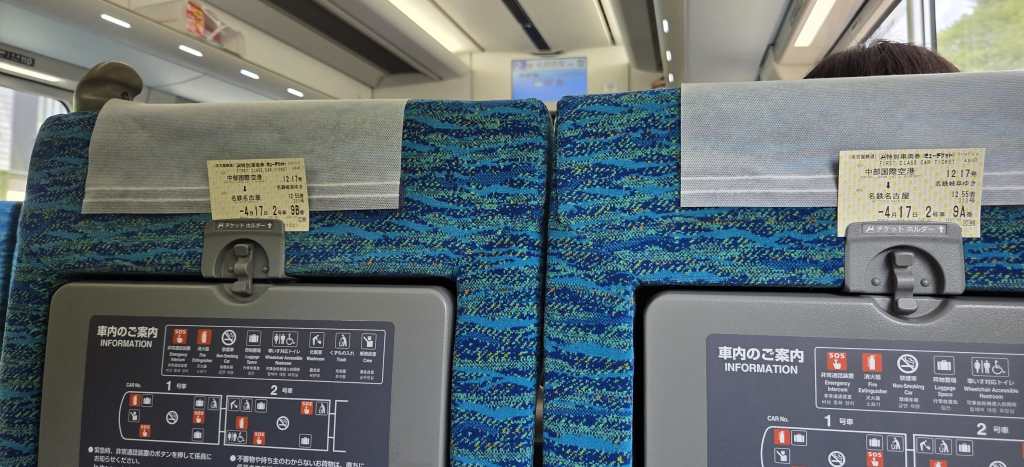
The train ride was about 40 minutes. We looked around and found out that fellow passengers all placed their seat assignment tickets in front of them, and we quickly followed suit.
Our hotel was only a short walk from the train station. The hotel room was tiny — it’s the smallest hotel room we had ever stayed. There wasn’t even enough room to lay out our luggage!
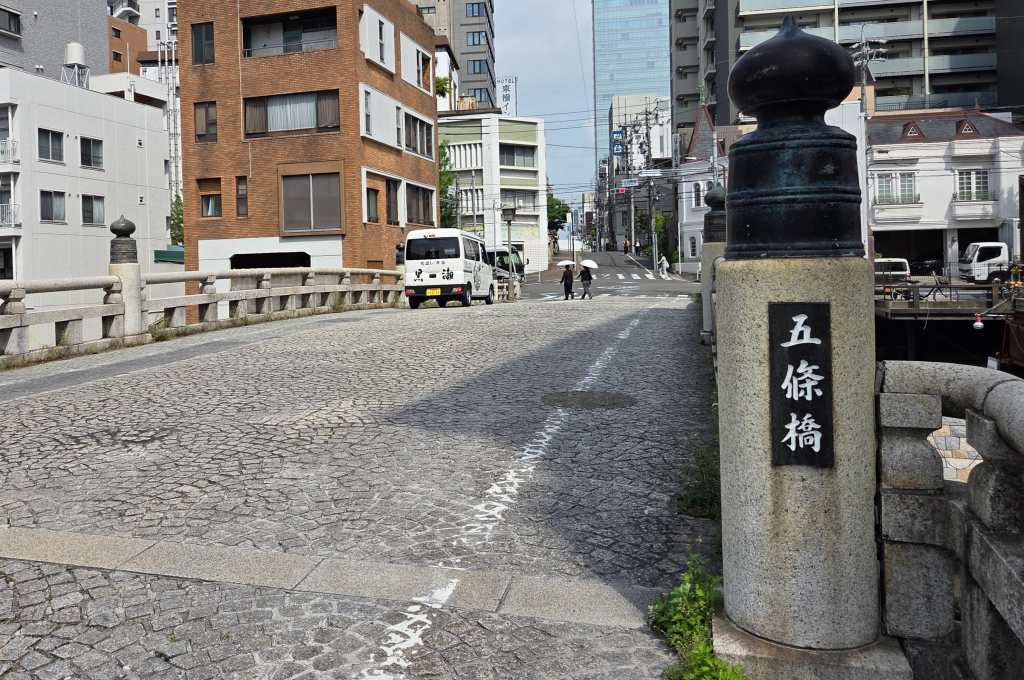
It was only about 1:30pm after we checked into the hotel, so Rei and I decided to visit Nagoya Castle. The castle was about 30 minutes walk from the hotel. On the way, we saw the reconstruction of an old bridge and a boat dock.
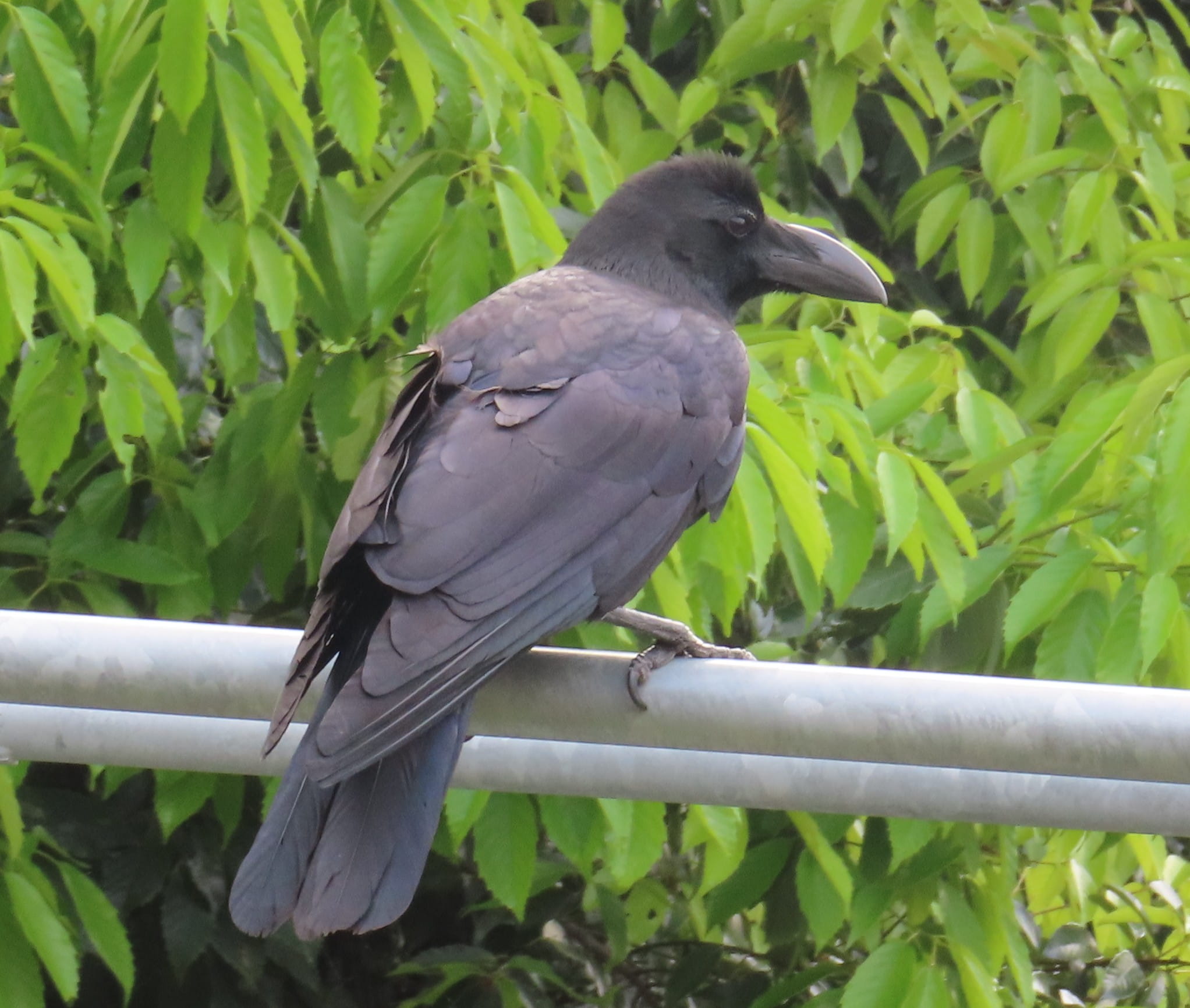
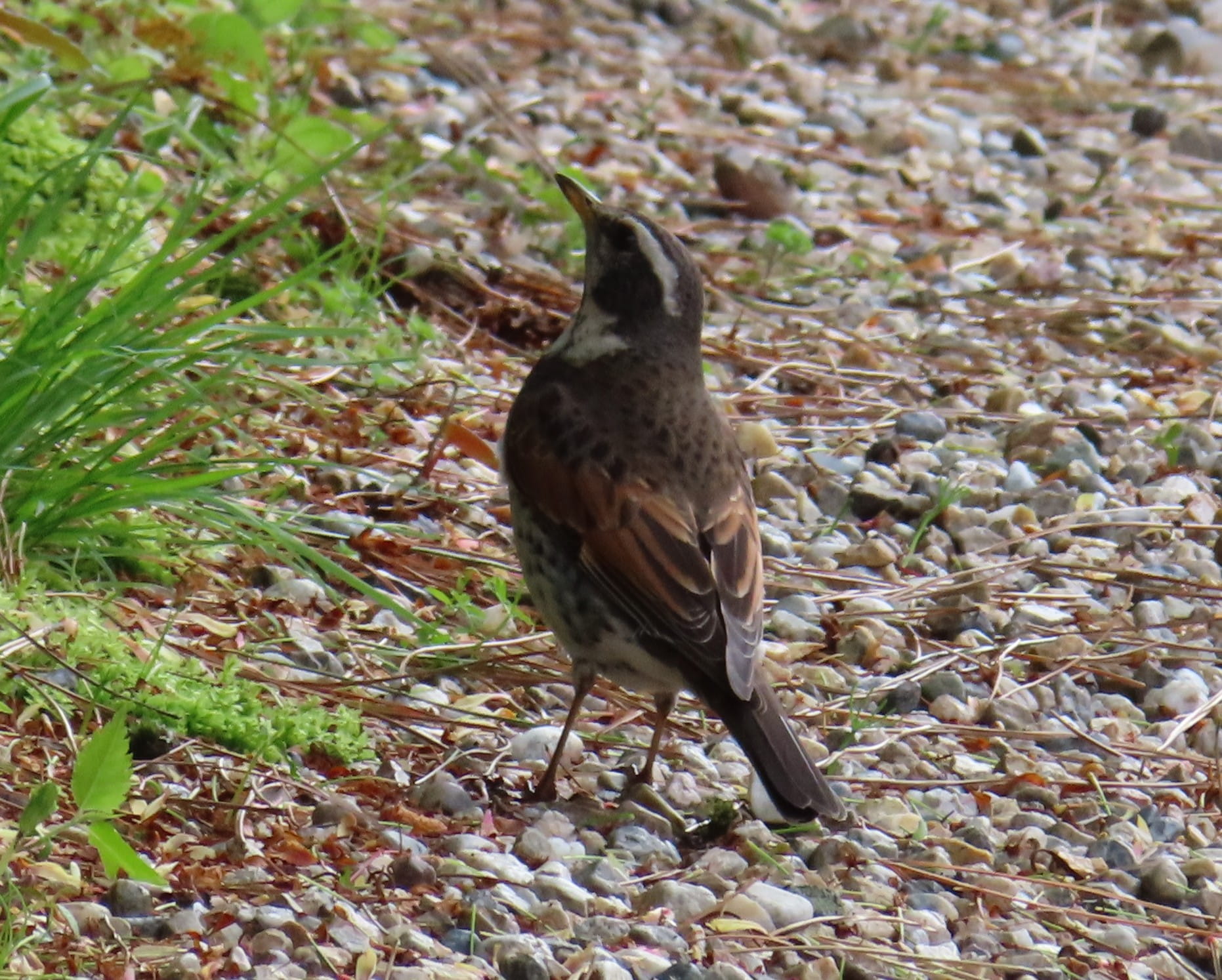
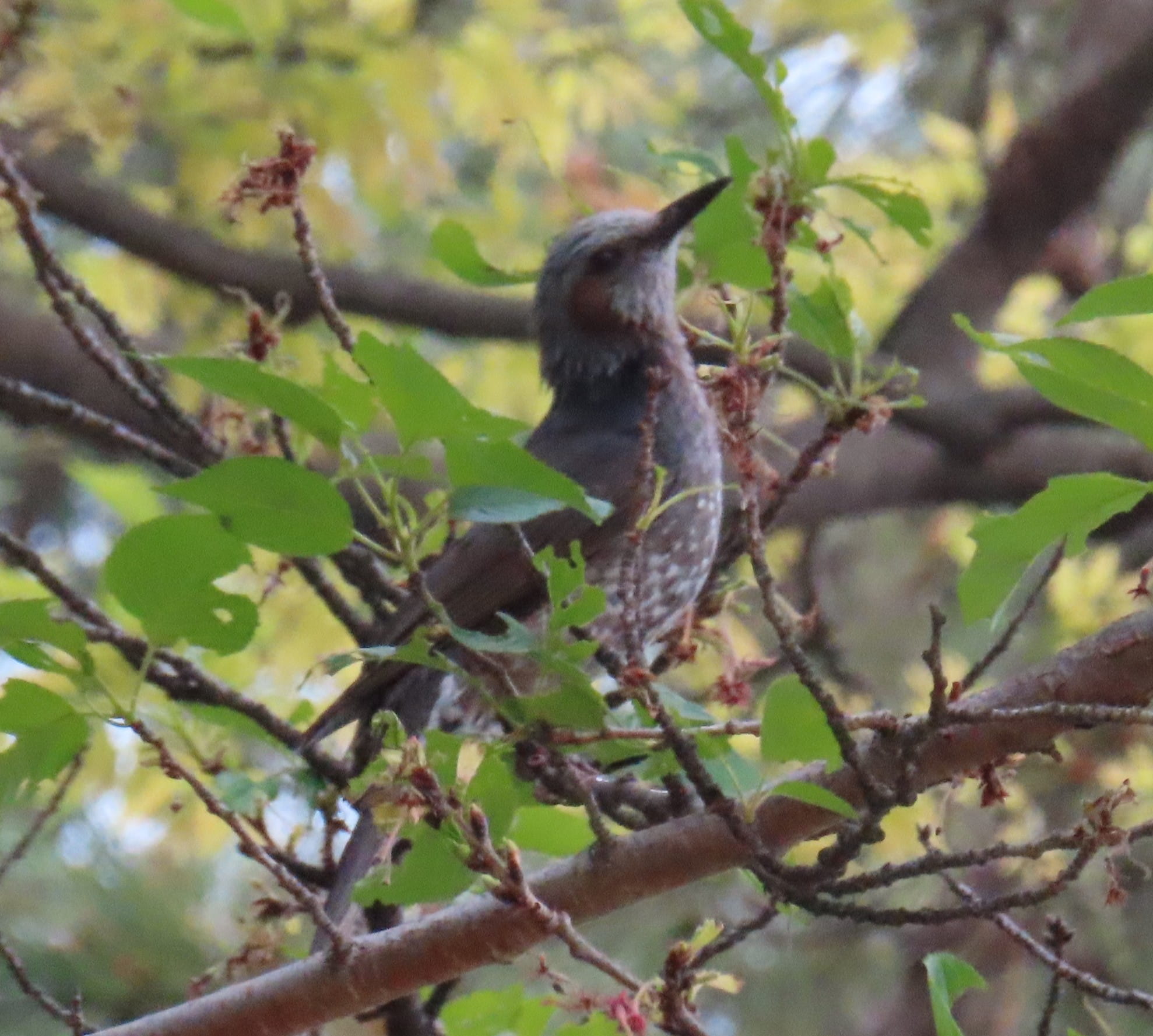
The entrance fee for Nagoya Castle was 500 yen per adult. Today was Friday, but we still saw a lot of tourists there. The castle ground was huge and verdant. There were many Large-billed Crows flying around and cawing. I also saw other kinds of birds such as a Dusky Thrush and a Brown-eared Bulbul. (Check my impressive Bird List.)
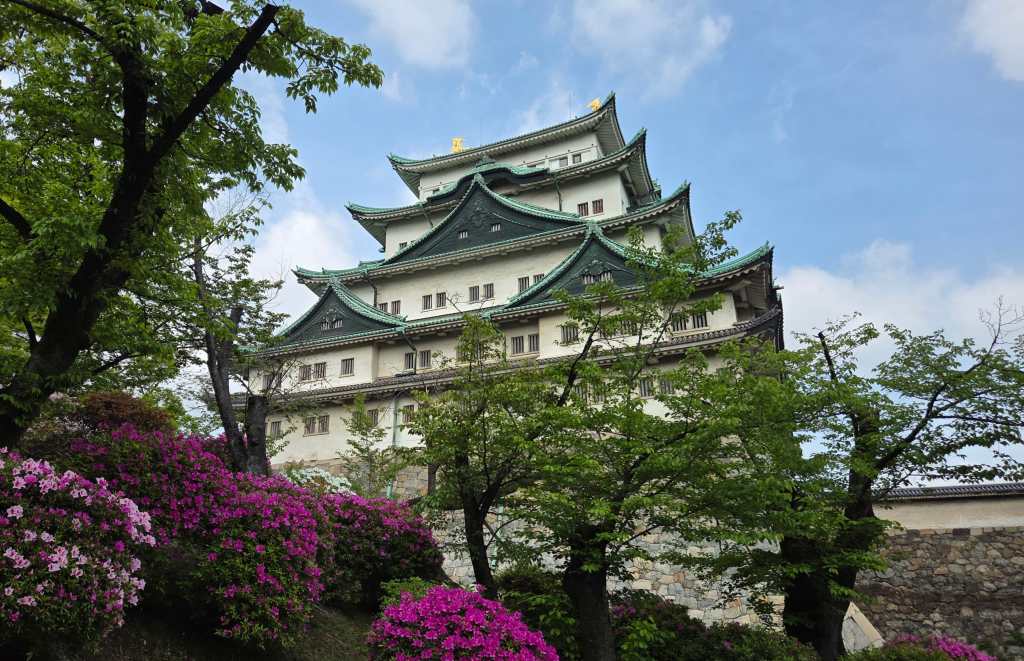
The main castle and small corner towers were all closed for inside visit. A sign outside the main castle informed us that the castle was closed for safety issue.
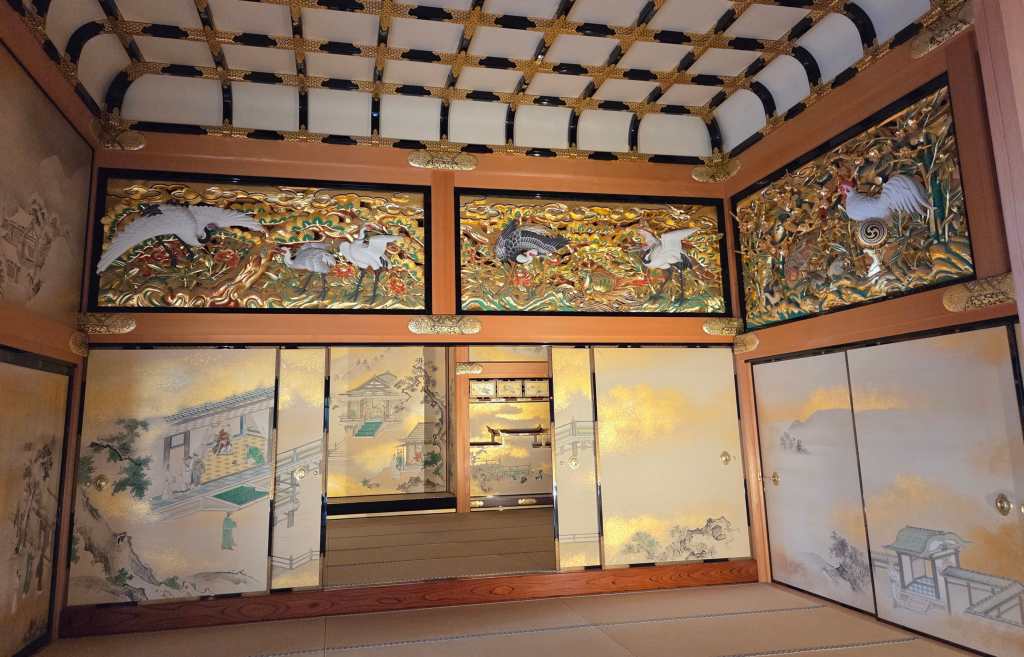
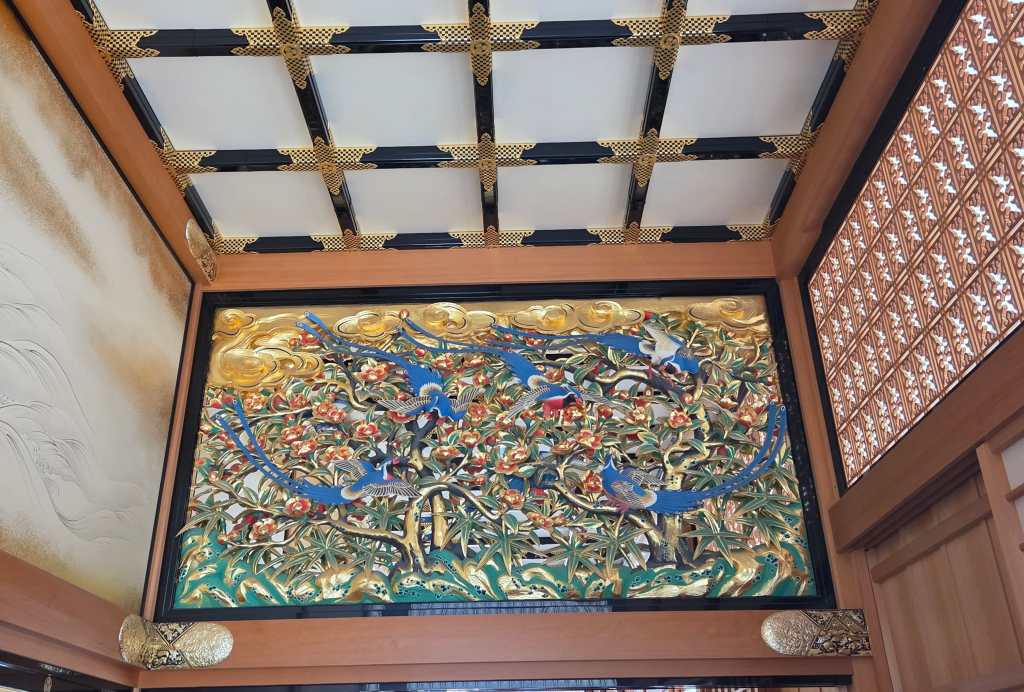
Fortunately, Hommaru Palace (本丸御殿), the shogun’s residence, was open for inside visit. Nagoya Castle was completely destroyed during World War II. The site we saw now was a reconstruction. Nevertheless, the palace was still magnificent. Visitors were required to take off shoes before entering. The palace floors were either wooden planks or tatami. There were many elegant rooms — each with exquisitely painted golden walls of flora and fauna. We all took many photos.
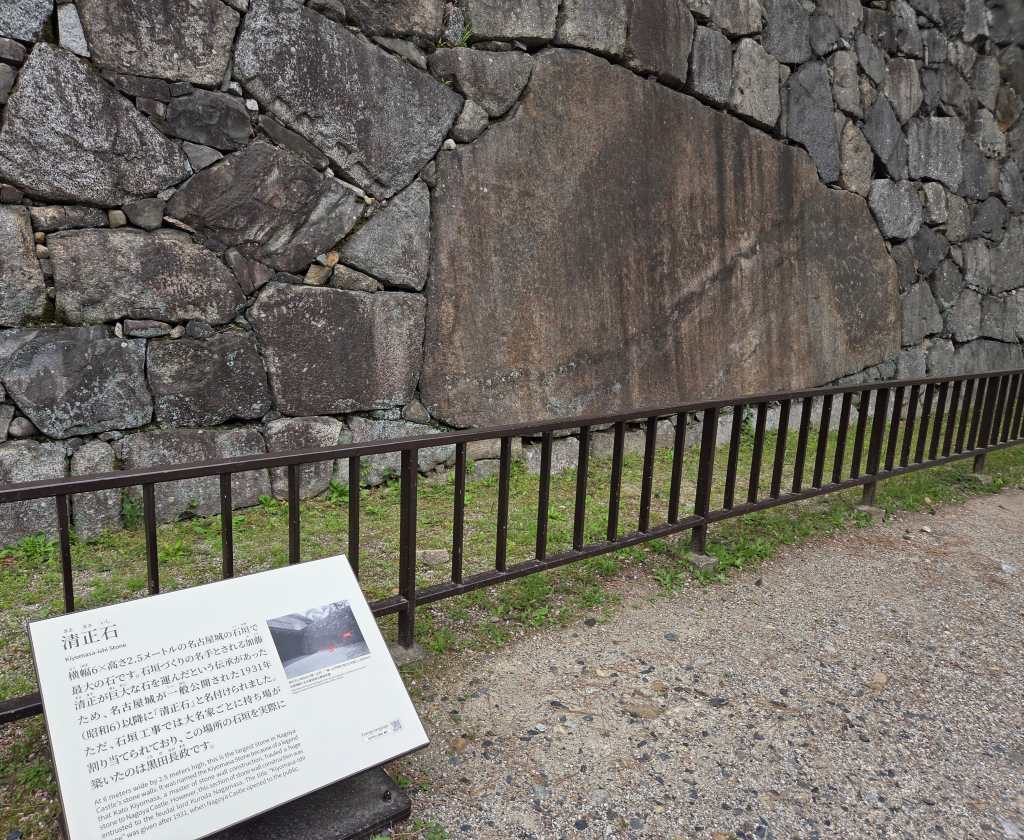
The castle was protected with strong stone walls that reminded me of Inca stonework. There were some especially huge and impressive stones.
There were also gift shops (of course!) with a plethora of souvenirs and snacks. We were not interested in trinkets, but the snacks were too tempting, so we ended up buying a few.
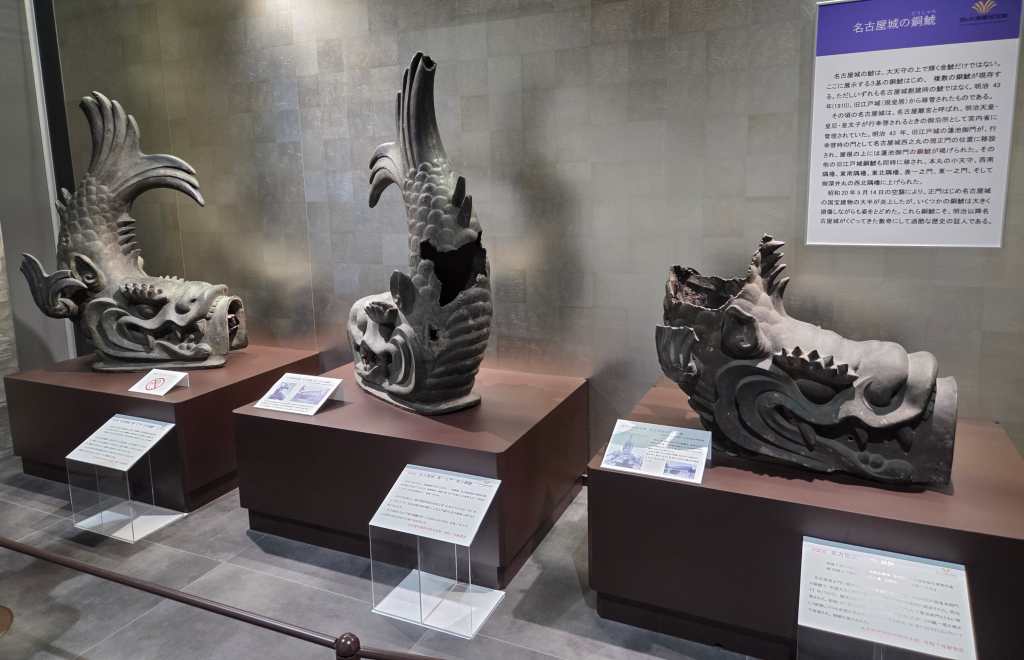
There was also a small museum onsite displaying some original paintings and artifact. The description was mainly in Japanese, so we didn’t get enough information about the display.
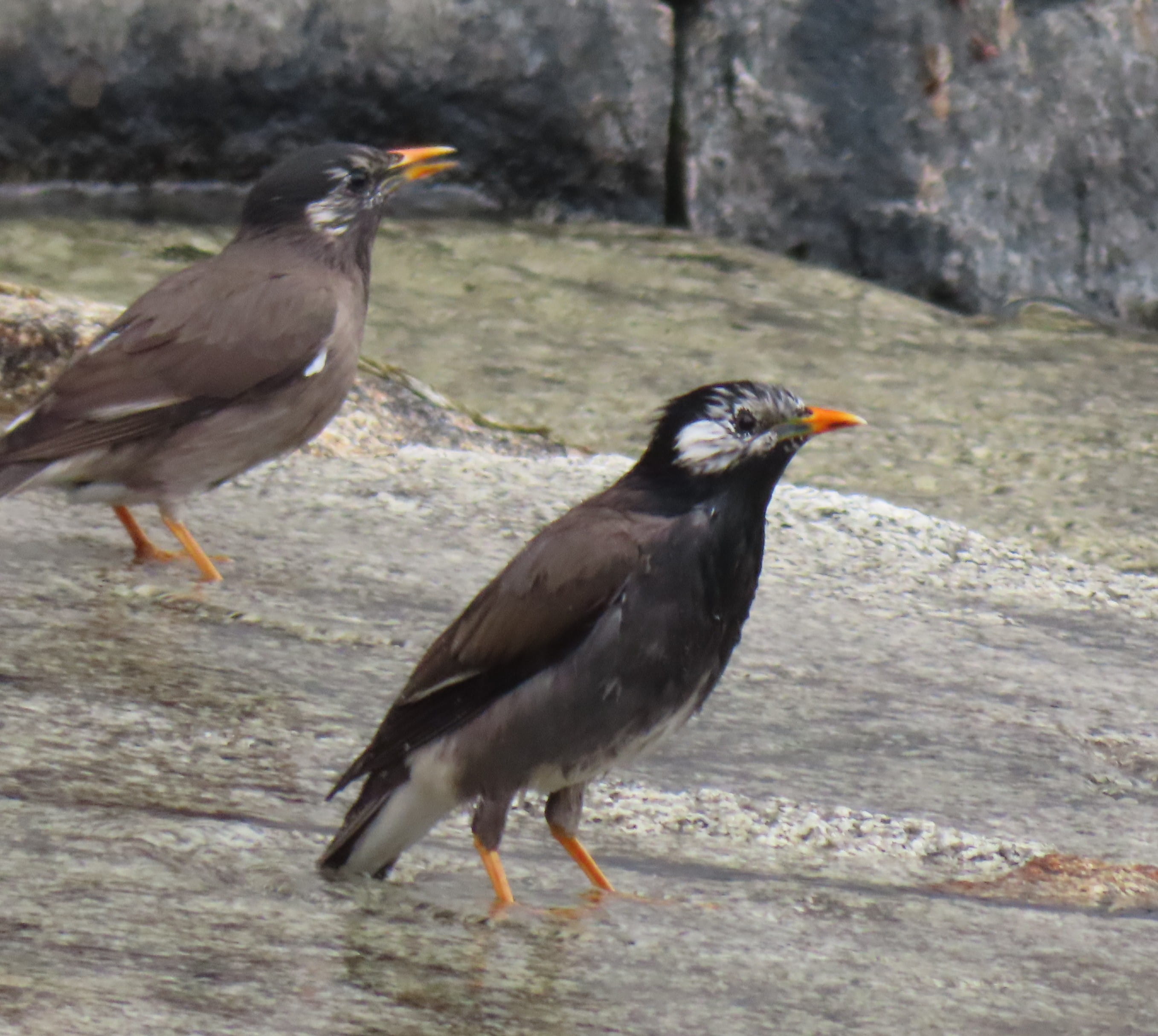
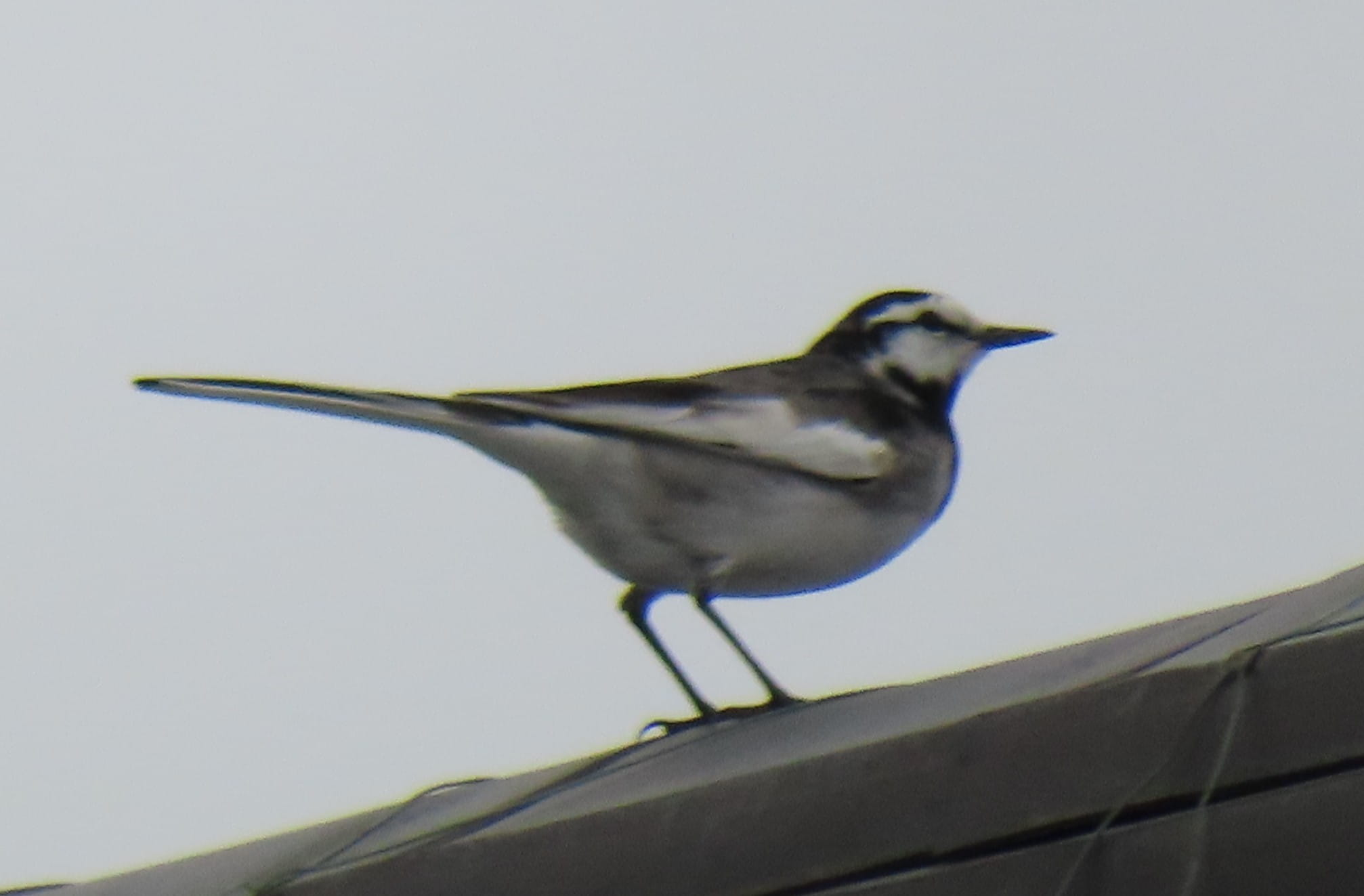
Afterwards, we stopped by the Noh Theater next to the castle. There were stone walls with flowing water outside the theater. Several White-cheeked Starlings were frolicking near the water. I also saw a Japanese Wagtail.
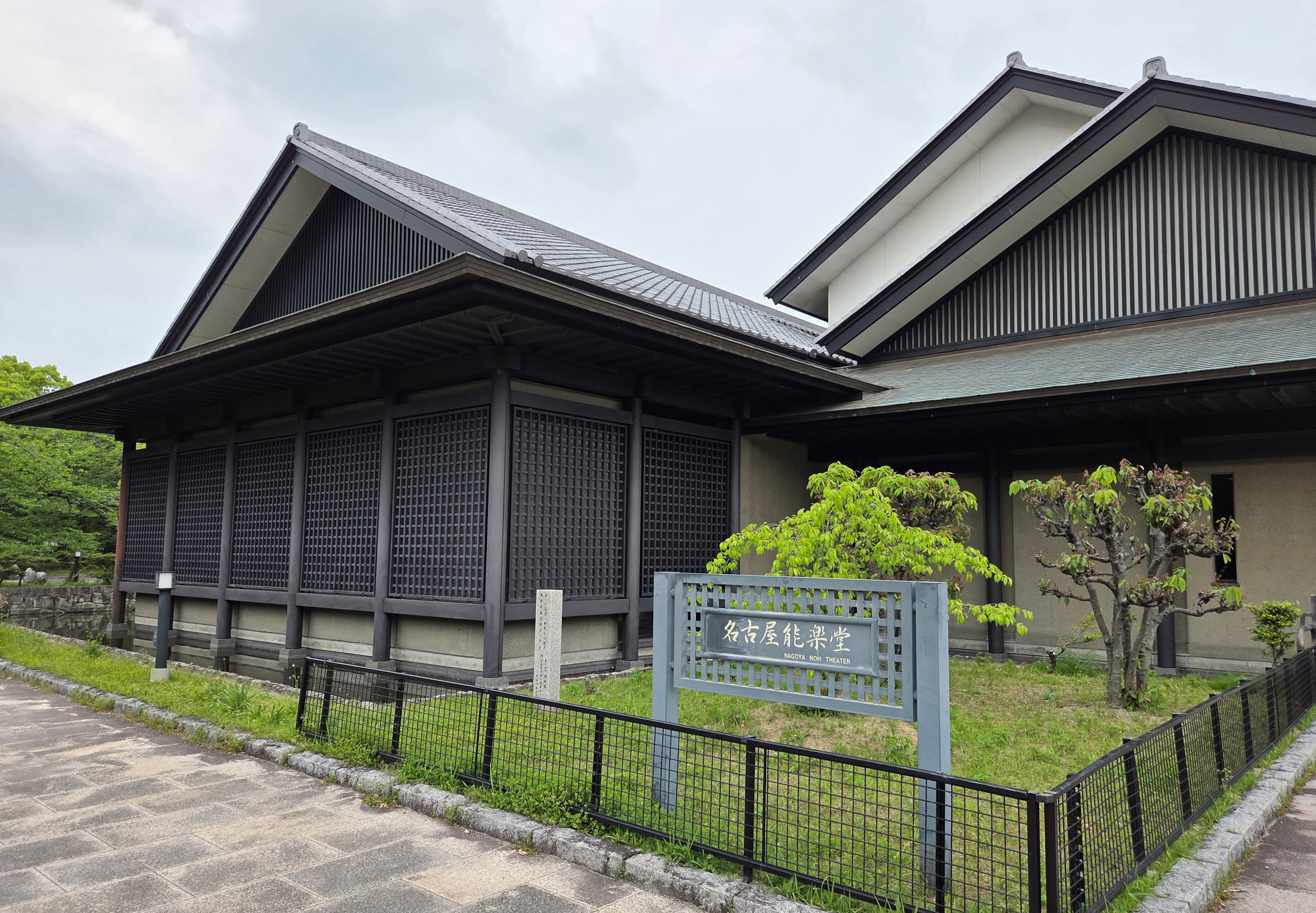
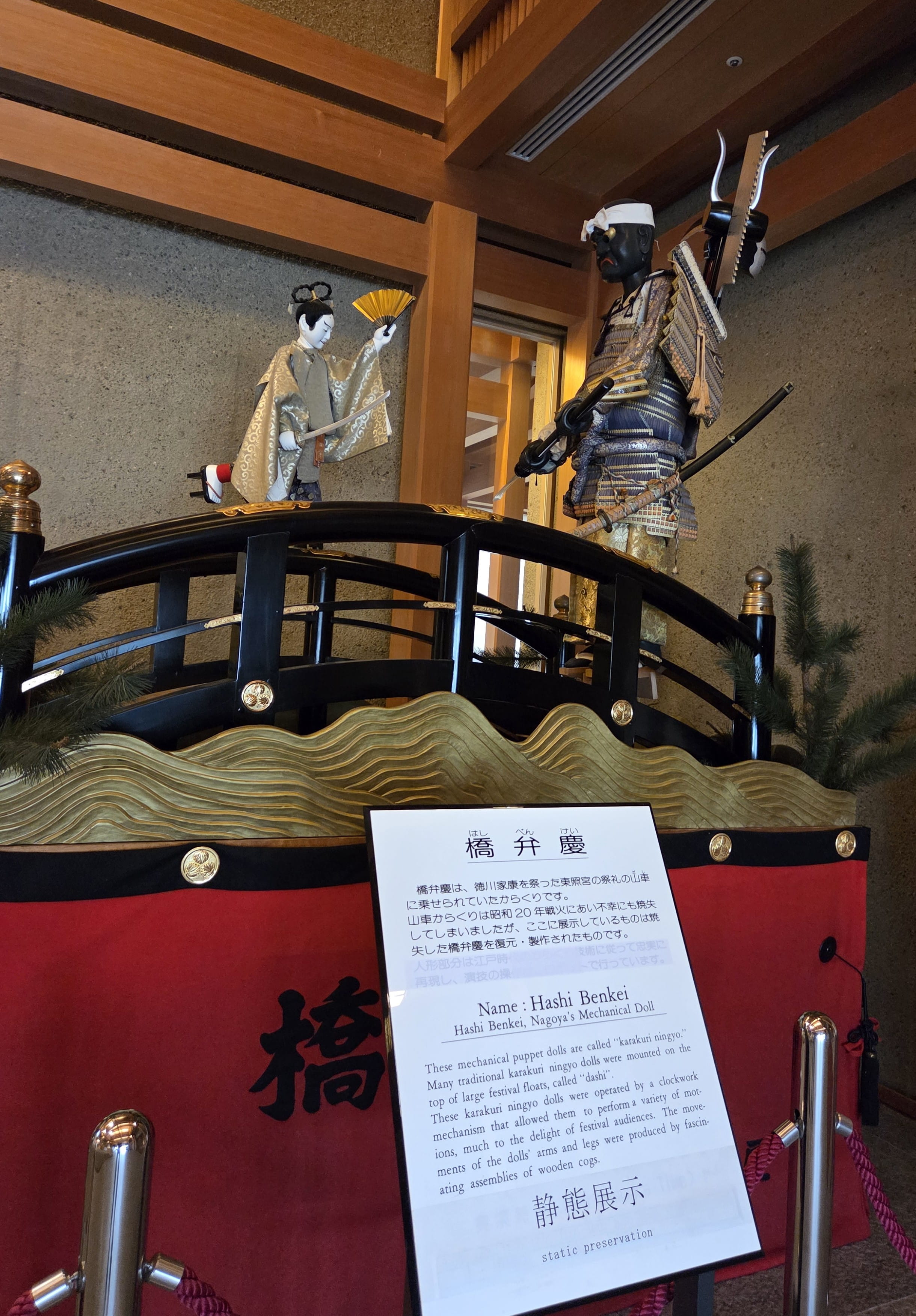
The theater had a good collection of Noh masks and costumes. We were not familiar with Noh, but the masks looked scary. Photographs were not allowed inside the exhibition (but it’s okay at the entrance hall).
On our way back to the hotel, we stopped by a ramen shop to have dinner. In addition to order the food items, we were also asked to specify how we liked our ramen cooked and how salty or spicy the soup should be — it’s kind of complicated!
Then, we returned to the hotel to take a shower and to rest.
Day 2: Atsuta Jingo, Tokugawa Garden, Mirai Tower and Oasis 21
We got up very early this morning due to jet lag. Our hotel didn’t serve breakfast, but there’s a shop across the street serving breakfast with reasonable price and it opened early, so we went there to have breakfast. Rei ordered a Japanese styled breakfast, and I ordered a breakfast with egg, toast and salad. The food and coffee tasted good.
Today was Saturday, and we were able to purchase all-day subway tickets with a discount (620 yen per adult). Nagoya had a famous Toyota Museum, but Rei said he’s not interested. So, we decided to go to Atsuta Jingo (熱田神宮), a famous shrine, first. There was no direct subway train to the shrine, and we would have to transfer. I already figured out what trains we needed to take, but we ended up following Rei’s creative suggestion that took longer to get there!
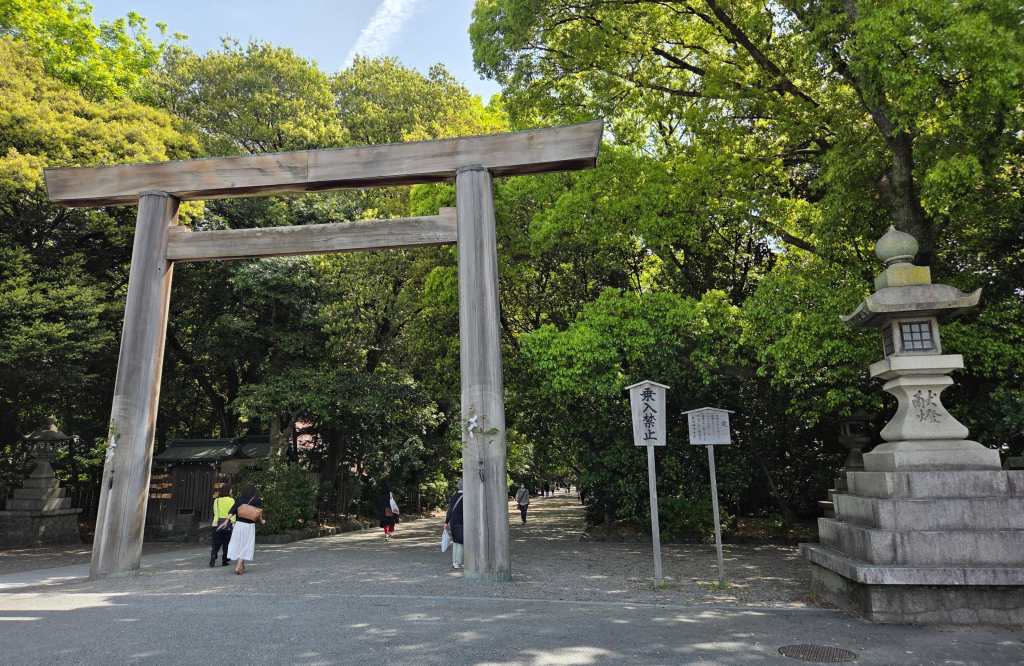
From the subway station, it was a short walk to Atsuta Jingo. Many people were walking toward the place, so we simply followed the crowd. The entrance to the shrine was a plain but majestic torii gate.
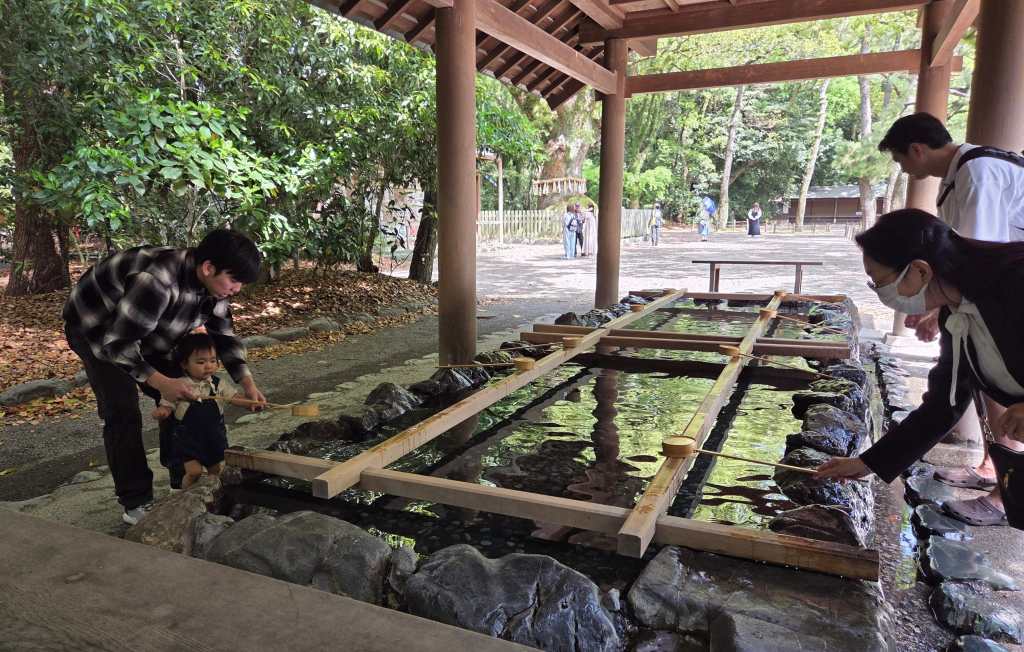
Just like many holy places, visitors to Atsuta Jingo needed to wash their hands at an ablution fountain first.
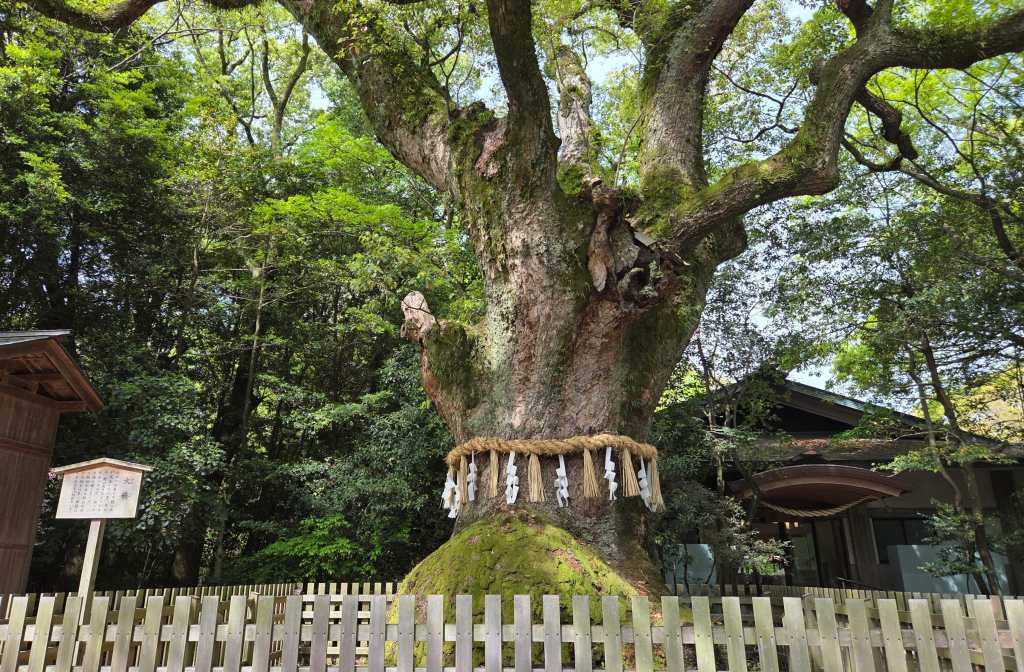
Near the ablution fountain, there was a wall of Japanese wine containers and an ancient sacred tree.
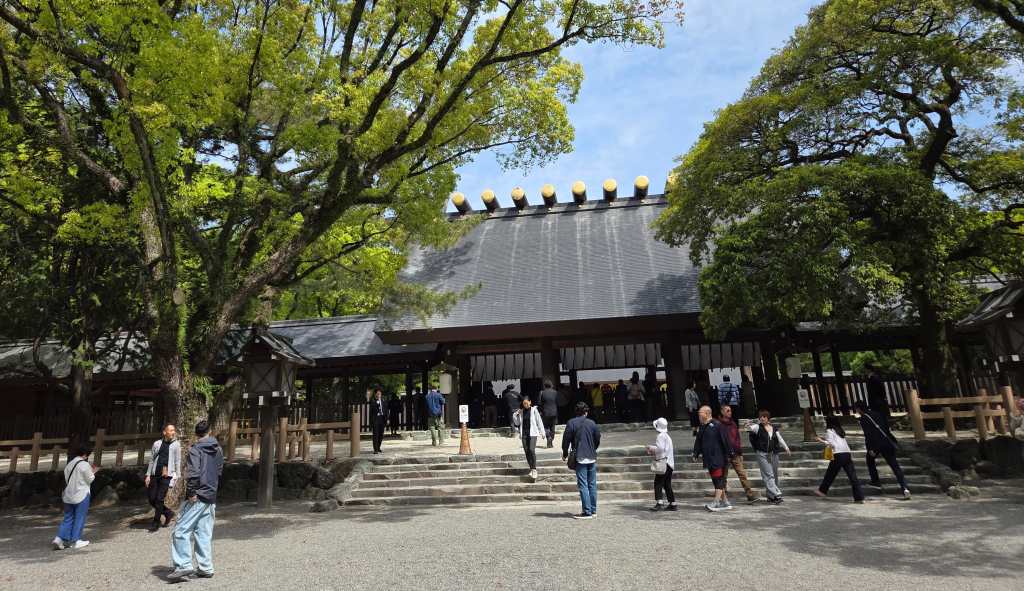
Then we went to pray at the Main Sanctuary. We saw that visitors all clapped their hands twice after praying. We didn’t know why, but we followed suit. (More on the proper way of praying later…)
There was a long line at a water fountain. We didn’t want to wait in line, but we joined the line after we found out that it was for people having eye problems (Rei had an eye issue.) One needed to first make a coin donation, wash the hands, and then splash the water 3 times at a stone situated at the middle of the fountain. Rei splashed the water multiple times all over the walls of the fountain and made quite a scene! Haha! (Sorry, no photos allowed there.)
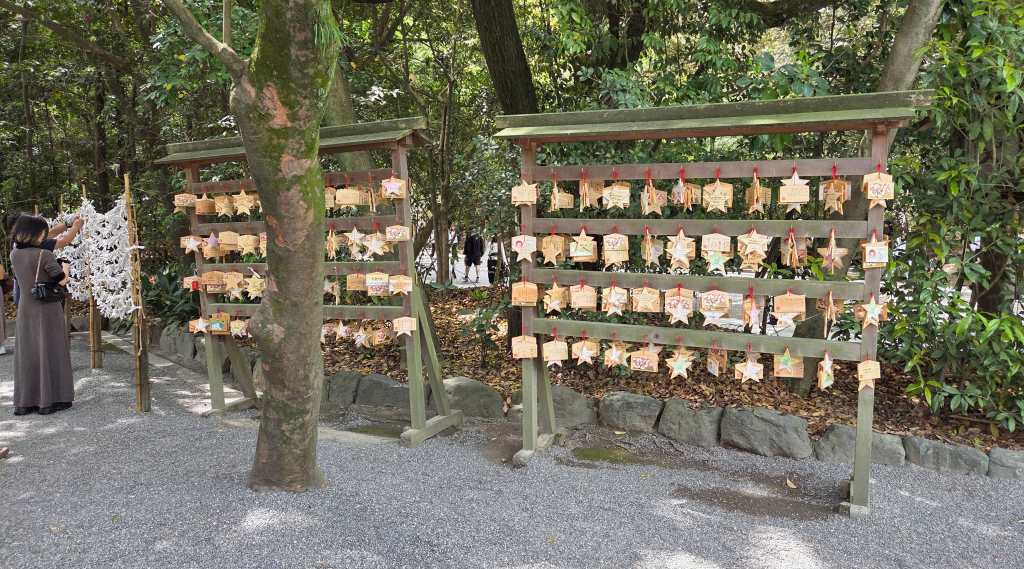
We were clueless regarding the purpose of this shrine. Rei googled to find out that it’s a “multi-purpose” shrine for health, safety, academic achievement, good luck, etc. Visitors could write down a wish on a piece of paper, make a donation, and then tie the paper on a “wishing wall.” We didn’t do that though.
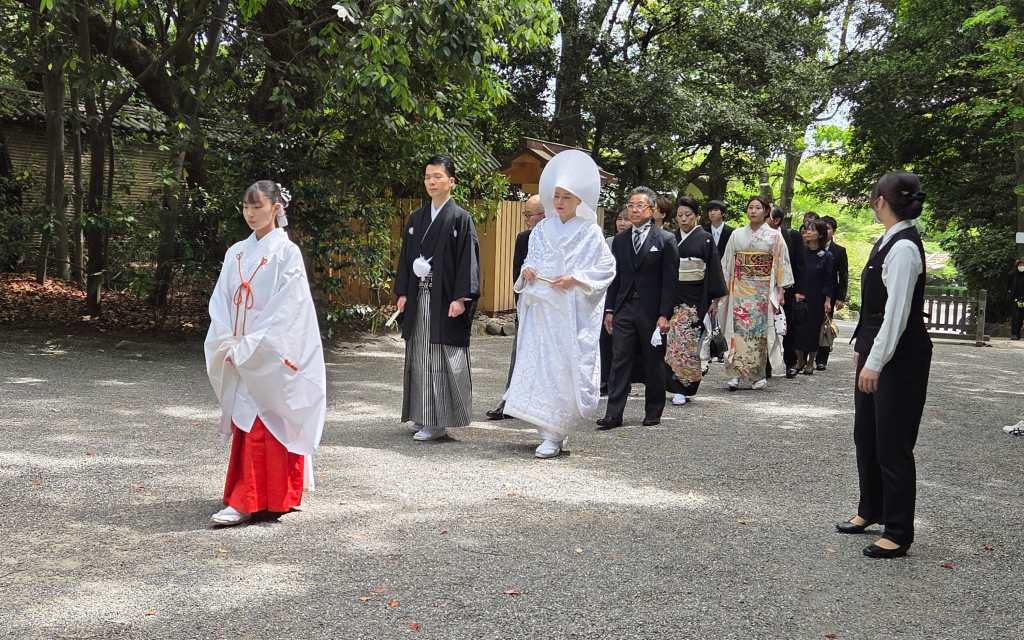
People could also get married at the shrine, and there was indeed a wedding procession going on with a priestess leading the groom, the bride and their relatives. We all took photos of the procession. It’s quite interesting.
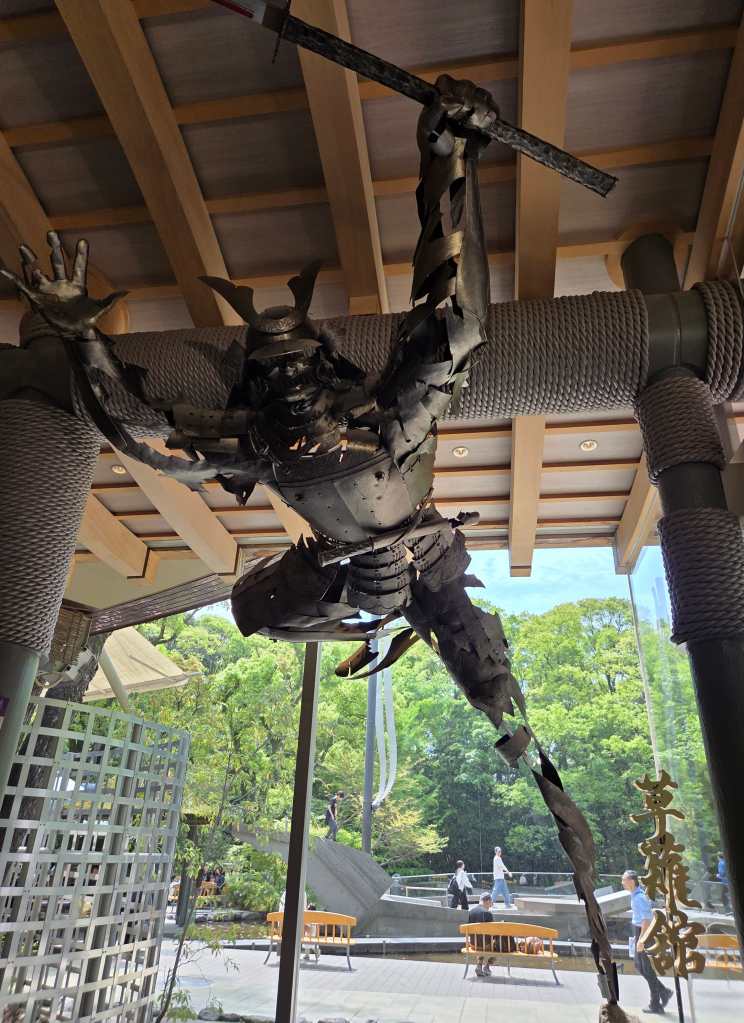
Atsuta Jingo also had a treasure hall and a sword museum (500 yen each, or a combined ticket for 800 yen). Rei wanted to visit both places, so we purchased the combined tickets. It turned out that both places only had information in Japanese and no photos were allowed inside! However, at the end of the sword museum visit, there’s a room for us to try to lift swords, and photos were allowed there. Rei managed to lift both long swords, and I took photos. Yours truly couldn’t lift either of the long swords!
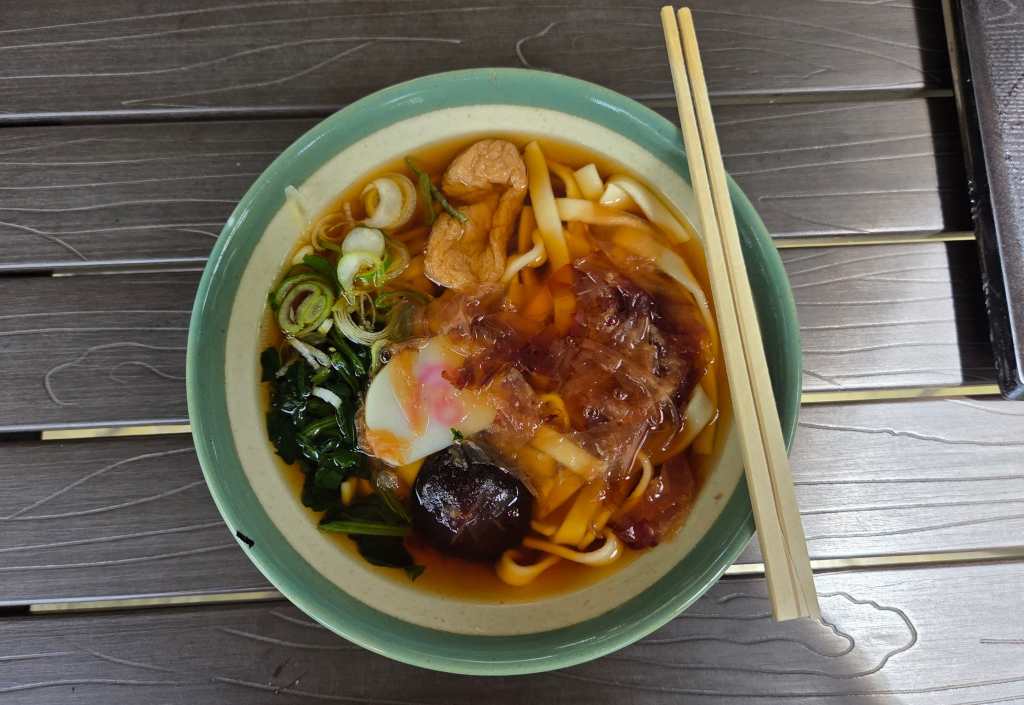
Rei never researched “must sees” beforehand for the places we were visiting, but he would research “must eats,” and he found out that the noodle restaurant at the shrine was among the “must eats,” so we had our lunch there. The noodle soup was indeed very delicious!
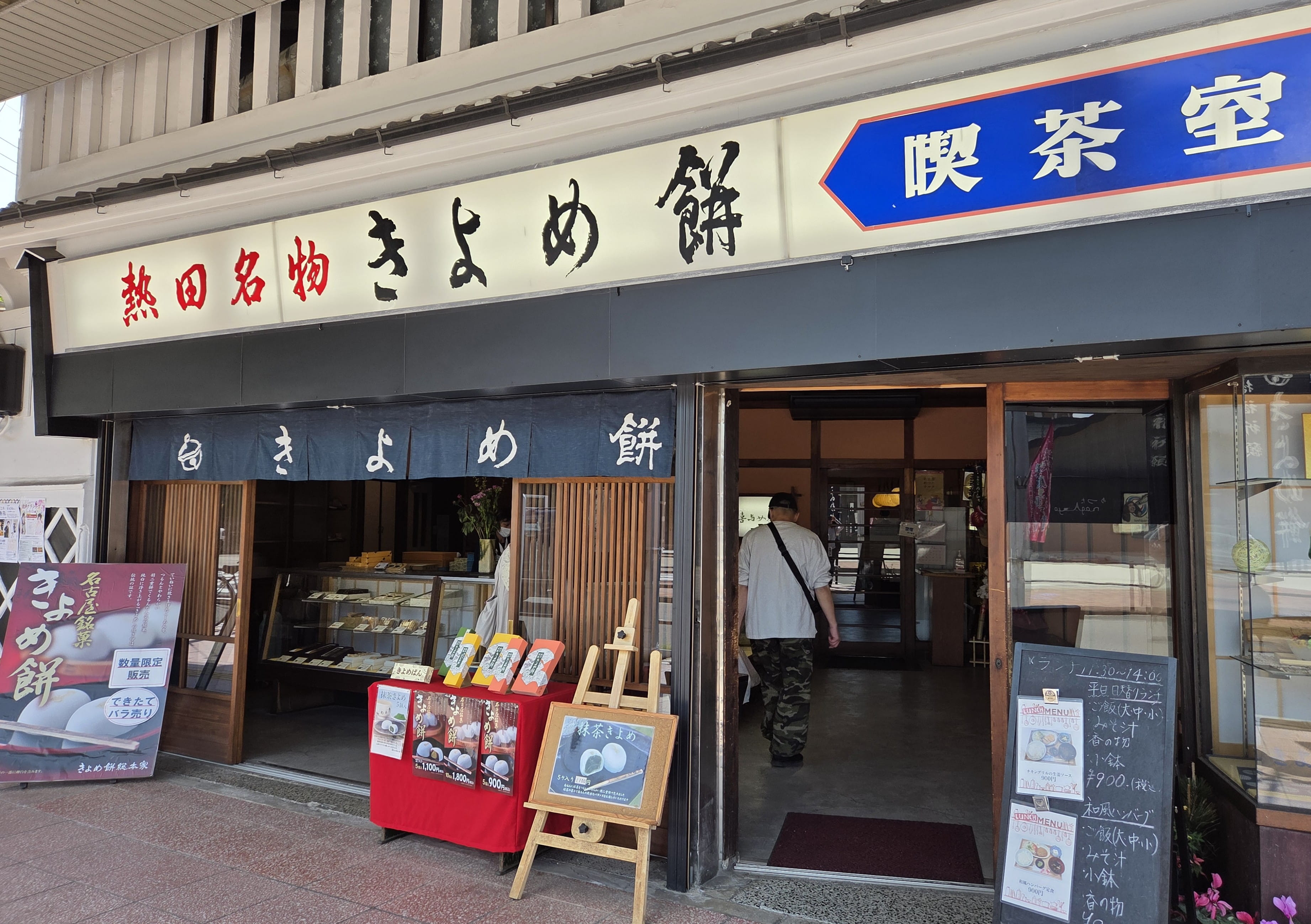
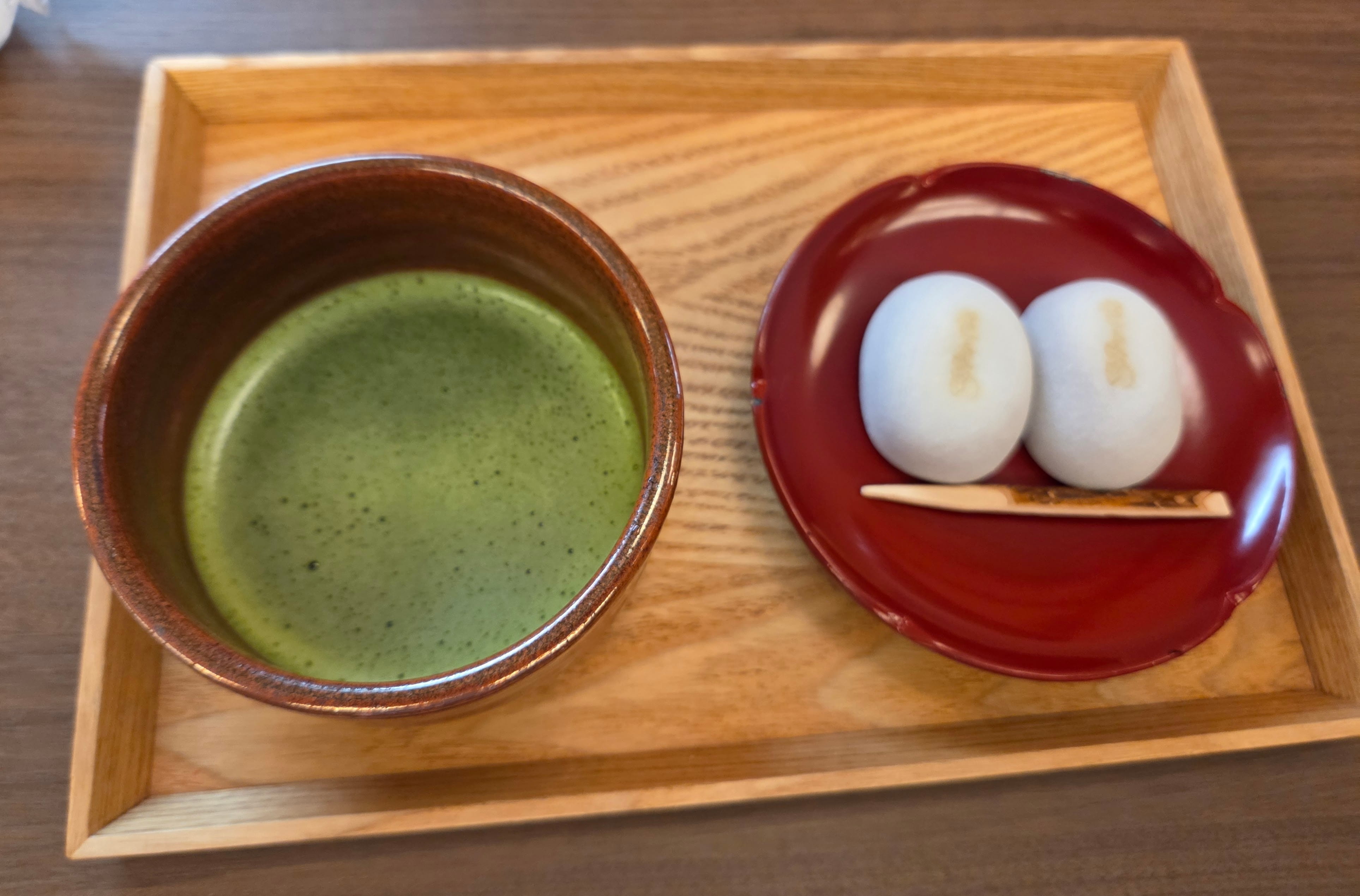
A dessert shop near the shrine was another “must eat,” so we walked there after the shrine visit. We had matcha and mochi desserts with red beans and chestnuts inside. We enjoyed the dessert and the tea very much too. There were a lot of very tempting sweet desserts and ice cream every place we went in Japan. Blood sugar be damned!
The second destination of the day was the Tokugawa Garden and Art Museum. The place belonged to the Tokugawa family. Generations of Tokugawa shoguns controlled Japan for about 250 years, and the family owned a plethora of treasures. Visitors would be able to view the treasures in their art museum. After we found out that the entrance ticket cost 2,000 yen per person, we decided to forgo the art museum and only go to the garden (240 yen after showing our 1-day subway ticket).
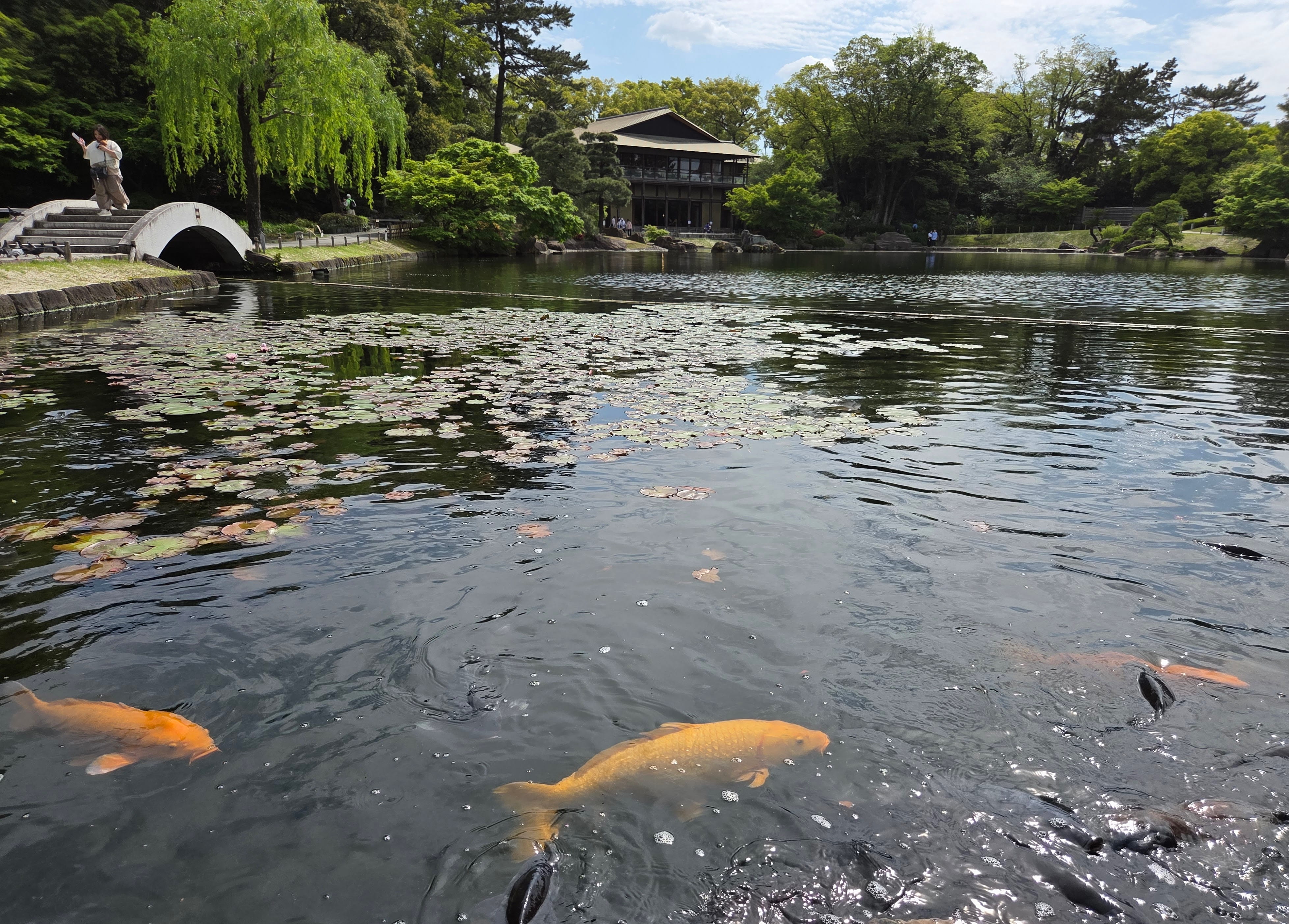
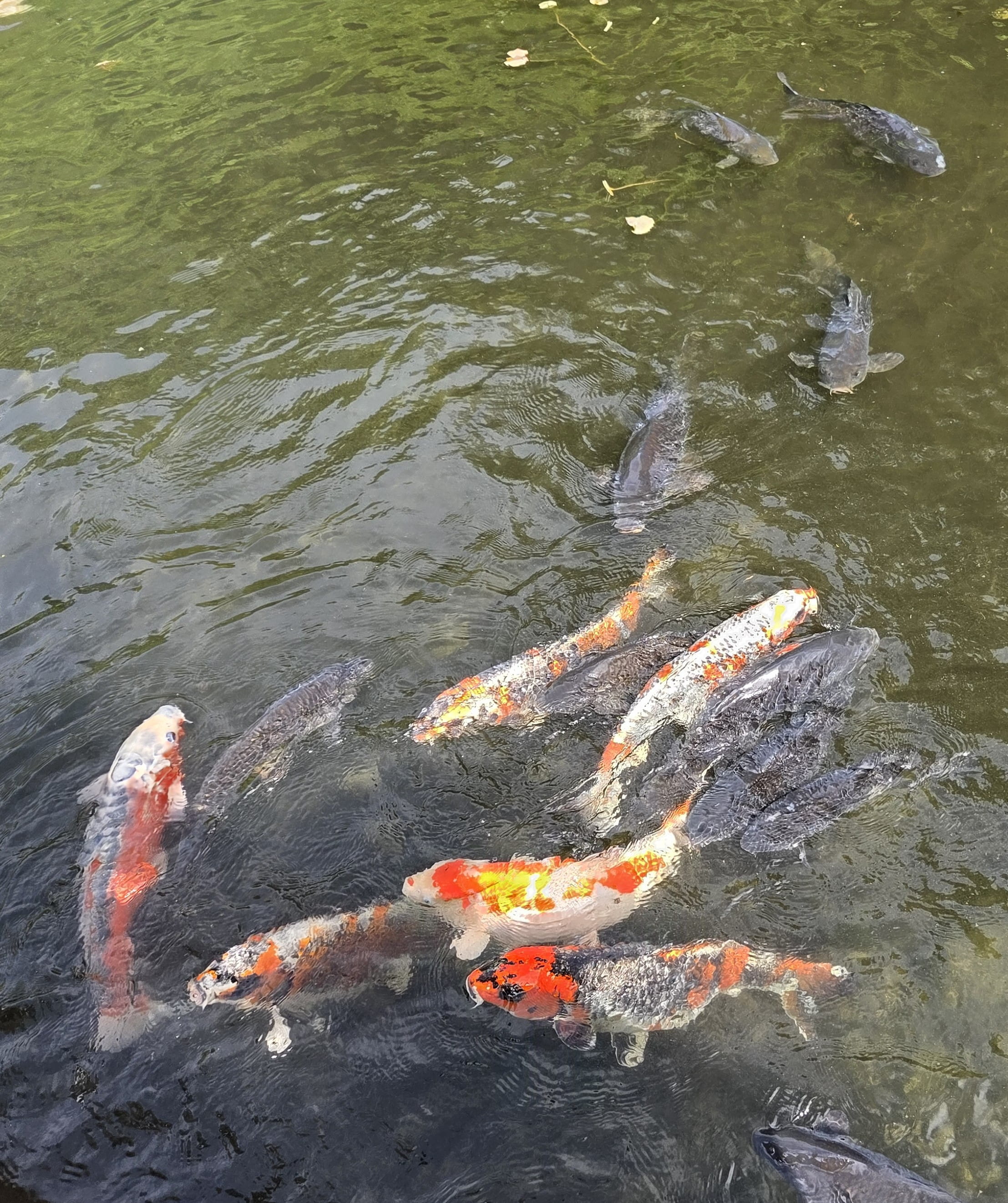
The garden had a large lake/pond with many very fat Koi carps. They were the biggest I had ever seen! There were also some waterfowls in the lake.
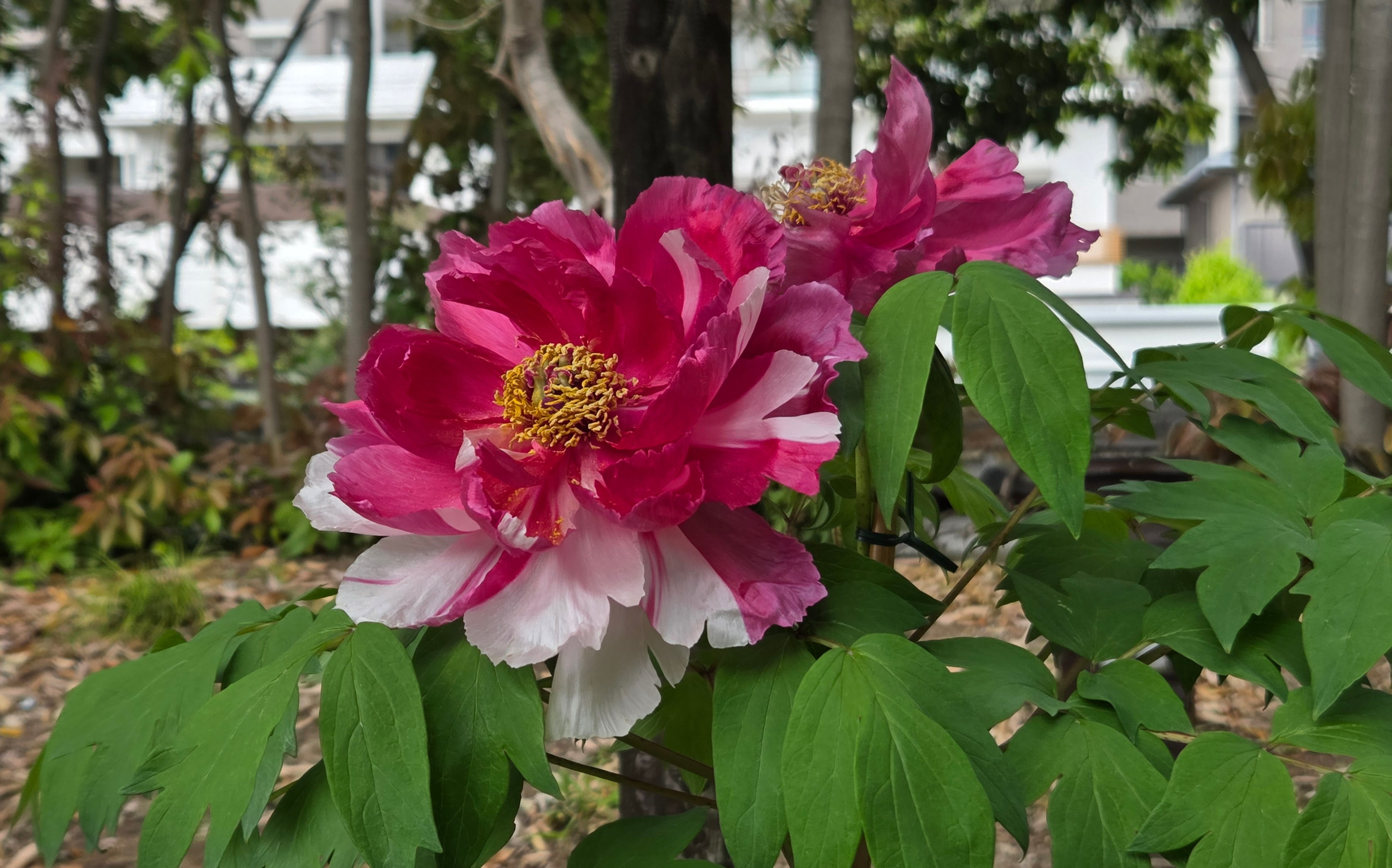
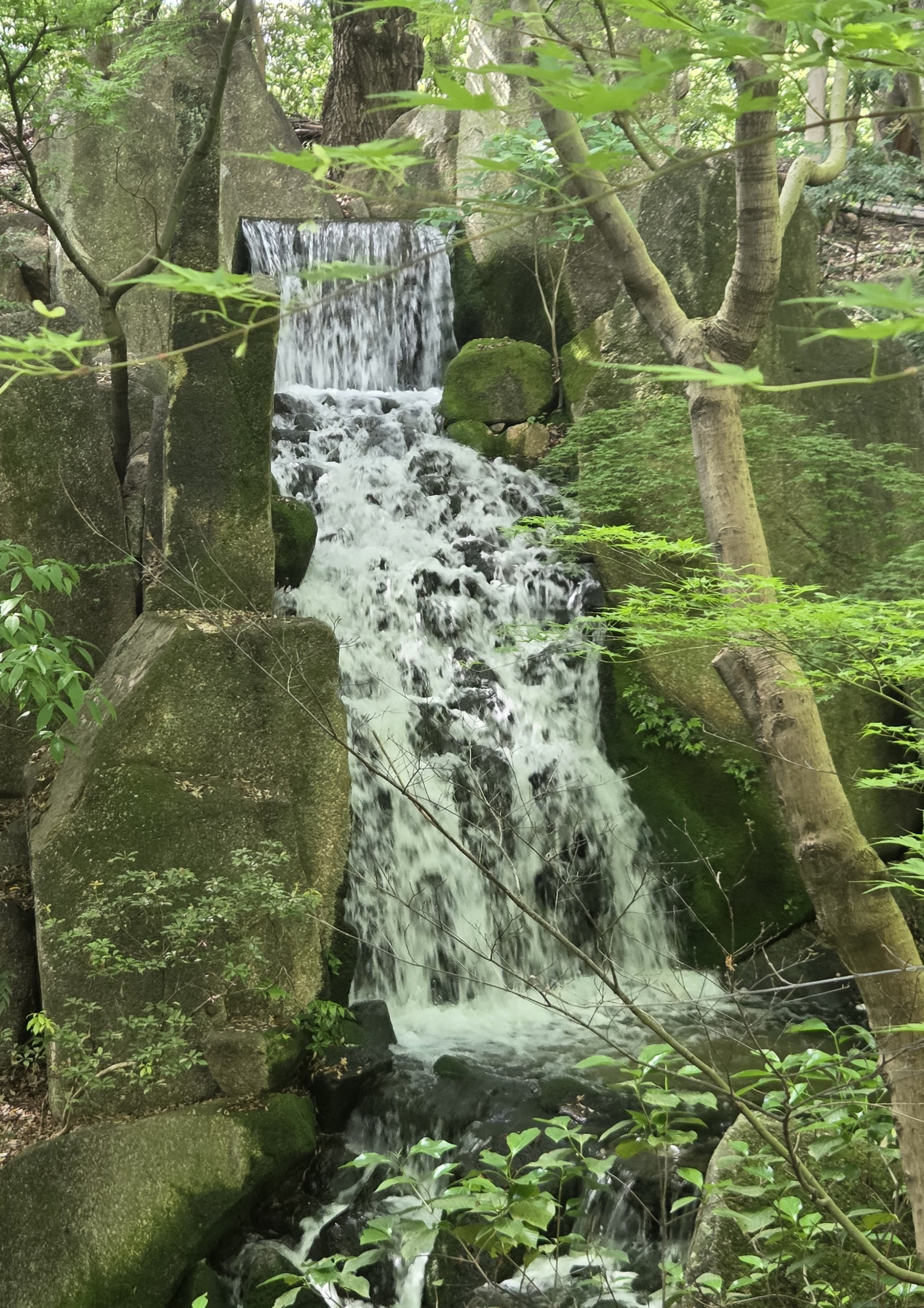
The garden was verdant with a variety of colorful flowers. The peony garden was especially impressive. There was also a waterfall, Ozone no Taki, in the garden.
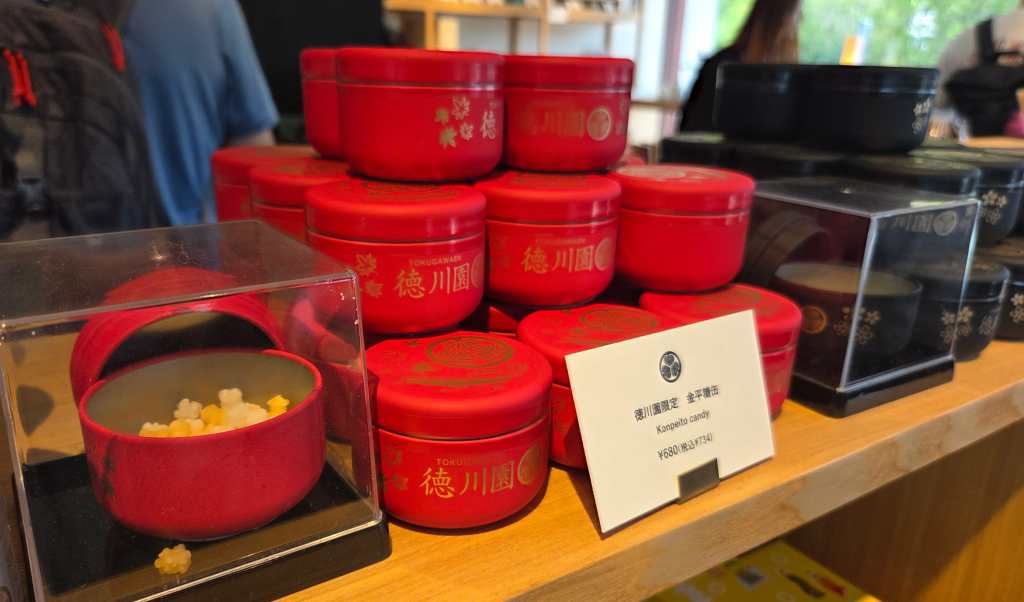
As usual, there’s a gift shop at the exit. We didn’t plan to buy anything. However, upon entering the shop, we found out that they had Konpeito candies in fancy Tokugawa Garden cans. Sister (our daughter) asked us to bring back some Konpeito candies for her, so we bought all 3 varieties they had in the store.
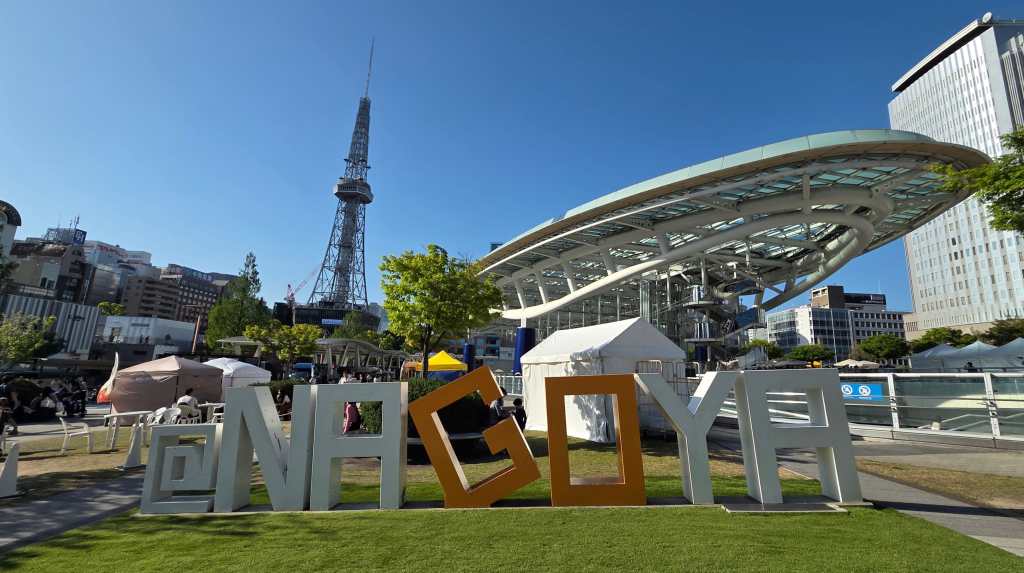
After the garden visit, only Mirai Tower and Oasis 21 remained on the list. We climbed up the Spaceship-Aqua to walk around the walkway. From the walkway, we were able to take amazing photos of the Mirai Tower and the dancing water fountains.
Since it’s weekend, there was a big crowd patronizing the cafes, restaurants and stores in the area. Because we were going on a hiking trip, we couldn’t do any shopping here now.
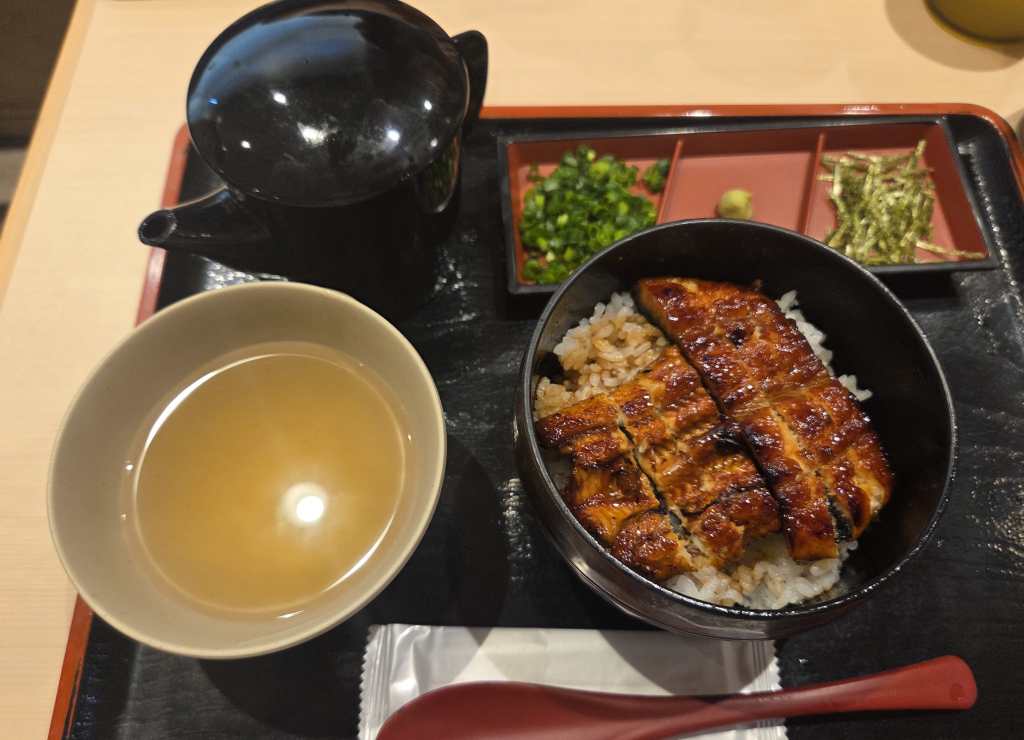
Rei wanted to have eel rice for dinner. It was only shortly past 4pm. Most restaurants wouldn’t open until after 5pm. Then, Rei was able to find a place that’s open and their price was very reasonable. We went there to have dinner before returning to the hotel to take a shower and to pack.
 Amy 'n Rei