(10/5 – 10/17/2026)
LIVE!!
Bay Area In-Laws informed us that their friends were organizing a tour to Hokkaido (北海道), Japan. Though we have been to Japan a few times (see my Kumano Kodo and Japan Alps blog), we have never been to Hokkaido. Moreover, Rei wanted to travel with his relatives, so we also signed up for this tour.
We like DIY, hence we decided to arrive a few days earlier to visit Hakodate (函館) and Lake Toya (洞爺湖) by ourselves. These two places were not covered in the tour itinerary.
Day 1: On the Way to Hakodate (函館)
We had 6 hours of layover time in Taipei, which was awkward — too long to wait at the gate, but too short to go out to really explore. So, we decided to explore the various eateries at the airport.
It was before 6am, and the airport was very quiet. It only took us a few minutes to clear customs. We were told that there’s a food court nearby, and it was very easy to walk there.
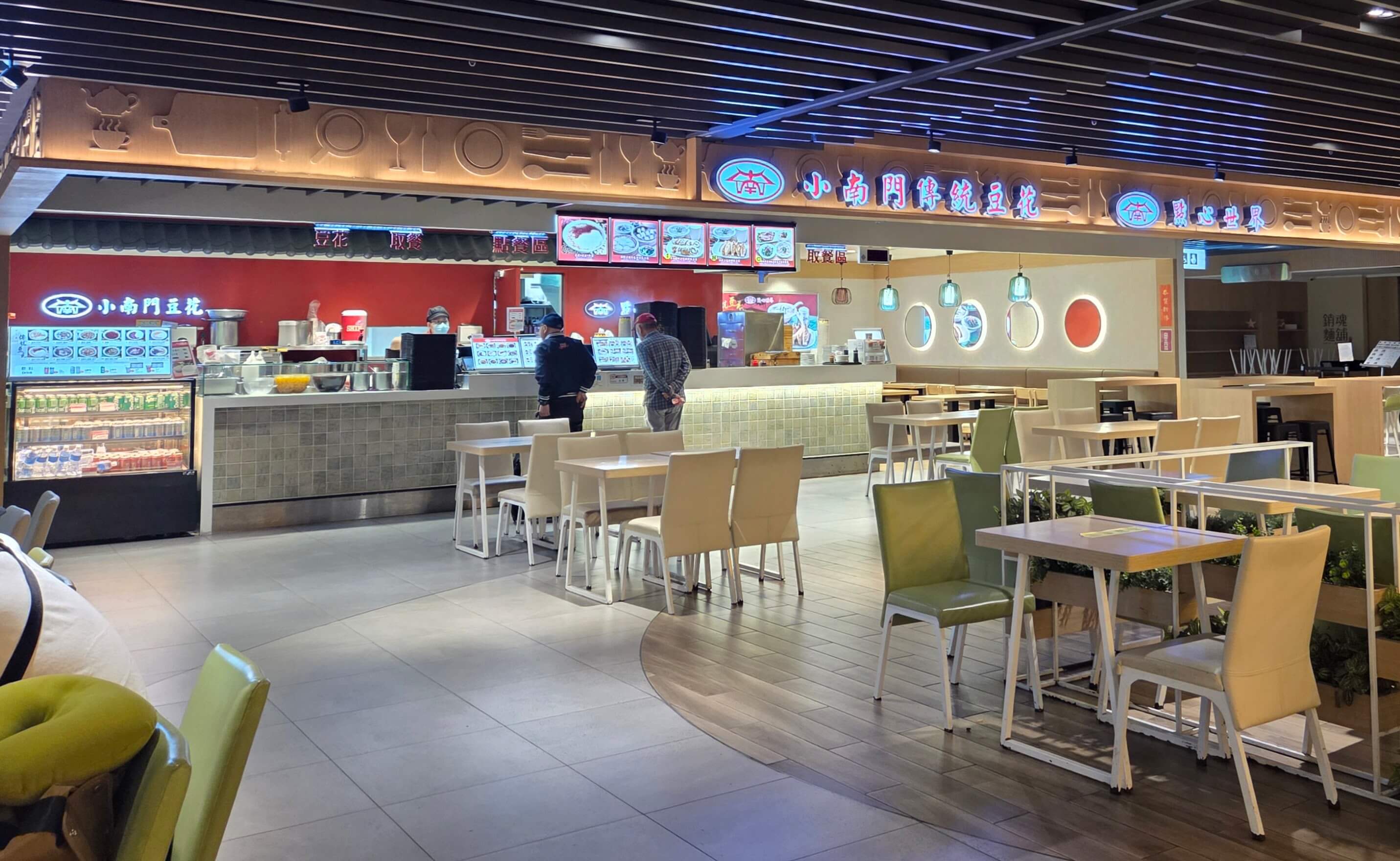
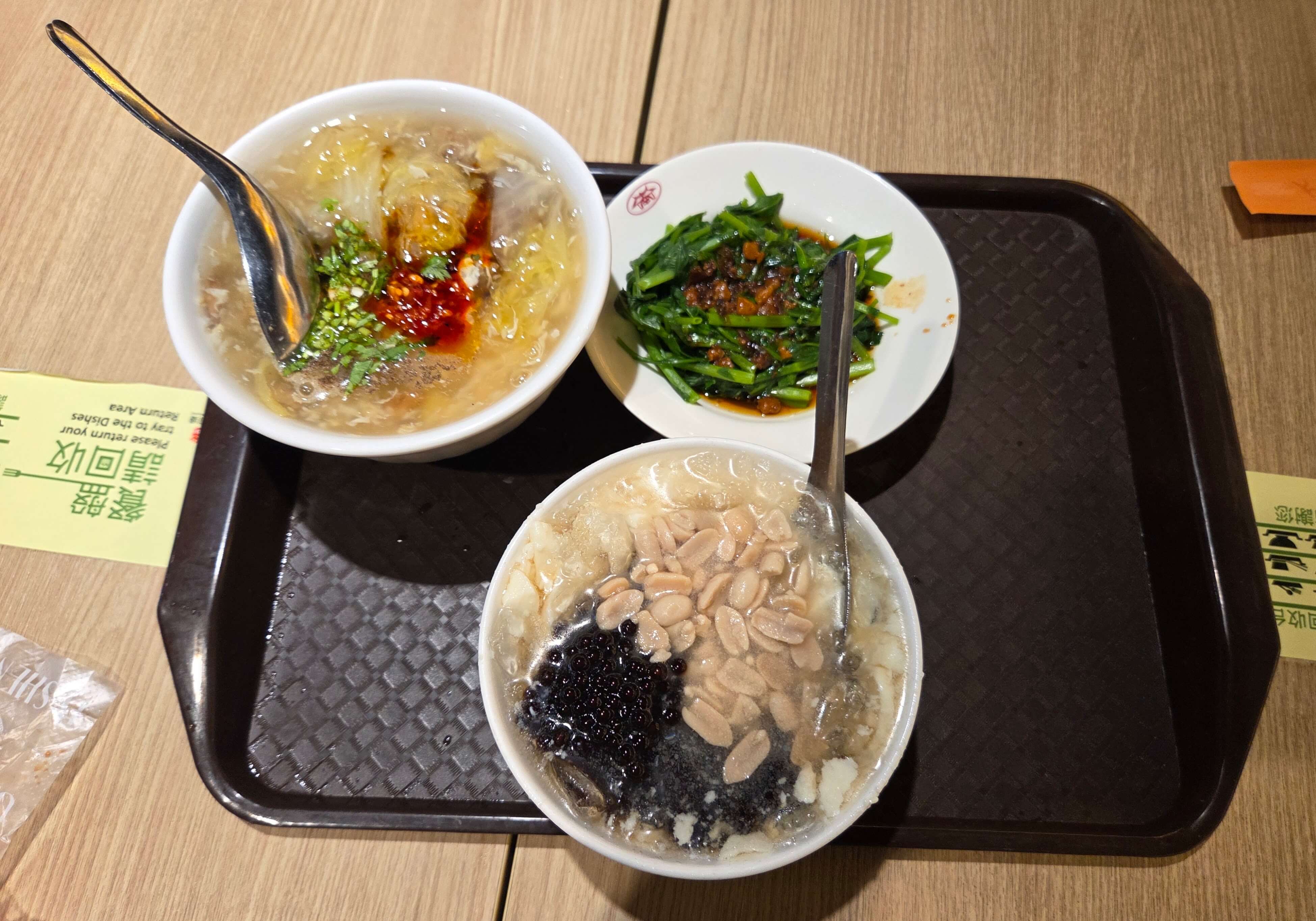
The food court had many options, though some stores weren’t open yet. Rei was very excited. We tried a few different types of food, and they were all very delicious, far better than the food at the gate. There’s also free wifi for the public.
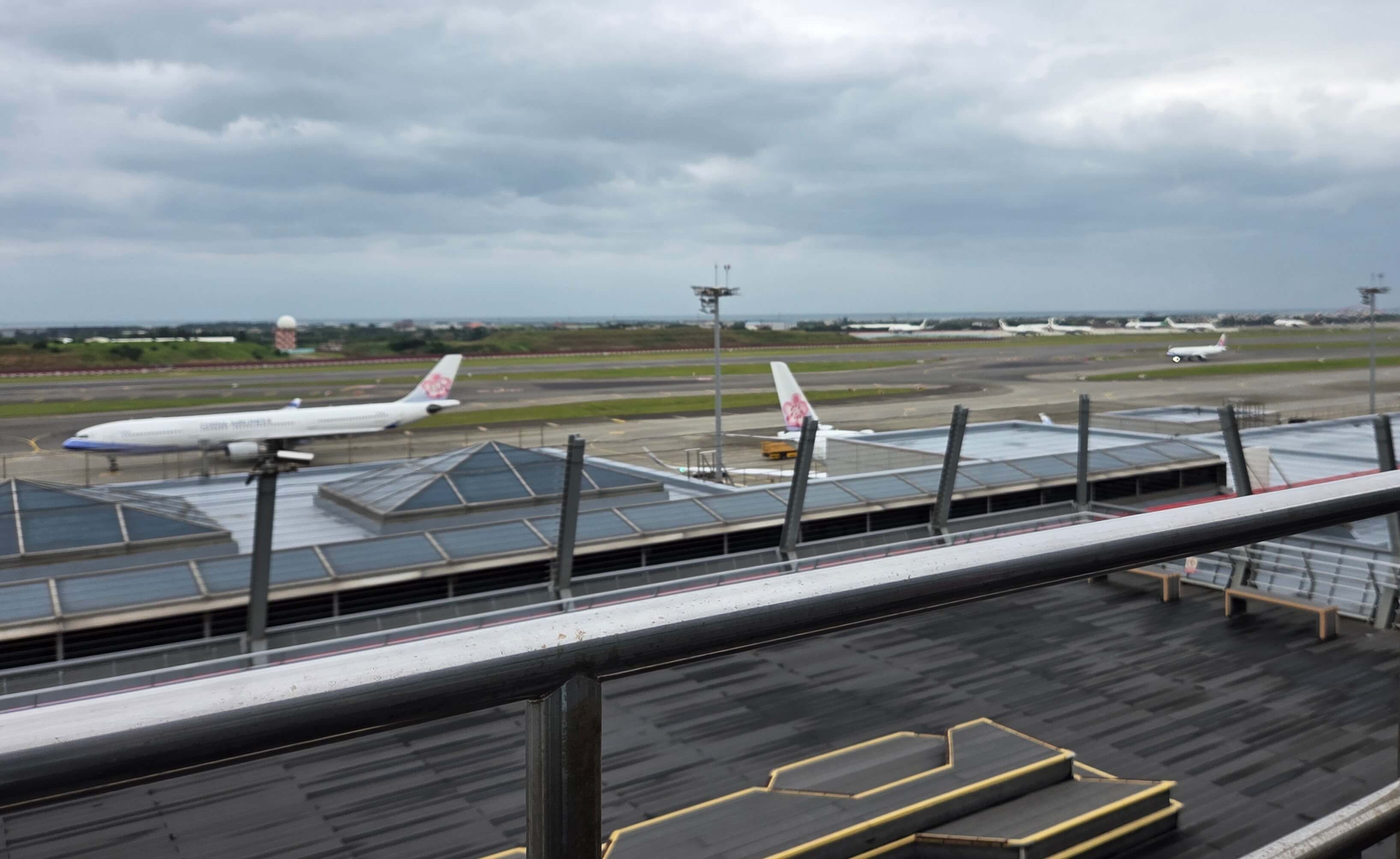
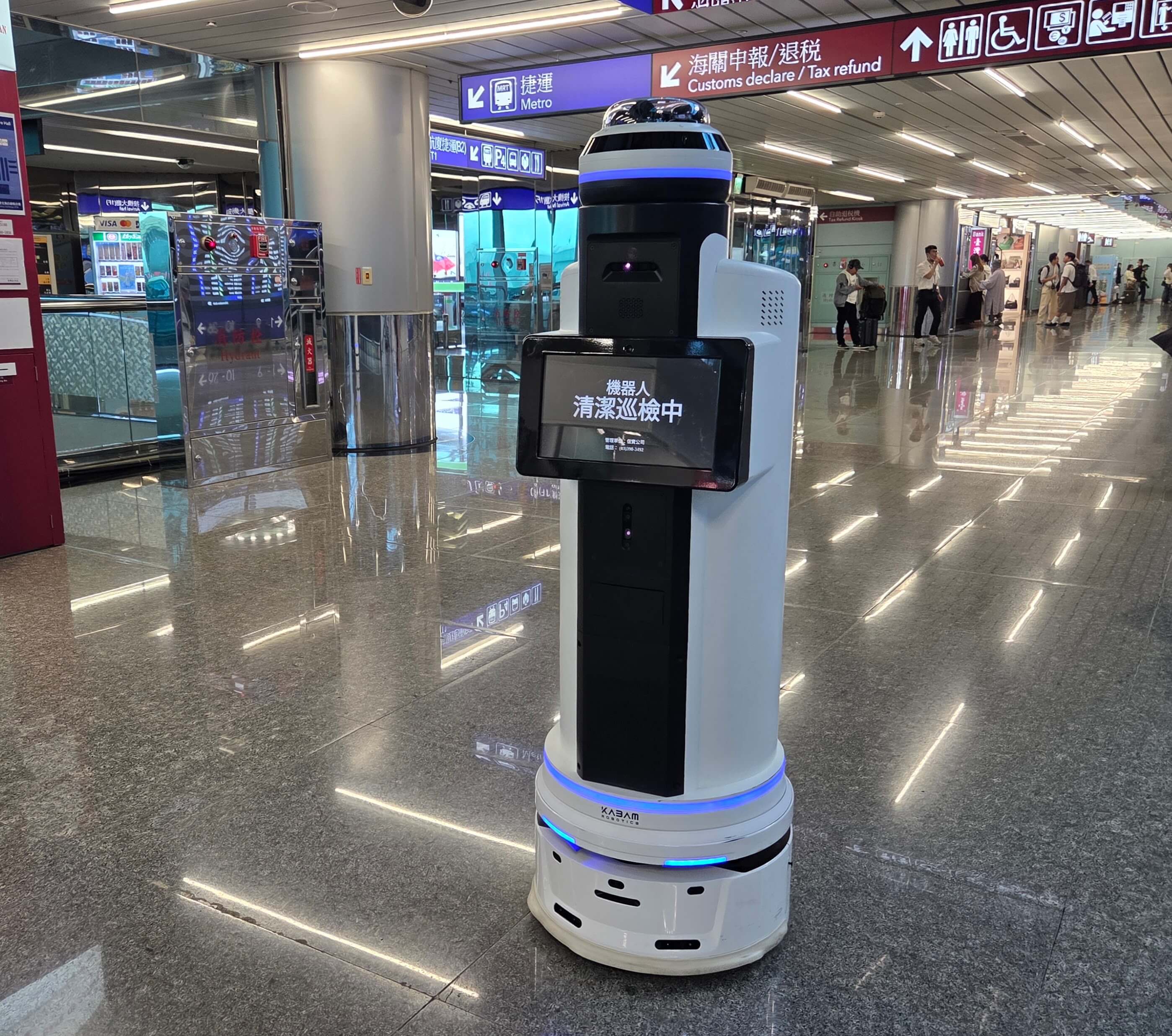
We still had too much time, so we started to explore again. The airport has an observation deck, where passengers and tourists can watch airplanes taking off. We also saw a robot cleaning floor. There were so many stores and cafes in the airport, we were very impressed. Rei found another eatery for beef noodles, which he always wanted to eat.
The flight to Hakodate was very full. We didn’t realize that Hakodate was so popular. It took more than 3 hours to fly to Hakodate. I had a window seat. When we flew over Kyushu, I saw a volcano with lots of smoke, which was probably Sakurajima.
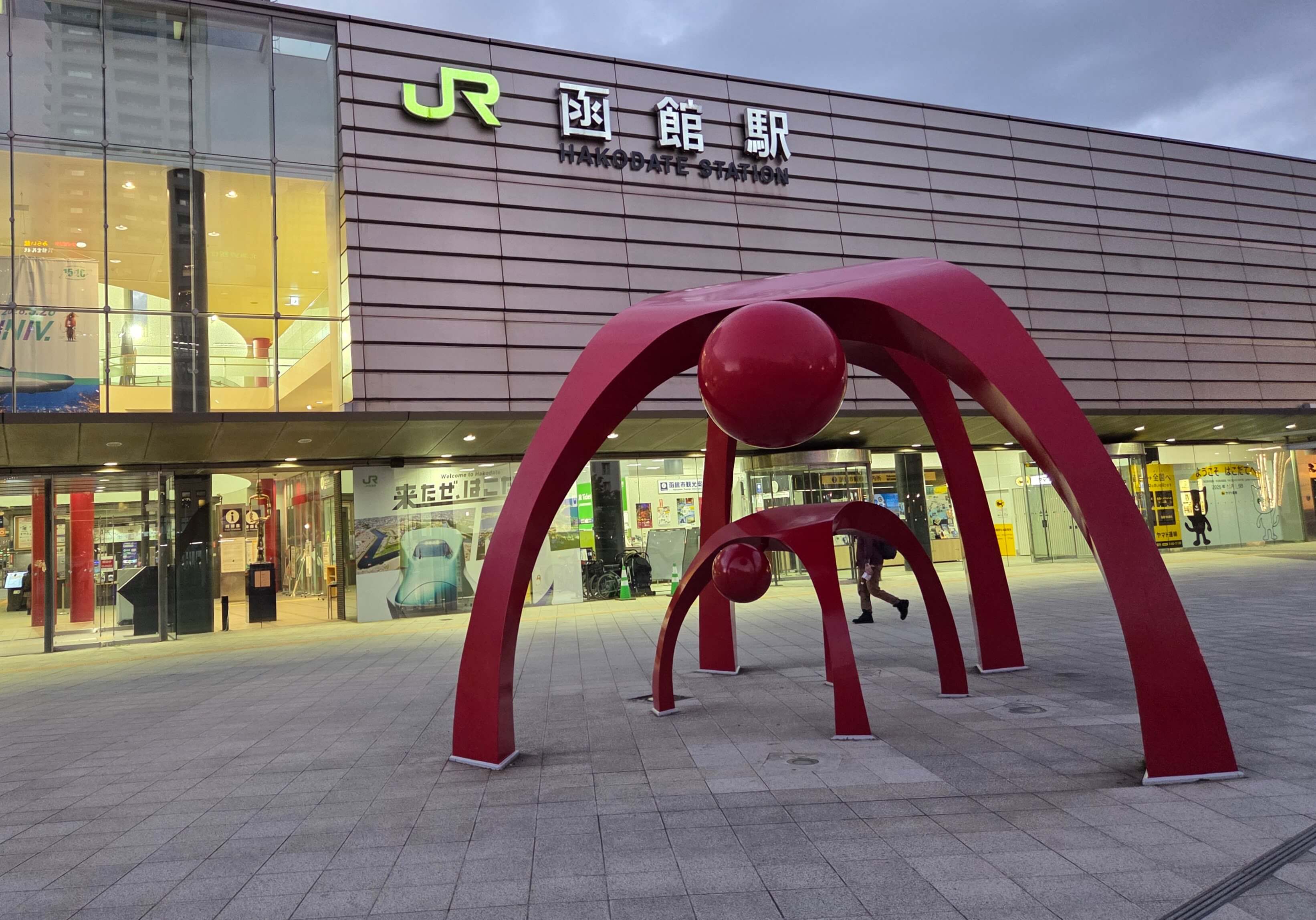
Tonight’s hotel was near Hakodate Train Station. The next bus was at 6pm, and we had to wait an hour! We found another couple also going to Hakodate Station. The four of us agreed to hire a taxi and share the fare. It was a great decision, because the taxi only cost 3,600 yen, and the bus ticket would cost 700 yen per person.
The taxi ride took about only 20 minutes. When we were close, the driver pointed out Hakodate Mountain to us, which was the most popular place to watch the city and bay after dark.
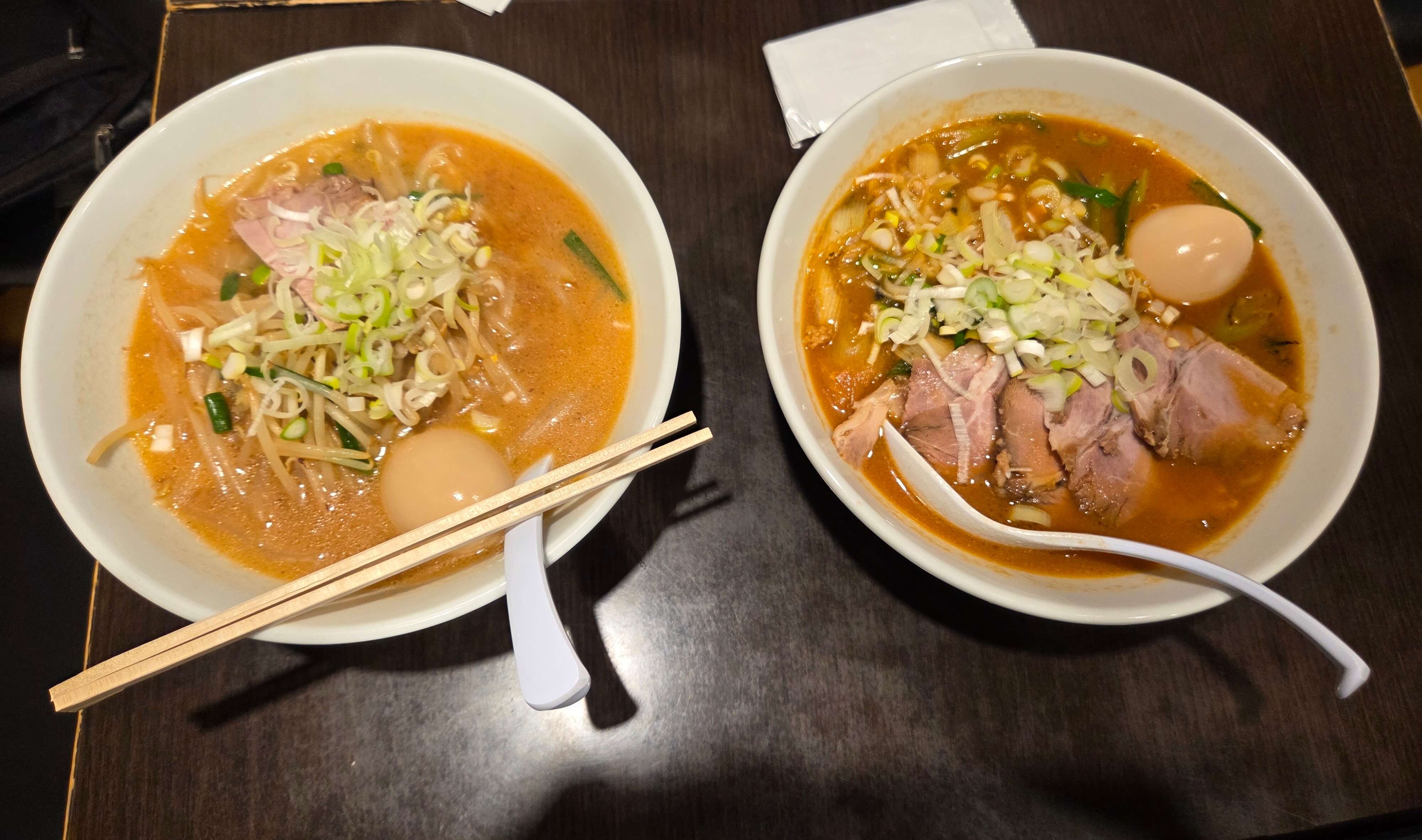
Rei decided that we should just find a nearby place to have dinner, so we had ramen in a small restaurant. The restaurant only had a few tables, but the food was very delicious.
Day 2: Hakodate
After the complimentary breakfast at the hotel, we left around 8am to explore Hakodate. We first stopped by the JR Hakodate Station to purchase tomorrow’s ticket to Toya.
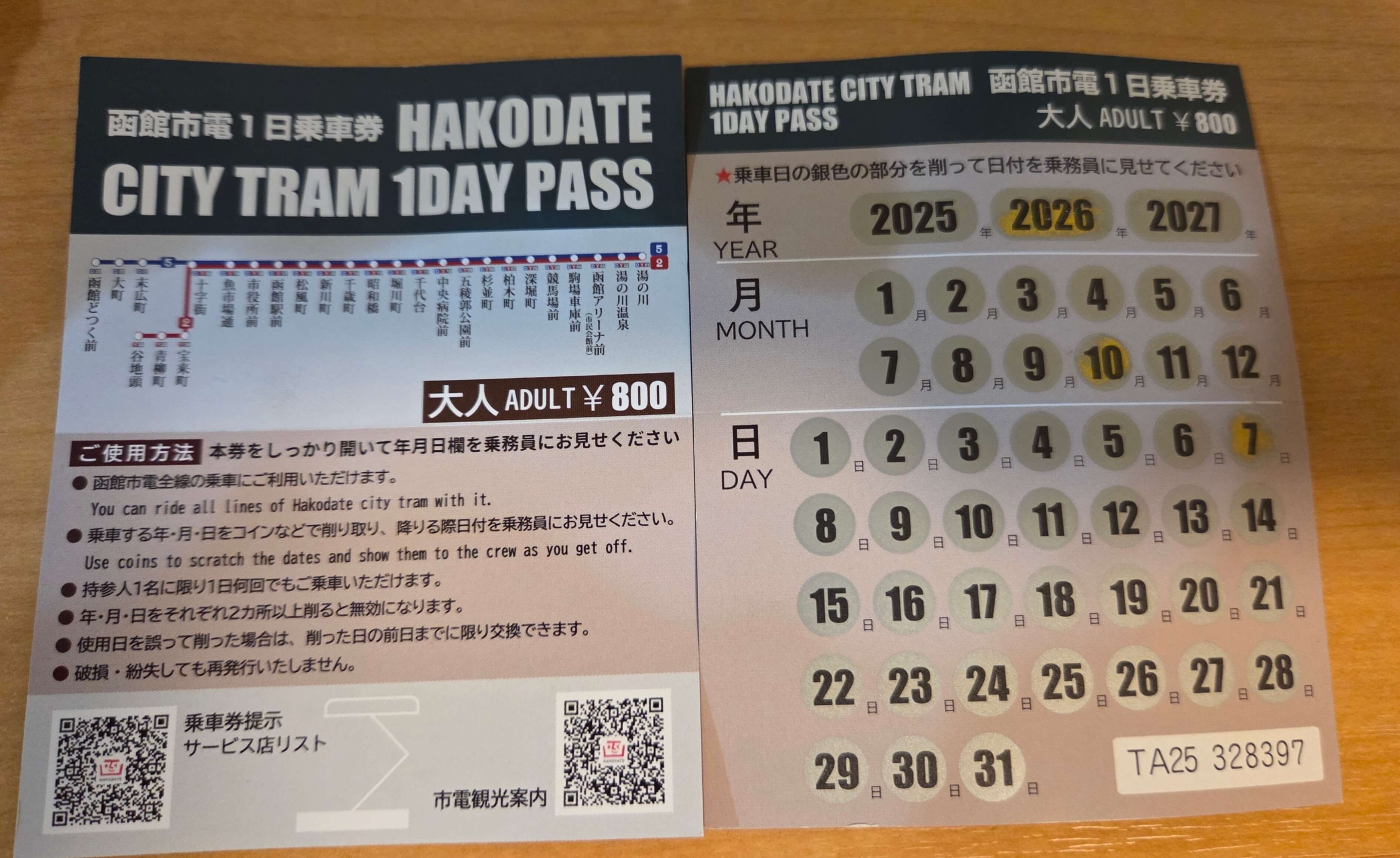
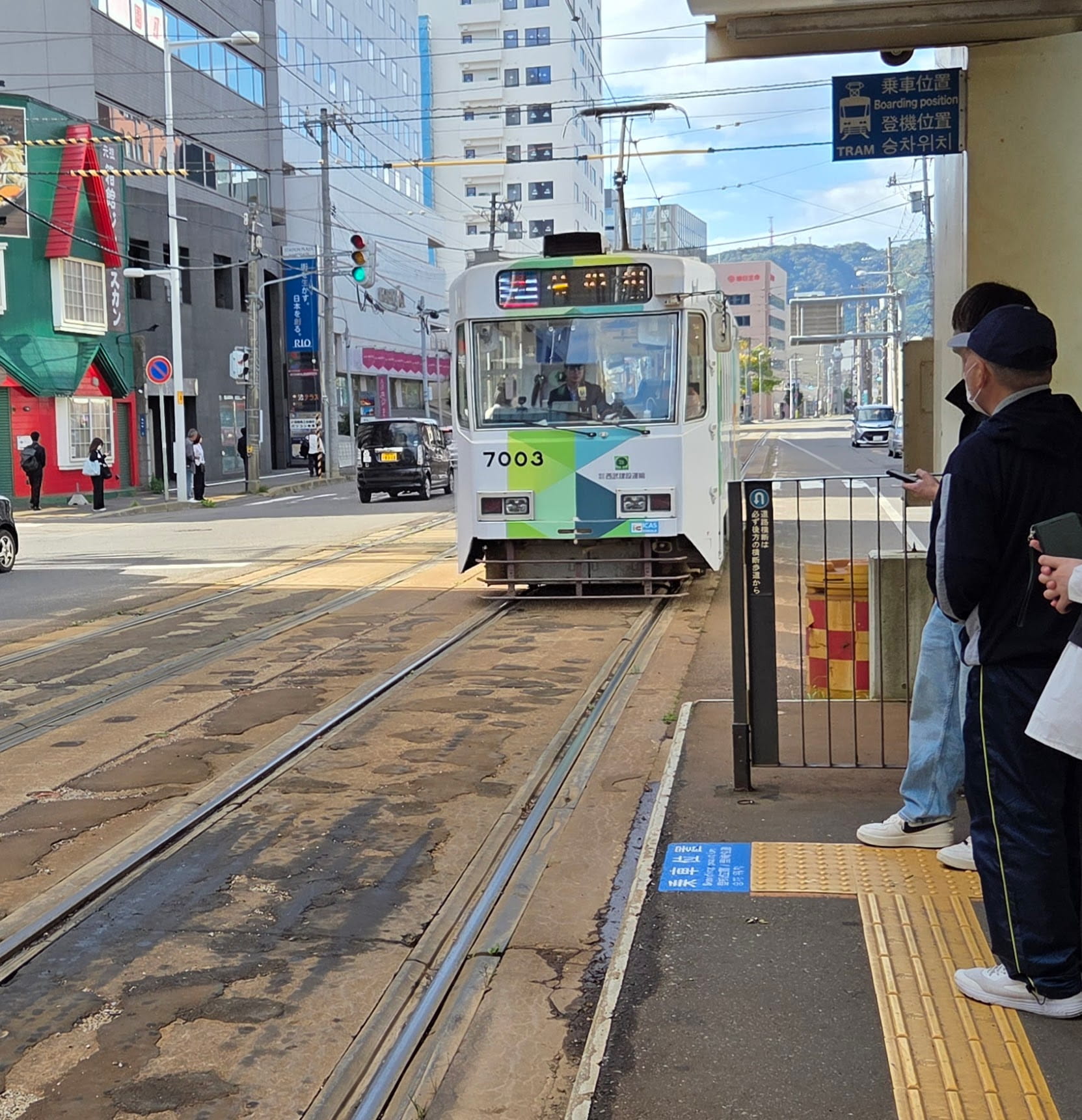
Today’s first destination was Goryokaku Fort, which would require a tram ride. There were only 2 tram lines in Hakodate, and the routes were almost identical except for the last (or first) few stations. We purchased two Hakodate City Tram 1 Day Pass from the driver for convenience. The tickets had “scratched out” date selection on one side and the station map on the other side. You simply scratch out the selected date and show it to the driver when you get off the tram.
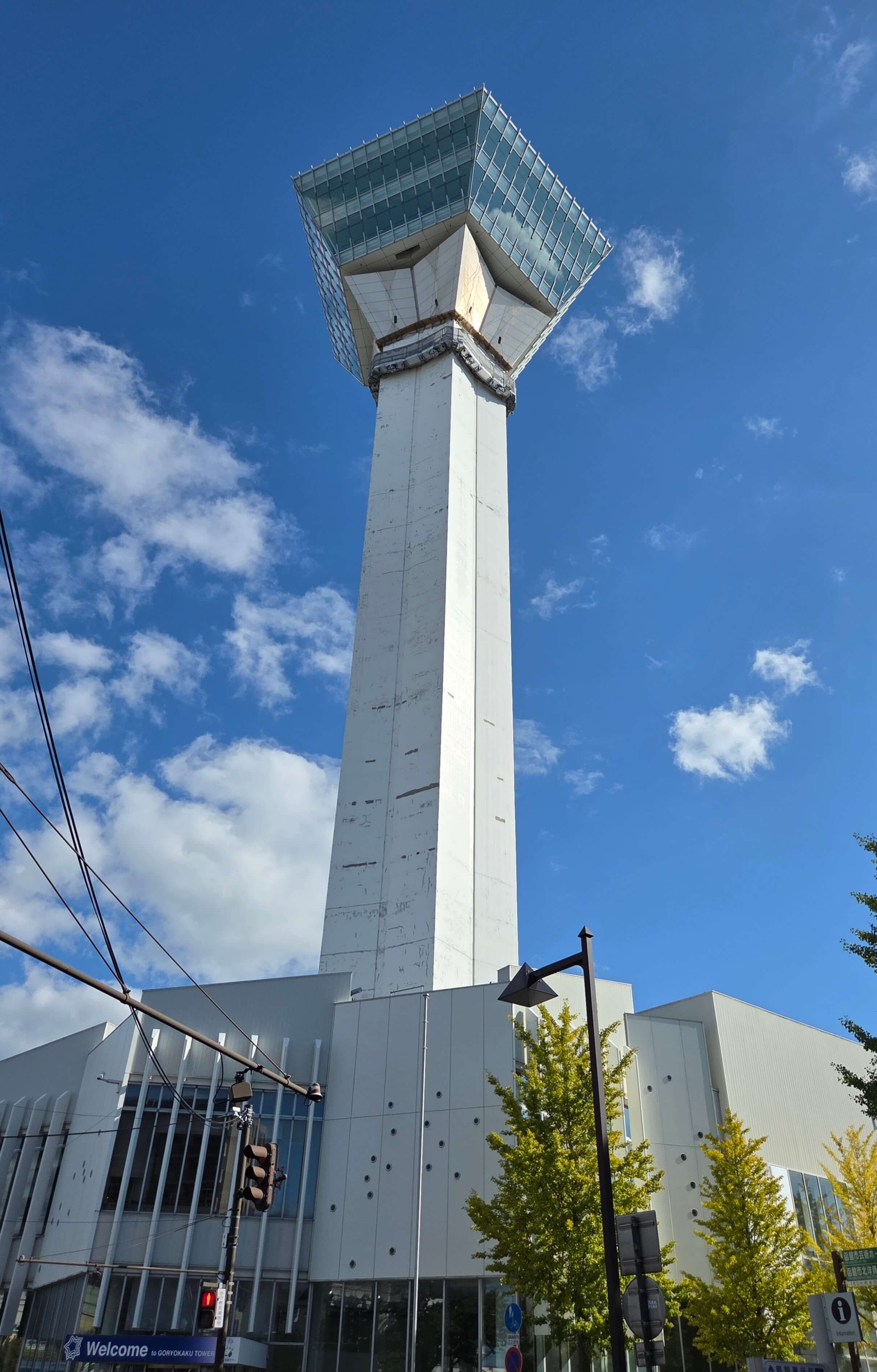
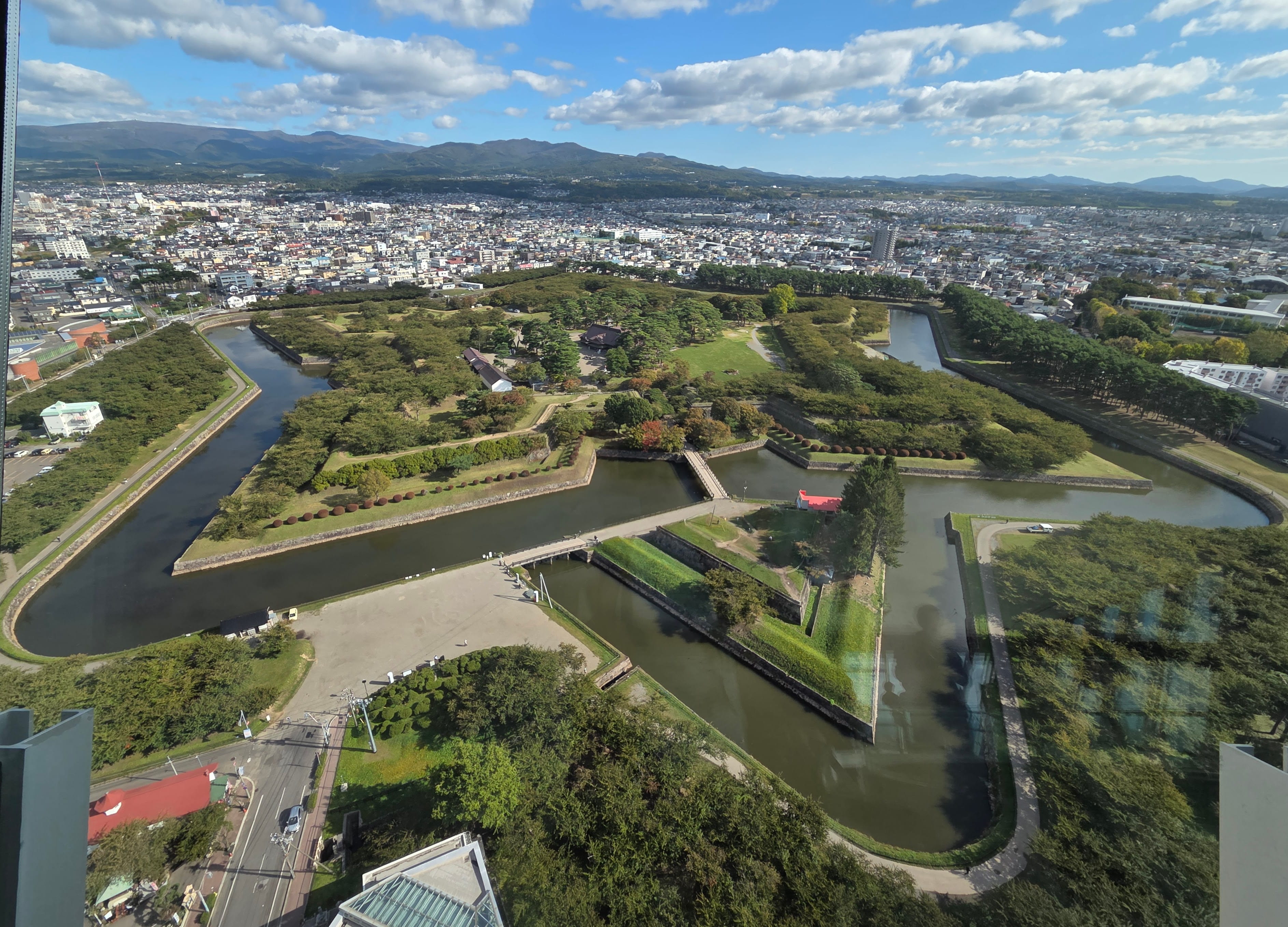
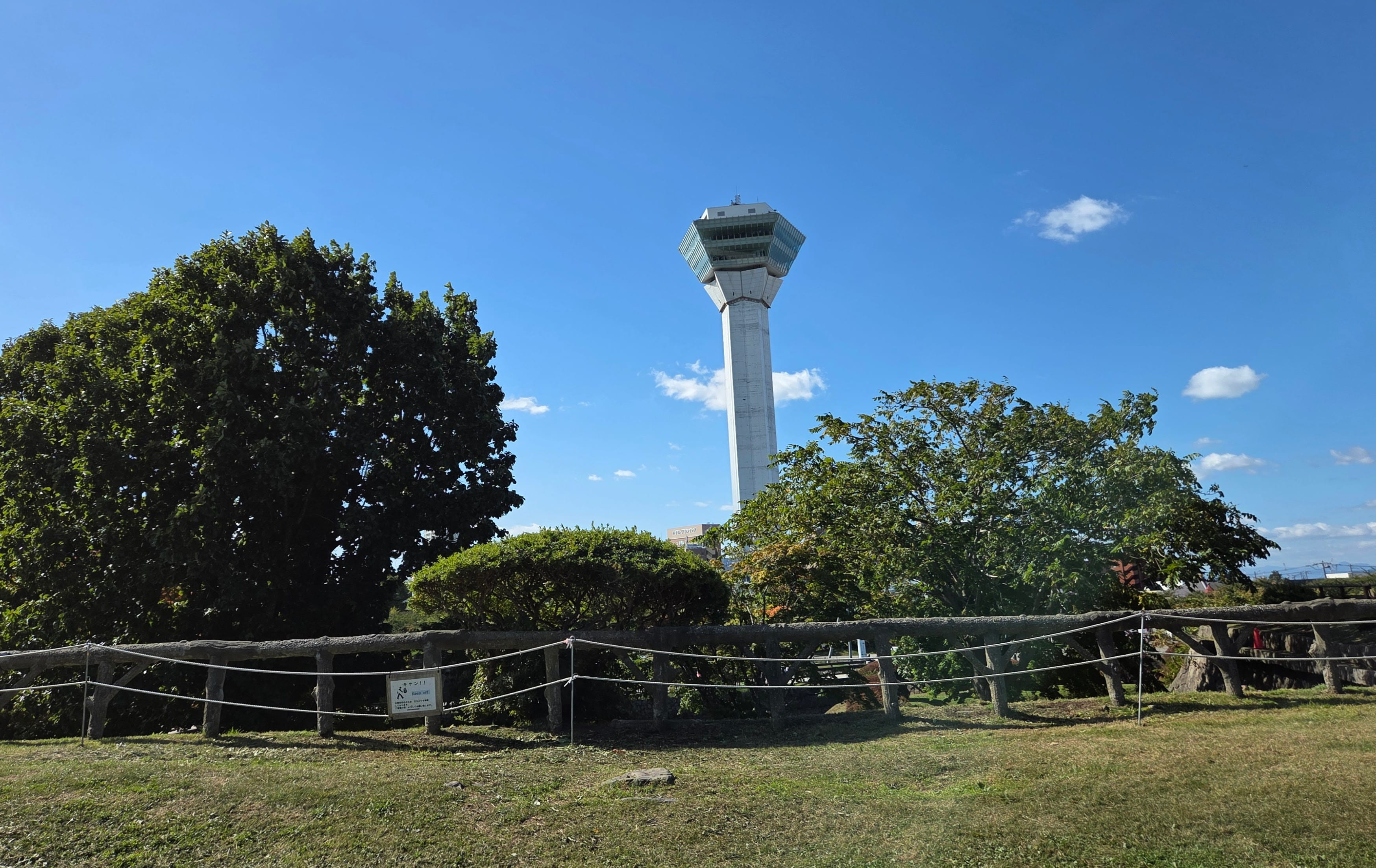
We arrived at Goryokaku Tower a few minutes before its 9am opening time. There was already a line of tourists waiting to enter. The entrance to Goryokaku Fort was free, but we would require to purchase tickets (1,200 yen per adult) to enter the tower. Rei complained about the price. However, one would need to go up the tower in order to view the amazing “5-point-star” layout of the fort. The view from the tower was indeed spectacular! We all took many photos to get our money’s worth.
There was also exhibition describing the construction of the fort and the subsequent wars. The place was of historical importance. The capture of Goryokaku Fort marked the end of the Tokugawa shogunate and the beginning of Meiji Restoration. We saw many groups of elementary school students on their fieldtrips.
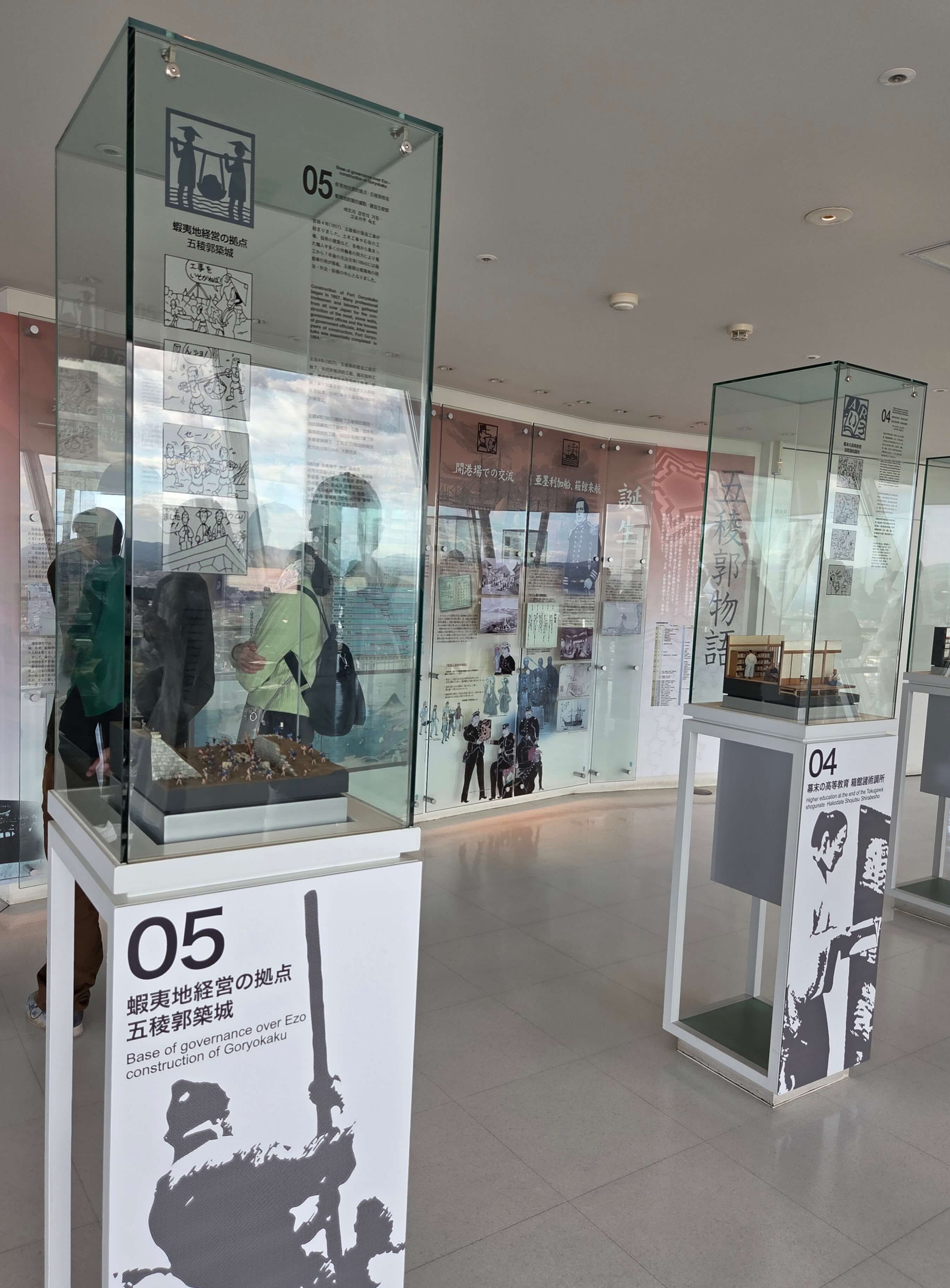
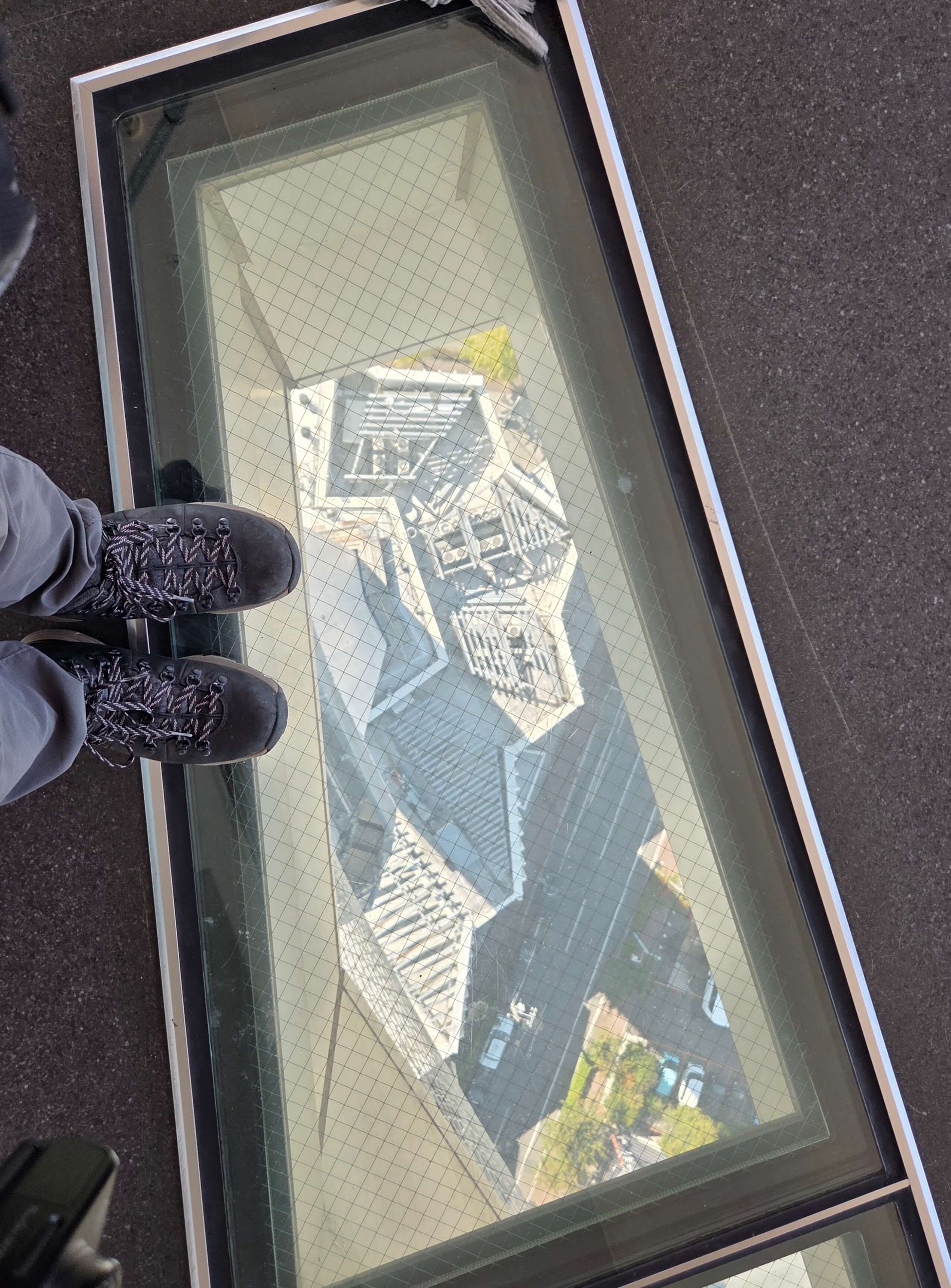
The observatory had two levels. The main exhibition was on the upper level. On the lower level, there were a gift shop, an ice cream store, and a see-through floor window for looking down.
We spent about 45 minutes in the tower, and then we continued to explore the fort ground. The fort was completely destroyed, but later they reconstructed the Magistrate’s Office faithfully using the traditional method. The fort ground was free, but the entrance to Magistrate’s Office cost 500 yen per adult.
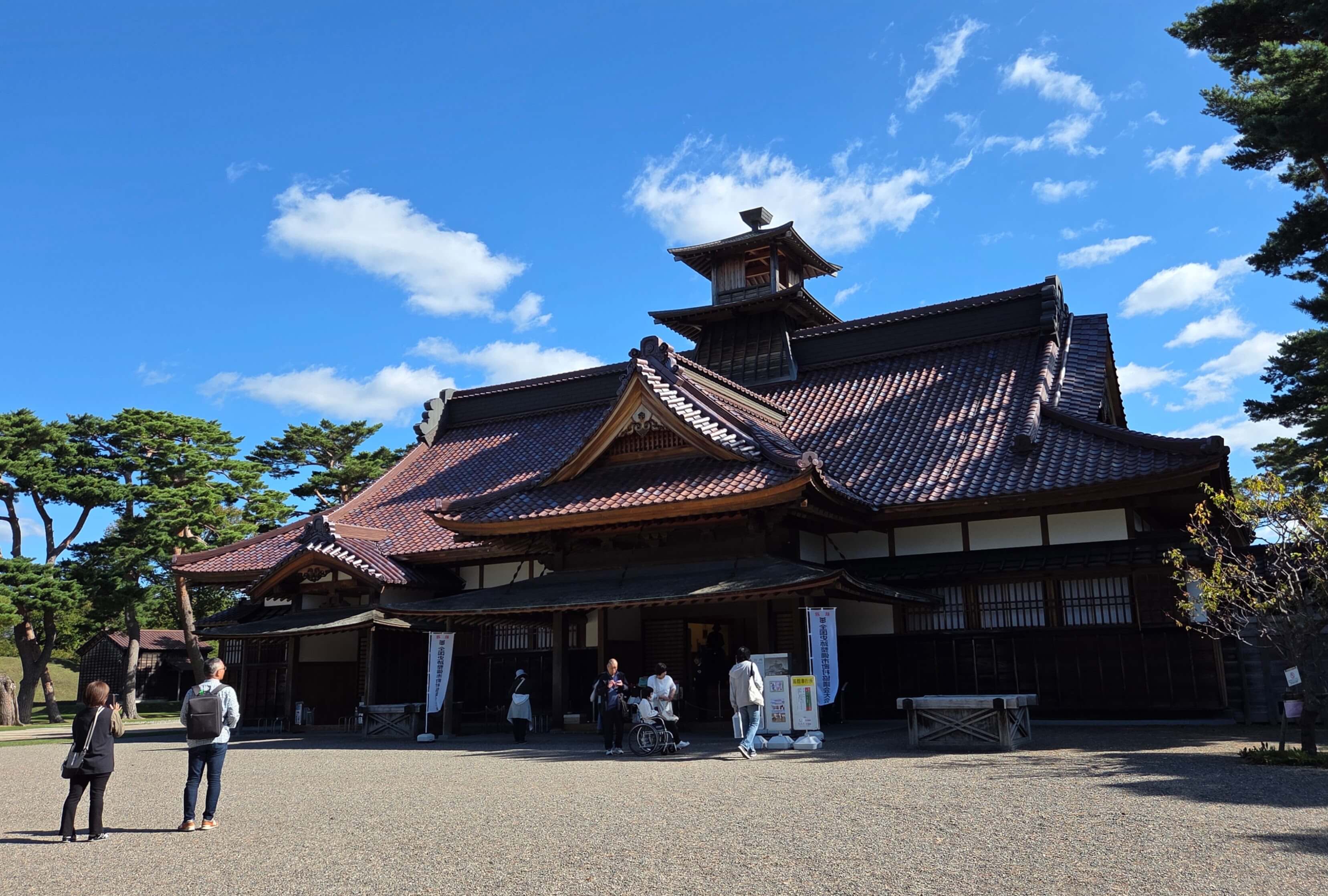
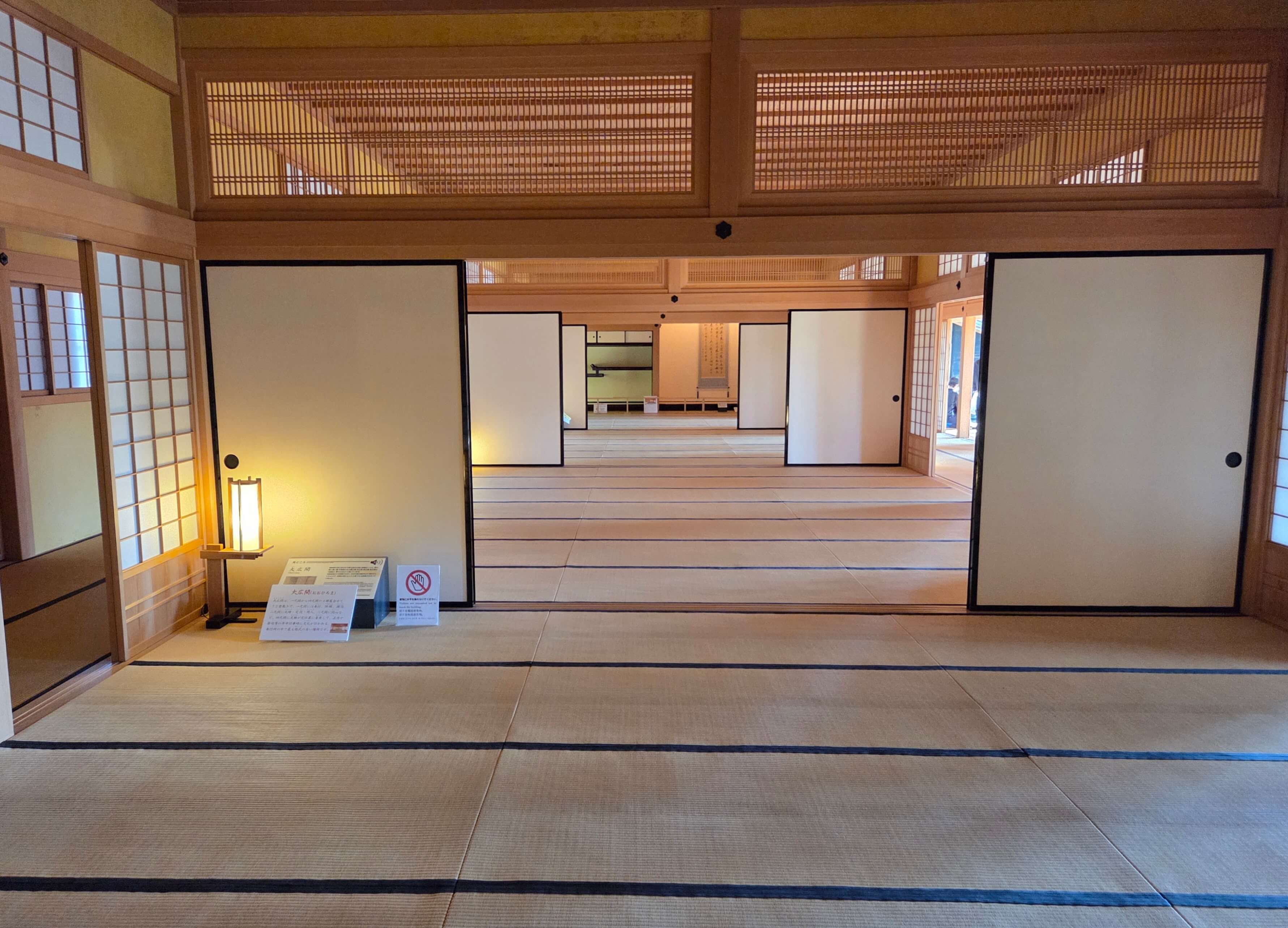
We didn’t plan to enter the office. However, there wasn’t much to see on the ground, so we decided to pay up. There was again exhibition inside, including photos and a film showing the reconstruction effort.
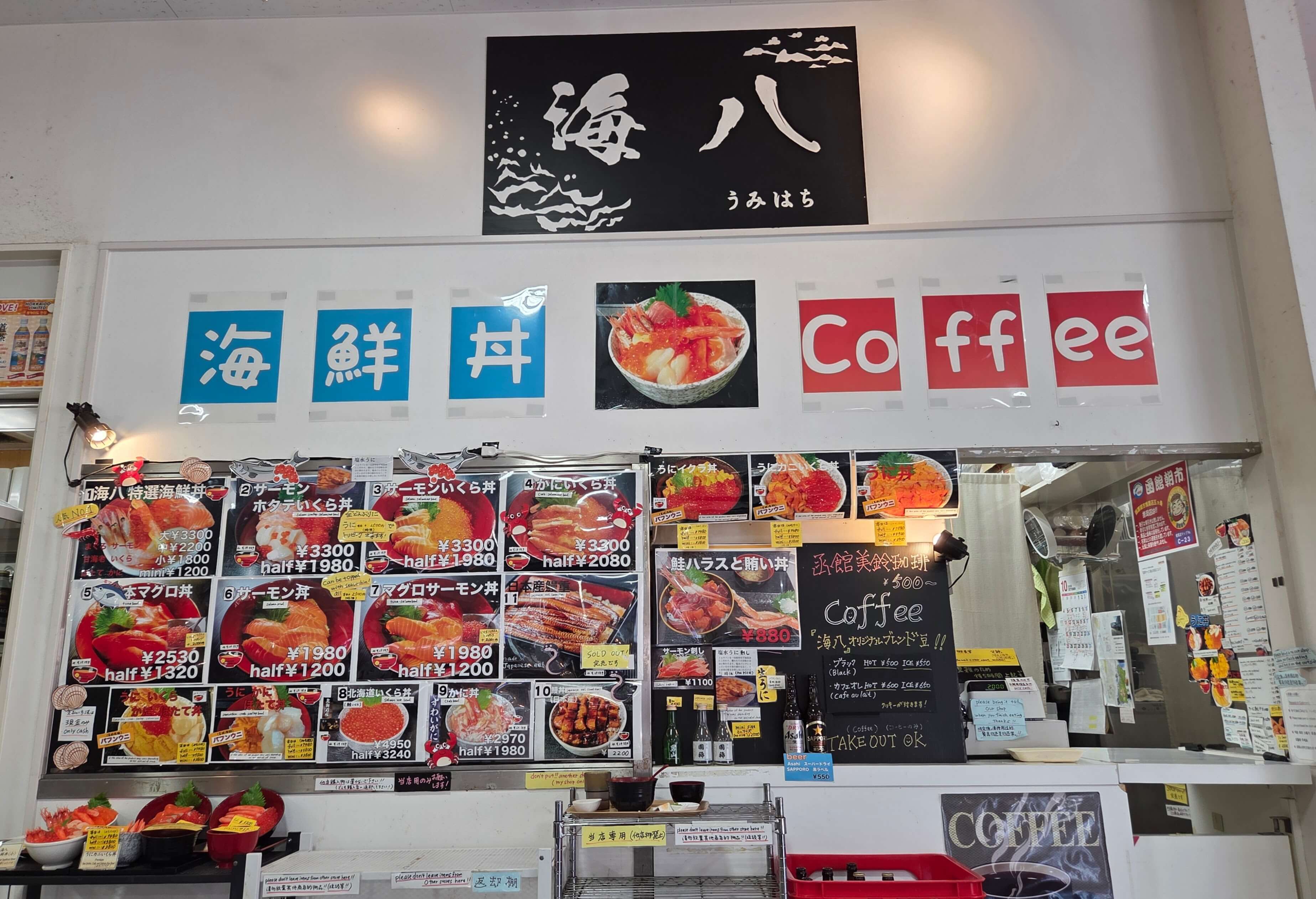
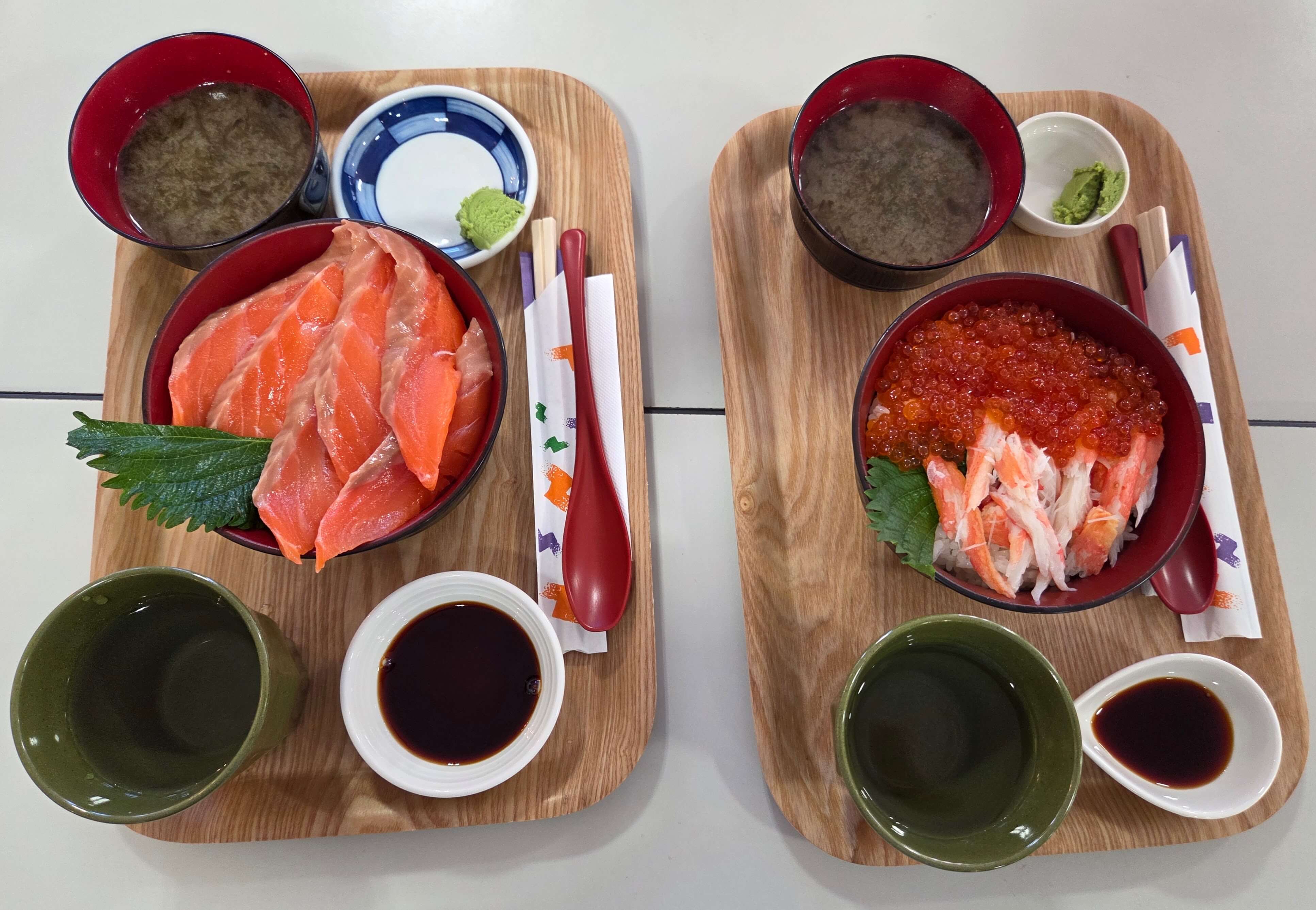
We finally left Goryokaku around 11am to go to the Fish Market to have lunch. There’s a food court at the market. Some ladies pointed us to a stall selling seafood rice bowls. We got a small salmon sashimi bowl and a small crab and salmon roe bowl for 3,280 yen total. The food was very fresh and delicious.
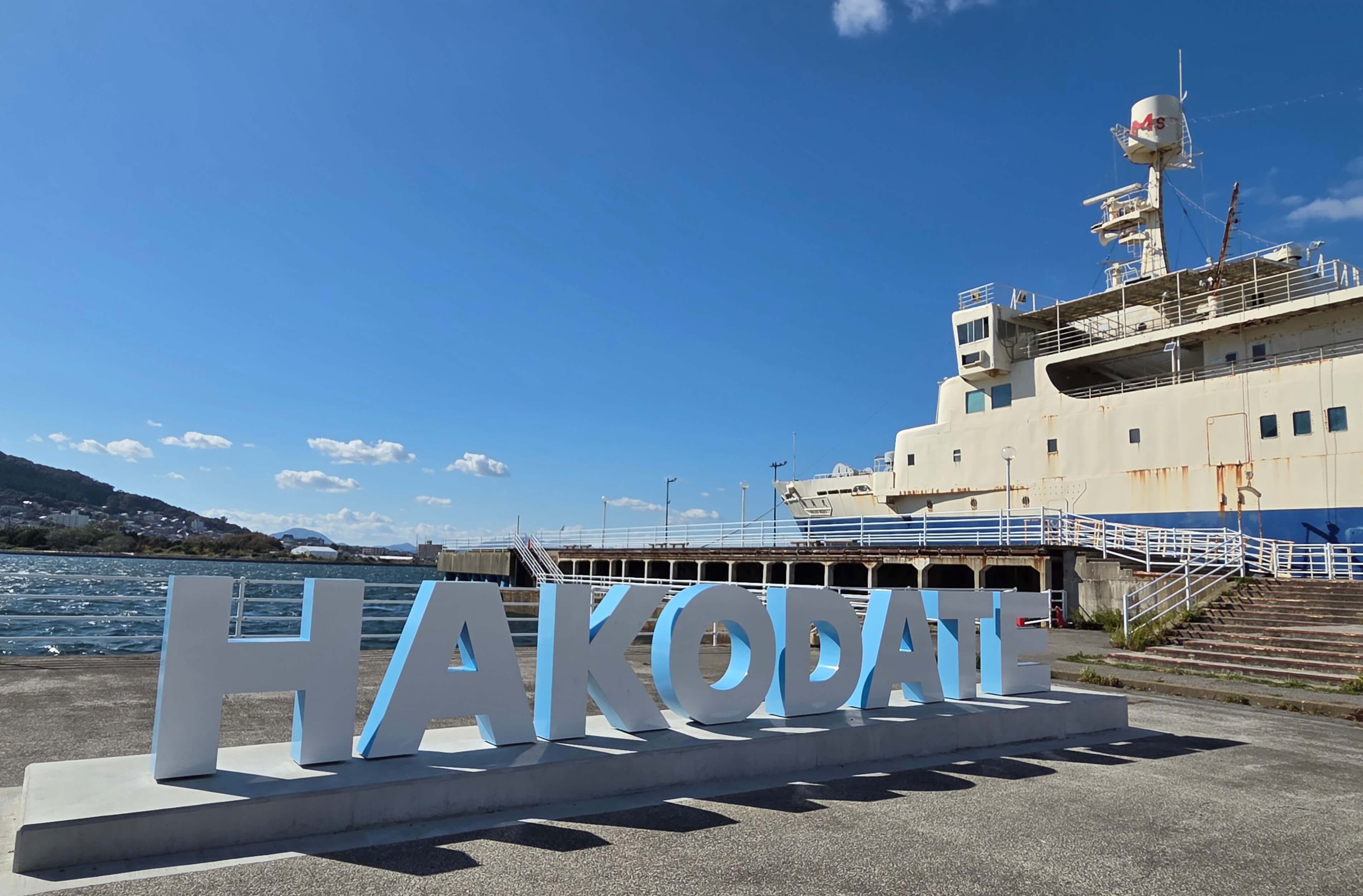
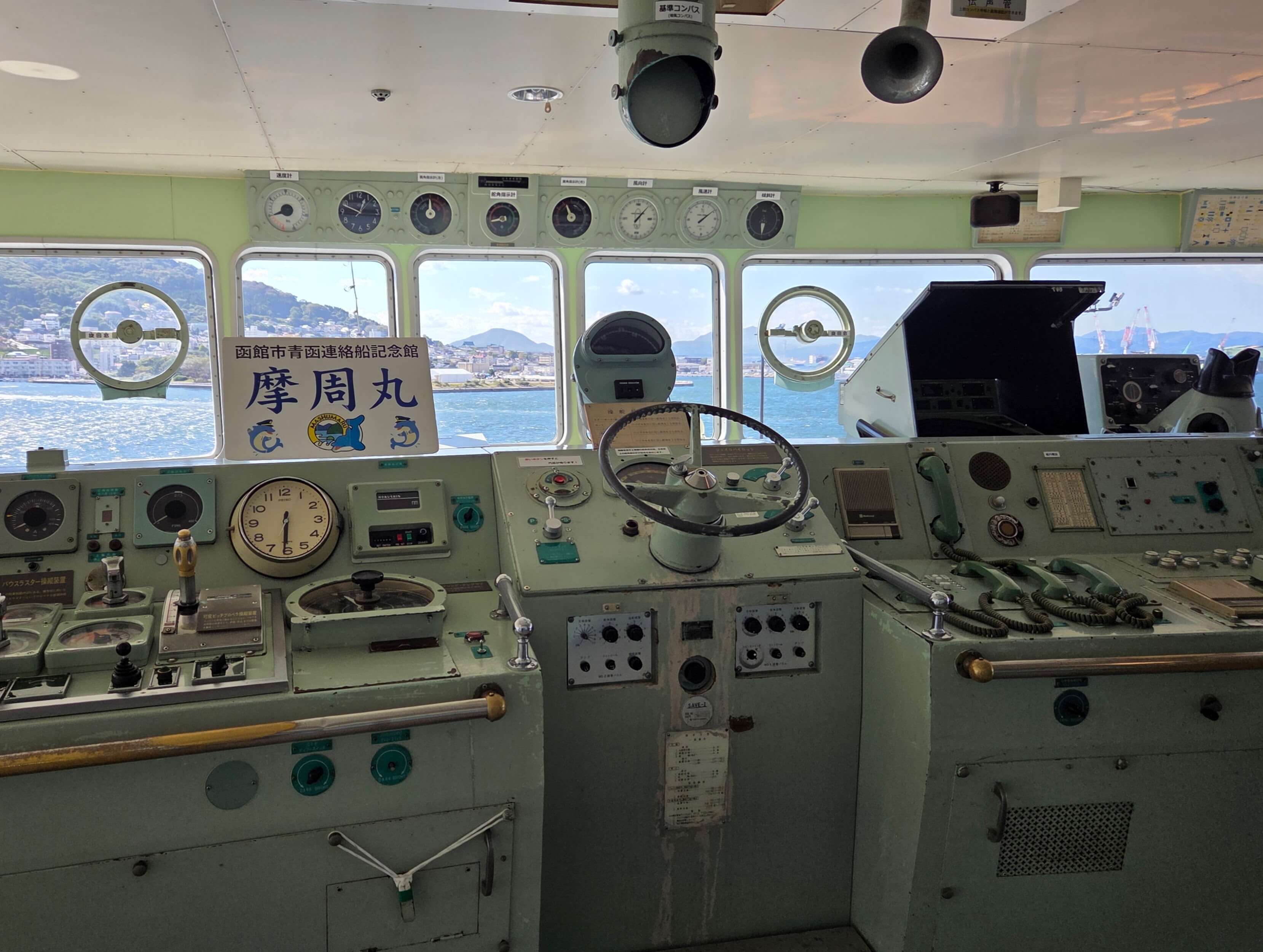
After lunch, we walked to the harbor. There’s a Seikan Ferry Memorial Museum on Mashu-maru, which was a ferry used to connect Hakodate and Aomori. (There’s a under-ocean tunnel connecting the two places now.) We paid 500 yen each to visit the museum. It’s interesting to learn about the history of the ferries.
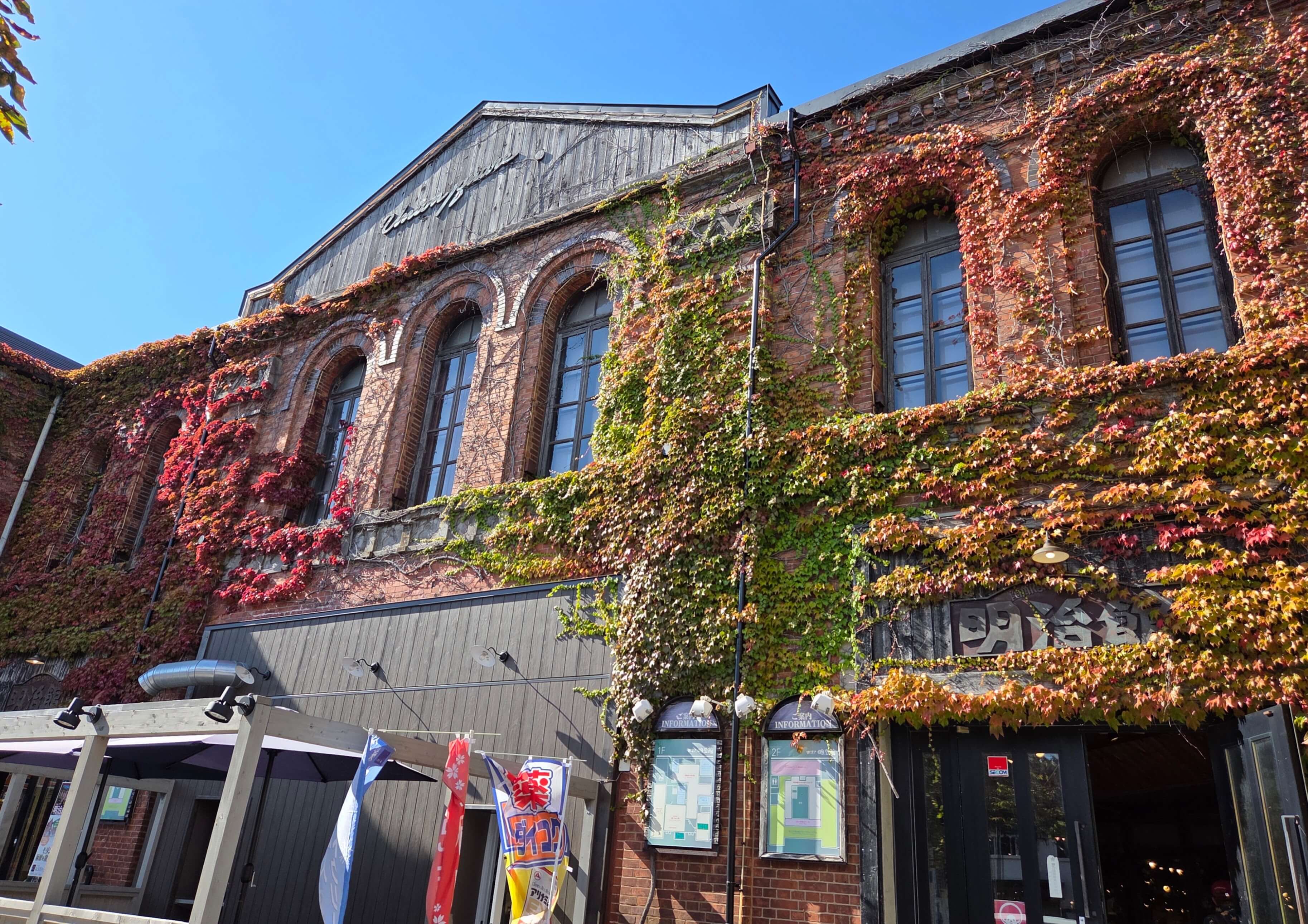
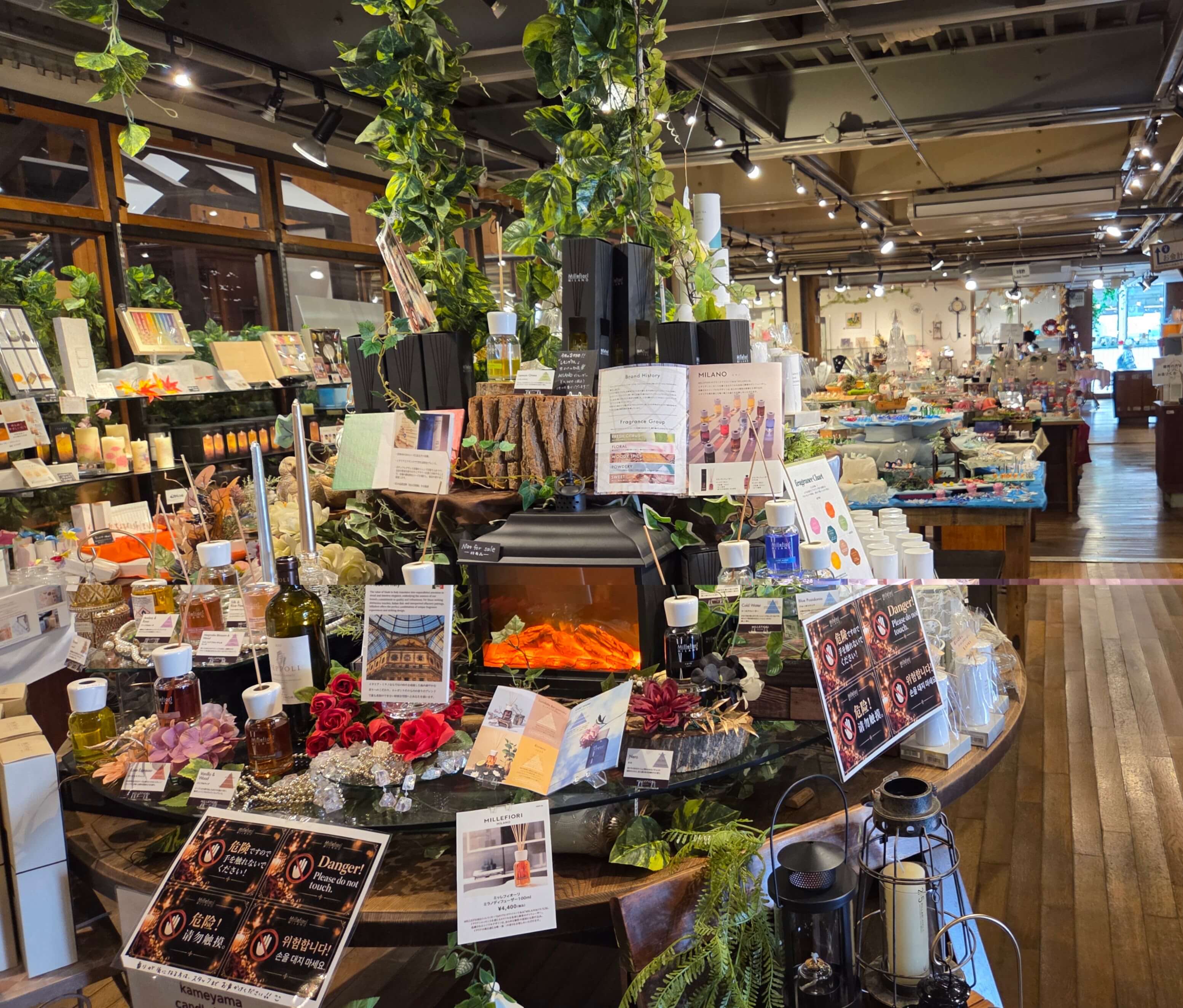
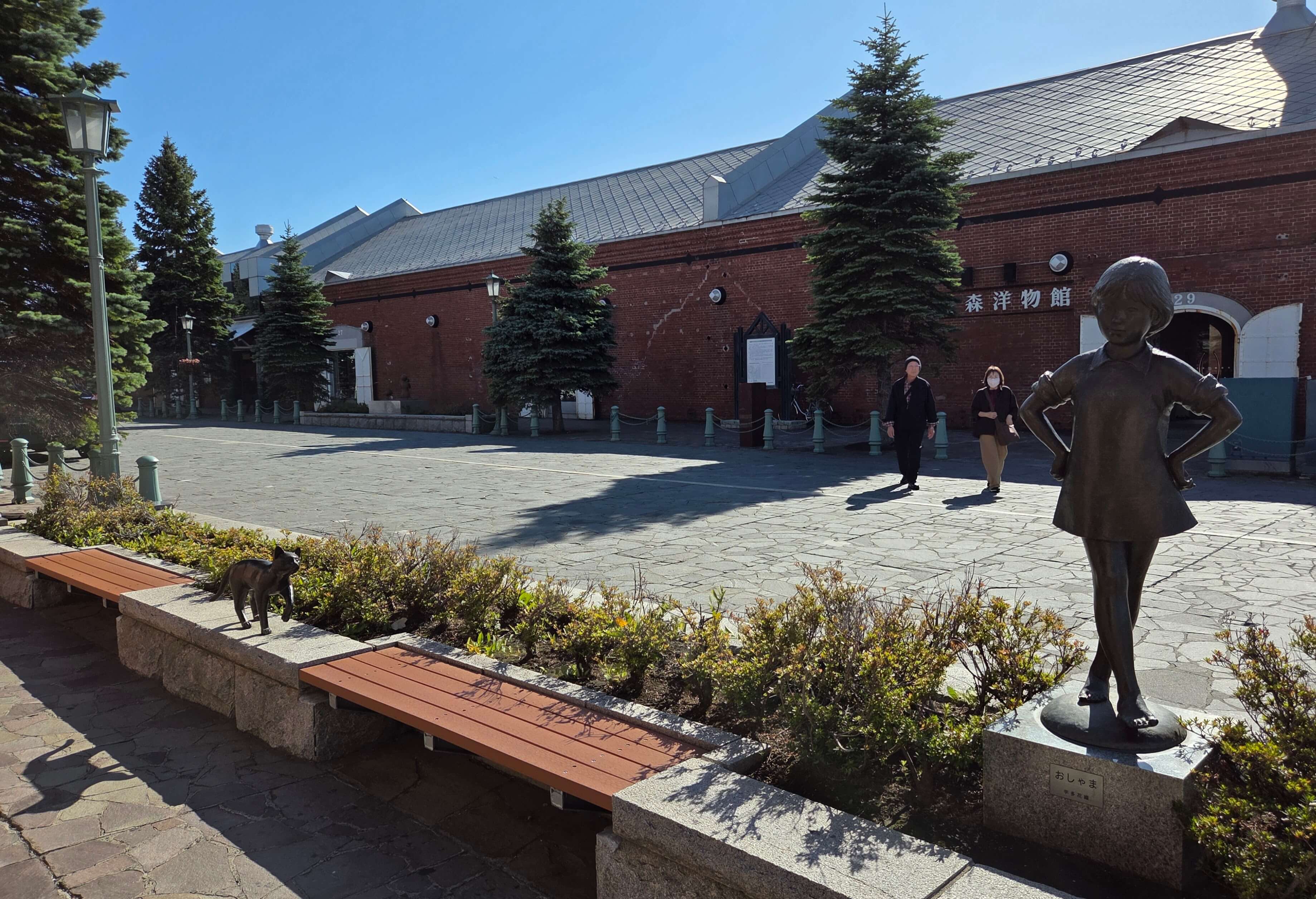
The famous Kanemori Red Brick Warehouse was nearby. The historical area has become a famous shopping place with many stores. We only browsed but didn’t make any purchases.
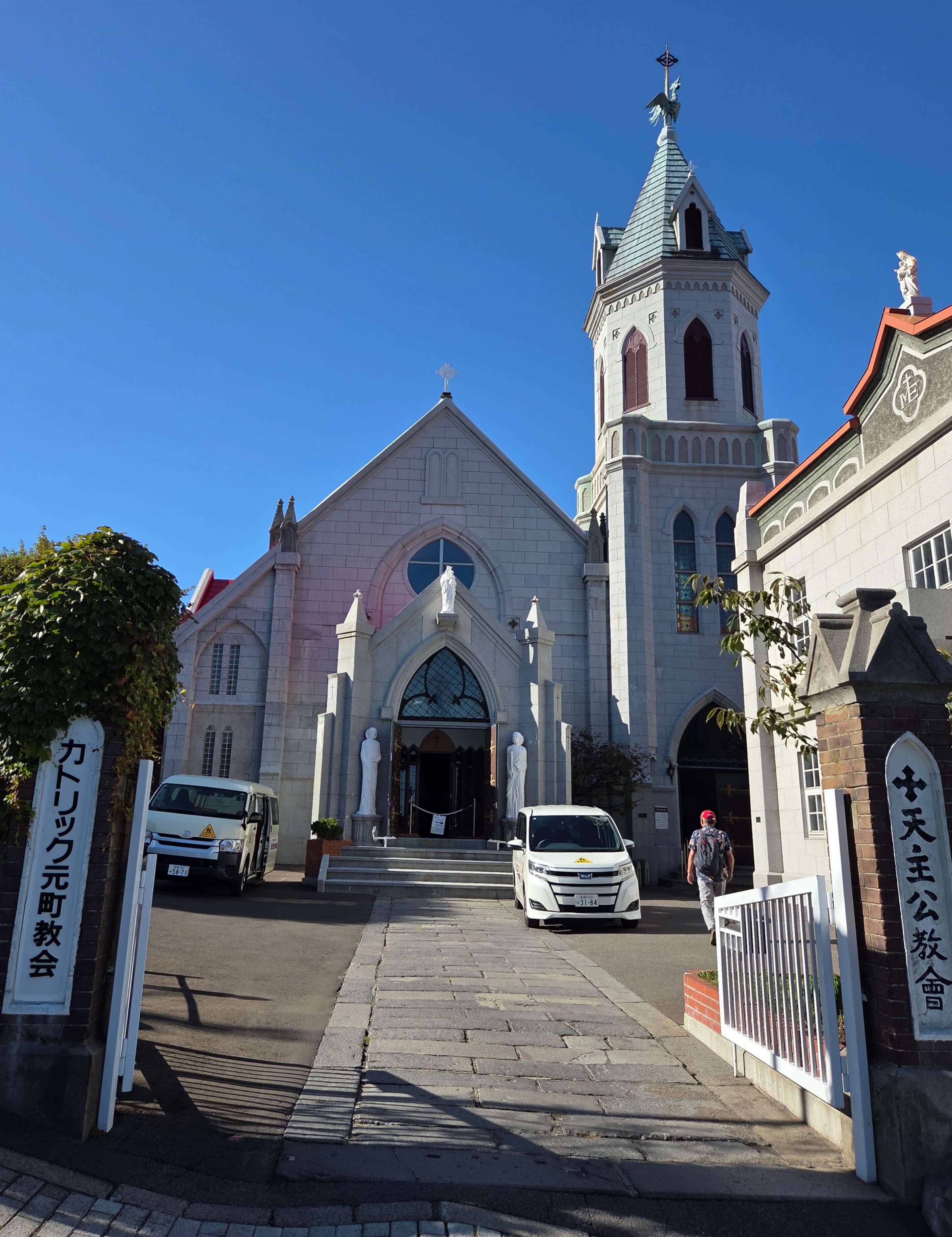
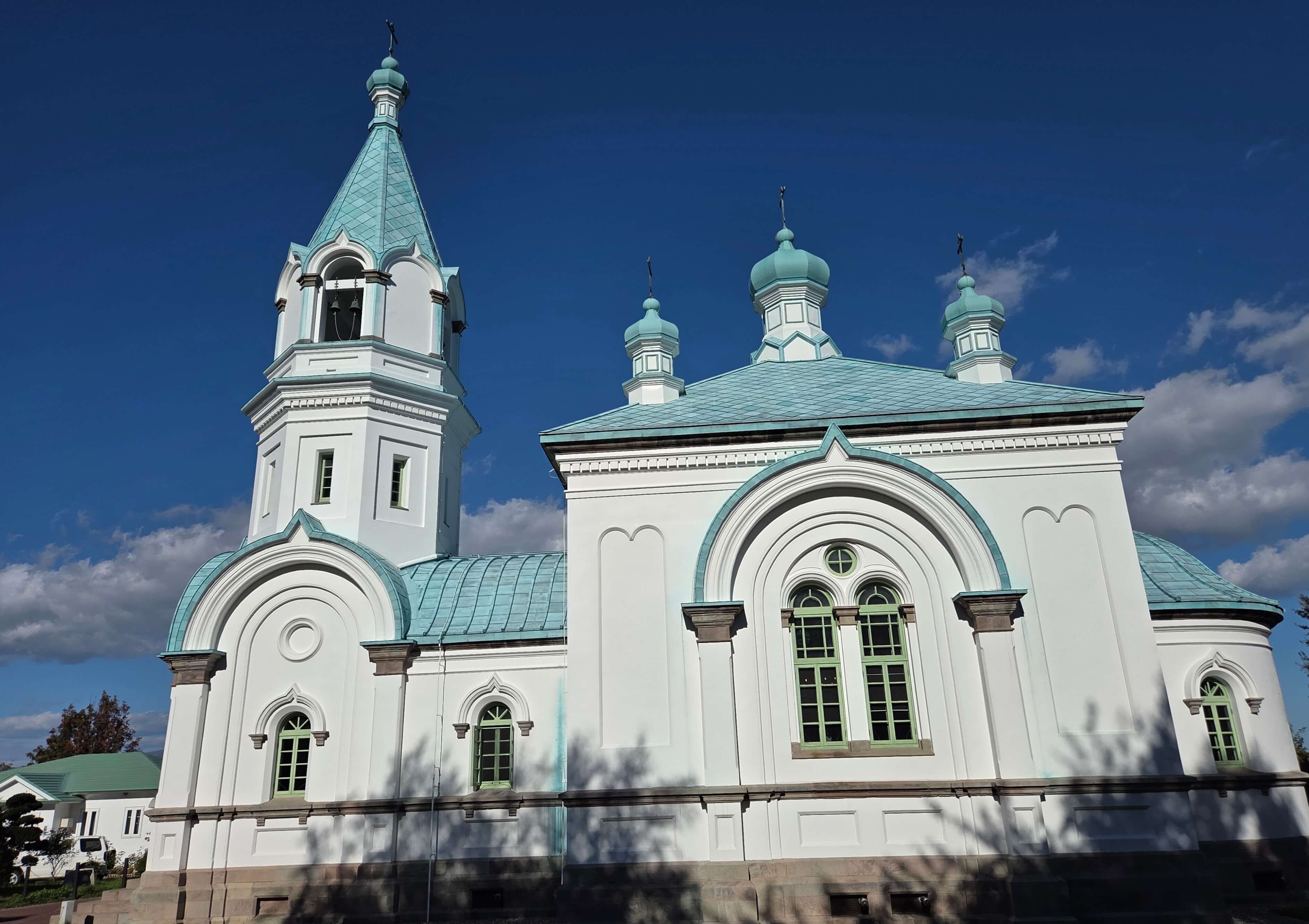
Hakodate was an important open port, and many foreigners came here to stay. In Motomachi, there were three churches: Roman Catholic, Episcopal, and Russian Orthodox. I considered the Russian Orthodox church the most impressive one from the outside. No photos were allowed inside the churches.
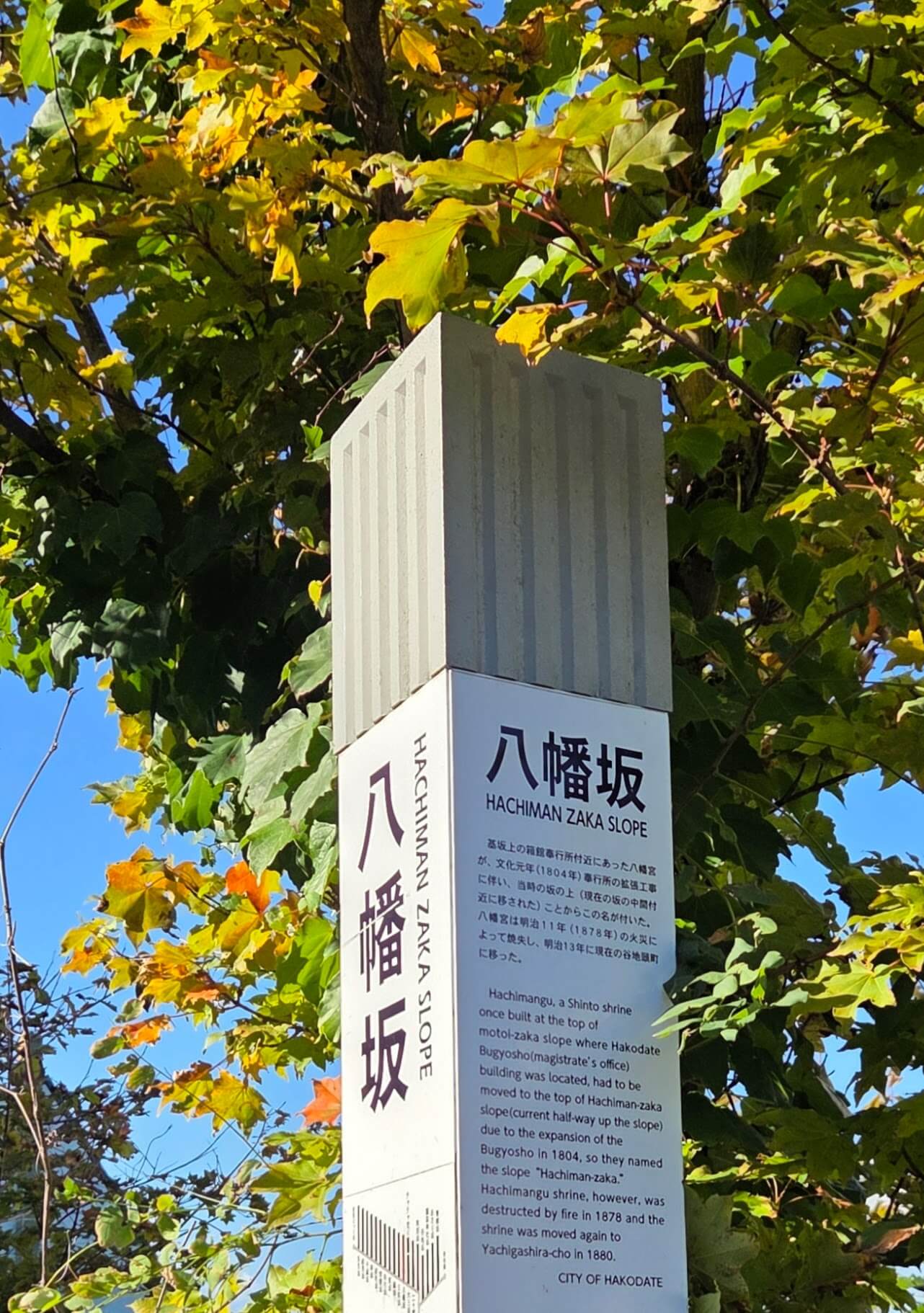
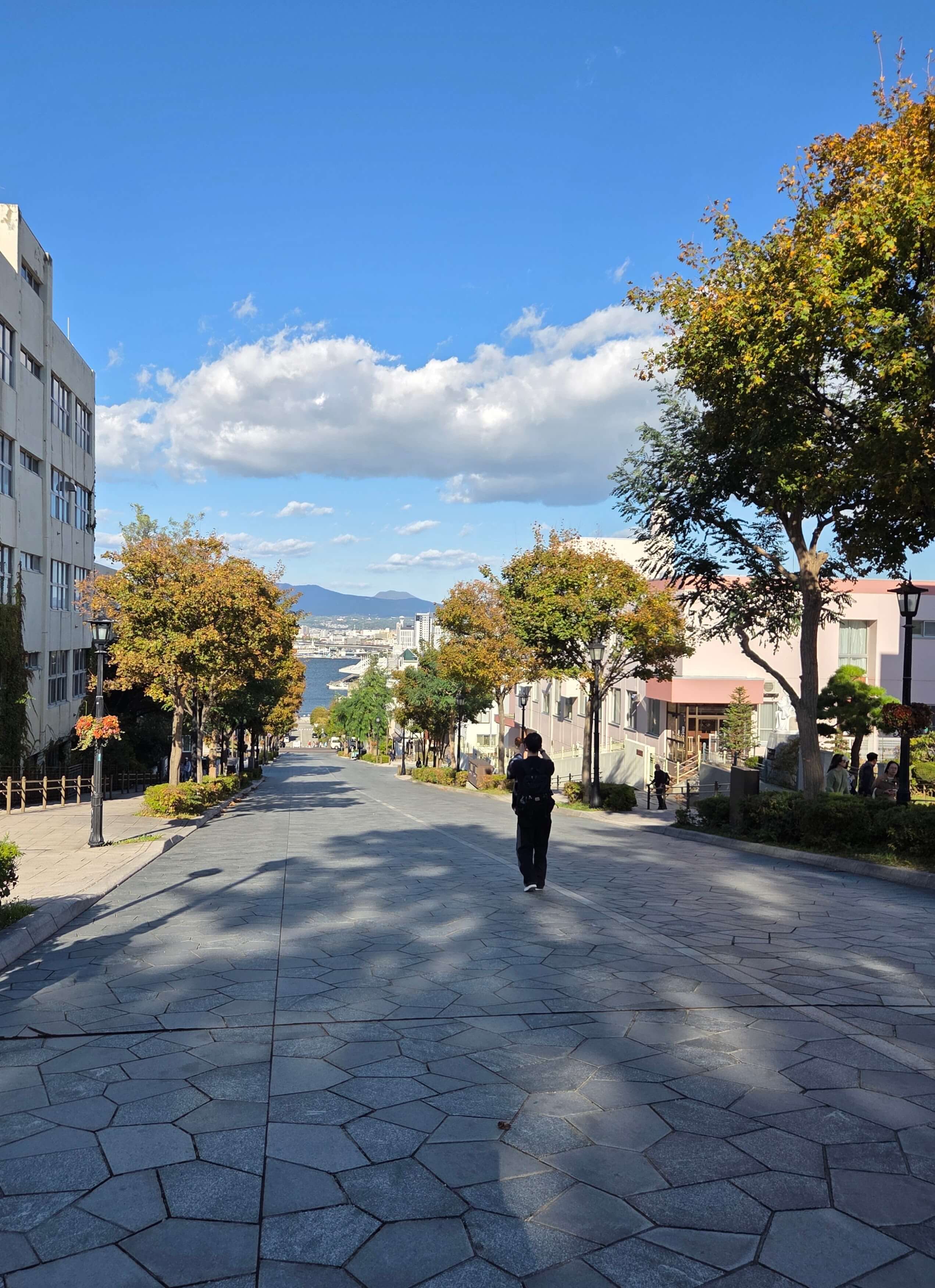
Motomachi was high up on a hill, and there were many steep slopes. When we walked past the Hachiman-zaka Slope, we saw a lot of people gathering there to take photos on the road. This must have been an Instagram spot! Since this was also a car route, there were two city workers onsite to tell the tourists to move aside when cars arrived. Rei and I thought this was hilarious.
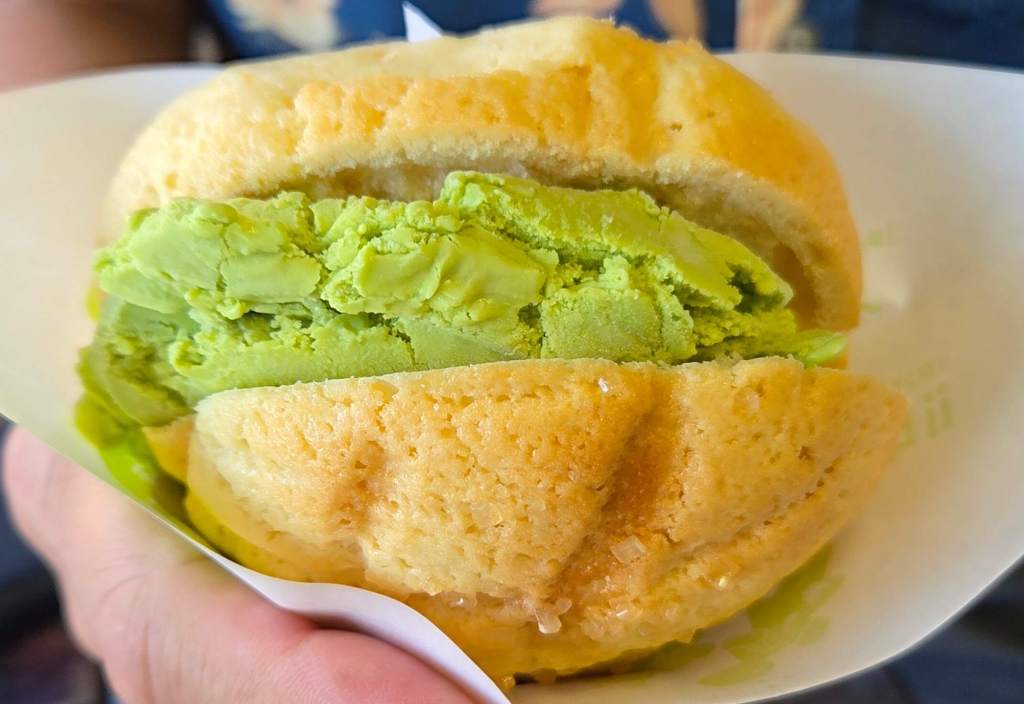
Further ahead, we saw a store selling sweet bread with ice cream filling, and there were many people eating outside. So, Rei bought a sweet bread with matcha ice cream filling to share with me (500 yen). It was very delicious. Japanese have always been very creative, especially in snacks.
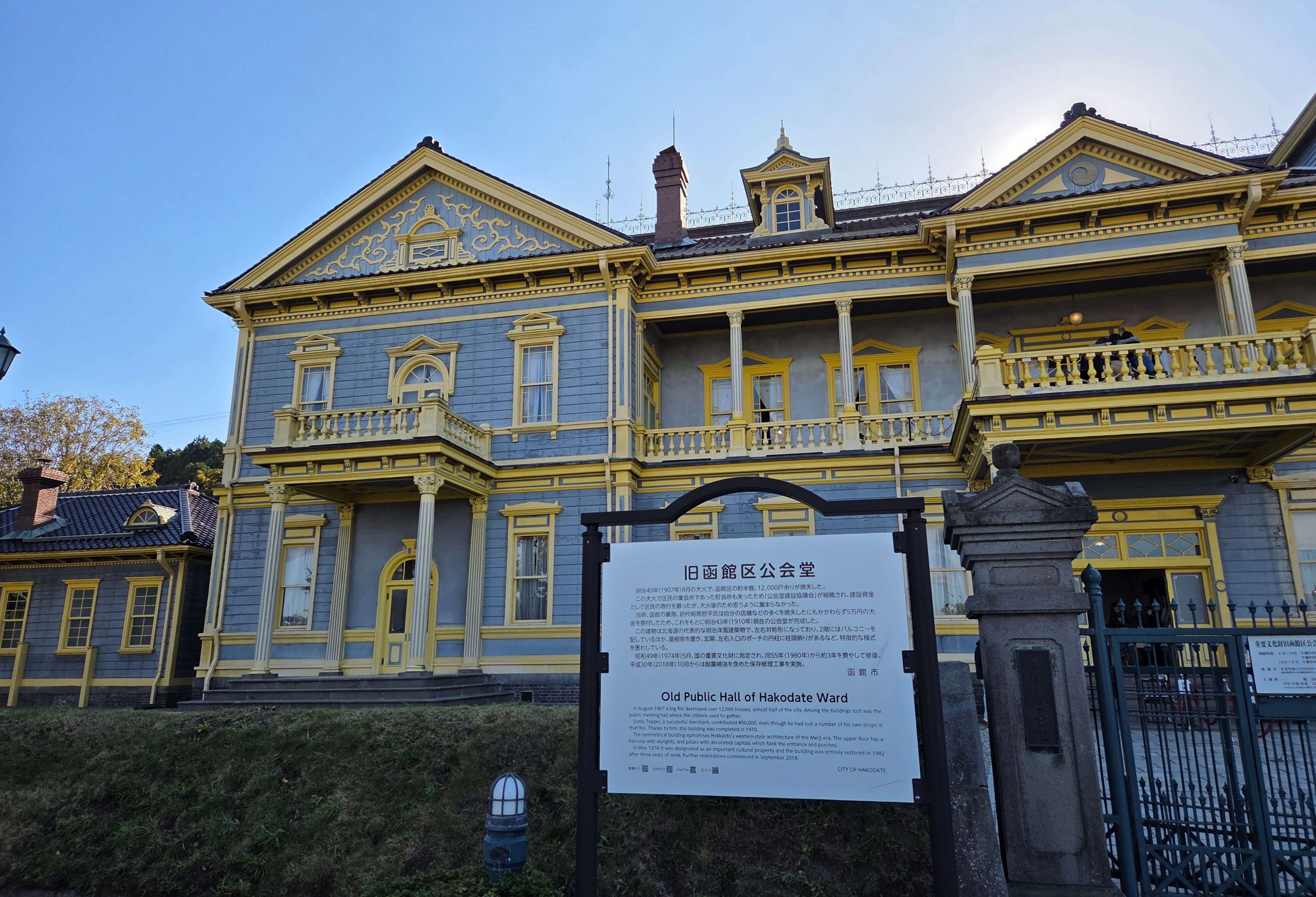
The area had many beautiful historical buildings. Each charged a few hundred yen entrance fee. We only took photos of Old Public Hall of Hakodate Ward and Old British Consulate but didn’t pay to enter. We were tired anyway. Now only “watching night view from Hakodate Mountain” remaining on the to-do list, but that must wait until dark, so we returned to the hotel to rest.
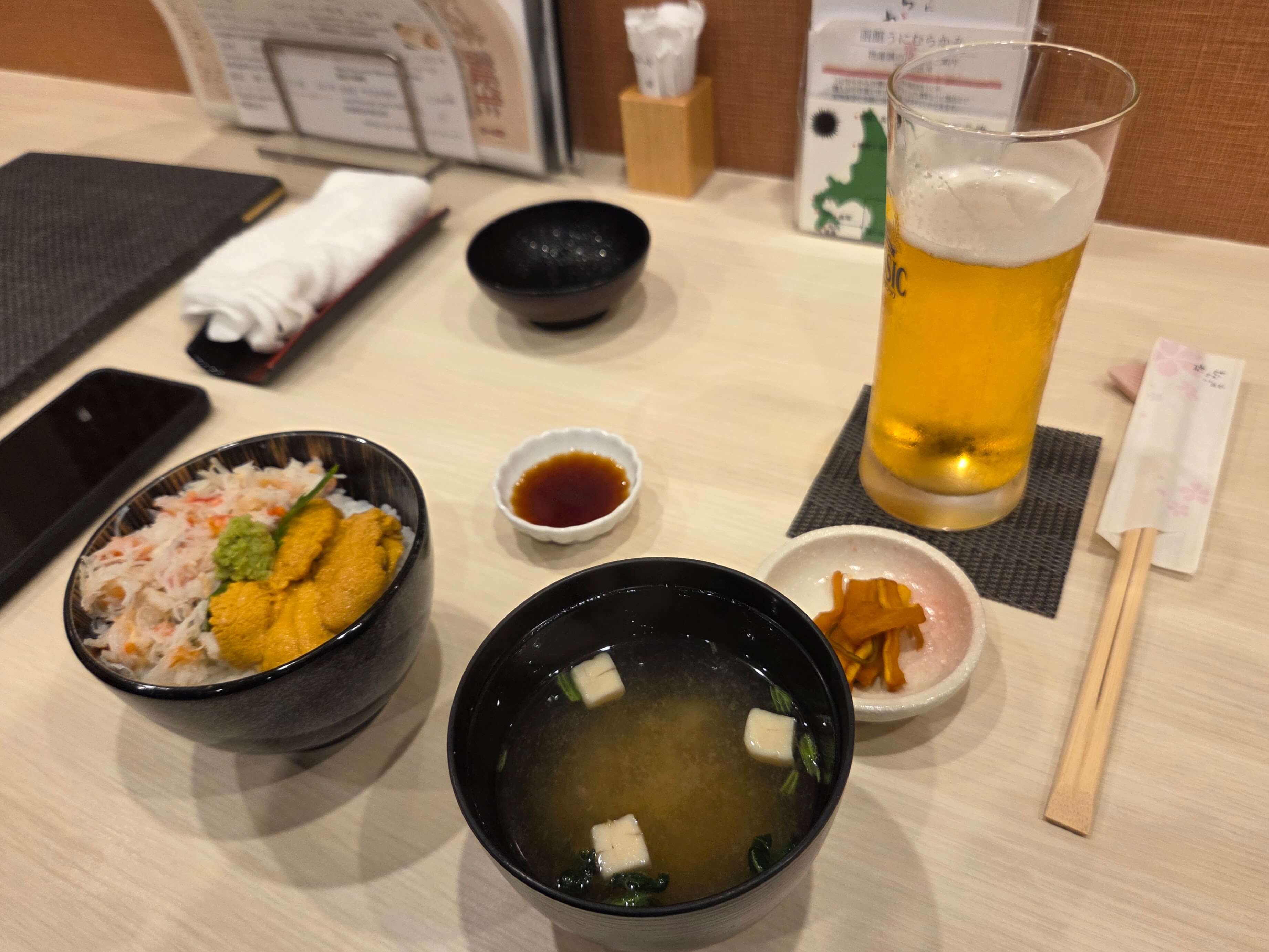
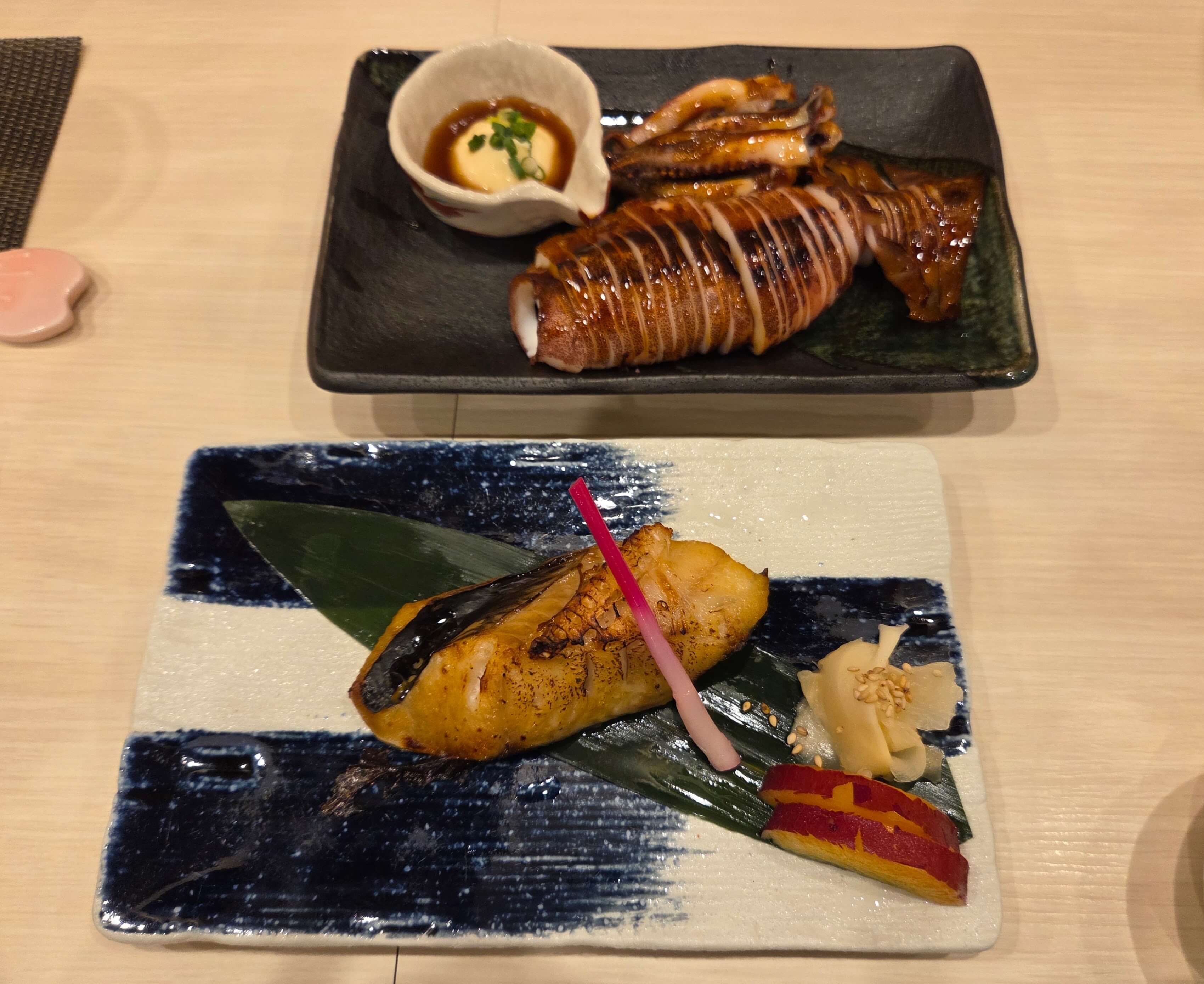
While I was working on the blog, Rei was researching dinner options. He decided to splurge, and we had dinner at Uni Murakami. (Rei overheard people talking about Uni (sea urchin) when we were at the fish market today, so he wanted to try too.) The dishes were delicious, but the dinner was very expensive. (I won’t tell you how much.)
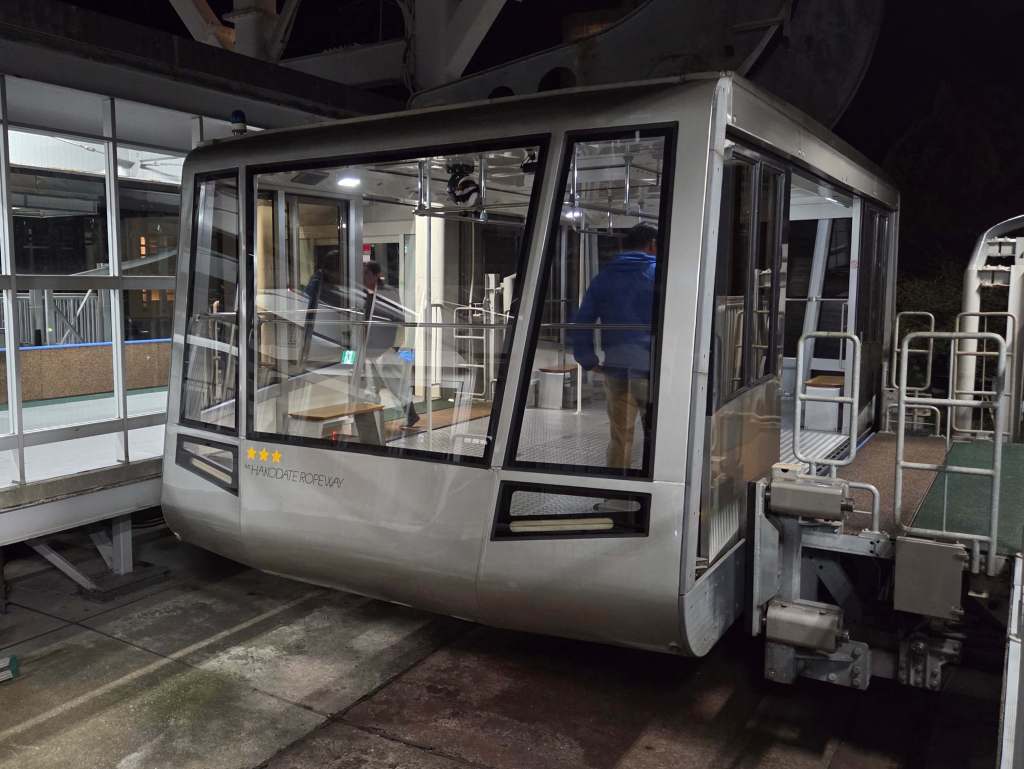
After dinner, we went to watch the famous Hakodate night view. We had to take a tram ride and then walked to the Mt. Hakodate Ropeway station. The round-trip ropeway ticket cost 1,800 yen per person! We arrived after 7pm, and didn’t need to wait. However, when we reached the top, we saw a long line of people waiting to ride down.
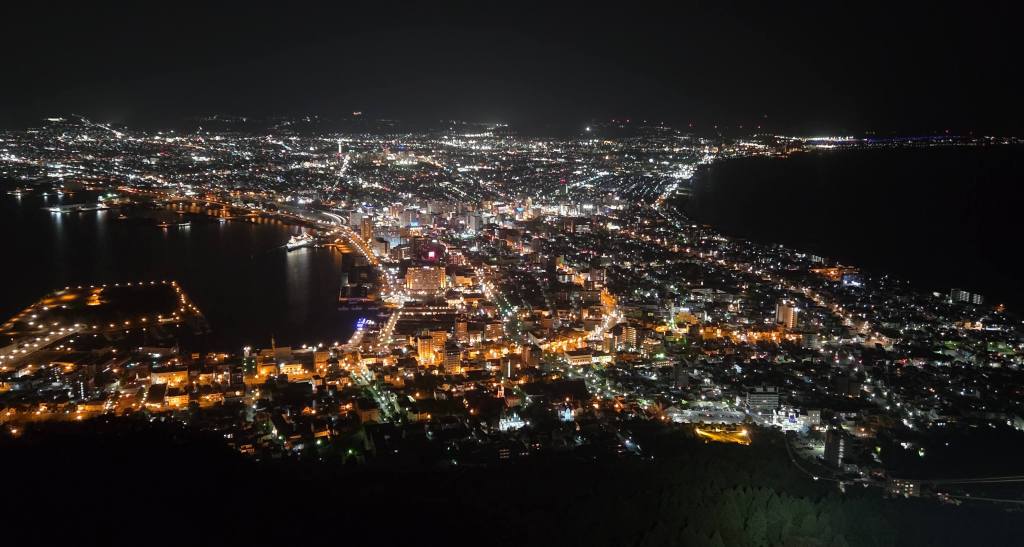
The mountain top was super crowded, and we had to wait for the people in front to leave to take photos. Though the night view of Hakodate city and harbor was splendid, both Rei and I thought it over-rated.
Suddenly, a very large group of young people arrived, and the number of people on the viewing platform almost doubled! So, we decided to return to the hotel.
Day 3: To Lake Toya
Today’s complimentary breakfast was excellent. We both ate a lot in case that we wouldn’t be able to eat lunch.
We were taking the 10:05am limited express Hokuto 7 to Toya. We checked out around 8:30am. Since JR Hakodate Station was closed by, we had an extra hour to check out the stores at the station. Rei bought a bag of milk cookies for snack on the train.
After we boarded the train, we heard the announcement that there’s no food service on the train, we heard some groans. Fortunately, we had our own snacks. The train also didn’t have power outlet and wifi, though the tickets were quite pricy.
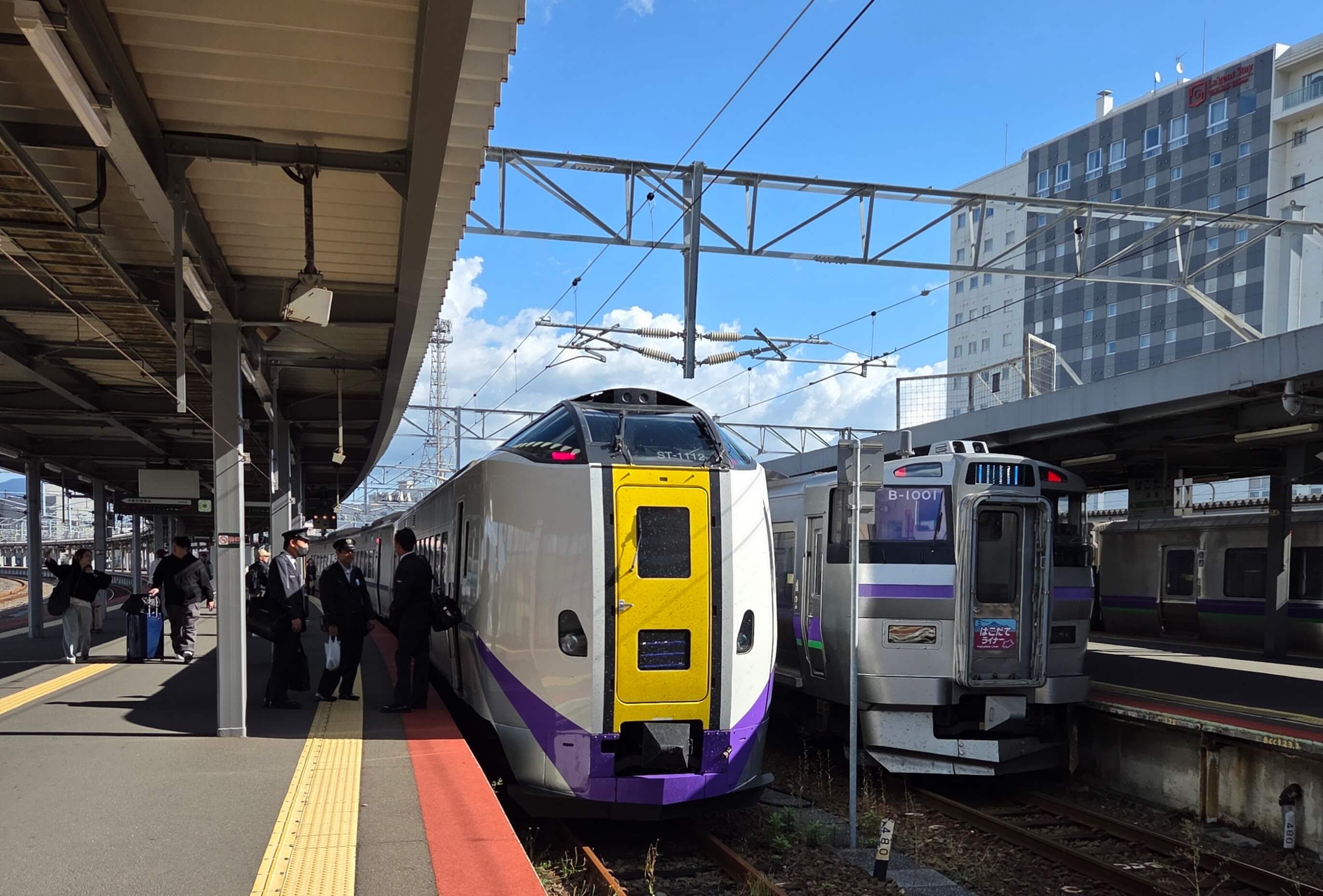
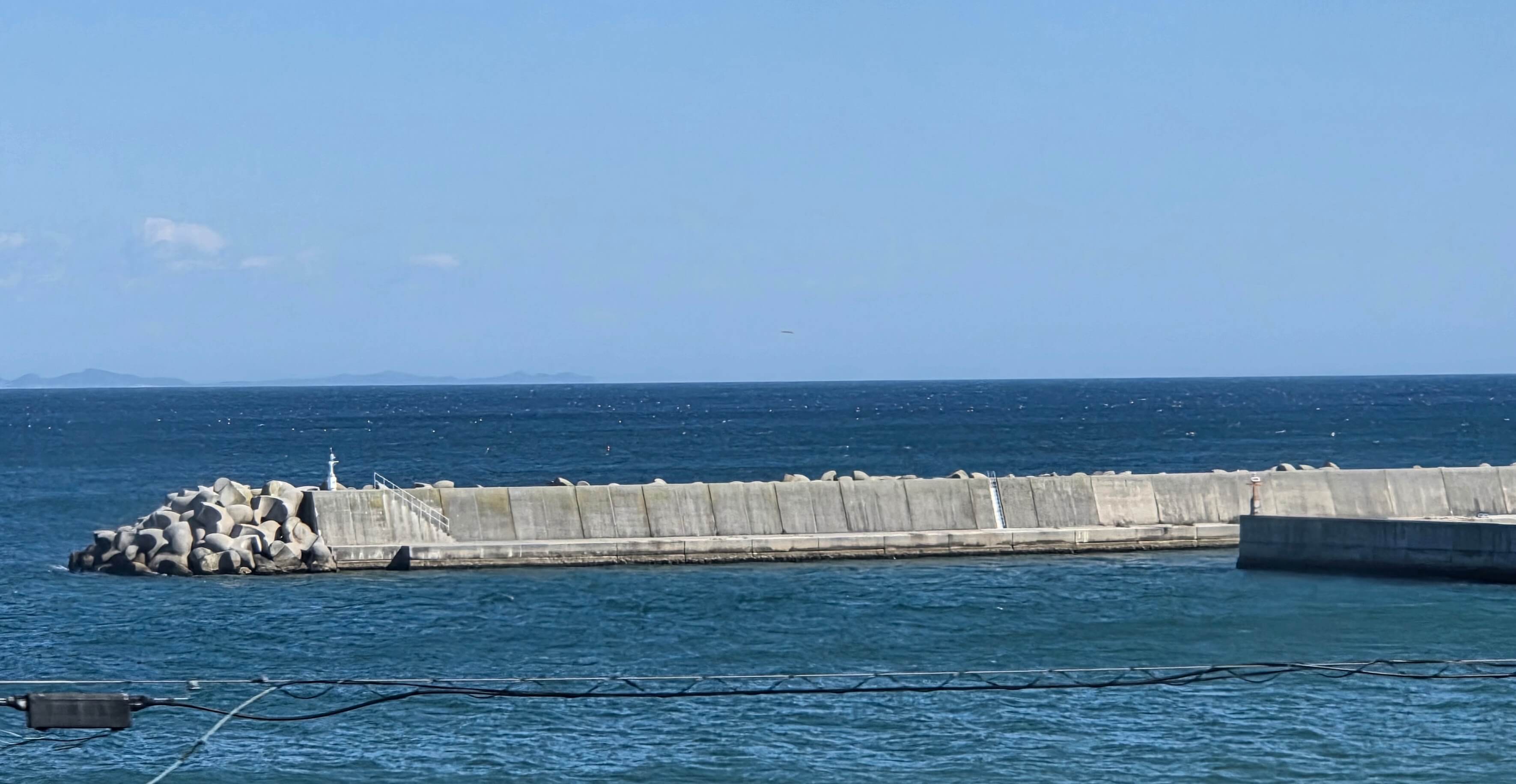
The train first passed Onuma National Park. We saw some trees there already started to change colors. After Mori, the train ran close to the coast. We were on the right side of the train (pun intended), and got to see some pretty ocean views, which was great.
When we were close to Toya, the train went through several long tunnels very slowly, we were told that it’s due to some “slow traffic.” So, we arrived in Toya about 8 minutes behind the schedule.
We first purchased our next JR tickets before leaving the station to find the bus ride to Lake Toya. There was a sign informing us that the next bus would be at 1:10pm, and our hotel was located near the 4th stop, which would take about 20 minutes.
Rei, a big fan of Google, insisted that we should check Google. He said that he checked last night, and our hotel would be at the 2nd stop. He checked again and told me that the new information showed that our hotel would be at the 8th stop, and it would take more than 50 minutes. He panicked. I said that’s not right. He checked again to find out that I was right! (Yes, I was rolling my eyes.)
The bus to Lake Toya was a “regular” bus without a lot of luggage space. Most passengers had luggage; some had very large suitcases. Somehow, we all fit in just fine.
We were staying at Toyako Manseikaku Hotel for 2 nights, and we splurged on a room with lake view. Another reason for the splurge was because we didn’t book earlier, and many hotels have already sold out, so we didn’t really have too many options.
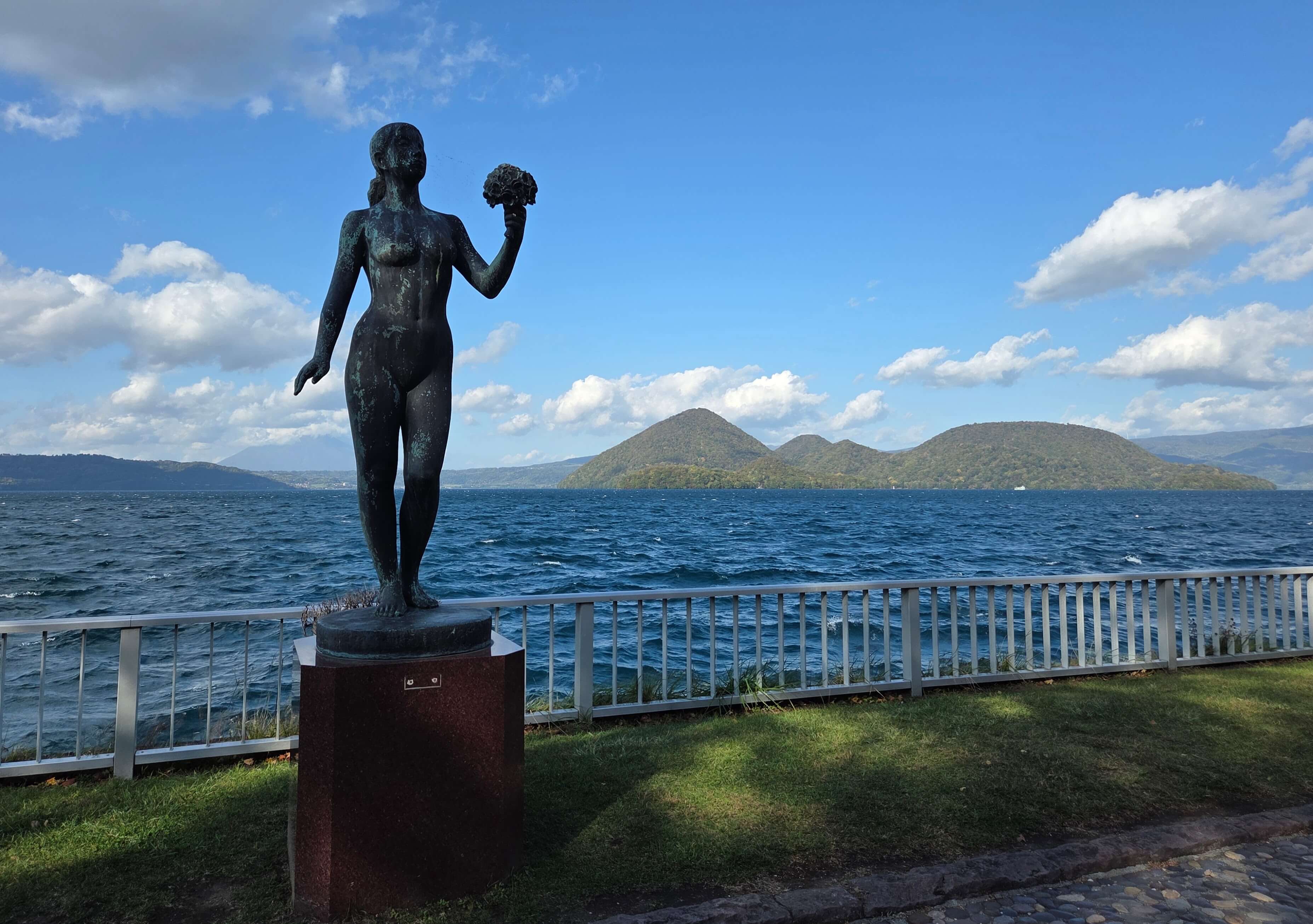
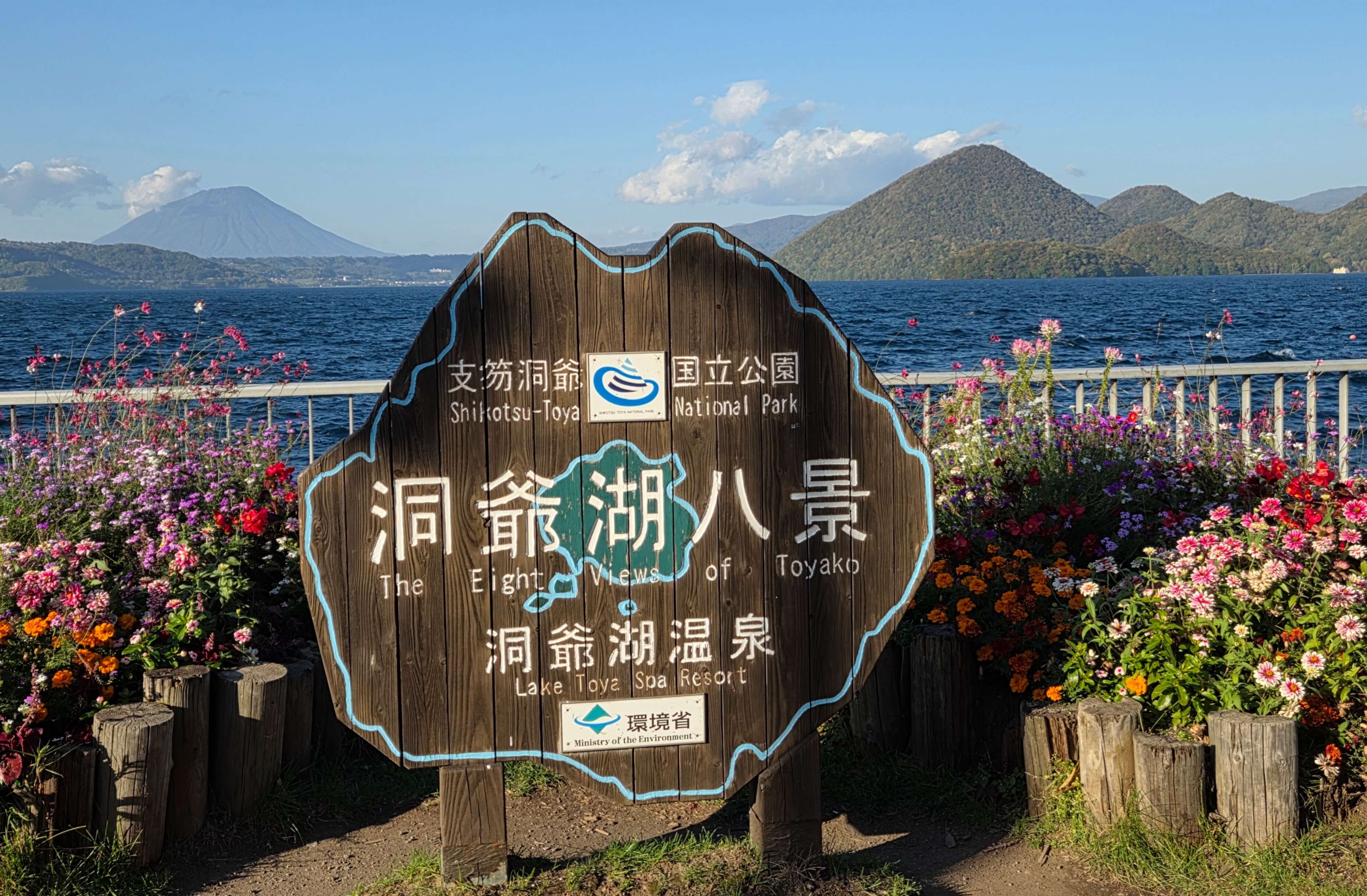
It was only about 1:30pm when we arrived at the hotel, which was right by the bus stop. It was way to early to check in, so we left the luggage with the hotel, and went to the pier to take a Lake Toya cruise.
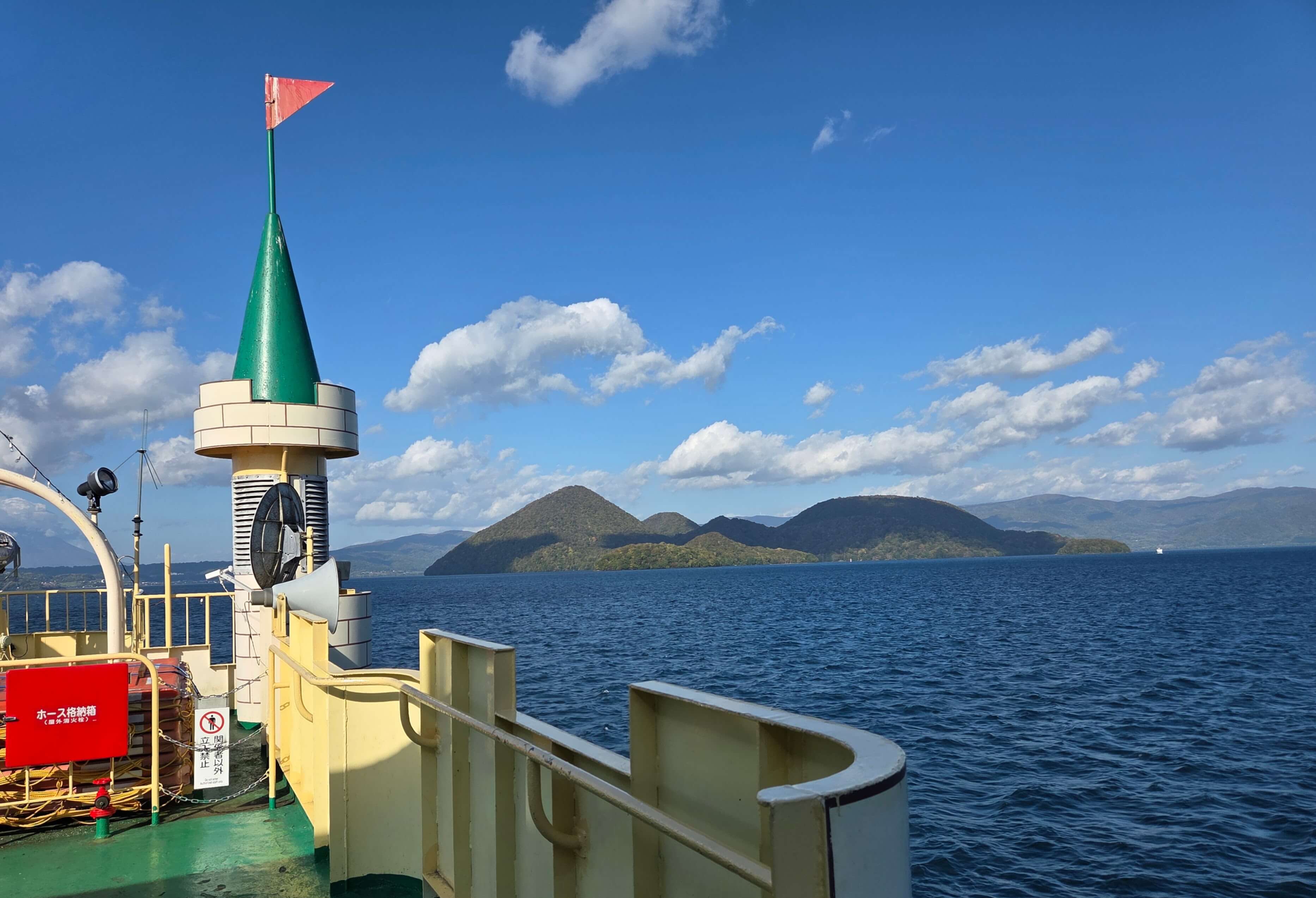
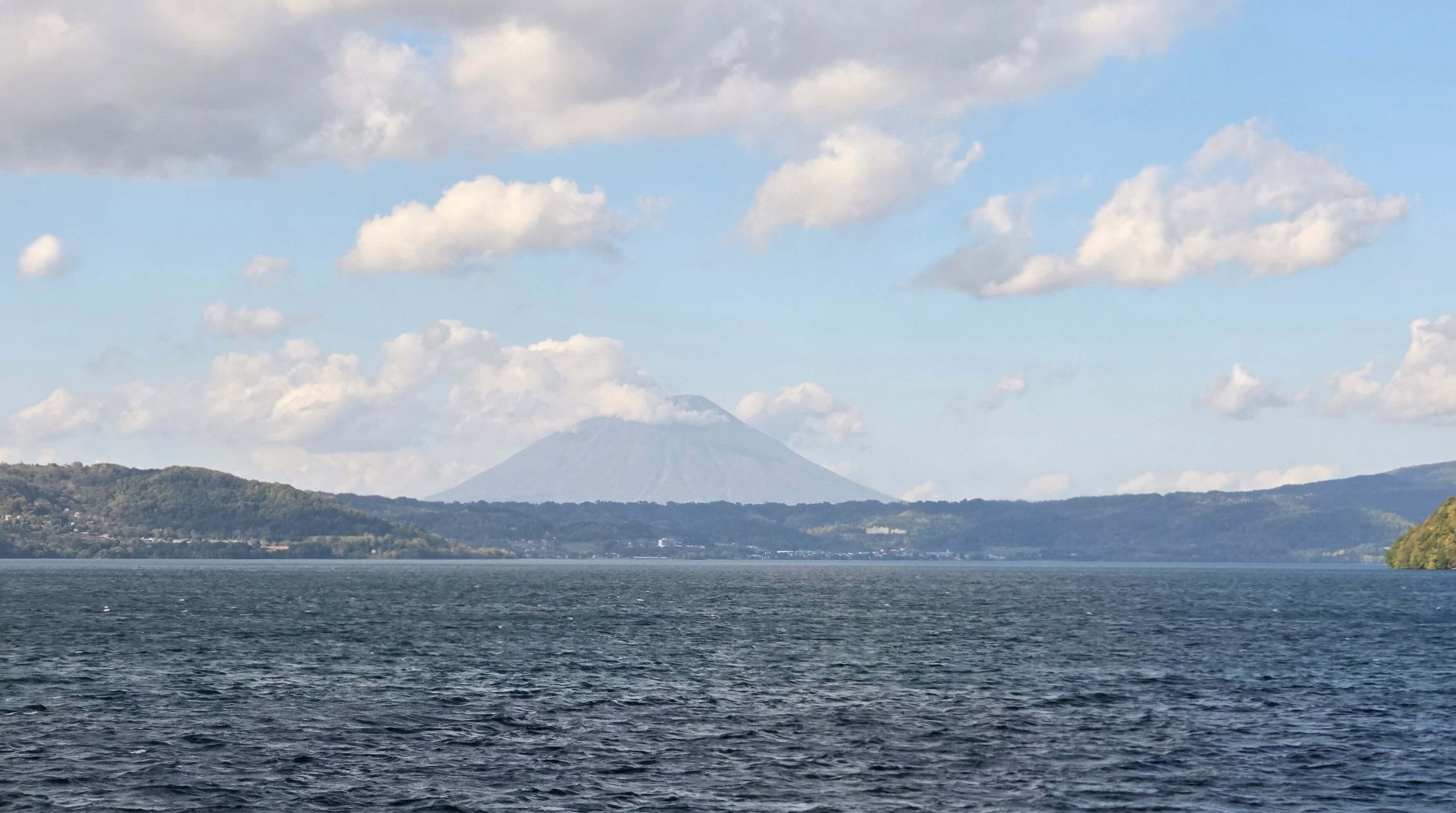
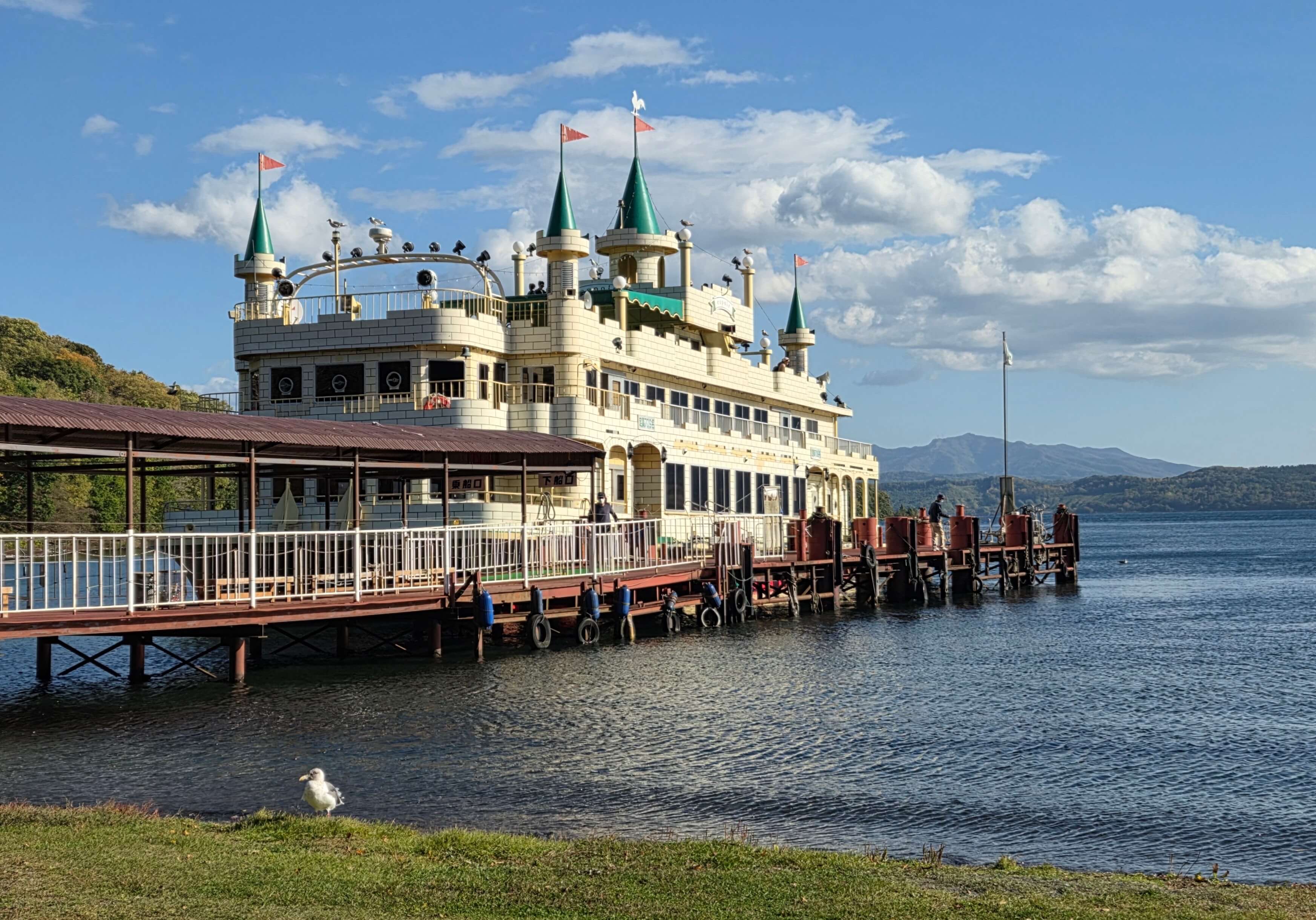
The cruise cost 1,800 yen per adult. The boat looked like a floating castle. There weren’t a lot of passengers, and most people went to the upper decks to take photos. We saw many gulls flying over the cruise and were all taking pictures. We also saw a volcano at some distance.
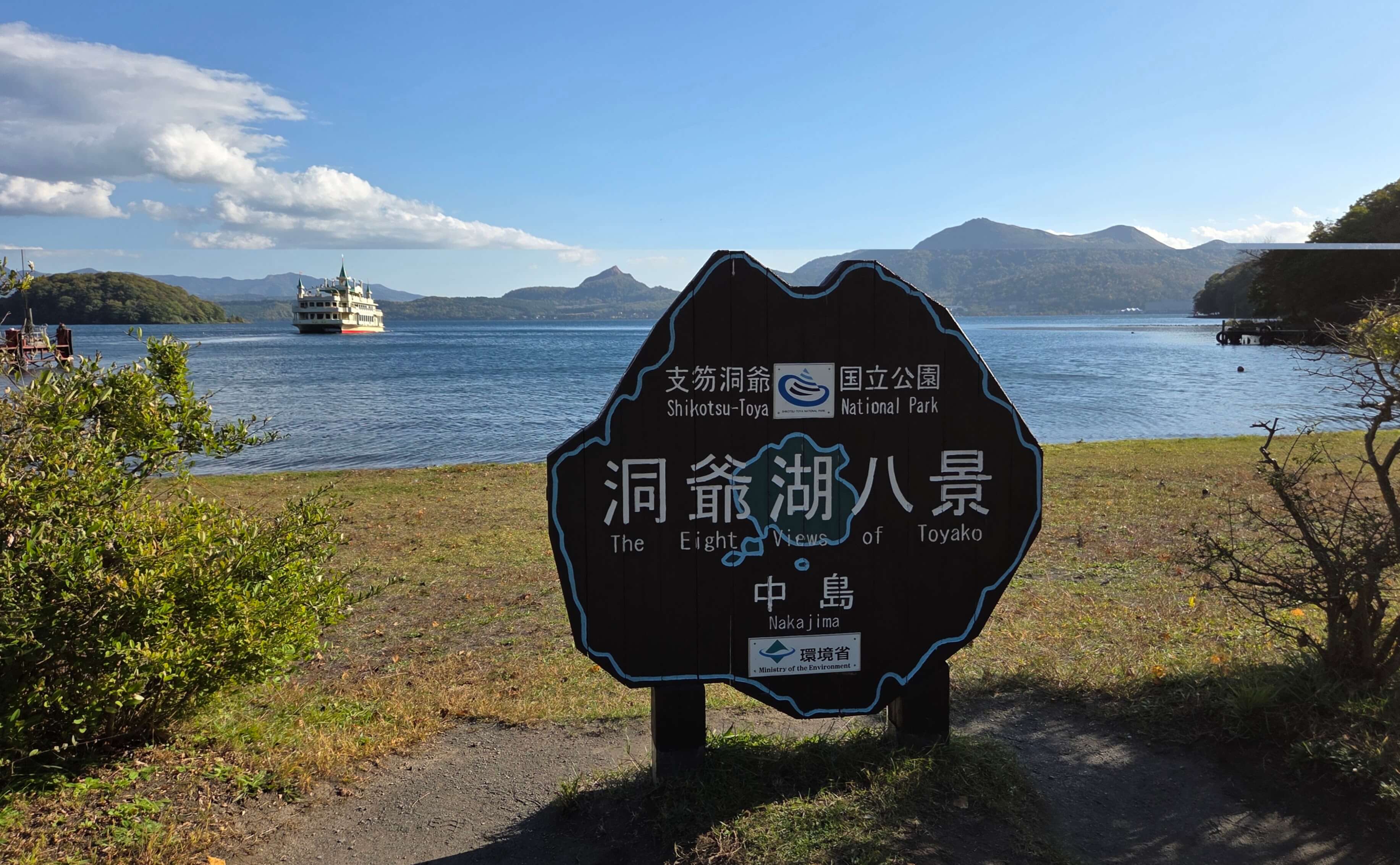
The cruise had a stop at Nakajima (Middle Island), an island in the middle of Lake Toya. Passengers can get down, spend some time on the island, and then reboard a later cruise. The island had a museum and some hiking trails. However, we were told that hiking trails were closed because there’s a beehive!
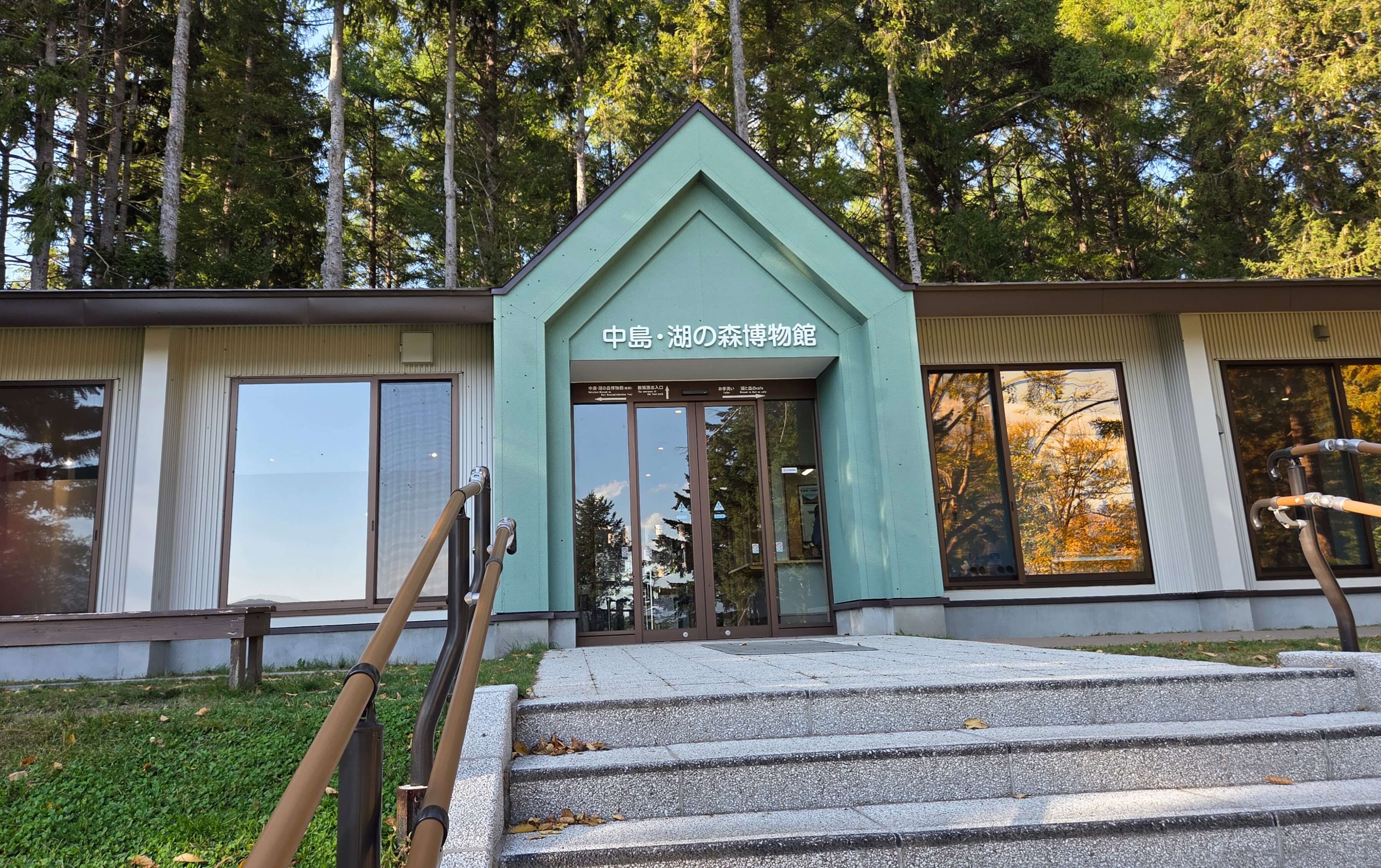
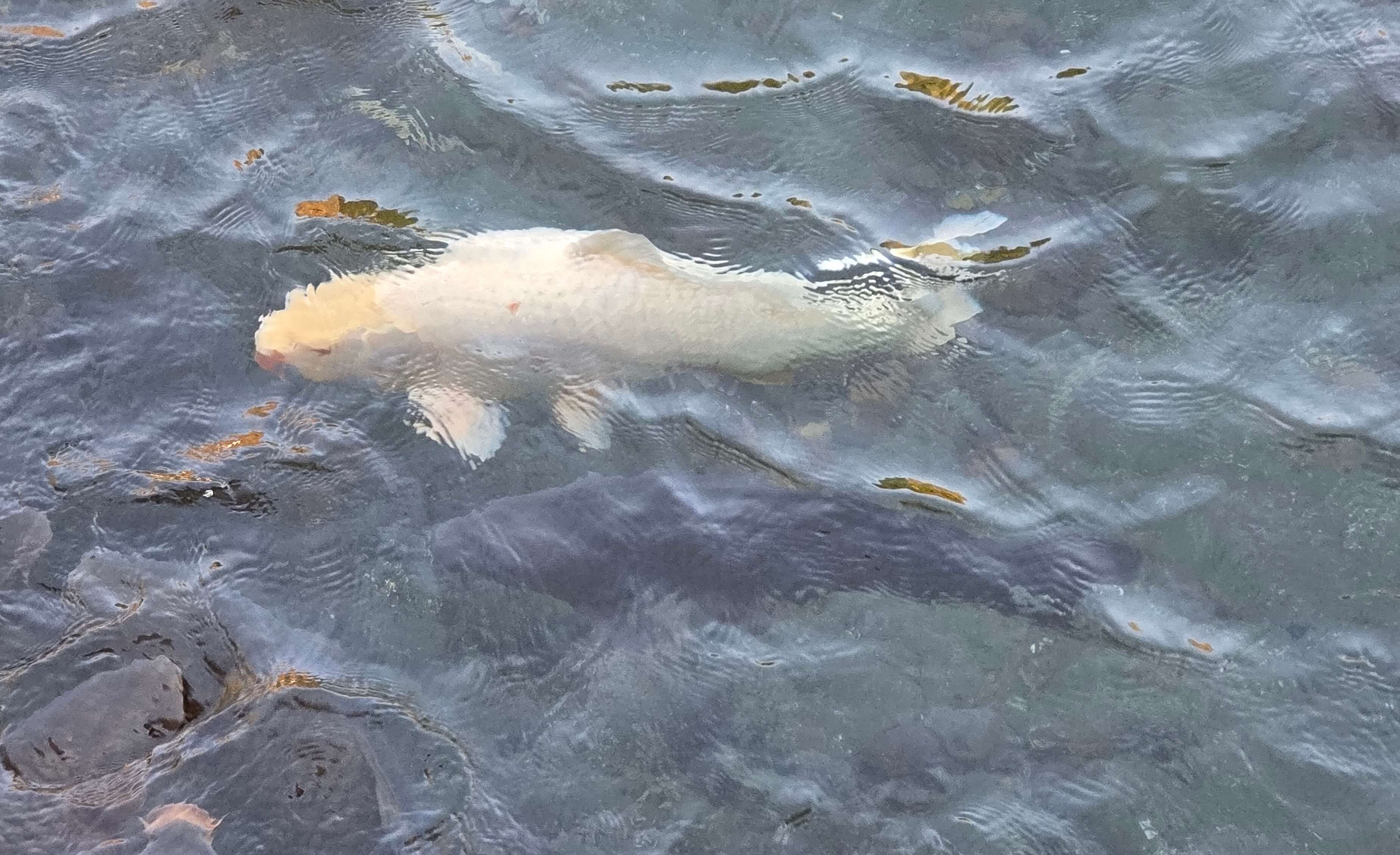
Because all trails were closed, there’s not much to do. We also didn’t enter the museum. The highlight was actually some fish in the water.
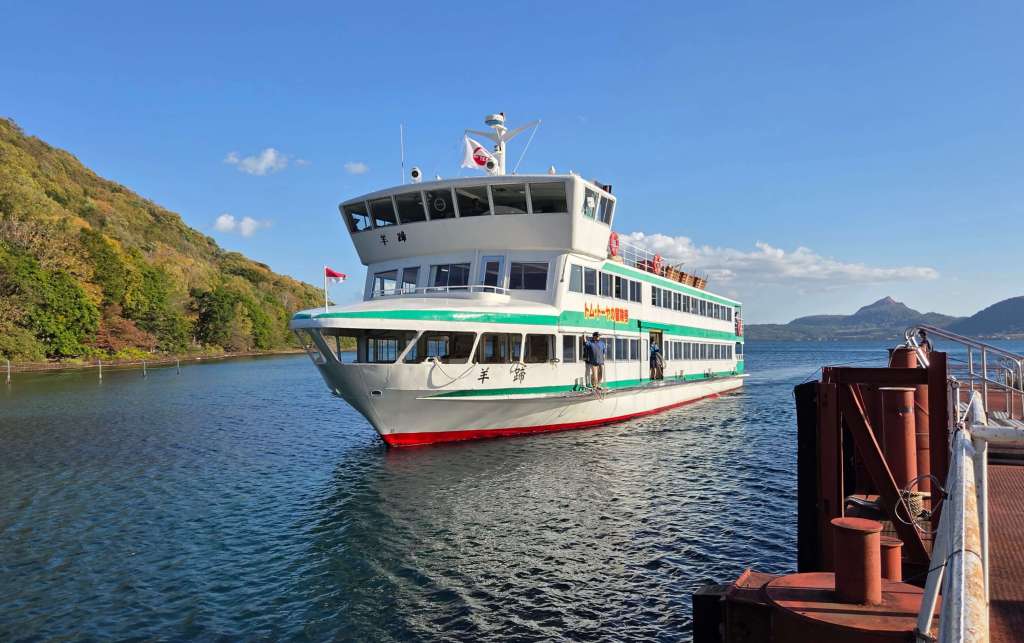
We boarded the next cruise half an hour later. This one was a plain-looking “regular” boat. Since the view was the same, we only stayed inside this time.
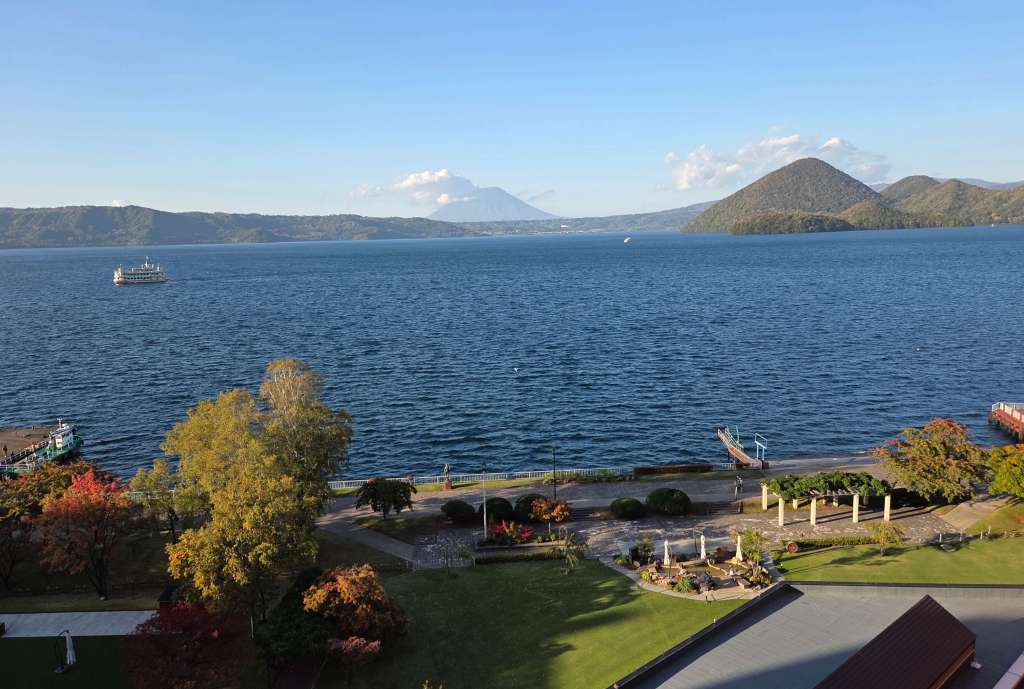
After the cruise, we walked back to the hotel to check in. Our room was on the highesr floor, and it had an excellent view of Lake Toya!
After a short break, we went to enjoy the hotel hotspring. This afternoon’s women bath was at 8th floor (the highest one) with a fantastic lake view! There were a number of other ladies in the bath, unlike last time in Shingu, where I had the entire hotspring to myself!
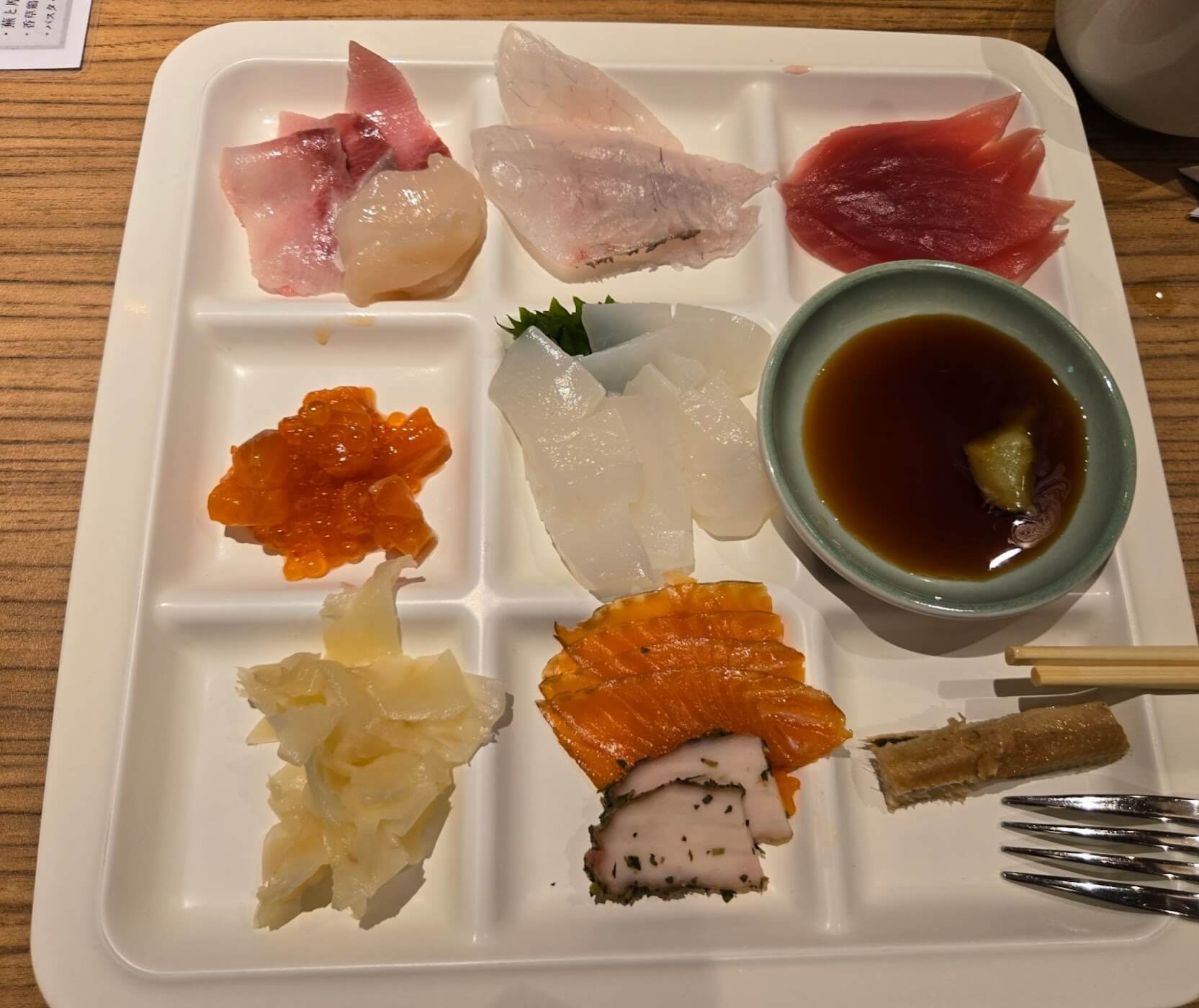
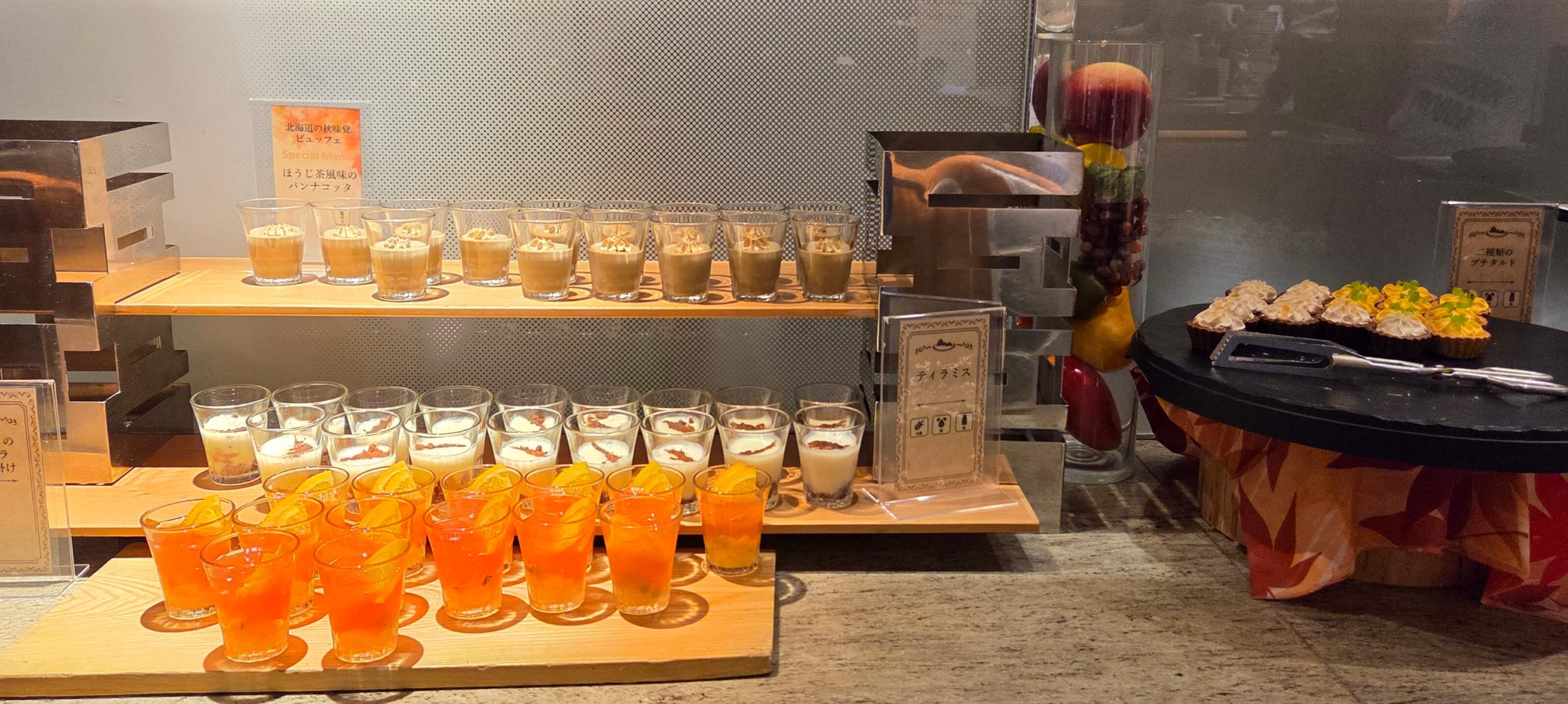
We booked half-board. The dinner was buffet style. There were a lot of food and dessert selections, but we had to get our own food, unlike the full service dinners we had while hiking Kumano Kodo. Rei was very proud of his creations; he sent me a photo to post.
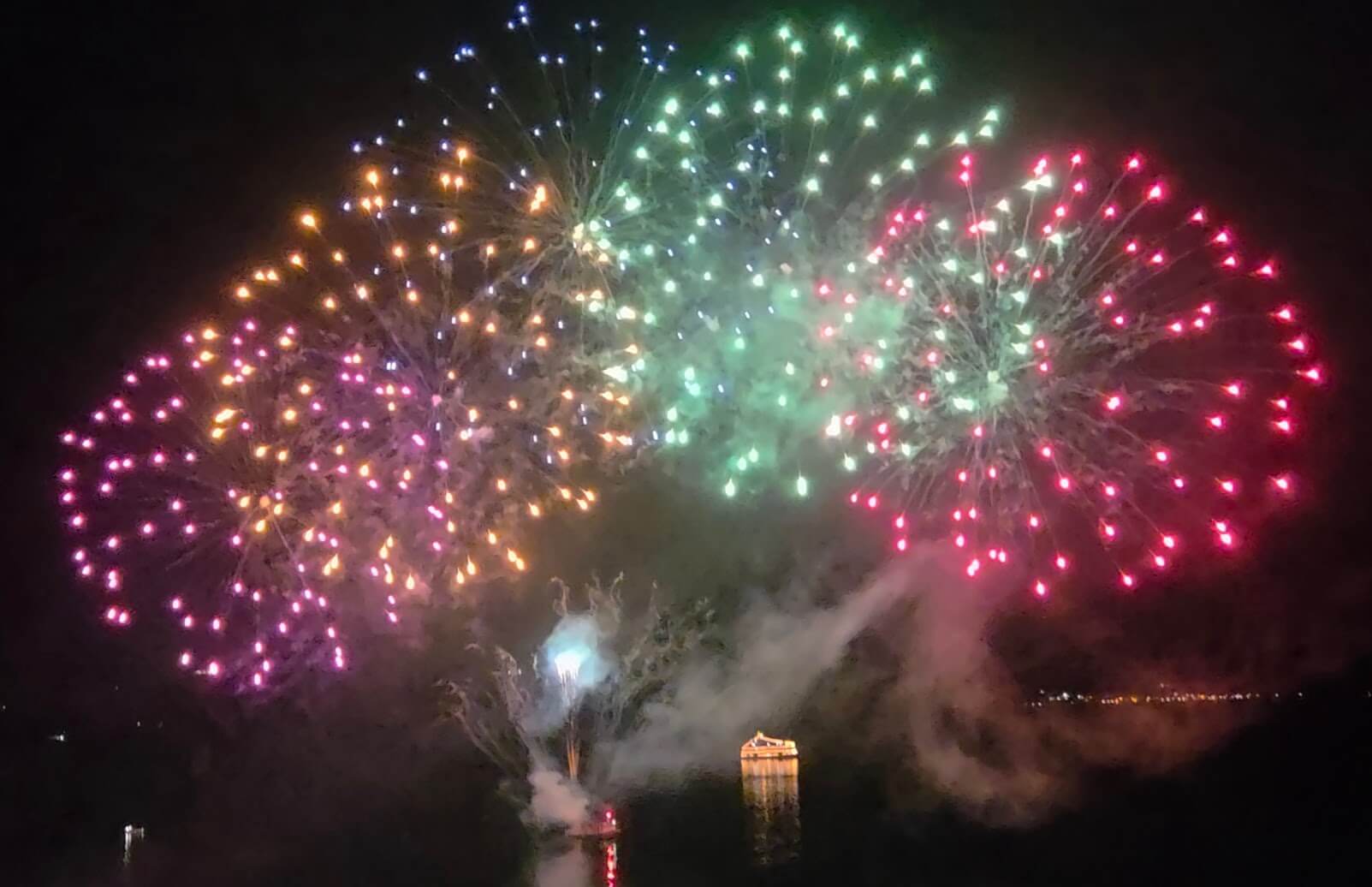
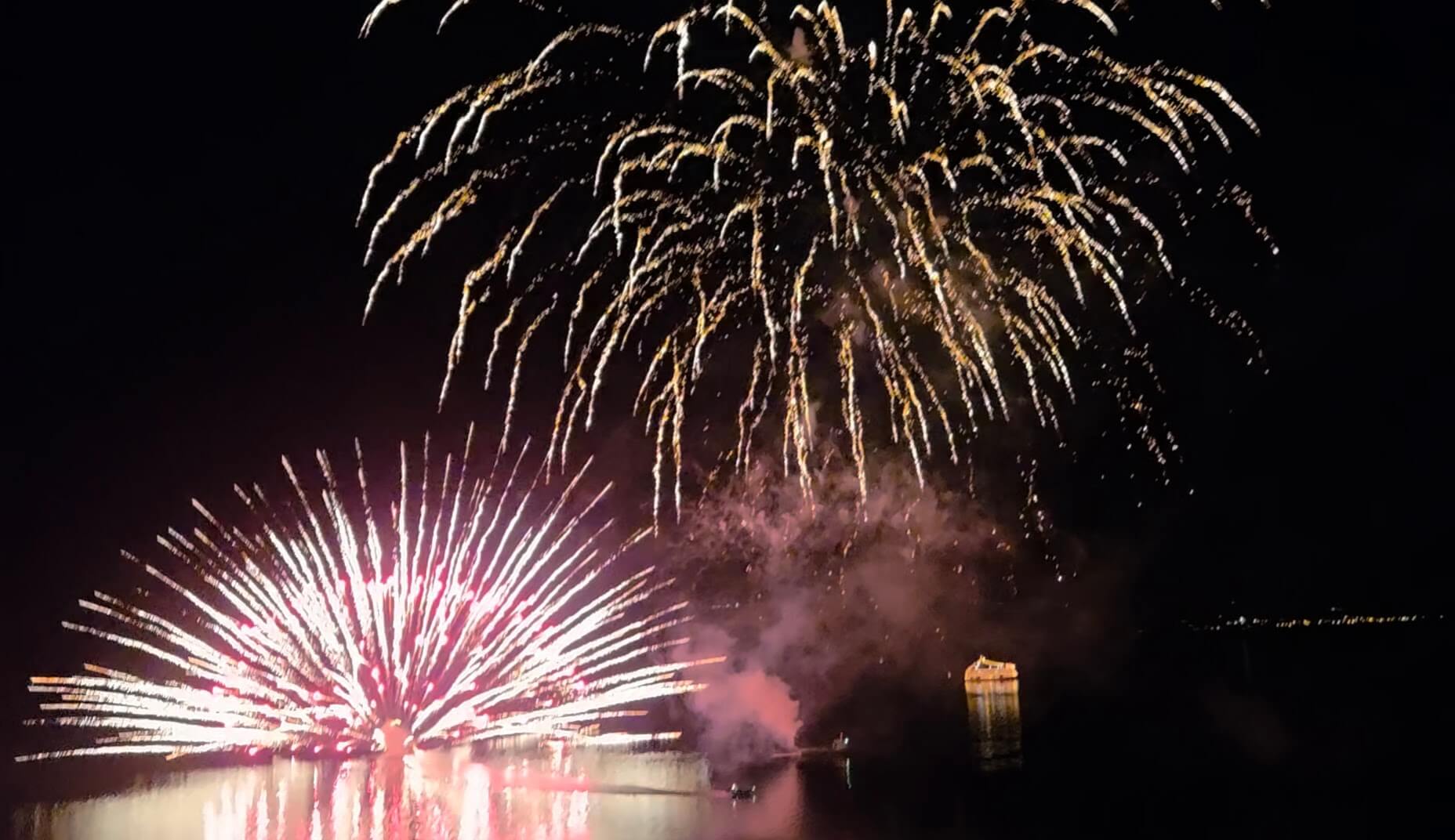
Lake Toya had summer night fireworks starting at 8:45pm. The fireworks were from a small boat sailing past several lake front hotels. Our hotel was on the path. We had a lake view room, so we were able to see fireworks directly from our room, which was very convenient. The fireworks were spectacular! It’s worth the splurge to get a lake view room.
Day 4: Lake Toya
We were spending one more day at Lake Toya. After breakfast, Rei and I walked to Toyako Visitor Center and Valcano Science Museum (the same building). When we arrived, the place has not opened yet, so we decided to check out the nearby 2000 Eruption Memorial Park first.
There’s a Crater Walking Trail for visitors to see a previous eruption area. This trail involved some climbing and wasn’t very easy. It was sunny and warm today, so we were sweating. The trail was actually pretty similar to other hiking trails. It was quiet. We didn’t meet other hikers on the trail.
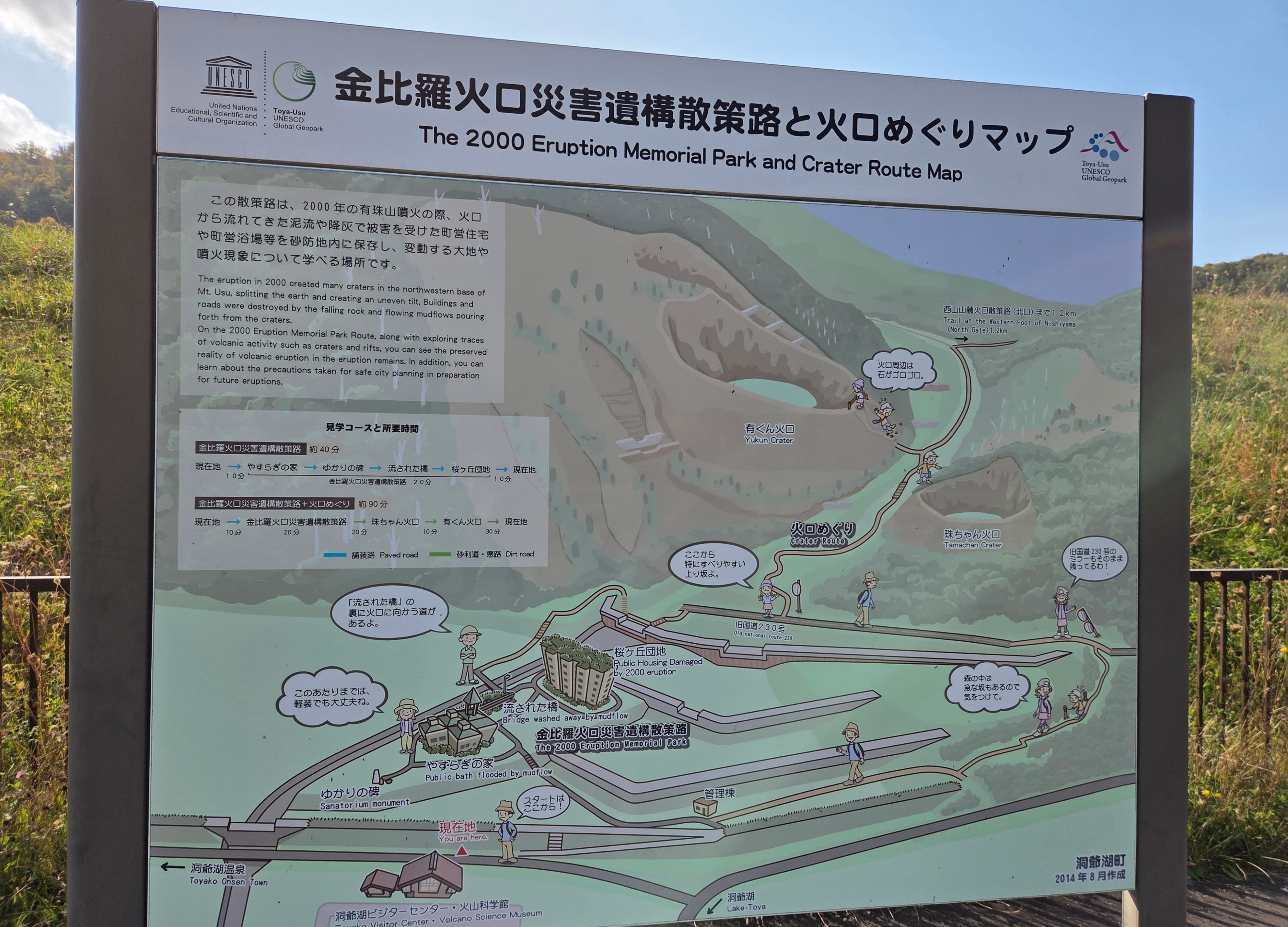
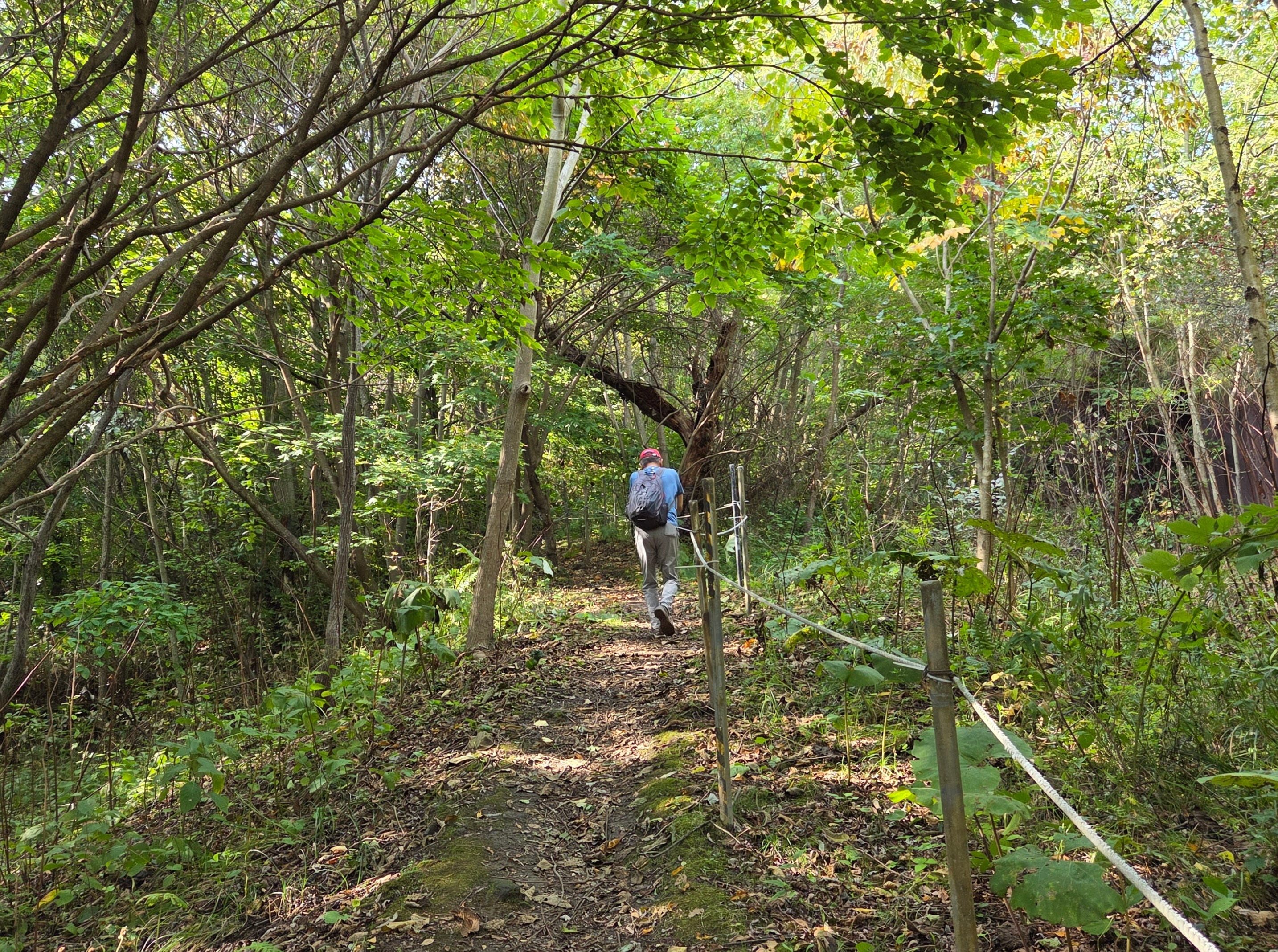
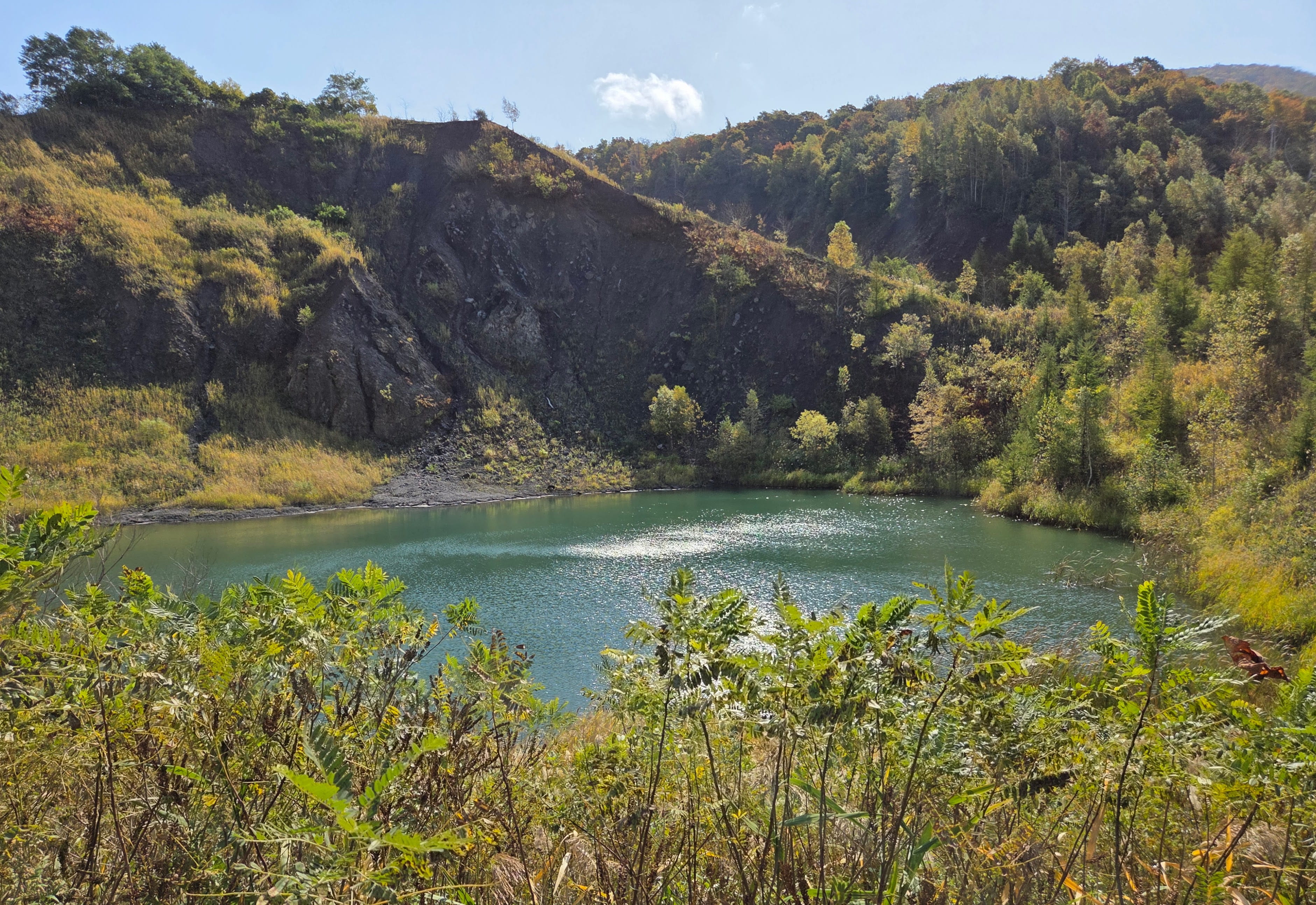
Then we reaching a fork with the left side pointing to a crater lake. The crater lake was small but very beautiful, the prettiest place on this trail. Afterwards, we arrived at a viewing area, but we didn’t see anything special.
The trail wasn’t well marked in English. We weren’t sure where we were half of the time. Rei thought we could climb to the summit, but very soon we were descending. We backtracked but couldn’t find any alternatives, so we following the same descending trail.
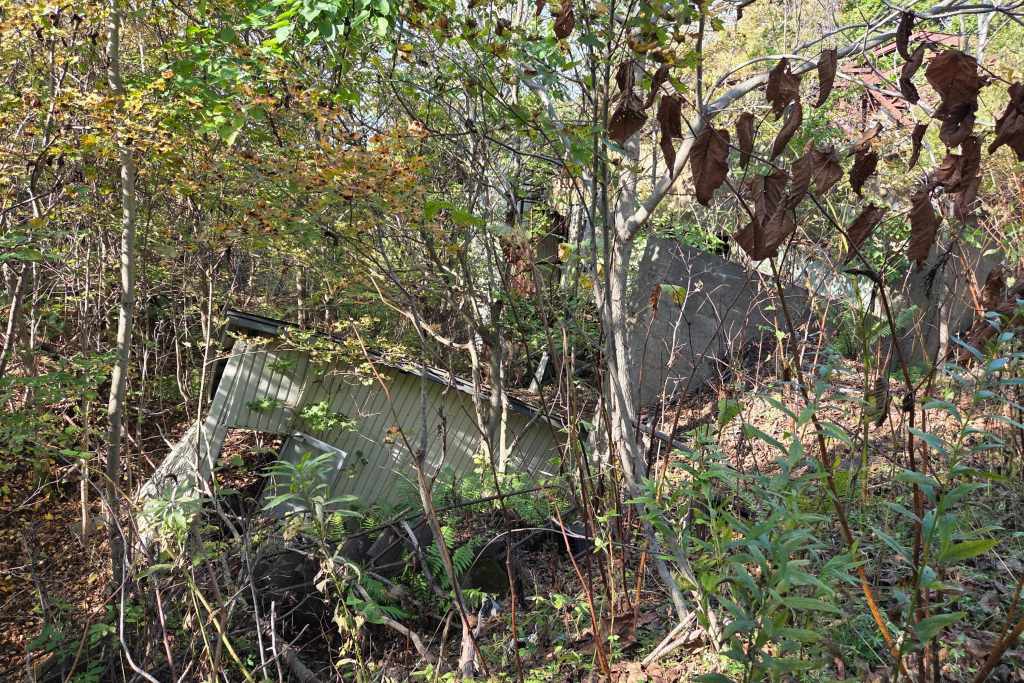
Soon we arrived at a place with some buildings destroyed by the volcano eruption. Then we were on a car road leading back to the lakeshore.
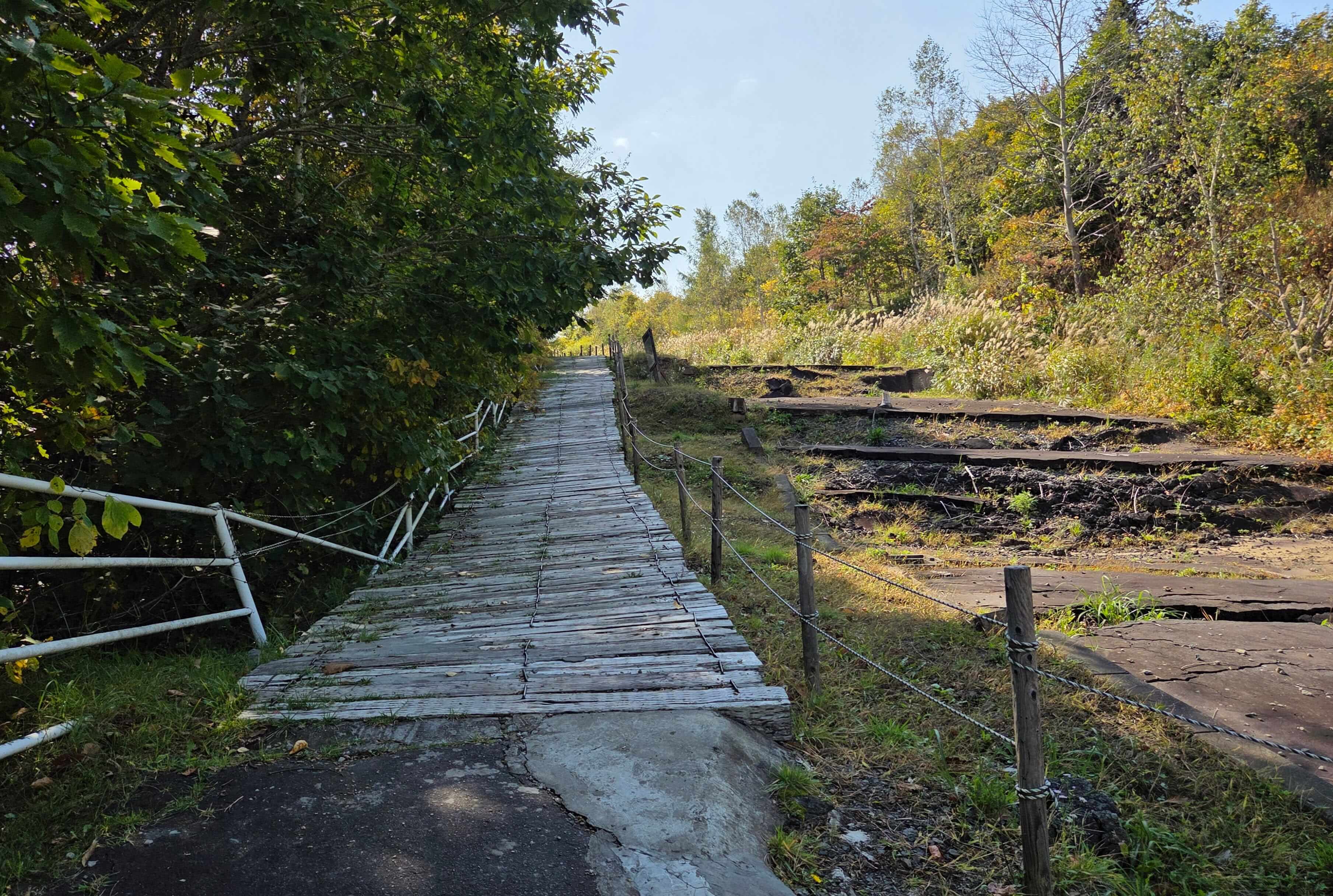
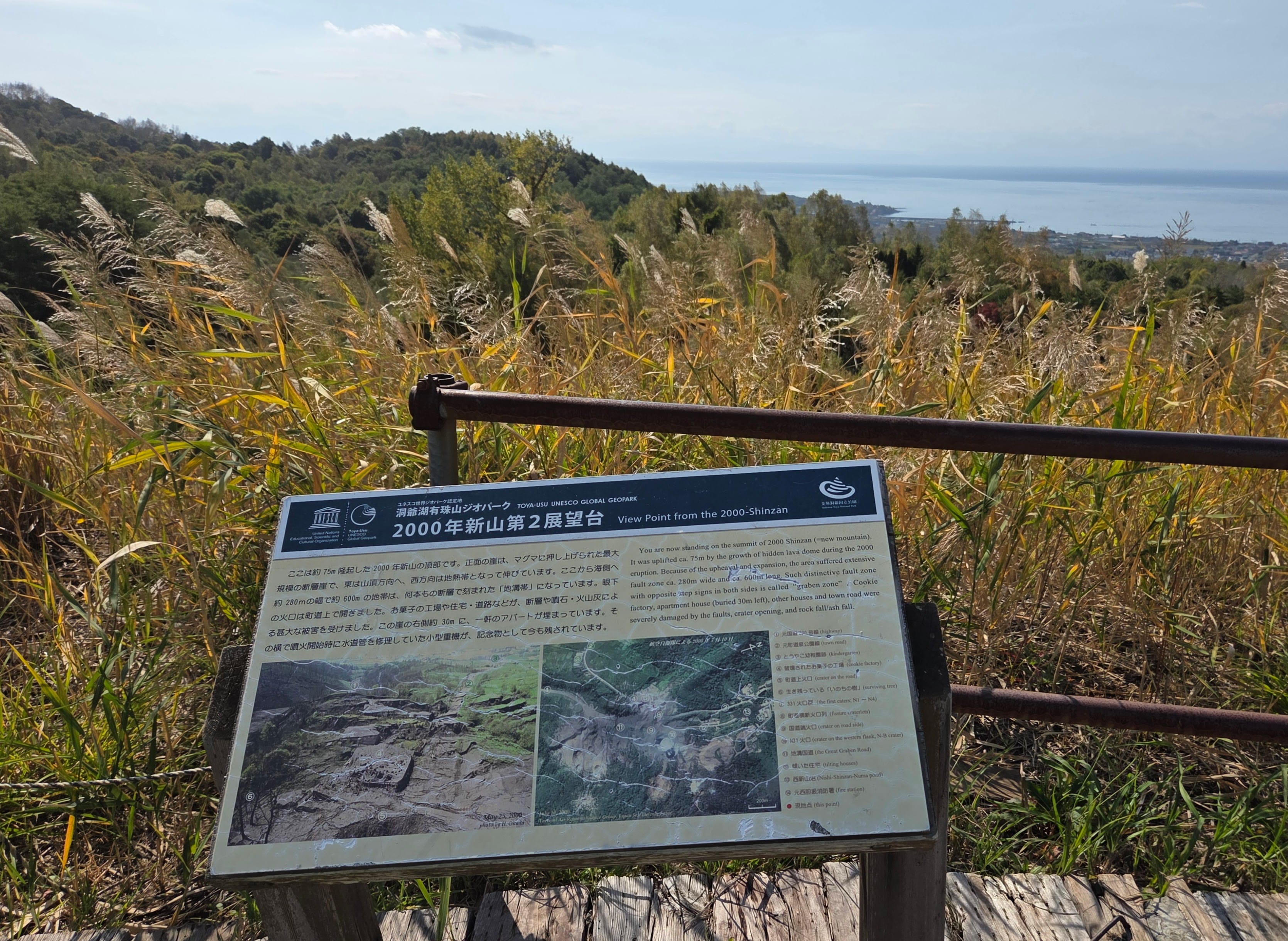
There was another trail on the left pointing to some observation points. We decided to take a look. This led to another area destroyed by volcano eruptions. Though there were signs showing craters, we didn’t see any. Finally, we decided to walk back to the lakeshore and to stop by the Volcano Science Museum.
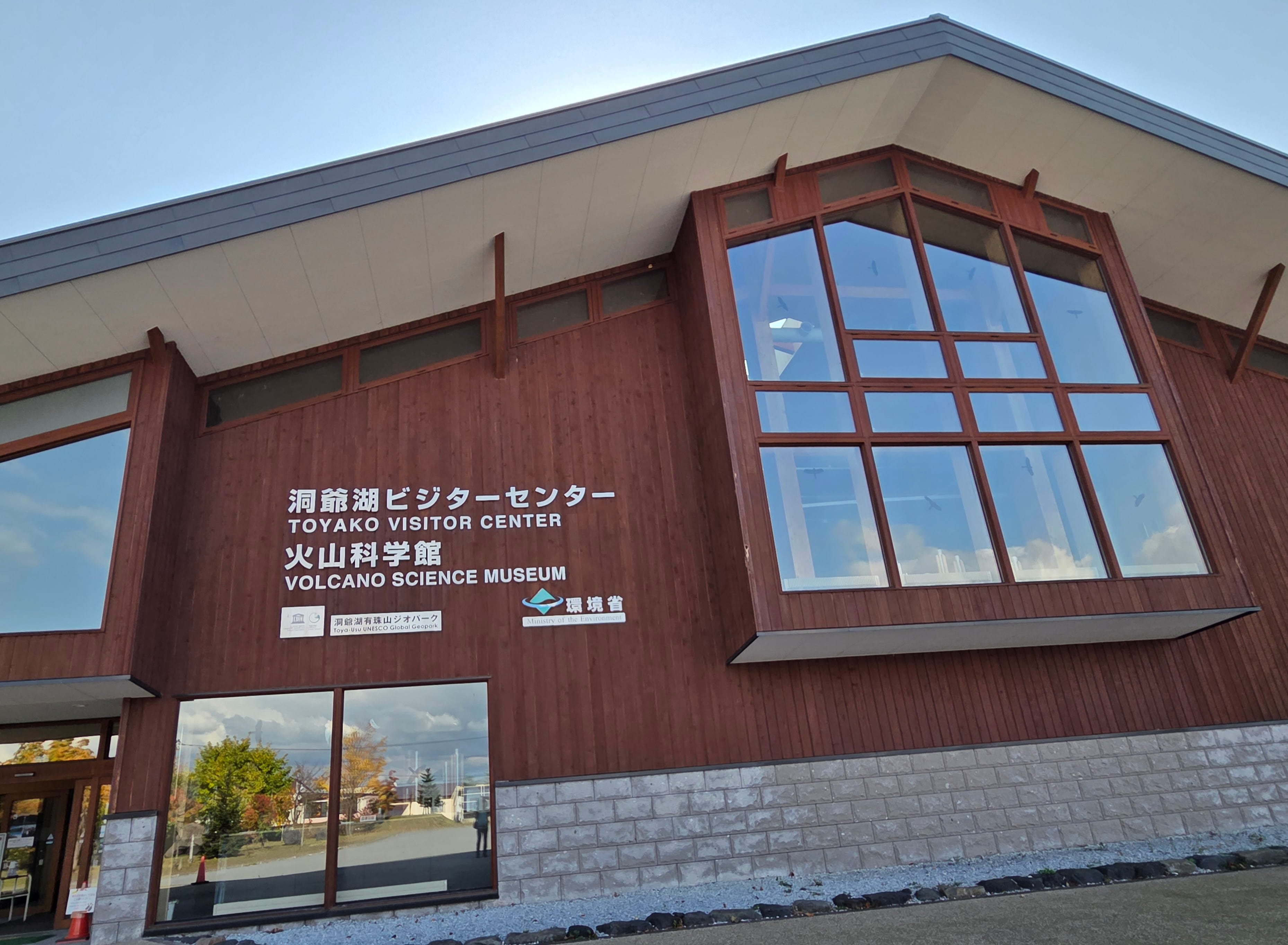
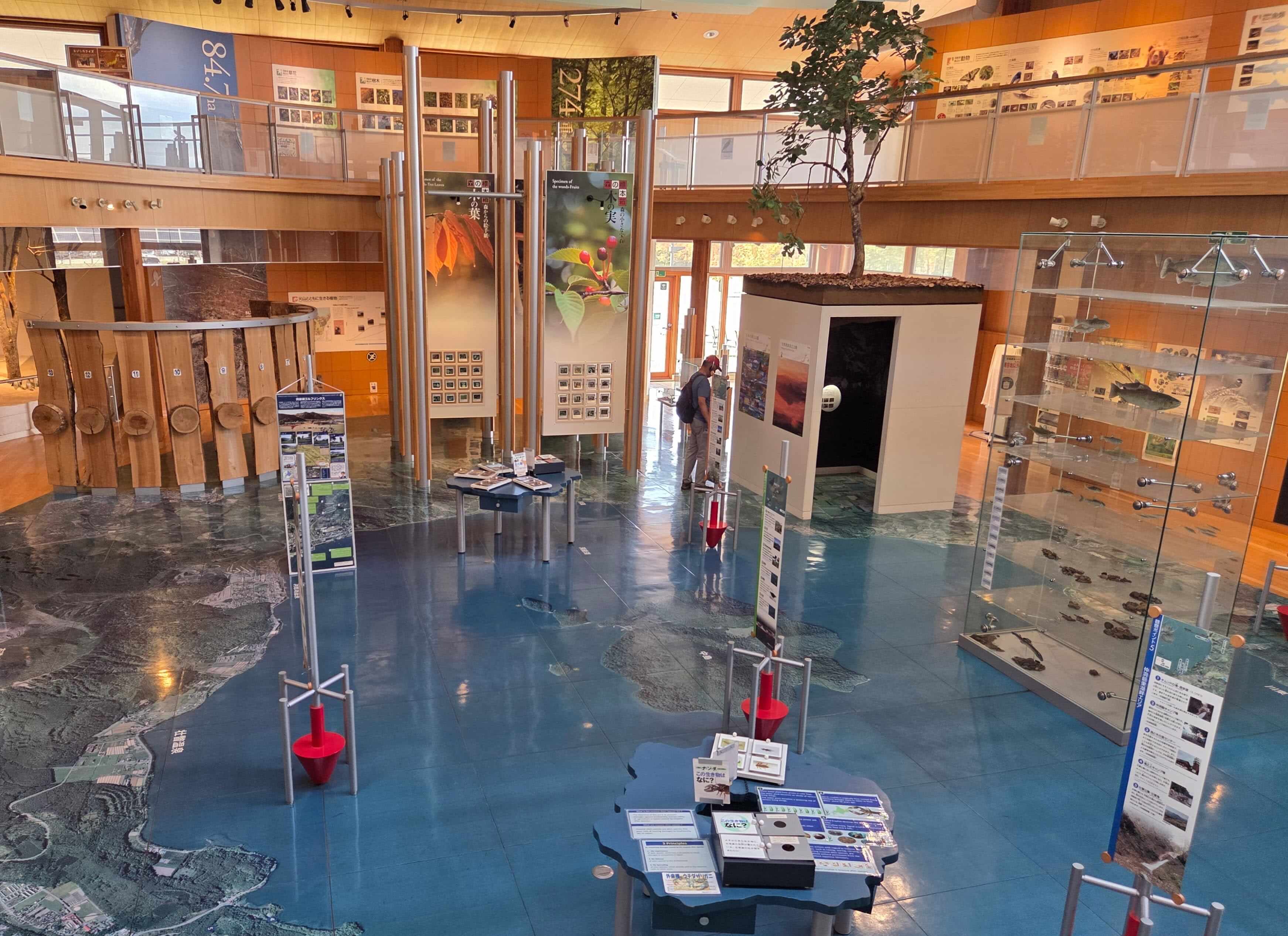
We arrived there around noon. The visitor center was free. There were some exhibitions and a national park stamping station. Rei was overjoyed because he’s obsessed with collecting stamps.
The Volcano Science Museum required a ticket to enter (500 yen per adult). There’s a short movie showing the last few eruptions in the area. The famous onsens at the Lake Toya region were results of volcanic activities. Because there were a lot of volcanic activities, scientists gained enough knowledge to provide pretty accurate predictions. As a result, locals were all successfully evacuated before the most recent eruption.
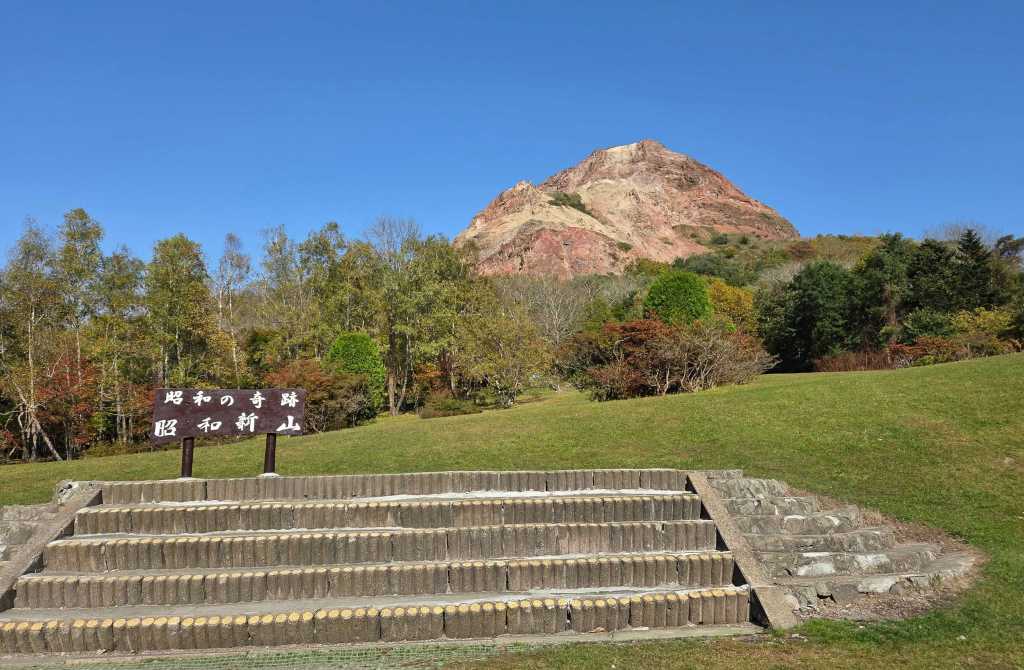
We still wanted to ride the ropeway to see Mt. Usu, so we had to rush. A bus ride took us to Showashinzan, a new mountain created by volcanic activities. This was also the starting point of the Mt. Usu Ropeway.
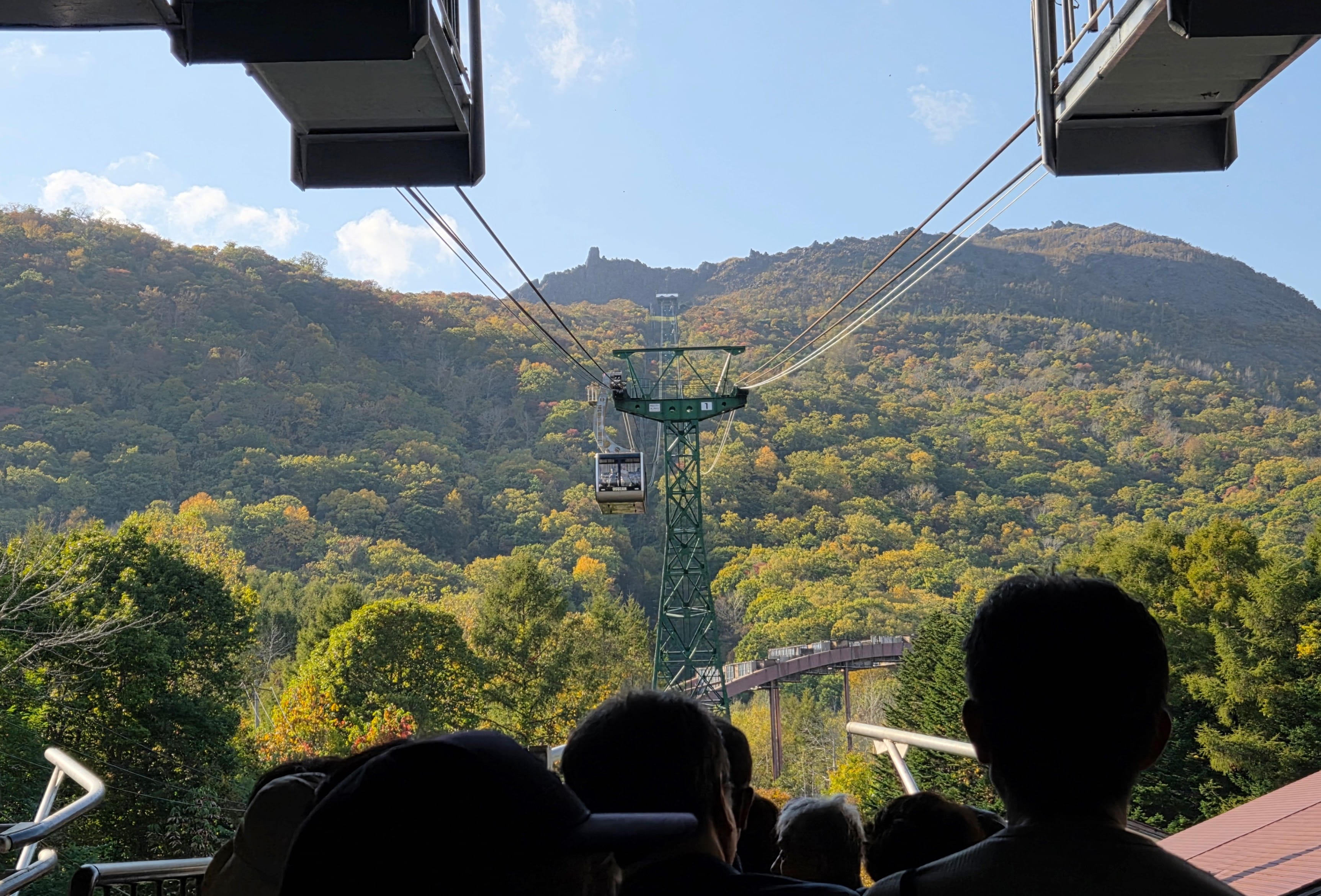
Mt. Usu Ropeway was a very popular attraction. There were several large tourist buses at the parking lot. We paid 2,000 yen per person to ride the ropeway up to see Mt. Usu crater and a few other peaks.
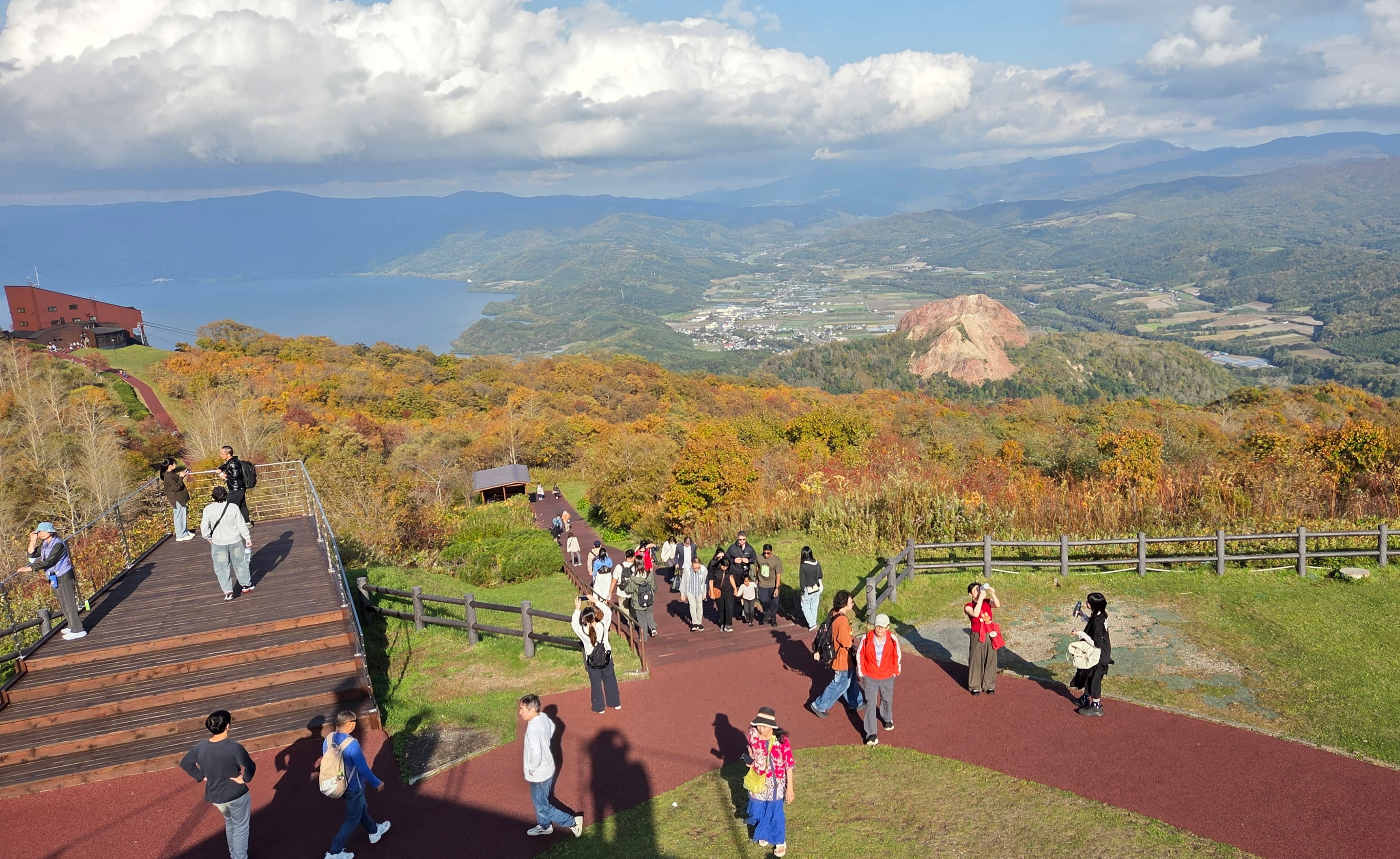
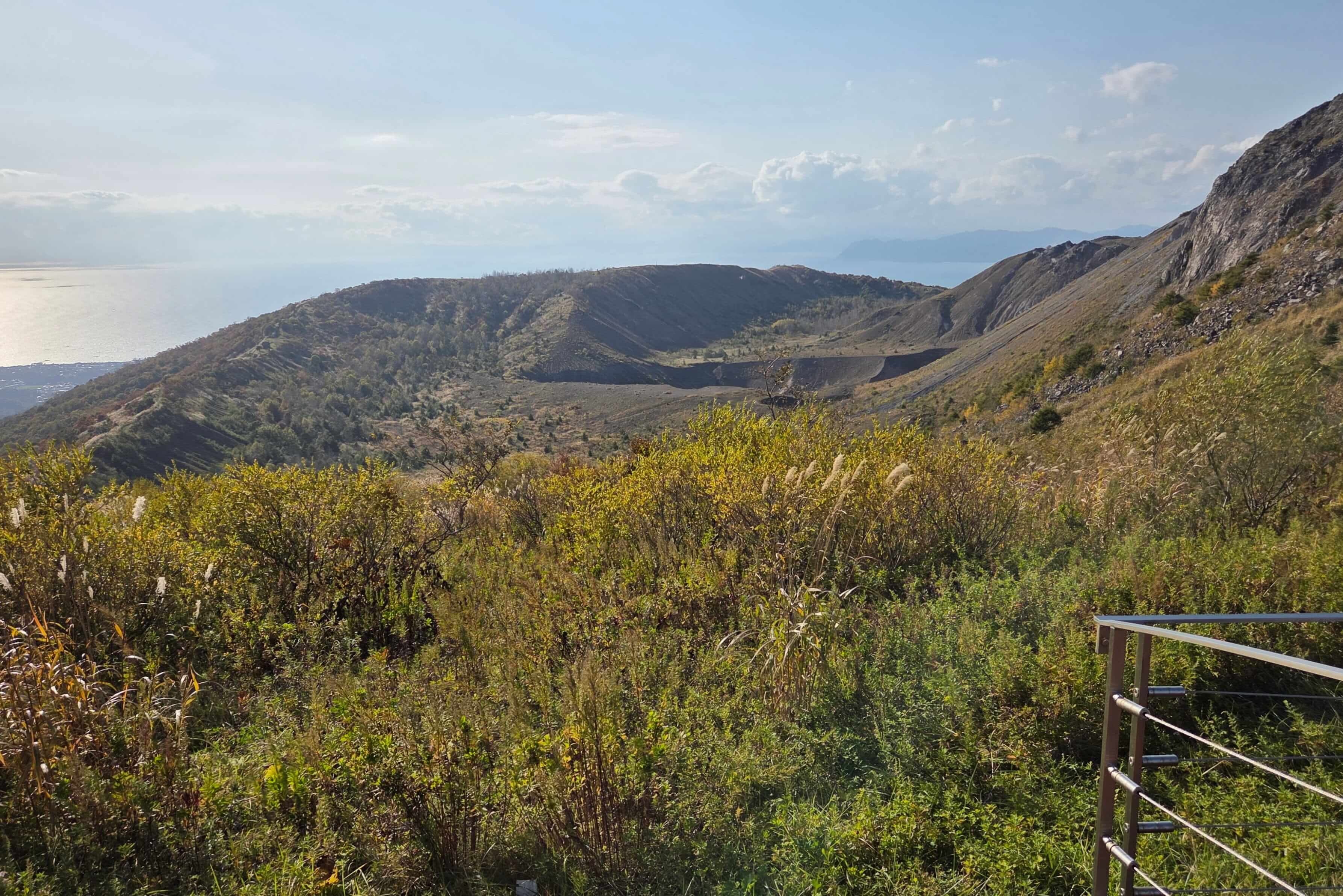
There were a lot of visitors on the summit. We had to climb many steps to see the crater. Since we were on a tight schedule, we did a whirlwind sightseeing before catching the 3:05pm to return to the hotel. (Buses were infrequent.)
Afterwards, we went to the hotsprings. They switched the hotsprings for men and women every other day, so Rei got to use the 8th floor hotspring with magnificent lake view today. I also managed to do a load of laundry before going to dinner.
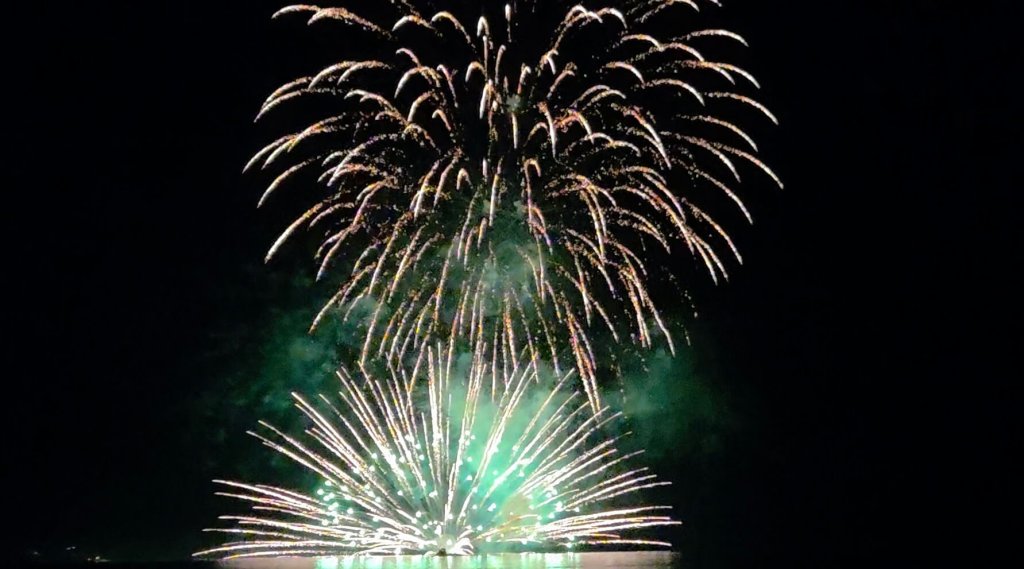
We decided to watch tonight’s fireworks from the lakeshore. The lakeshore was very crowded. There were many families with young children. Since we were able to follow the firework boat from the lakeshore, we could watch the entire show tonight.
Day 5: Irie-Takasago Shell Mound
We’re going to Chitose Airport to meet the tour group this afternoon, but we still had some free time in the morning.
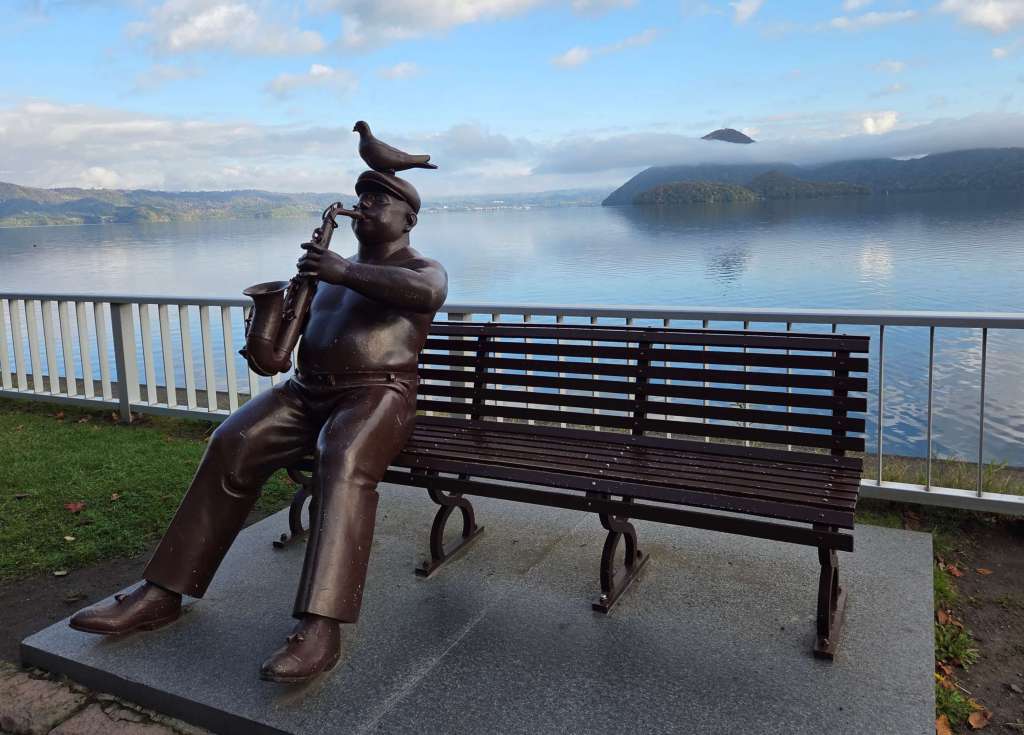
After breakfast, Rei and I went out to stroll along the lake. It was quiet and very peaceful.
As I’ve mentioned before, the bus service was infrequent in the area. The next bus to Toya Station was at 9:45am. We had a lot of time. Then at 8:20am, Rei found out that there’s another bus leaving from Toyako Onsen (about 10-minute walk from the hotel) at 8:45am. (Good job, Rei!) So we quickly checked out and power walked to catch the bus.
We arrived at Toyako Station shortly after 9am. This would give us enough time to visit the near by Irie-Takasago Shell Mound, a national historic site. The station had coin lockers for luggage storage.
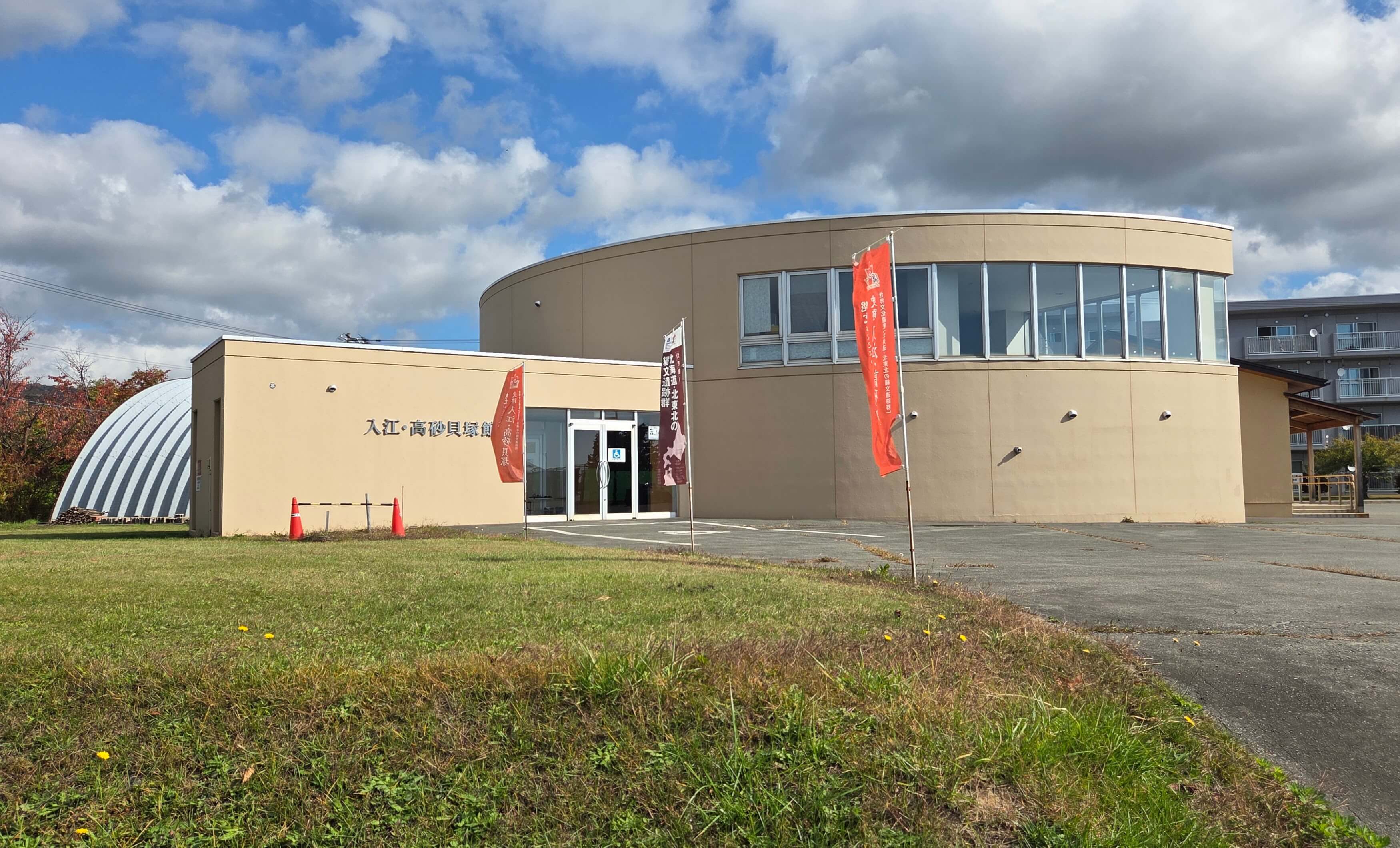
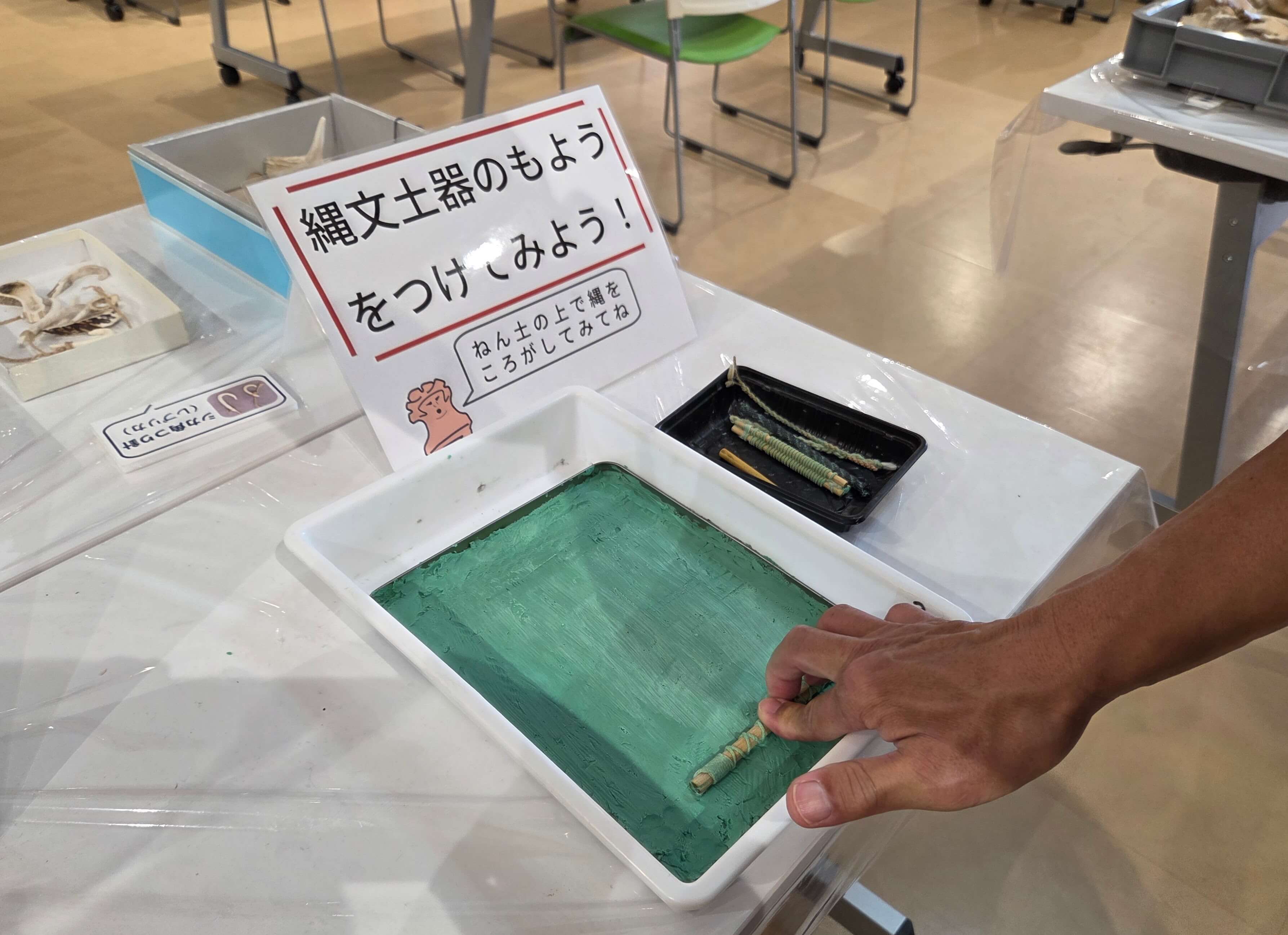
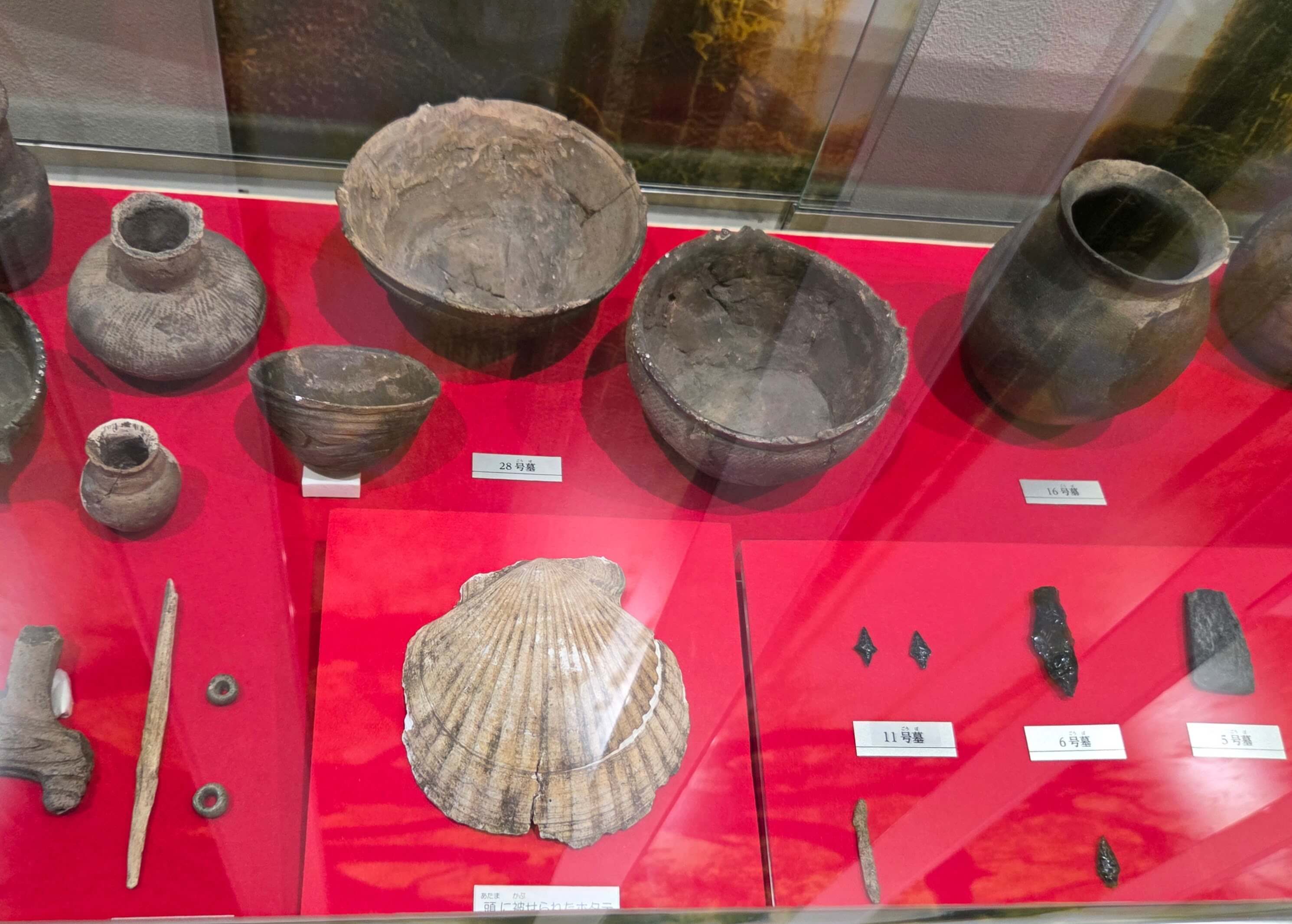
Irie-Takasago Shell Mound Center was free to enter (a pleasant surprise). The staff members were friendly and very eager to help. Though they spoke little English, we somehow managed to communicate. They showed Rei how to use ropes to make patterns, which was the traditional way to make decorations. The center also had exhibitions with artifacts of Jomon Period.
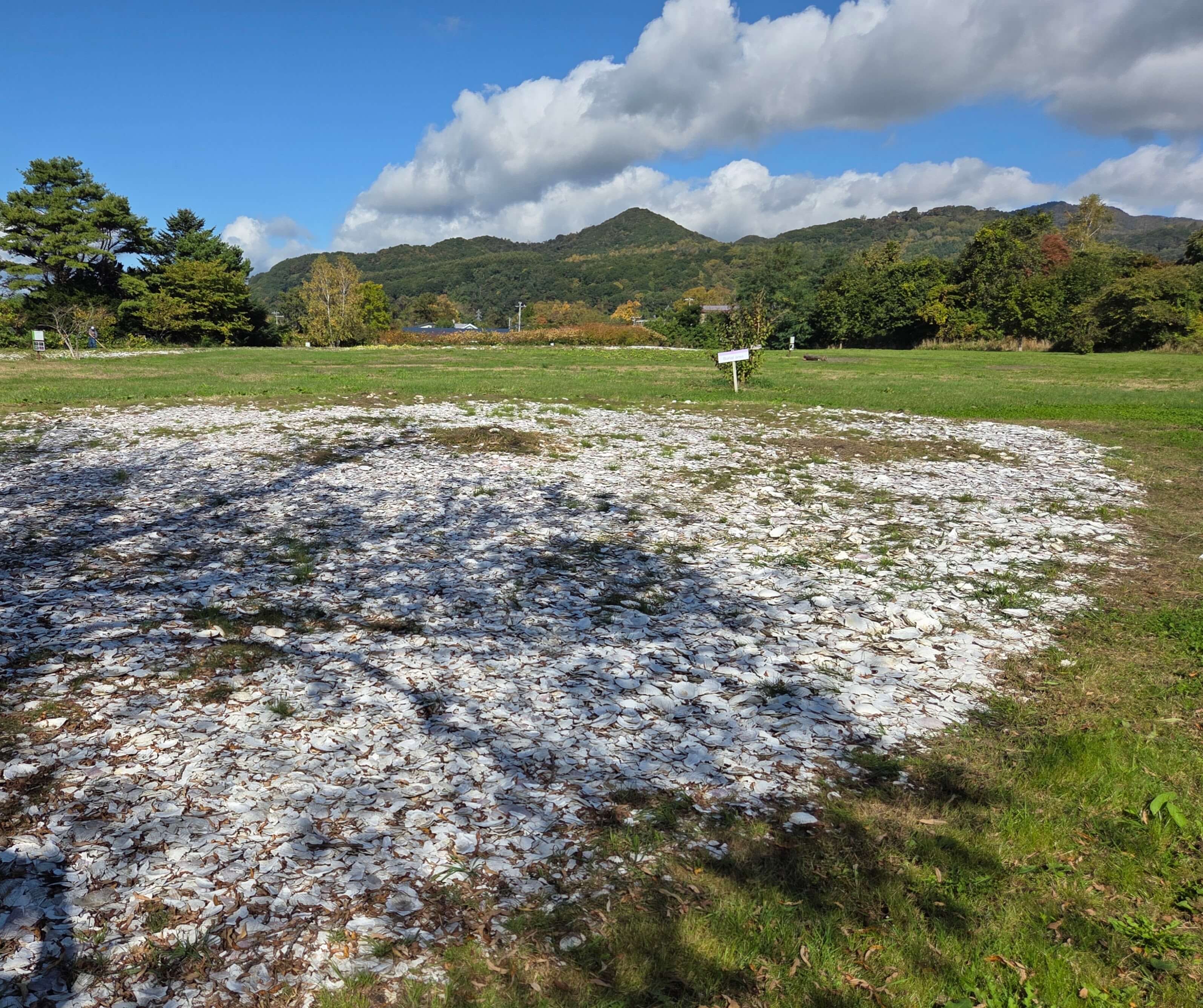
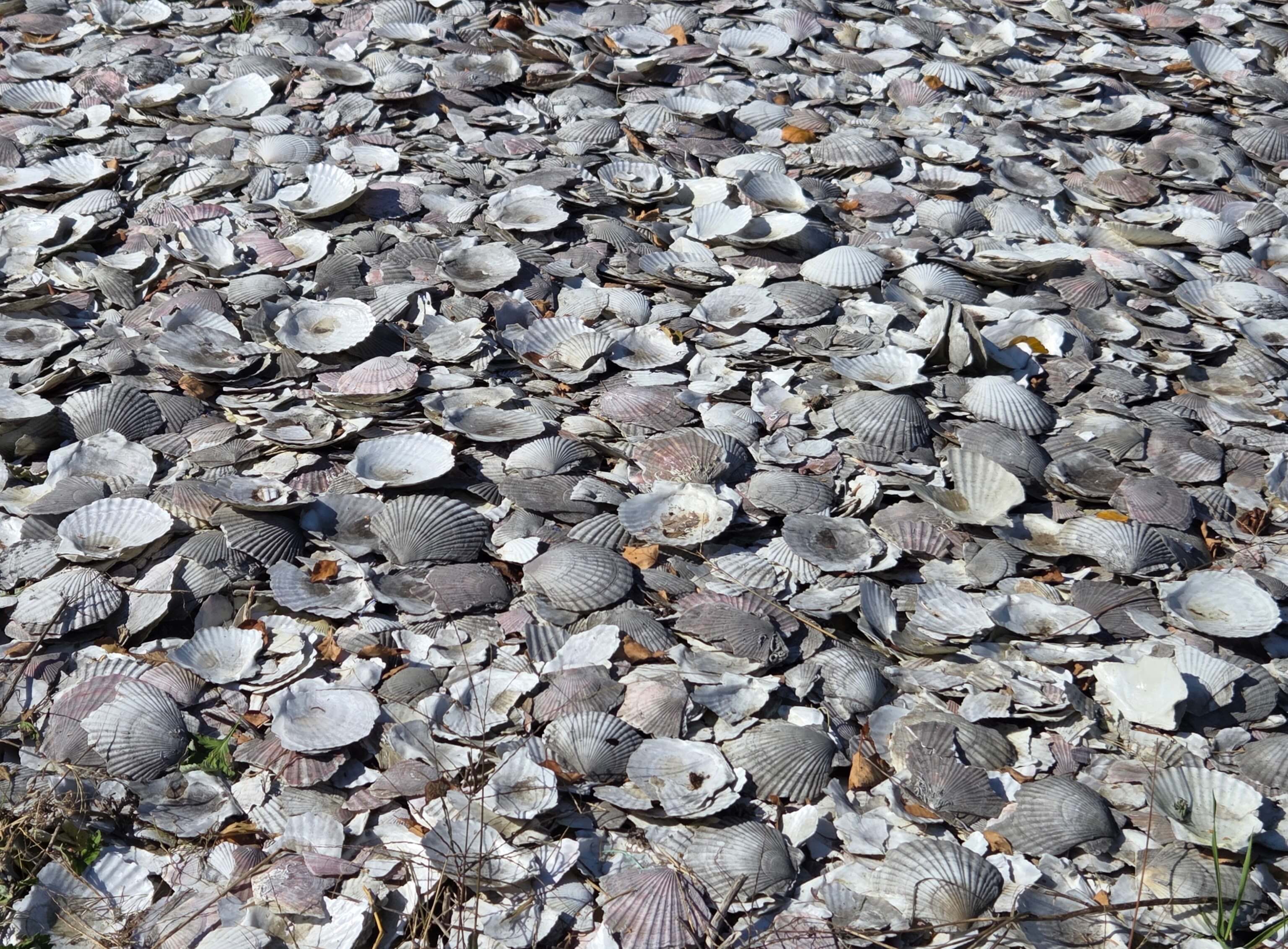
There were two archaeological sites outside of the center. The Takasago Site had a few reconstructed shell mounds. The shells were quite large. The site also had information about the plants in the area.
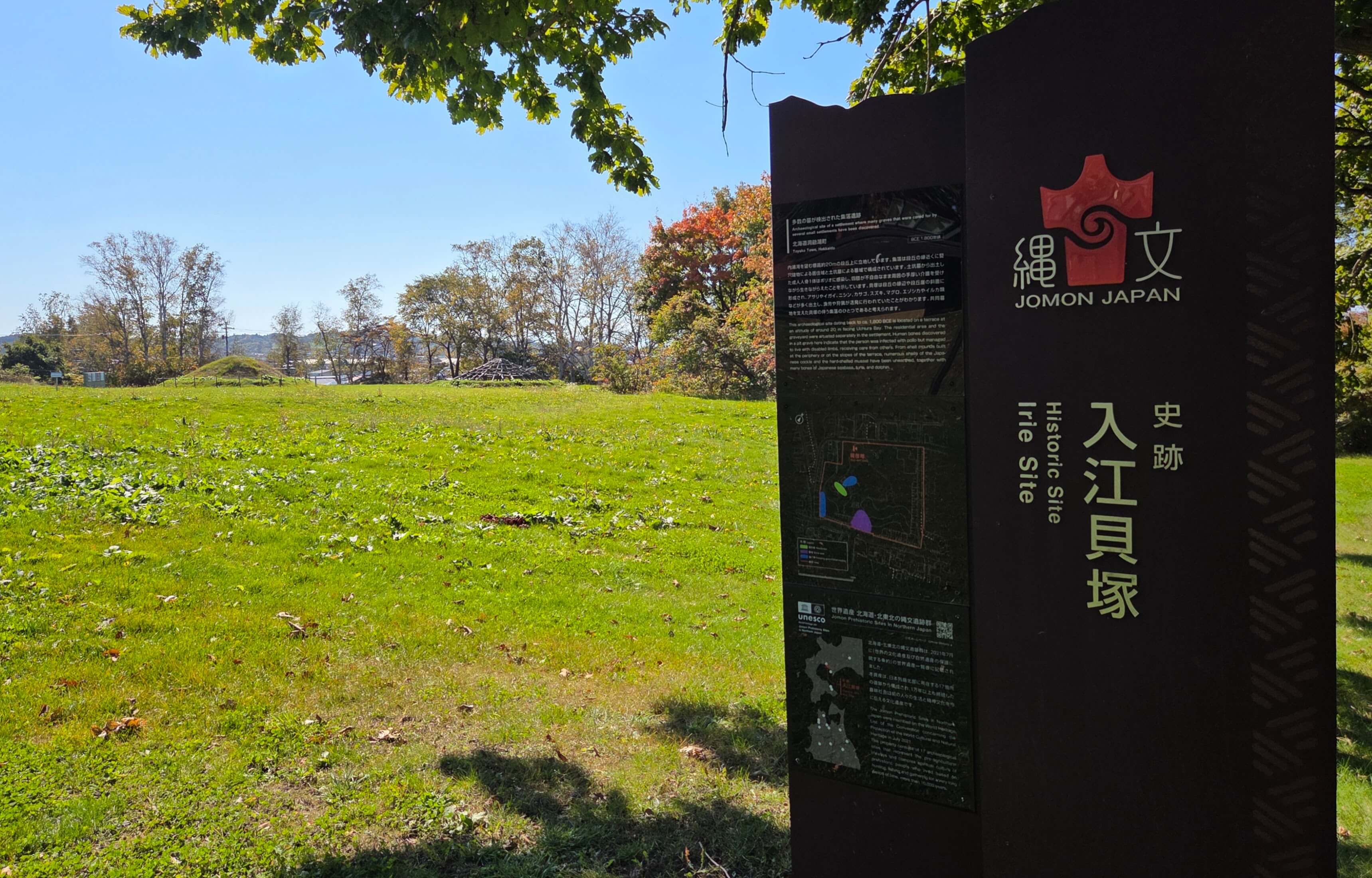
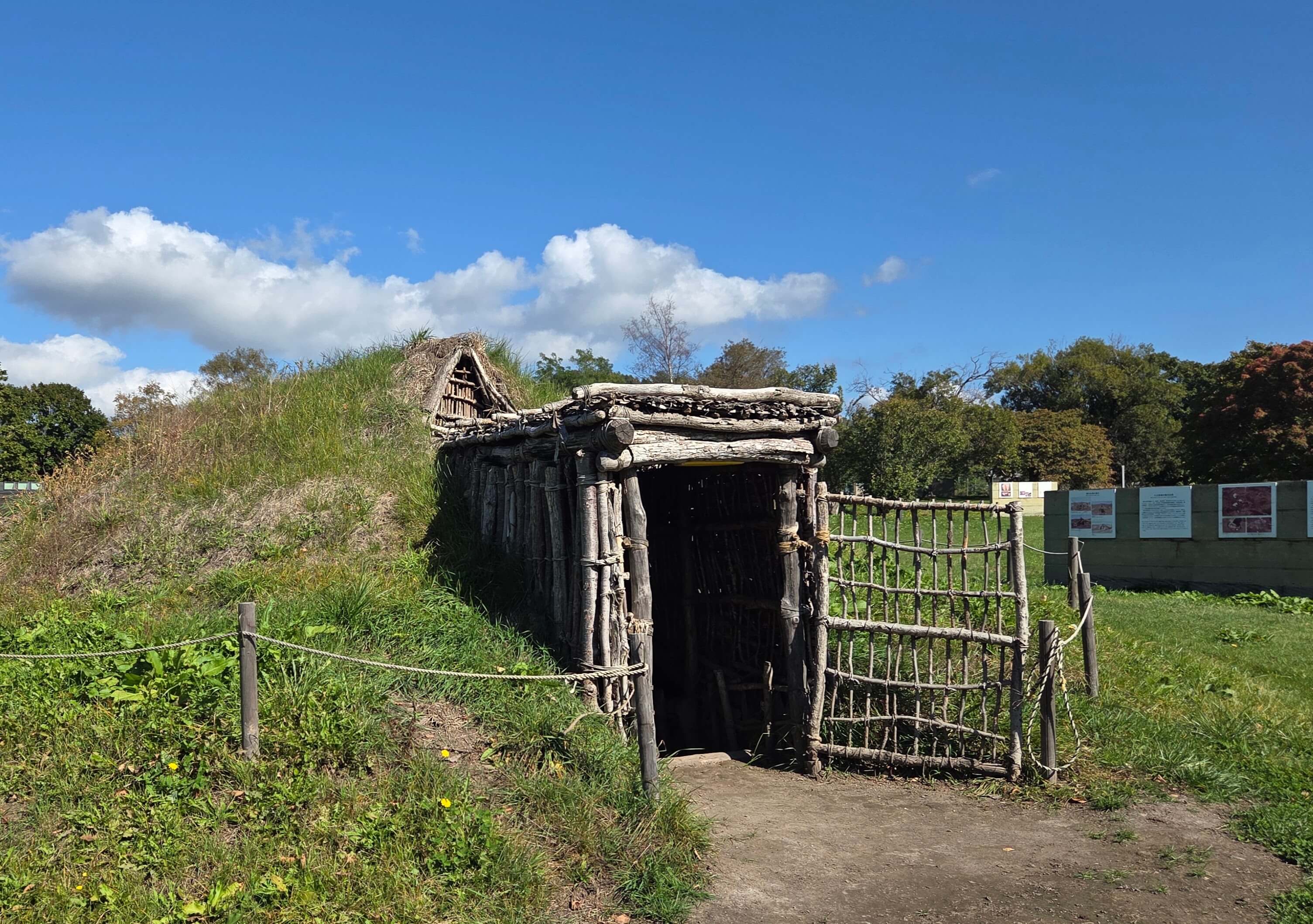
The Irie Site had reconstructed pit dwellings. There’s a half constructed one and a finished one. We were able to enter the completely reconstructed pit dwelling. There’s a fire pit in the middle of the house. It was very cool!
After that, we returned to the Toyako Station to take train ride to Chitose Airport. We aready purchased the train tickets two days ago when we first arrived. We splurged on Green Car (first class) tickets, because when we purchased tickets from a machine, only Green Car tickets allowed seat assignments. The seats on the Green Car were spacious and very comfortable. Rei was very impressed, and he suggested that we should trave on Green Car in the future.
Our meeting place was inside Chitose Airport. When we were there, we saw an extremely long line of people waiting to purchase the famous Hokkaido soft serve ice cream. Rei firmly believed that the longer the line was, the tastier the food would be. Some group members had not arrived yet, because their flight was delayed. This gave Rei the opportunity to join the ice cream waiting line. The ice cream was indeed excellent.
Tonight’s hotel was a couple of hours away from the airport. It was already past 7pm when we checked in, so we only had time for dinner before going to bed.
Day 6: To Lake Akan
We woke up very early this morning. Rei decided that he wanted to go to the hot spring. I went out to take a walk. There’s a large park next to our hotel. At first, I only heard bird chirping. Then I heard noises and spotted a Great Spotted Woodpecker on a tree. I was able to take some photos of the beautiful bird. Later, I spotted more birds flying. They looked like Brown Eared Bulbuls, but I would need to confirm.
We had a very full schedule today. The guide informed us that we would have to be ready to depart at 8:15am.
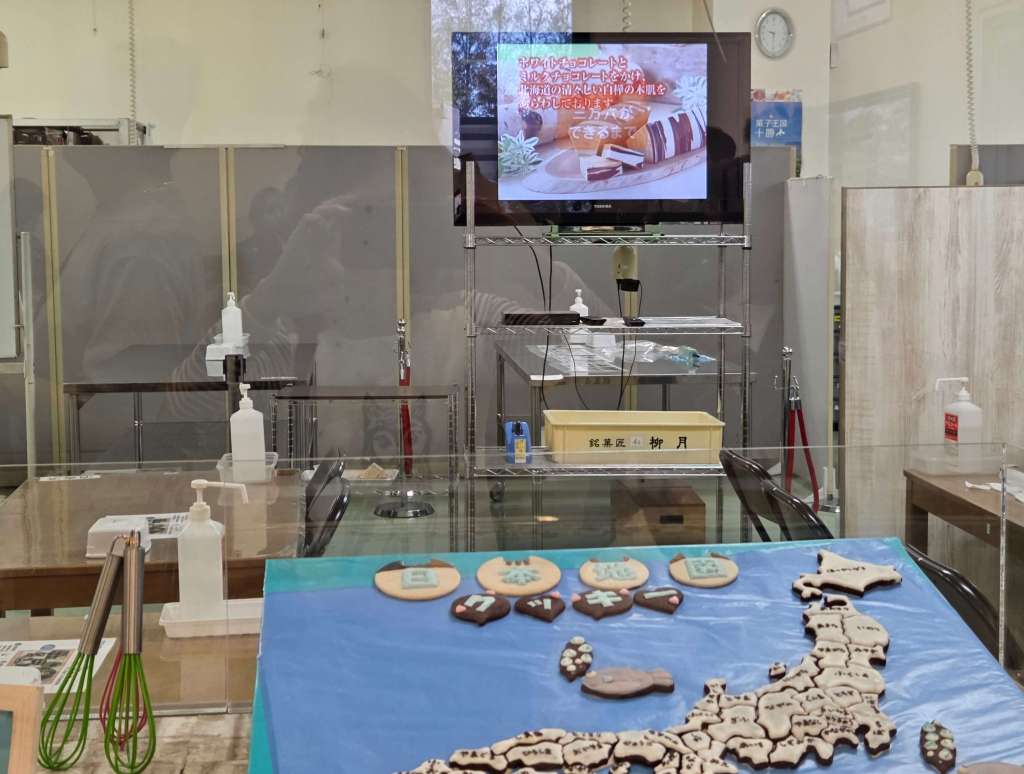
The first stop was Ryugetsu, a famous large bakery. We were supposed to have a sit-down coffee and cake break. However, the place was super crowded. It ended up that the guide bought each of us a small box of cake, and then we were returning to the bus to the second destination.
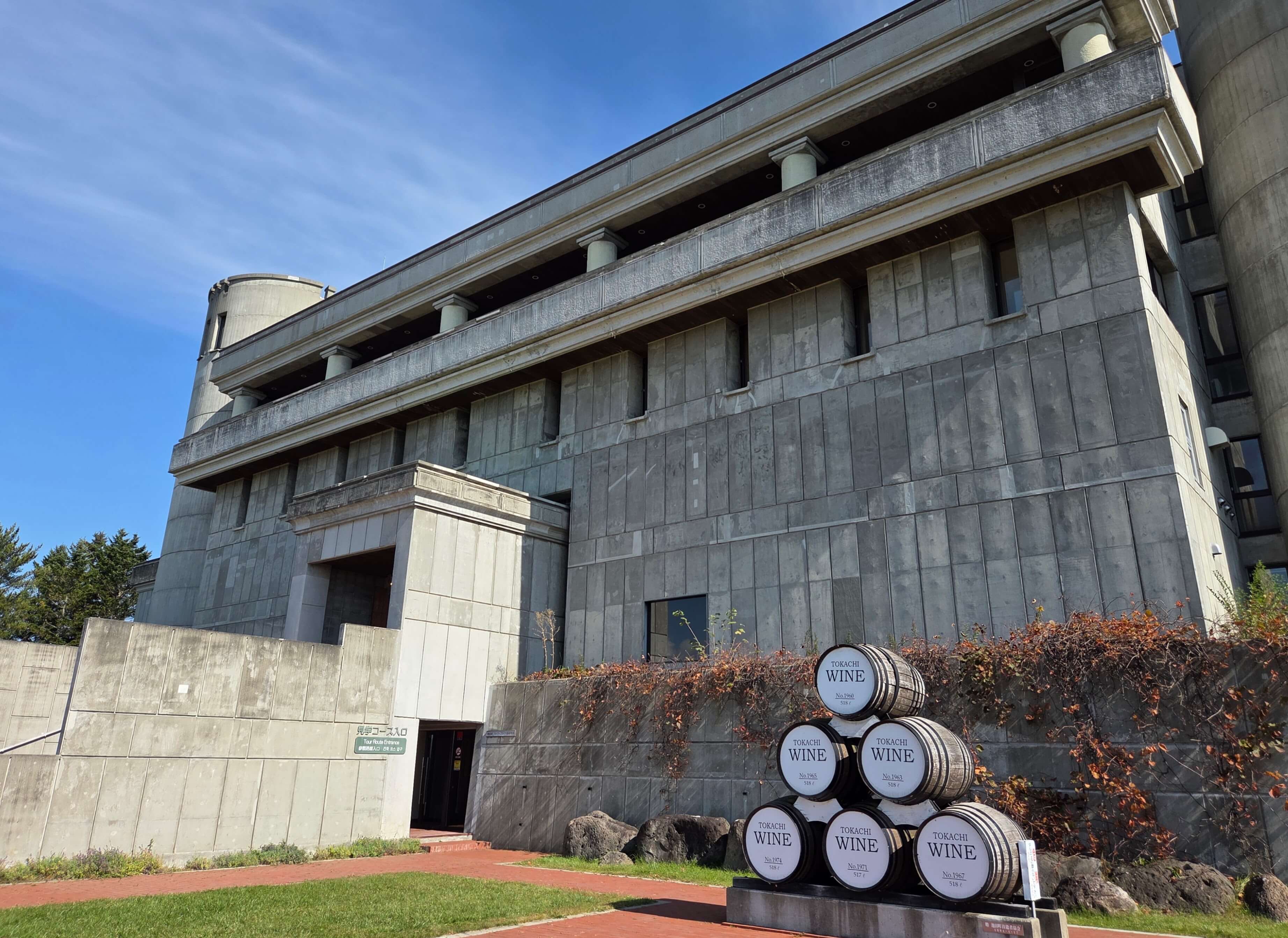
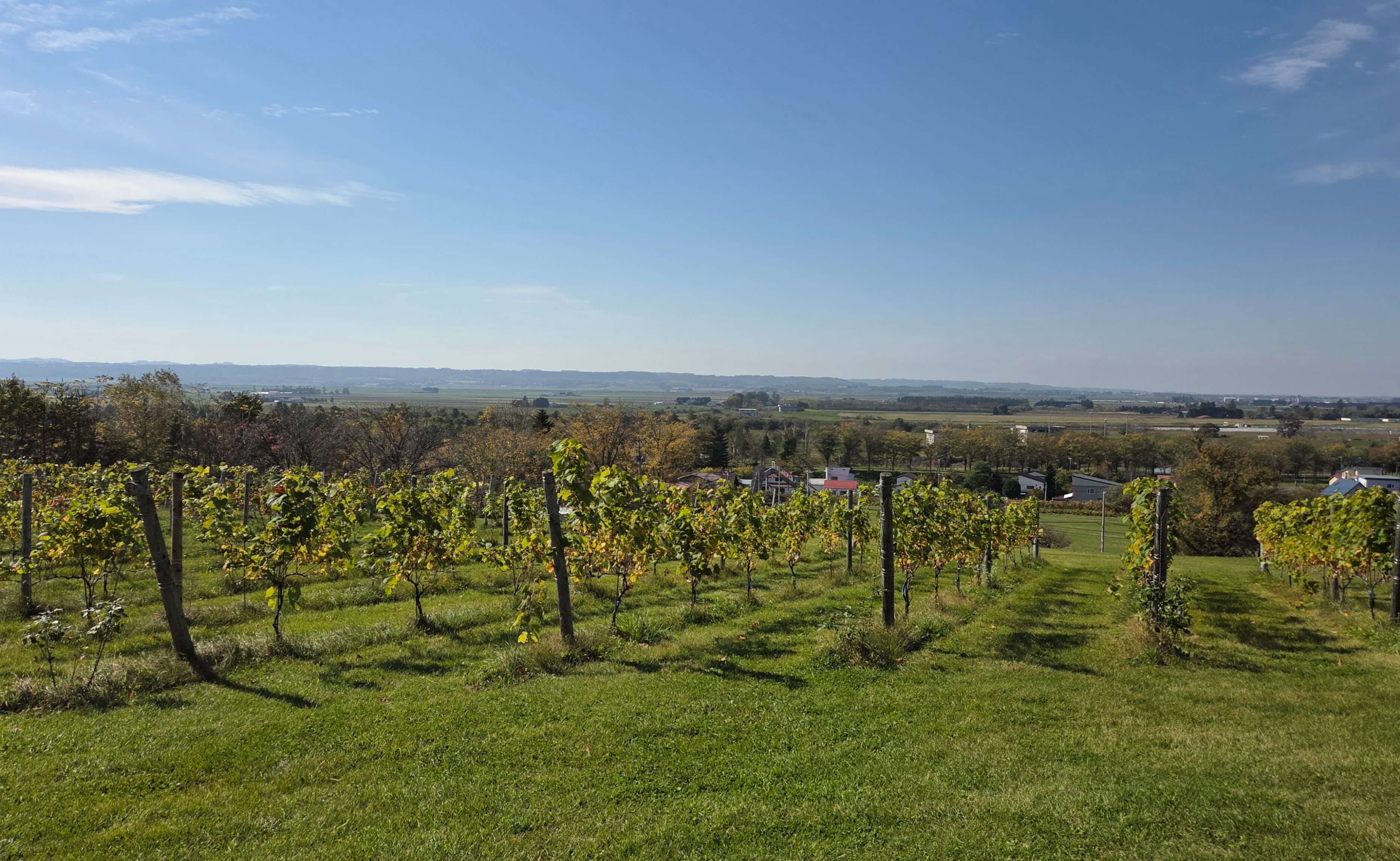
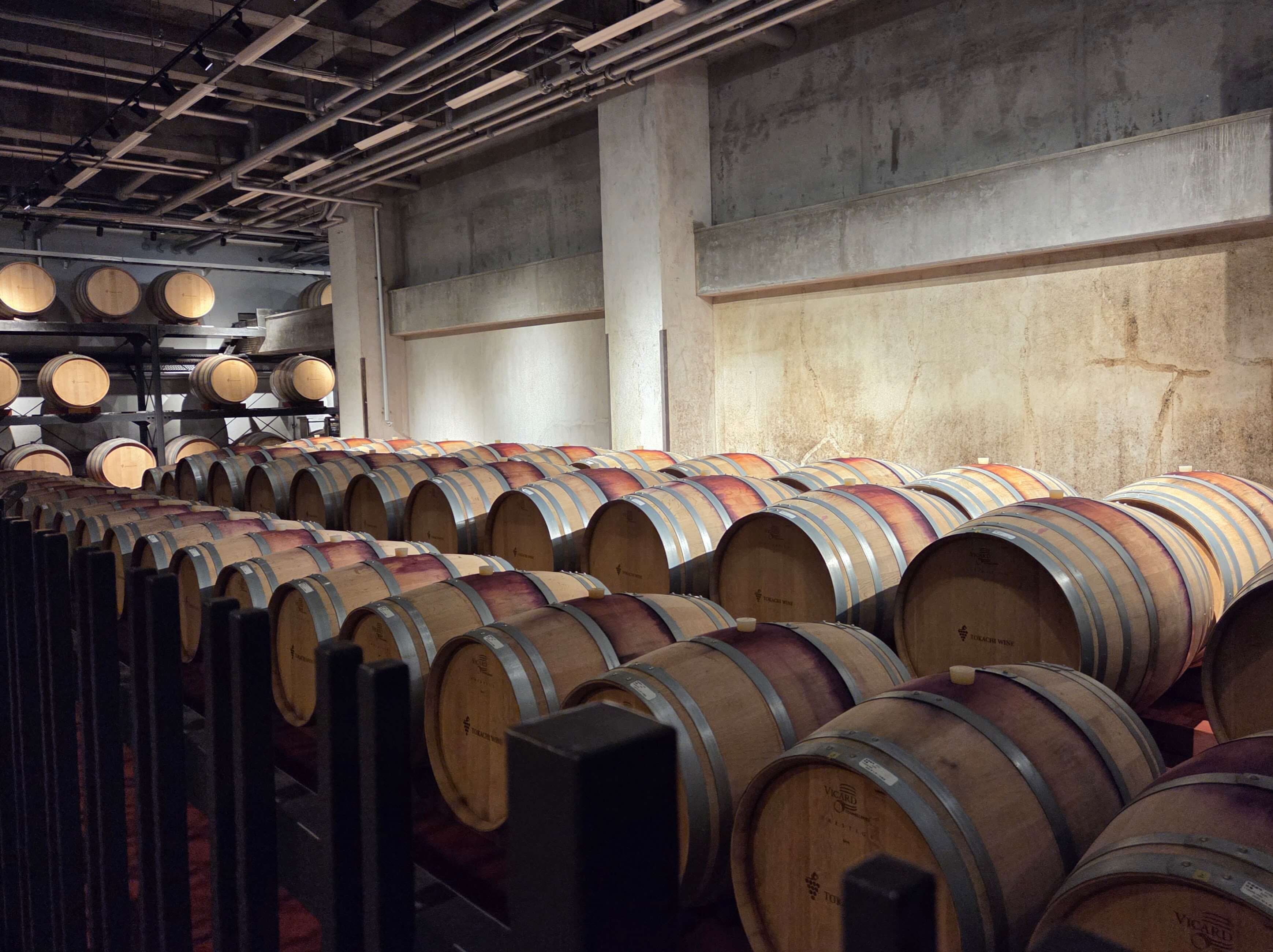
Ikeda Wine Castle was a small winery. It couldn’t hold a candle to Napa wineries. However, the guide told us that it’s famous in Japan and had a group of cult followers. Some group members tasted their wine and weren’t impressed.
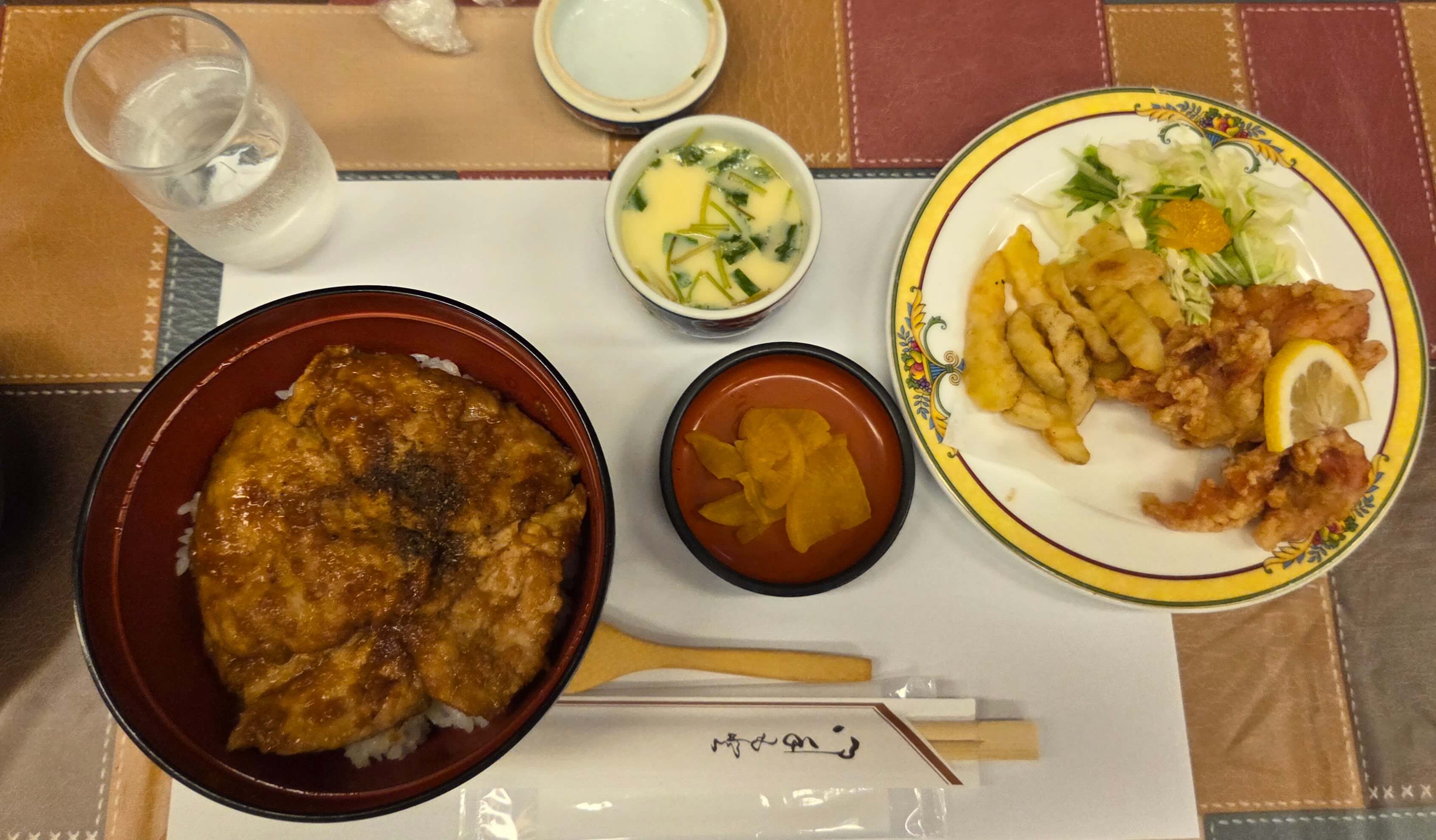
Lunch was pork cutlets over rice (a local delicary) with fried chicken and fries. Yours truely didn’t eat pork, but the fried chicken was good. Hokkaido rice was very delicious.
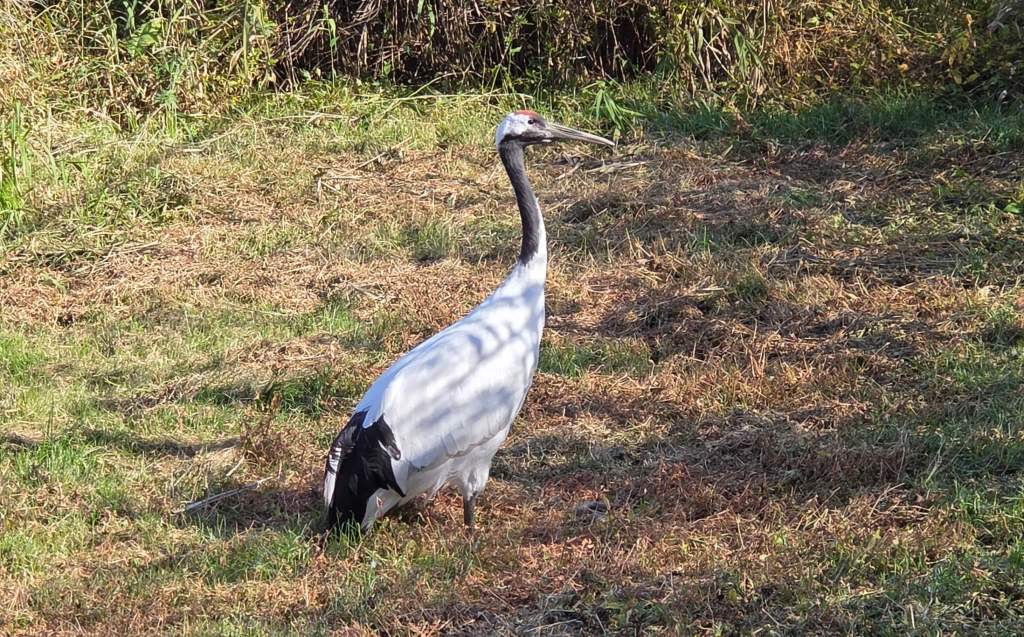
After lunch, we went to Red-crowned Crane Nature Park. We actually saw a couple cranes on the roadside before reaching the park. There were 11 Red-crowned Cranes in the park, separated in different enclosures. The enclosures were not cages; there were no roofs. We wondered why cranes didn’t fly away. Some group member commented that it’s difficult to take great pictures, because cranes wouldn’t pose for you.
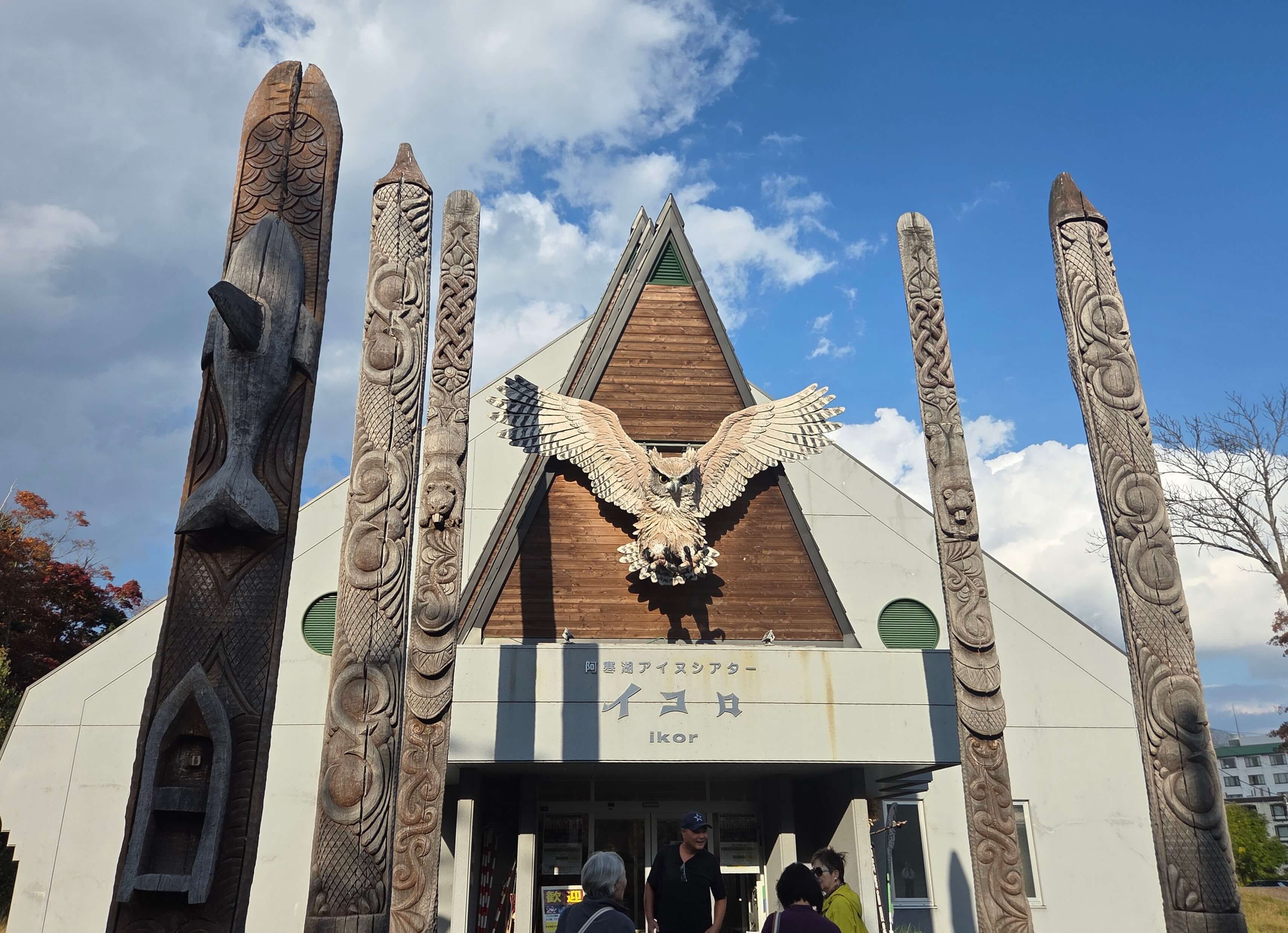
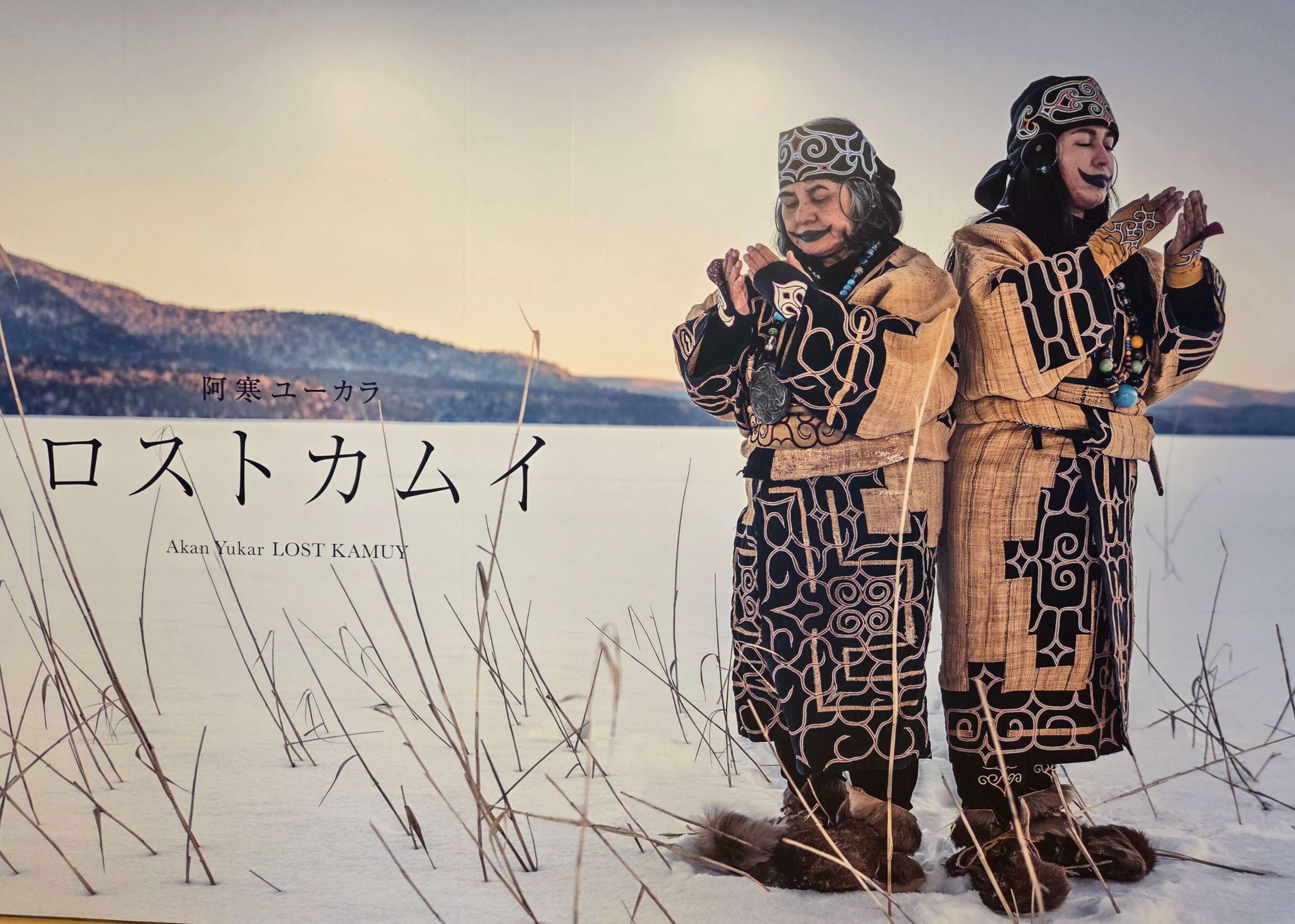
Akan National Park was an hour away. We arrived there just in time to watch the 3pm Ainu Traditional Dance Show. (No photos allowed.) The show was in Japanese only, narrated by an animated owl. It started with a dancer in a fox costume with a large bushy tail. There were other dancers and musicians performing Dance of Black Hair, Arrow Dance and Mouth Harp. It was an interesting 30-minute show, though we didn’t quite understand the show.
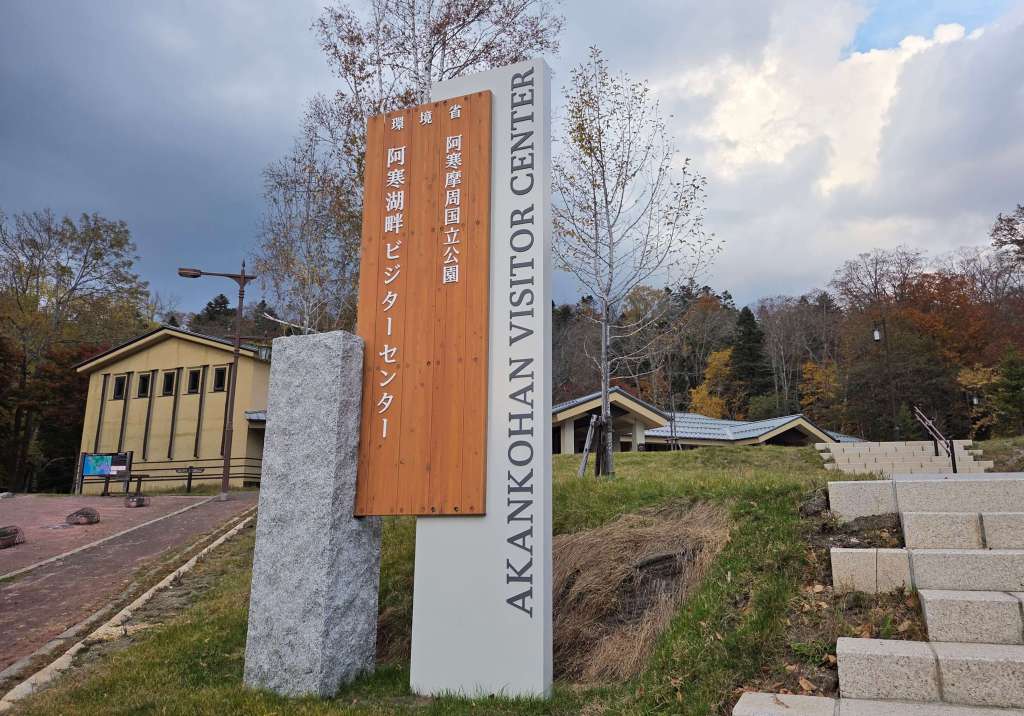
We had 30 minutes of free time after the show. Rei googled to find out that Akan National Park Visitor Center was 15 minutes away on foot. We made a crazy decision to power walk to the visitor center to get stamps. We got the stamps and returned with still a few minutes to spare.
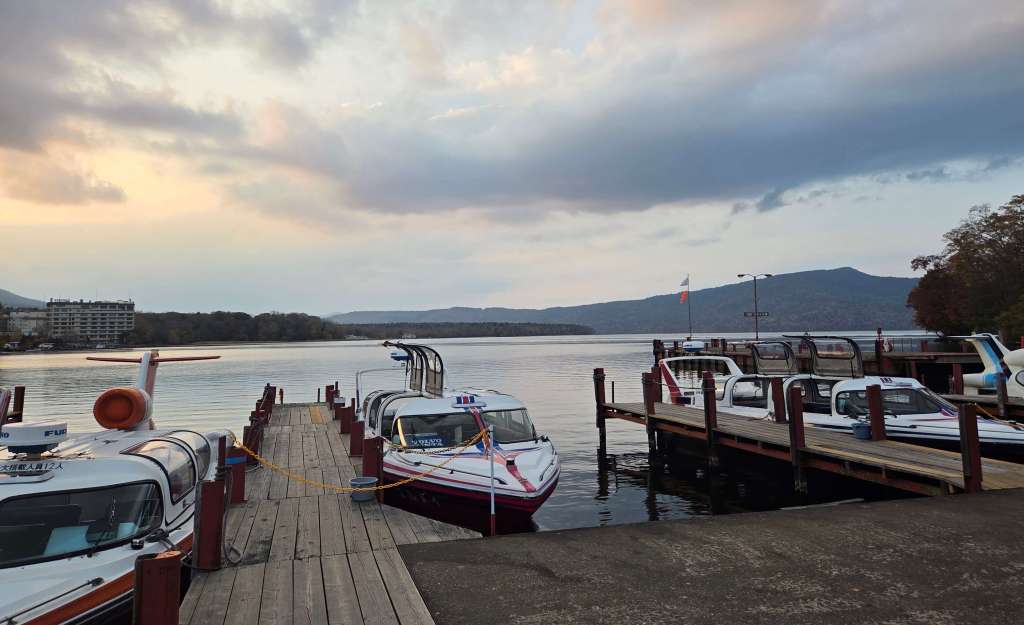
Tonight’s hotel, New Akan Hotel, was also in the area. The guide led us to the lakeshore to take pictures and to do some shopping before checking into the hotel.
New Akan Hotel had an excellent dinner buffet, the best so far in this trip.
Day 7: Akan to Shiretoko
Our breakfast time was 7:45am this morning. The guide suggested that we go out strolling along the lakeshore and take some photos. Rei and I walked along the pier. It was very quiet. The weather was cloudy, and there was even some fog.
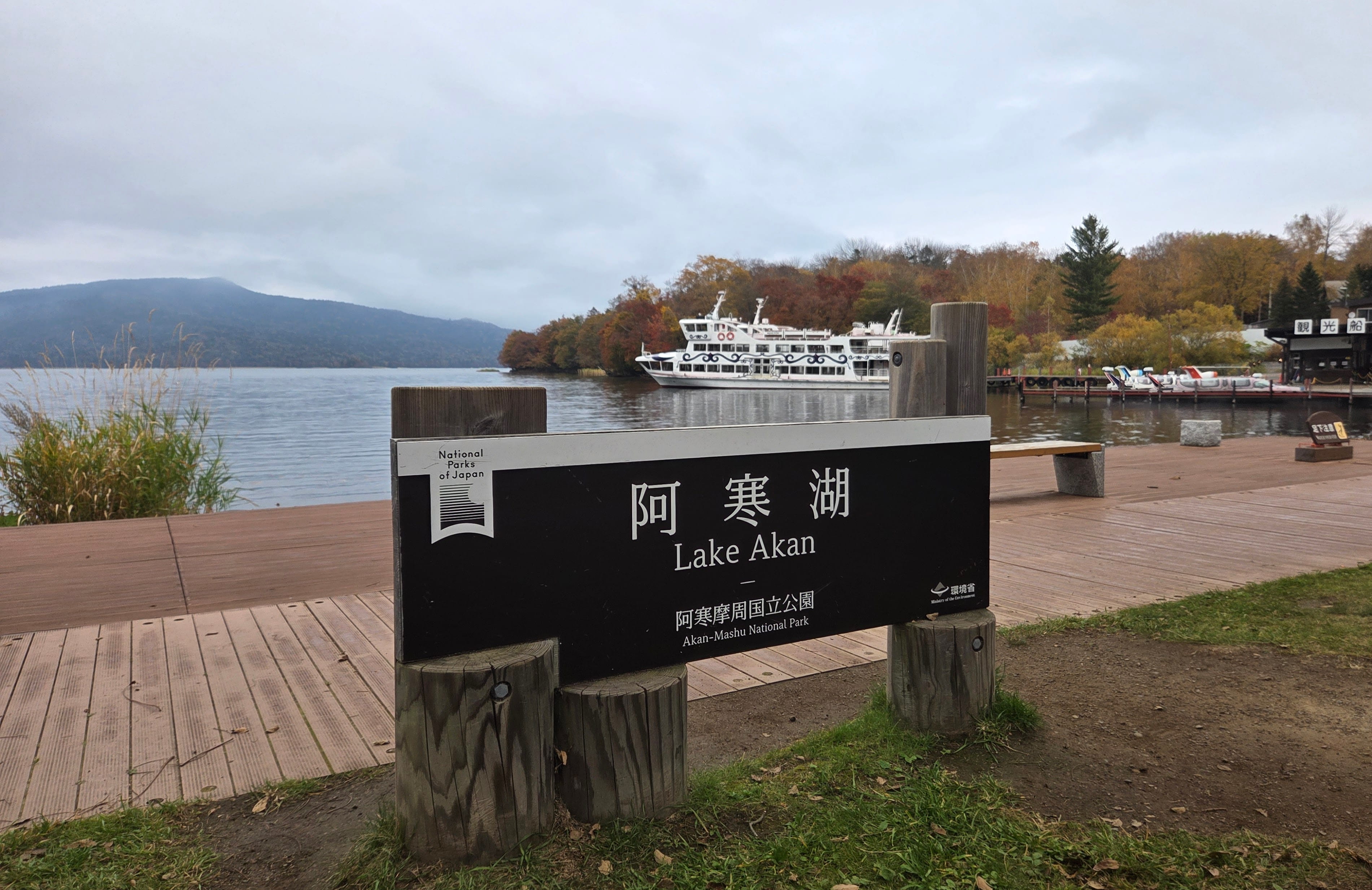
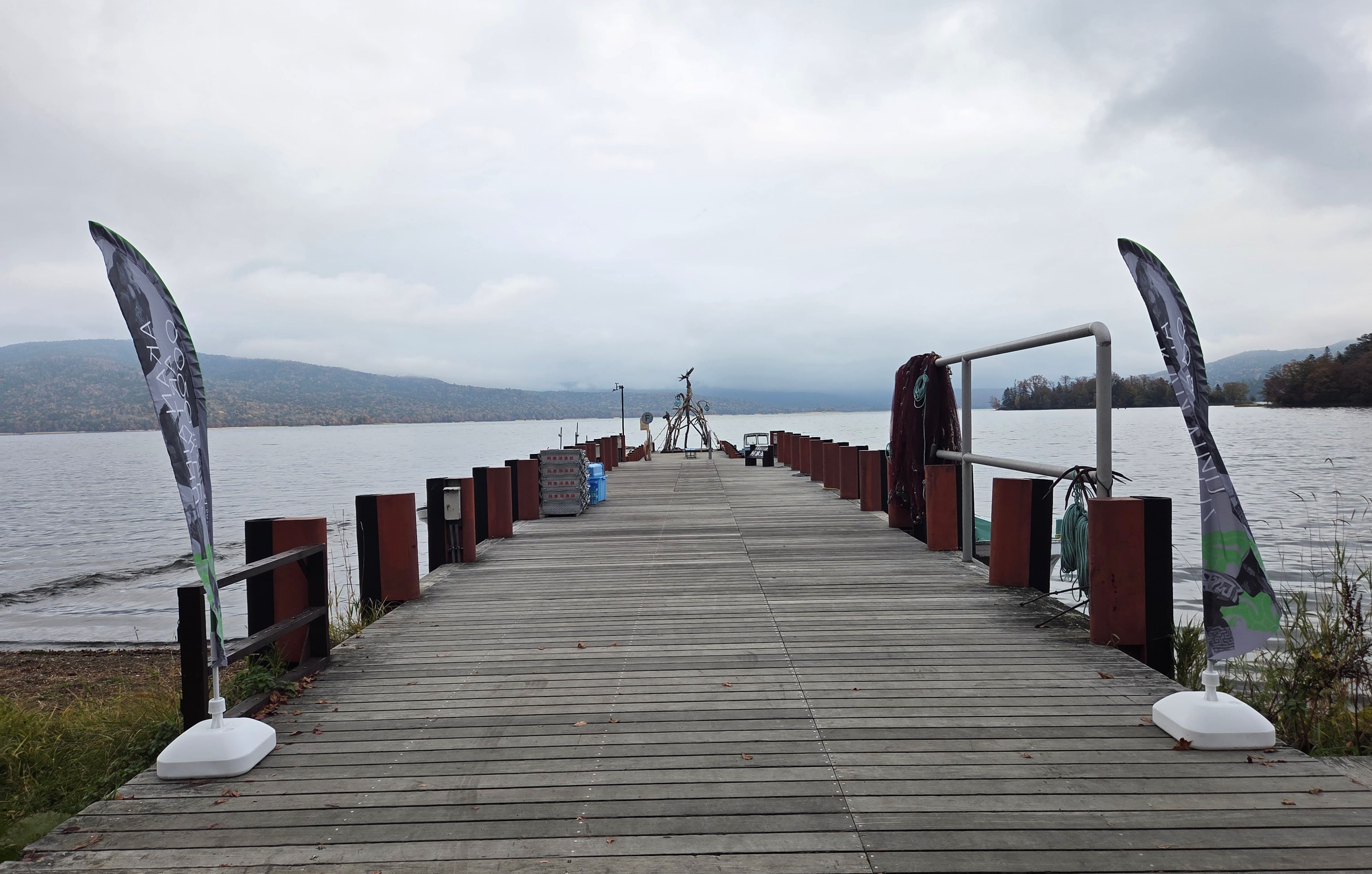
We were informed that the other direction was even better with brilliant fall colors, so we turned around. This side was indeed splendid. A lot of leaves have already turned yellow, orange, or even bright red.
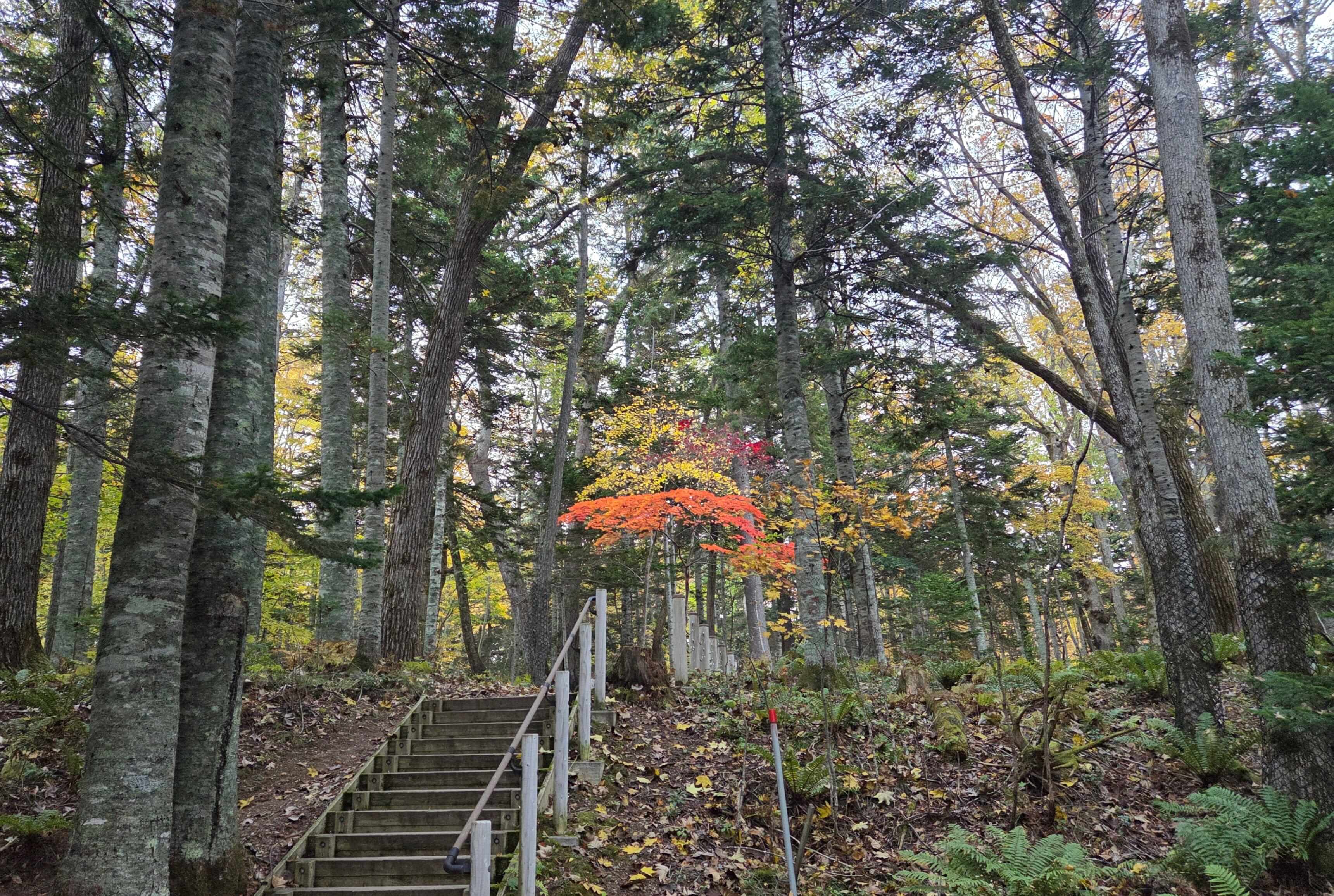
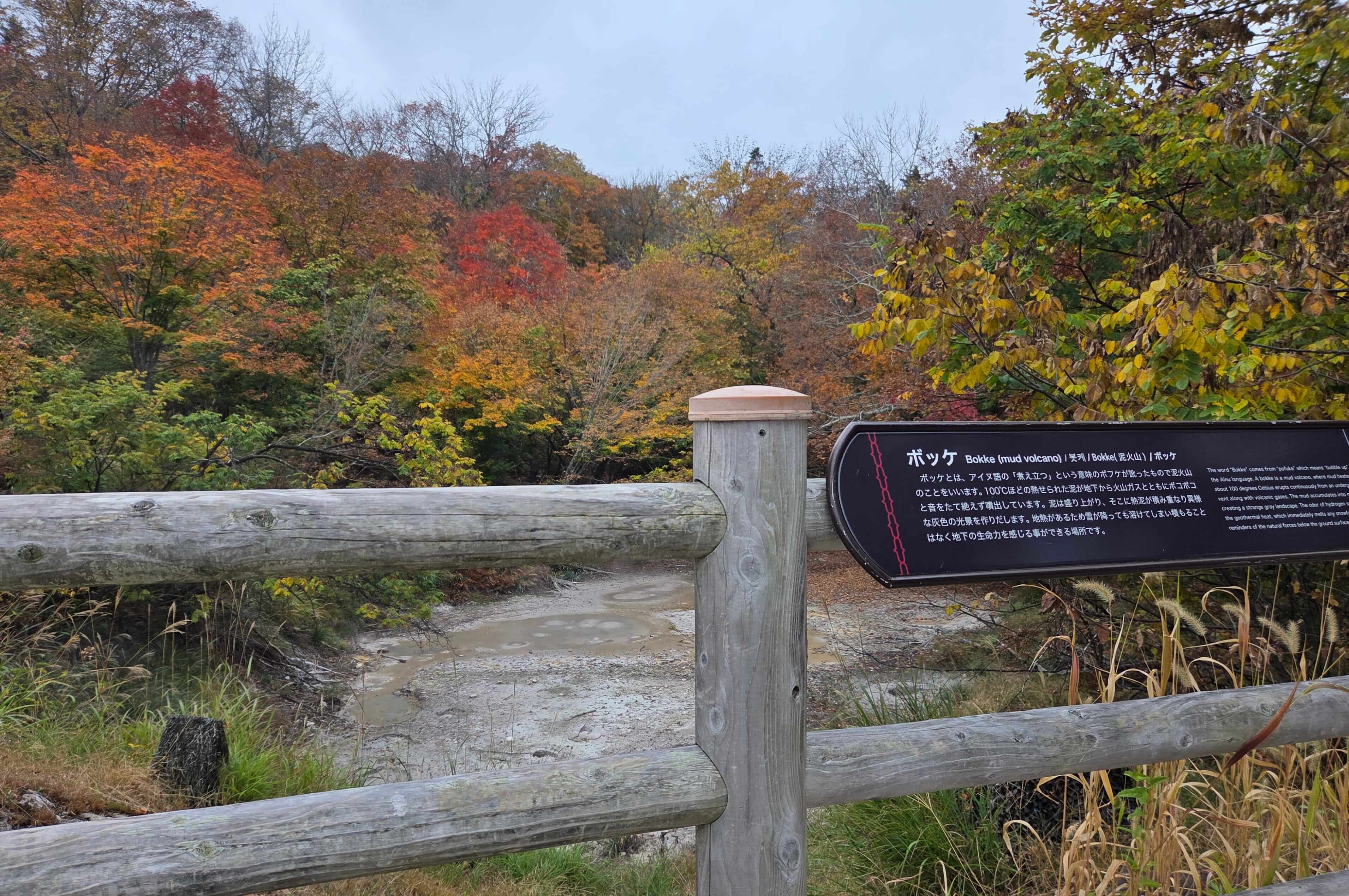
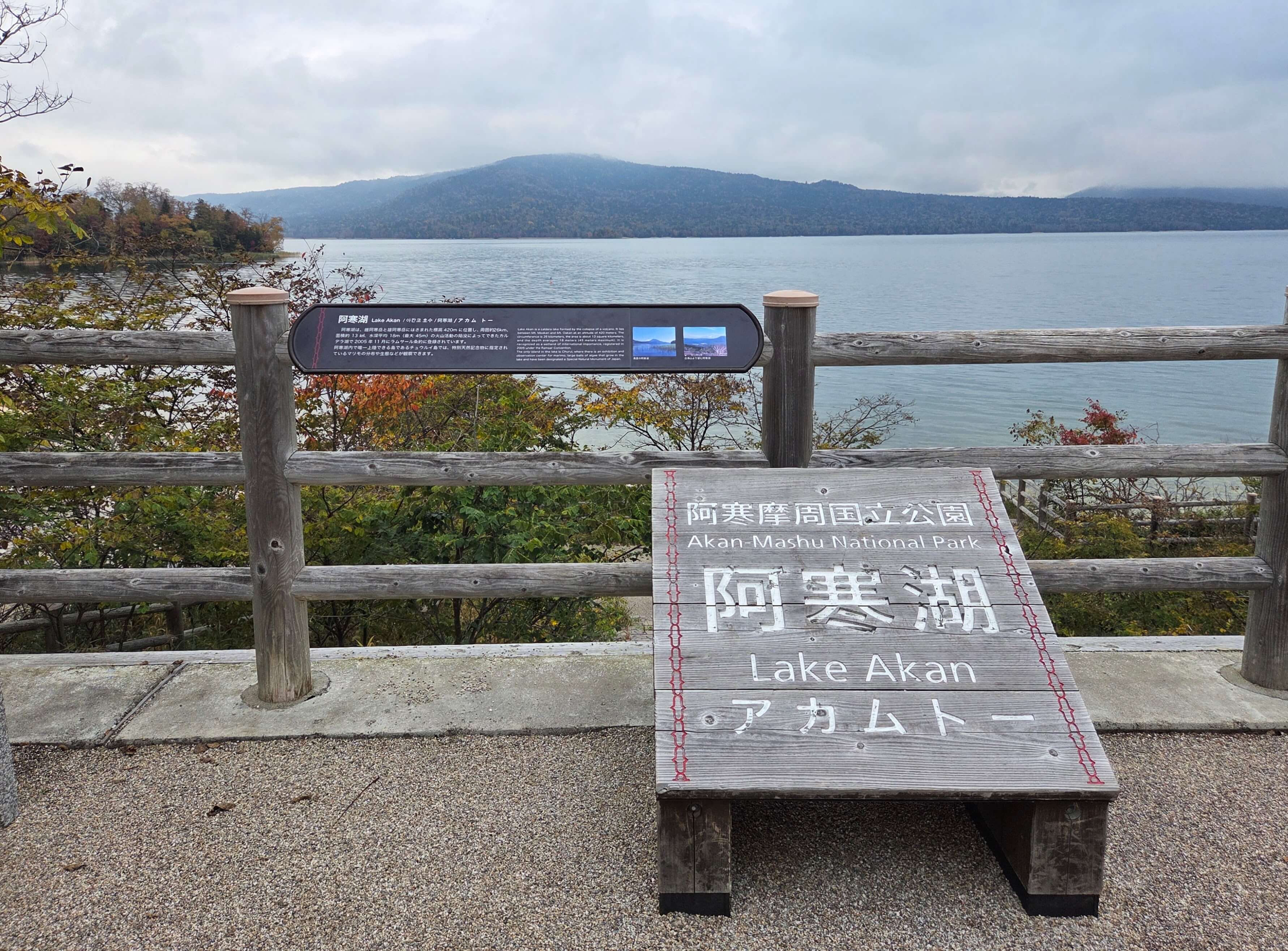
There were several fishmen standing in the lake, so the lake was very shallow near the shore. A map showed that there were two mud volcano sites not very far ahead. The sites were rather small, but we could see mud bubbles. It’s interesting.
The breakfast buffet was great, but we didn’t have a lot of time to enjoy. The bus was scheduled to depart at 9am. We had a very tight schedule. If we were DIY, we would stay here for 2 nights and spend some time hiking.
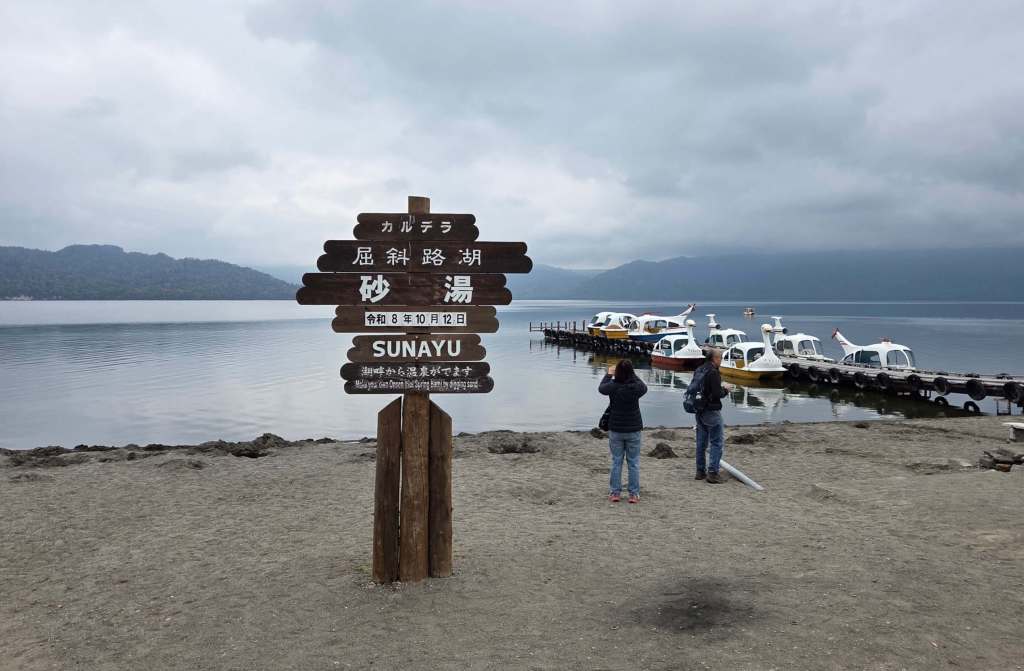
The first destination of the day was Sunayu, a hot sand beach. If you dig a big hole in the sand, the bottom of the hole will be hot. We saw several big holes on the sand. We also touched the lake water; it was lukewarm. The guide told us that it’s possible to spot swans here, but we didn’t see any.
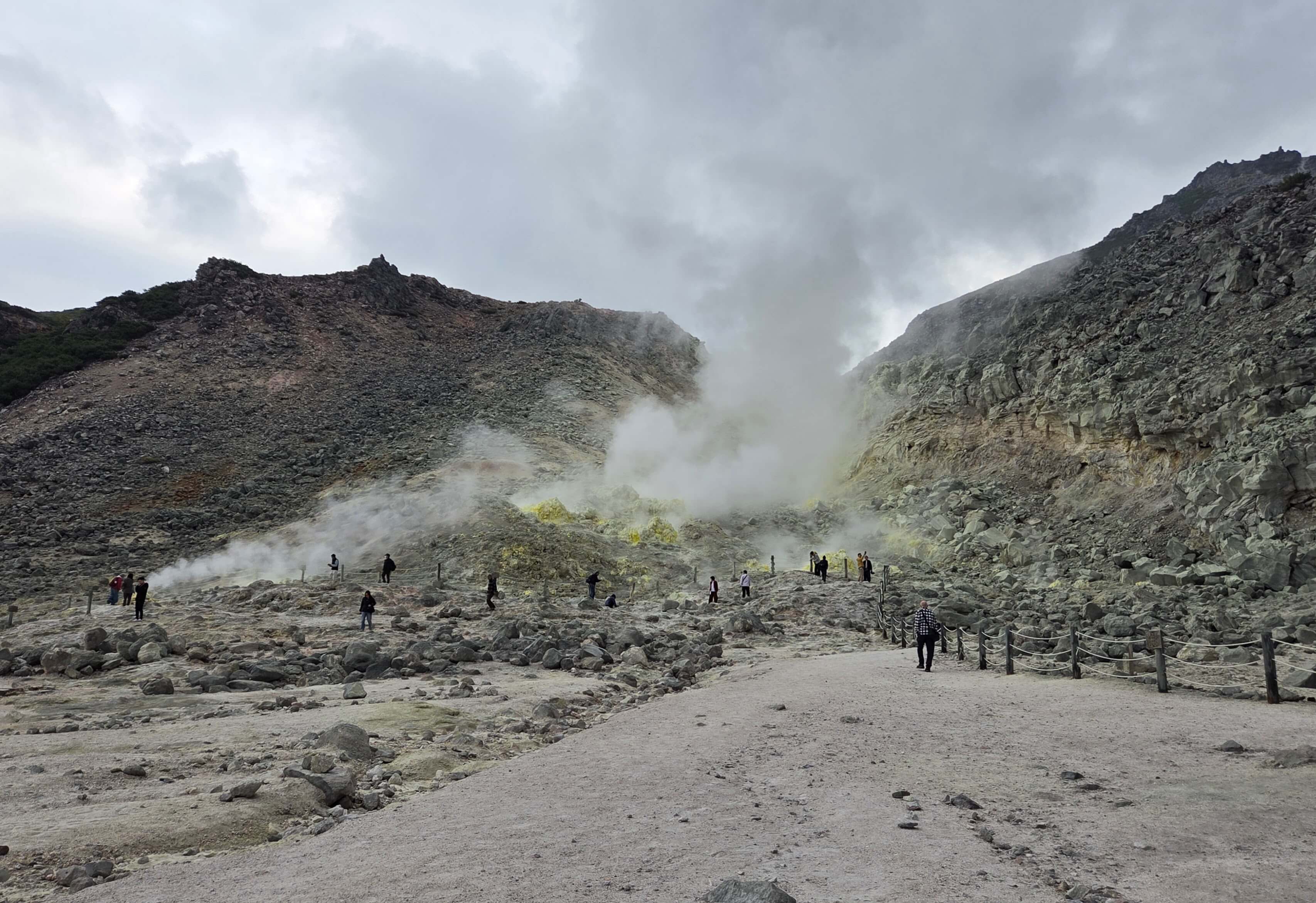
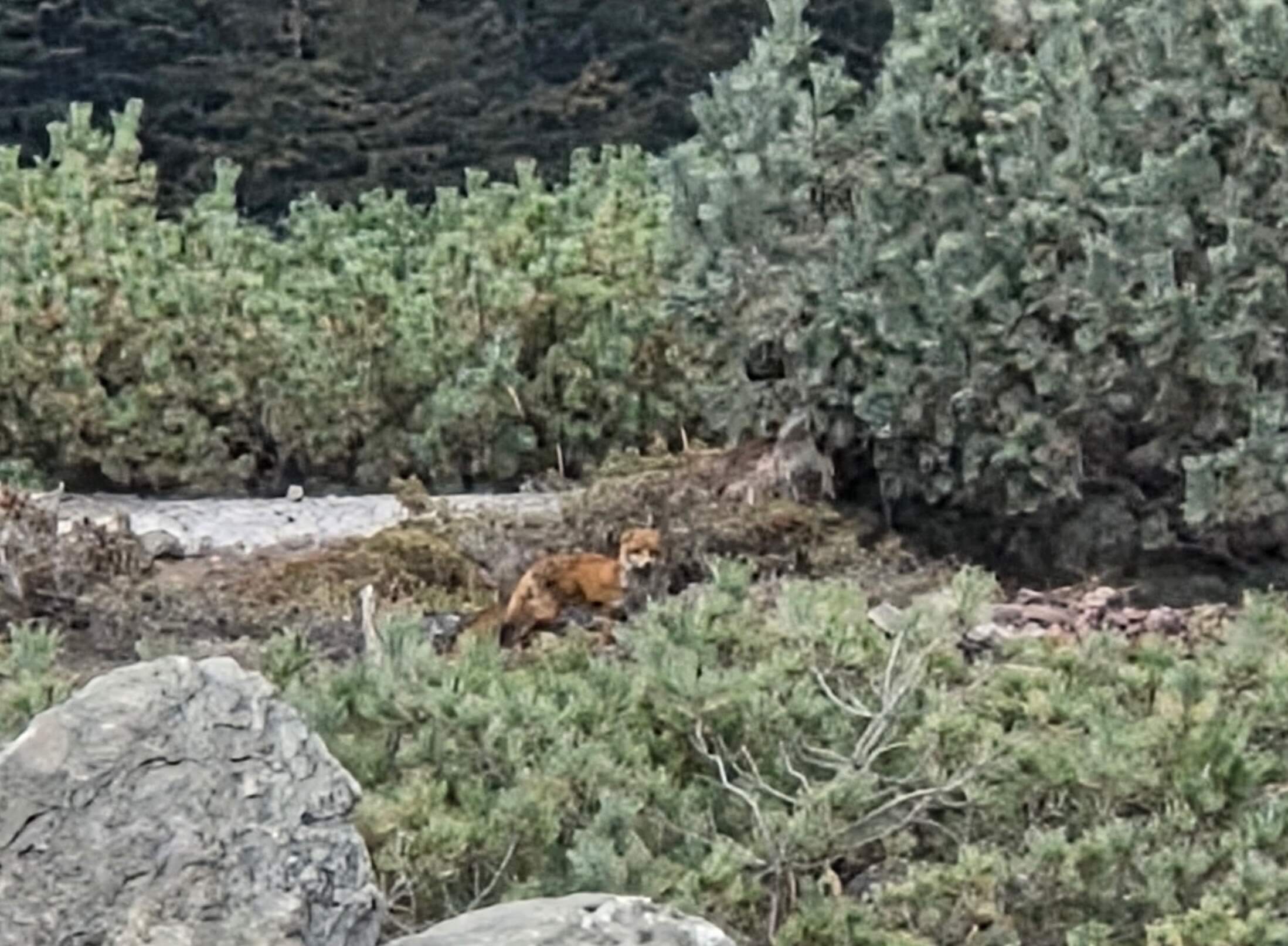
We saw a beautiful sulfur-yellow mountain with smoke on our way to Sunayu. The bus driver kindly agreed to stop there during the return trip. So, we had about 20 minutes to visit Mt. Iozan (“Sulfur Mountain”). The place reminded me of Lassen Volcanic National Park in California. We were also lucky enough to spot a fox! Many people considered this unplanned stop more interesting than Sunayu.
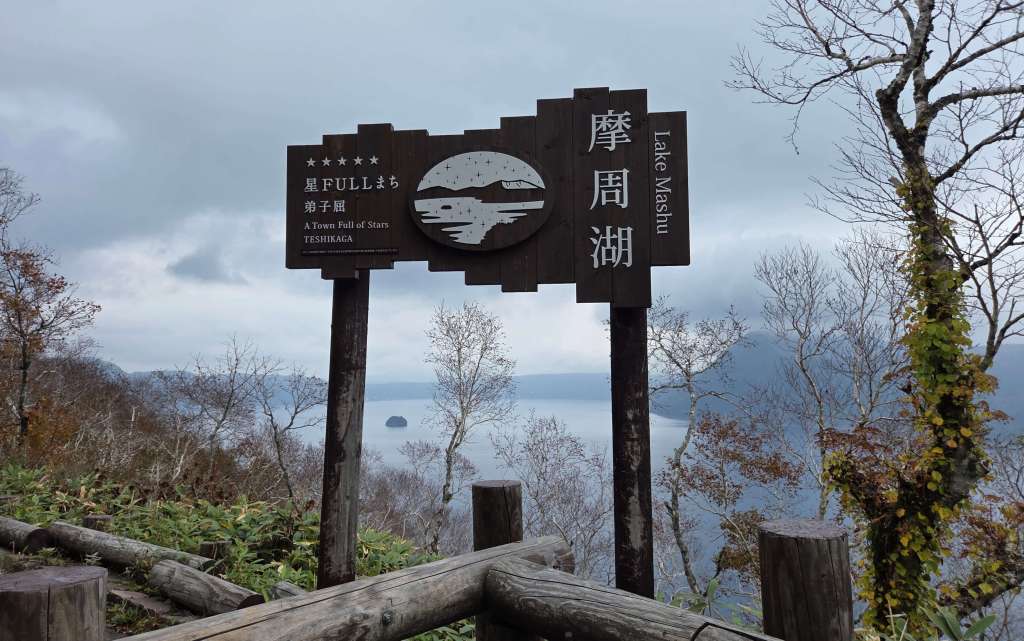
The next stop was Lake Mashu, another beautiful lake with a small island. The guide told us that the small island, nicknamed “Lover’s Tear,” was often hidden by fog. Even though it was cloudy this morning, the island was clearly visible! We’re very lucky today! We all took many photos.
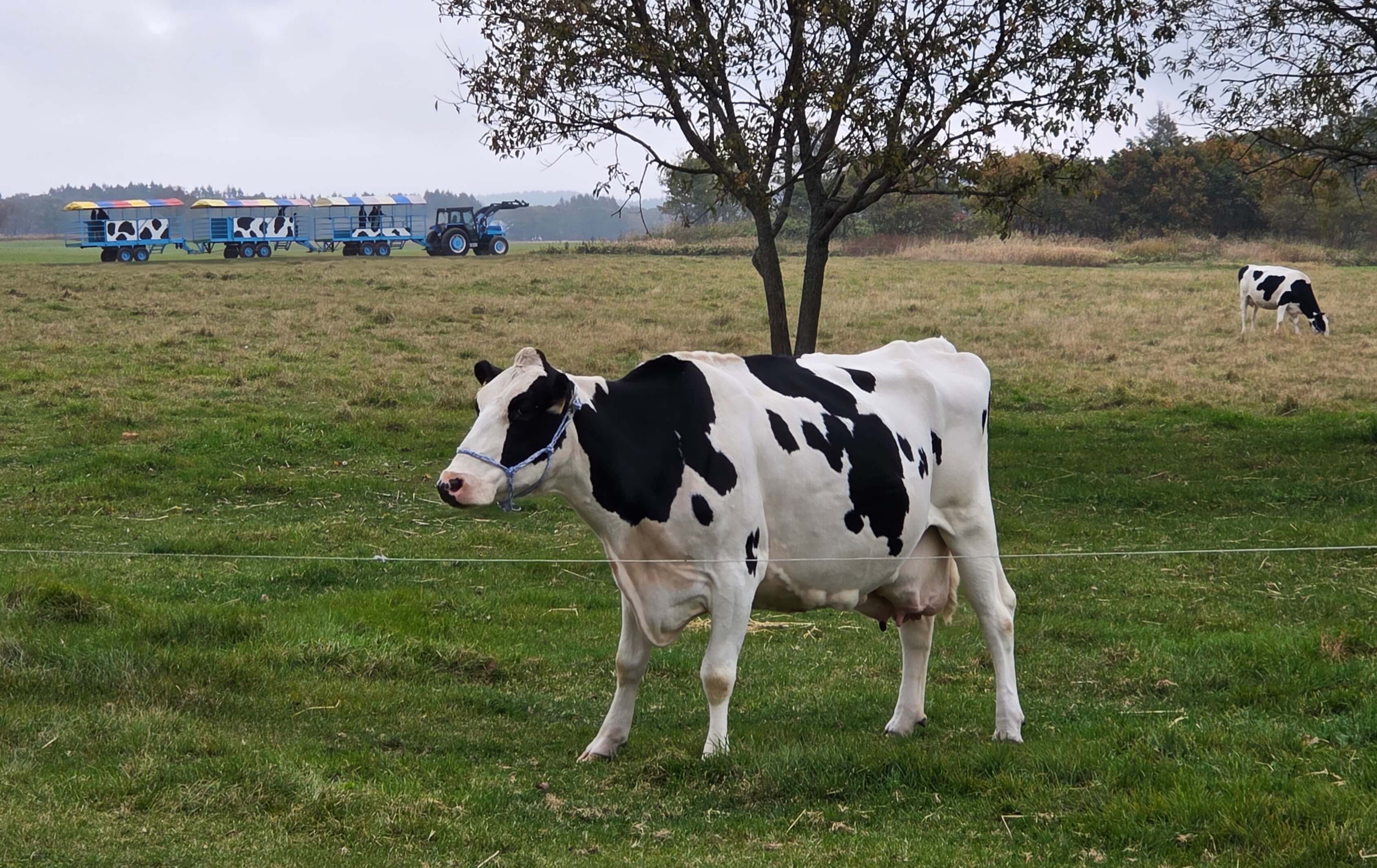
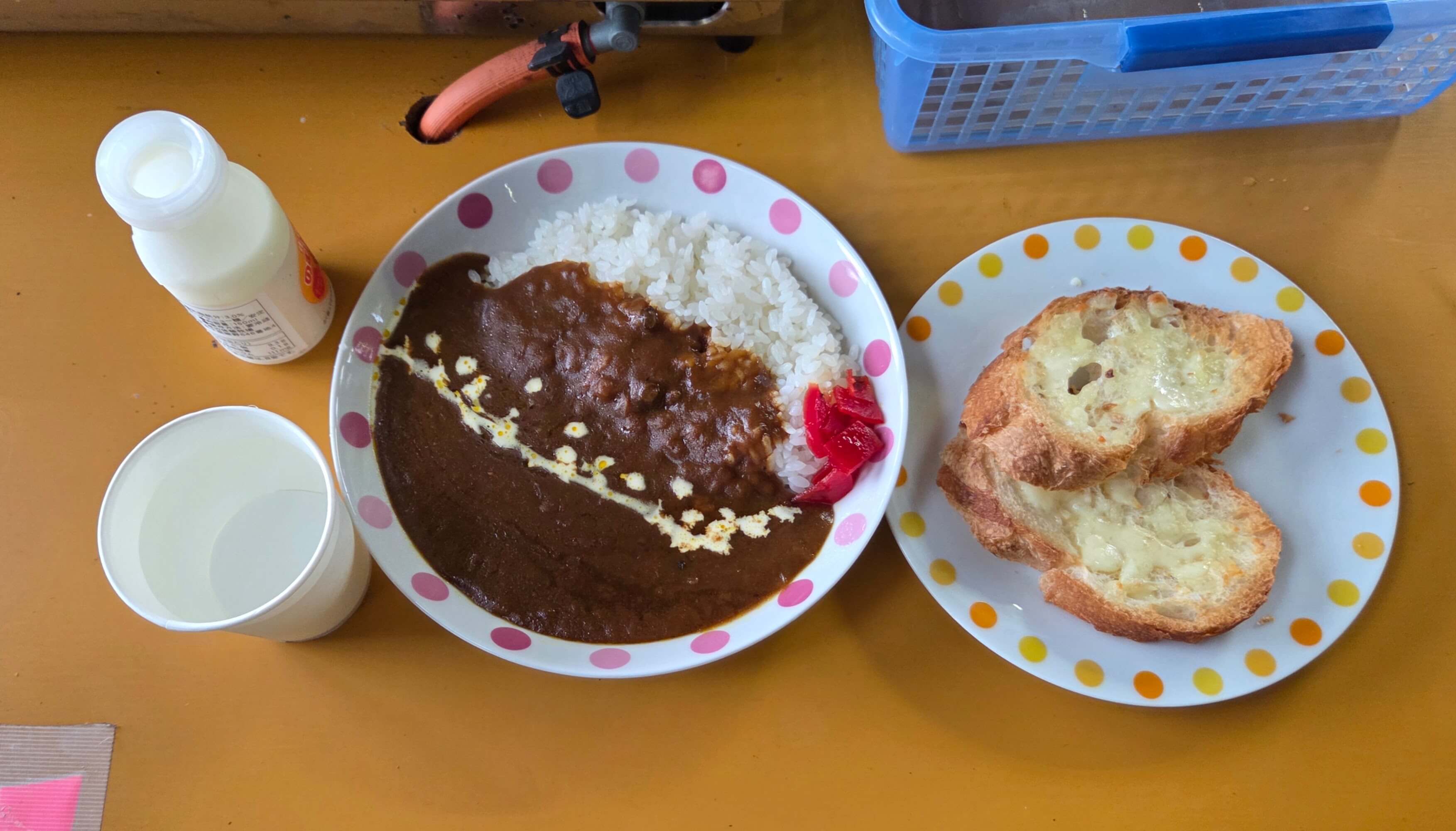
Lunch was curry rice at an experimental farm. The dessert was soft serve ice cream. The farm produced award winning milk. They even displayed a photo of the previous Japan Prime Minister presenting the award.
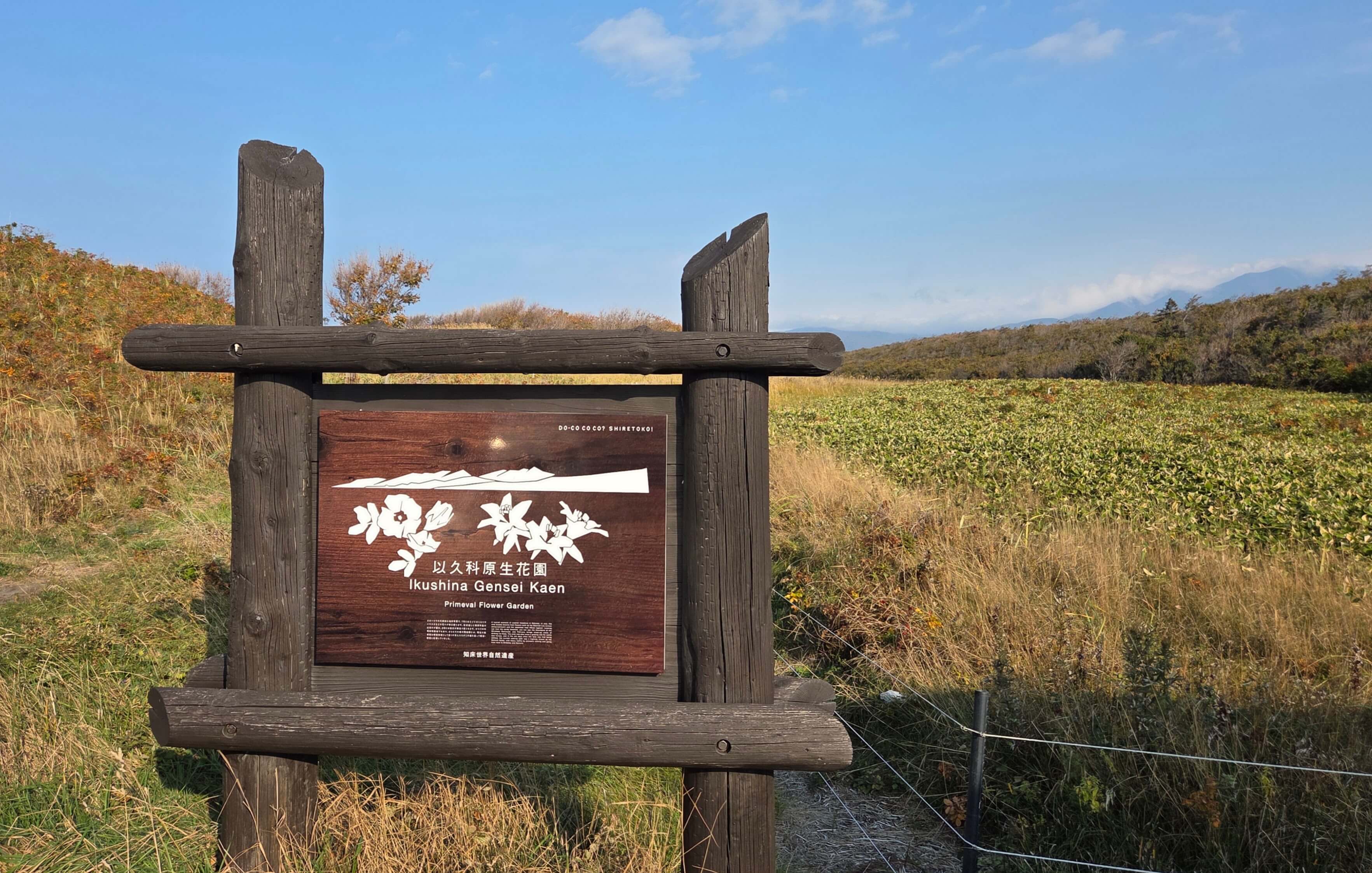
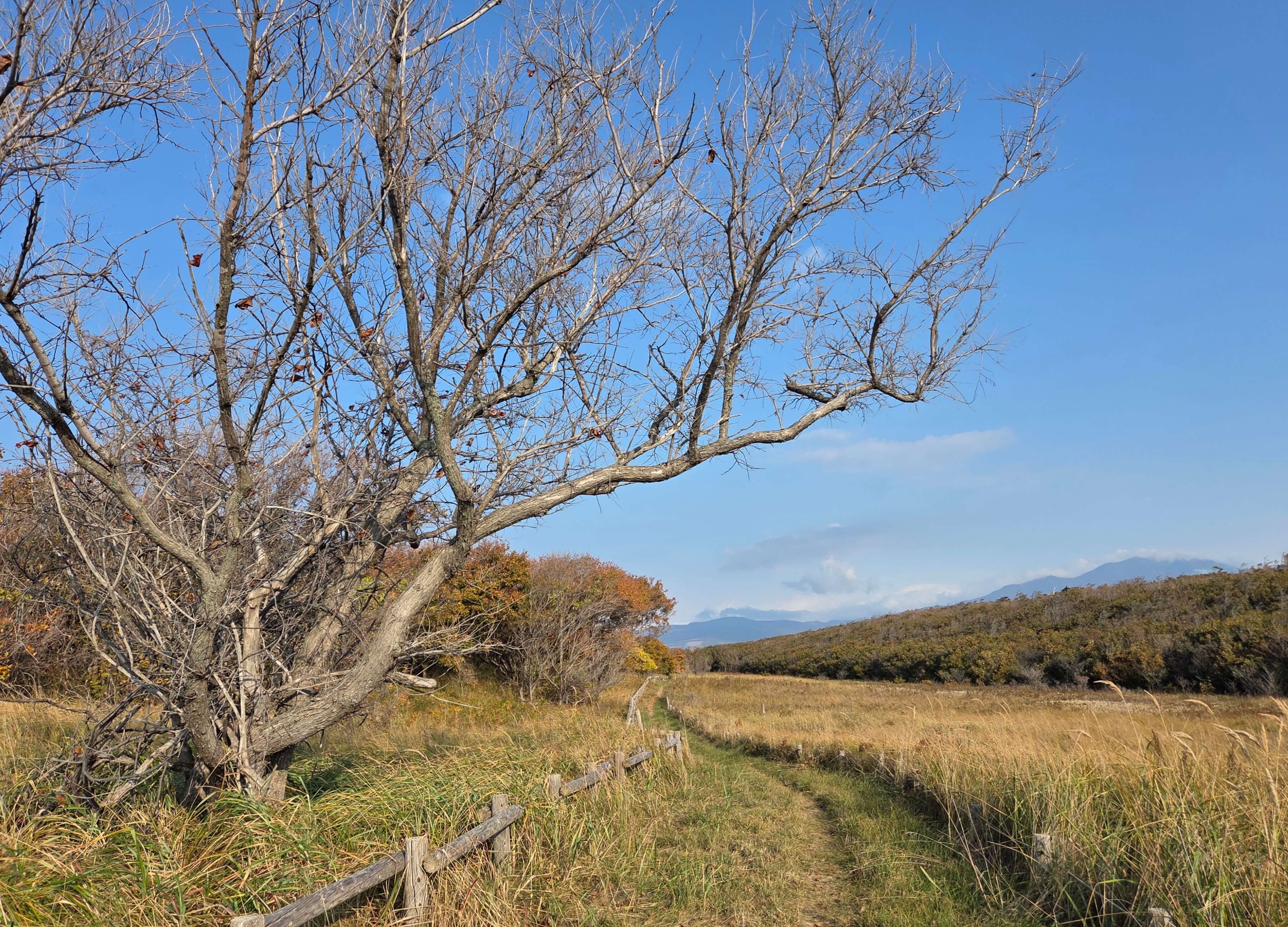
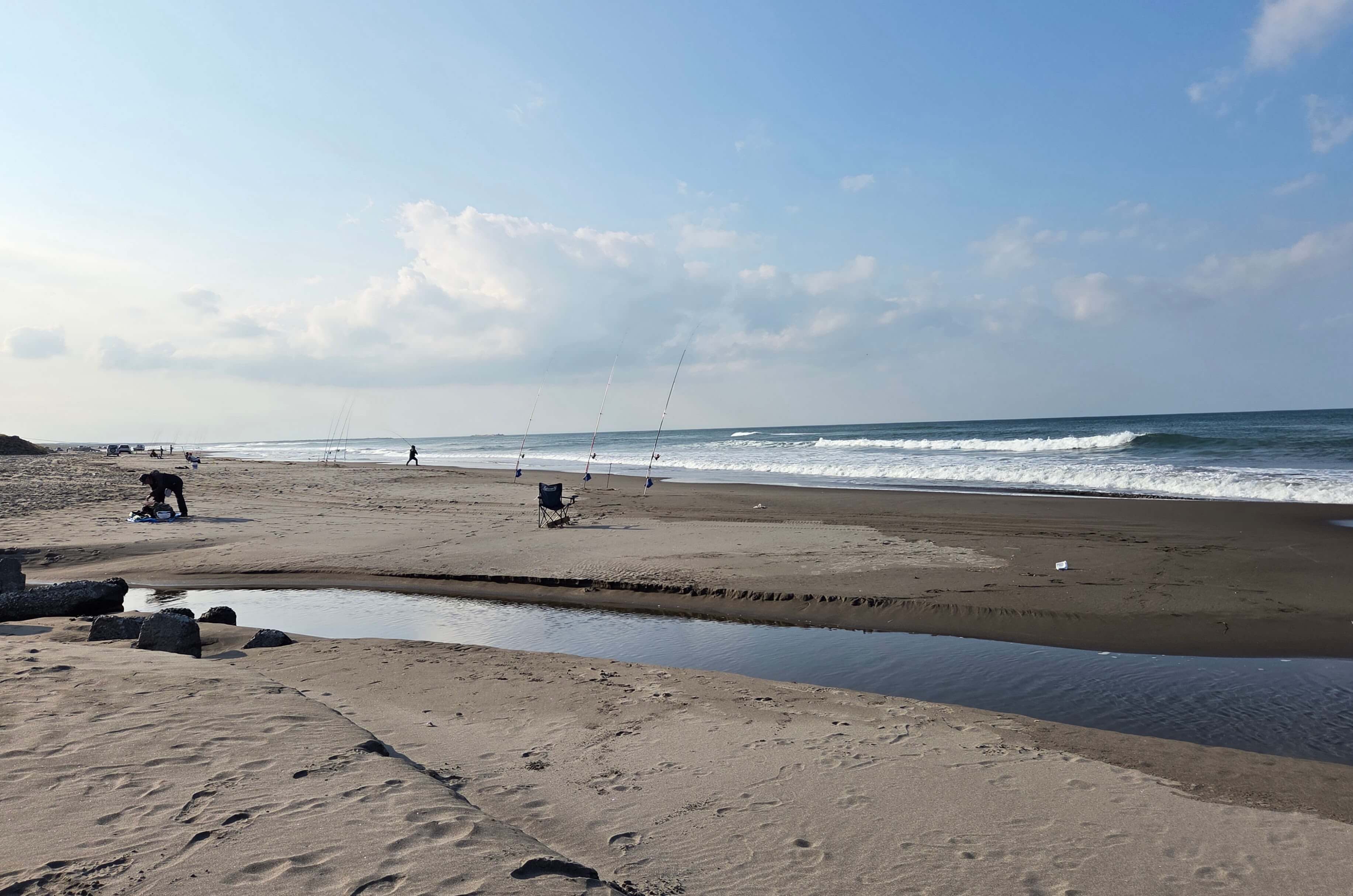
A long bus ride took us to Ikushina Native Flower Garden. I thought we would spend time walking on the trail and learning about native plants. It turned out that the guide led us to a beach next by the garden. We were told that the sea was Sea of Okhotsk, and Russia was on the other side, though we couldn’t see it. There were several fishermen there catching salmon.
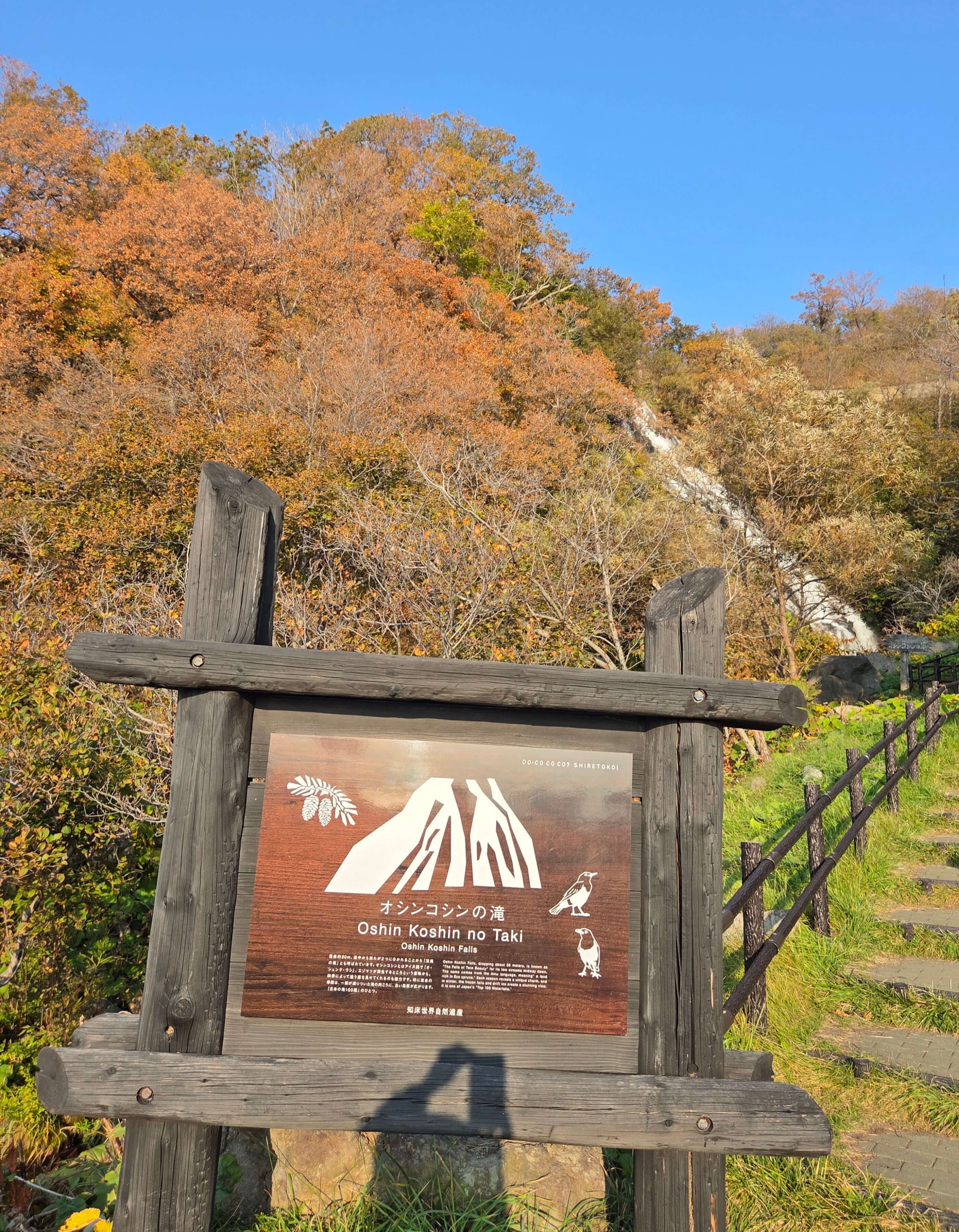
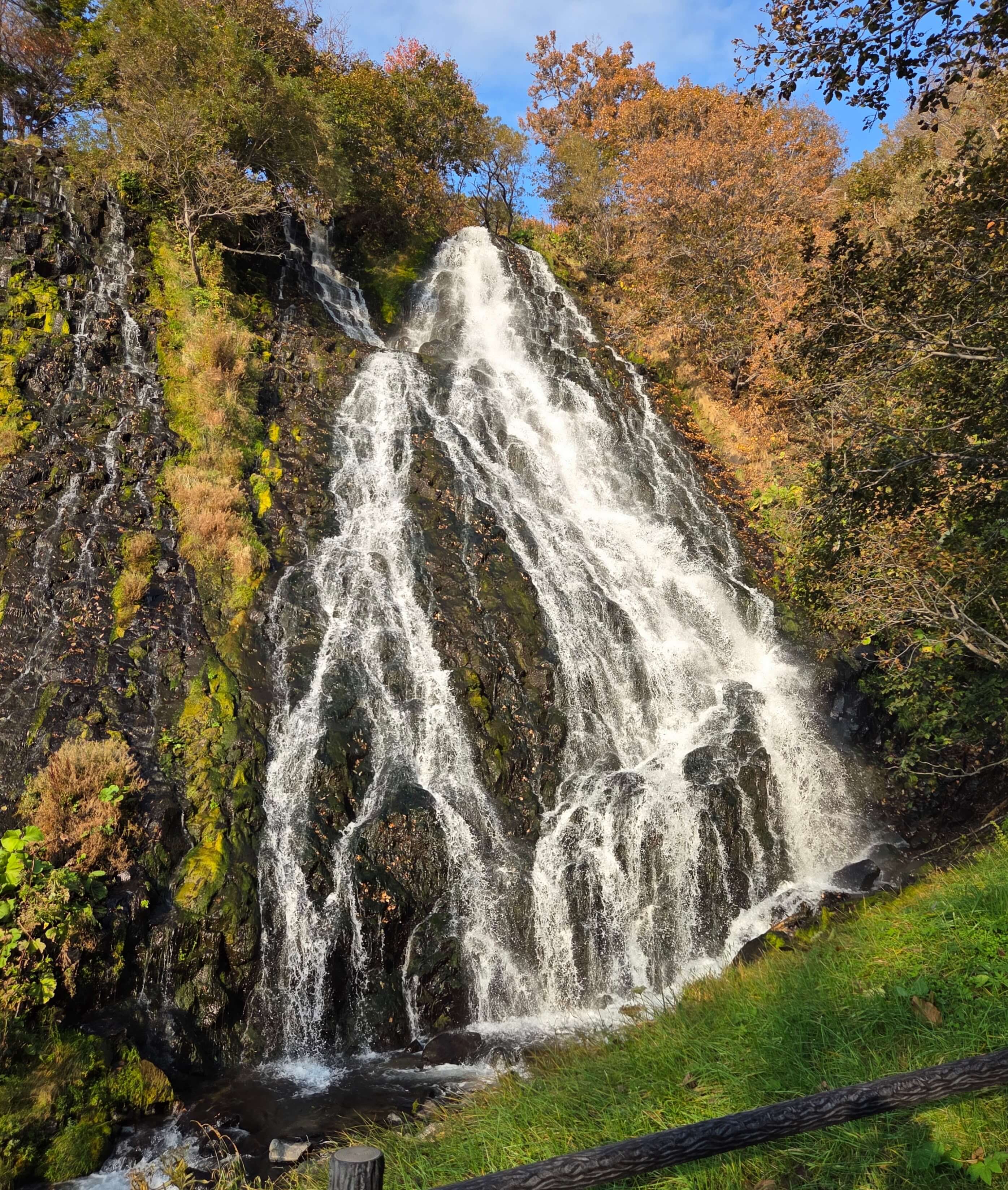
Afterwards, we were driving along the coast to view Oshin Koshin Falls. The waterfall was not very big, but it had abundant water flowing. We needed to climb many steps to reach the waterfall. Some group members decided not to climb. They said they would just watch the photos on my blog 🙂
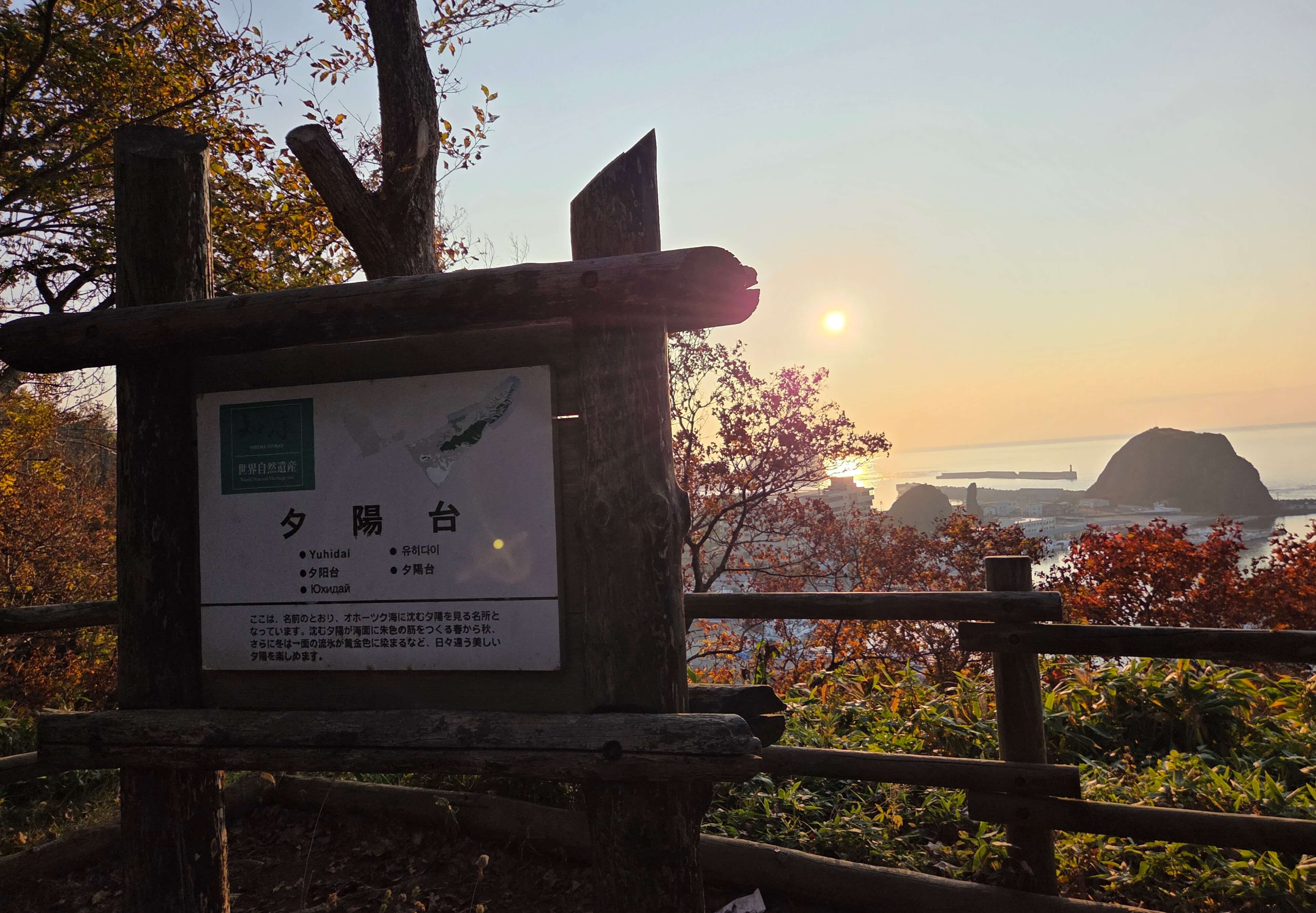
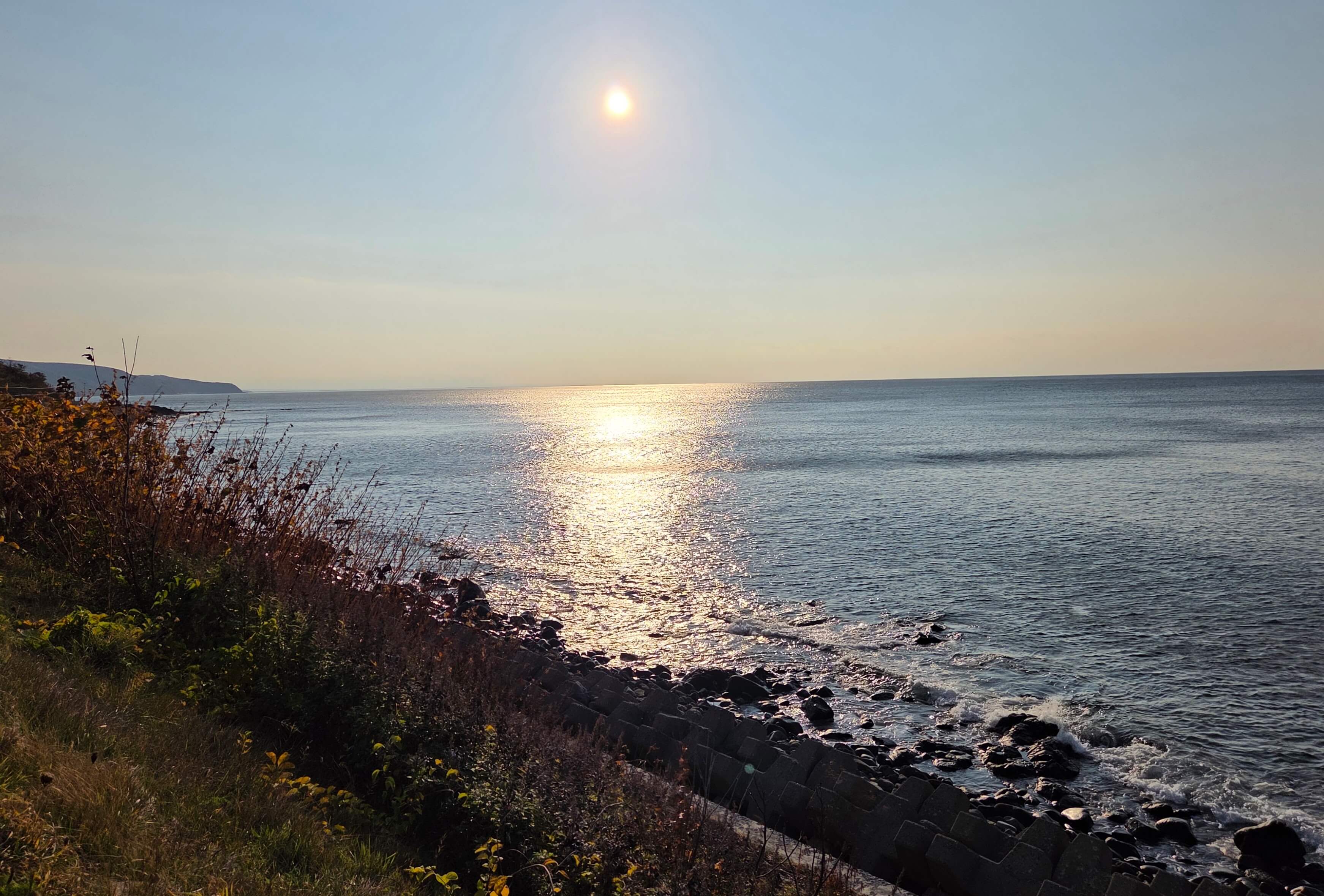
It was only about 3:30pm when we checked in. I wanted to go to the hot spring, but Rei said we should walk around first. So we walked a short distance to a nearby Sunset Viewing Point. It’s not sunset yet; however, the view was still gorgeous. Later, I learned that this place (called Yuhidai) was actually one of the 8 famous Shiretoko views. (Good job, Rei!)
We went to the hot spring afterwards. The guide asked us to meet at the hotel lobby at 5:10pm in yukata to take group photos.
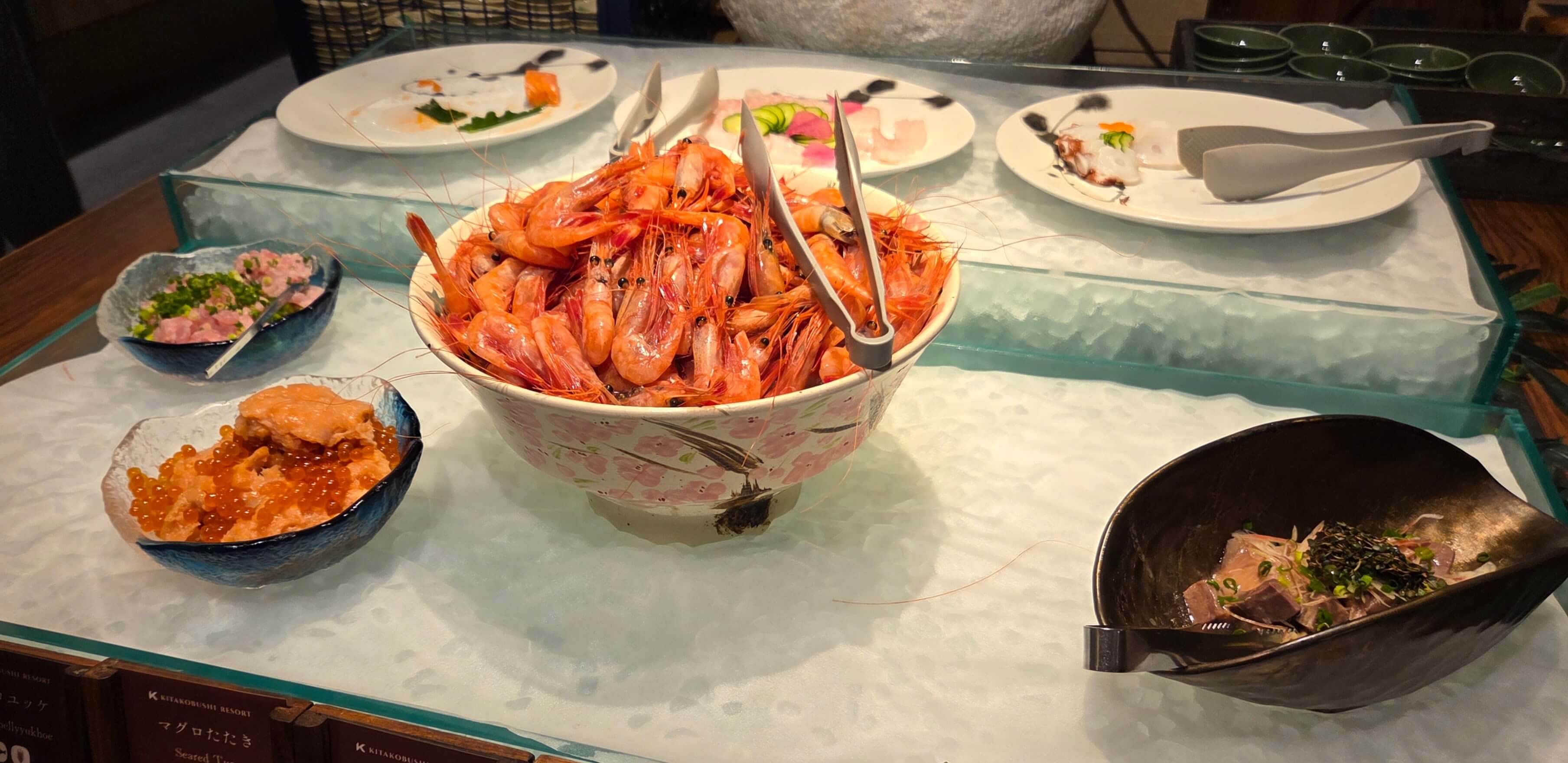
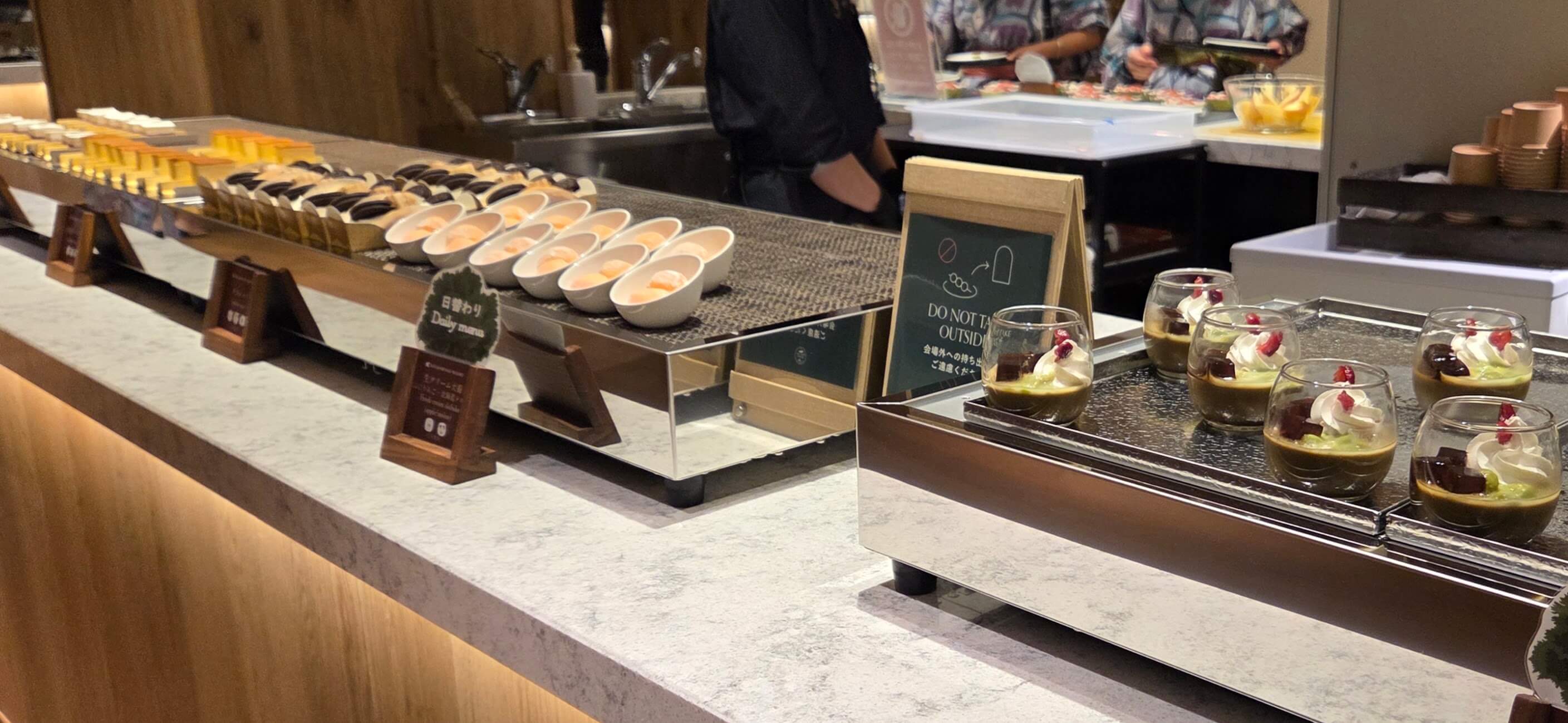
We had another excellent dinner buffet tonight. There were many food items and desserts to choose from. The food quality was excellent, too.
Day 8: Shiretoko to Abashiri
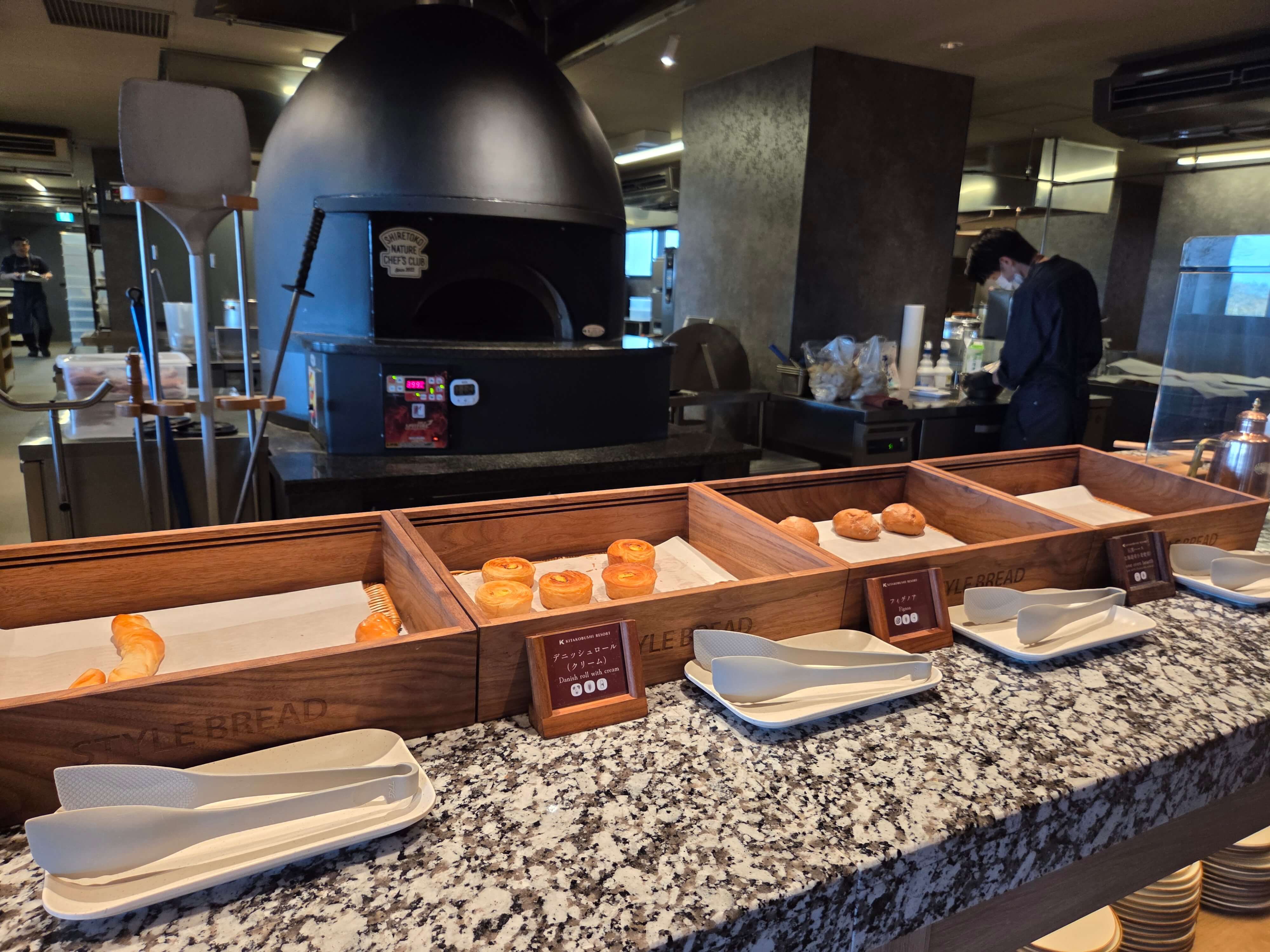
We had an early breakfast today. In addition to regular Japanese breakfast items, there were also great bakery selections. Two small ovens were available for warming the bread. A few of us tried to use the ovens without success. Finally, a staff member (probably doubting our IQ) came to the rescue.
This hotel provided excellent desserts. We especially liked their multi-flavored mochi.
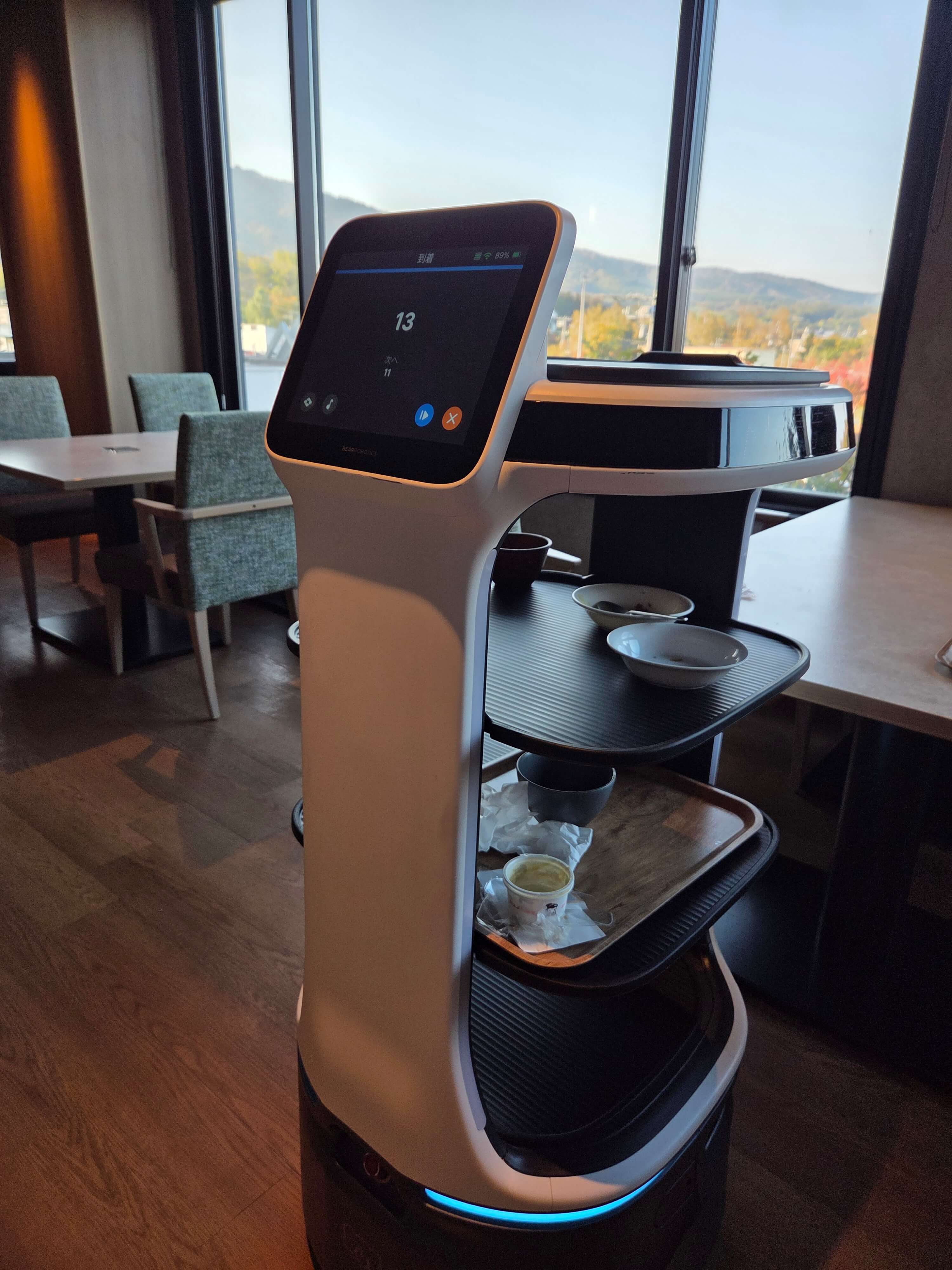
There was a robot in the restaurant collecting used cups and plates. This was the first time I saw this type of robots. It seemed that people in Asia used more robots.
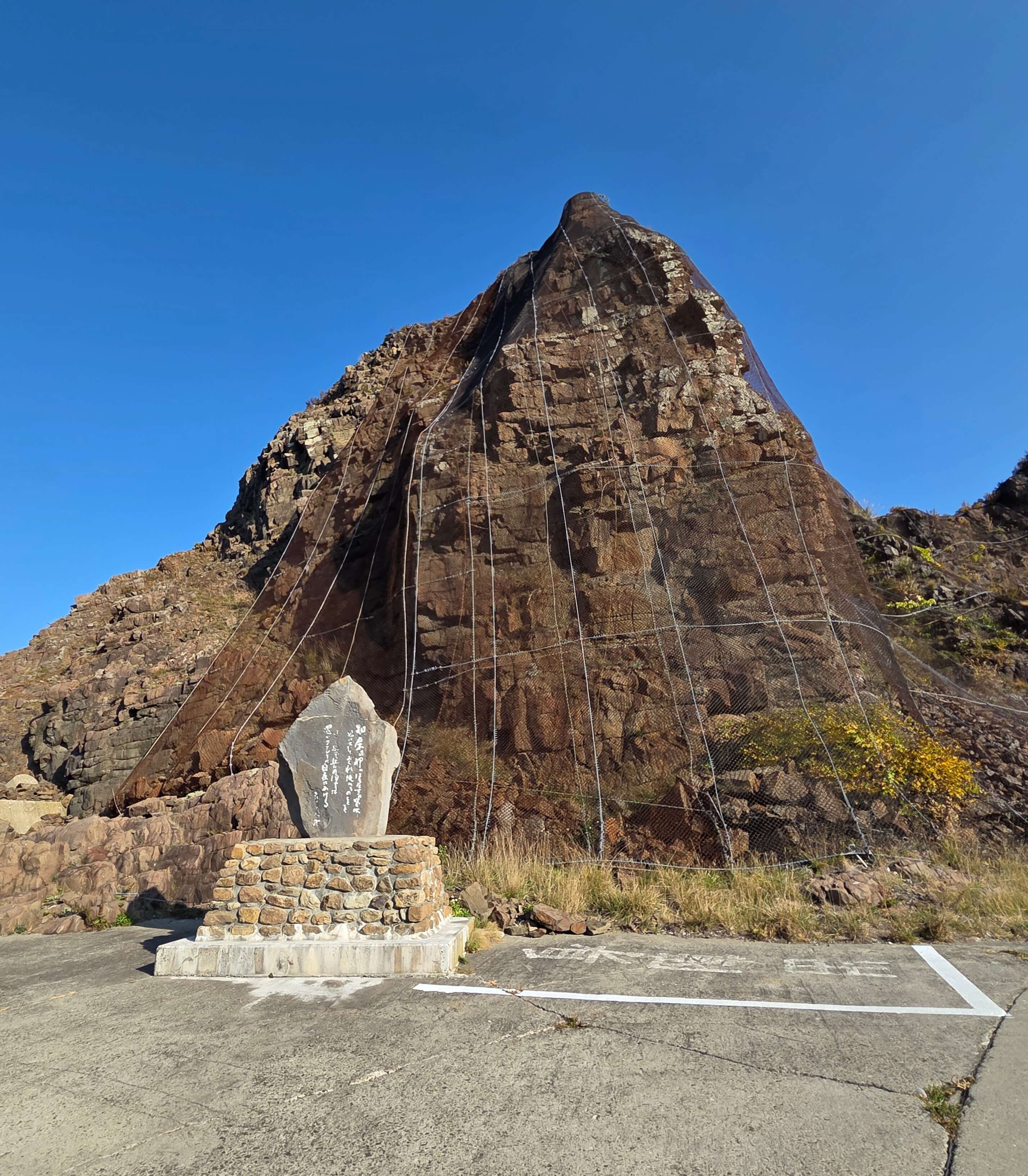
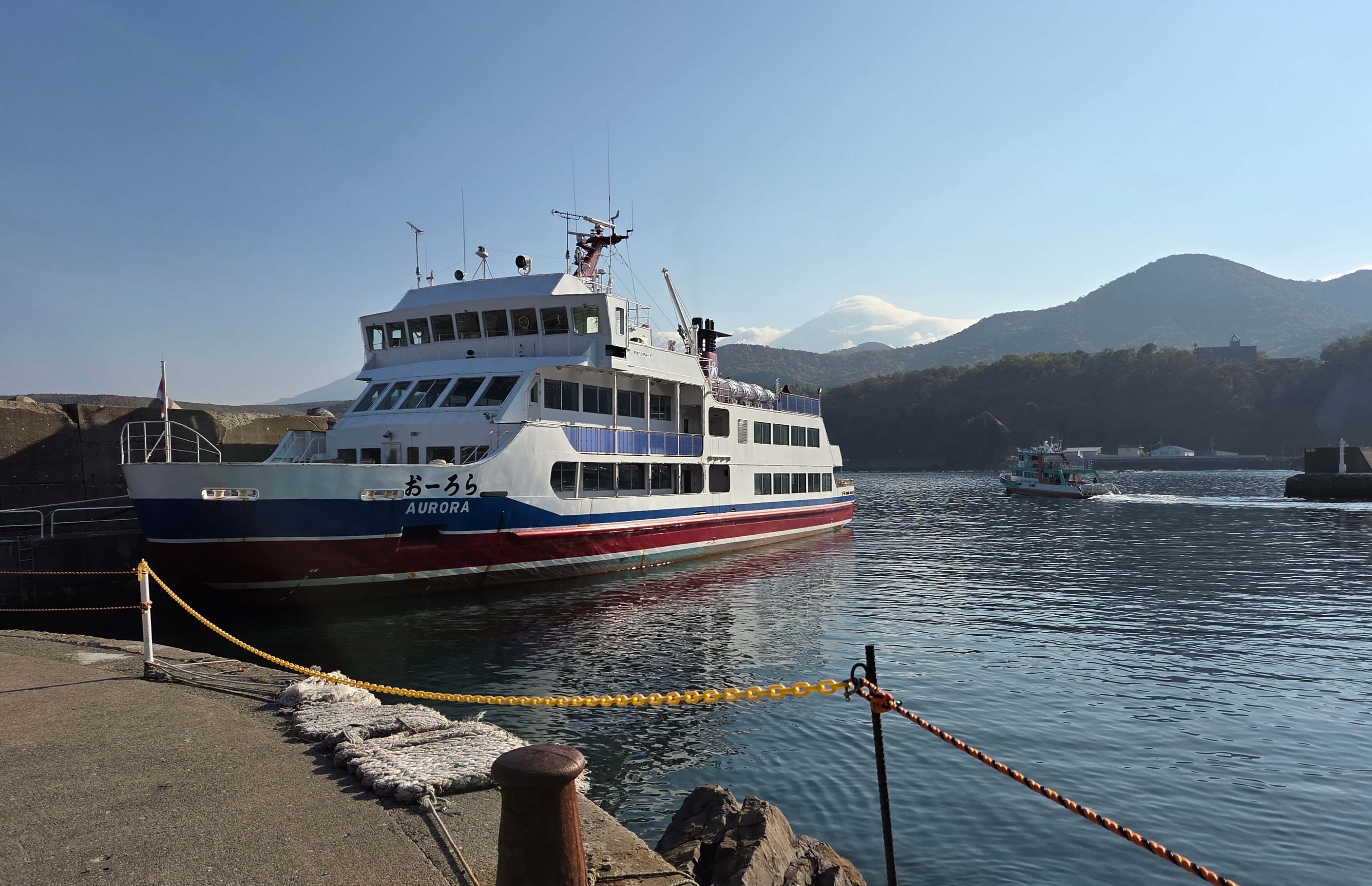
We were taking the 10:30am Shiretoko sightseeing boat. The boat sailed along the Shiretoko Peninsula to reach Kamuiwakka Falls. The coastal cliff views were splendid. We had warm and bright weather today. The waves were gentle. So, it’s a very pleasant boat ride.
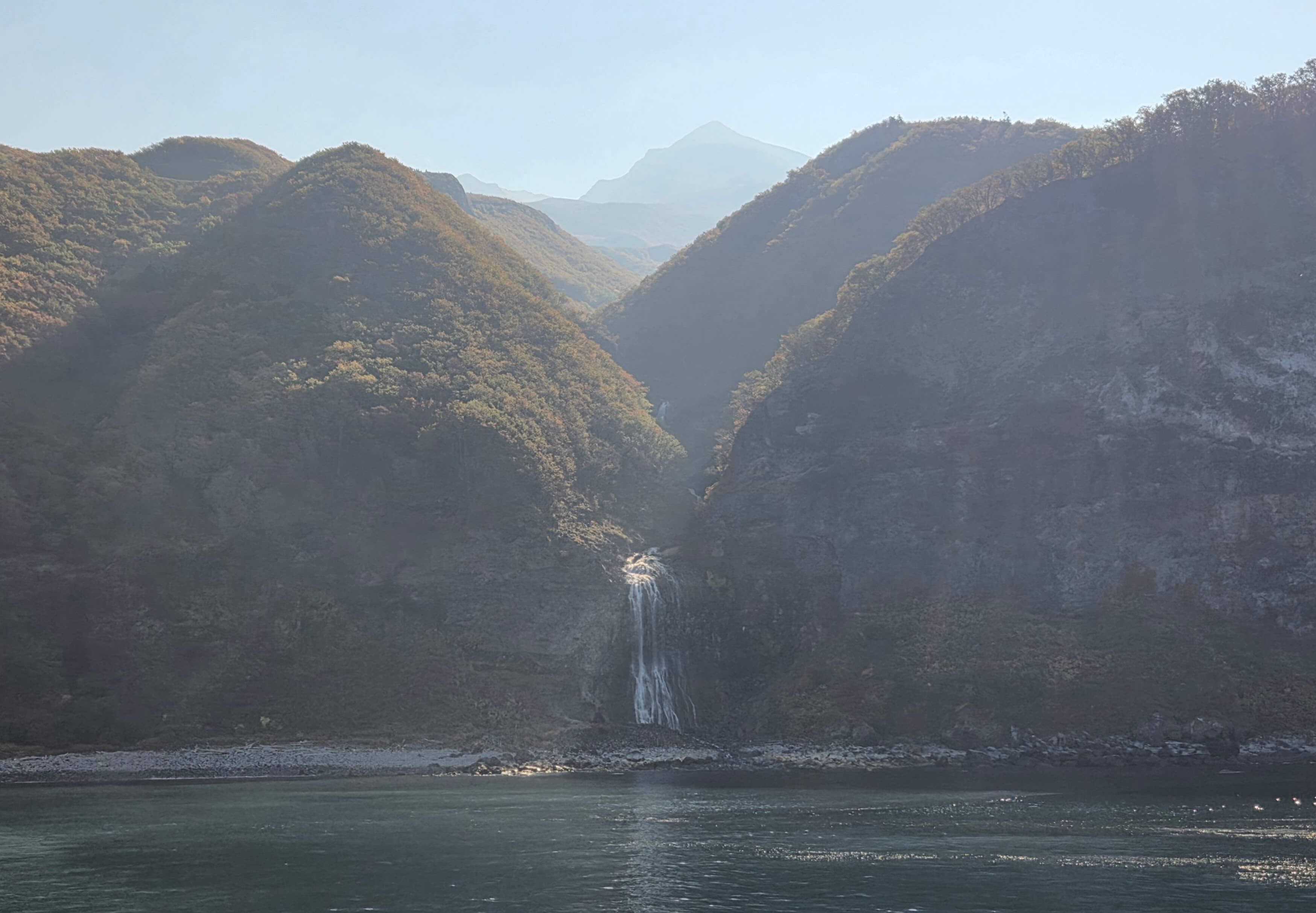
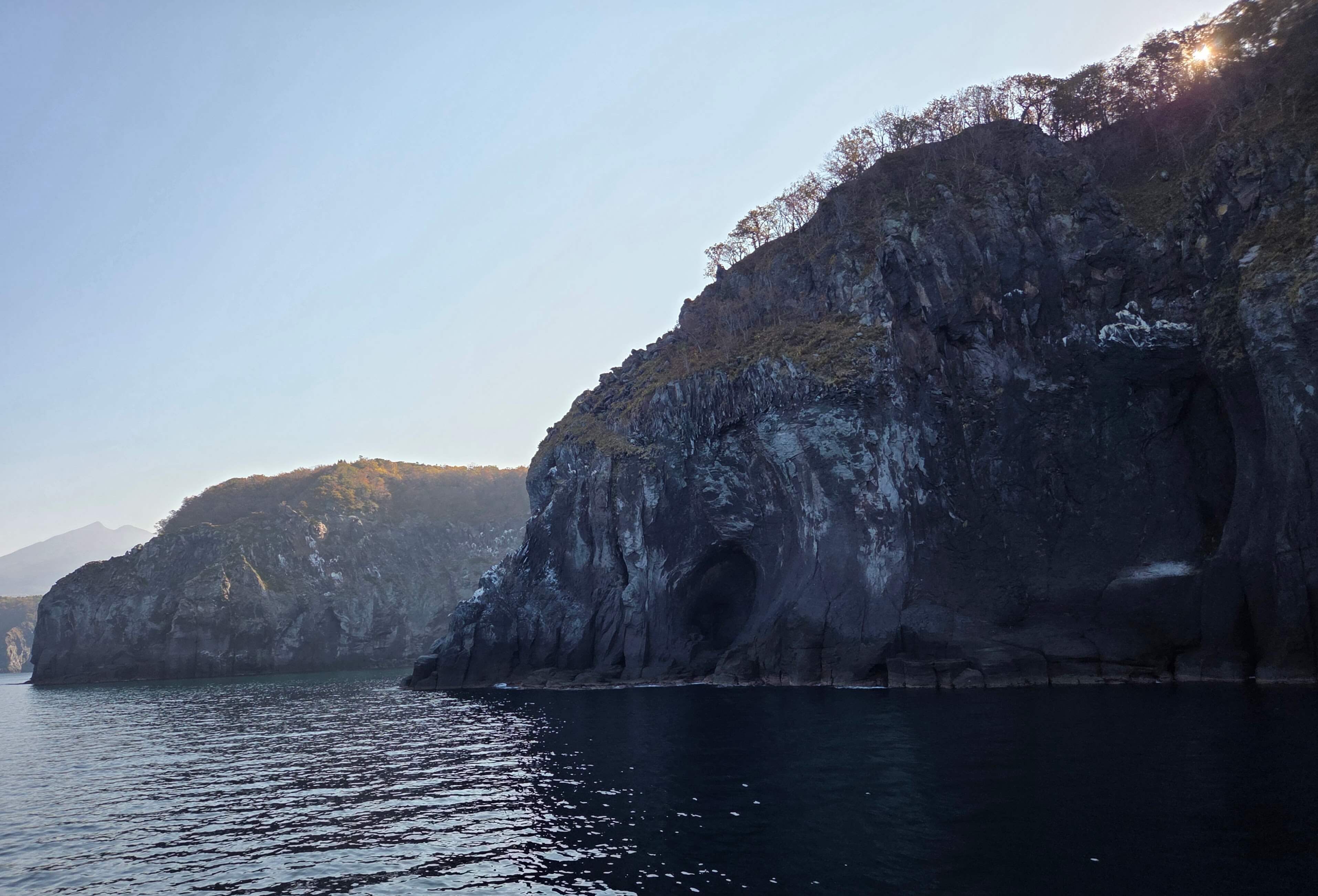
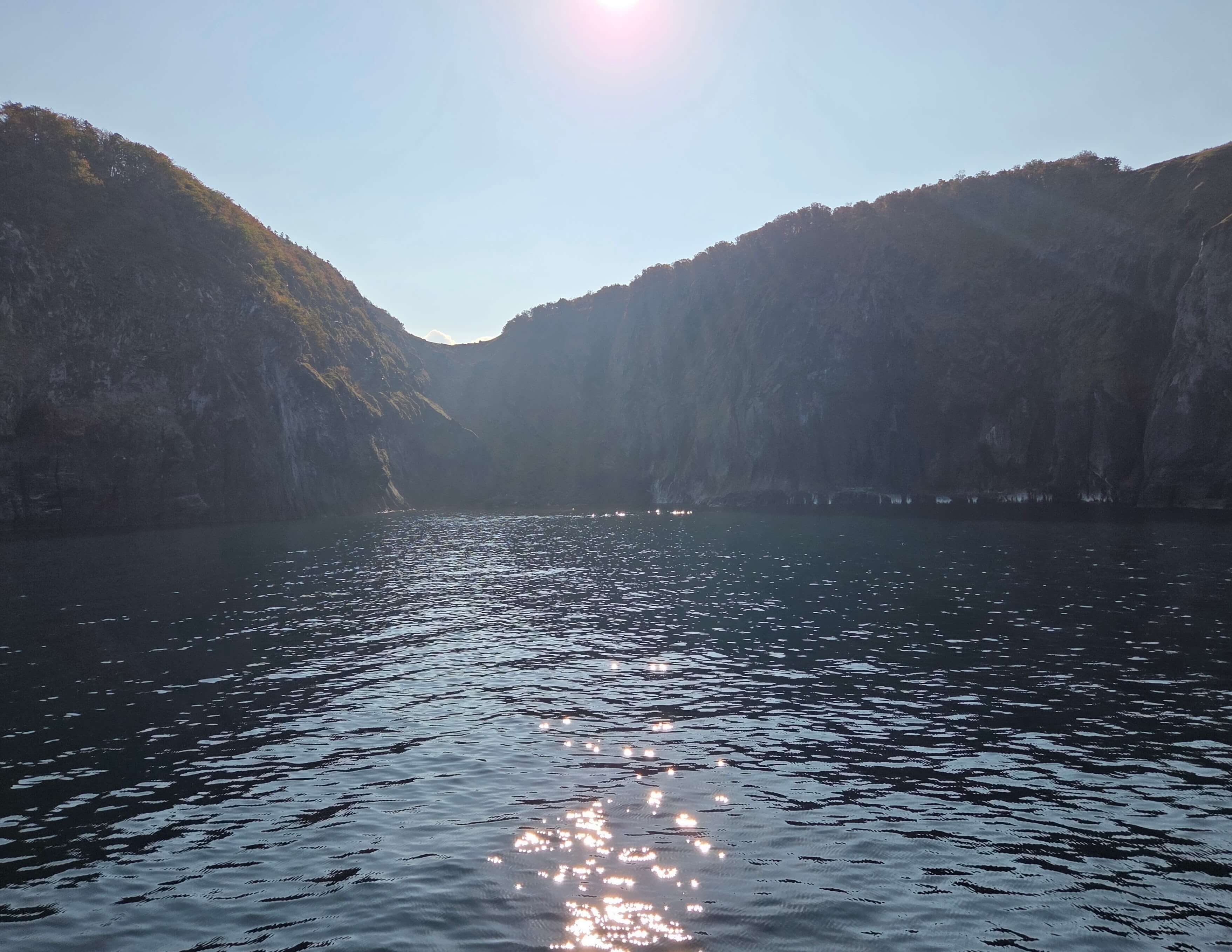
The boat didn’t get very close to Kamuiwakka Falls, though we could still take photos of the waterfall. Besides Slaty-Backed Gulls, we didn’t see other marine wildlife.
Afterwards, we went to Shiretoko Goko Lakes. We only had time to hike to Lake #1. The guide informed us that it would take an entire day to hike all 5 lakes.
Before we started hiking, Rei found out that a Shiretoko National Park visitor center was near by. So, we entered the visitor center to get stamps first. Rei was of course overjoyed!
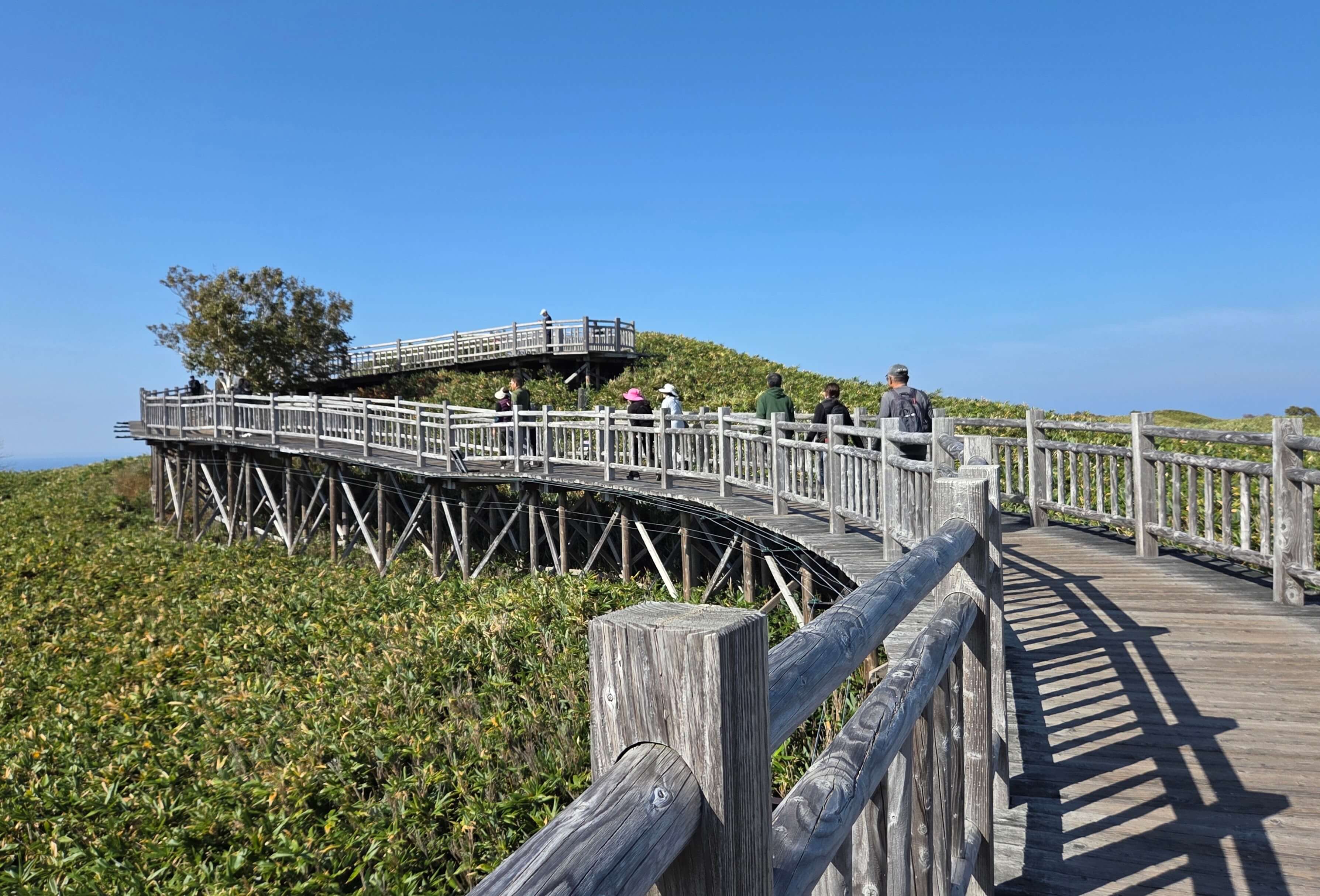
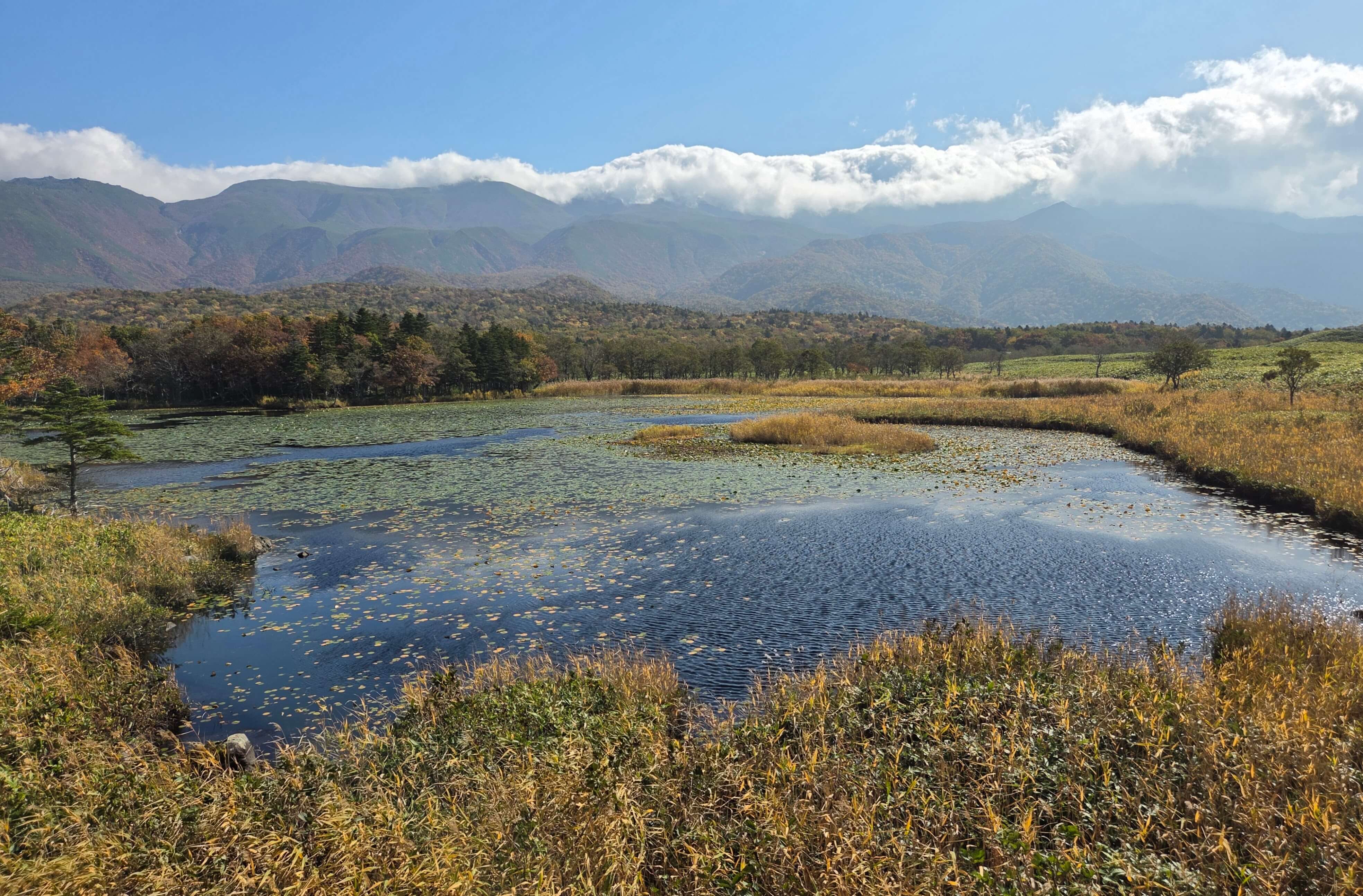
This was an easy hike on well-constructed boardwalks. The area was very scenic with tall mountains and colorful trees. Even with multiple photos stops, it only took us about 15 minutes to reach Lake #1. The lake view was magnificent.
Rei and I wanted to see Lake #2. However, we realized that it would require joining a guided tour and going through a presentation, because bear encounters were quite common in the area. We only had less than 30 minutes left, so we had to give up the idea. We will have to visit this place again in the future!
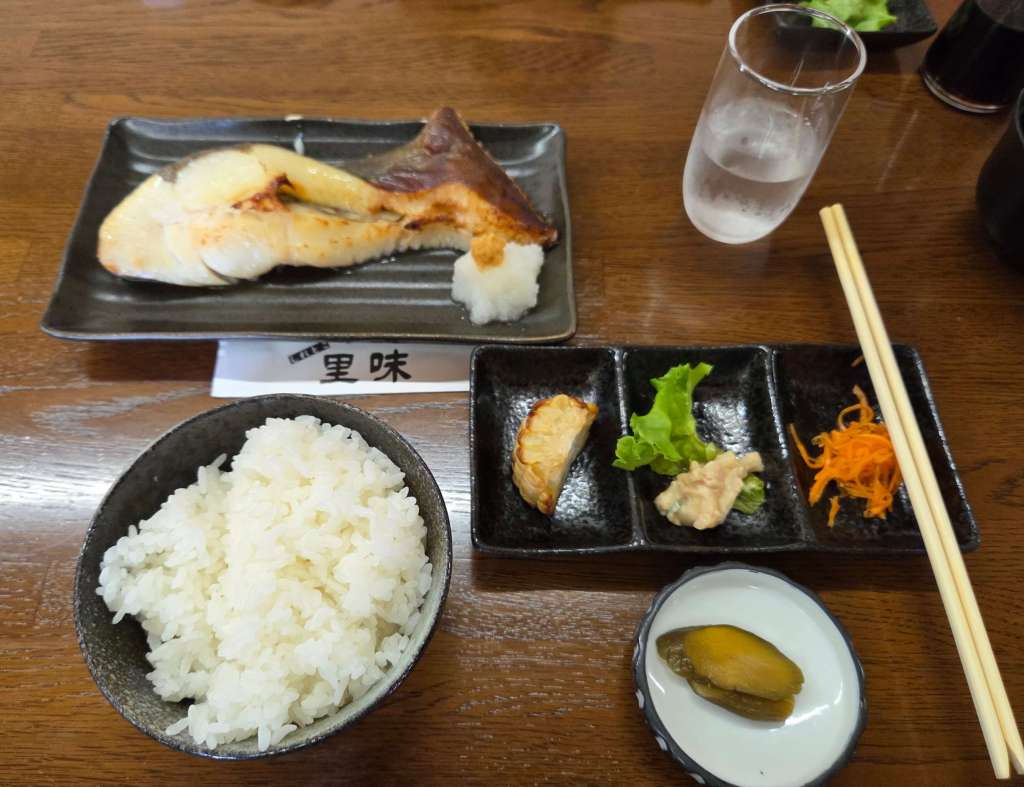
Lunch was grilled fish in a small Japanese restaurant. Everybody agreed that the grilled fish was super delicious.
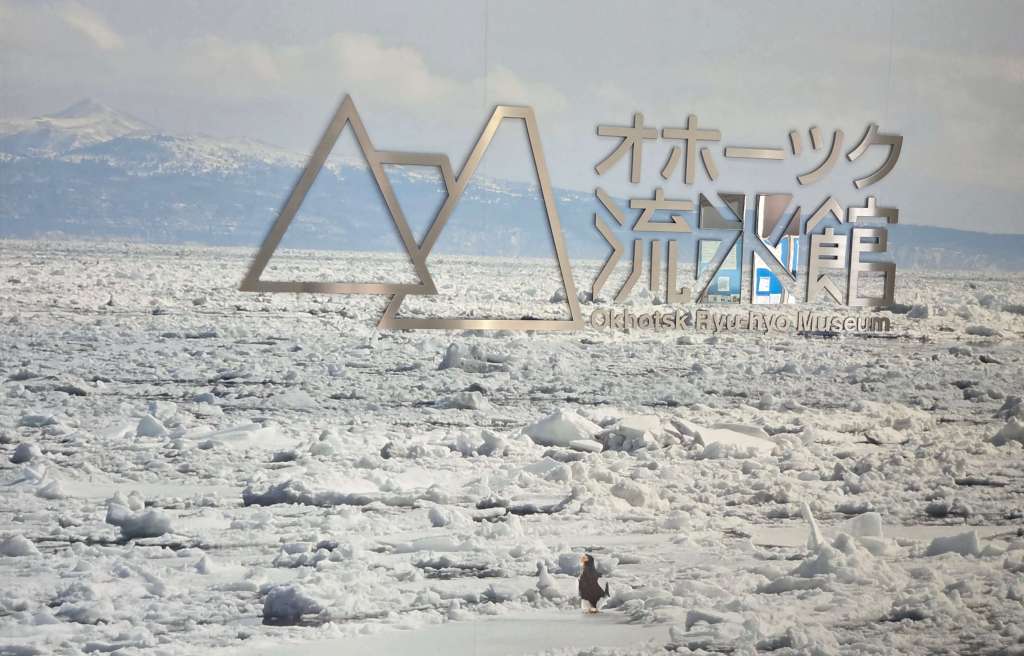
After lunch, we went to Abashiri Drift Ice Museum. This was a very famous museum. We first went into a freezing room to “experience” local weather. Each of us was given a wet towel. We had to wave the towel in the freezing room until the towel was frozen stiff. It was actually not too cold because we didn’t stay long in the room.
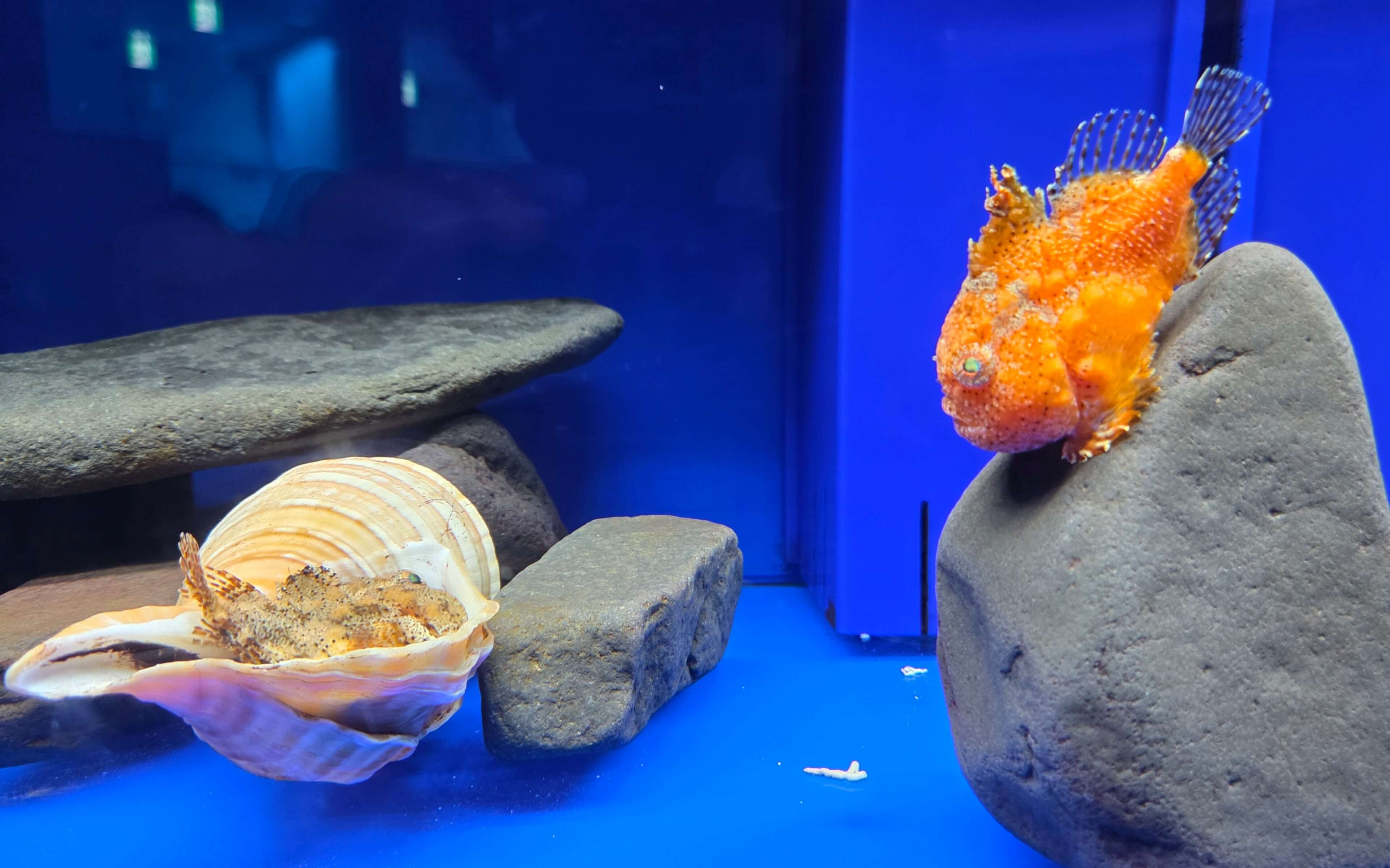
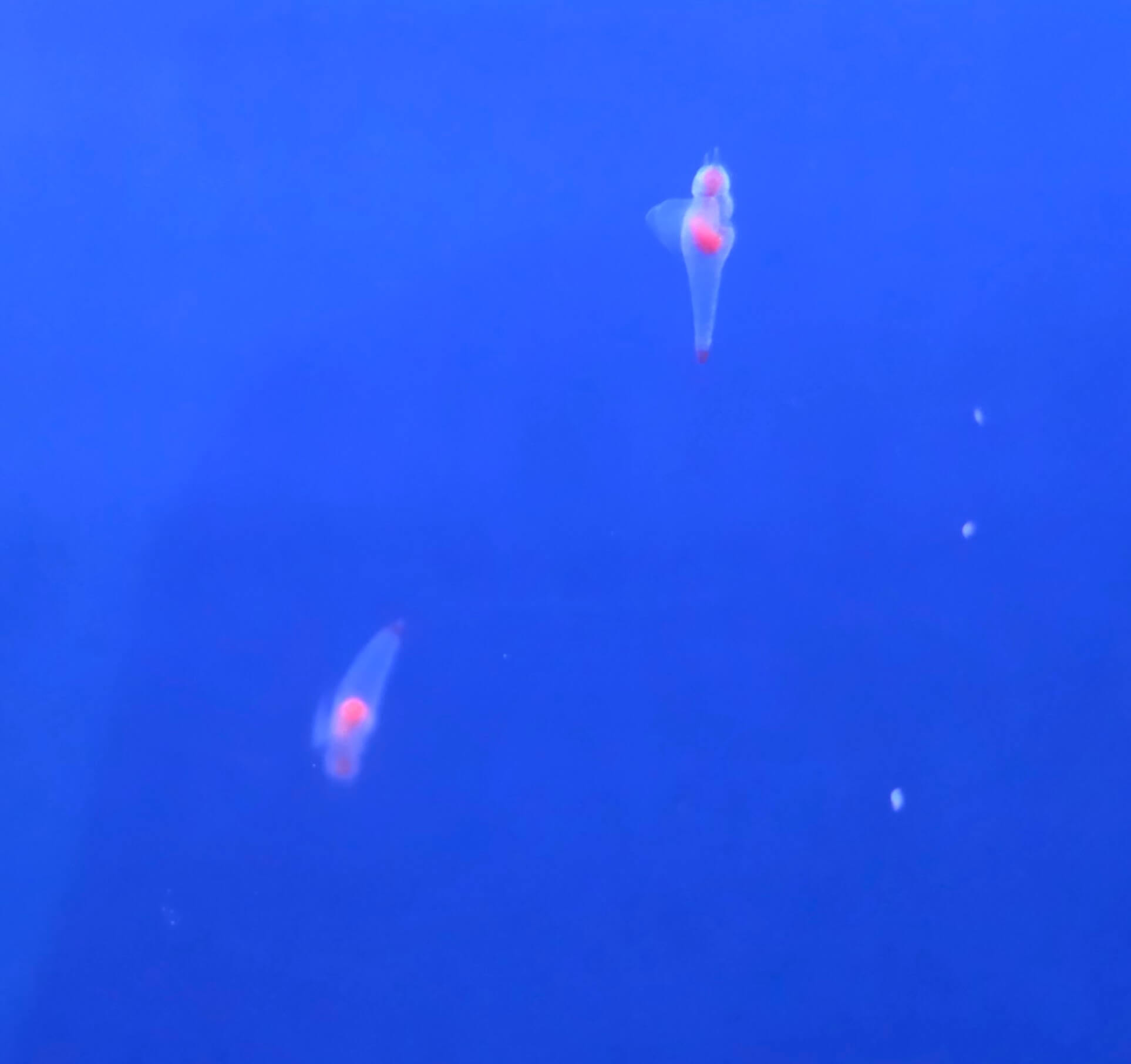
The museum had display of balloon lumpfish and Clione (floating sea slugs, also known as “drift ice snow fairy”). They were both very cute! There was also a theater with a film showing winter scenery (no photos allowed).
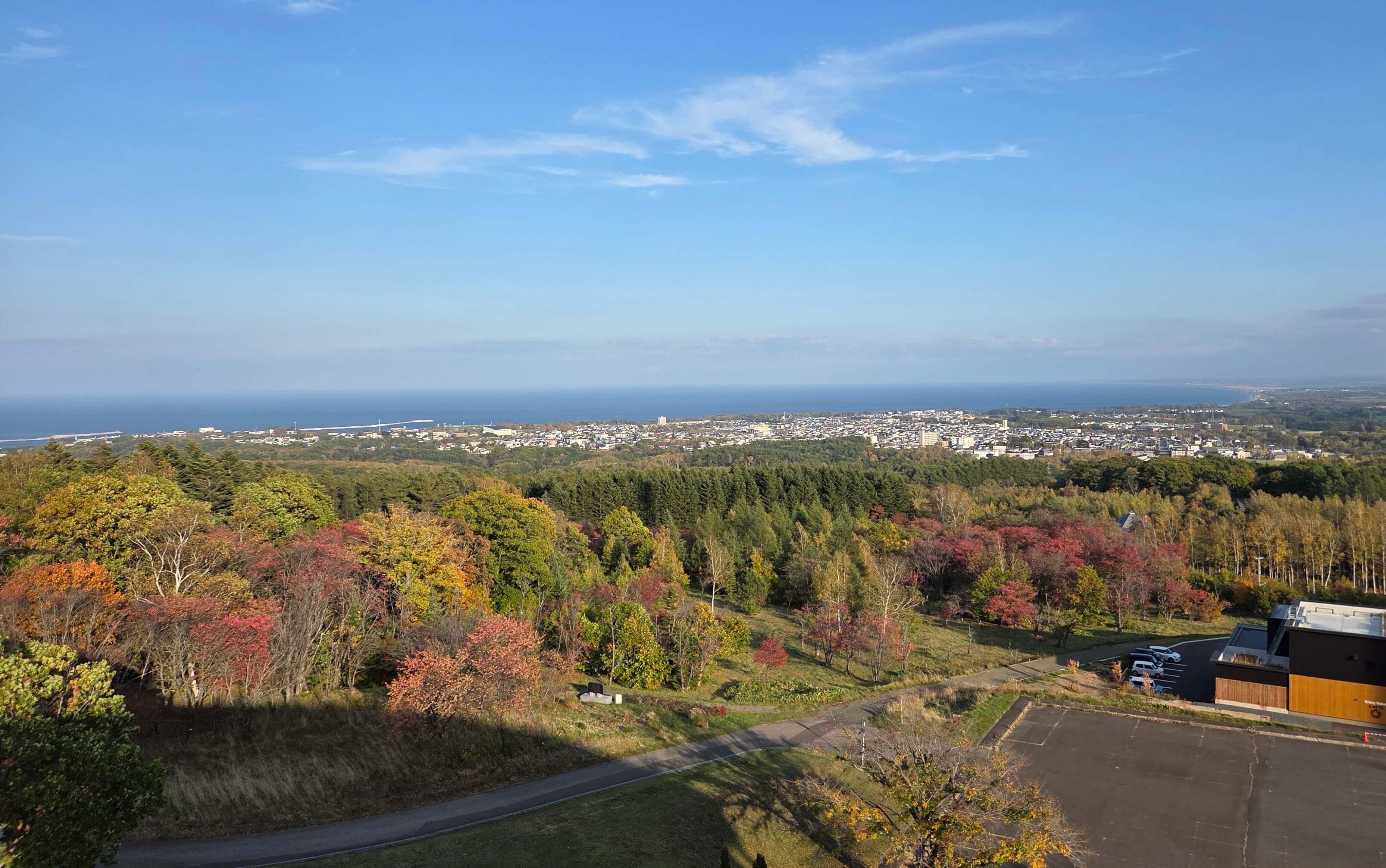
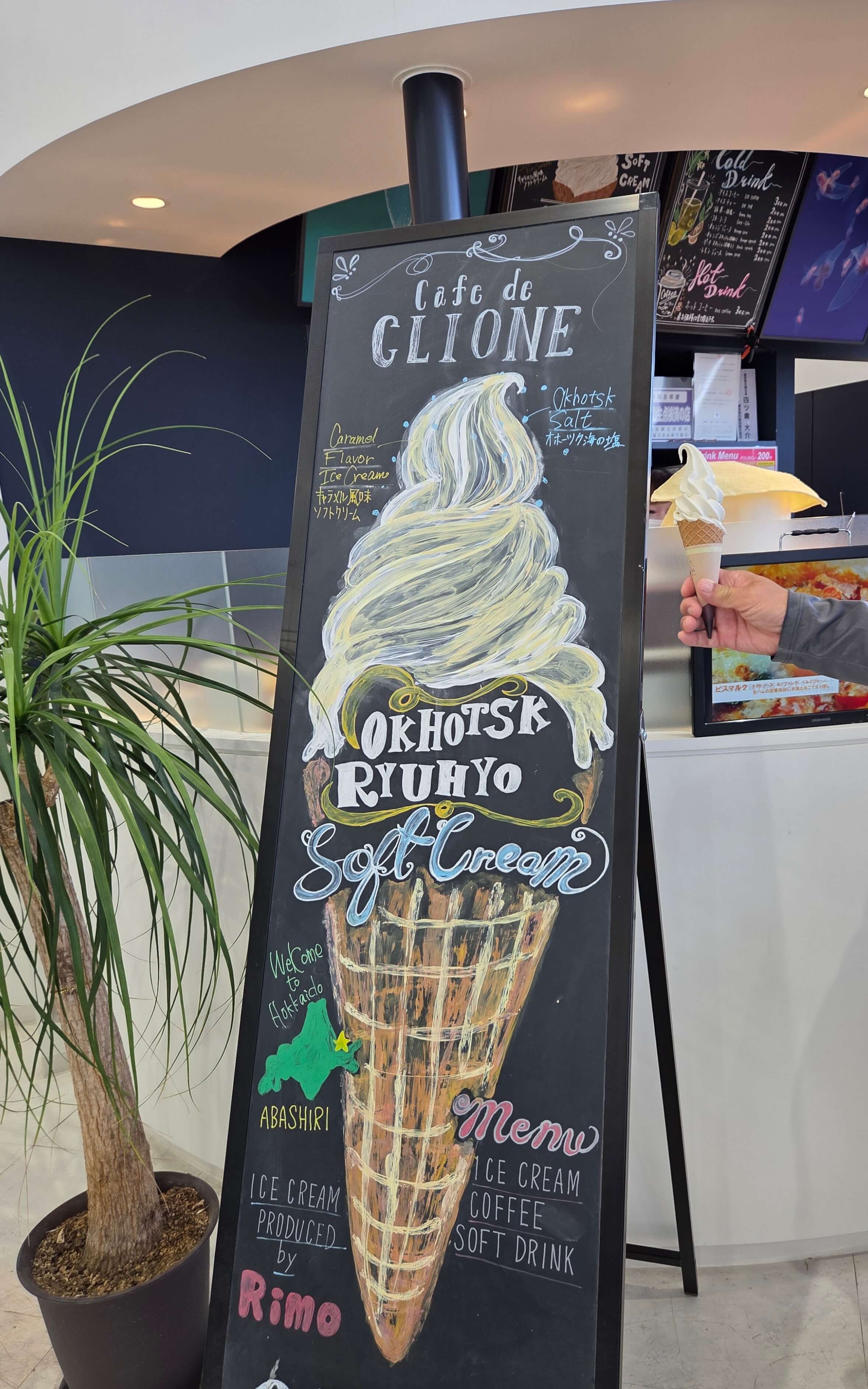
The guide also recommended the roof top observatory and the drift ice soft serve ice cream. Roof top offered panoramic view of both Okhotsk Sea and Lake Abashiri. We were all very impressed and took many pictures. The soft serve ice cream had a bit of salt and was very tasty.
Overall, we all enjoyed the museum visit very much. I wished that we could come to Abashiri in the winter to go on a drift ice boat for sightseeing.
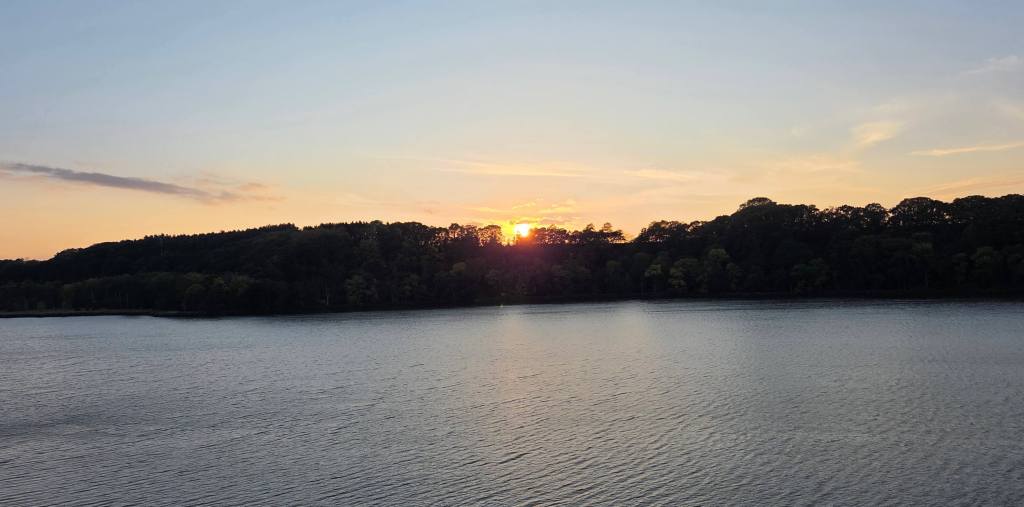
Tonight’s hotel was by Lake Abashiri. The view at sunset was spectacular!
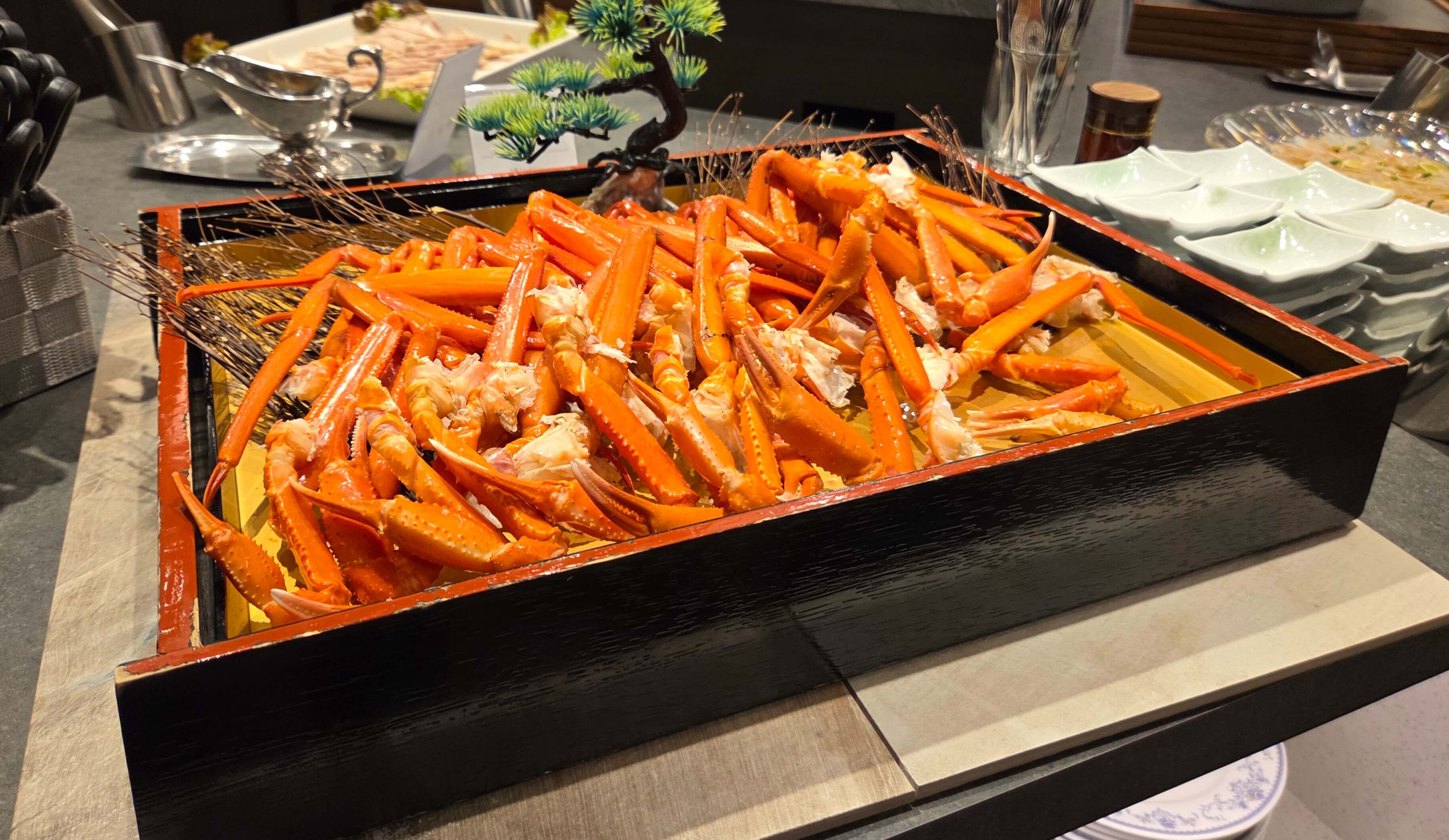
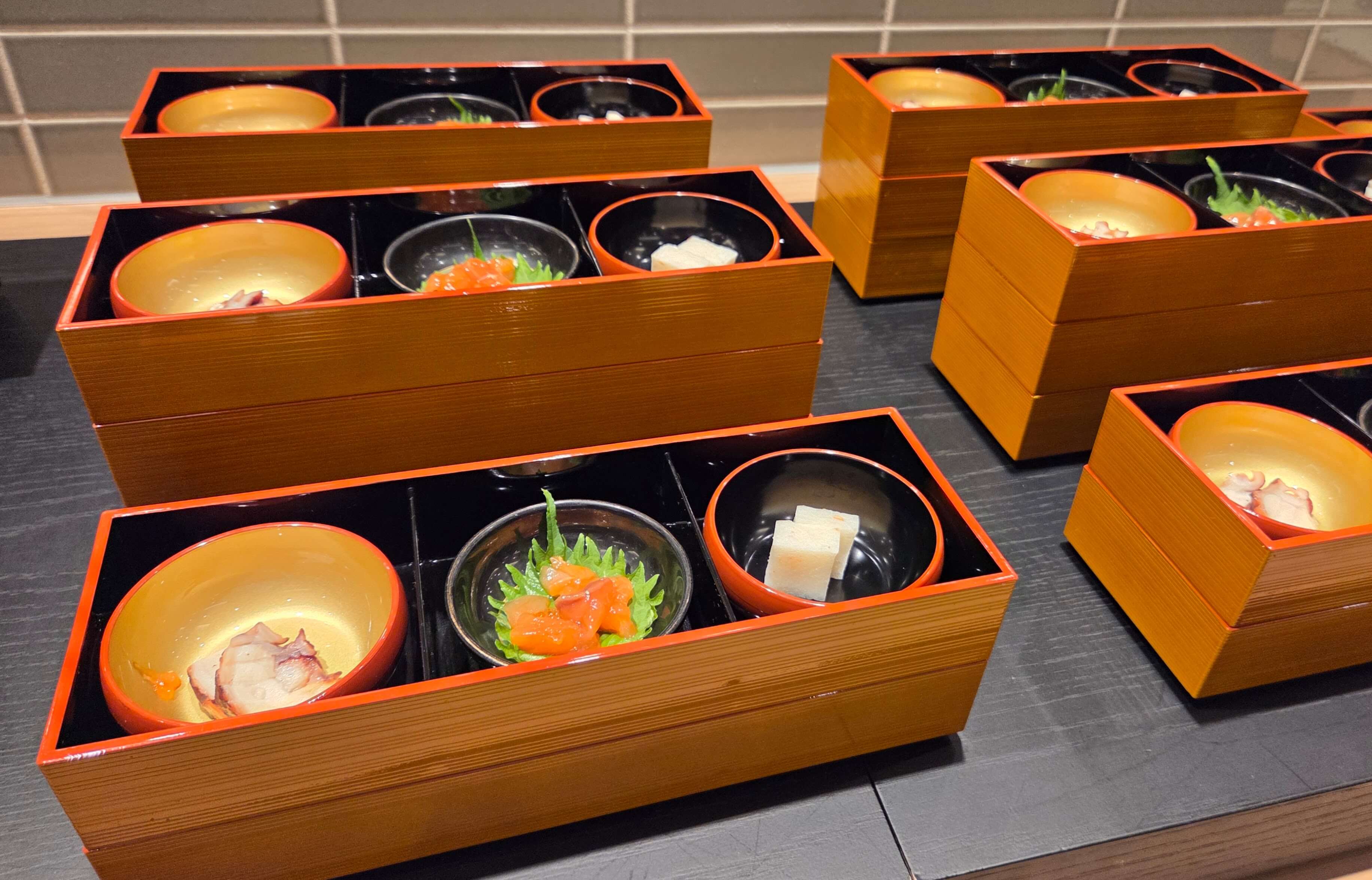
We had seafood buffet tonight with crab legs. However, the dessert selection wasn’t as good as yesterday’s hotel.
Day 9: Animal Viewing Day
There were several groups of elementary school students on their graduation trip staying at the same hotel. The breakfast room atmosphere was very energetic. Japanese students were all very well behaved. They didn’t cause any issues.
After breakfast, we departed from the hotel around 8am. The guide informed the hotel staff that most group members were from the United States. So, they waved US flags to send us off. It was very interesting.
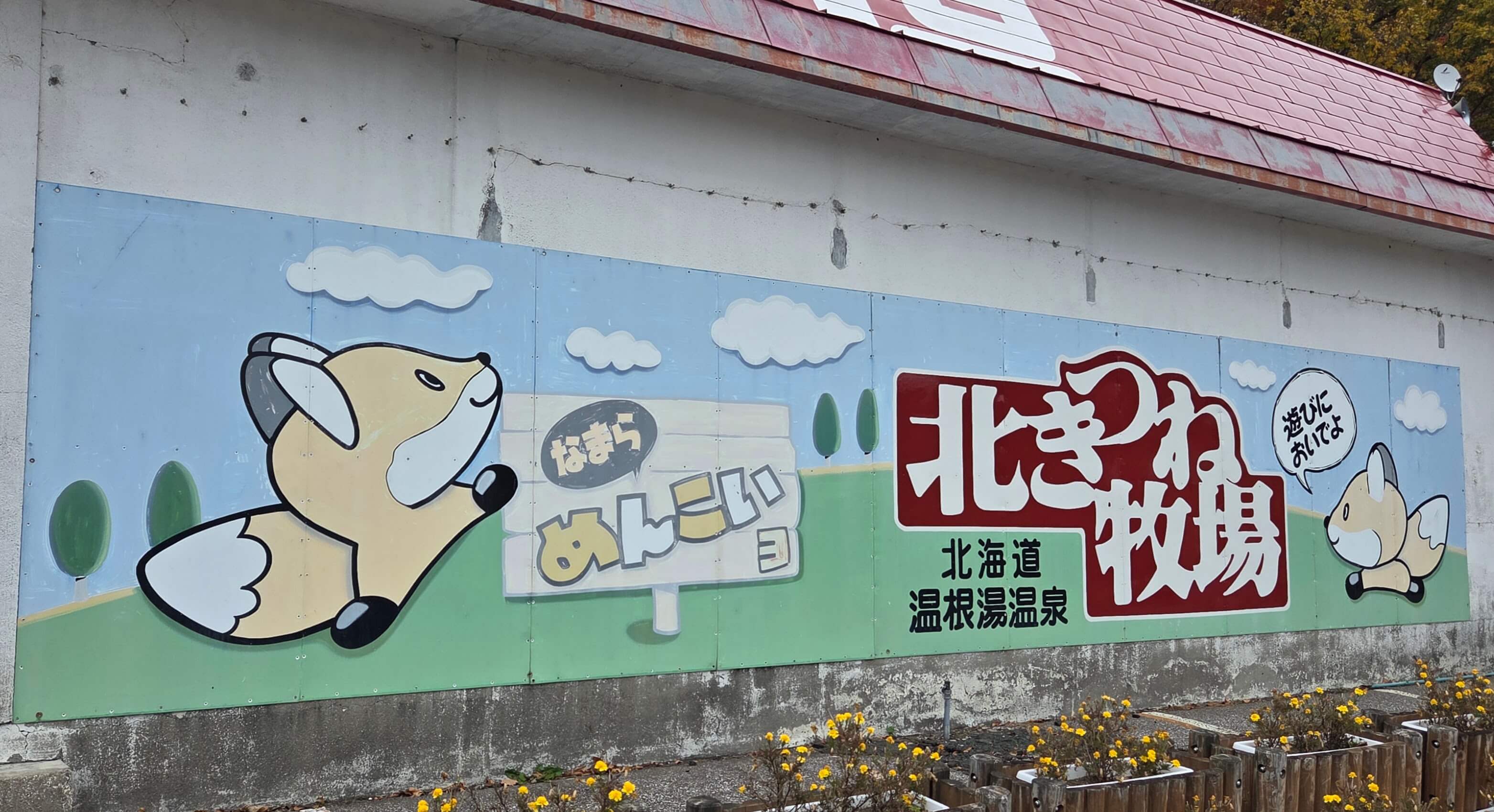
We were told by the guide that today would be our animal viewing day. We visited Kitami Fox Farm first. There were many “domesticated” Hokkaido foxes in a closure. During the visit, we walked on a designated path, and the foxes moved freely around us. Many foxes were napping.
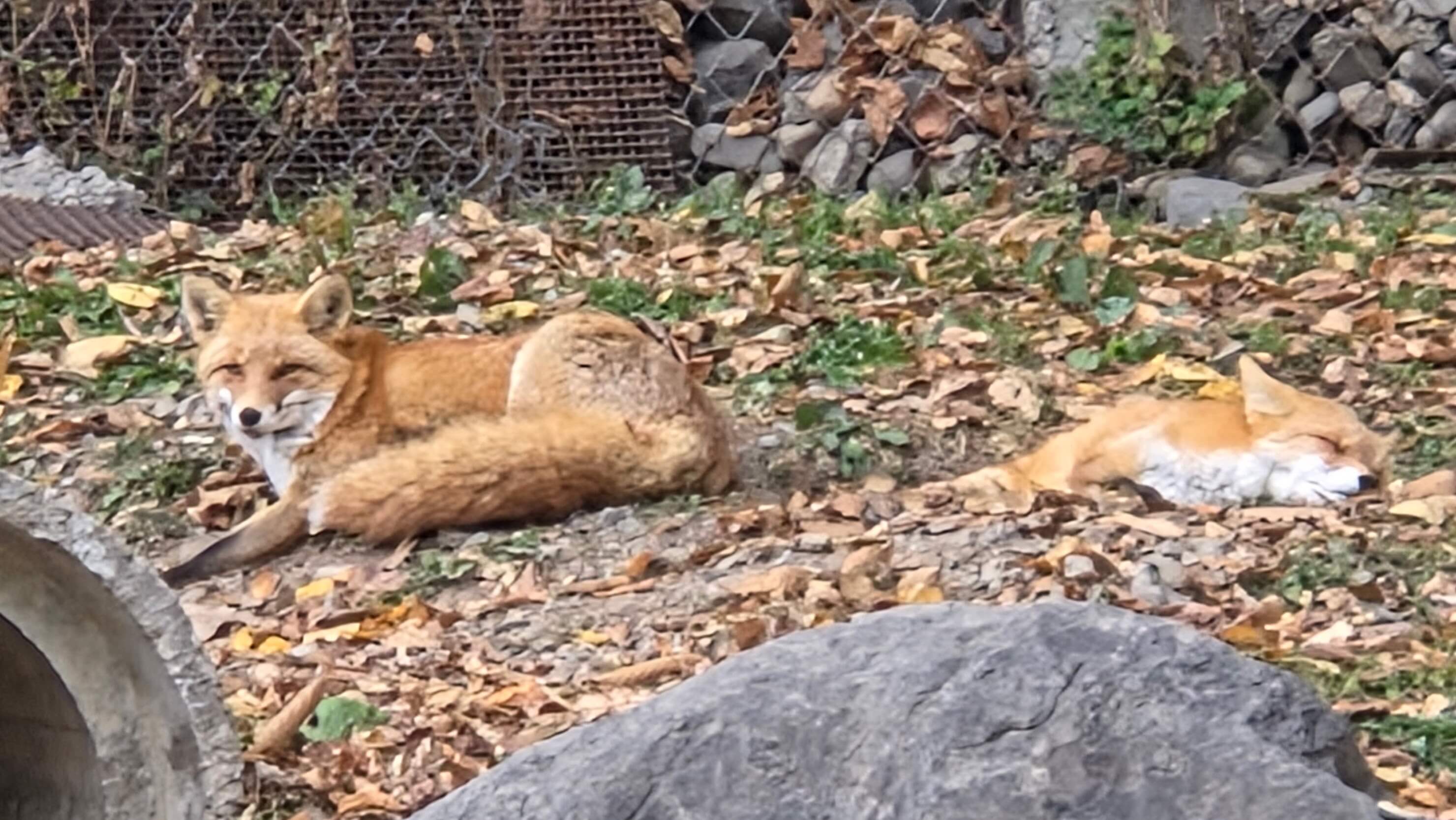
We saw a “wild” Hokkaido fox near Sulfur Mountain a couple days ago, so this was not our first sighting. However, the foxes were very cute, so we still took many photos.
The sky was gloomy today, and a light rain started. The bus driver suggested that we should adjust today’s itinerary and go to see Sounkyo waterfalls first.
There were two falls closing to each other. The larger one was a “male” waterfall called Milky Way Falls, and the slender one was a “female” waterfall named Shooting Star Falls. Many Japanese place names were quite poetic!
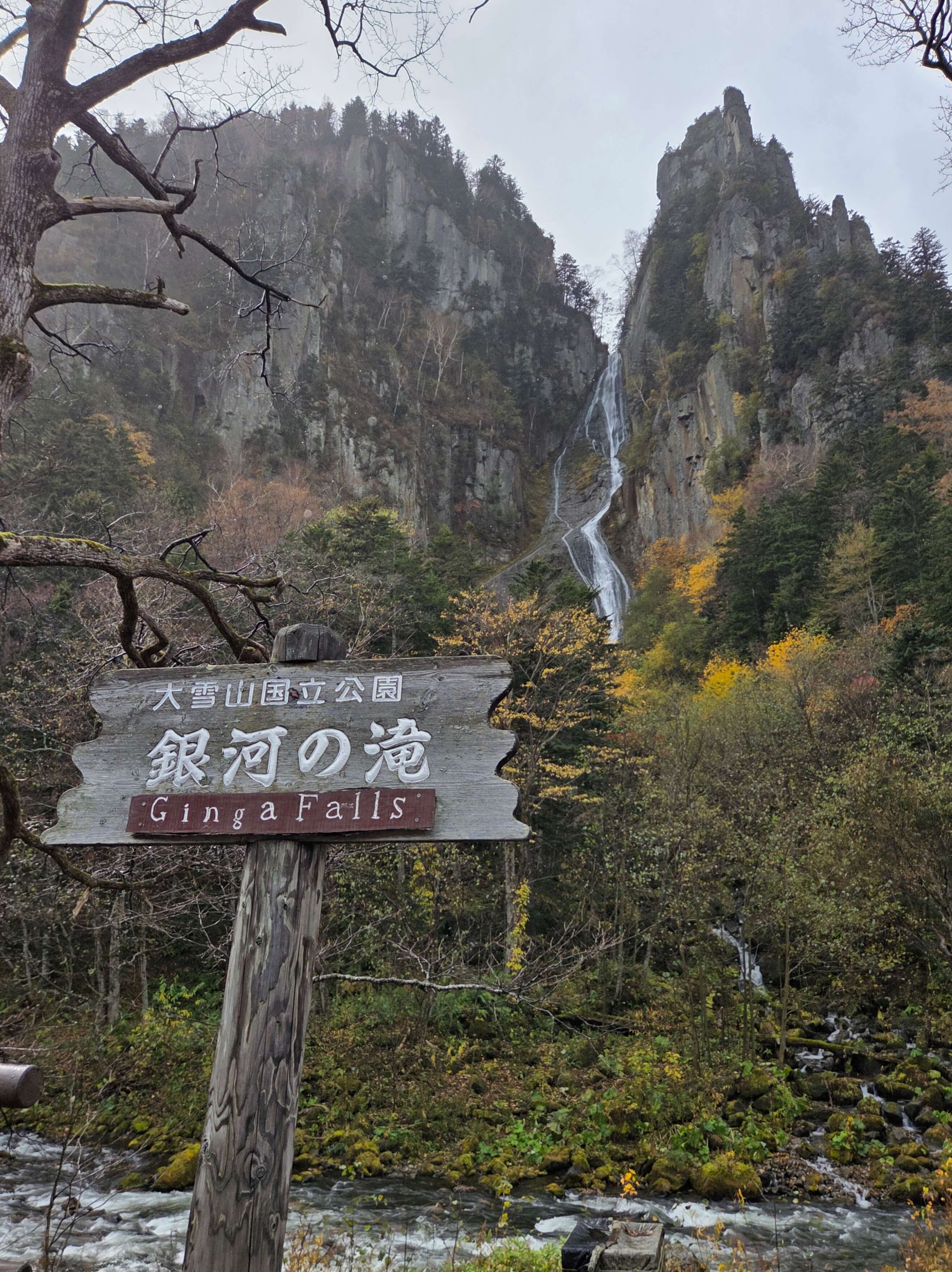
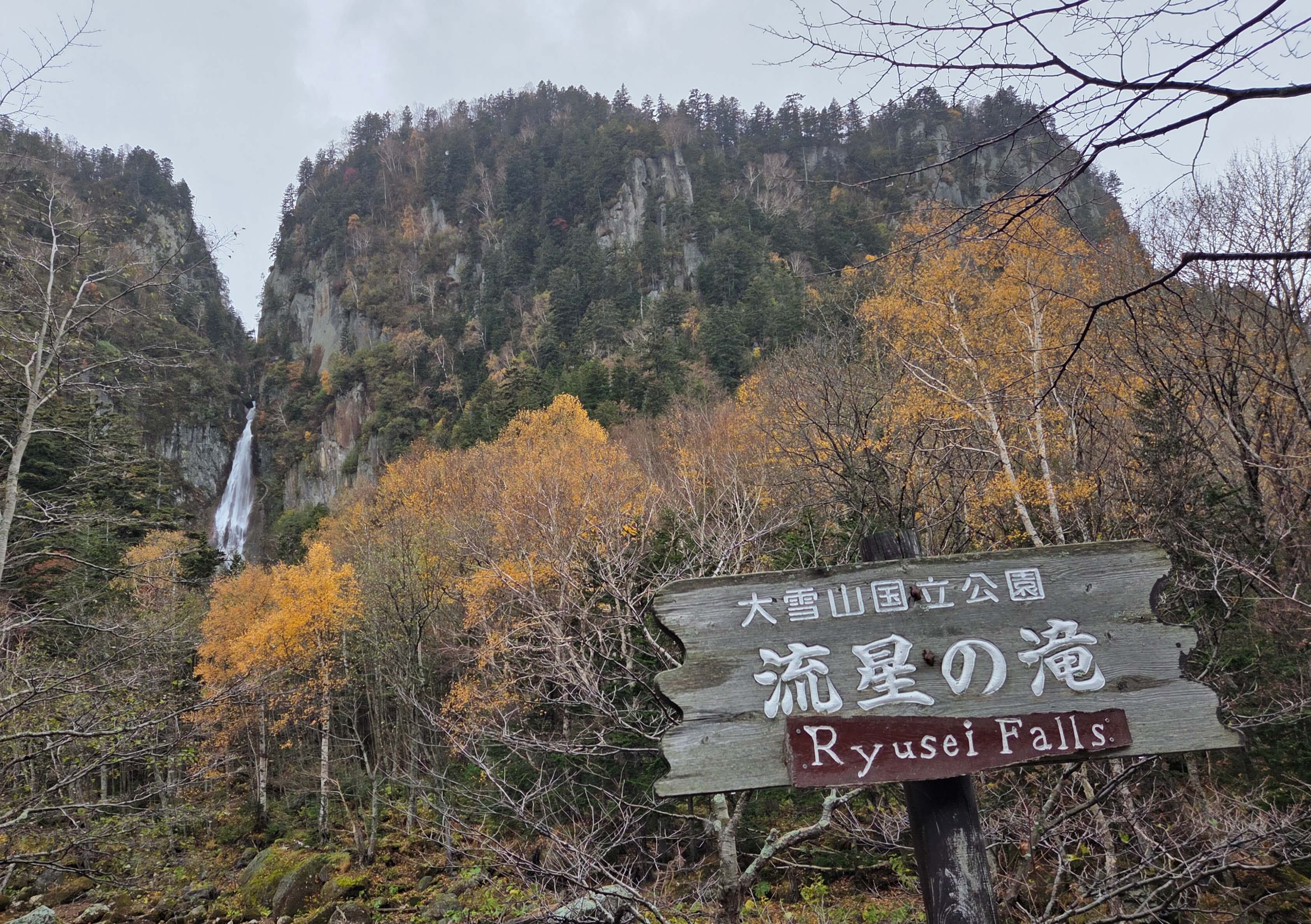
Though there was a light rain, we were fine just wearing a rain jacket. We all took many photos of the waterfalls. (The waterfall on the left side was actually bigger.)
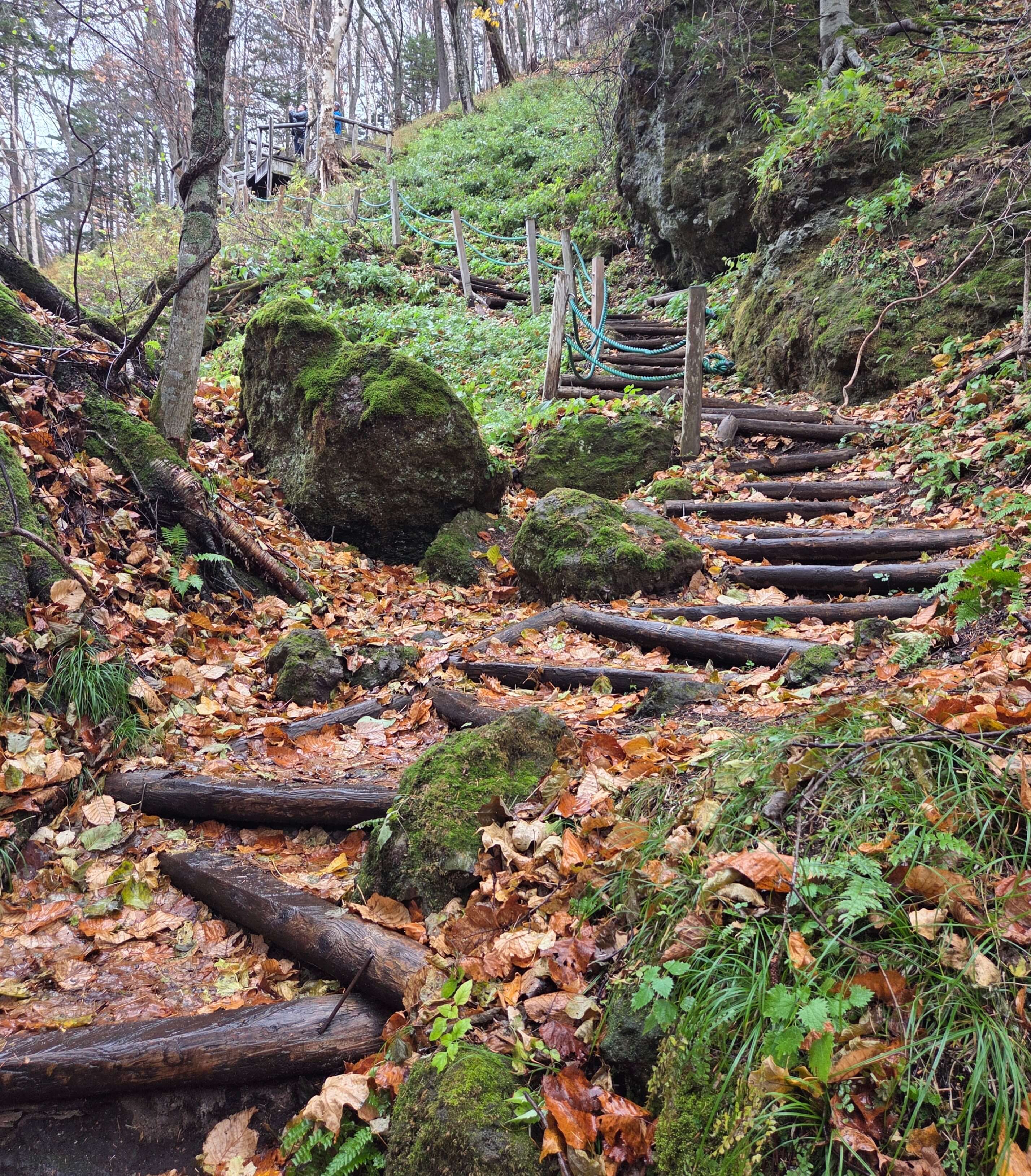
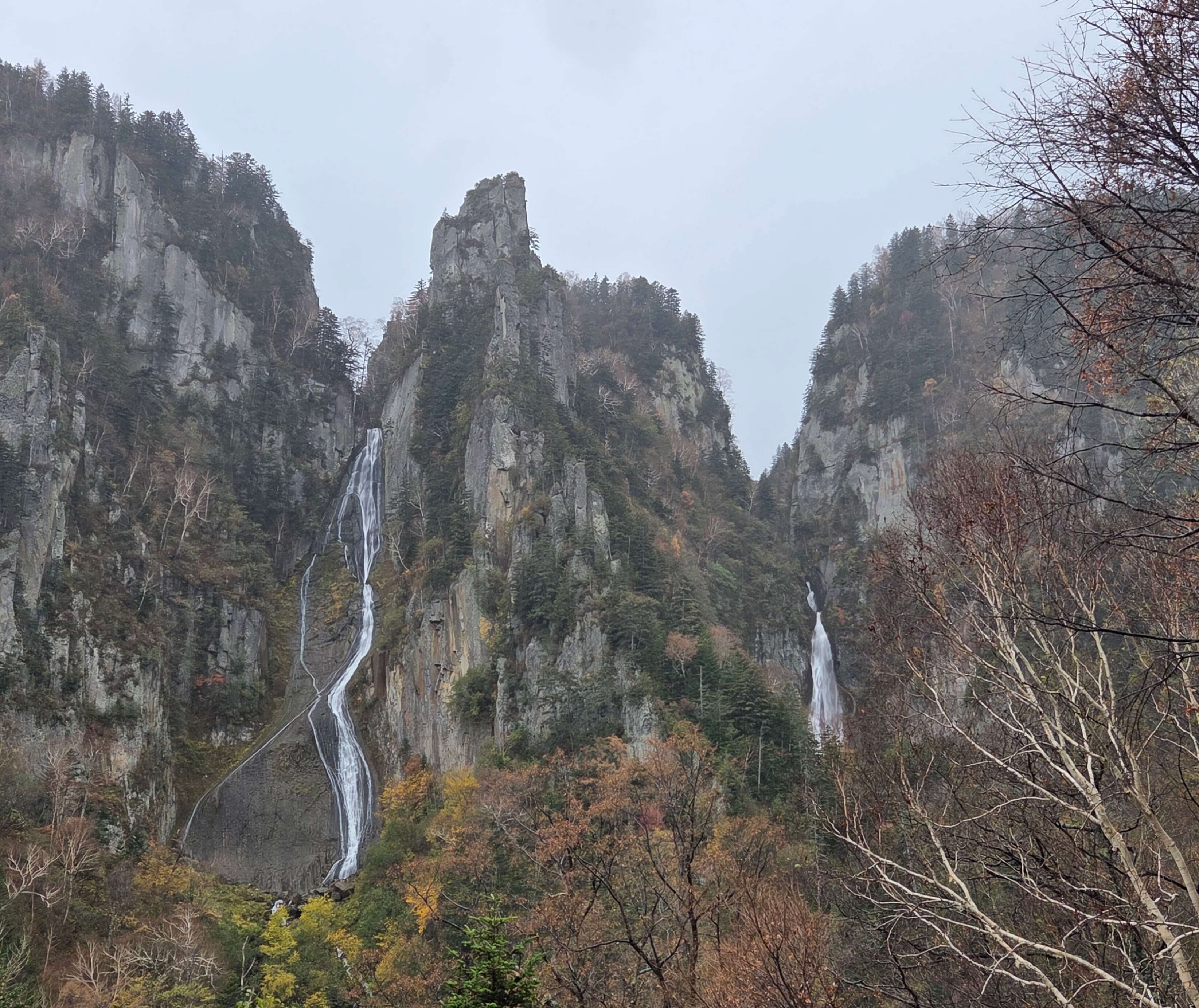
There was an information board showing a path leading up to a viewpoint, where both falls would be visible. Rei and I of course wanted to go. We climbed on a very steep and slippery trail to reach a platform, where we could see both waterfalls. A few people were already there taking photos. It’s possible to climb even higher, but we ran out of time. We walked down very carefully in order not to fall. The entire trip took about 15 minutes.
We had a lunch buffet. Though there were many selections, the food was only so-so.
After lunch, we returned to the bus for an one-hour drive to Asahigawa Zoo, a zoo famous for the penguin parade in the winter. We were given 1.5 hrs to explore the zoo on our own.
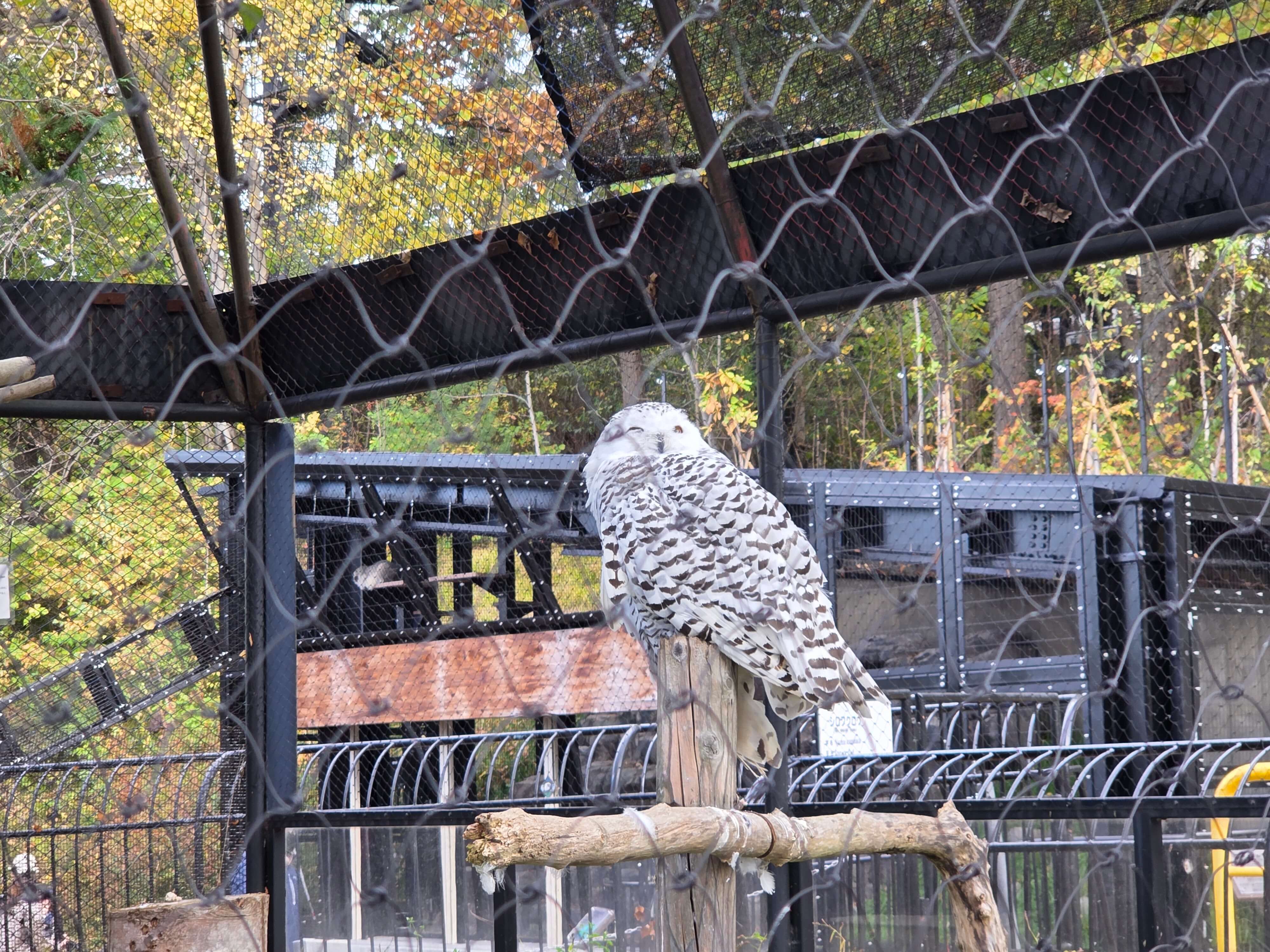
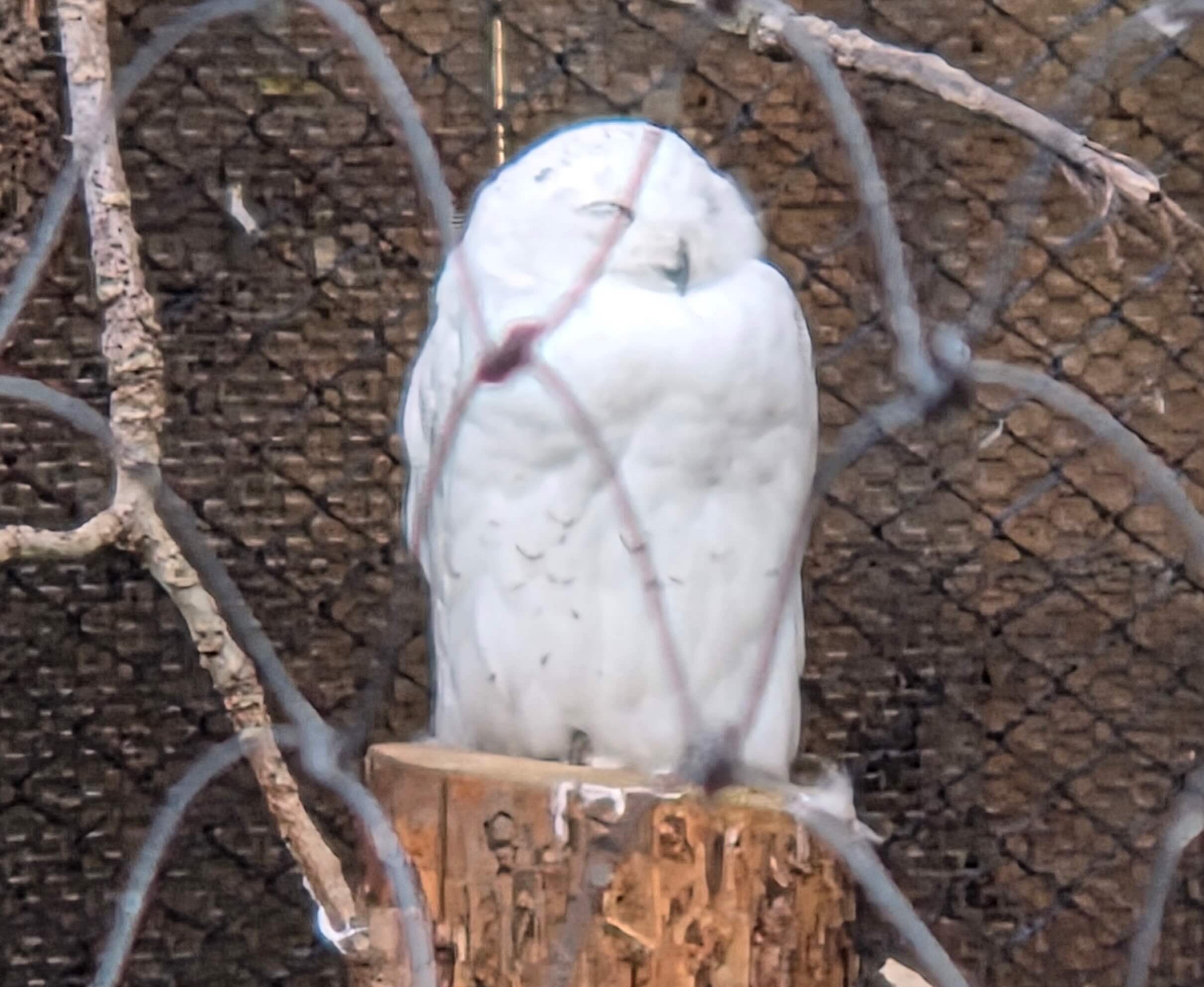
The zoo had many different kinds of monkeys, including Colobus monkeys we saw at the start of our Kilimanjaro hike. I especially liked the two Snowy Owls (of Harry Potter fame).
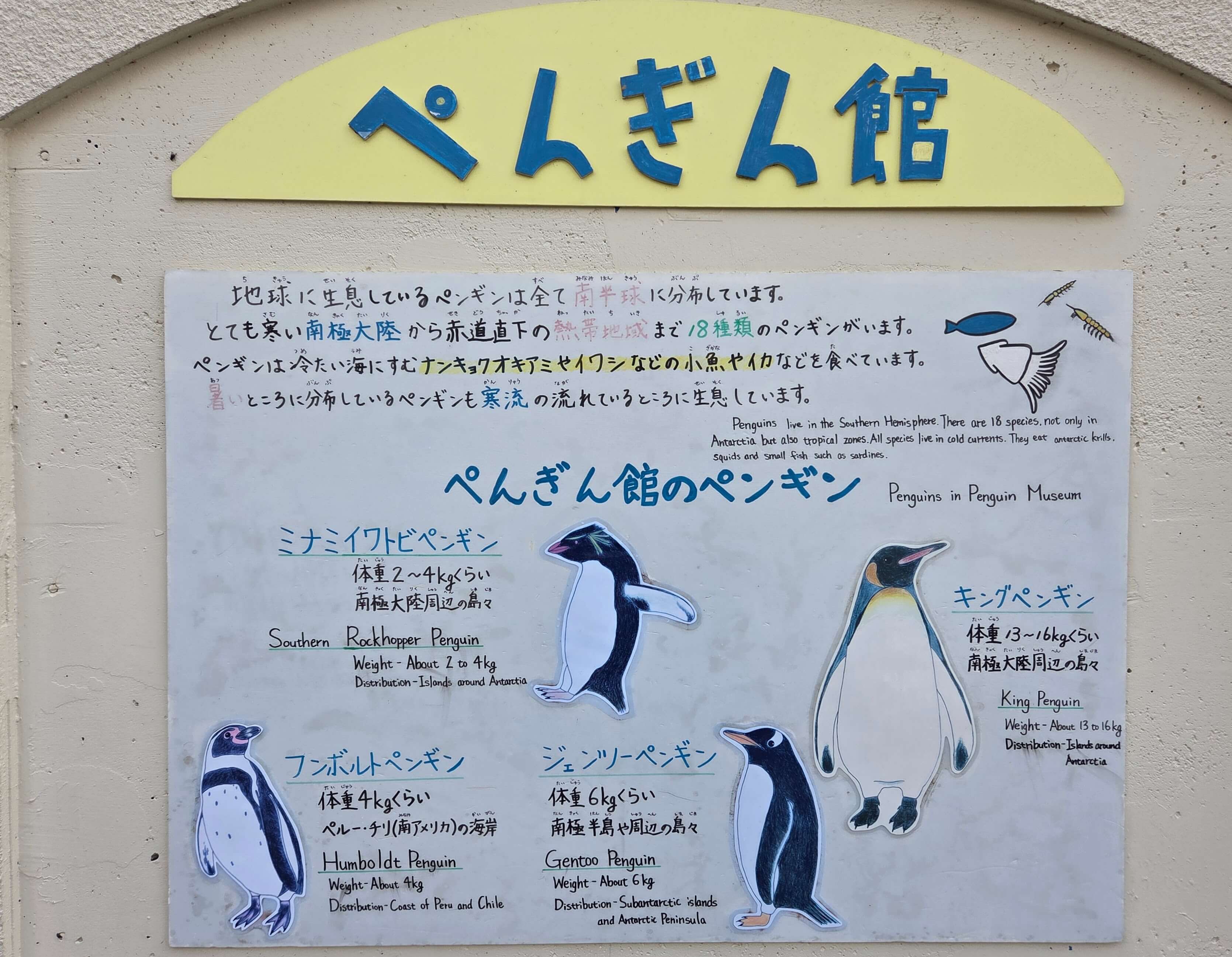
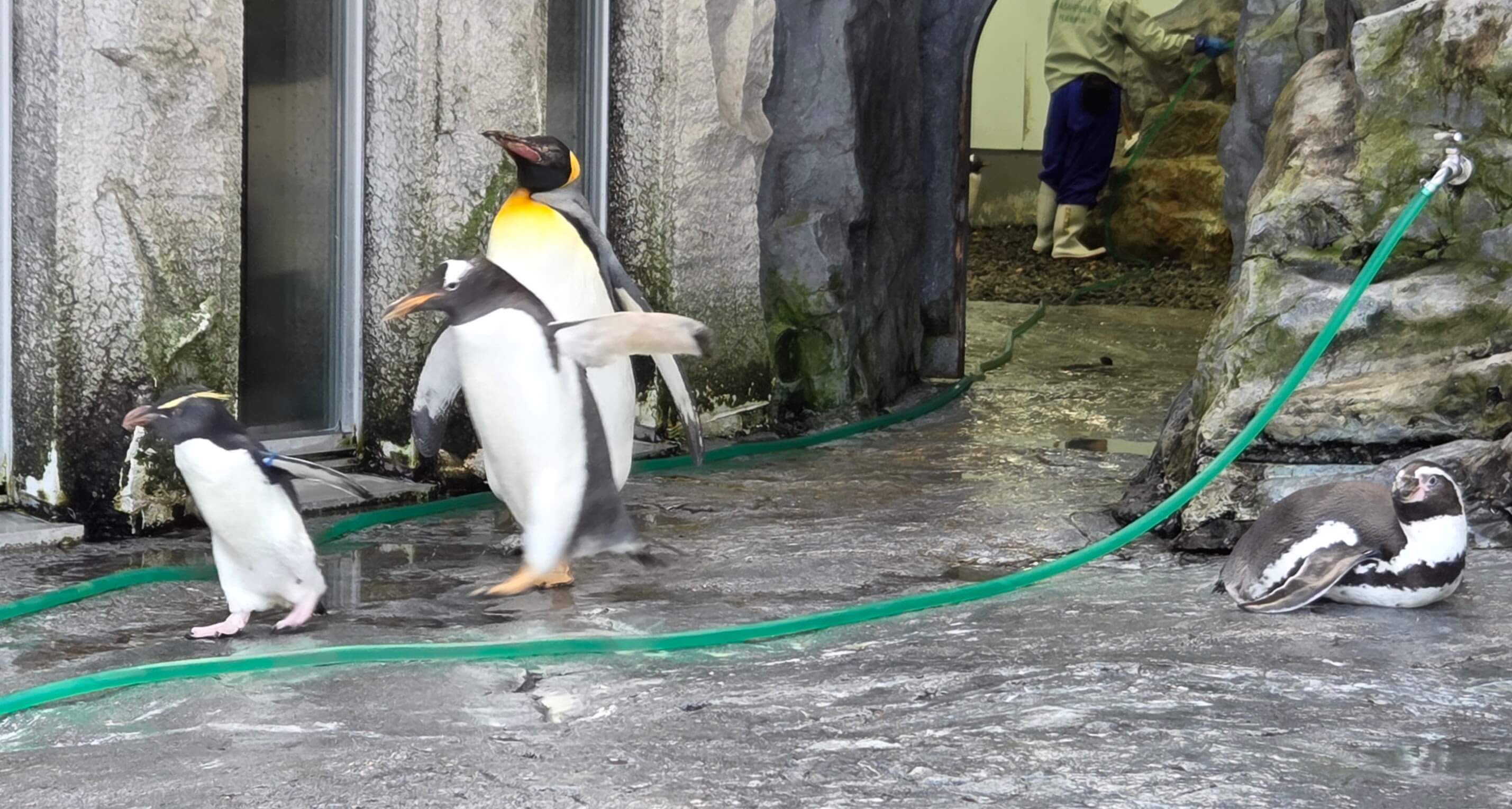
The snow hasn’t started yet, so there’s no penguin parade. However, there were still a lot of visitors there to see the penguins. There were 4 species of penguins: Rockhopper, King, Humboldt and Gentoo. I managed to get all 4 in a single photo!
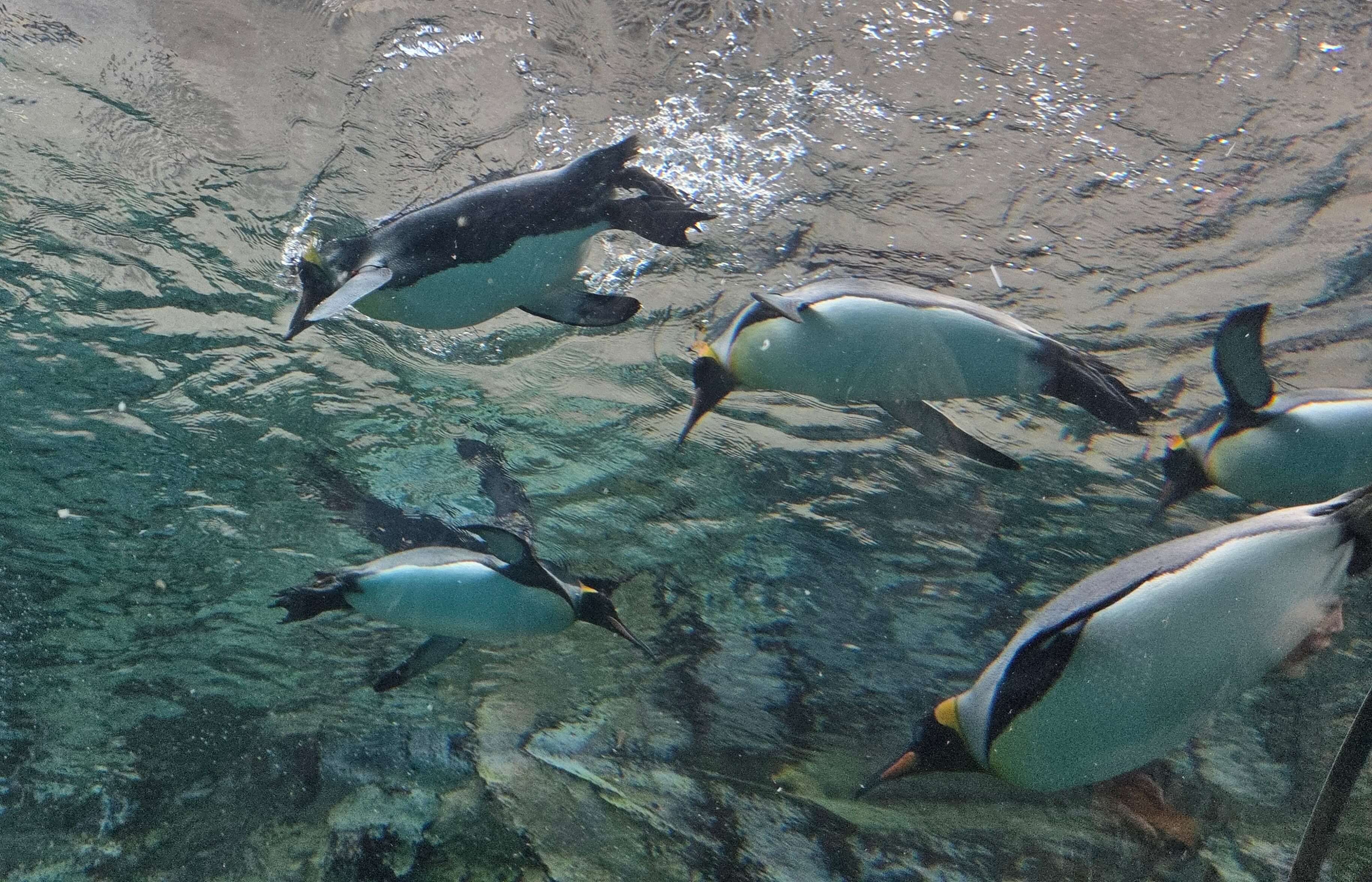
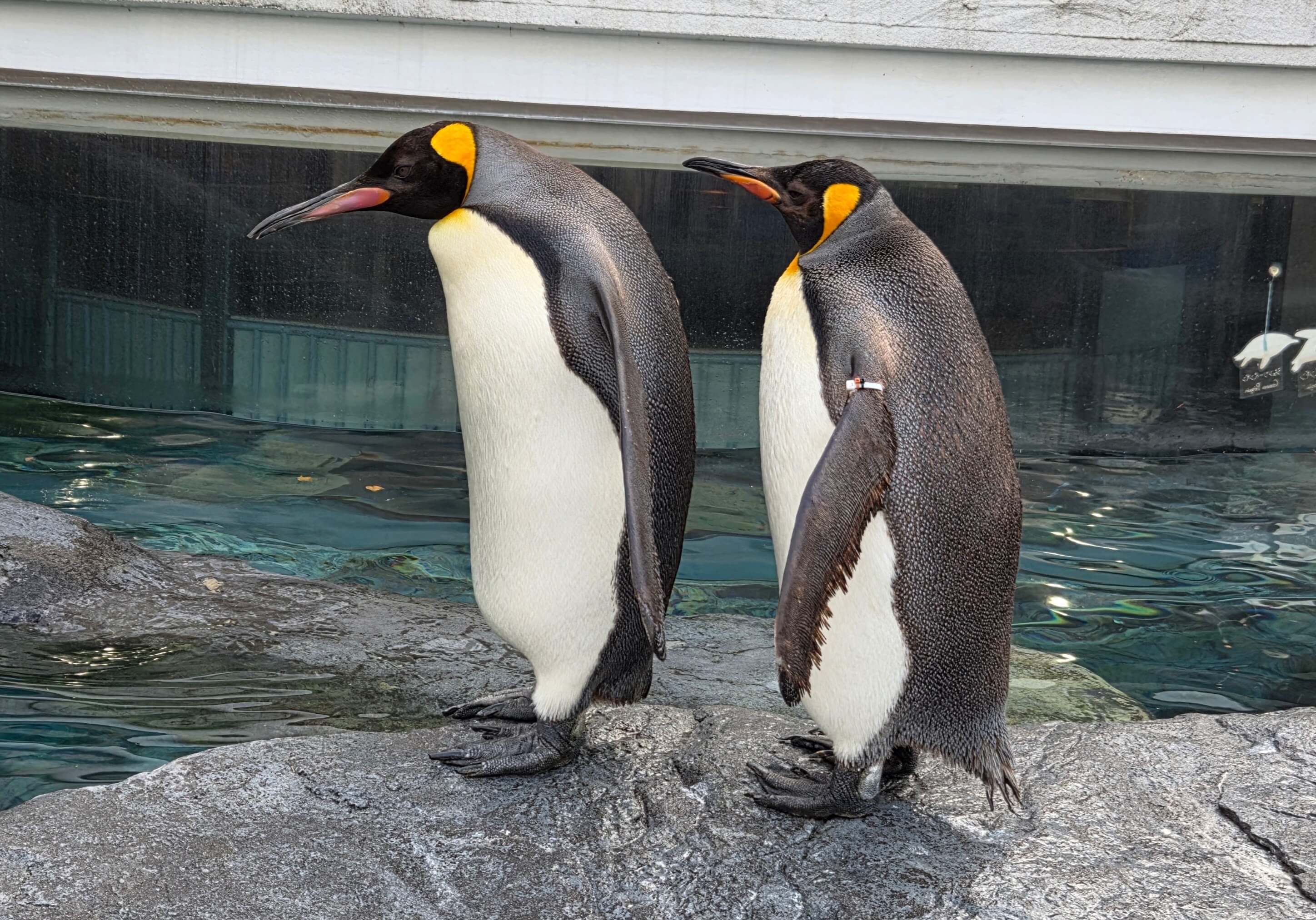
Visitors could also walk through a water tunnel to view penguins swimming in the water. We heard lots of oohs and ahhs.
Later, we returned to the bus to start another long drive to tonight’s hotel. The timing was excellent, because a heavy rain soon started.
After we checked into the hotel, Rei found out that a Daisetsuzan National Park visitor center was only 10 minutes away. However, we only had about 12 minutes to arrive there before the 5pm closing time. Since we were crazy, we decided to run to the visitor center. We managed to arrive a couple minutes before 5pm. Amazingly, we were not the only people there. Two other visitors were also there to get stamps. This was their first stamp, because they didn’t know about the stamps. This was our 4th stamp.
Tonight’s hotel was the last hotel with onsen on this trip, so we all decided to go. There’s a mixed outdoor bath for both genders, and covers were provided. It was very soothing, even though there’s still a light rain.
We had another dinner buffet tonight with similar food selections. The desserts were only okay.

