(6/19/2016 – 6/27/2016)
Sister (our daughter) went with Rei and me on a vacation to Portugal in June 2016. Cutie (our younger son) joined us in Lisbon for the last few days.
Day 1: Porto
After a long flight from the US, we arrived in Porto airport around noon. There’s a Metro (purple line) taking us to the Estadio do Dragao, where our hotel AC Hotel Porto was located. After checking in and leaving our luggage in the room, we took Metro to the city center to start today’s sightseeing.
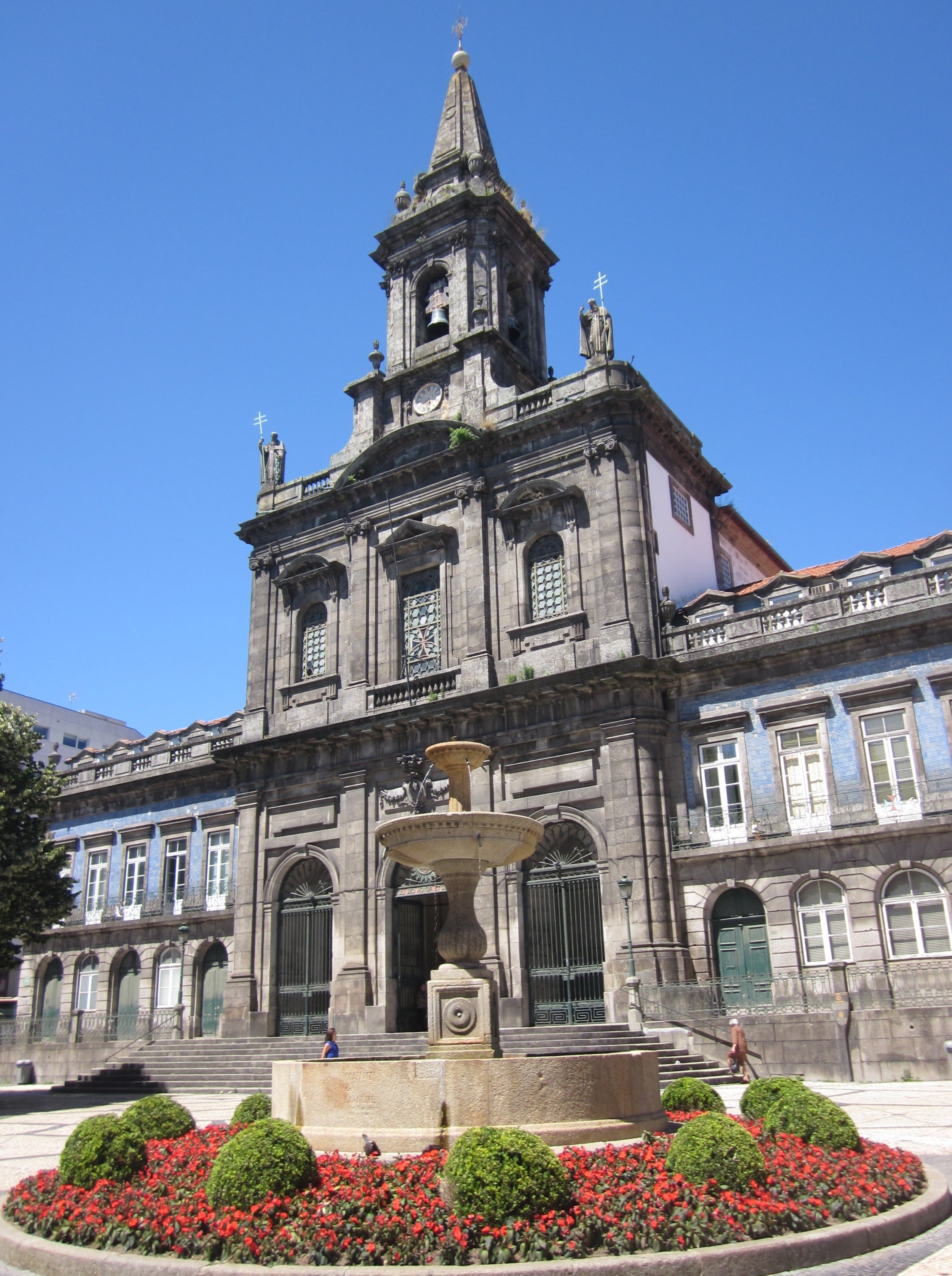
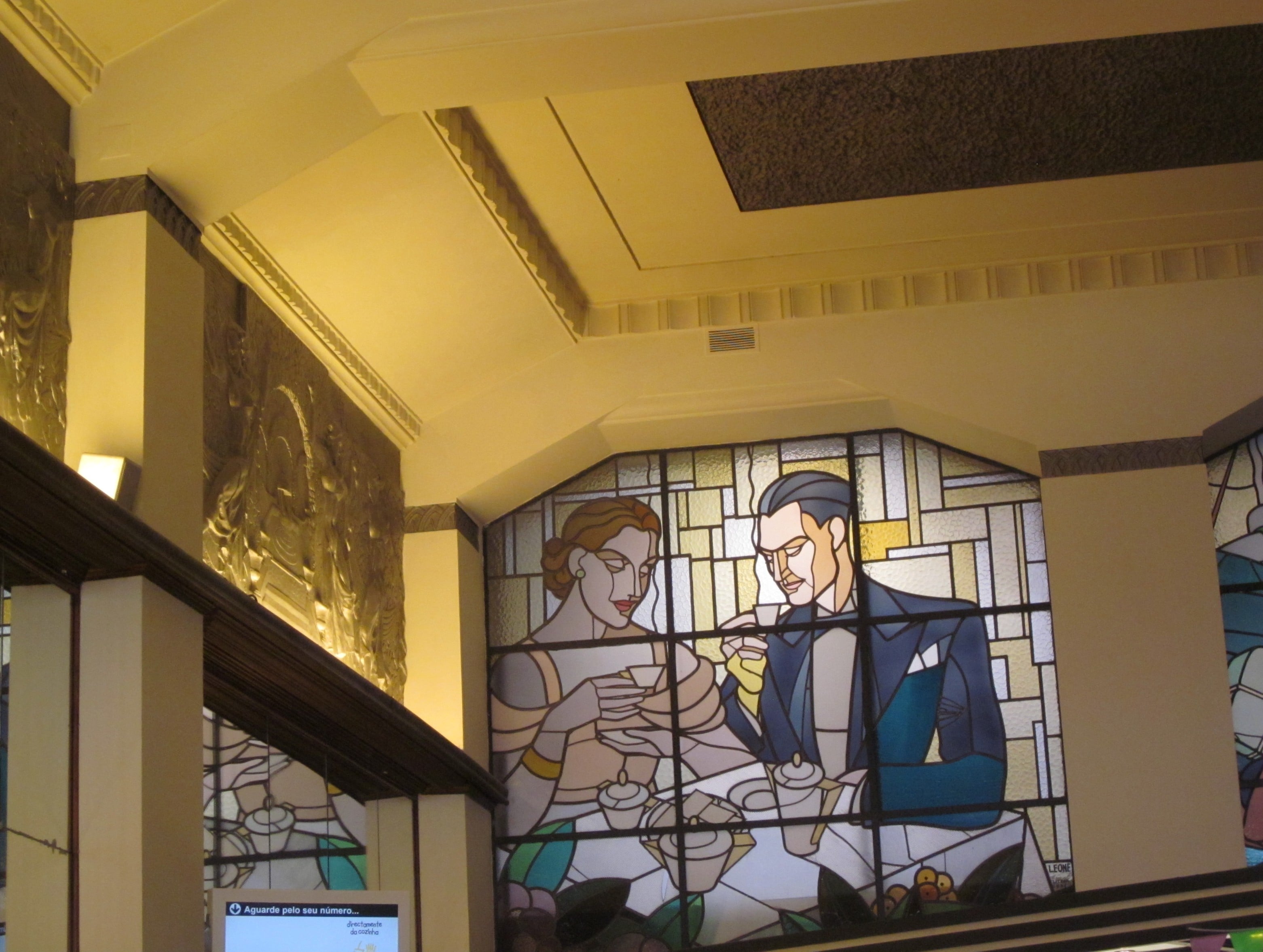
We walked past the impressive City Hall and then stopped by the ‘Imperial’ McDonald’s to have some coffee. This was probably the most splendid McDonald’s in the world. There’s an eagle crest and the word ‘IMPERIAL’ at the entrance, and the interior was full of colorful stained-glass decorations. We ordered some coffee and snacks, then simply sat there and thoroughly enjoyed ourselves!
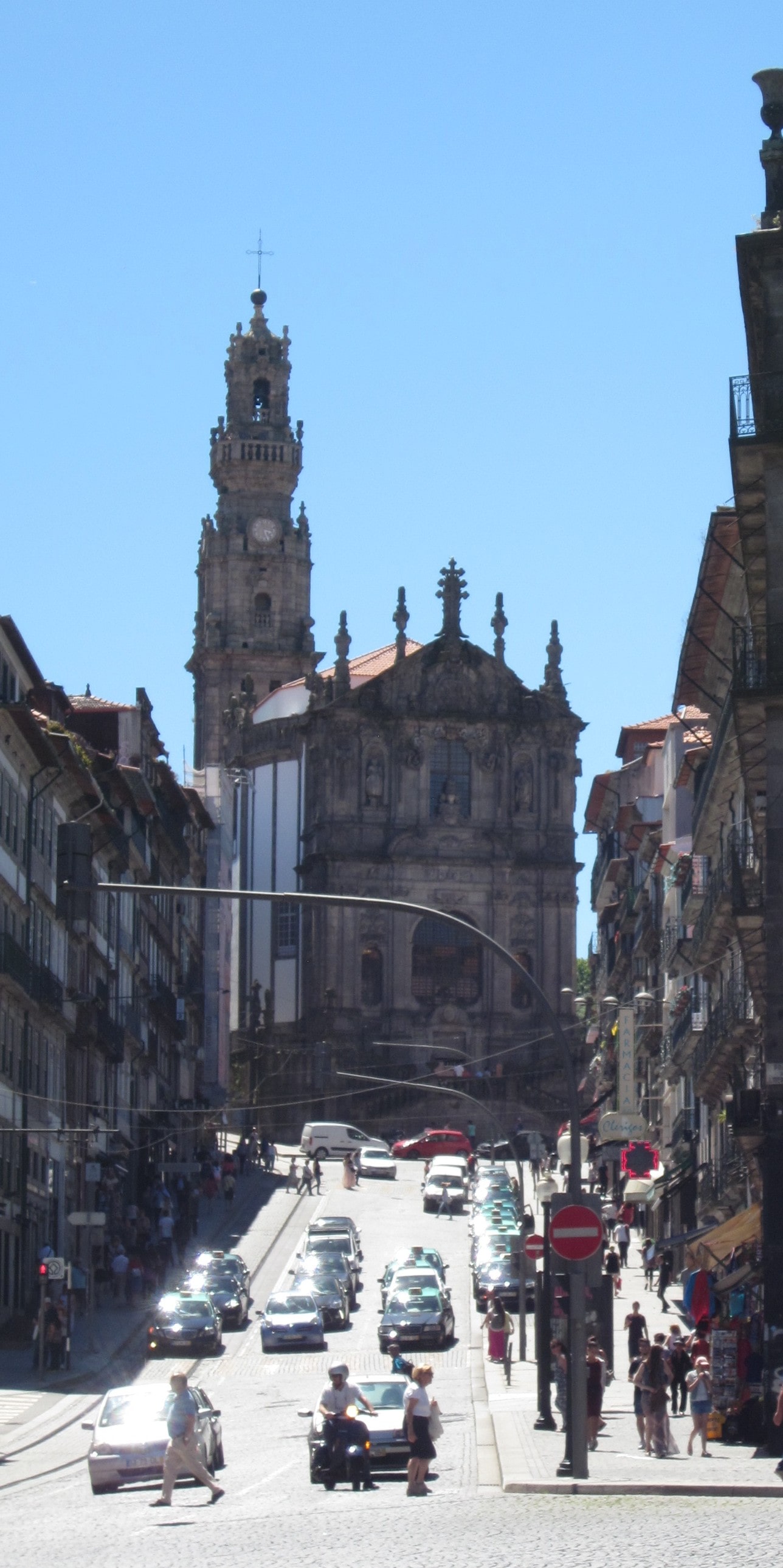
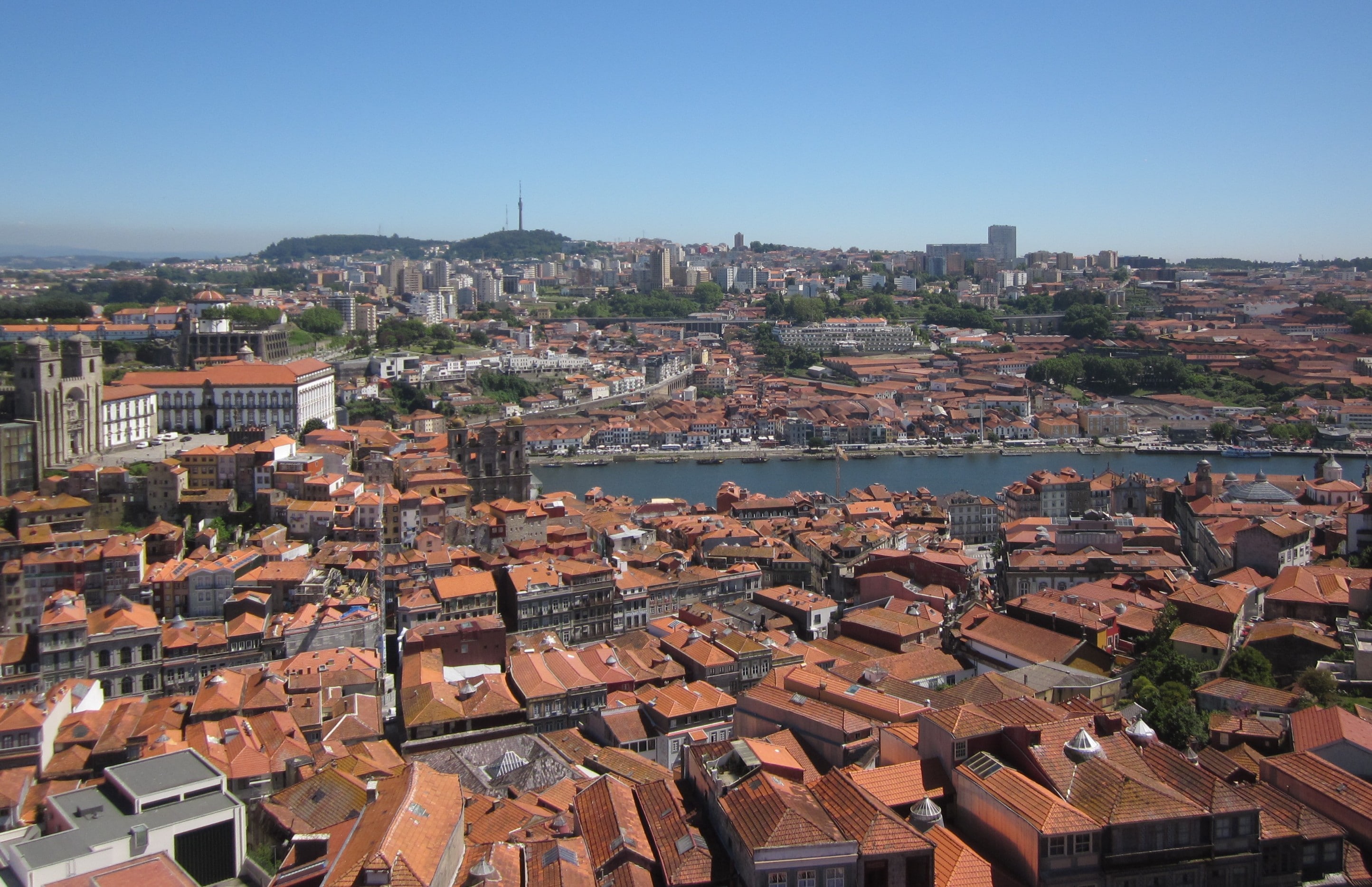
After the short coffee break, we continued to visit Baroque Clérigos Church and Tower. Even though the Baroque church itself was pretty impressive, the real attraction was the tower. From the top of the tower, one could see all the way to the Douro River and beyond.
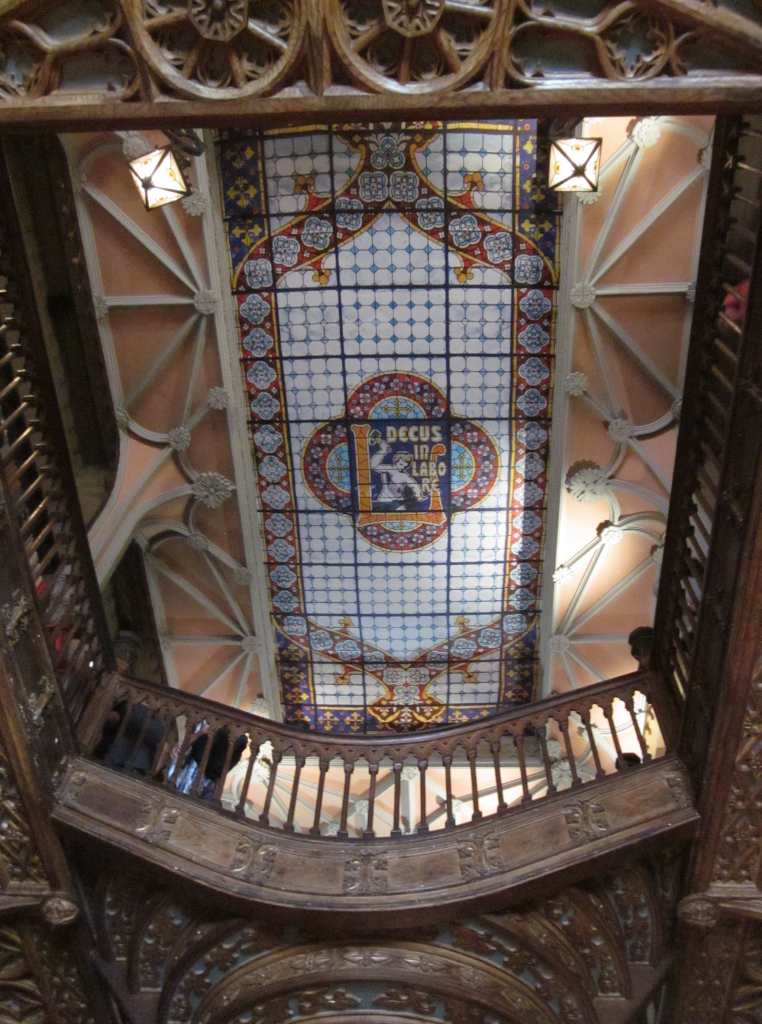
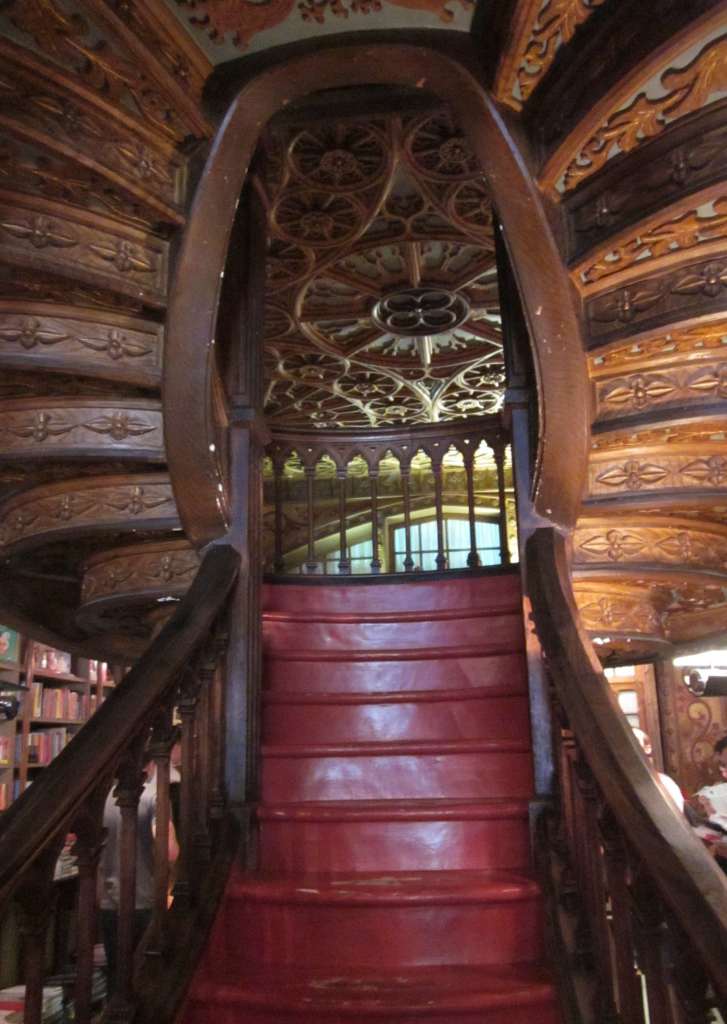
Livraria Lello & Irmão was nearby. It’s probably the only bookstore in the world that required an entrance ticket. Rumor had it that J.K. Rolling got inspired here. Therefore, it’s a must-see for Harry Potter fans.
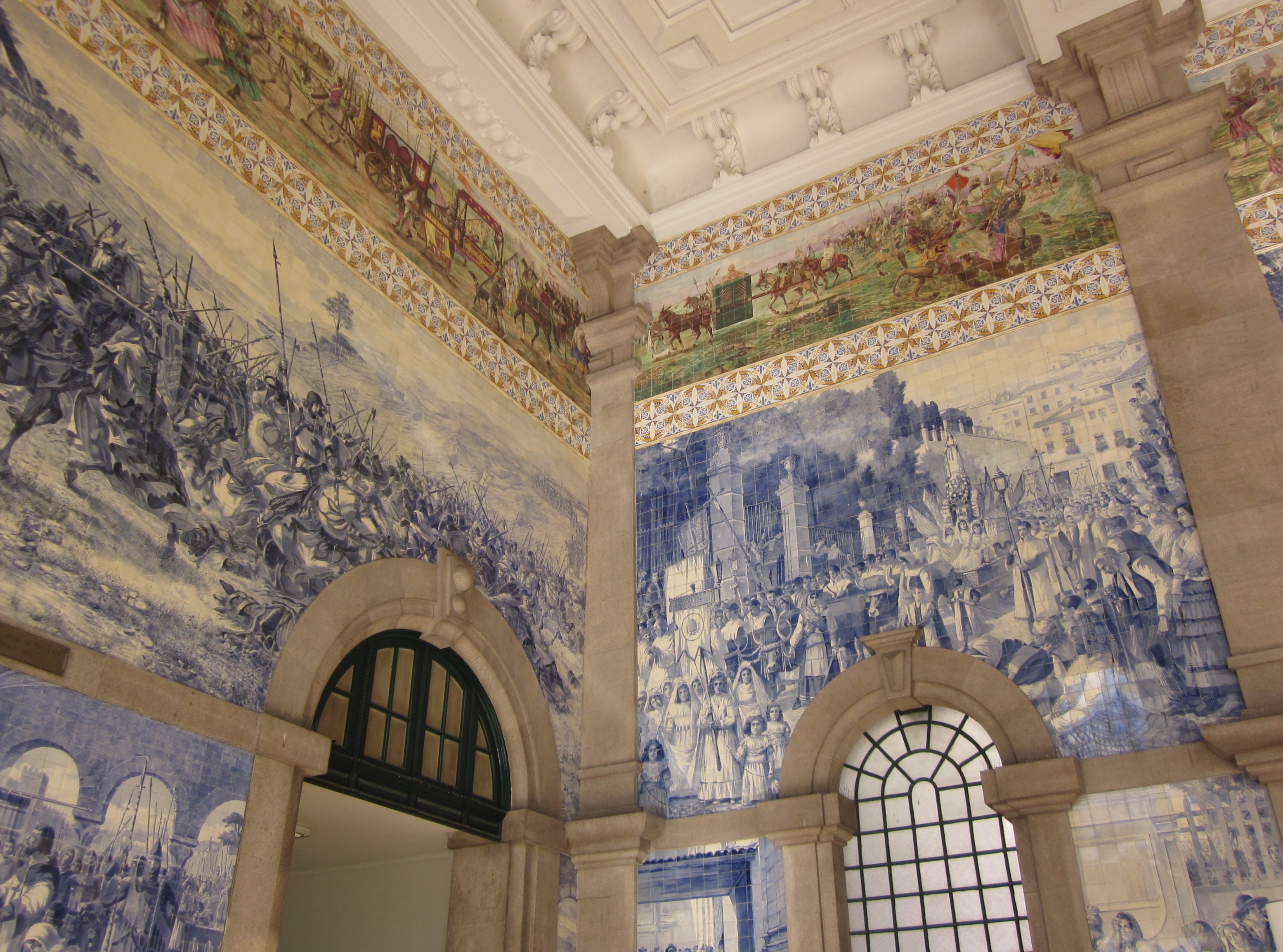
We then walked a couple of blocks to reach the famous Sao Bento Station with beautiful azulejos decorated interior. The tiles depicted some important events of the Portugal history. After leaving the station, we strolled by Battle Square to find a restaurant for dinner and to end this day’s sightseeing.
Day 2: Porto Ribeira
We had excellent weather today. After a delicious breakfast at the AC Hotel, we took another Metro ride and walked to the Cathedral to start today’s sightseeing.
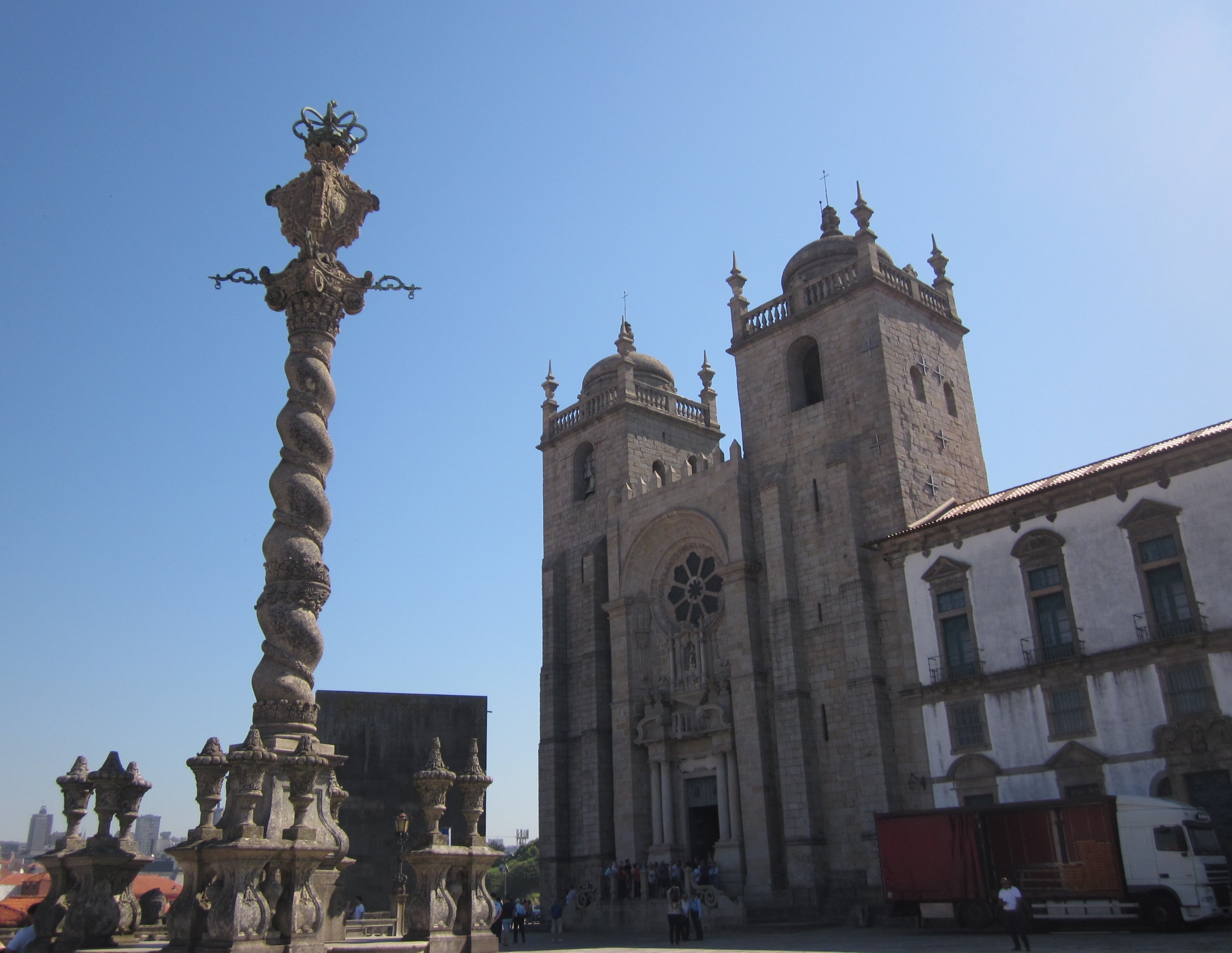
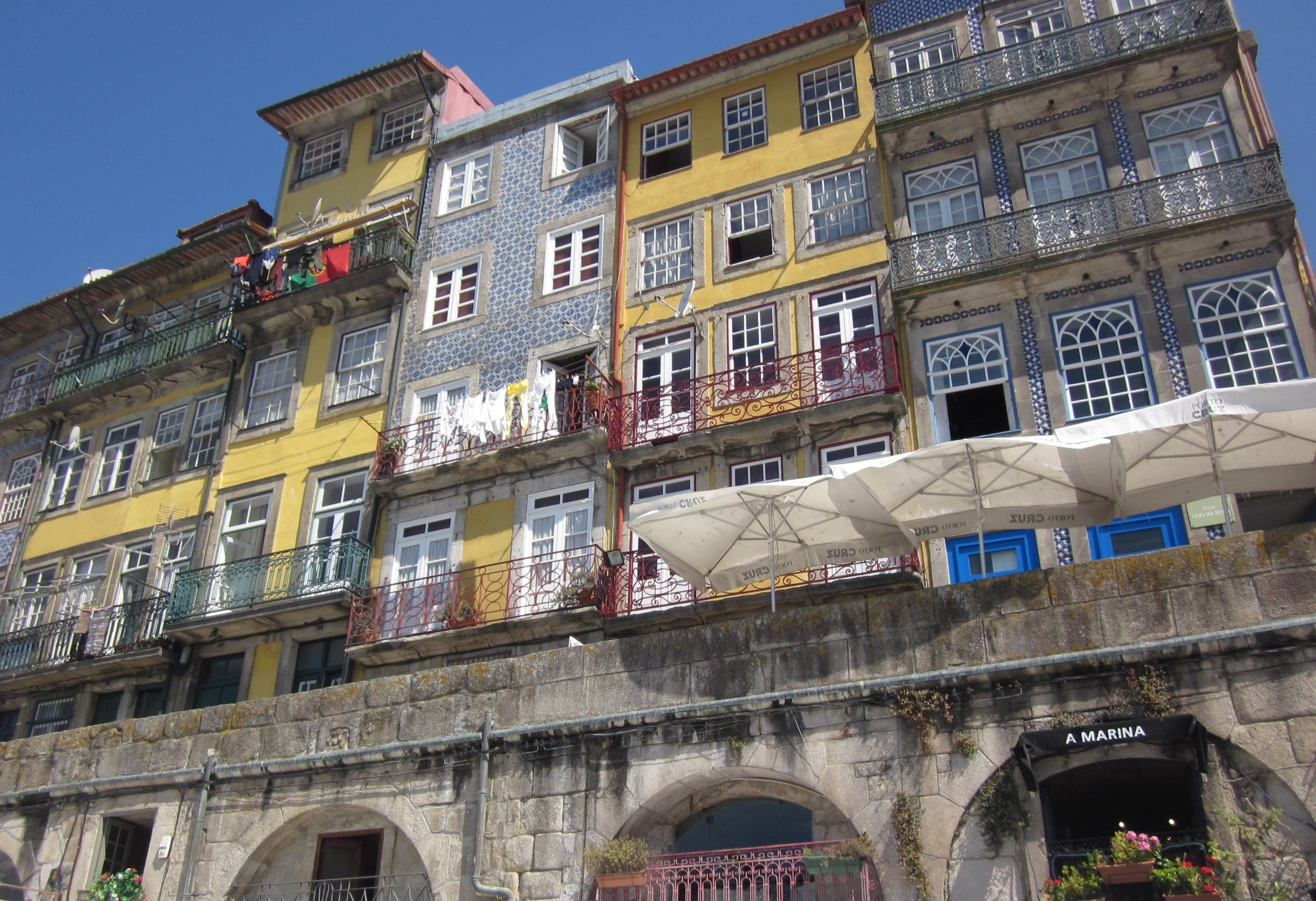
Today we would focus on the famous Ribeira region, which was a very colorful neighborhood right by the Douro River. All attractions we wished to see in Porto were all very close together. Porto Cathedral was also in the area.
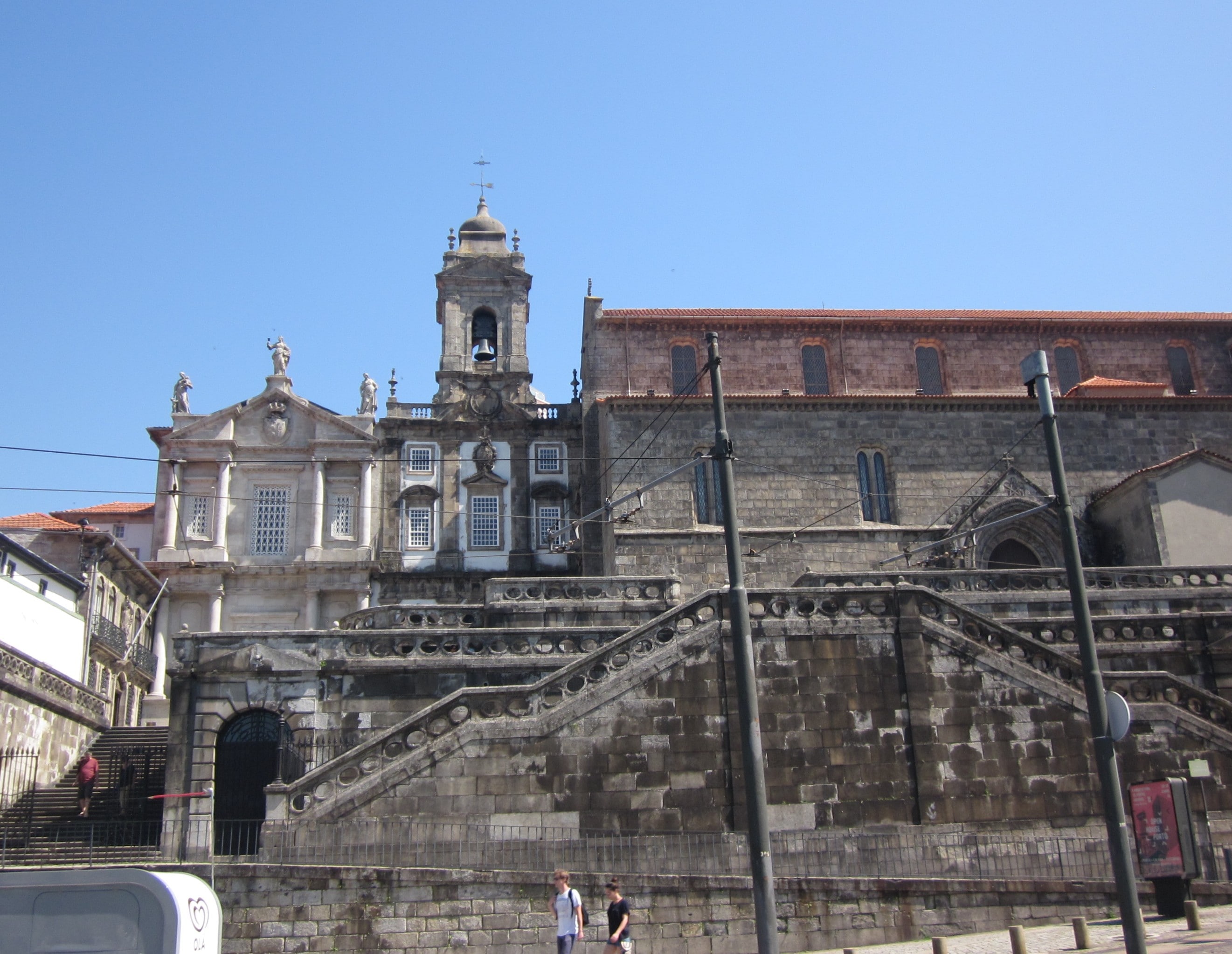
A short stroll through the Ribeira took us to the Sao Francisco Church. It didn’t take us long to see the church, including the crypt. After that, we walked to the nearby Stock Exchange Palace.
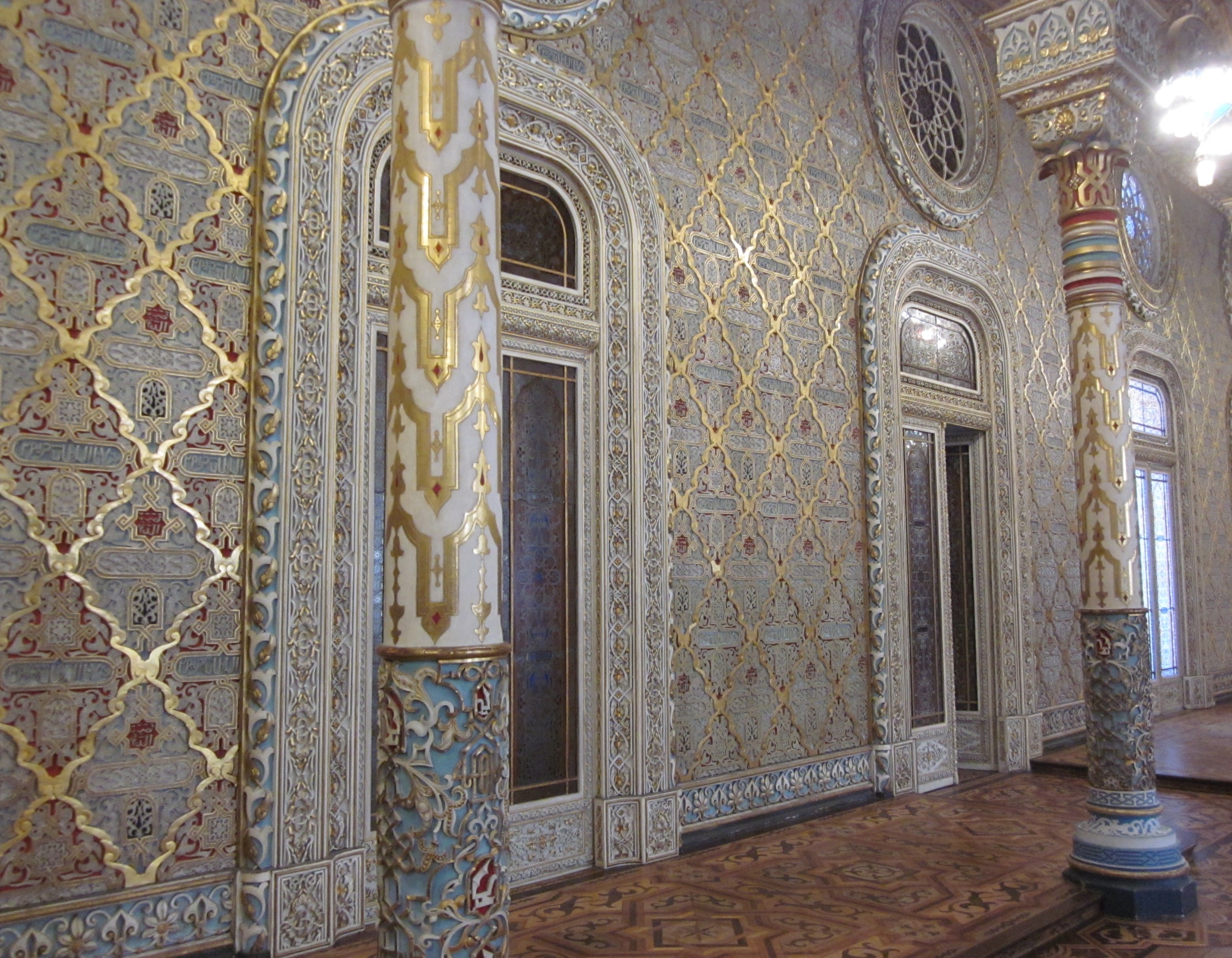
The Stock Exchange Palace, built by the city’s Commercial Association in the 19th century, was a famous Porto attraction. It could only be visited by joining guided tours. Fortunately, we didn’t have to wait long for an English guided tour. The tour visited several rooms inside the stock exchange, including the opulent Arabian Room.
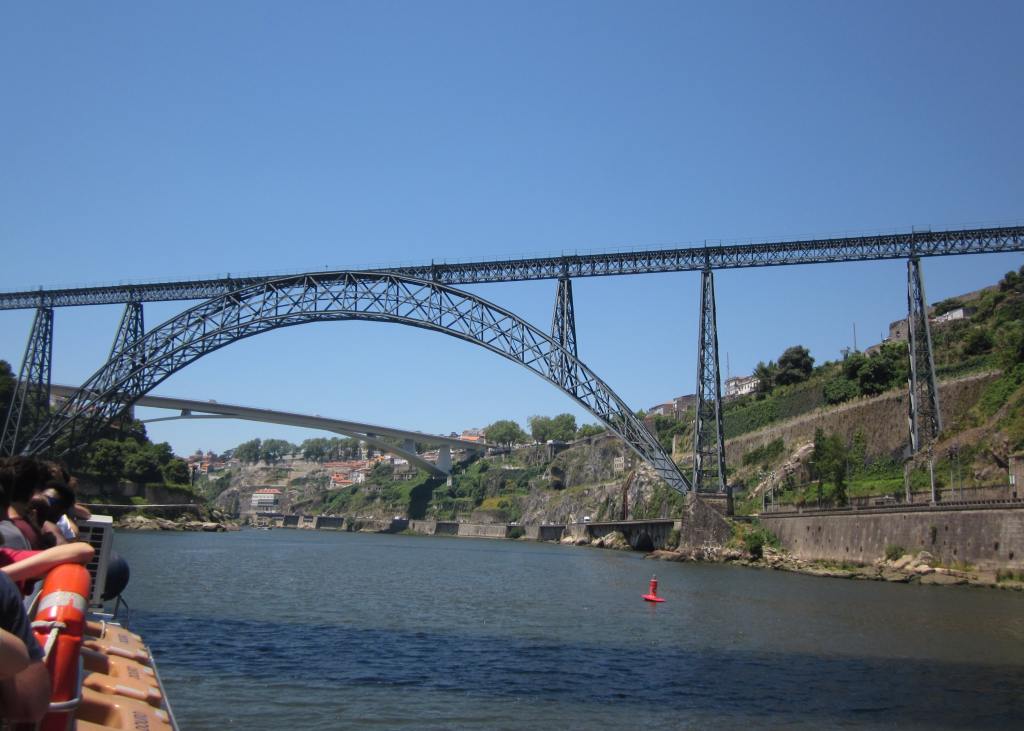
After an entire morning of walking, we were ready to take a relaxing Six-Bridge River Cruise on the Douro River. The one-hour narrated cruise passed six bridges (including the famous Ponte de Dom Luis I) on the Douro and provided excellent view of the Ribeira neighborhood. There happened to be a big group of middle school students and their chaperones from Spain boarding the same cruise. They were a bunch of energetic and cheerful crowds that made our journey more exciting.
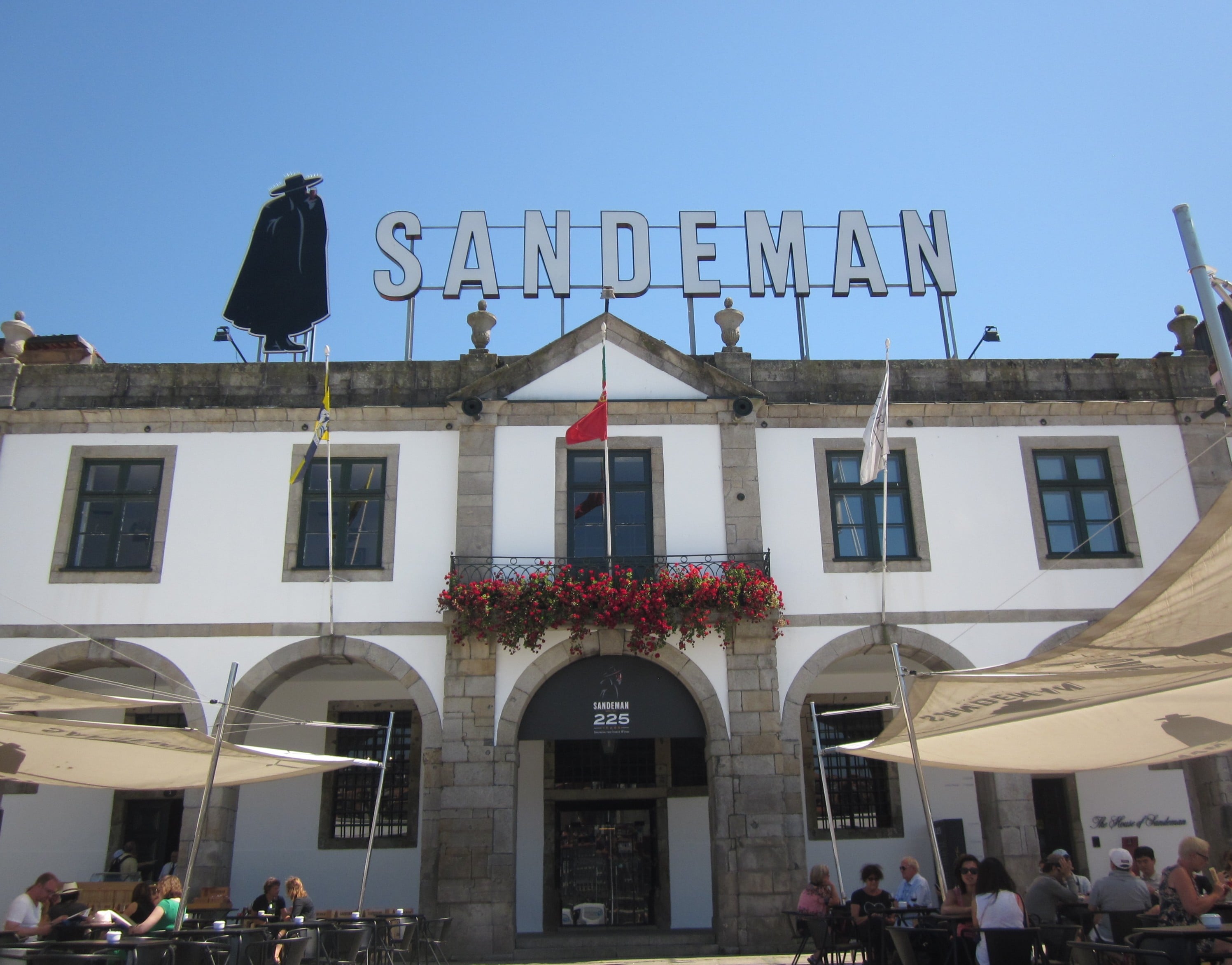
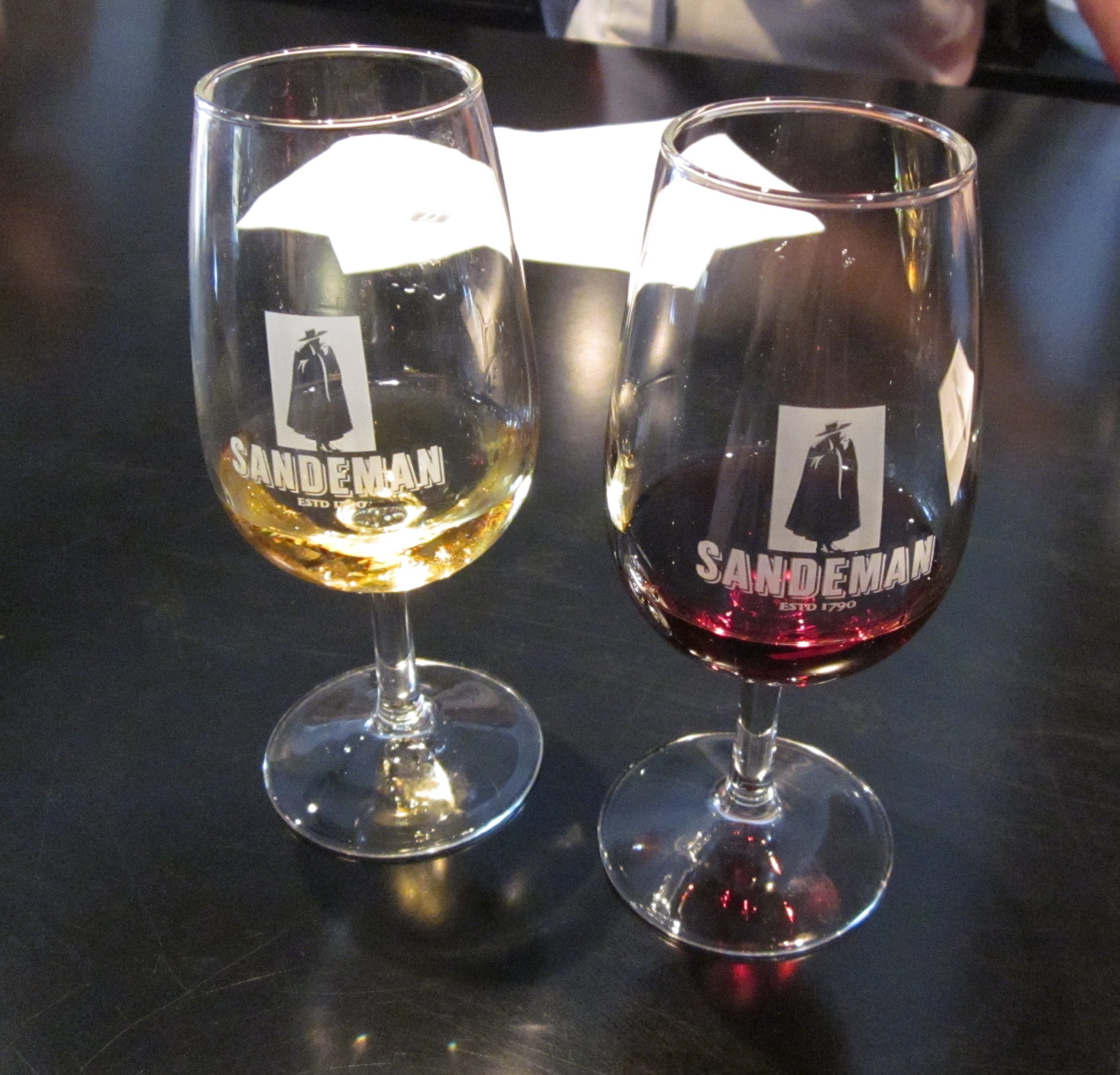
You cannot visit Porto without tasting its famous wine in at least one of the wine lodges. That’s indeed what we did after lunch. There were several wine lodges along the Douro River. We picked the Sandeman wine lodge just across the river from Ribeira. This was a popular lodge with many visitors. After some waiting, we had our tour of the wine lodge and tasted red wine and white wine at the end of the tour. I liked the red one better.
Day 3: Coimbra, Obidos
After breakfast, we picked up our rental car from Hertz and drove to the famous college town Coimbra. The prestigious University of Coimbra was one of the oldest universities in the world. Many prominent Portuguese writers and politicians graduated from this university.
There was a big, free parking lot just outside of Coimbra across the Mondego River. It was a short up-hill walk from the parking lot to the University of Coimbra. Visitors could stroll in the University Courtyard, where a statue of King John III was situated. However, in order to see the inside of buildings, fees were required. A combo ticket allowed entrance to the Grand Hall, St. Michael’s Chapel, and a timed entrance to the famed King John’s Library. Our time slot to the library was in the early afternoon. Therefore, we took time to visit the Grand Hall and St. Michael’s Chapel first.
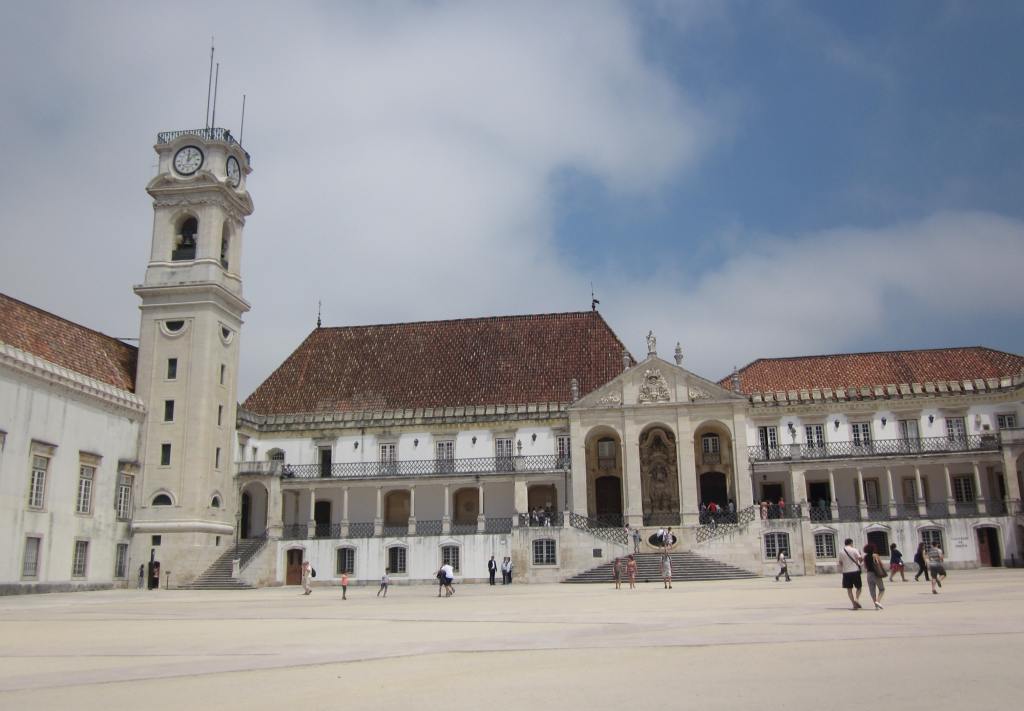
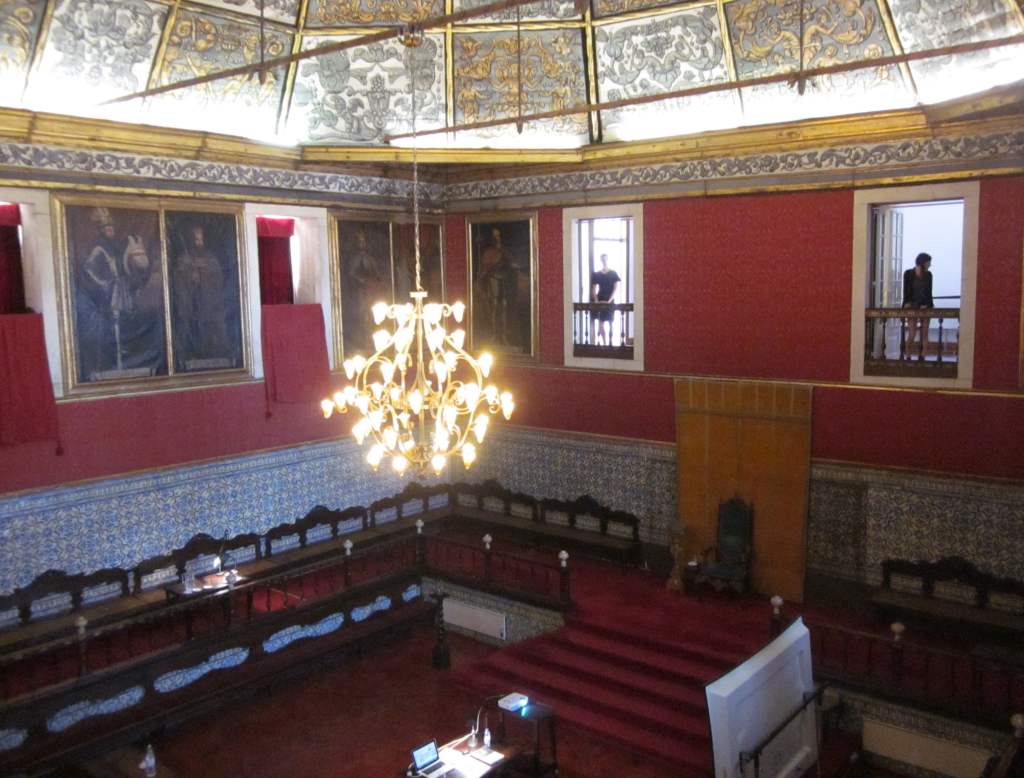
The Grand Hall held important university events such as oral exams and graduation ceremonies. St. Michael’s Chapel was a small chapel with Manueline style design. University students and alumni have special privileges to get married in this chapel.
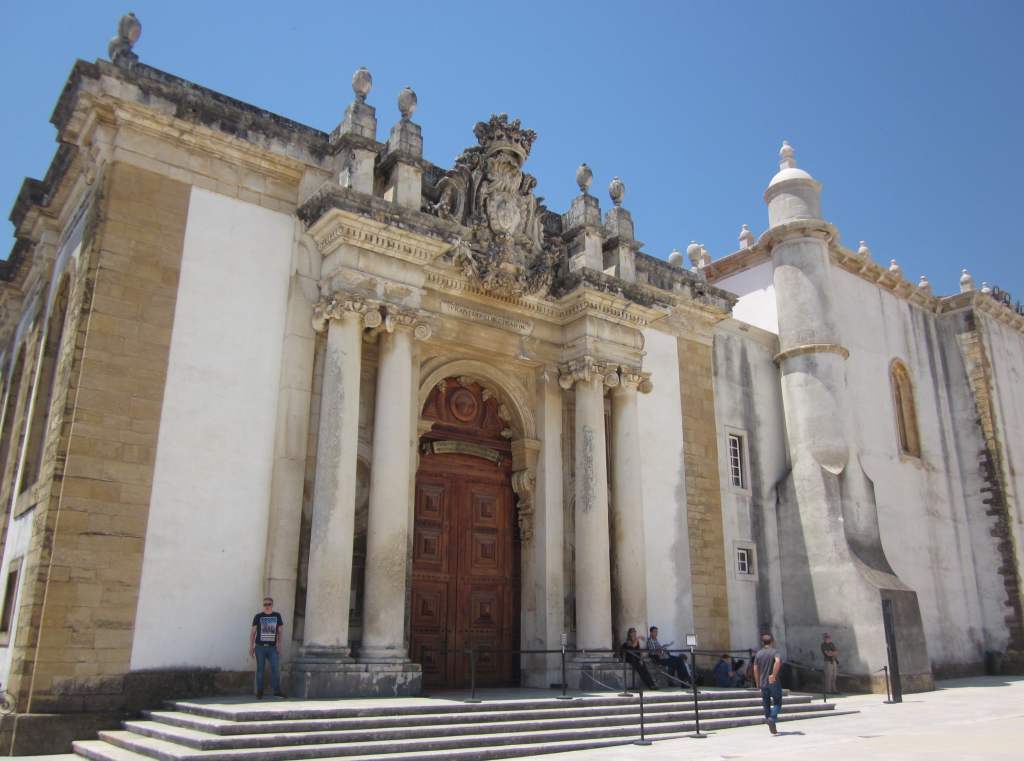
There’s a university cafeteria offering quick and cheap meals, and that’s where we had our lunch. After lunch, we lined up outside King John’s Library waiting to be admitted. King John’s Library, with its intricate interior and tens of thousands of book collections, was must-see. To preserve the book collections, the inside of the library was dark and cool. There was a colony of resident bats to take care of the insects!
Obidos was about an hour’s drive away. We were able to see the impressively walled town from far away. There’s a parking lot right outside of the wall, where we parked our car.
Obidos was known as “Queen’s City” ever since King Dinis gave the town to his bride Queen Isabel as a wedding gift back in 1282. The walled town itself was the attraction. There was a small visitor center and shop right outside of the wall. Visitors entered the town through the arched main gate. Bell tower was visible at the left-hand side before the entrance.
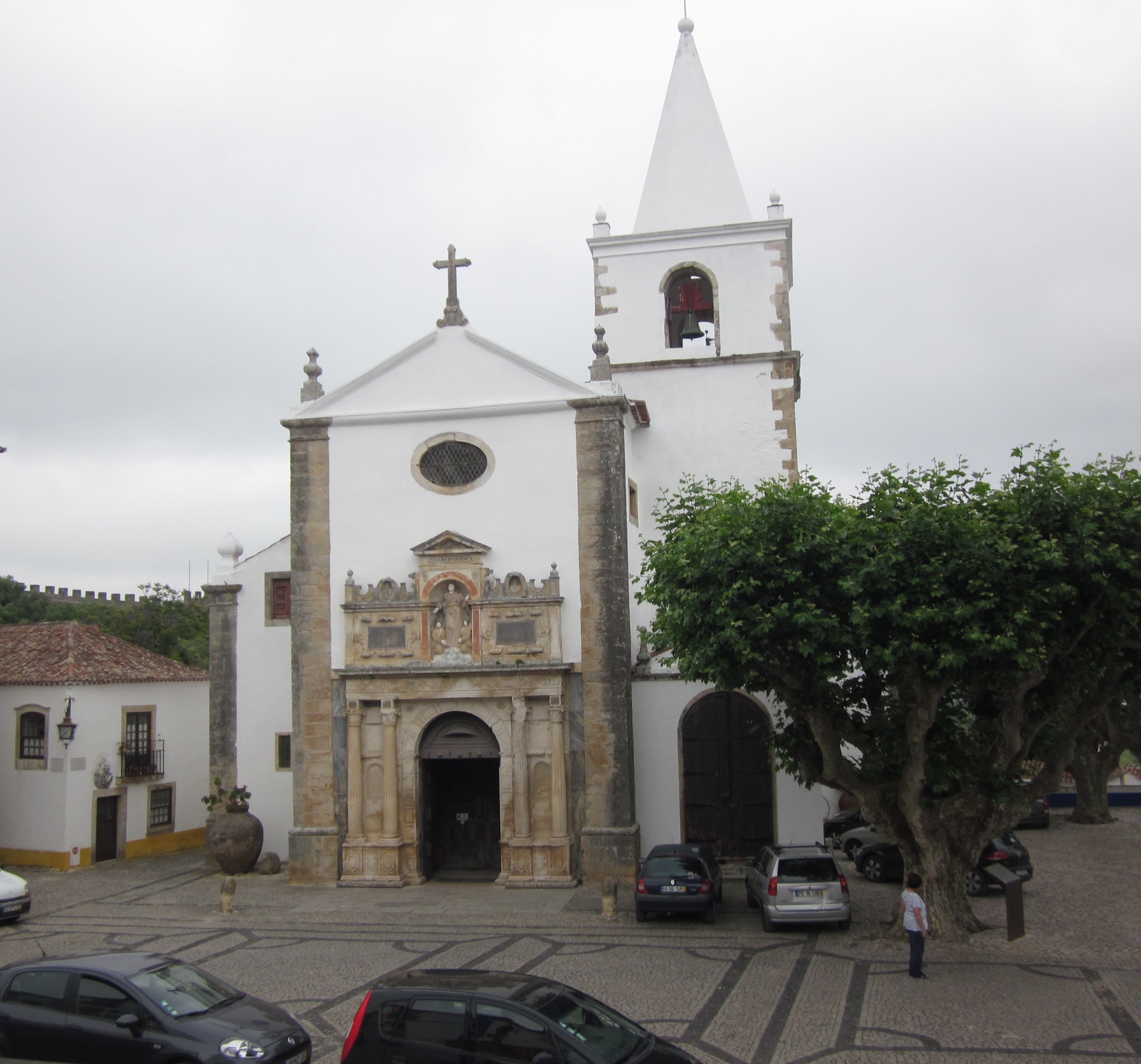
The charming Obidos had a small town square, where little St. Mary’s Church was situated. Colorful houses were hidden in the narrow side streets. There were many shops along the narrow center path selling souvenirs and the famous ginjinha liqueur in small chocolate cups.
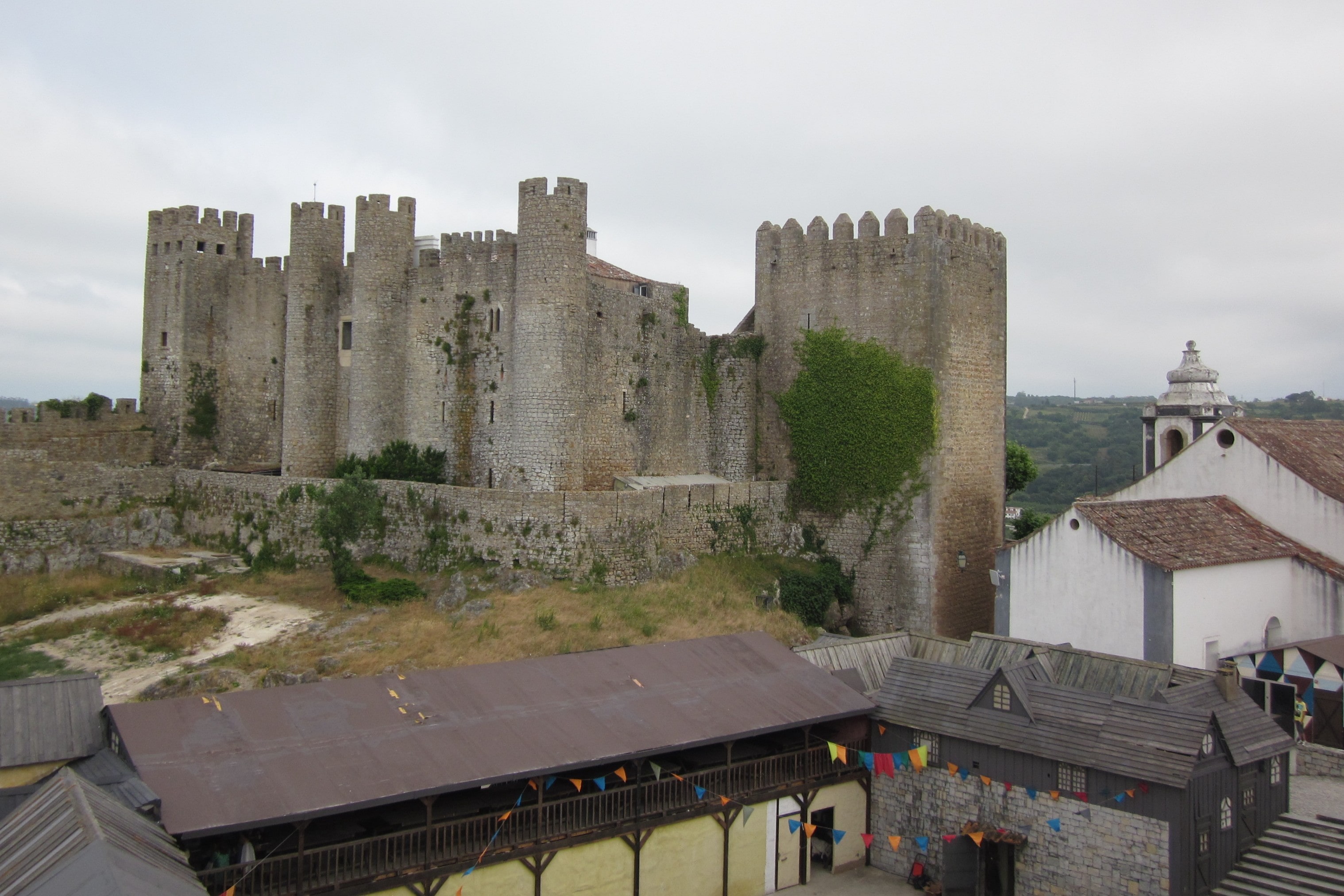
There was a ruined castle at the end of the path. Even though the castle was in ruined state, it still looked very impressive. The inside of the castle has been turned into a pousada. One could walk on the city wall to enjoy excellent views of the town inside and the green fields outside. However, you would have to be very careful, because there were no rails. I had to admit that it’s kind of scary!
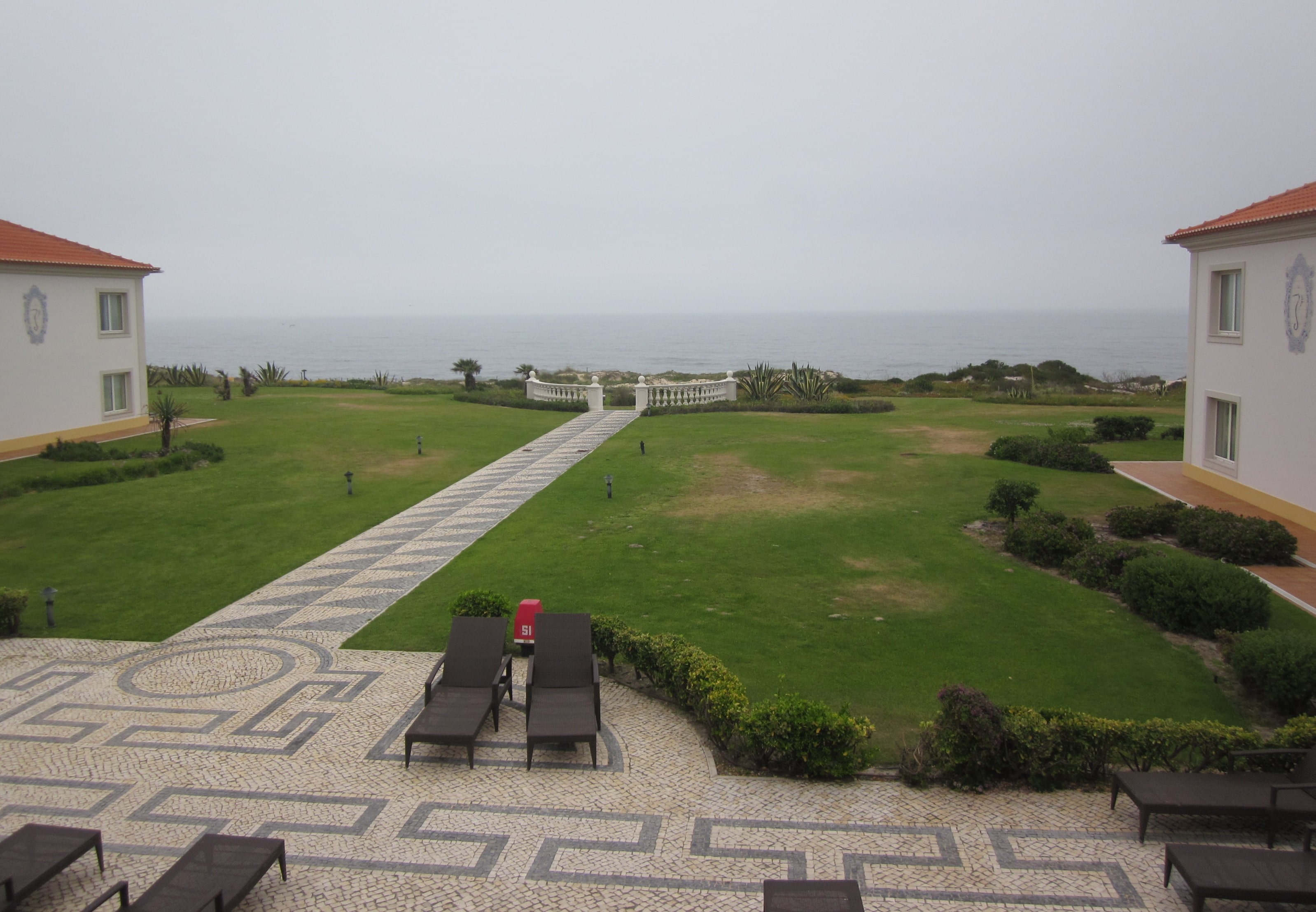
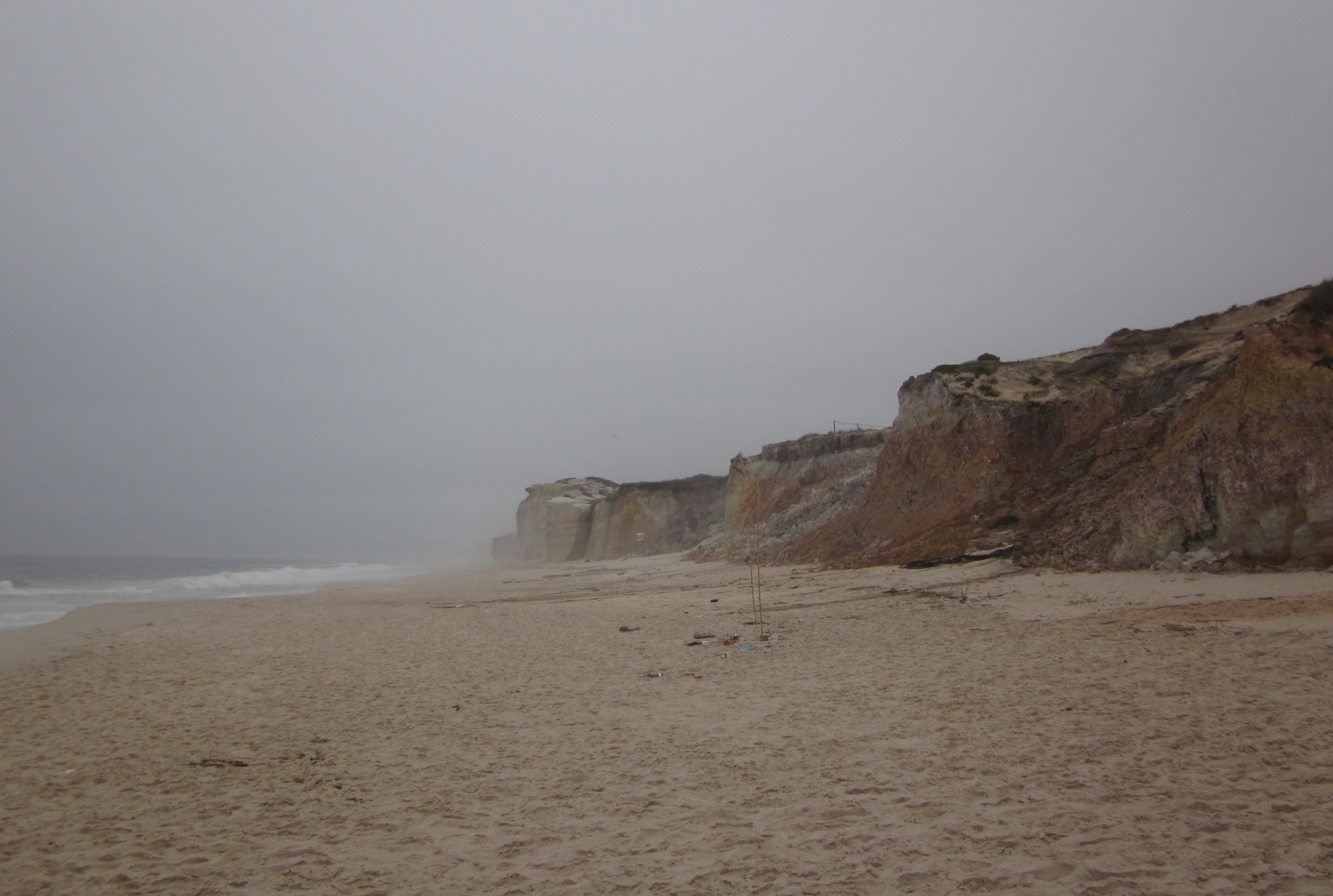
Tonight, we stayed at Praia D’El Rey Marriott Golf & Beach Resort. The resort was right by the beach. We strolled at the beach for half an hour before dinner. There were also two pools on site: one inside, and one outside. We regretted that we did not have enough time to enjoy the facilities. Since this was a very isolated location, we decided to have the buffet dinner in the hotel. The food was excellent!
Day 4: Alcobaça, Nazaré, Batalha, Fátima
Today we would visit several small towns before spending the night in Lisbon. Our first destination of the day was Alcobaça. The main attraction of Alcobaça was Alcobaça Monastery (or Mosteiro de Santa Maria de Alcobaça), which was a UNESCO World Heritage Site. The tombs of Dom Pedro and Ines de Castro, Portugal’s Romeo and Juliet, were inside the church.
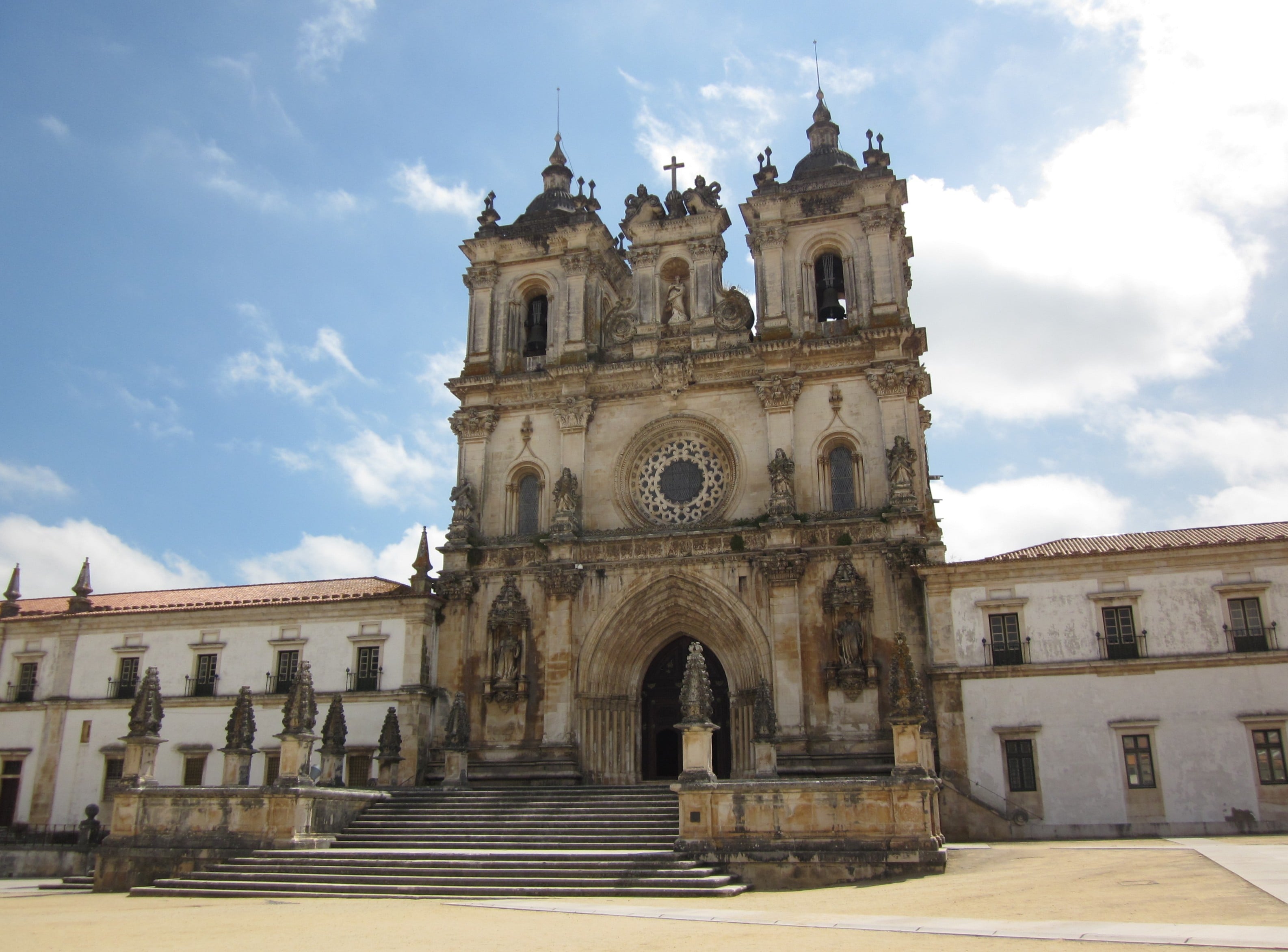
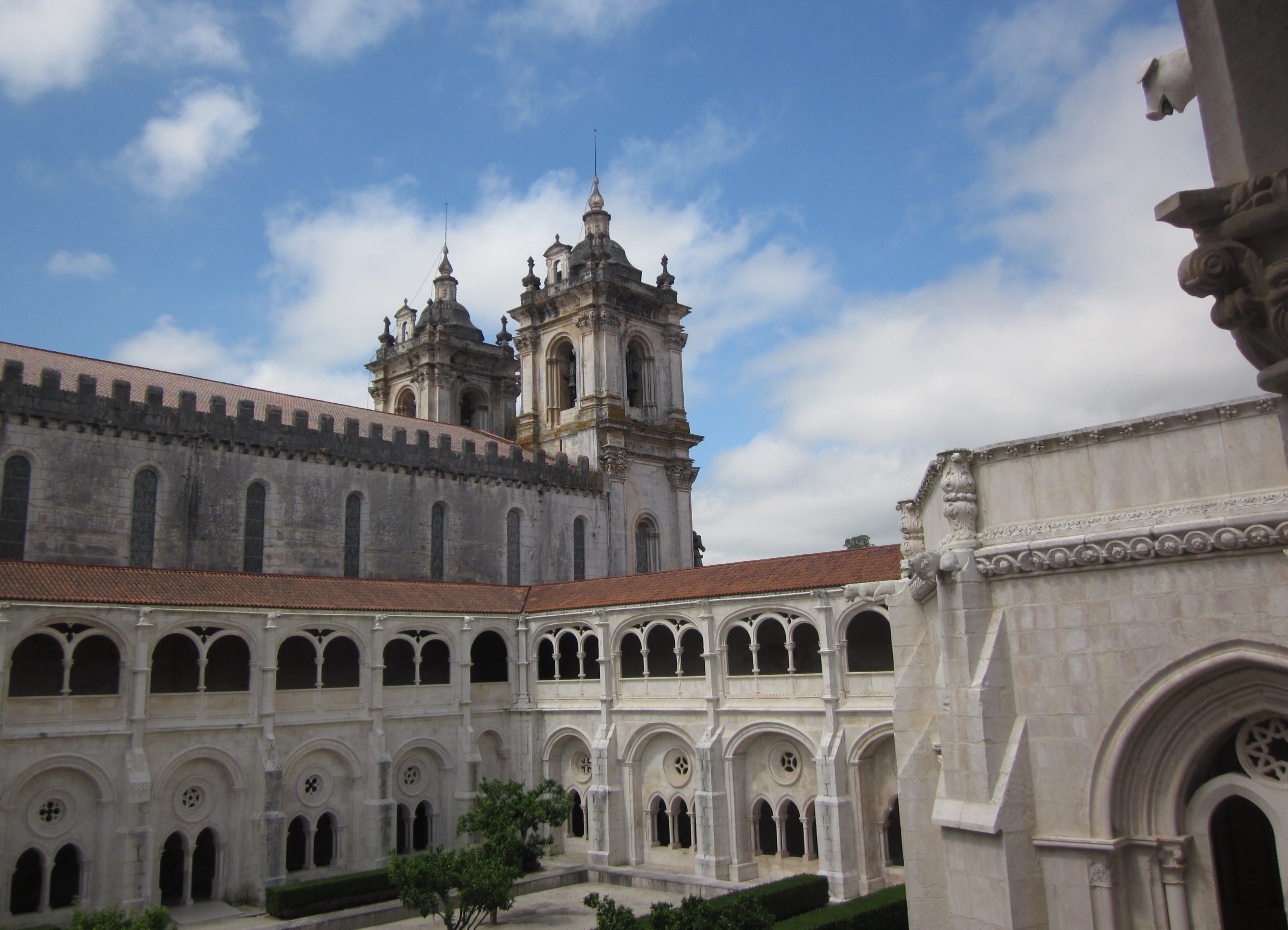
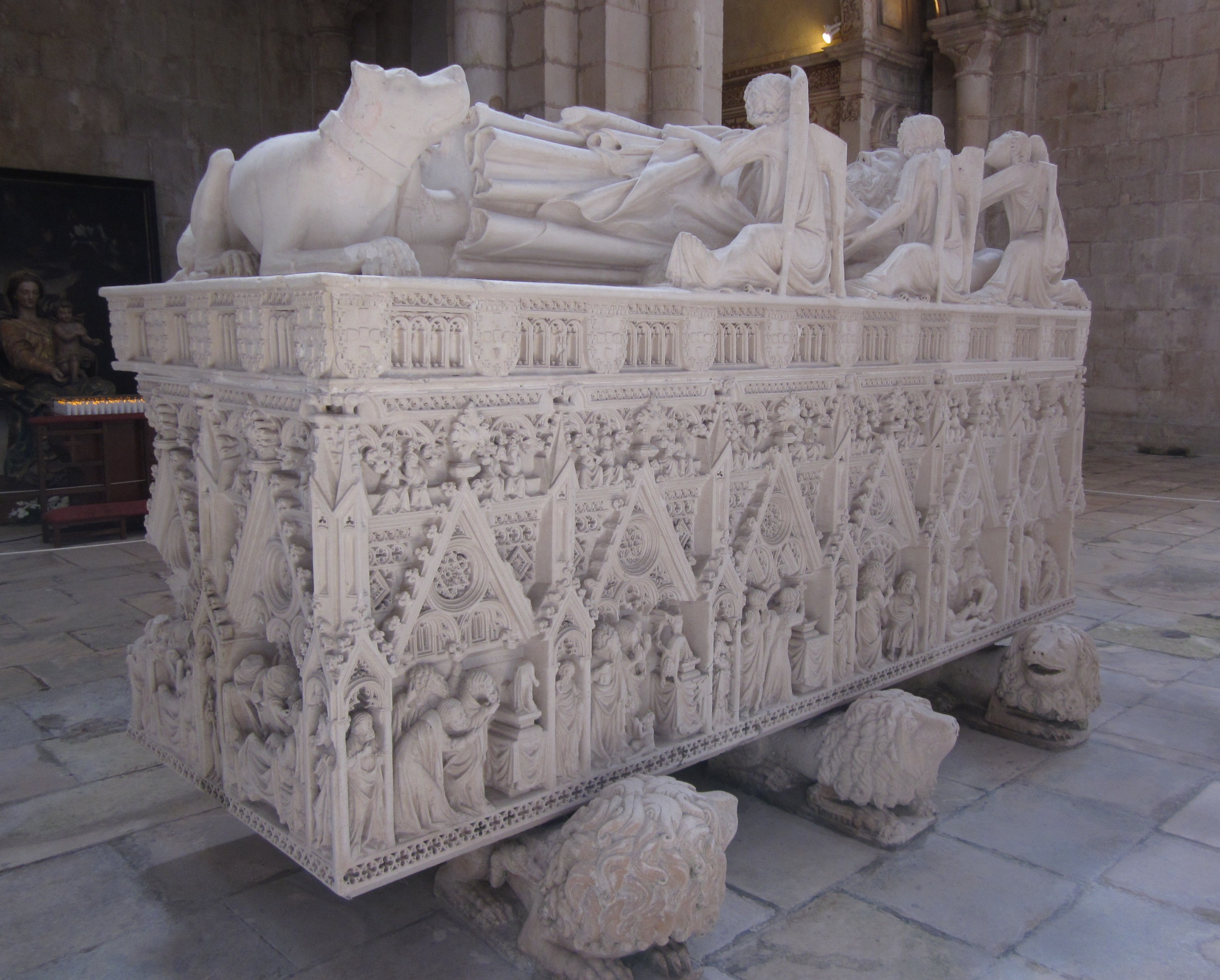
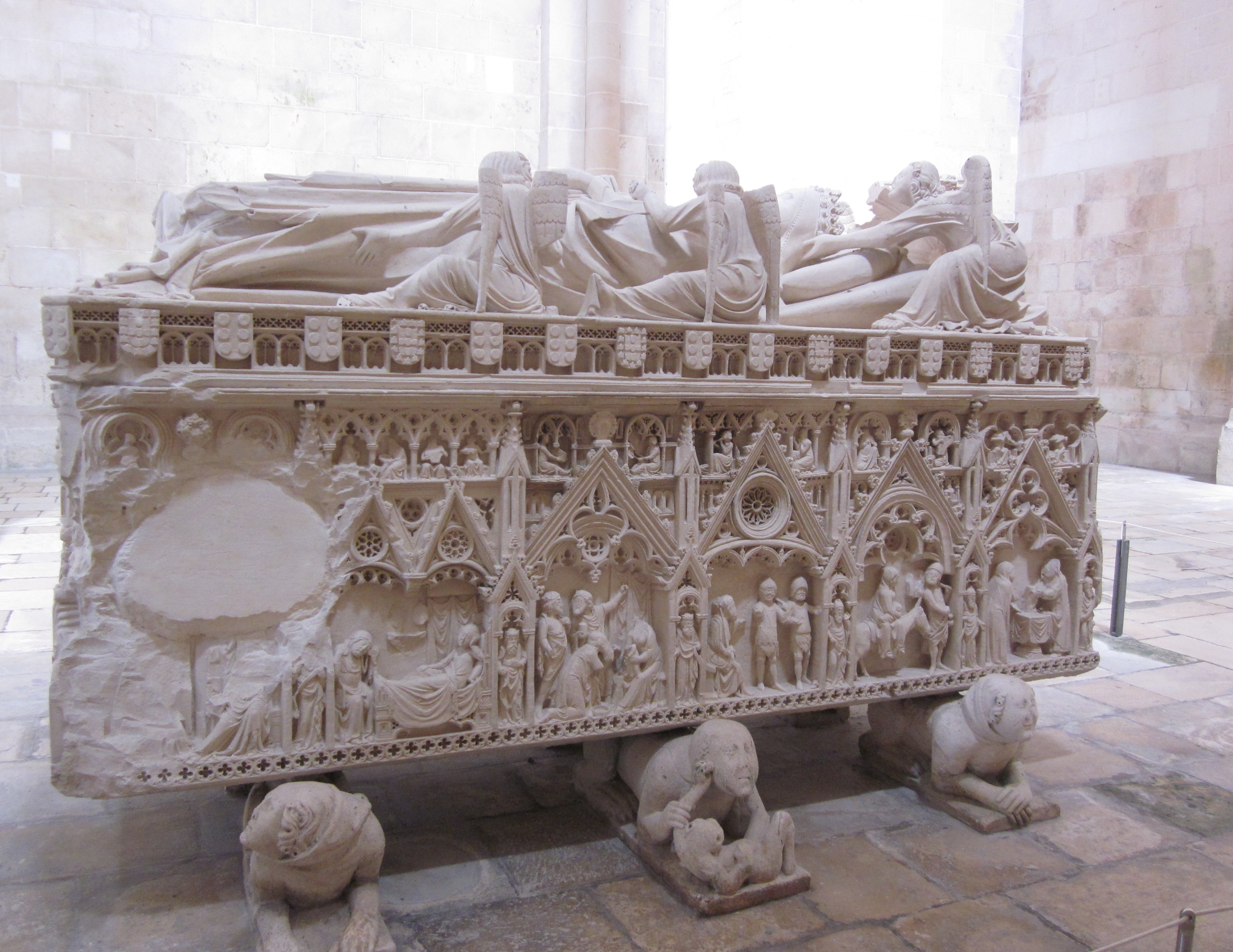
Dom Pedro met Ines de Castro at his wedding to Constance. Pedro fell hopelessly in love with Ines and hid her in Coimbra so that he could constantly visit her. They were secretly married after the death of Constance. Pedro’s father, King Afonso, had Ines murdered due to political reasons. Later, when Pedro became king, he made Ines queen and executed the murderers. Their tombs were placed facing each other in the church.
We were fortunate to be able to listen to a concert during our visit to the monastery. The acoustic effect of the hall was marvelous.
Afterwards, we drove a short distance to Nazaré, which was also our lunch stop. Nazaré was a small fishermen’s village with plenty of good seafood restaurants.
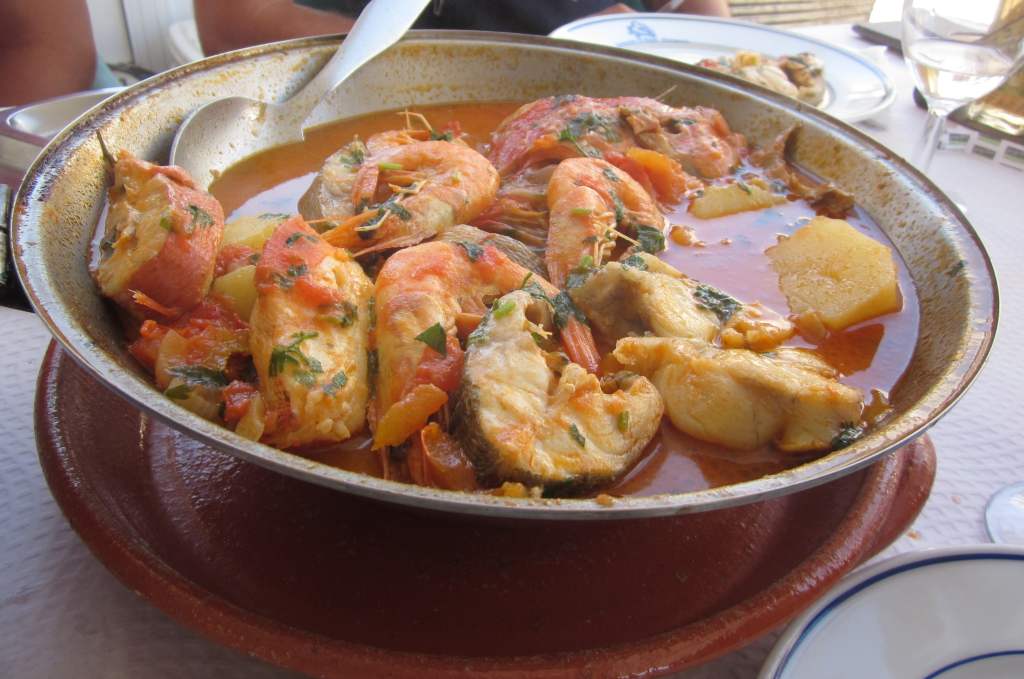
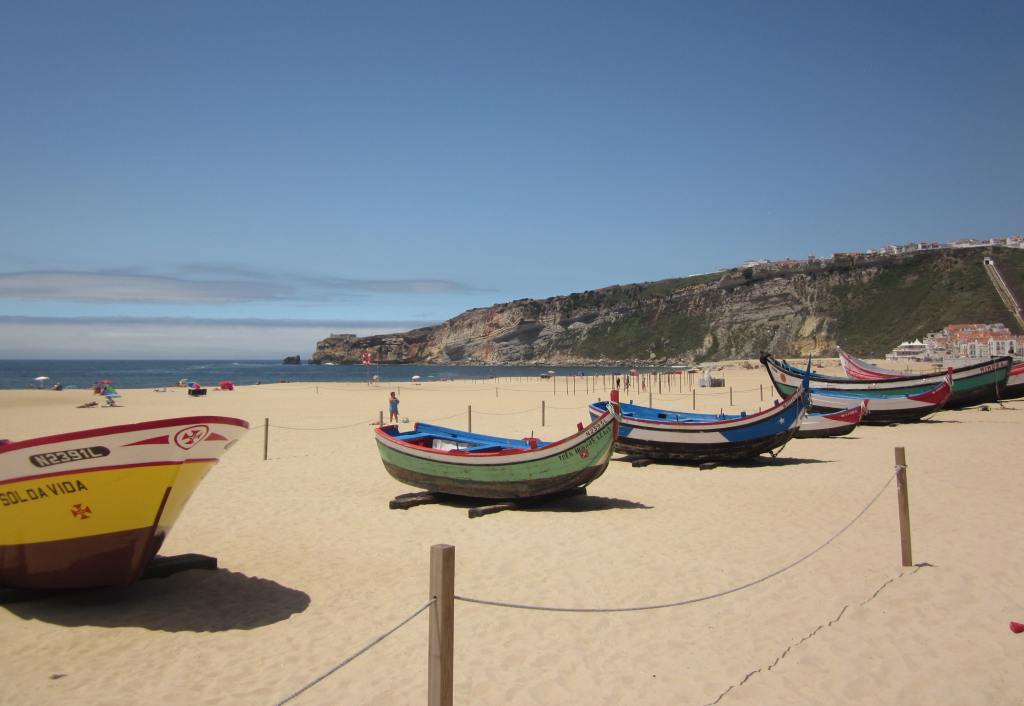
We took the funicular ride to Sitio above Nazaré. The view from above was fabulous! The seafood restaurant we planned to have lunch at was closed for the day. Fortunately, there’s another popular one nearby, where we managed to get an outside table. This was the first time we’ve ever tried seafood cataplana. It was delicious!
After the fulfilling lunch, we spent some time strolling on the beach. Even though the beach was full of people enjoying the sun, the sea and the sand, several colorful boats perched on the beach, and there were also many fish drying racks. Beach goers, tourists and fishermen peacefully shared the seaside of Nazaré.
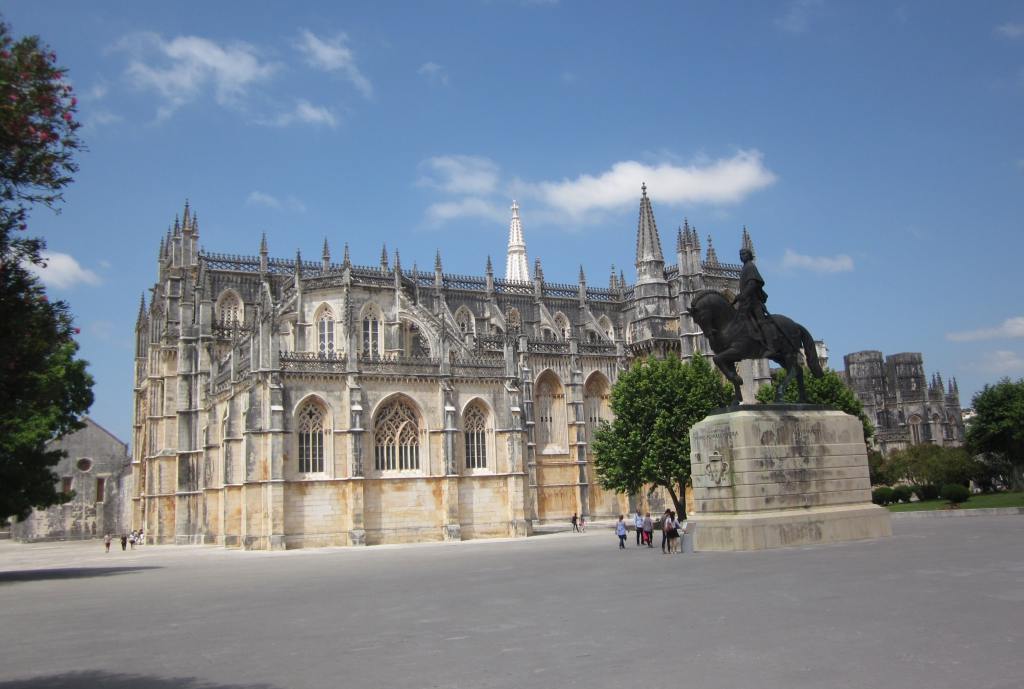
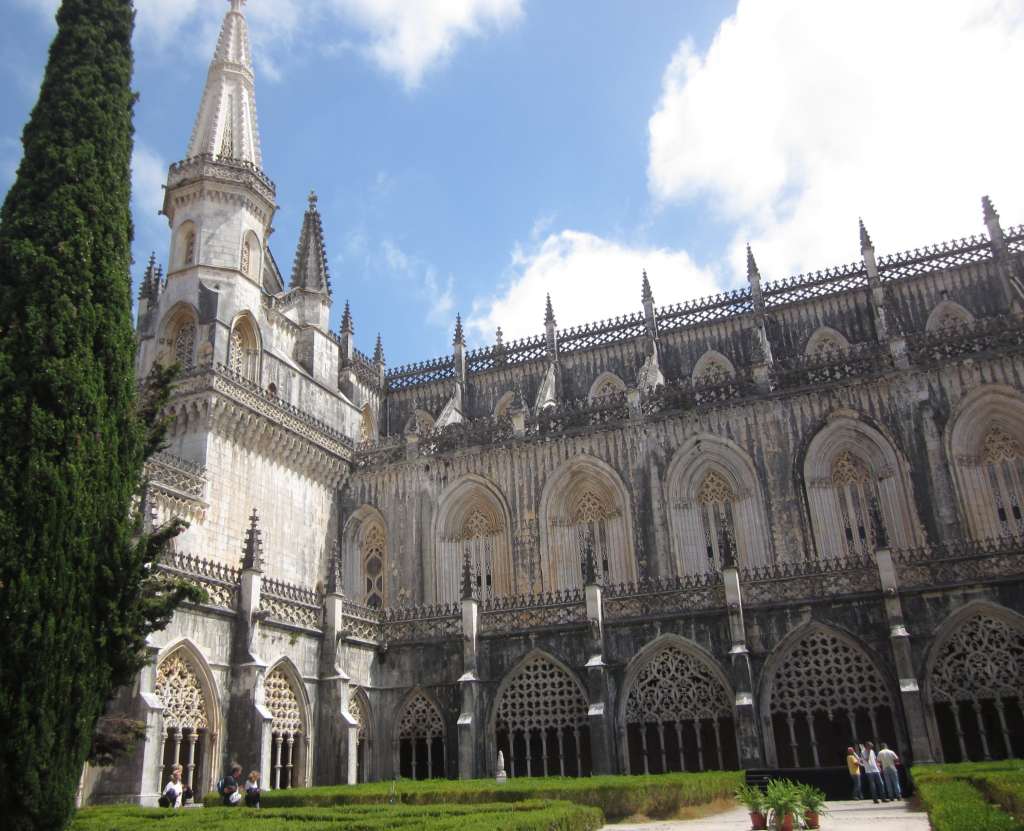
Batalha means “Battle” in Portuguese. Its main attraction was also called Monastery of Santa Maria, and it’s a UNESCO World Heritage Site too! The monastery was built by King John I after he won the Battle of Aljubarrota in 1385. The architecture of the Monastery of Santa Maria was Gothic with the Manueline style. It looked very impressive from afar. An equestrian status of general Nuno Alvares Pereira stood outside of the monastery.
The Founders’ Chapel was located on the right-hand side of the Church. At the center of the Founders’ Chapel laid the tomb of King John and Queen Philippa. The tombs of their children, including the famous navigator Prince Henry, were on the side of the chapel.
The monastery had a very impressive courtyard full of Manueline decorations. Columns and arches were all intricately carved with Manueline styled rope designs. There was also an unfinished chapel outside of the main structure. The unfinished chapel had a visible octagonal structure also with Manueline style. It did not have a roof.
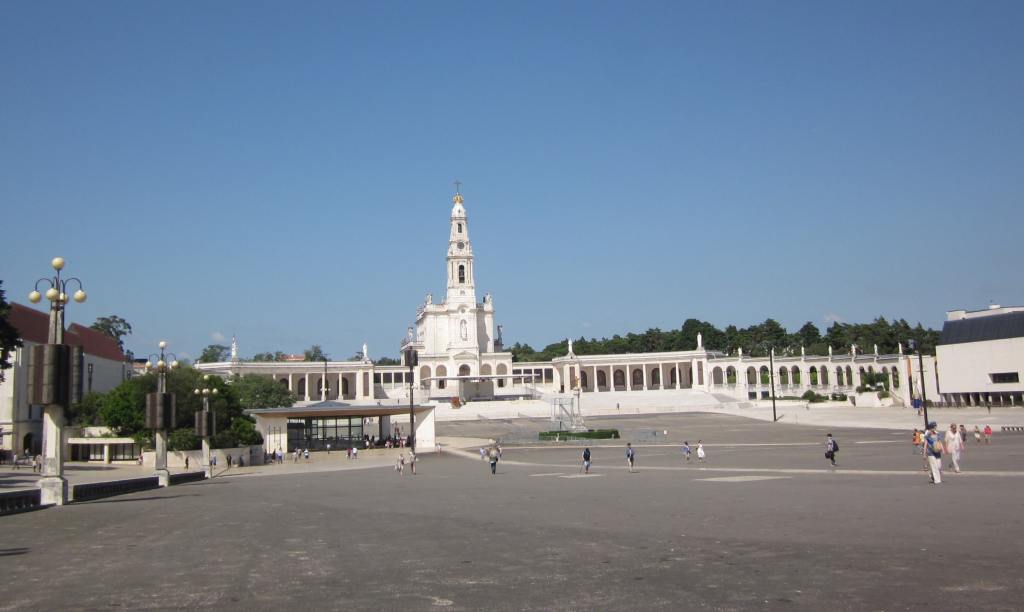
Our last stop before heading to Lisbon was the pilgrim site Fátima. On May 13, 1917, three shepherd children Lucia, Jacinta and Francisco saw Virgin Mary standing on an oak tree. Virgin Mary revealed three prophecies that all came true later. The Basilica of Our Lady Fátima was built on the site. Because the basilica was built in early 1900s, the inside design was quite modern. There were many stained-glass windows inside, including a pretty window showing the three children with Virgin Mary.
After visiting the basilica, we continued for the 1.5-hour drive to Lisbon, where we returned the rental car and checked into our hotel for the next four nights — Lisbon Marriott. We also went to Lisbon airport to pick up Cutie.
Day 5: Lisbon
Even though Lisbon was not as famous as other European capitals such as Rome, London and Paris, there were still enough attractions for tourists to easily spend a few days there. Our plan for the day was simply to go sightseeing in Belem.
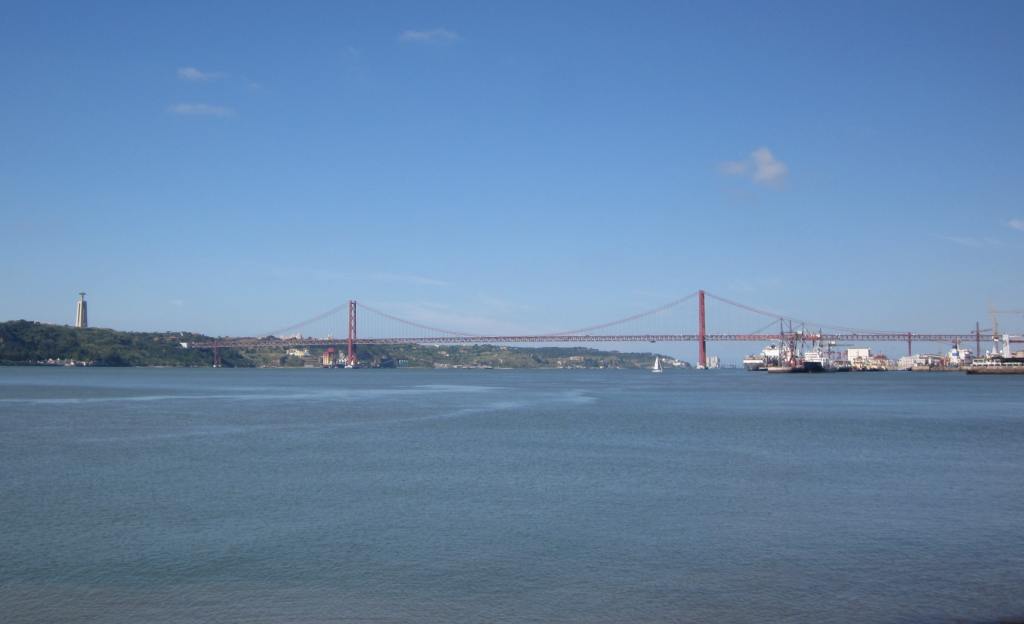
After breakfast, we rode Metro to the Commercial Plaza near the Tejo River. The weather was very nice today. From there we could see April 25th Bridge. The bridge had a familiar look to the Golden Gate Bridge because it was built by the American Bridge Company. To reach Belem, we had to take a bus ride. On our way to Jeronimos Monastery, we passed a store with a long line of people waiting. Surely enough, it’s the famous Confeitaria de Belem selling Portugal style custards, which we planned to try sometime later.
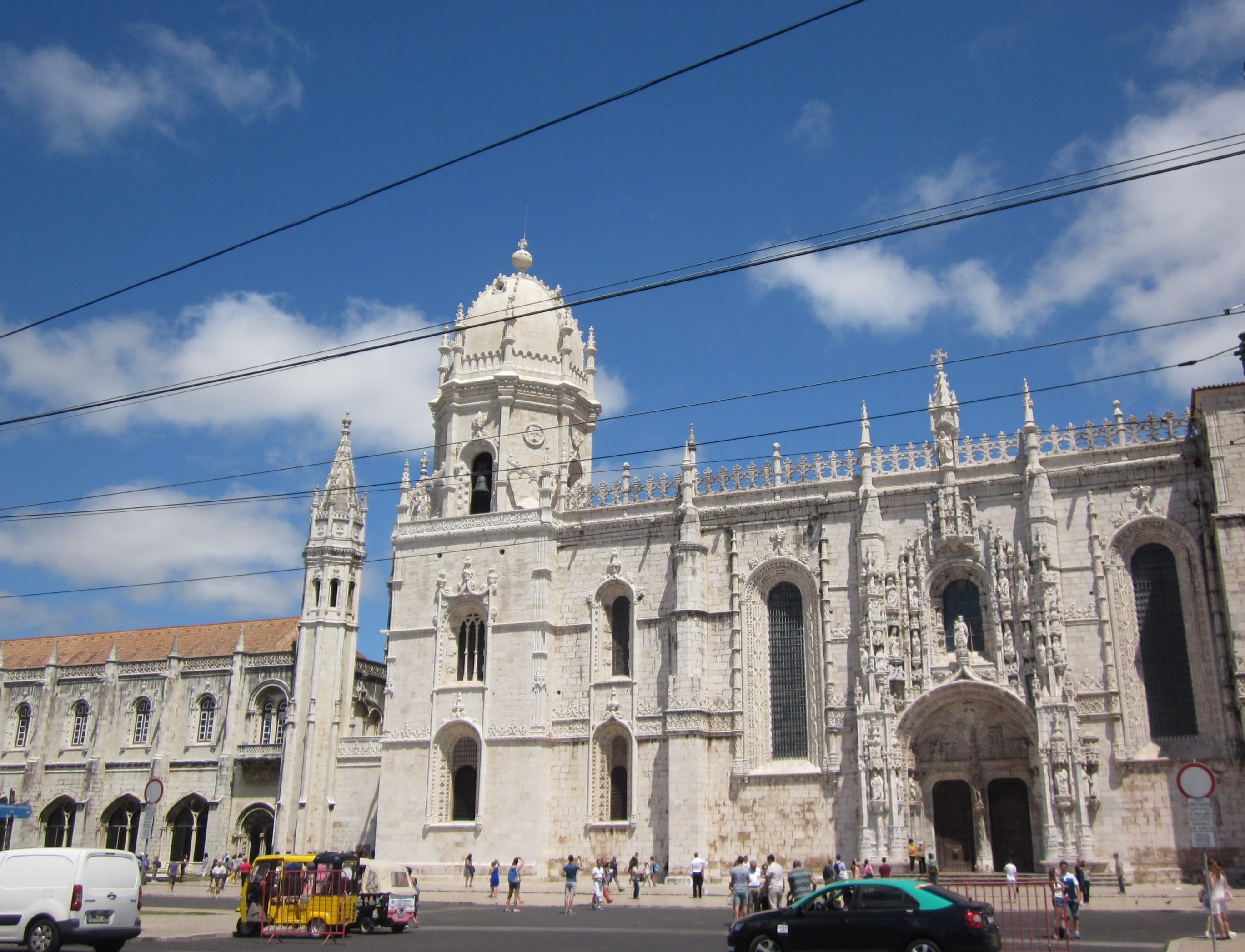
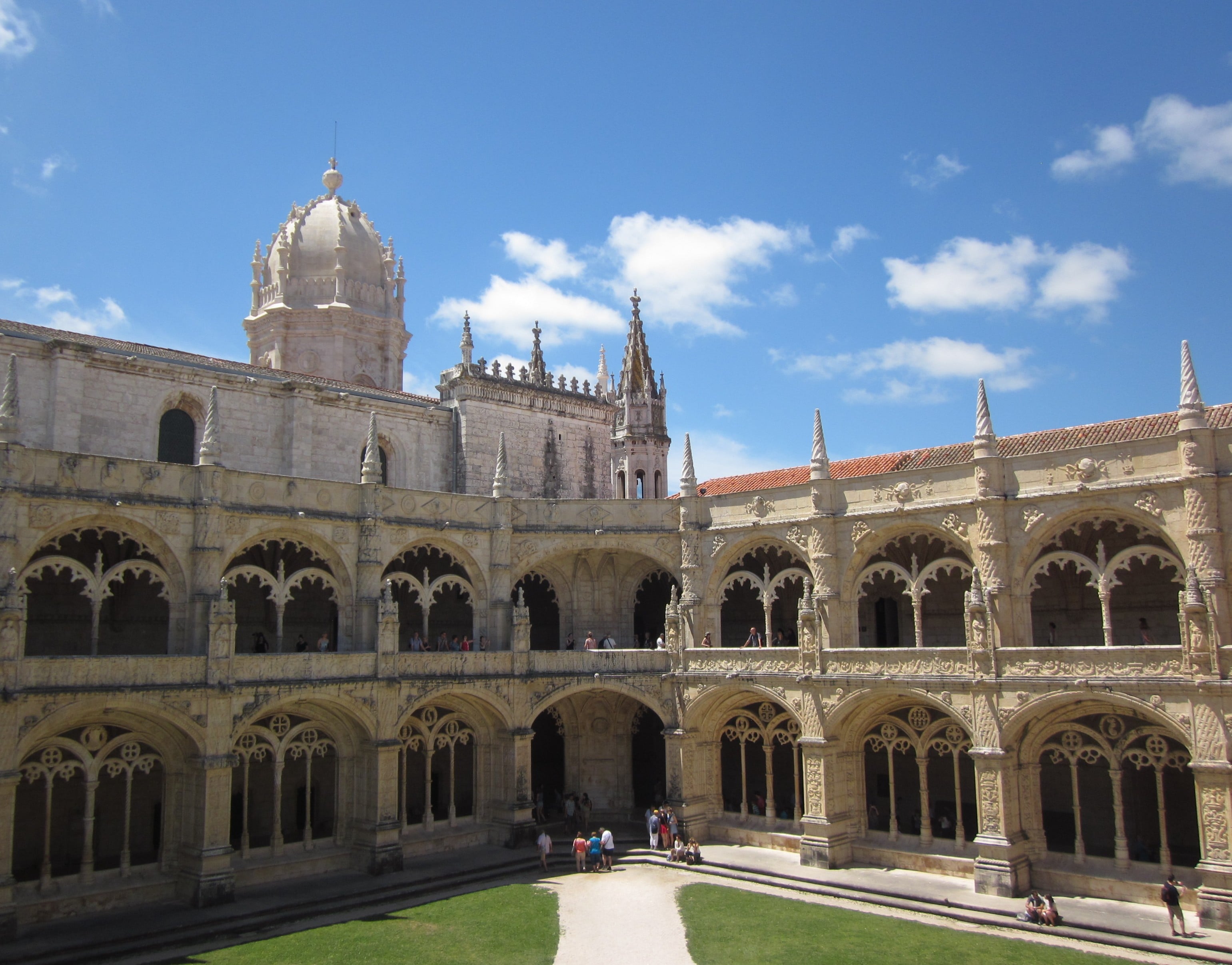
We continued walking to Jeronimos Monastery, which was only a very short distance away. Jeronimos Monastery was a UNESCO World Heritage Site. The construction of the monastery expanded a century starting from 1501 under King Manuel. The Manueline cloisters were not to be missed! The monastery also hosted the tomb of Vasco da Gama, one of the most important navigators of Portugal. Vasco da Gama discovered the sea route to reach India from Europe and brought enormous wealth to the country. The building of the monastery was financed by tax on spices brought from the east.
The monastery was huge, and it took us a long time to explore. Then it was time for the custard break before checking out other famous landmarks in Belem.
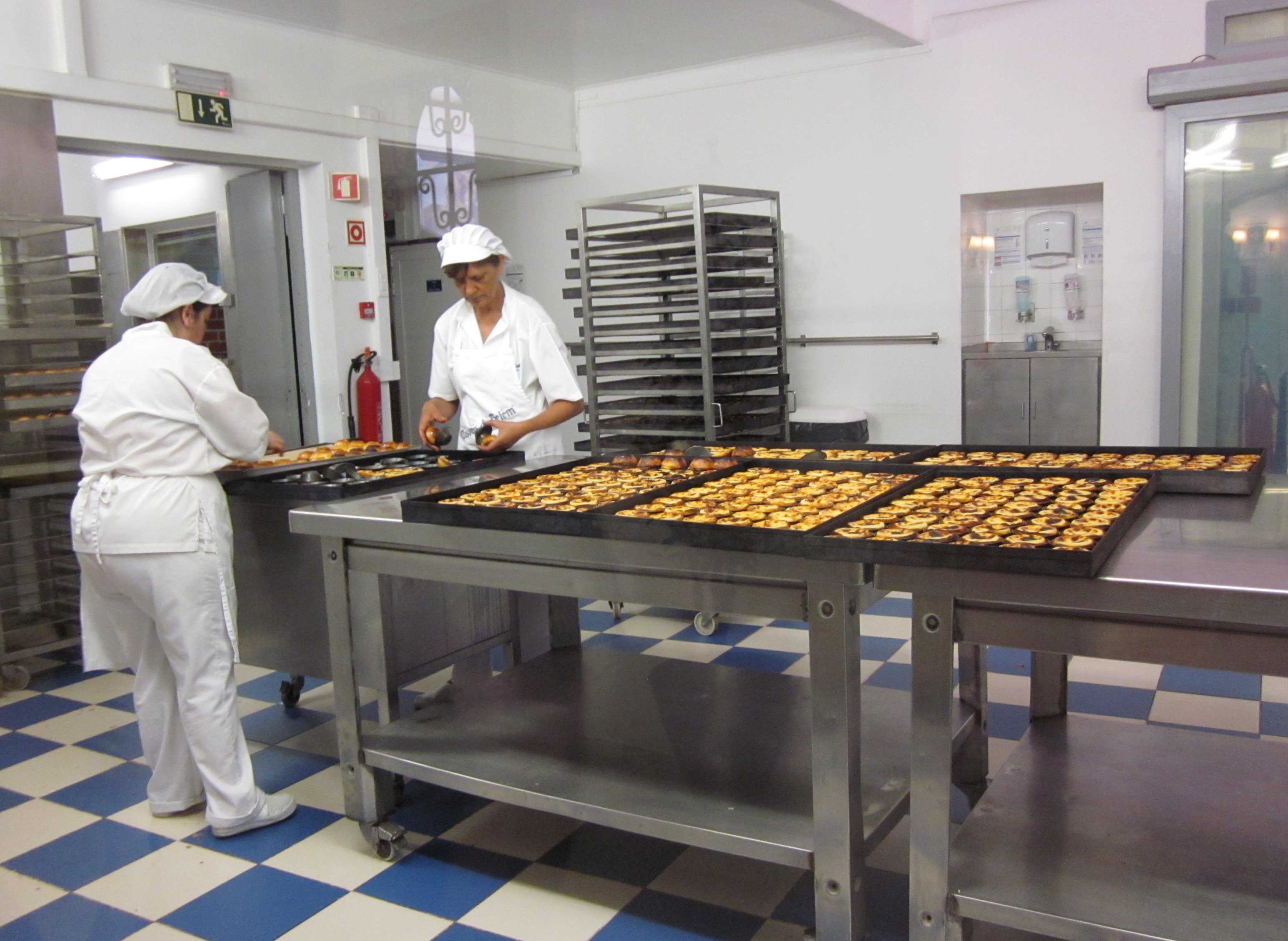
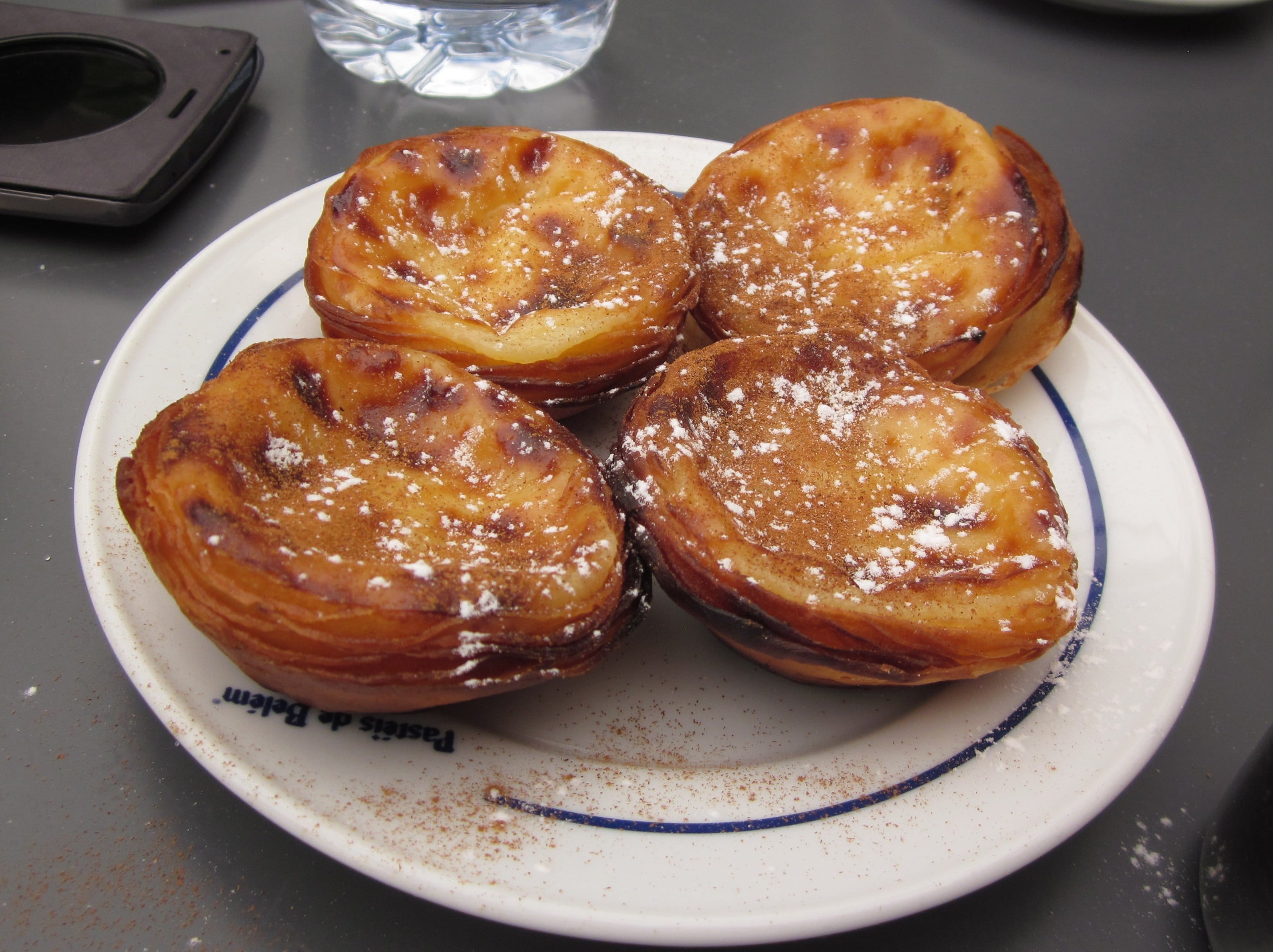
The bakery shop had a very large interior for sit-down customers. The people waiting outside in line were “to-go” customers. The custards (sprinkled with powdered sugar and cinnamon) were indeed very delicious. They tasted best when they were fresh.
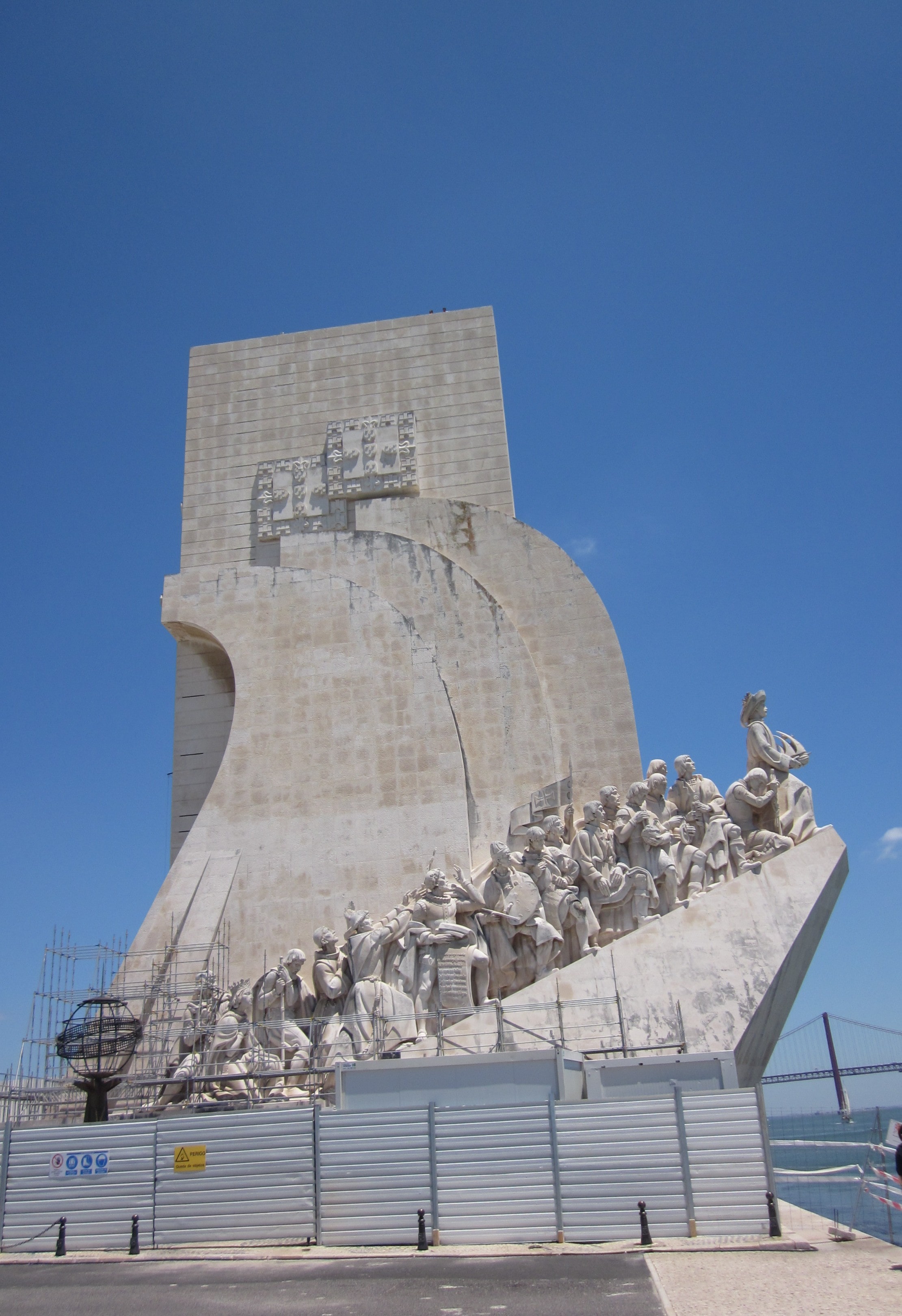
Monument to Discoveries was rebuilt in 1960 to commemorate the 500th anniversary of the death of Prince Henry the Navigator. Prince Henry was the sponsor, planner and organizer of many great voyages that contributed to Portugal’s Golden Age of Discoveries. Since the site was covered by our Lisbon Card, we went inside to take the elevator to the top of the monument. From there we had a great view of the Tejo River and the Jeronimos Monastery.
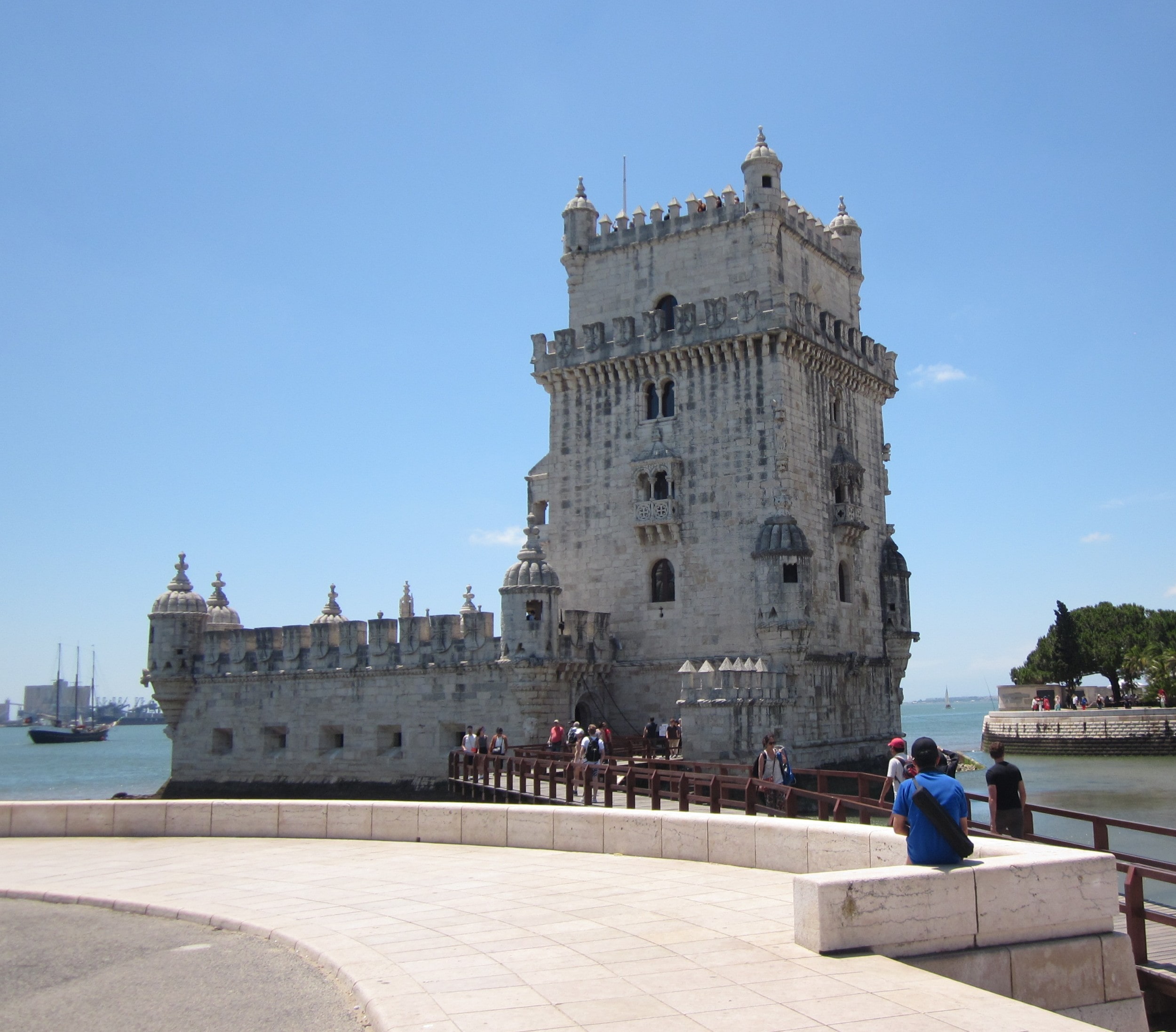
Built in the early 16th century, Belem Tower was one of the most recognizable landmarks of Lisbon. It’s a fortified tower located by the Tejo River. The decorations were Manueline style too. We went for an inside visit but didn’t climb the tower, because the line was too long!
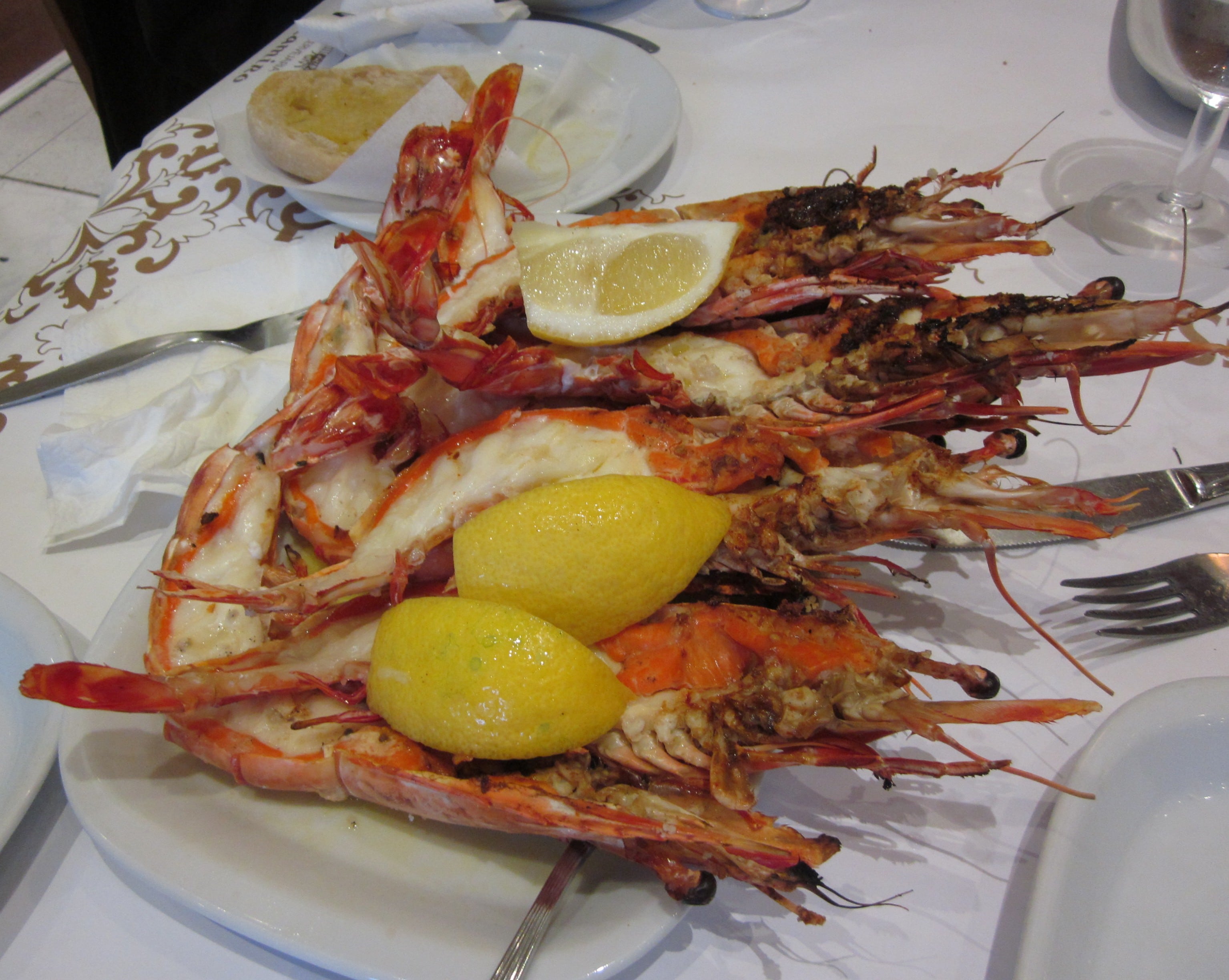
Afterwards we went to the Rossio Plaza neighborhood to look for a seafood restaurant for dinner. Cervejaria Ramiro near the Intendente Metro Station had a very long line waiting outside. It looked like a good bet, so we joined the wait. This proved to be a very wise decision; their seafood was among the best we’ve ever tasted! They only serve seafood dishes and garlic bread. When Rei asked about soup and salad, the waiter answered, “We don’t do that nonsense!” (Rei and I dined in this restaurant again in 2022, after our Portugal Coastal Camino Walk. They now had a reservation system, and there was no longer a line waiting.)
Day 6: Sintra
When I first saw a photo of the Pena Palace, I knew immediately that I had to see it in person. That was a strong motivation for me to decide a trip to Portugal.

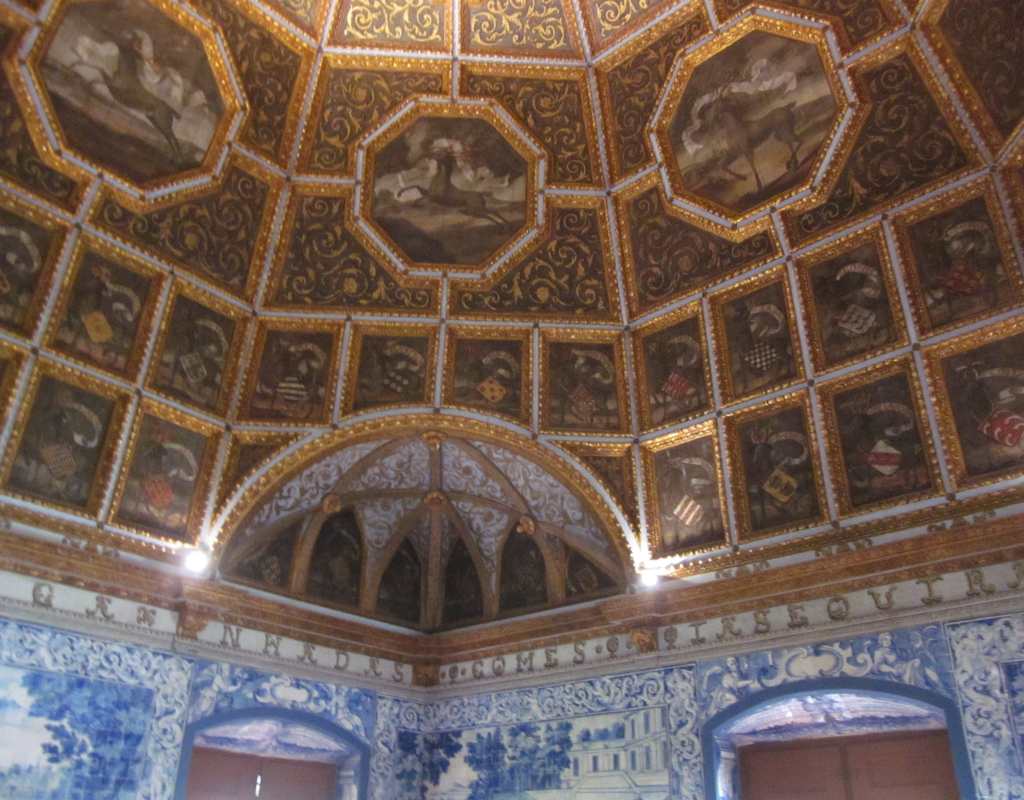
Sintra was only about an hour’s train ride away from Lisbon. The National Palace was in the city center, which was only a short walk away from the train station. The National Palace has been the main residency of the Portugal royal family. The palace was easily recognizable by the two long cone shaped chimneys.
The other two famous attractions, the Moorish Castle and the Pena Palace, were located high on the hills. Even though there was transportation available, we’ve decided to hike up there instead. It was very pleasant to walk on the shady pedestrian path, and view of Sintra from above was truly amazing!
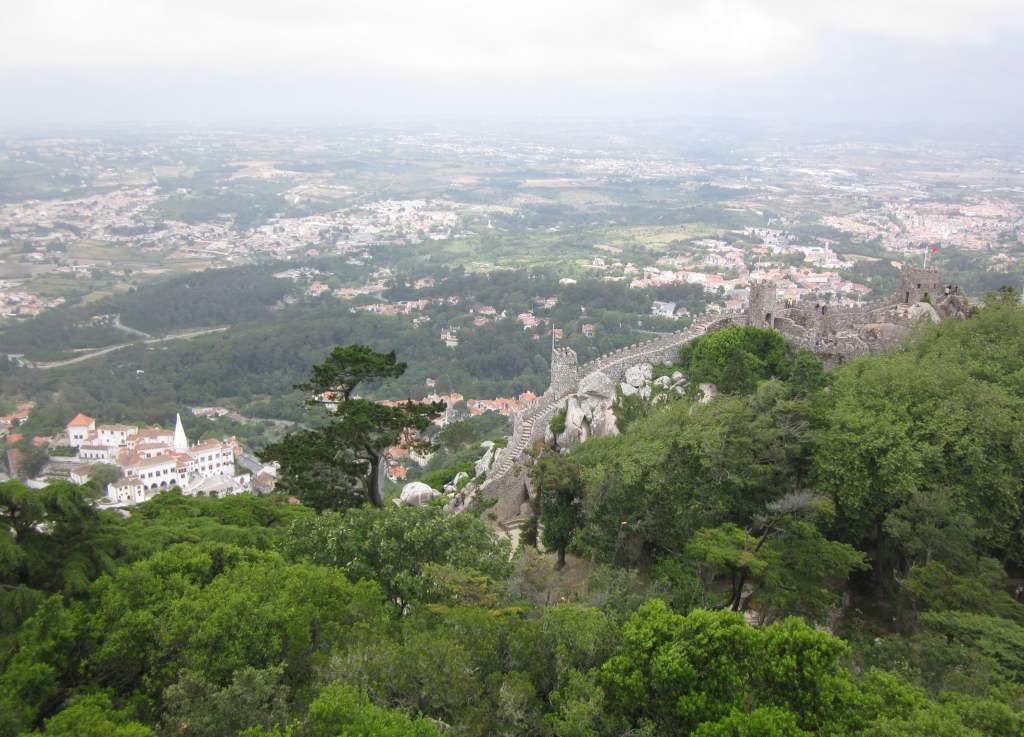
The walking passage first led us to the 10th century Moorish Castle. The castle tended to be overlooked by tourists who only had limited time. However, walking on the ruined castle walls was not only an interesting adventure, but also offered an excellent view of the Pena Palace high above.
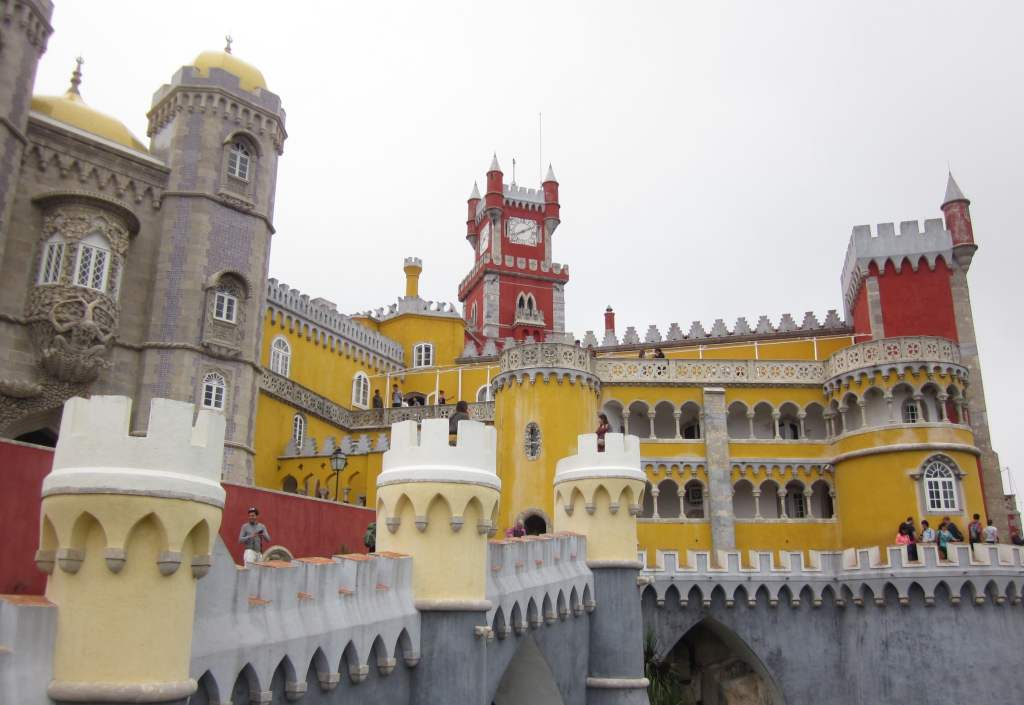
Even though we could see Pena Palace from the Moorish Castle, it was still a long hike to the palace compound entrance. Colorful Pena Palace was probably the most recognizable attraction of Sintra. The place was crowded with hundreds of visitors. Everybody was busy taking photos or selfies. We took many pictures outside of the palace before finally going for an inside visit. I had to say that Pena Palace was more impressive from the outside than inside.
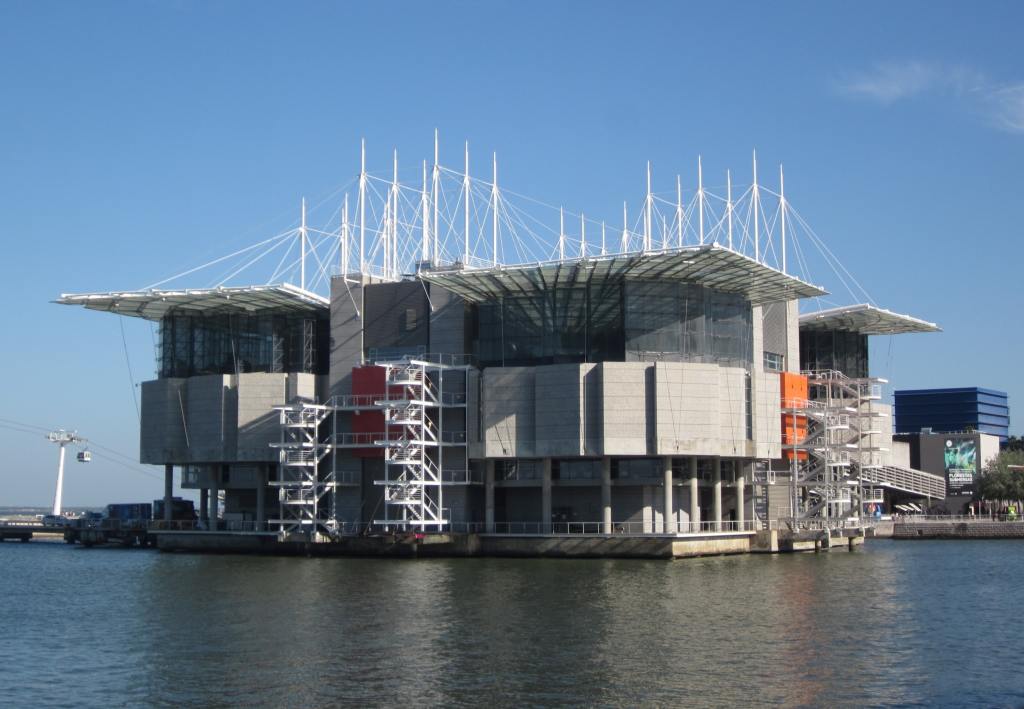
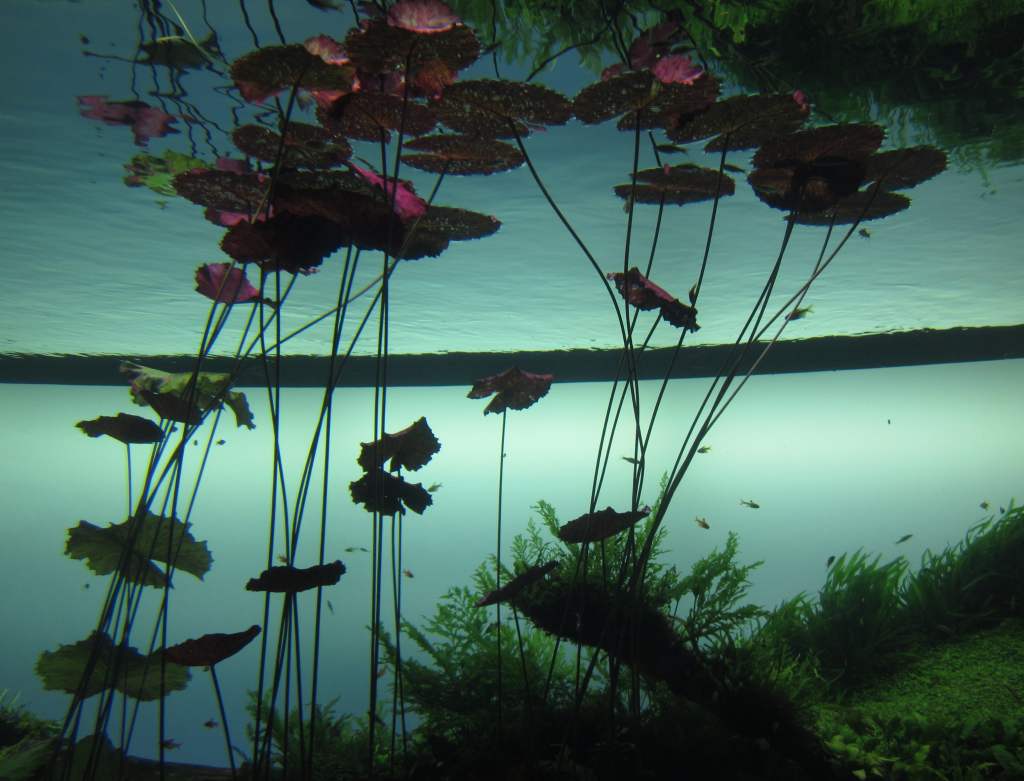
After returning to Lisbon, Sister and I still had enough time for a quick visit to the Lisbon Oceanarium located in Parque das Nações, the Expo ’98 exhibitition grounds. (Rei and Cutie didn’t want to go, so they simply returned to the hotel.) Lisbon Oceanarium was among the best aquariums in Europe. It had rich varieties of marine animals and fishes. The building itself was interesting too. Sister and I both enjoyed the displays very much. At the end of the visit, we also went to the gift shop to buy two matching Oceanarium T-shirts.
Day 7: More Lisbon
Today would be our last sightseeing day in Lisbon and in Portugal.
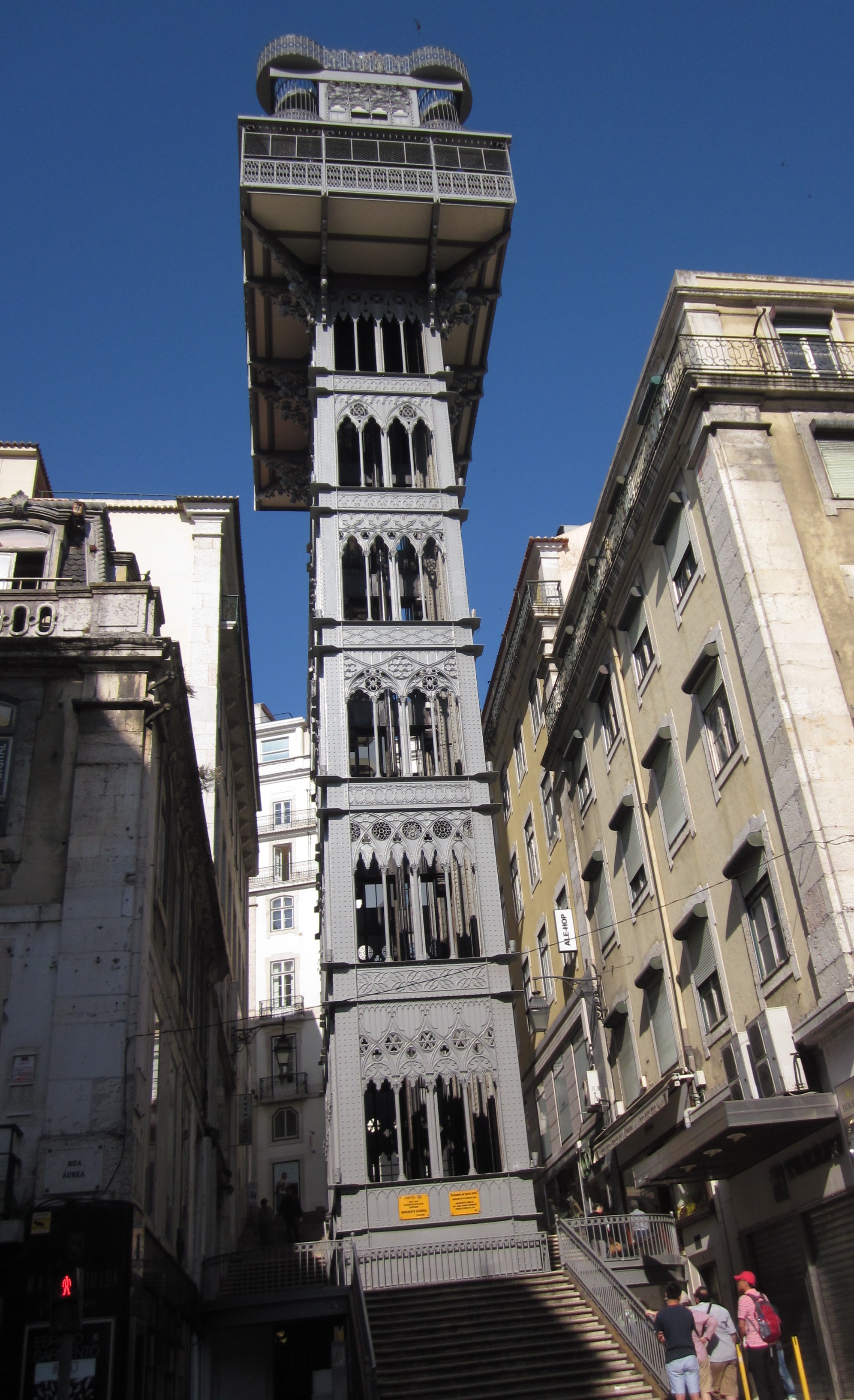
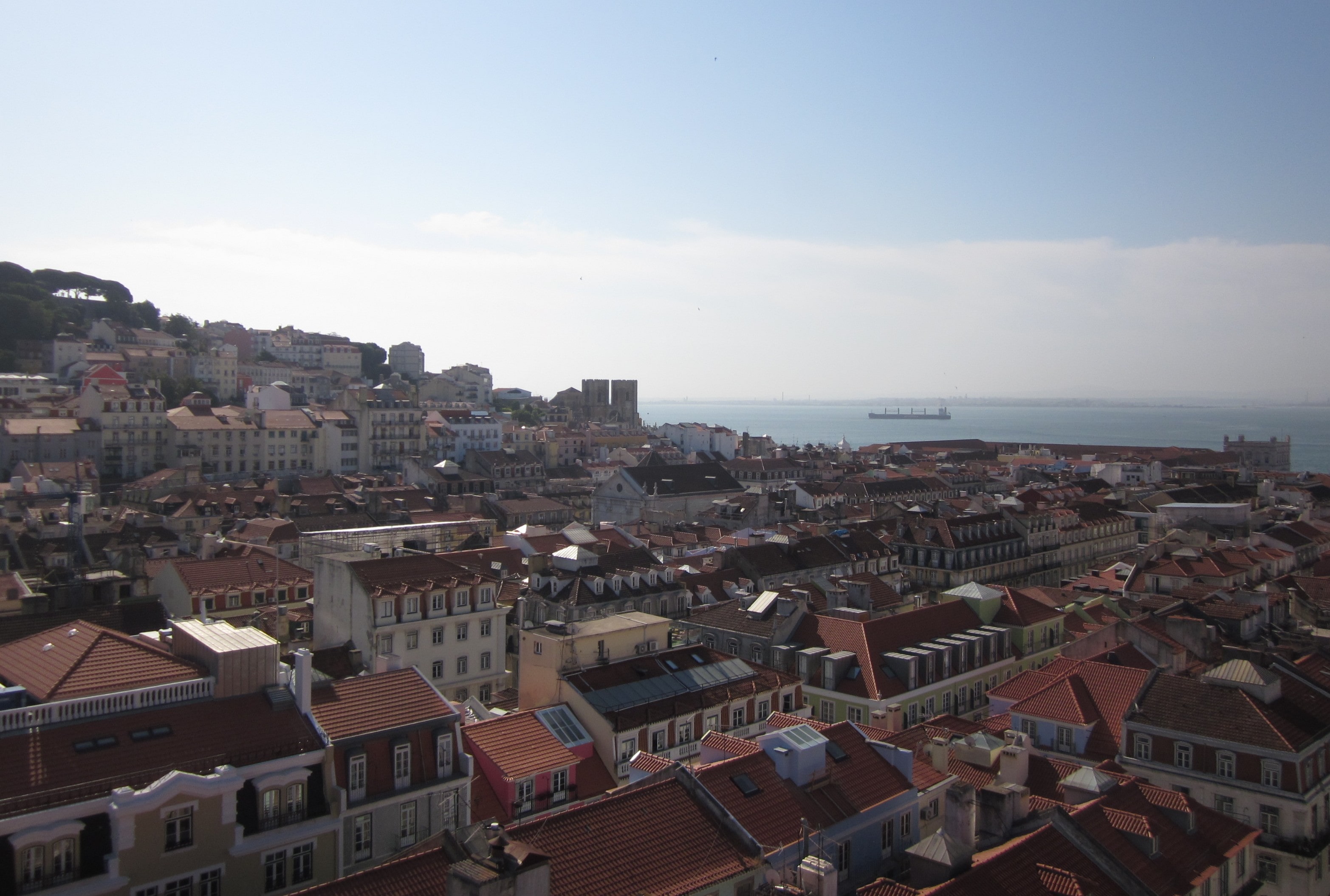
We headed to Santa Justa Elevator after breakfast. Santa Justa Elevator was probably more of an attraction itself rather than a transportation. Due to its popularity, there could be a very long waiting line to get on the elevator. Fortunately, we arrived early, and the line was not too long. We rode the antique elevator to the top to enjoy an excellent 360-degree view of Lisbon. We even saw some buildings which were ruined during the 1755 earthquake.
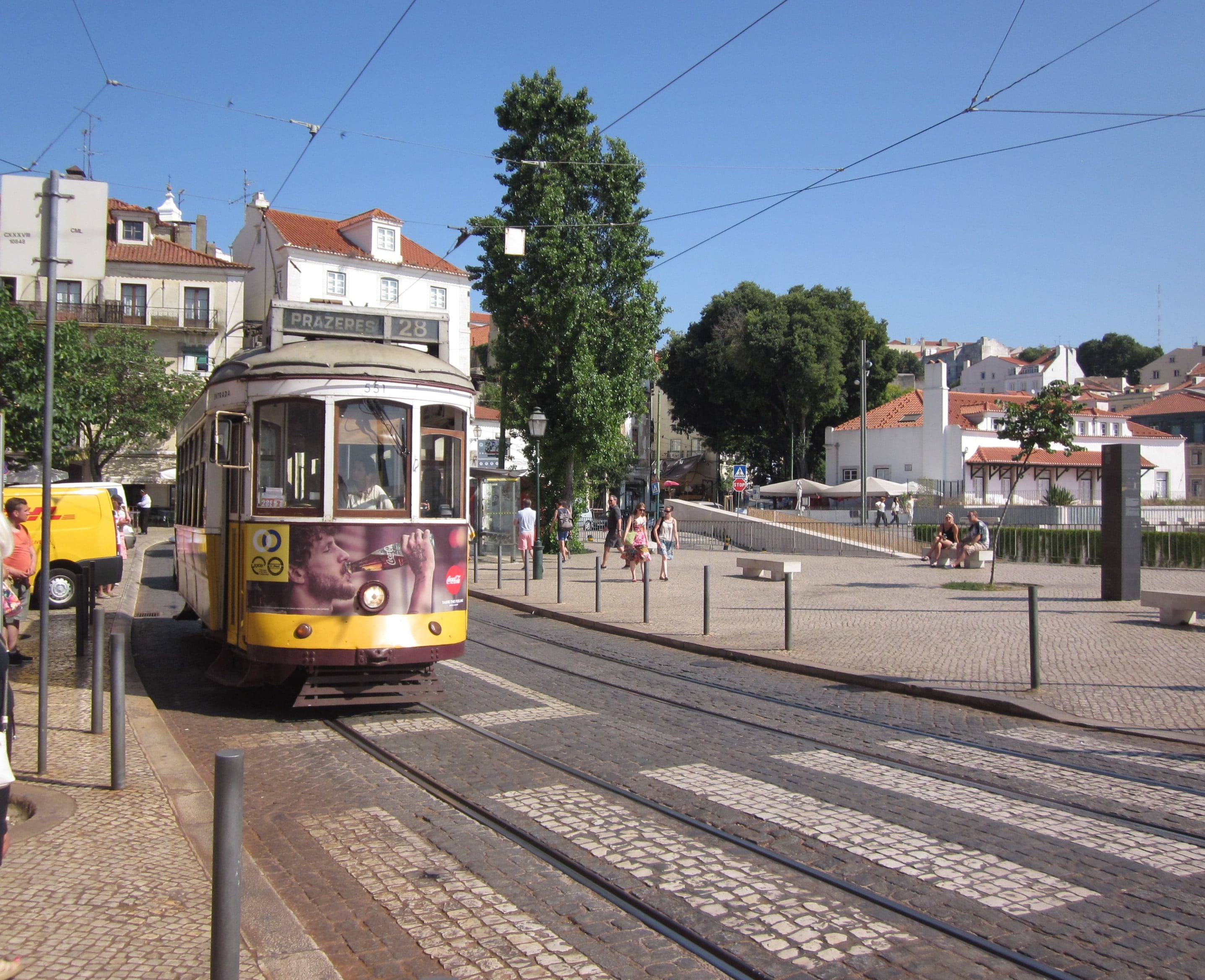
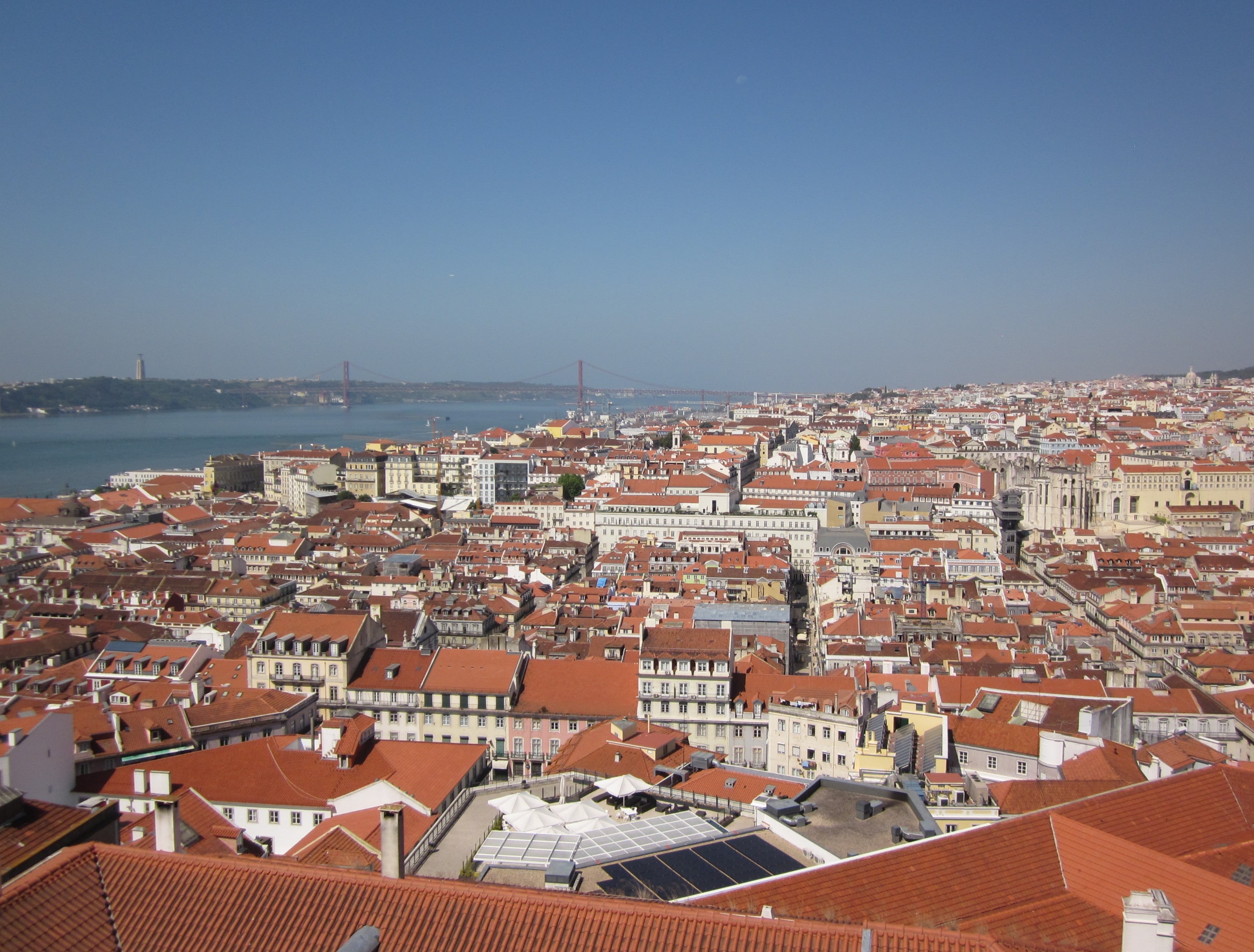
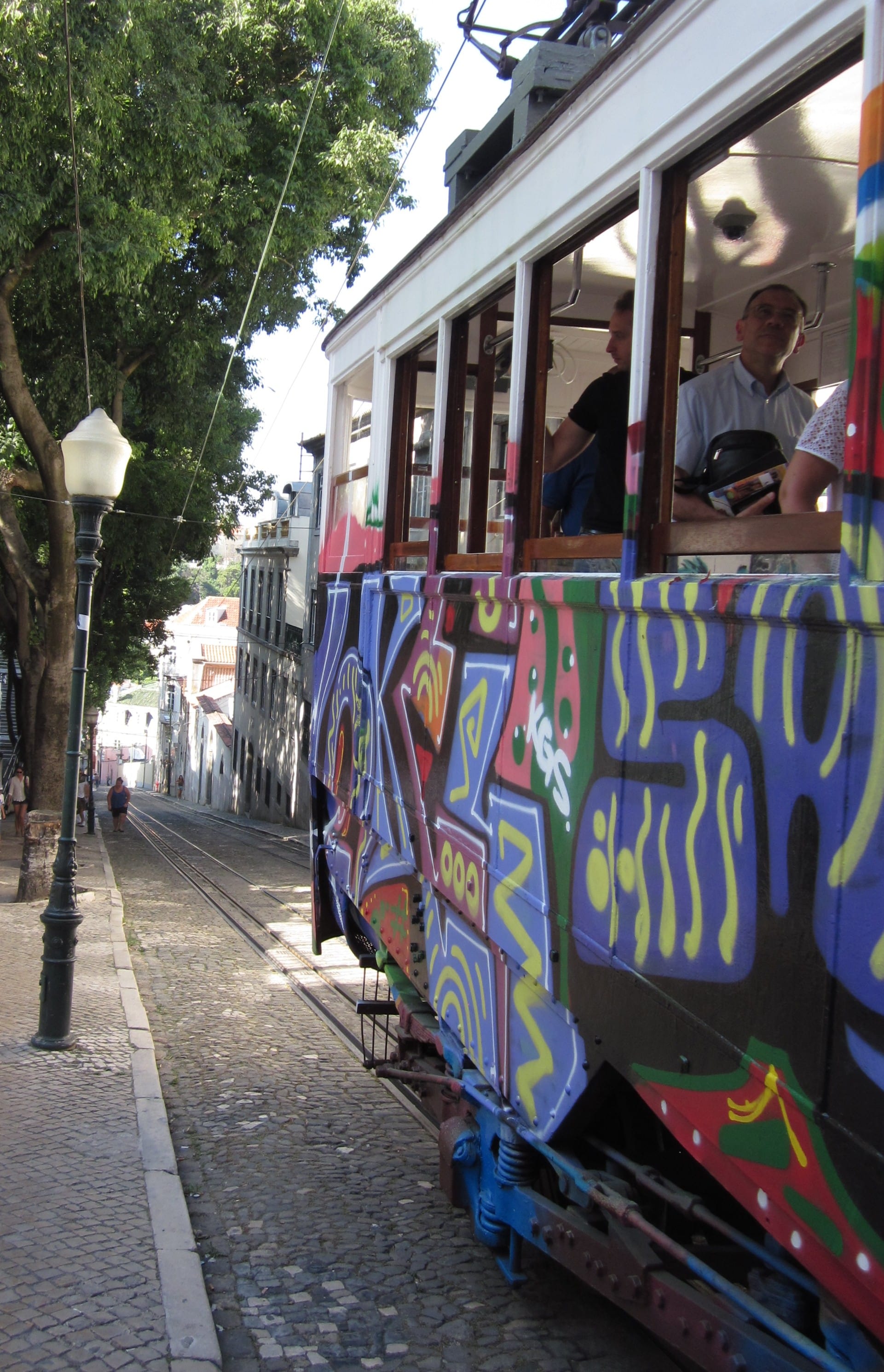
Of course we had to ride the famous Lisbon trolleys! We got on Trolley #12 from Praça da Figueria to Alfama, where we took a short coffee break and enjoyed wonderful of Lisbon. Then we hiked to Sao Jorge Castle at the top of the hill. The view from there was even more impressive!
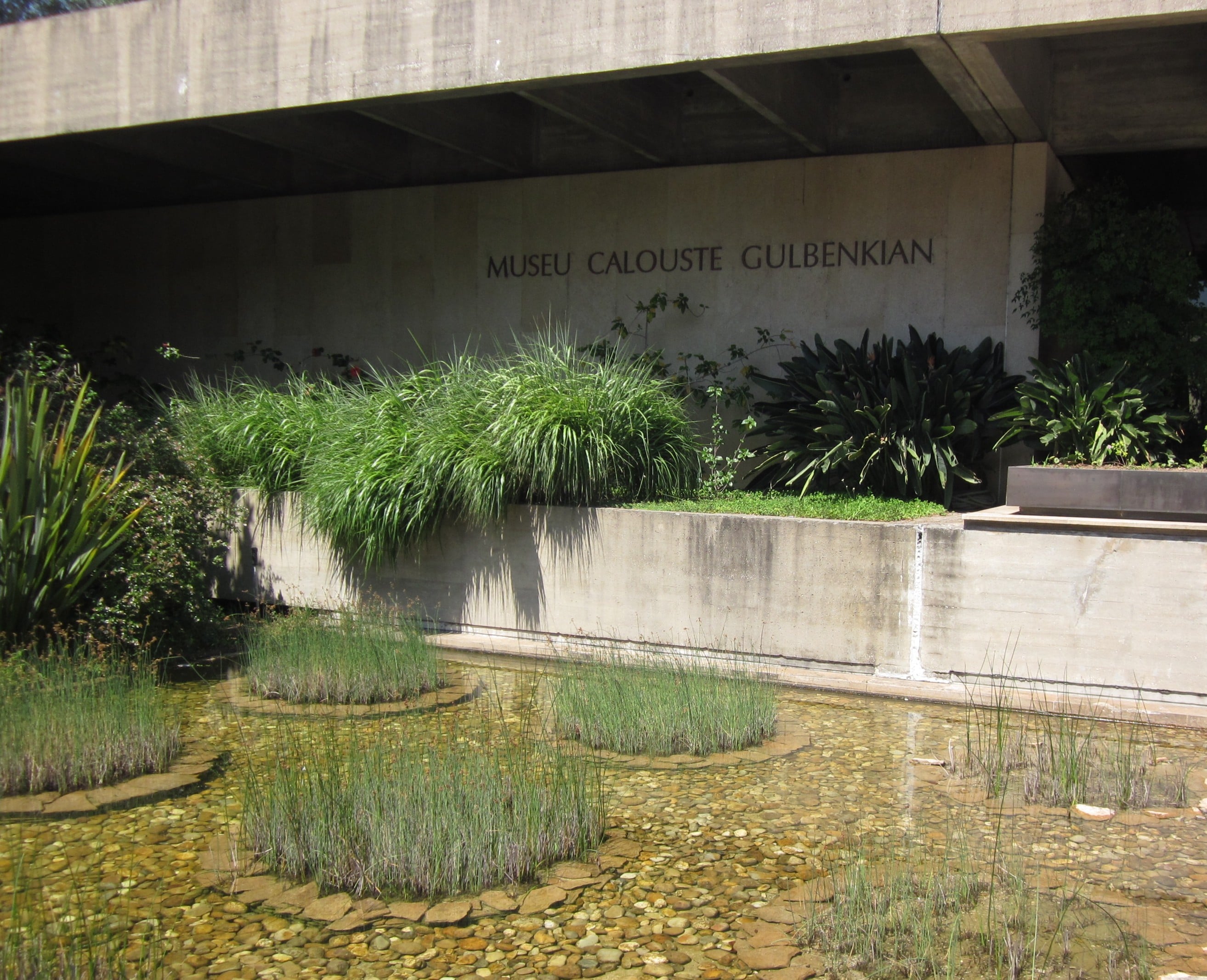
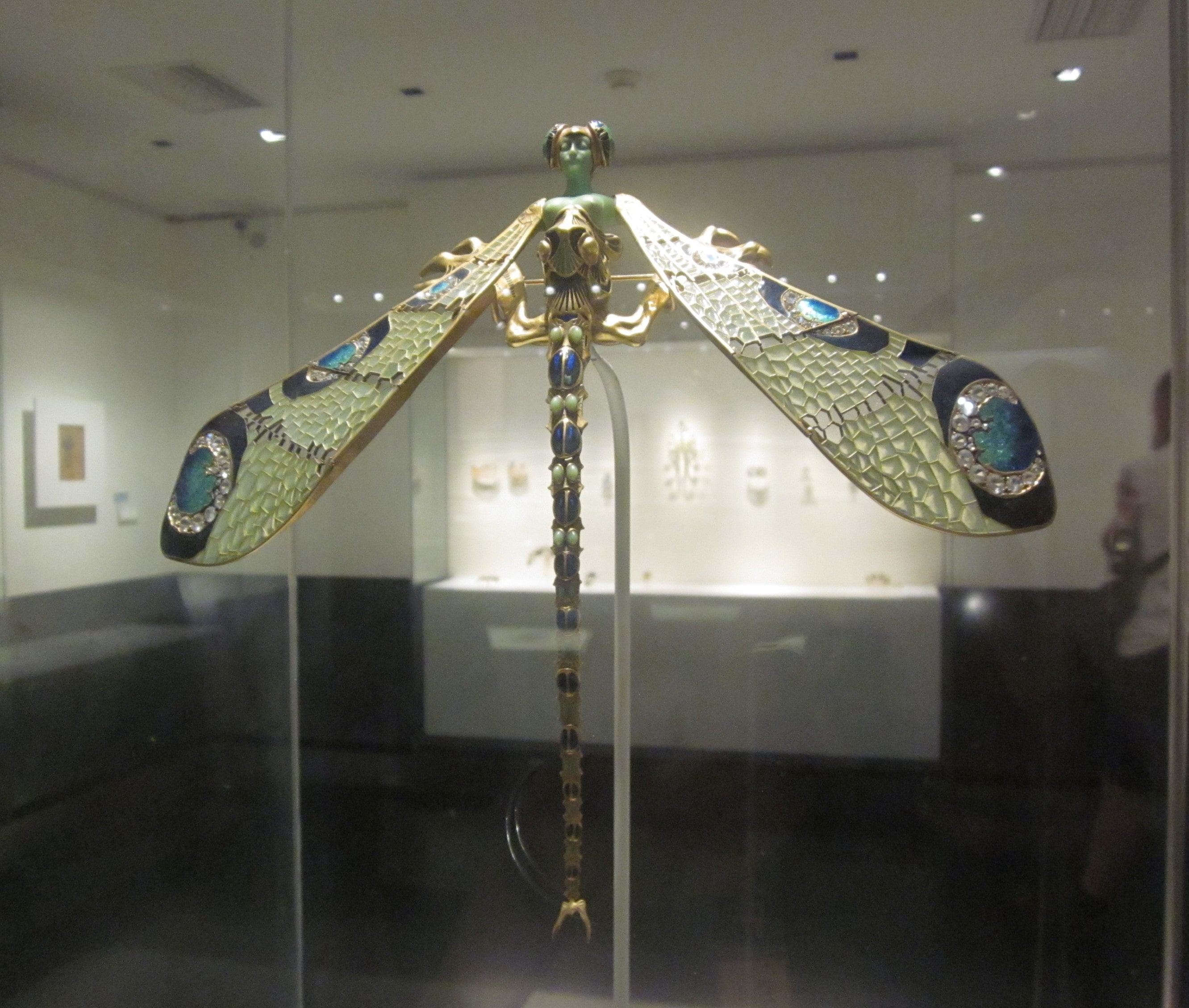
After lunch, we went to visit Gulbenkian Museum, a private museum by the billionaire Calouste Gulbenkian. There were a lot of beautiful paintings, ceramics, statues and jewelry in the museum. It’s hard to imagine a single person could have such an impressive art collection!
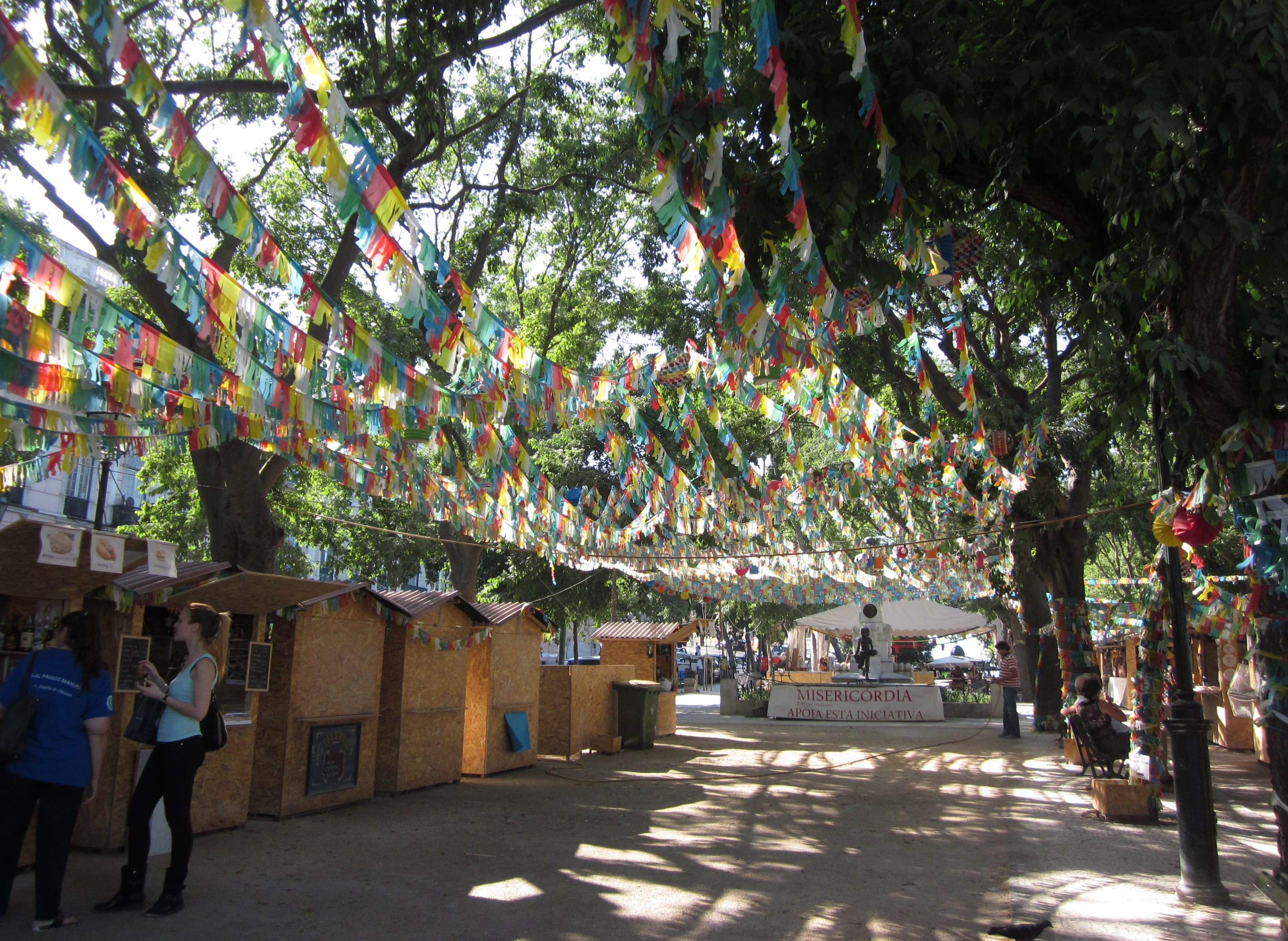
After the museum visit, we decided to go to Bairro Alto and have dinner there. We rode the Gloria Funicular from the Restauradores Square (not too far from Rossio) to the Sao Pedro de Alcantara Viewpoint in the Bairro Alto district. From there we were rewarded with another fantastic view of Lisbon from the viewpoint.
Our dinner in a restaurant in Bairro Alto was nice, but it was not as good as the one we had in Cervejaria Ramiro. After dinner, we strolled around the barrio before finally returning to the hotel to pack our luggage.
Day 8
We took a very early flight out of Lisbon airport to return home. This ended our week-long sweet vacation in Portugal. We had a very good coverage of western Portugal from Porto to Lisbon. However, we missed the Douro Valley region north of Porto, the Algarve region south of Lisbon, and the entire eastern region of Portugal. It will take us a few more trips to cover the places we skipped in this trip. This really gives us something to looking forward to, because Portugal is such a beautiful country!
(Rei and I went to Portugal again in 2022 to walk the Portugal Coastal Camino. We thoroughly enjoyed the walk. There will be more plans to visit Portugal in the future.)
 Amy 'n Rei