(8/18 – 8/24/2017)
The main purpose of this road trip was to watch the 2017 Total Solar Eclipse in northern Oregon, which happened on 8/21/2017. Watching total solar eclipse was very popular, and we had to book lodging about one year ahead. Many hotels not only raised the prices but also required multiple day stays. Fortunately, we were able to book the last room at the University Inn Corvallis for 2 nights with a total price of $210.89!
Day 1: Castle Crags State Park, California
We stayed in Redding last night so that we could have enough time to hike in Castle Crags State Park before arriving in Corvallis, Oregon.
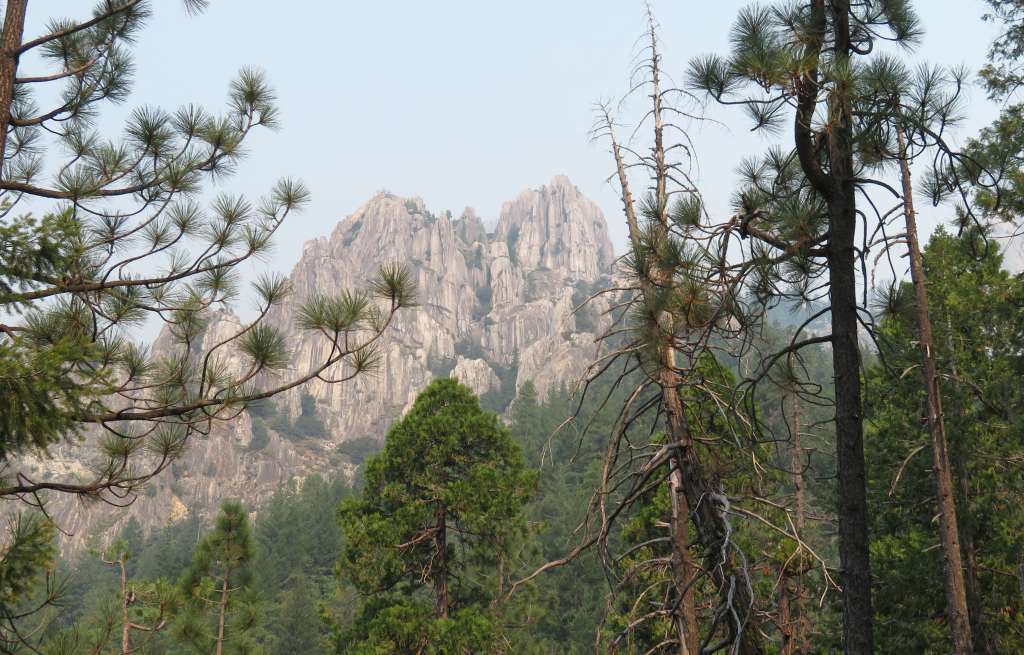
We were hiking the Castle Dome Trail, which was 5.4 miles round trip with an elevation gain of 2200 ft. The hike started with a dirt forest trail. Very soon we were able to see the impressive Castle Crags. Then it involved some climbing and even scrambling. However, the hiking was still not too challenging. After more than an hour of hiking, we reached the top of the trail and had a lunch break. The view from the top was spectacular!
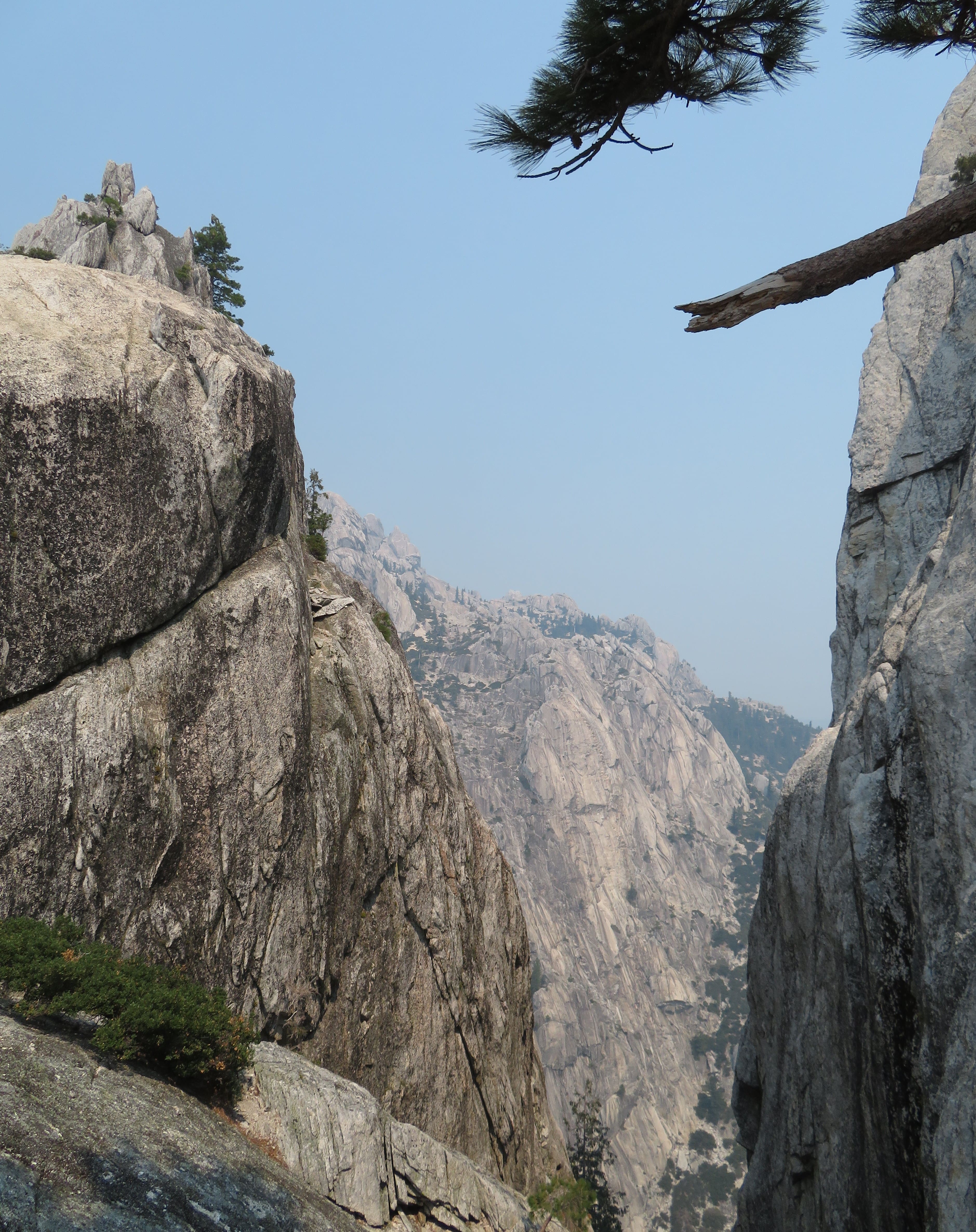
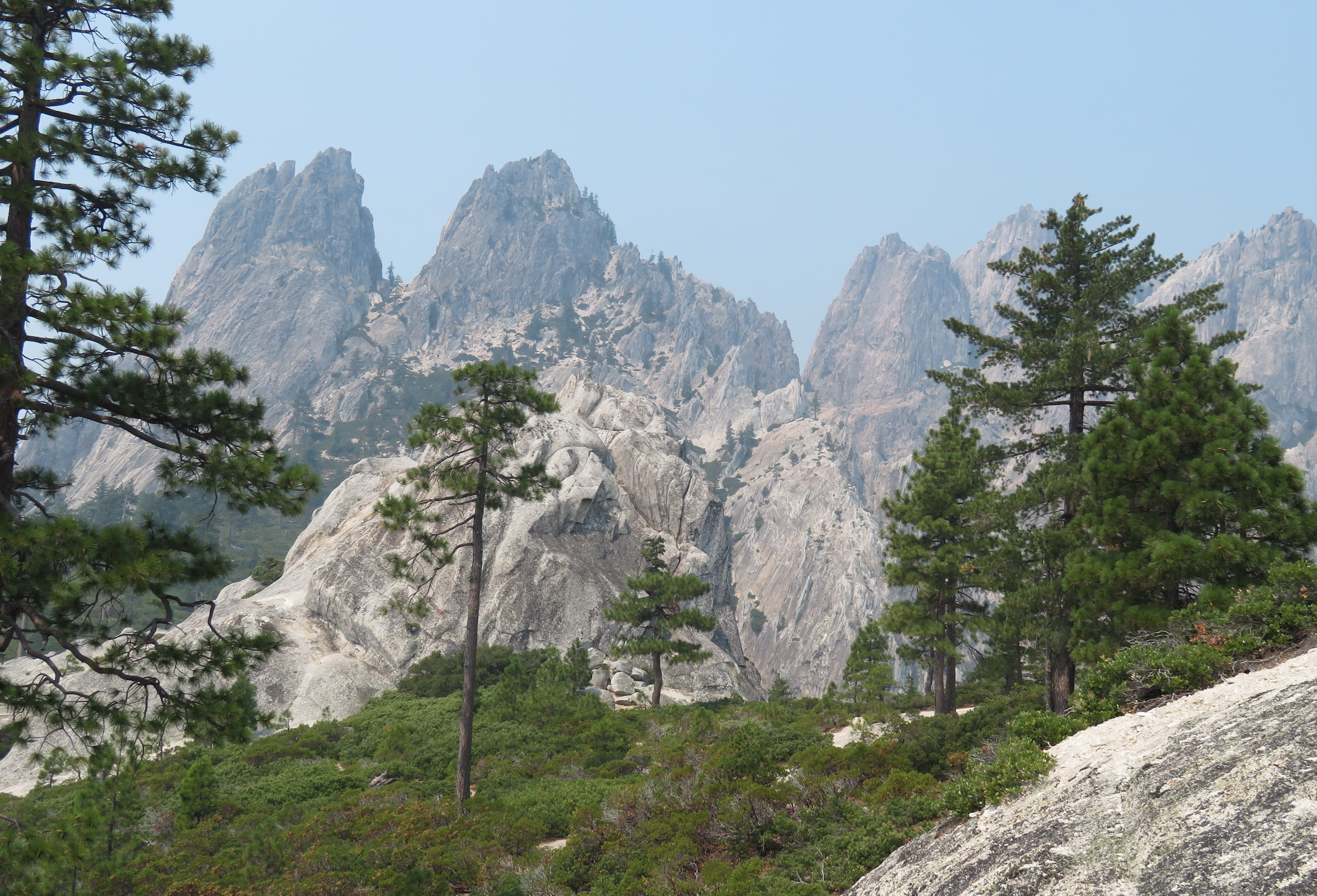
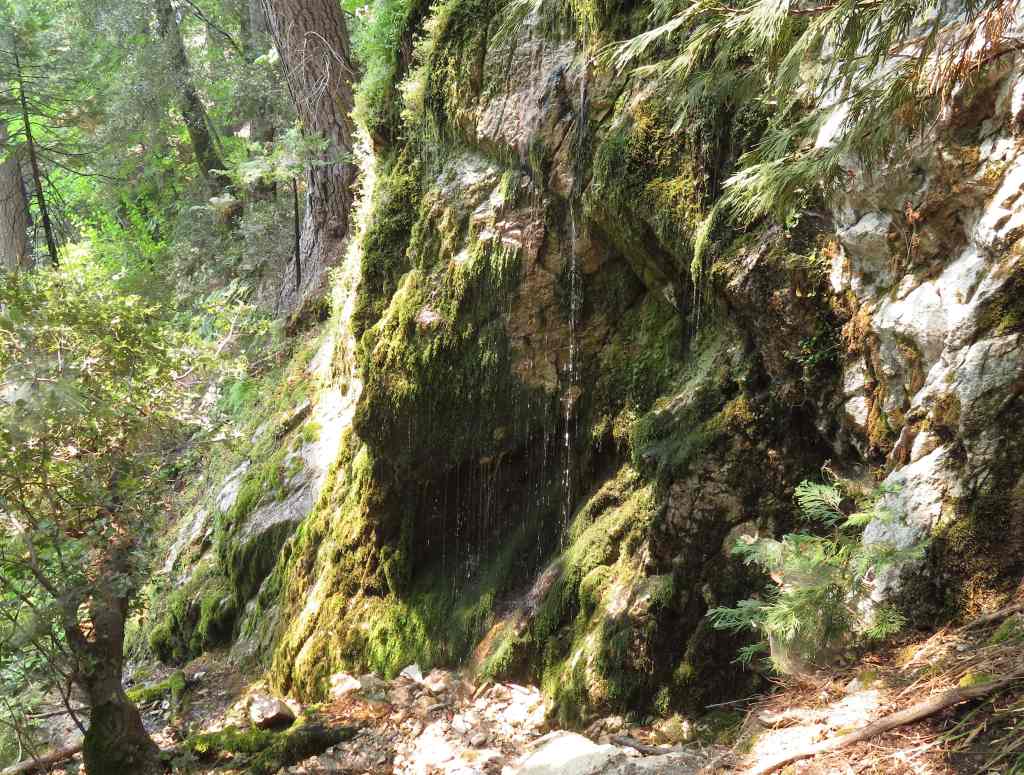
On the way down, we decided to detour to Indian Springs to take a look. Indian Springs only had a very small amount of water flowing down from moss-covered rocks. We both washed our hands there.
After the hike, we simply drove to Corvallis to check into our hotel.
Day 2: Silver Falls State Park, Oregon
We arrived in Oregon one day before the total solar eclipse so that we could scout the location and get ready for the eclipse viewing. Since we had a full day, we would also visit the Silver Falls State Park in the area.
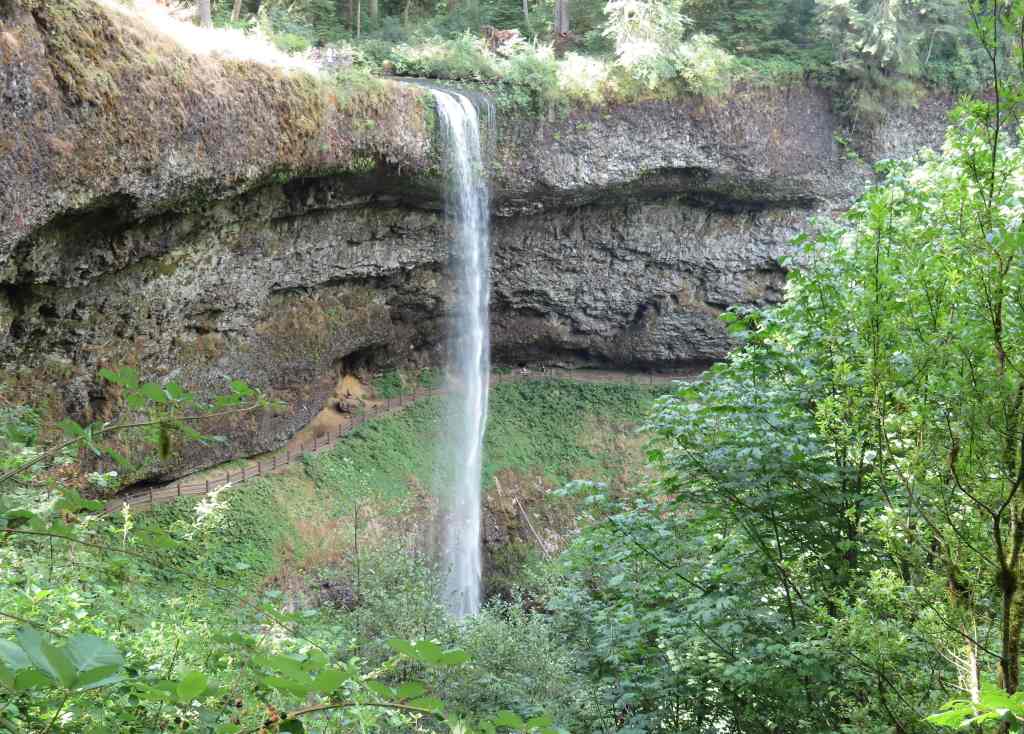
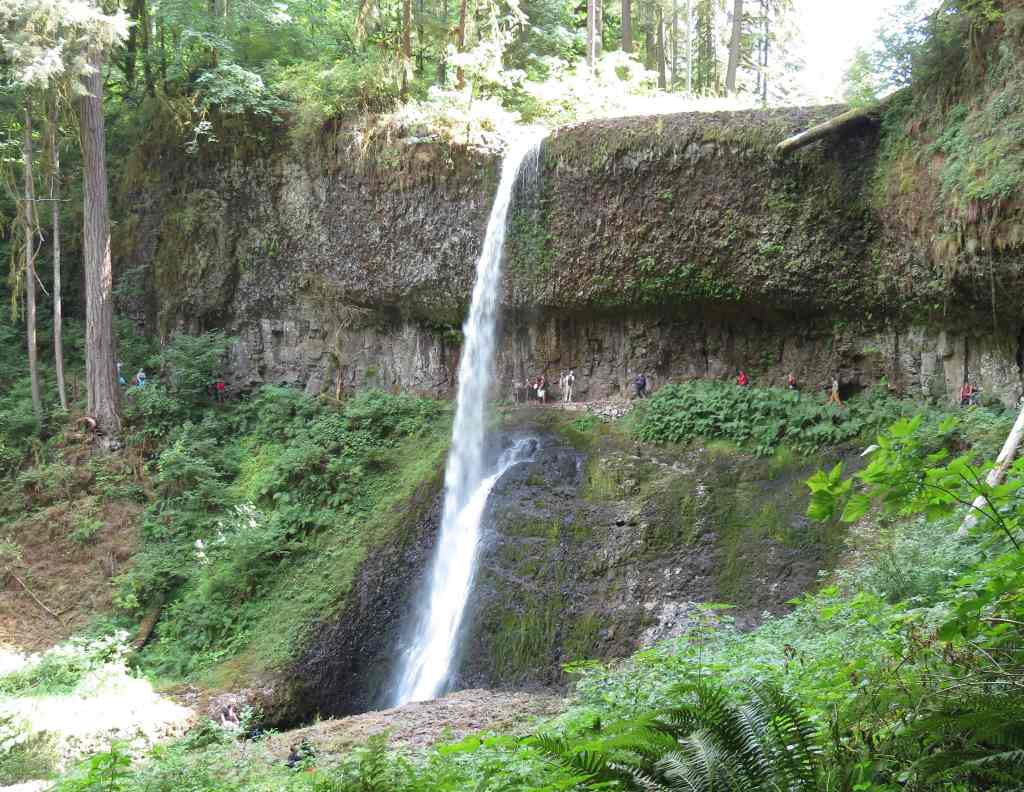
Silver Falls State Park was one of the best state parks I’ve visited. The Trail of Ten Falls (https://oregontails.org/hikes/willamette-valley/trail-of-ten-falls-silver-falls-state-park/) is a 7.2-mile loop featuring 10 waterfalls. You would be able to walk behind some of the waterfalls such as South Falls and Middle North Falls. This was a very enjoyable hike, and we took a lot of photos of the waterfalls.
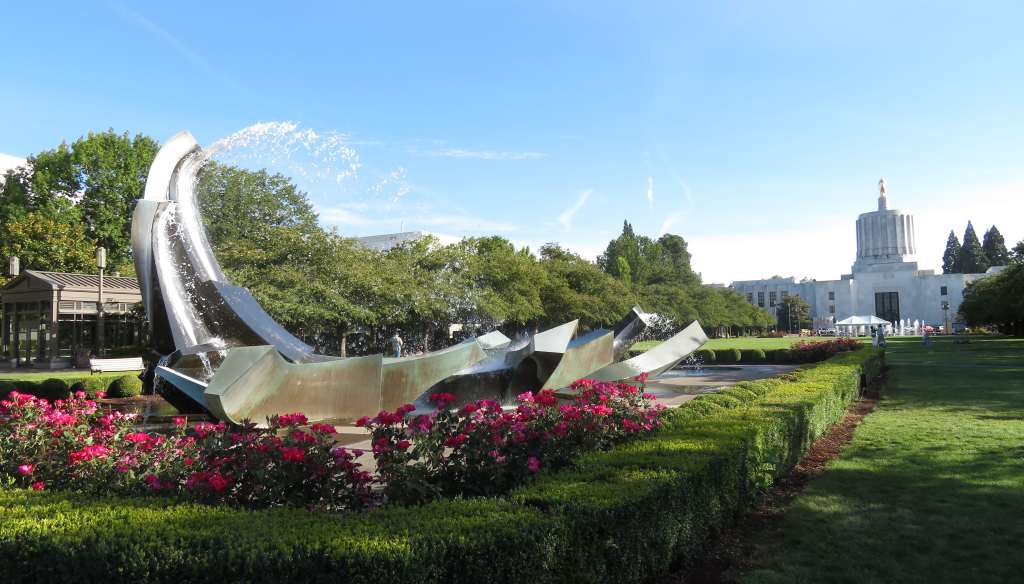
In the evening, we strolled around Corvallis, where’s the home of Oregon State University. Even though it’s summer, we could still feel the vibrant college atmosphere. We had dinner in a downtown restaurant and thoroughly enjoyed that.
Day 3: Total Solar Eclipse (around 10:16am)
We were lucky that we had excellent weather today, and the sky was mostly clear. The partial eclipse started shortly after 9am in Corvallis. Our motel room balcony, with convenient bathroom access, was a prime viewing location. Rei turned on the TV so that we could hear the current news reports about the eclipse. We saw some people setting up their cameras and tripods in the downstairs courtyard. The excitement was palpable!
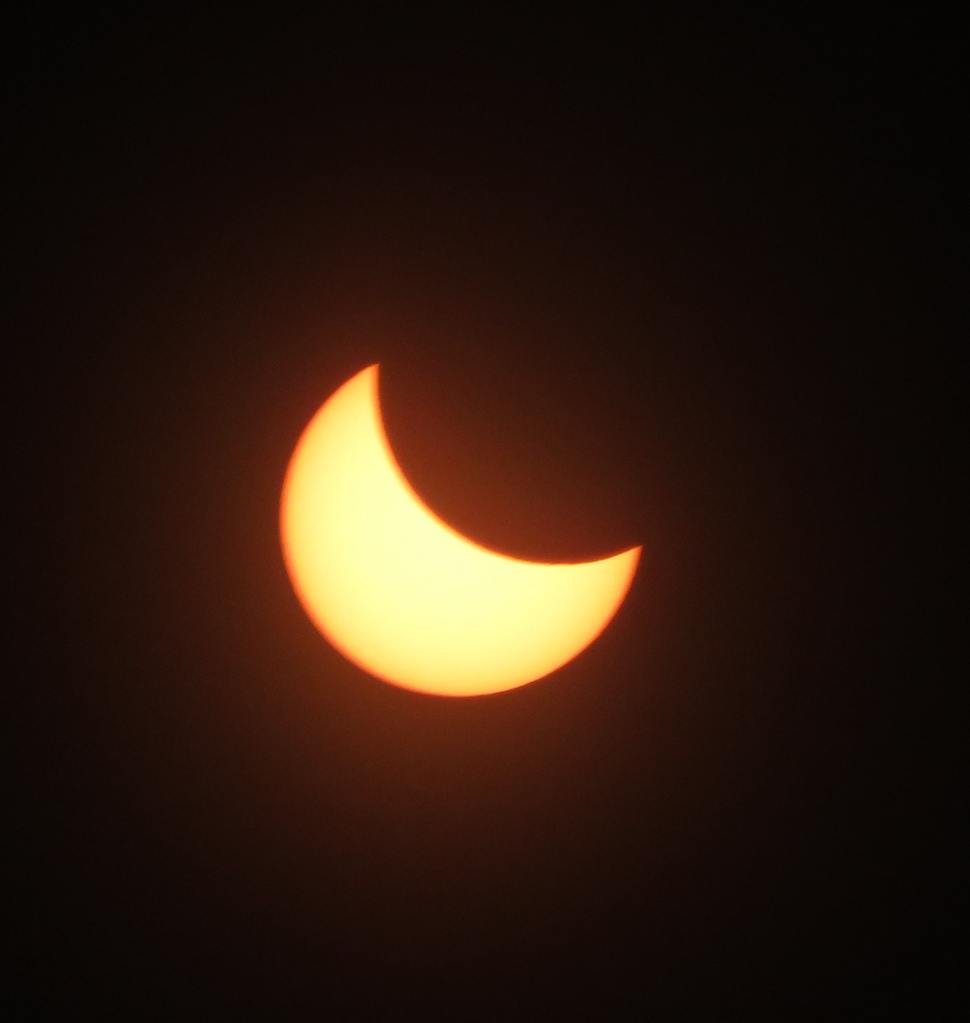
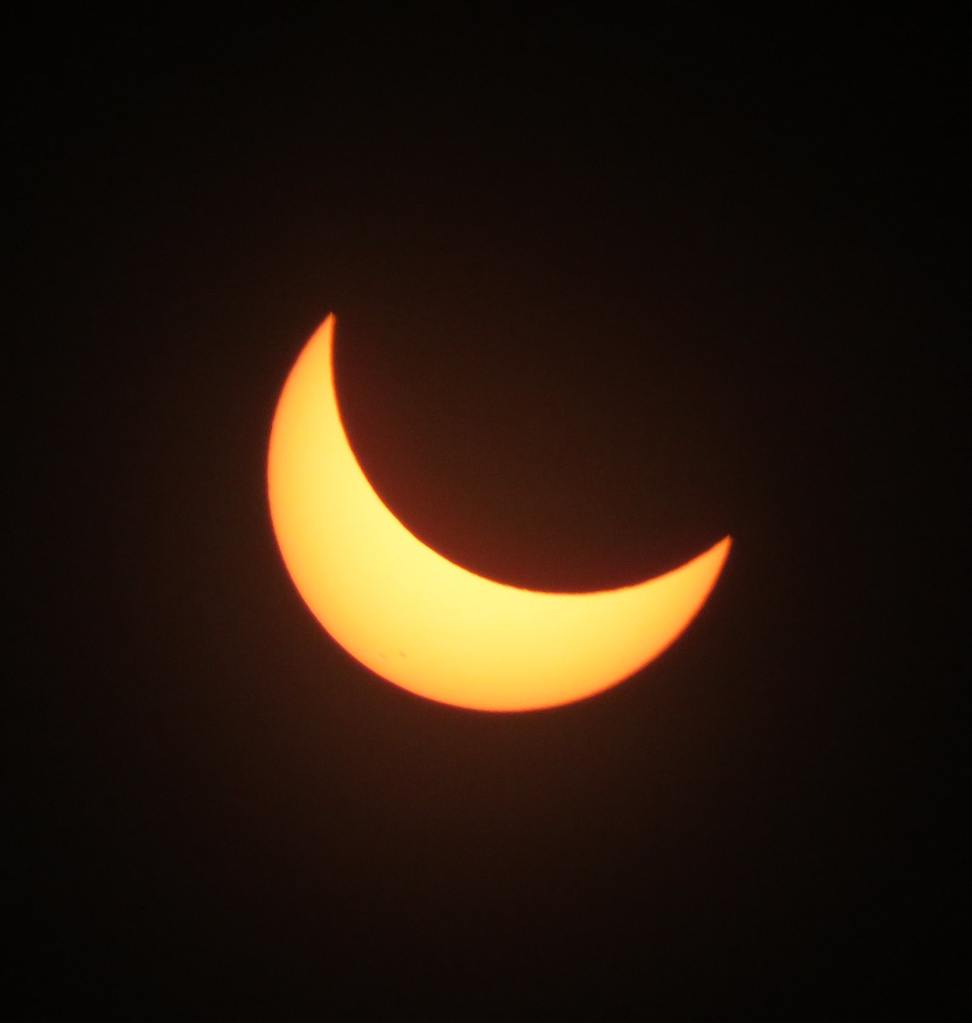
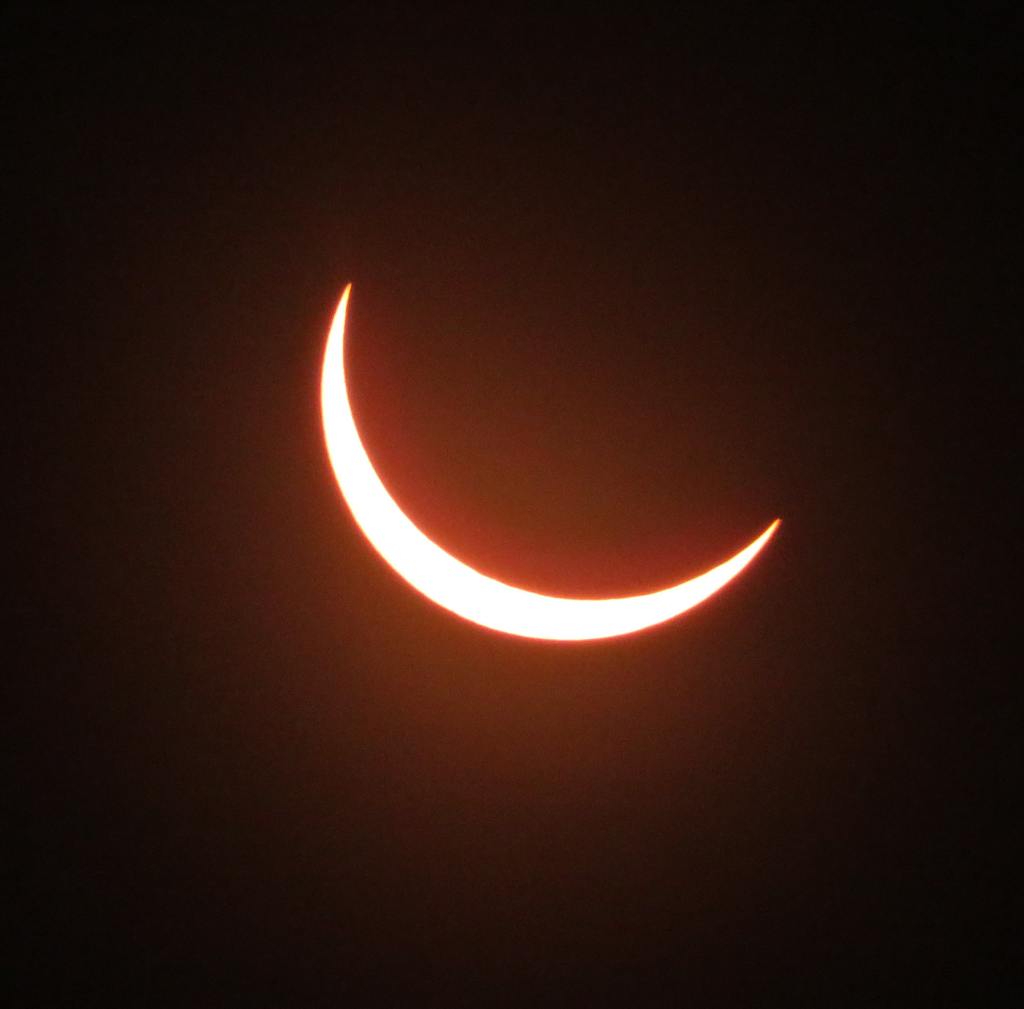
When the eclipse started, the sky turned darker, and the temperature also dropped. Rei’s phone photos didn’t work, but I was able to photo the eclipse with my Canon camera behind a pair of eclipse viewing glasses! I took many pictures.

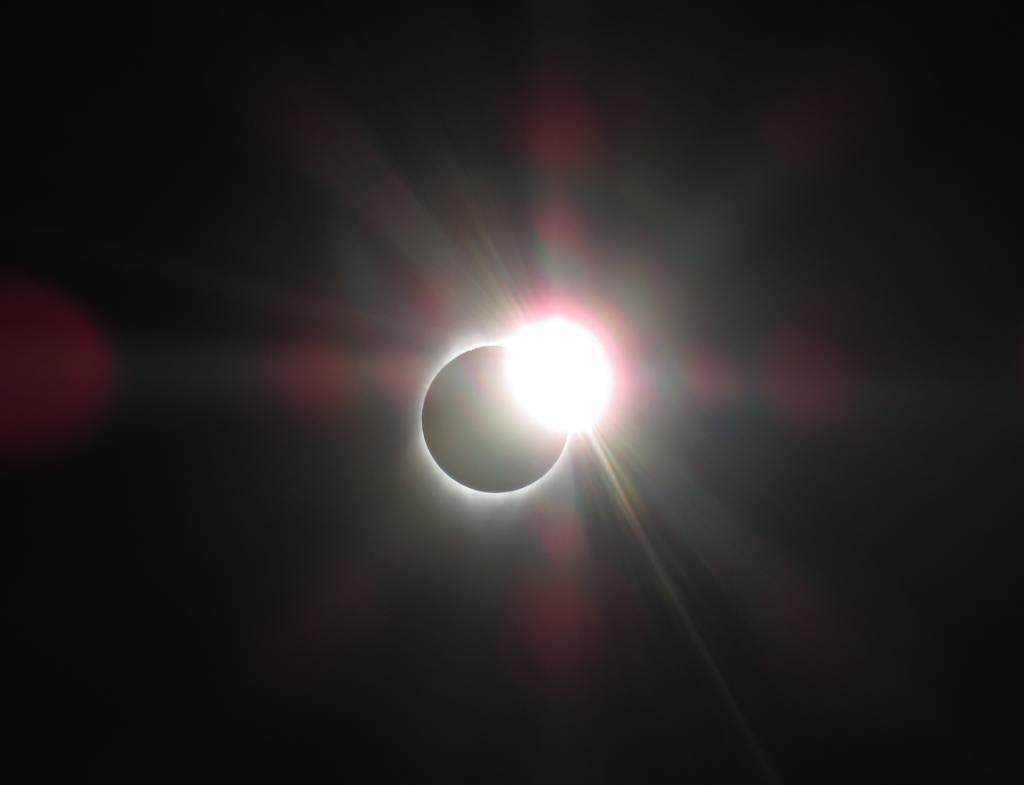
Total eclipse started at 10:16am. We were able to look directly at it without the eclipse viewing glasses. It was truly stunning! I also managed to take a few photos of the total eclipse. The total eclipse lasted less than 2 minutes at our location, but the effect was everlasting! People were all super-excited, and Rei was already suggesting that we see more total eclipses in the future.
We had to check out the motel before 11am, so we couldn’t wait until the eclipse ended. Many people were checking out around the same time, so there was a long line. We also thanked the staff there for not gouging the price.
After checking out, we were driving to Crater Lake National Park, where we had a reservation at the Cabins at Mazama Village. There was a big traffic jam on the freeway, and cars were all crawling. When we finally reached a rest stop, it was full of people too. Almost everybody there was an eclipse chaser, and we heard many of them were already talking about the next total eclipse visible in the United States in 2024.
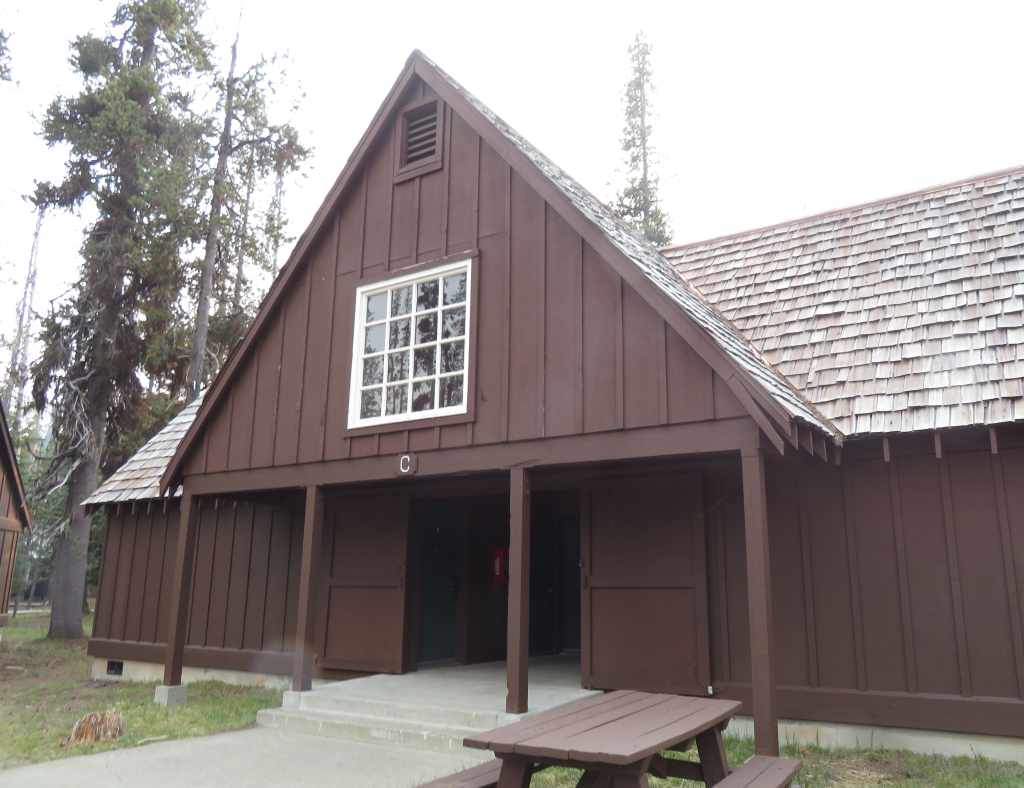
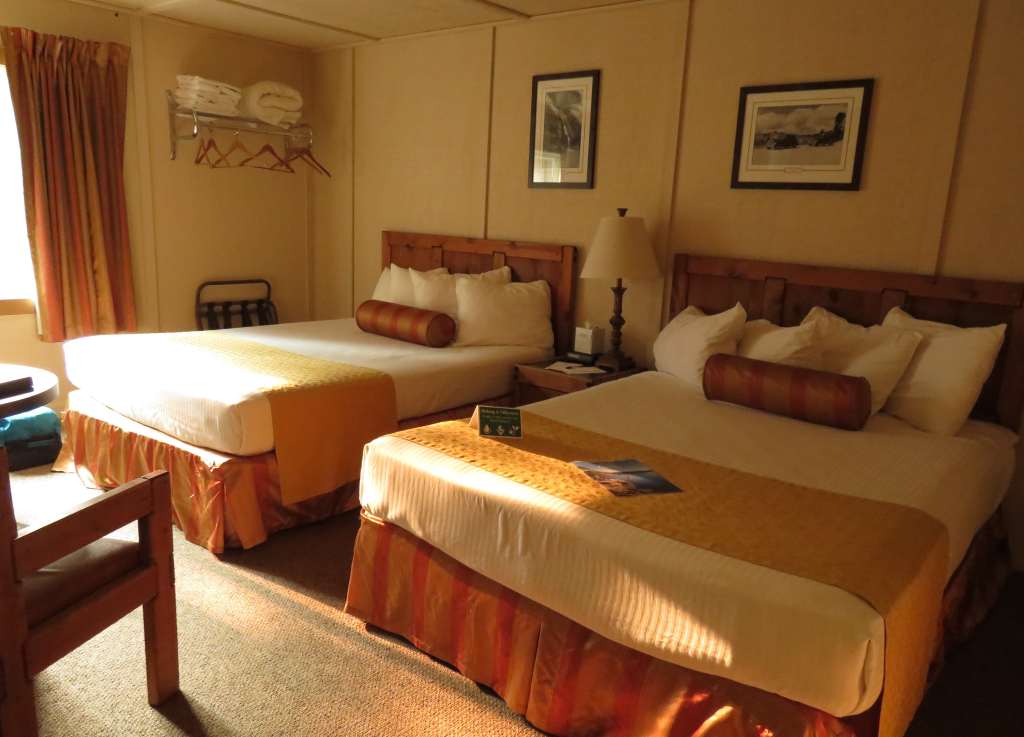
It was already late afternoon when we arrived at Crater Lake National Park. Our cabin at Mazama Village was very comfortable. We had dinner at Mazama Village since there were no other options.
Day 4: Crater Lake National Park, Oregon
I wanted to book a boat ride to Wizard Island on Crater Lake. However, the boat rides were all sold out many months ago when I checked. Therefore, we would do Mt. Scott hike today. There was a fire going on somewhere today, and it was smoky in the Crater Lake area. It turned out that we didn’t miss much by not going to Wizard Island.
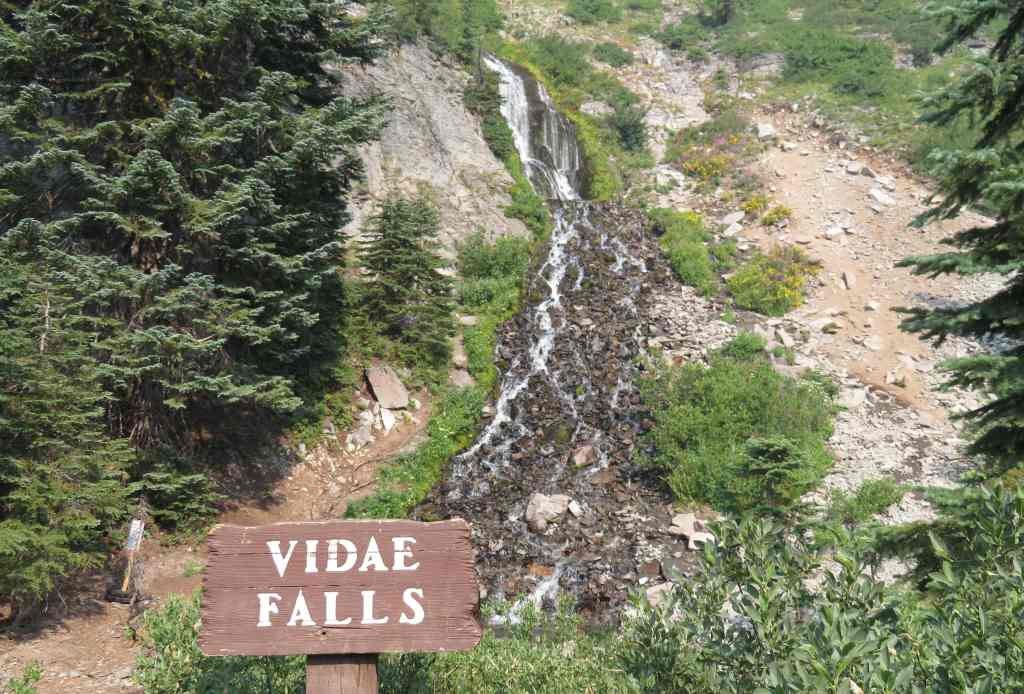
We first went to Vidae Falls, which was still flowing with some amount of water but wasn’t very impressive.
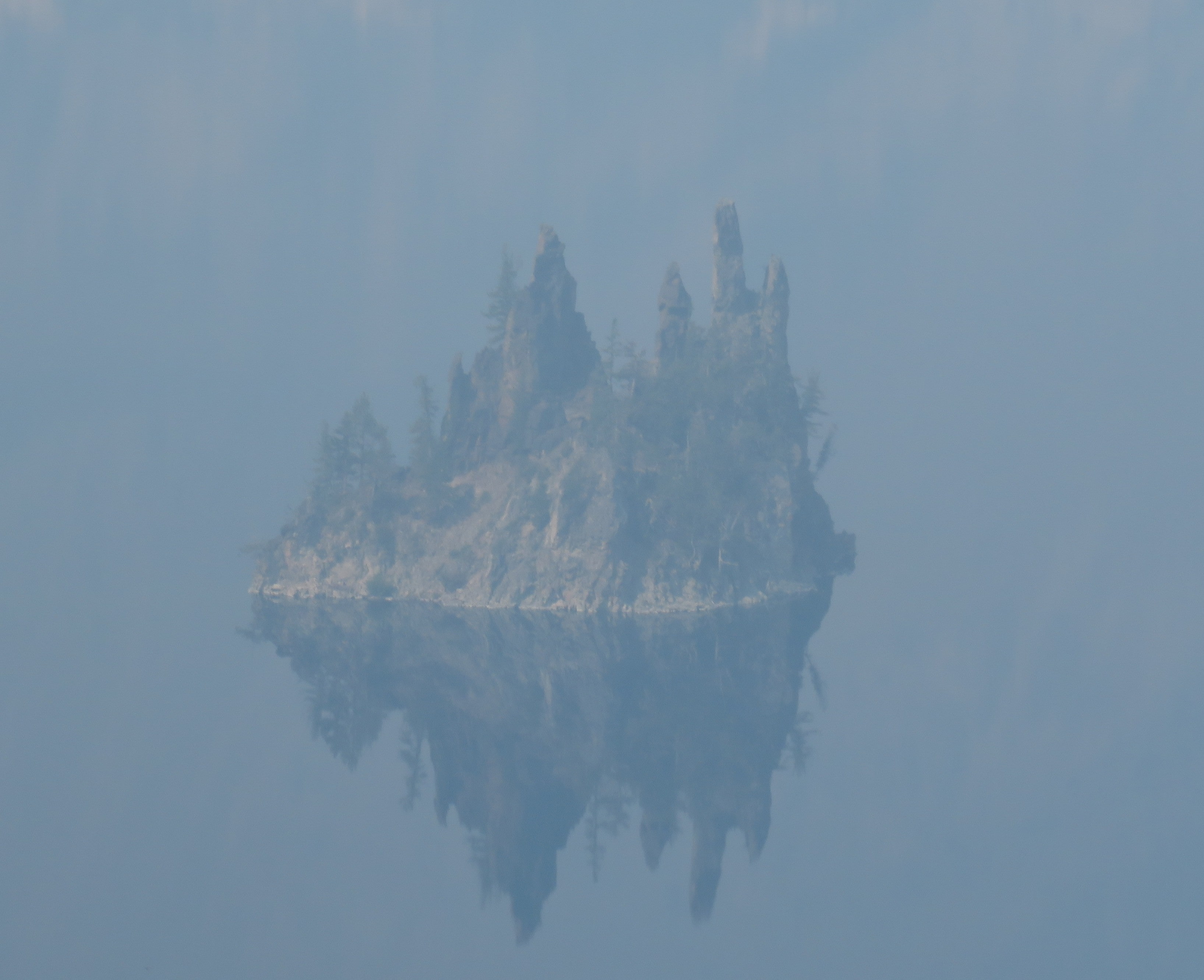
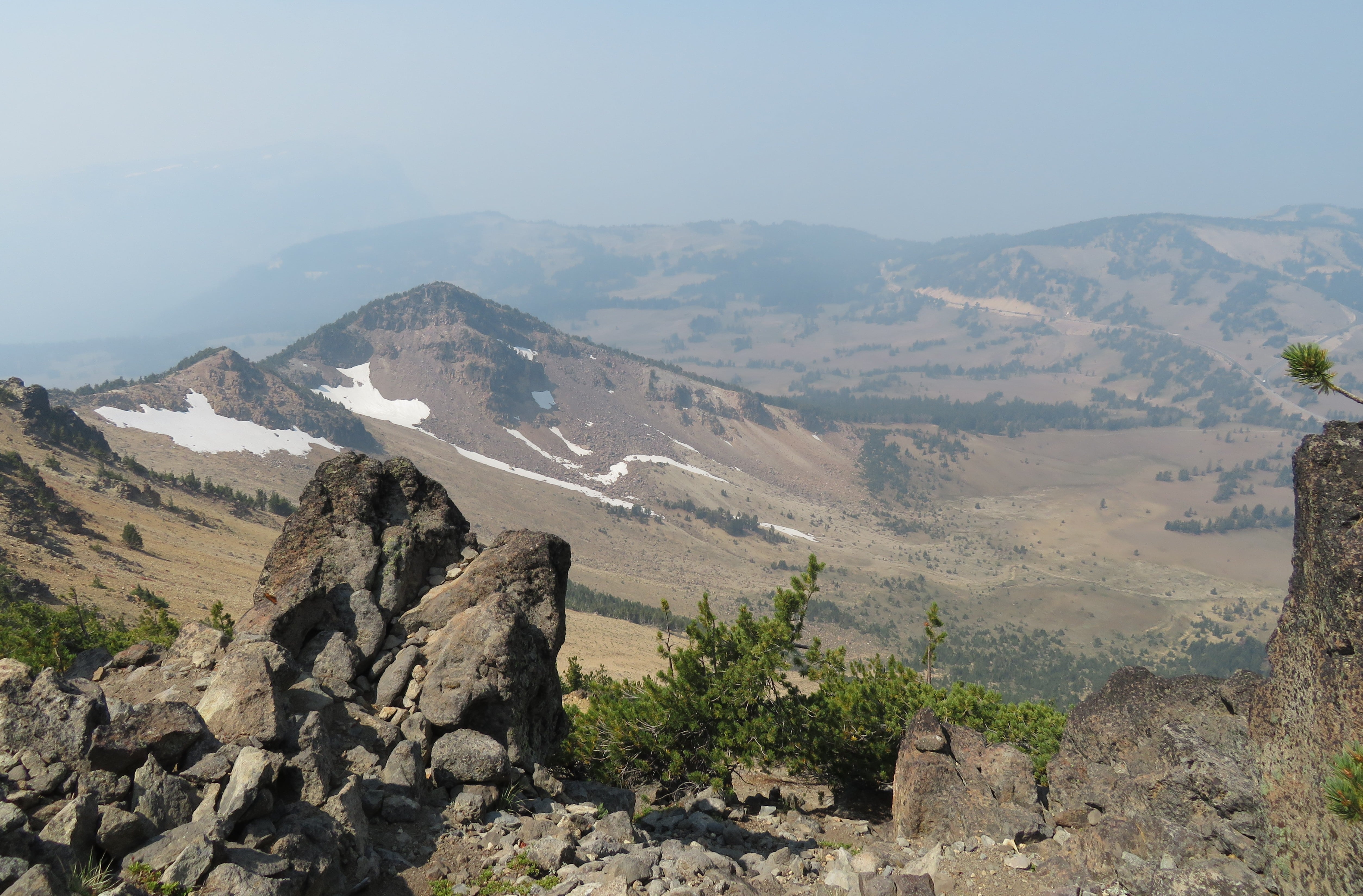
Mt. Scott at 8,929 ft was the highest peak in the Crater Lake National Park. The hike to summit Mt. Scott was only about 2.5 miles one way. It wasn’t a difficult hike. We were able to see Phantom Ship from the trail though it wasn’t a clear view due to the smoke. Even though it’s already late August, there were still plenty of colorful wildflowers on the trail. There were several patches of snow as well.
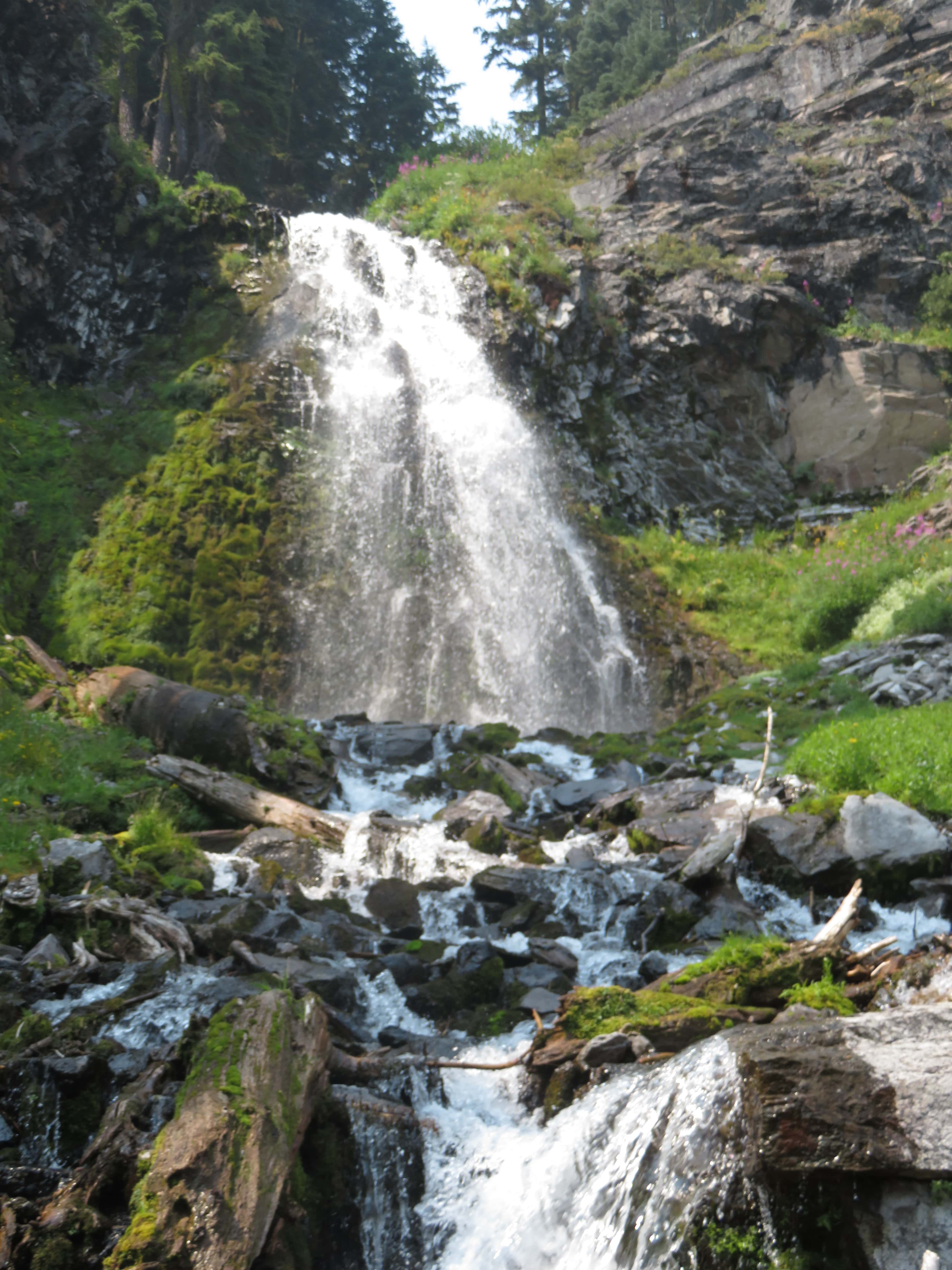
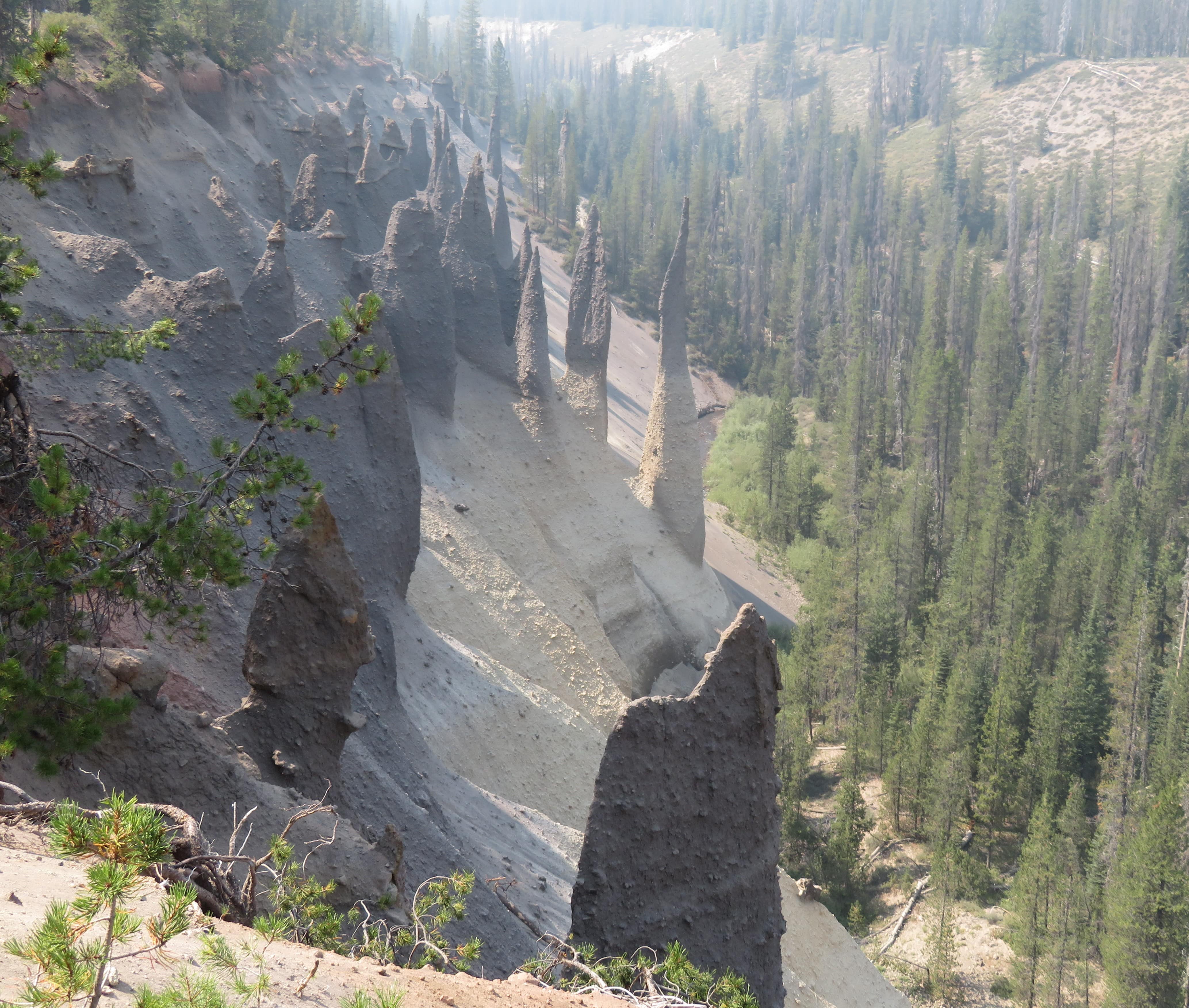
After the hike, we did a bit more sightseeing in the national park, including a stop at Plaikni Falls, which had more water than Vidae Falls. The Pinnacles were unique rock formations that were hardened volcanic matters exposed after water erosion. They were highly unusual.
Afterwards, we drove to Klamath Falls, where we would spend two nights.
Day 5: Lava Bed National Monument, California
We would spend the entire day at Lava Bed National Monument. With its unique volcanic landscapes and many underground caves, the national monument provided a lot of exploration opportunities for curious visitors.
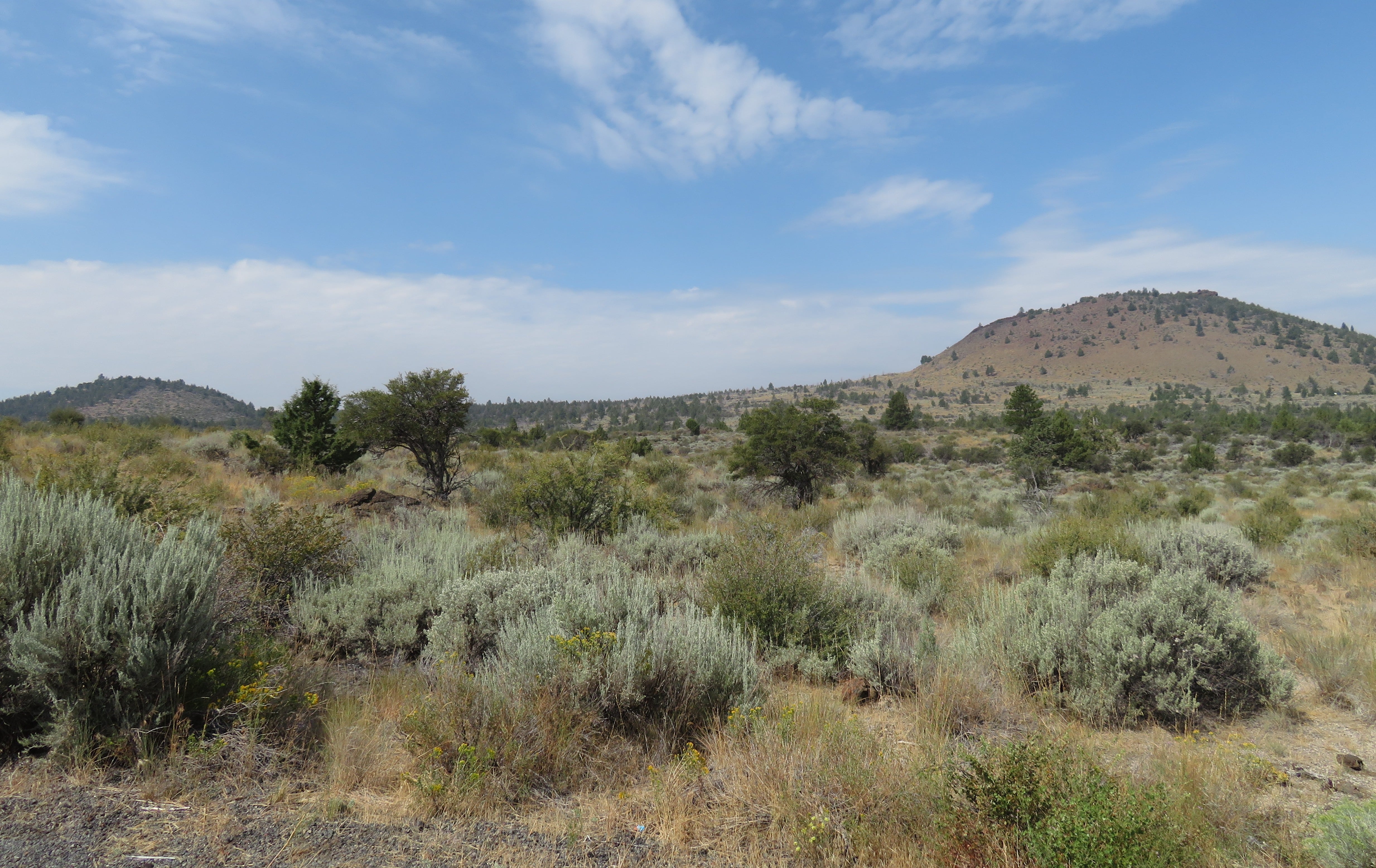
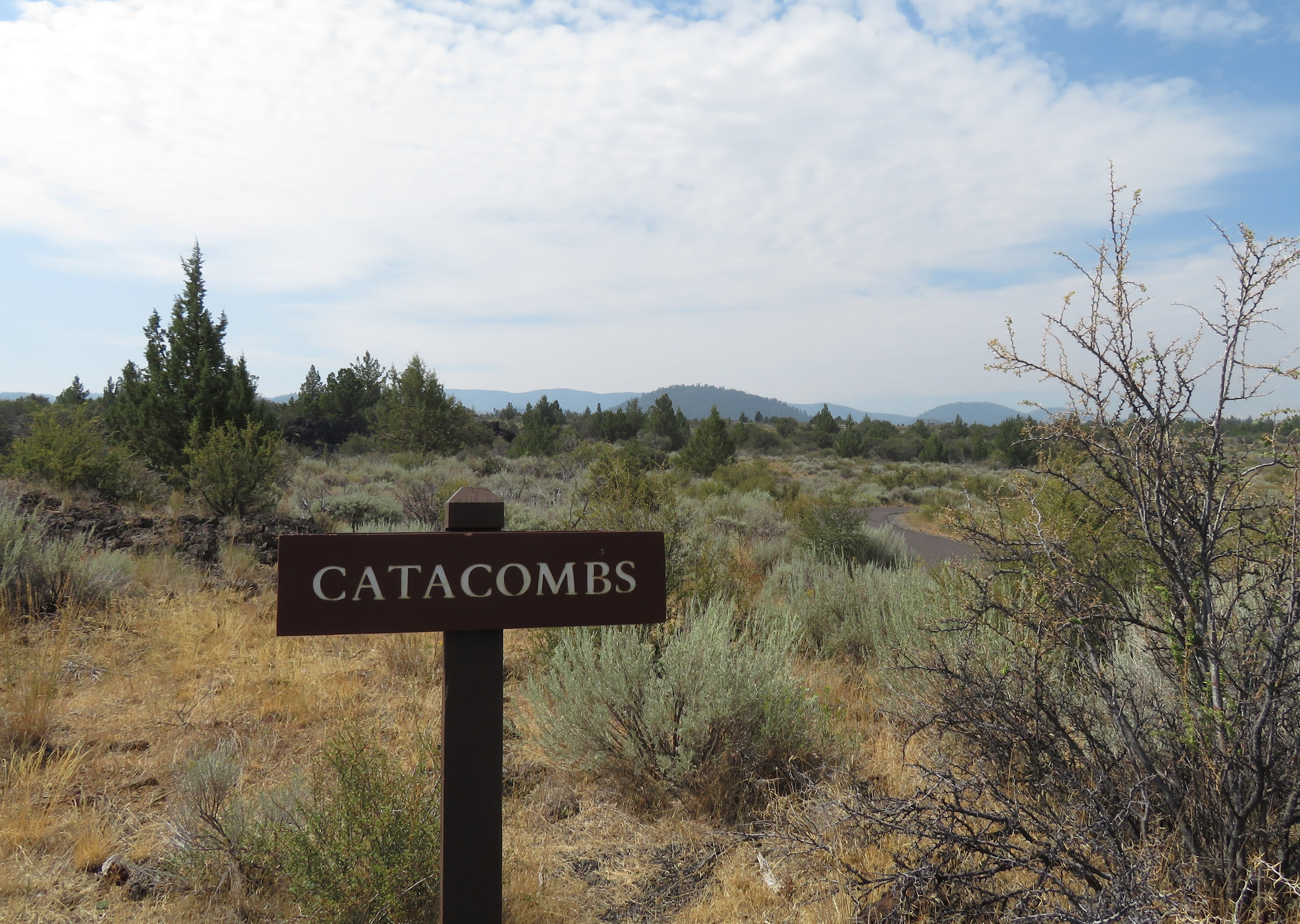
We first explored Golden Dome Cave and Catacombs Cave; both were created by lava flows tens of thousands of years ago. We had to carry our own lights and had to watch out in order not to bump our heads at the rocky cave ceilings.
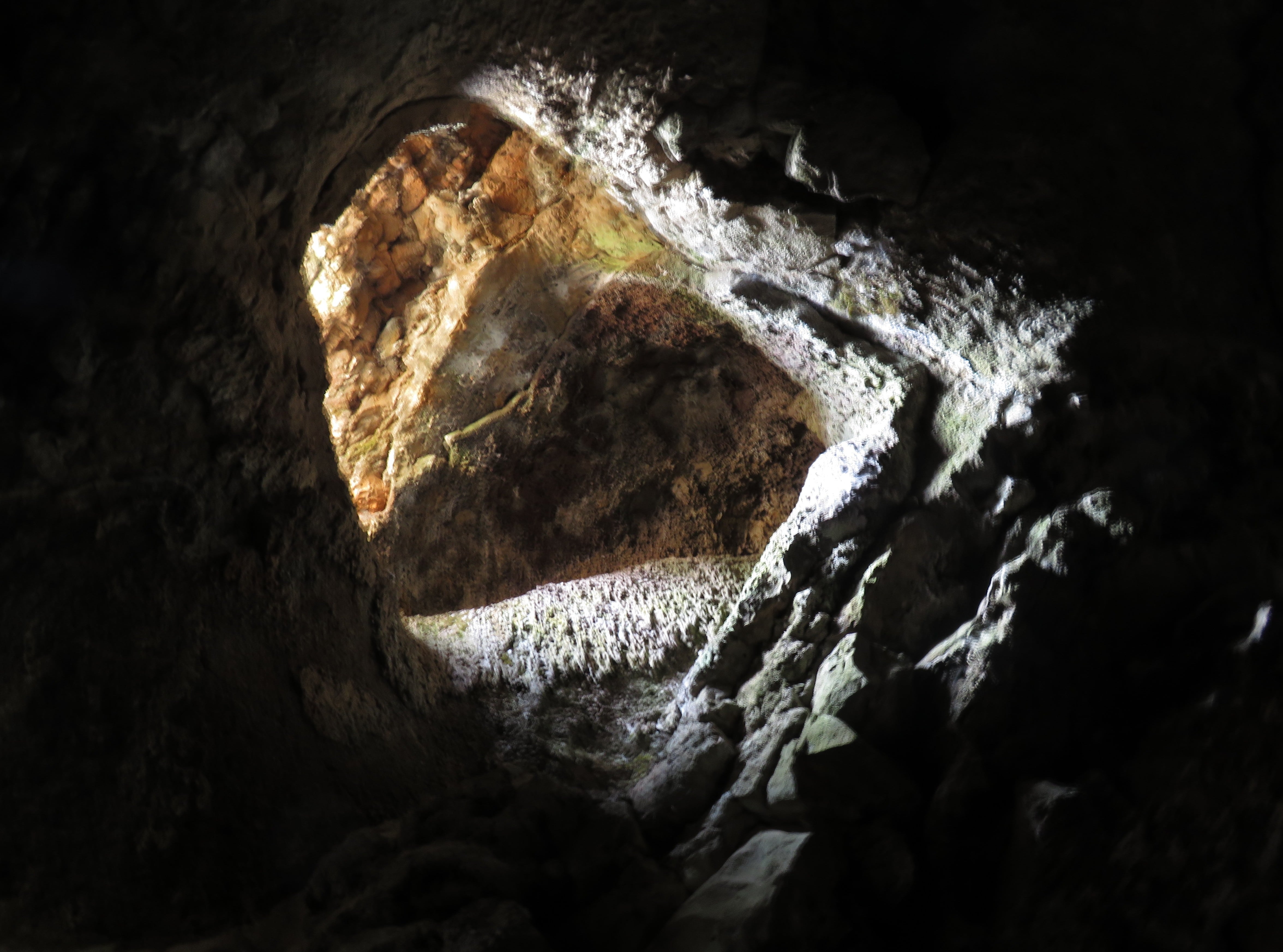
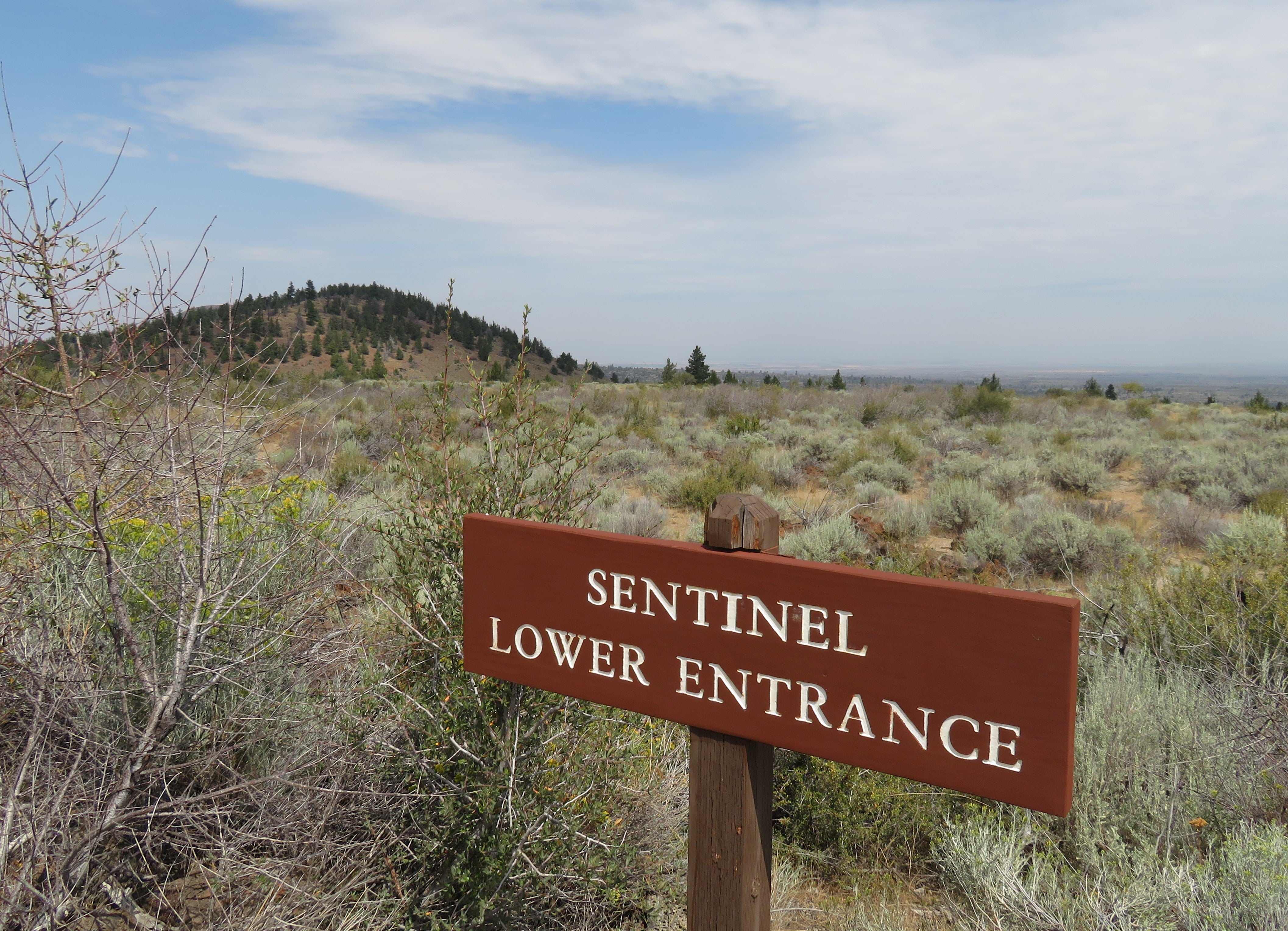
Sentinel Cave was one of the longest caves, but it was easy to explore. It had an upper and lower entrance. We entered from the upper entrance and walked the loop to exit from the lower entrance.
Mushpot Cave with installed lights was the easiest cave to explore in Lave Bed NM. There were also signs inside providing additional information. Labyrinth Cave was another cave near the visitor center. The cave was more challenging because it required climbing down narrow and steep stairs to enter the cave, and there was no light inside.
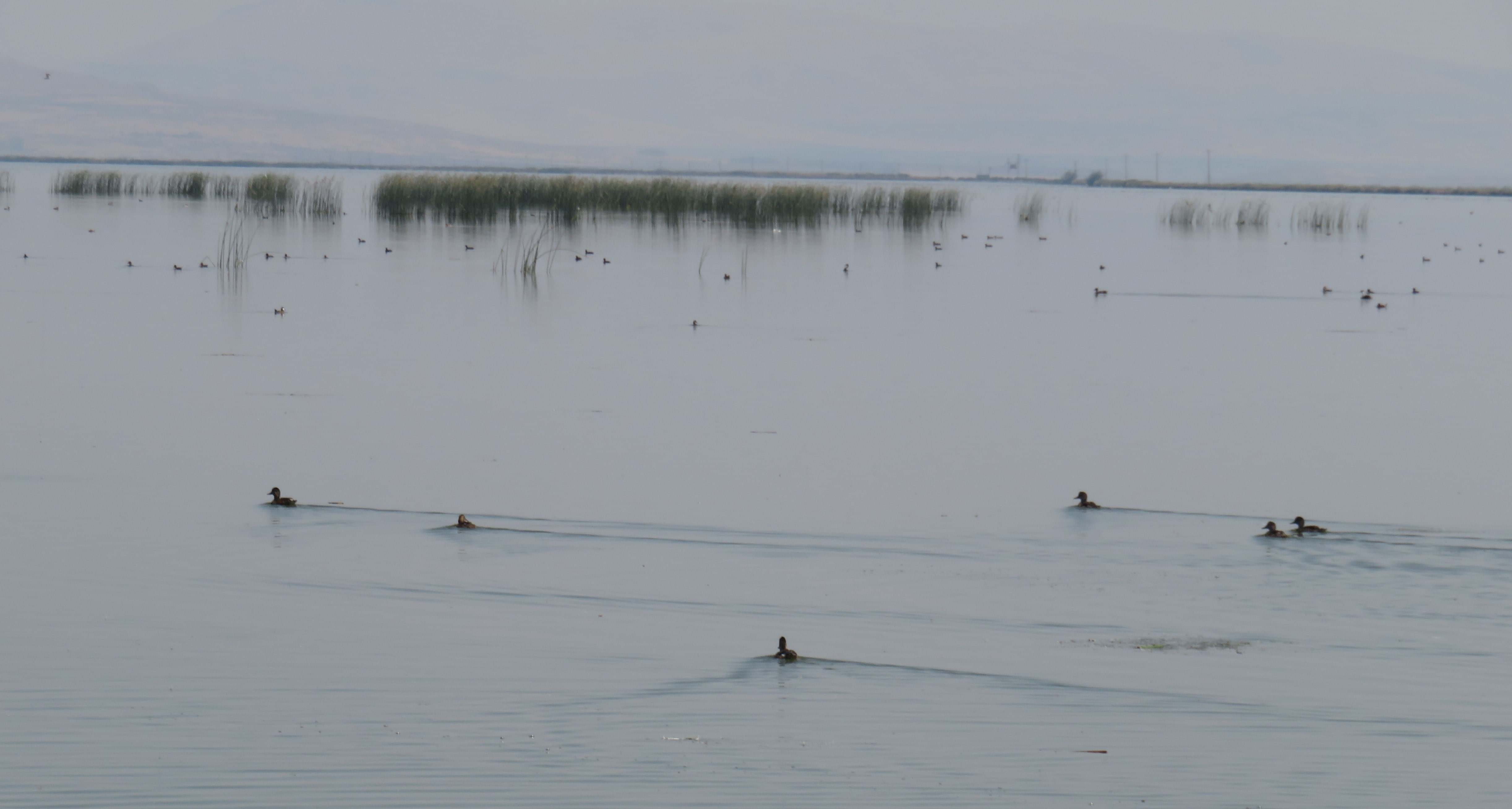
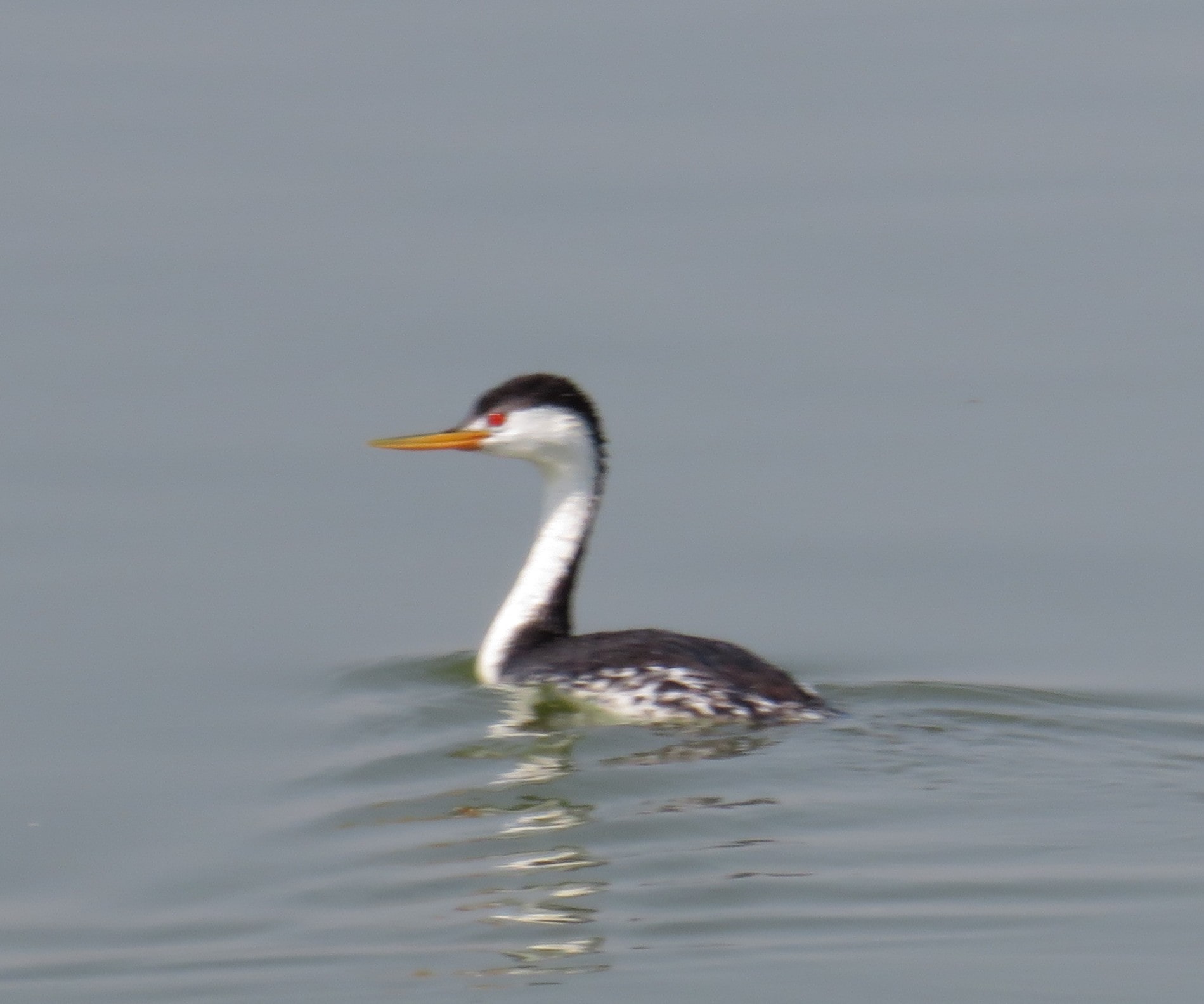
After all the cave explorations we went to walk the Discovery Marsh Trail in Klamath National Wildlife Refuge. We were able to see many different water birds such as grebes, mallards, and other ducks that I didn’t recognize.
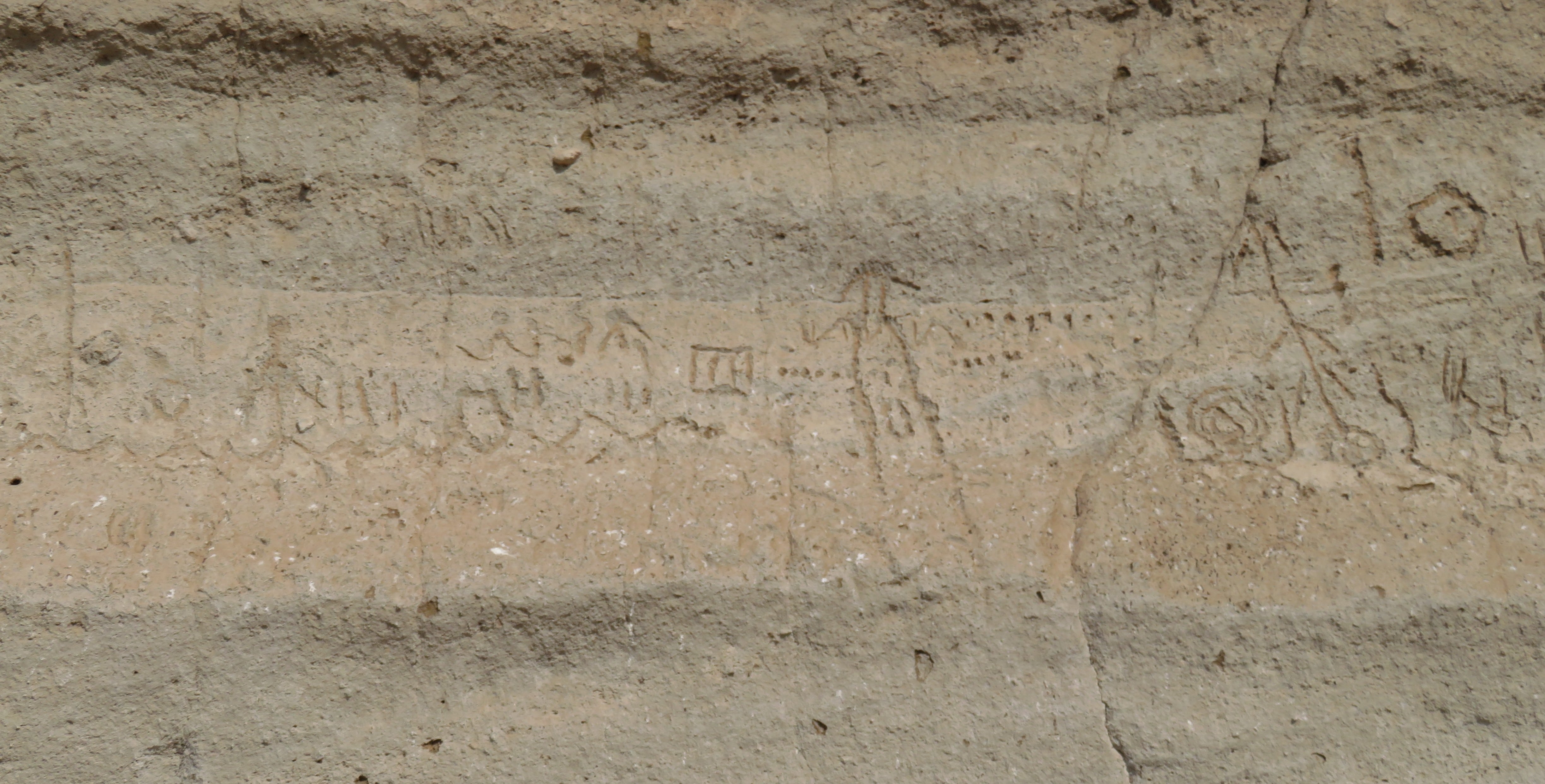
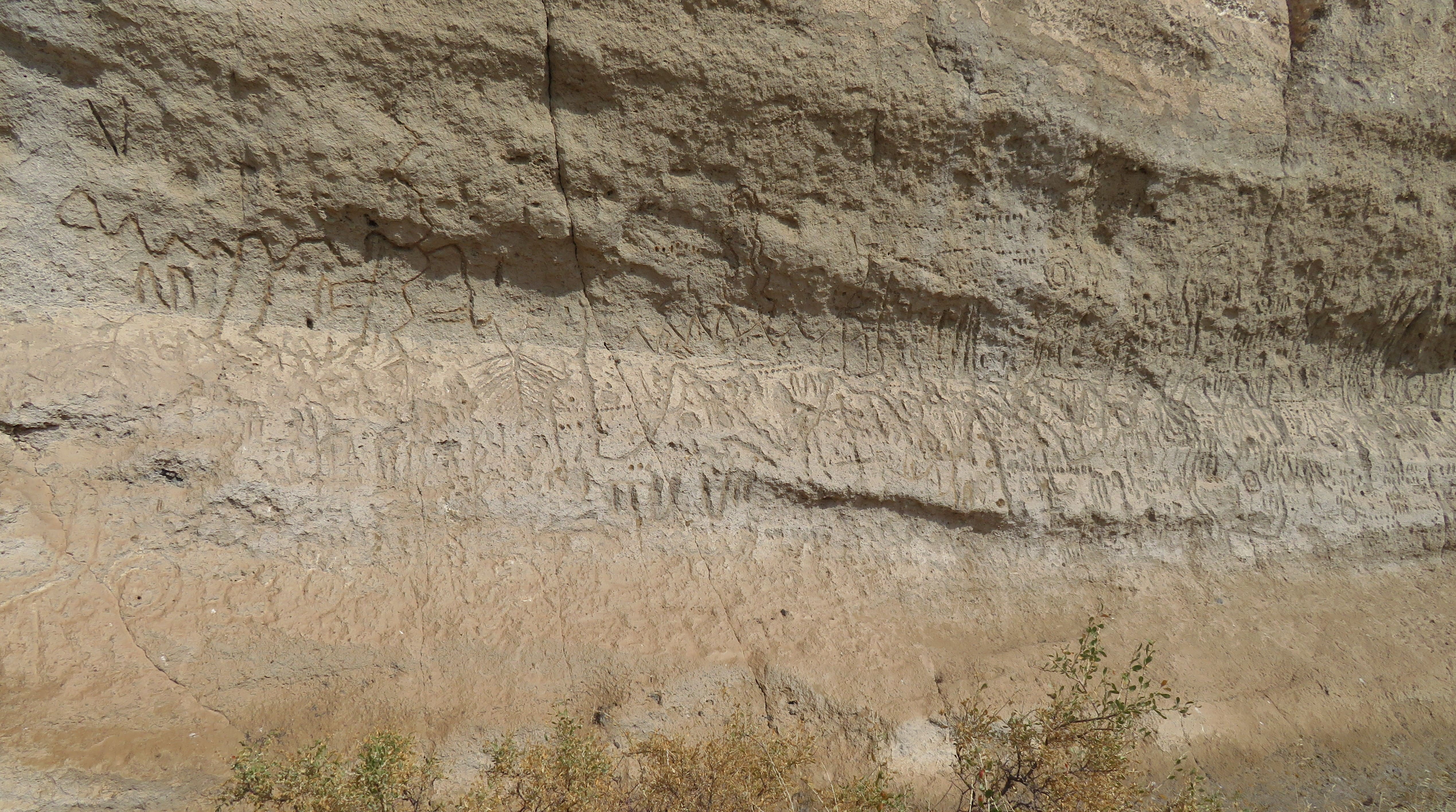
Lava Bed National Monument had many petroglyphs (carved rock arts) and pictographs (painted rock arts). Petroglyph Point was outside of the main Lava Bed NM area, though it was still part of the national monument. This was a very arid area with many petroglyphs carved high up on the rock walls. We walked on a trail along the rock walls to admire the amazing rock arts and to take many photos.
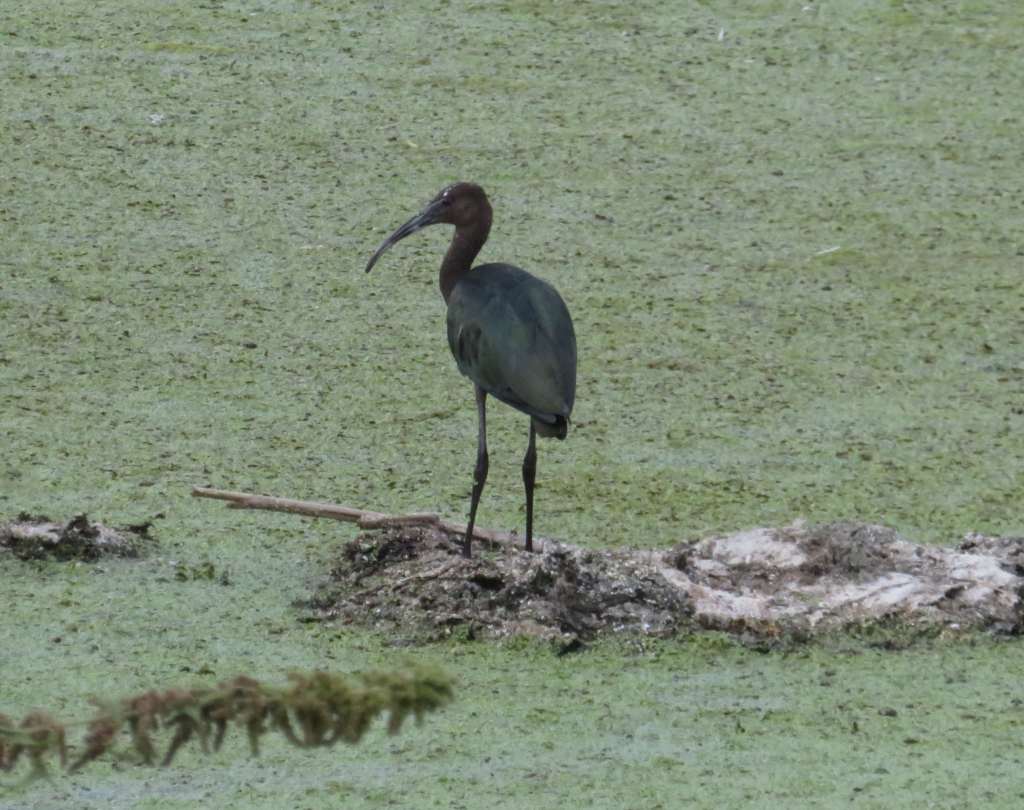
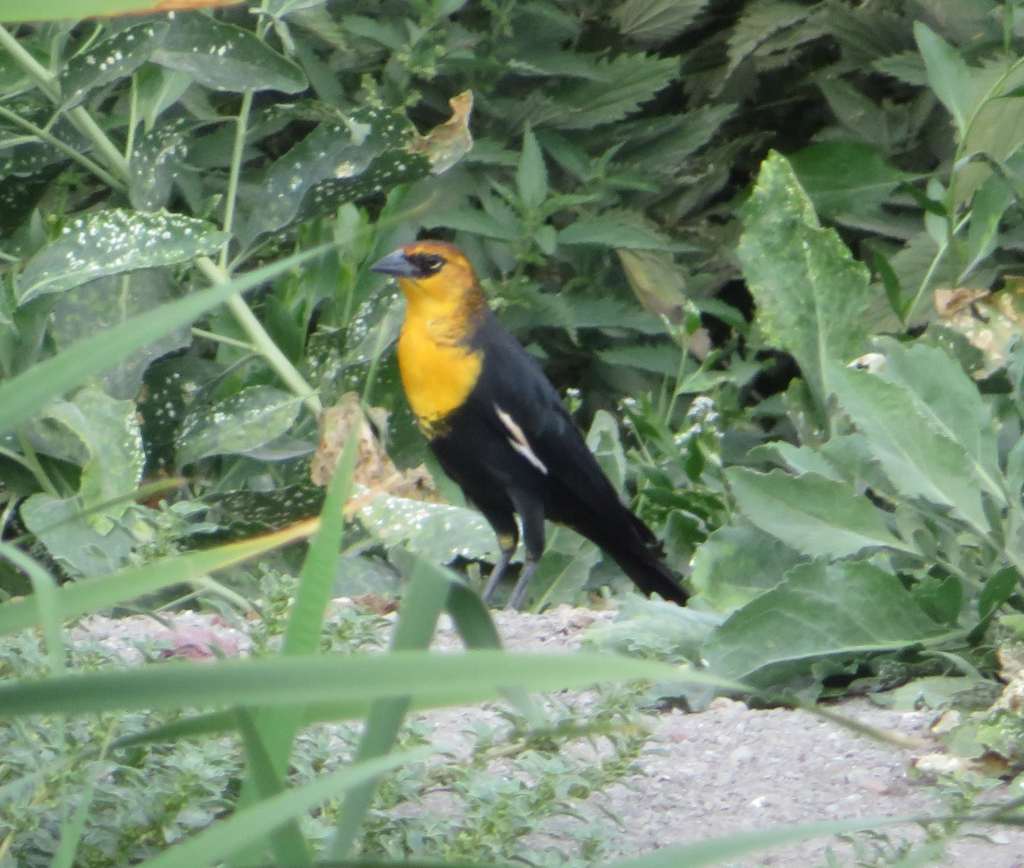
The last stop of the day was the Tule Lake National Wildlife Refuge, where we saw even more birds such as egrets, ibises, yellow-headed blackbirds and killdeer.
More on total solar eclipse viewing
Just like aurora viewing, total solar eclipse viewing is also highly addictive. On top of that, total solar eclipses are rarer than auroras. I used timeanddate.com to find out about all eclipse dates (https://www.timeanddate.com/eclipse/).
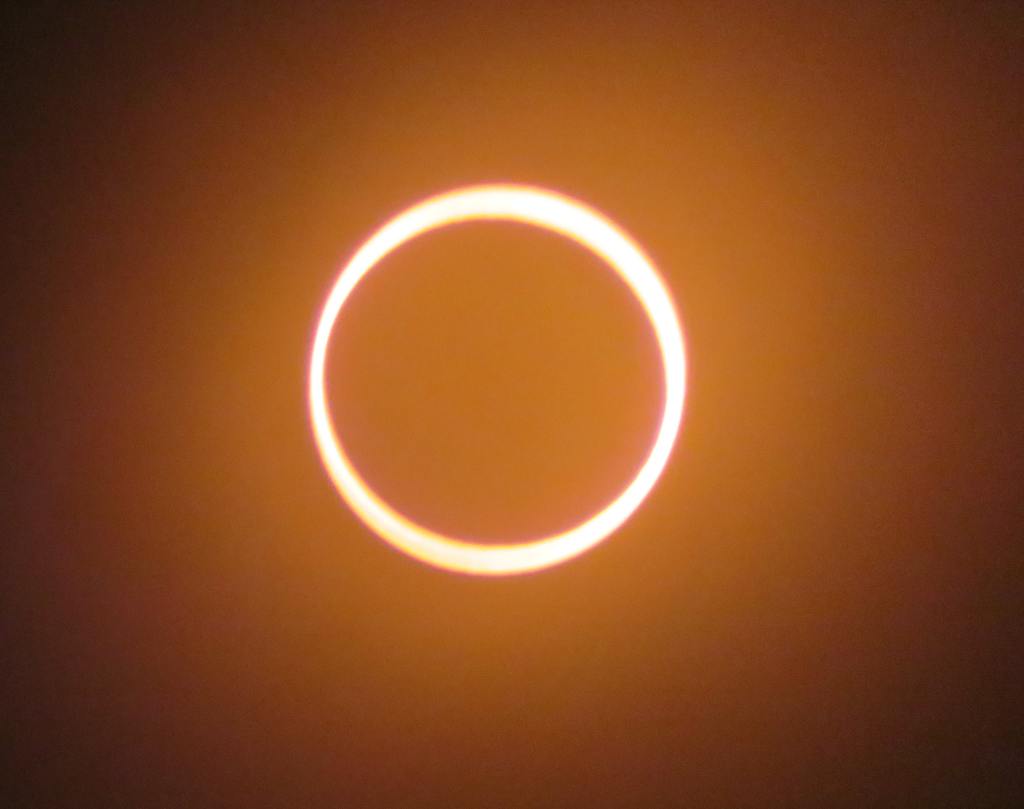
After seeing total solar eclipse in Oregon in 2017, we also saw an annular solar eclipse in Nevada in 2023, and another total solar eclipse in Texas in 2024. Unlike the Oregon experience, we had to use windy.com to check out the areas that were not cloudy in the 2023 and 2024 eclipse chasing.
Rei already urged me to book a solar eclipse cruise in August 2027. He said he’s tired of moving around to find a clear spot to view the eclipse, and now he wants the cruise ship to move to a cloudless spot instead. Stay tuned for my next total solar eclipse report.
 Amy 'n Rei