(12/26/2013 – 1/5/2014)
The three cities Prague, Vienna and Budapest were referred to as the Europe’s Golden Triangle. We had a family vacation during the 2013 winter holidays to visit all three cities.
Day 1: Prague Castle
We arrived in Prague yesterday evening. It was already dark since it’s late December. We simply checked into the hotel to rest.
Breakfast was included. After breakfast, we headed out to Prague Castle by metro. We arrived just in time to see the hourly Changing of the Guard.
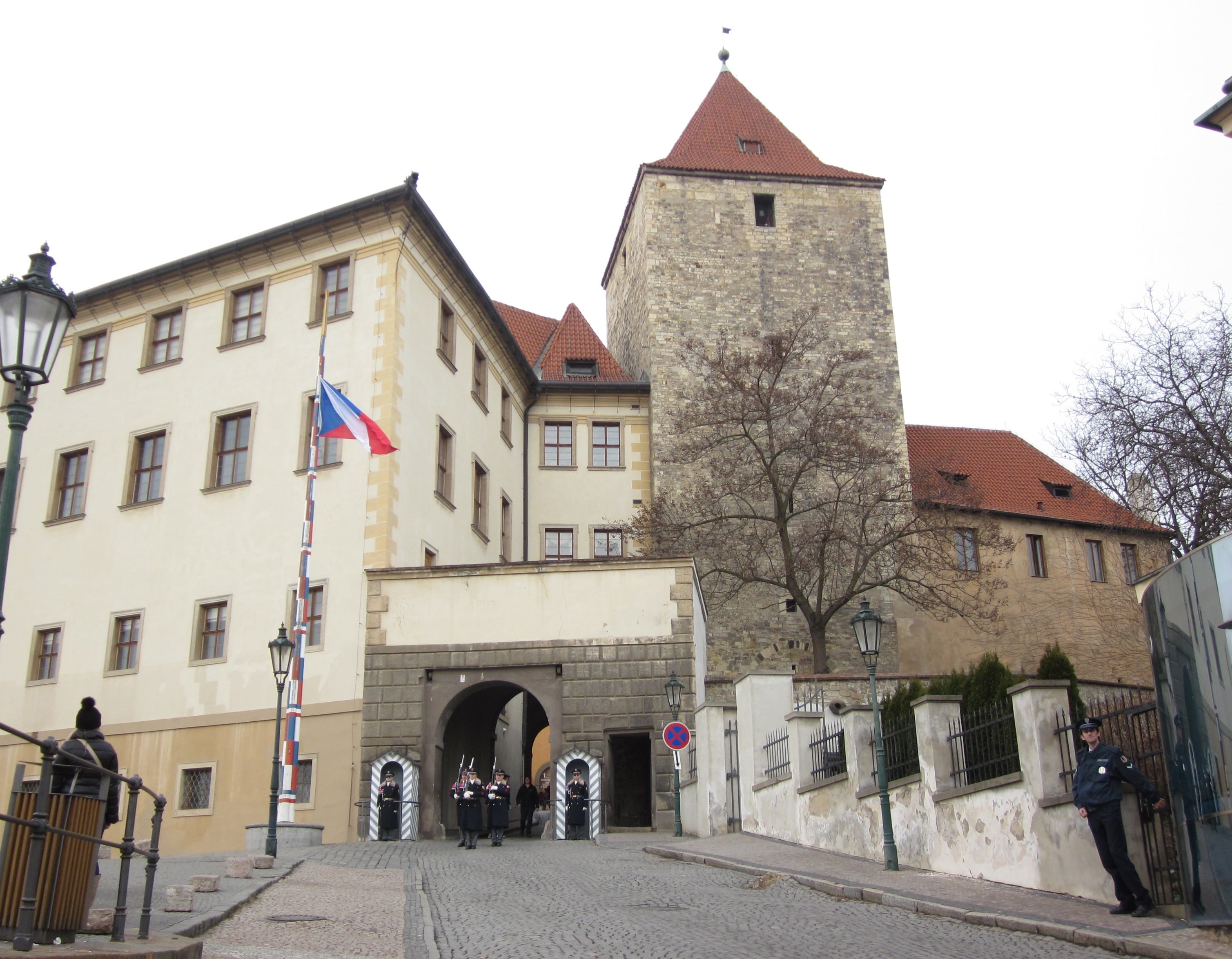
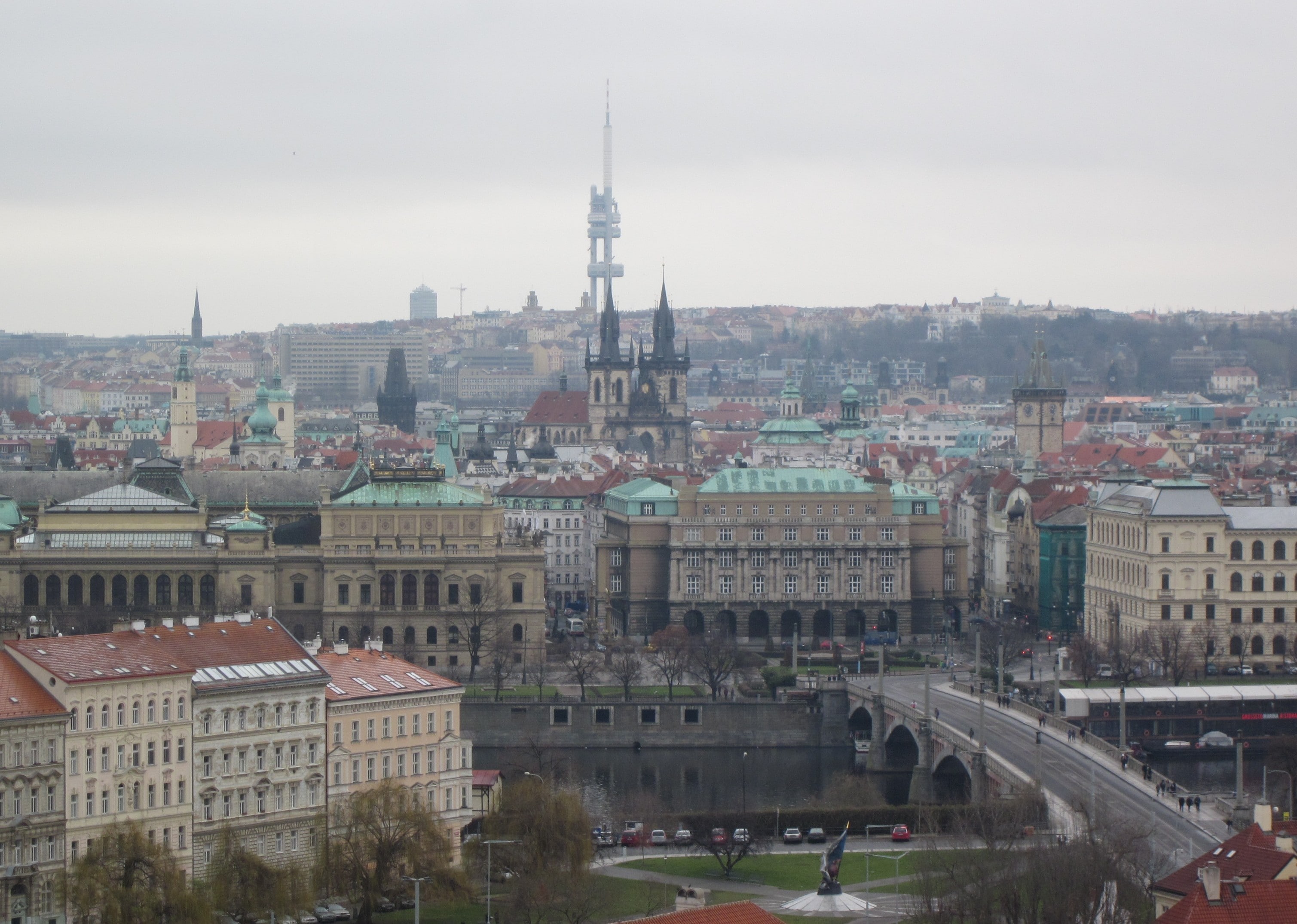
Prague Castle has been the traditional seat of the Czech rulers for more than a thousand years. Many famous sites such as St. Vitus Cathedral, the Basilica of St. George and the Golden Lane are all inside the castle compound.
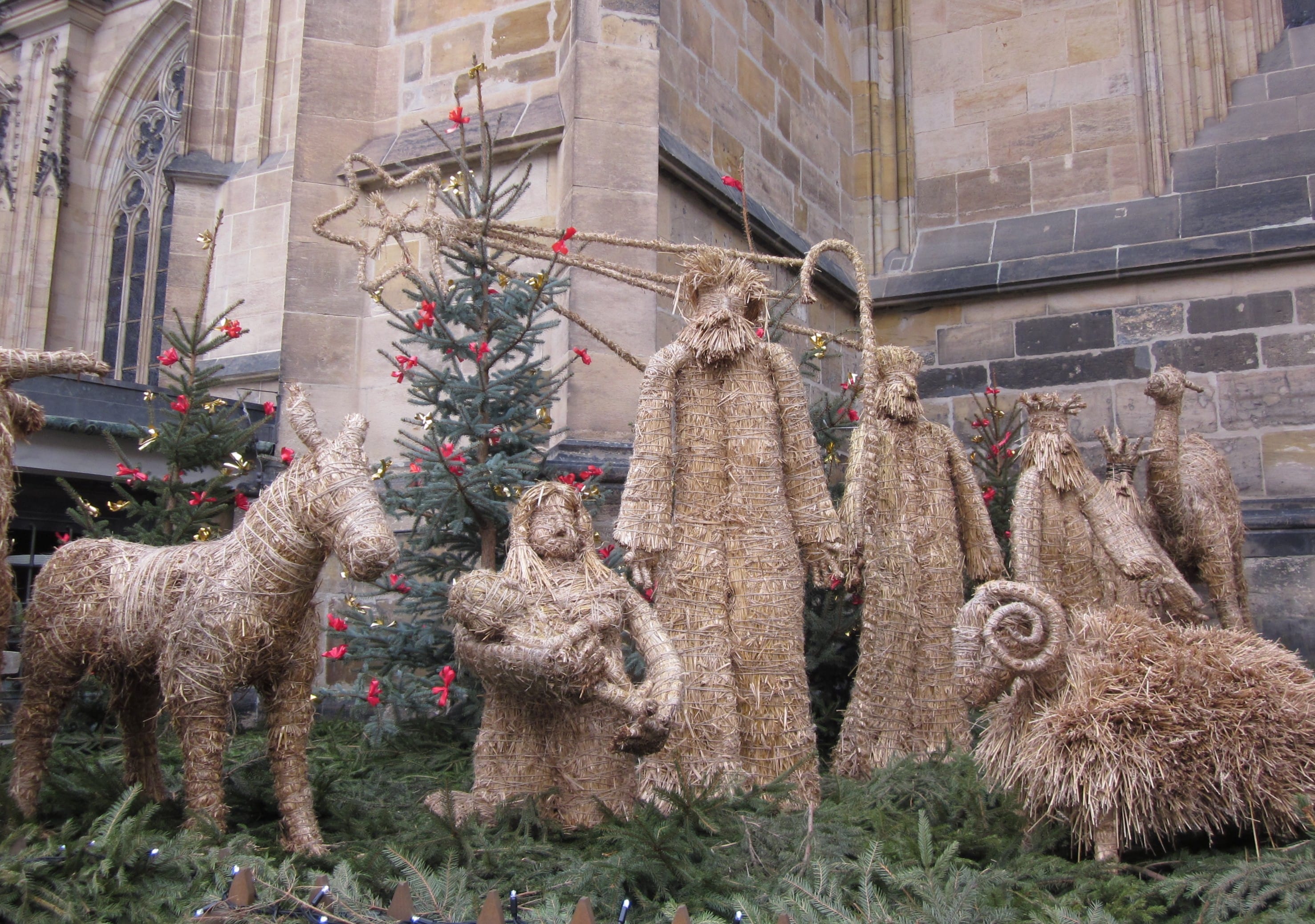
The impressive St. Vitus Cathedral was the most important church in Czech Republic. Since this was Christmas Holiday season, there was a nativity display outside the cathedral.
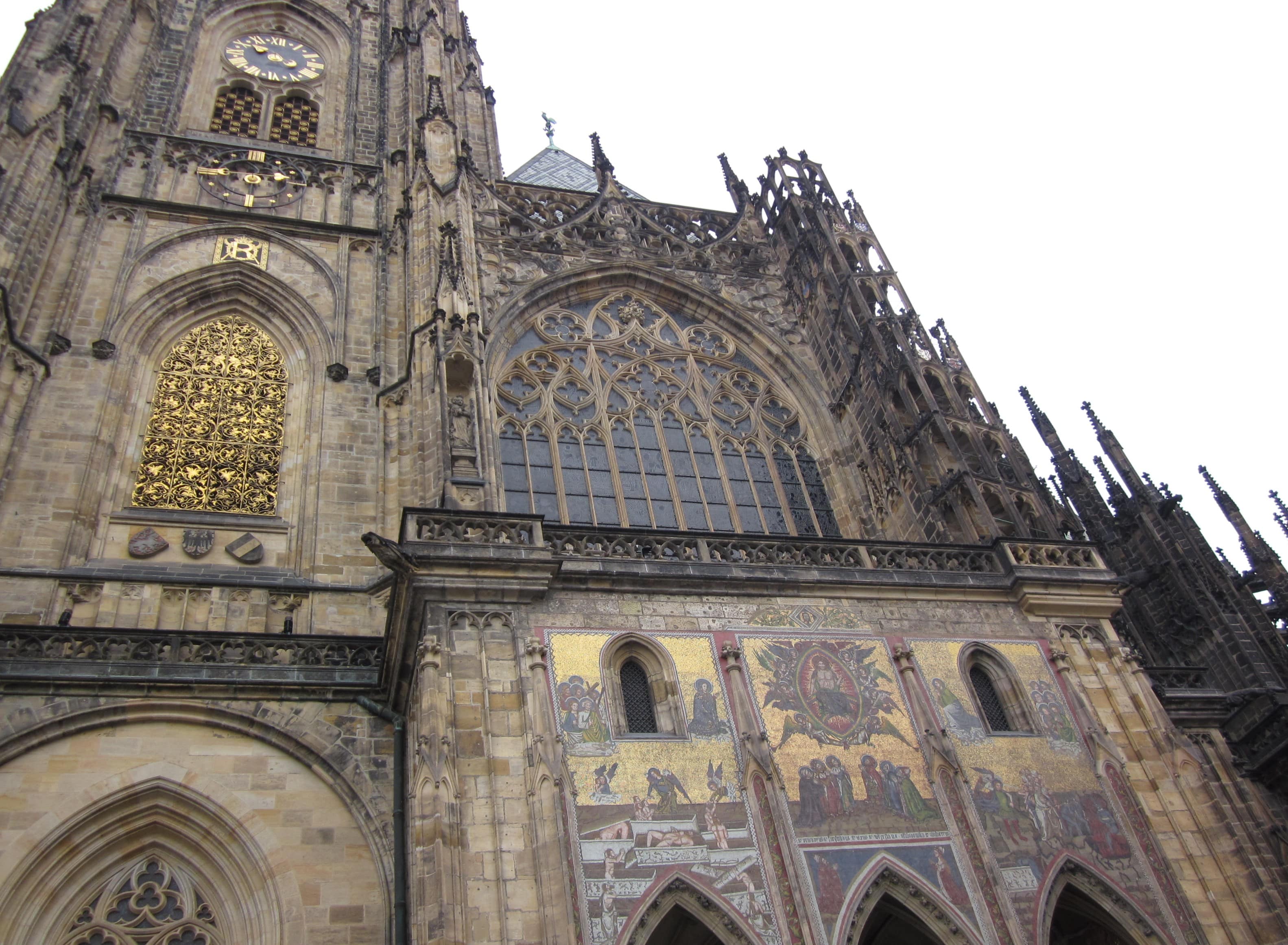
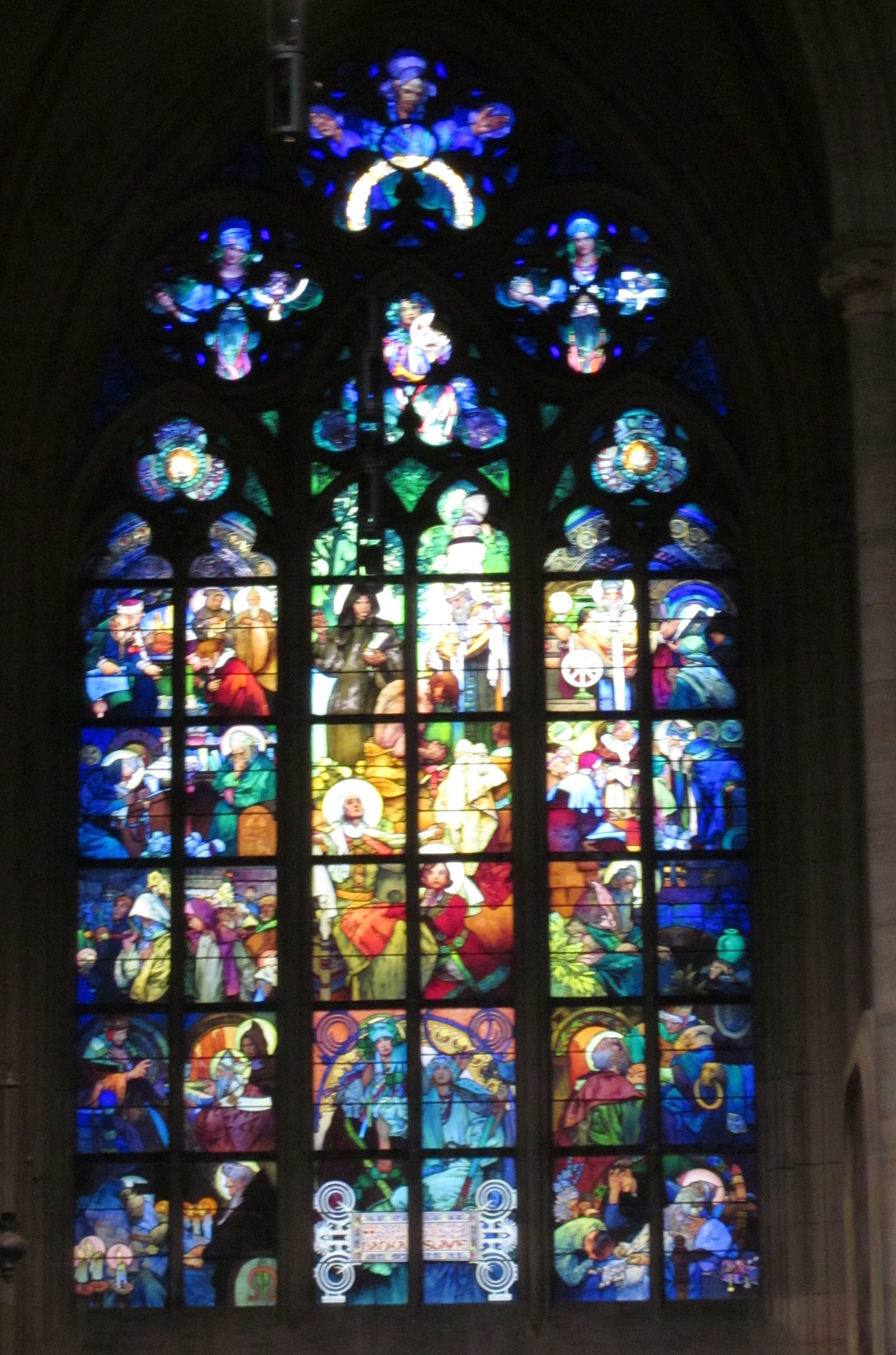
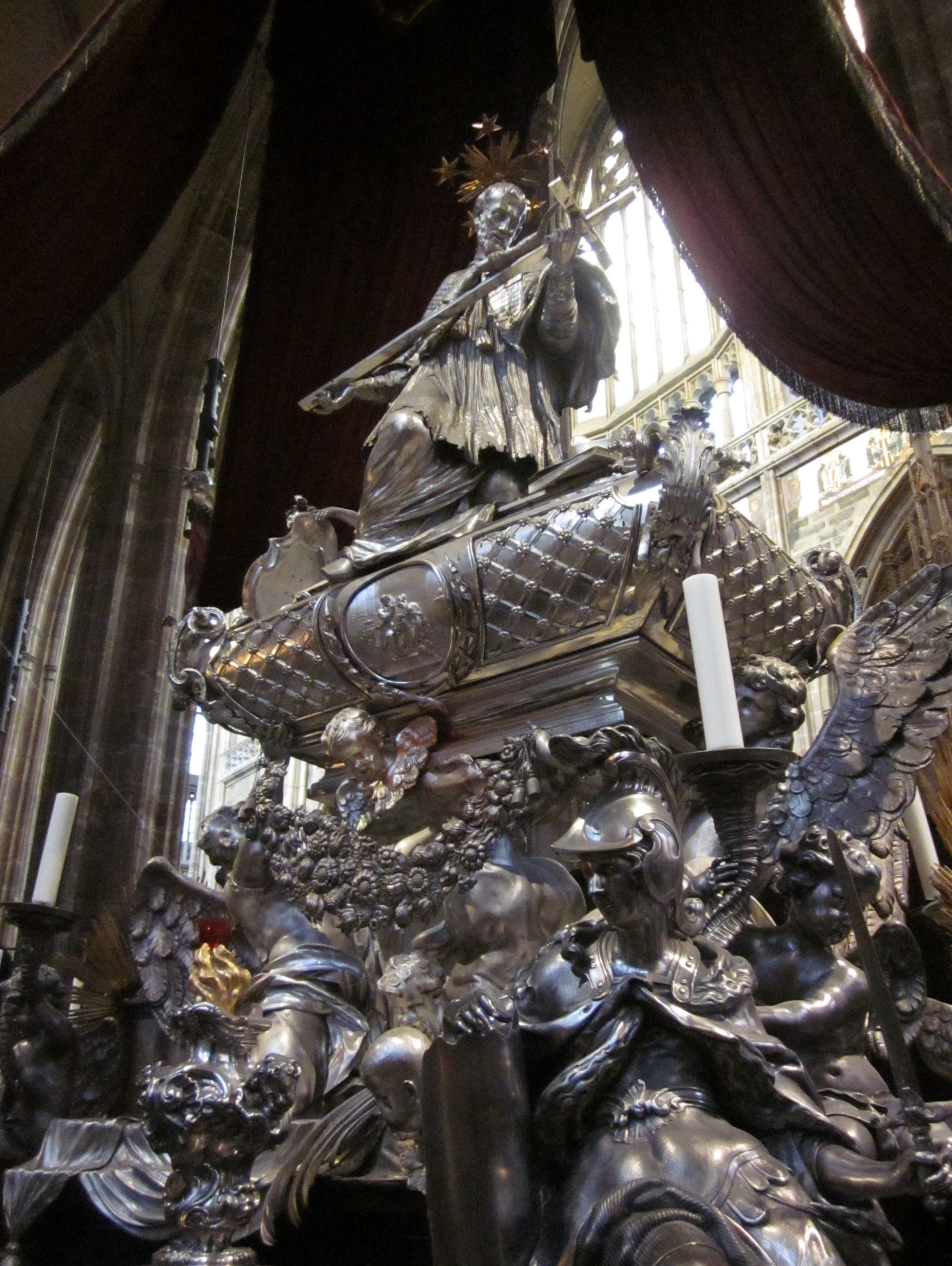
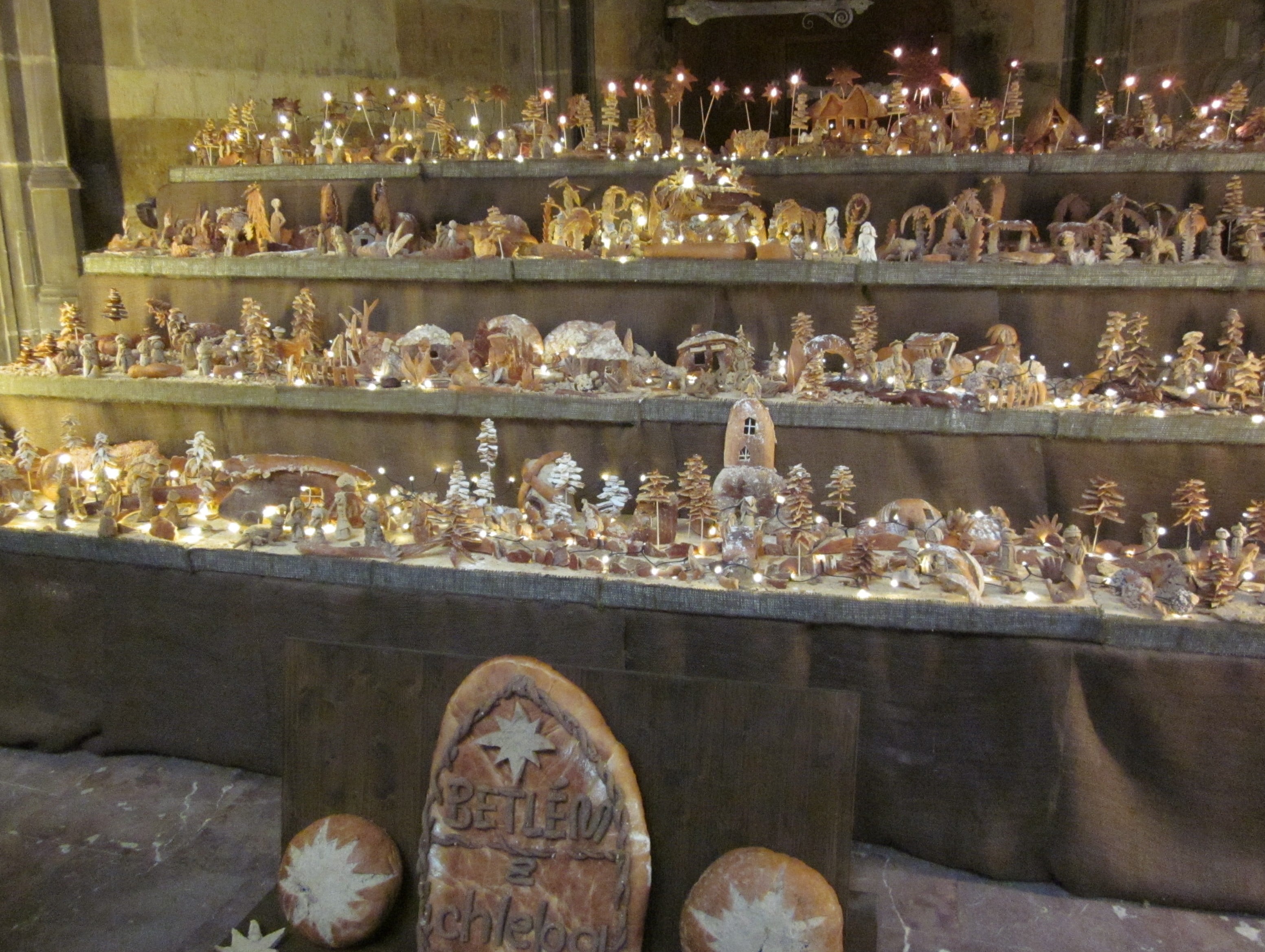
Inside the cathedral, there’s a beautiful stained-glass window by the renowned Czech artist Alfons Mucha. Another treasure of the cathedral was the Baroque-style Silver Tomb of St. John of Nepomuk. However, for us, the most interesting display inside the cathedral was an array of small winter-themed sculptures made of bread! They are highly unusual!
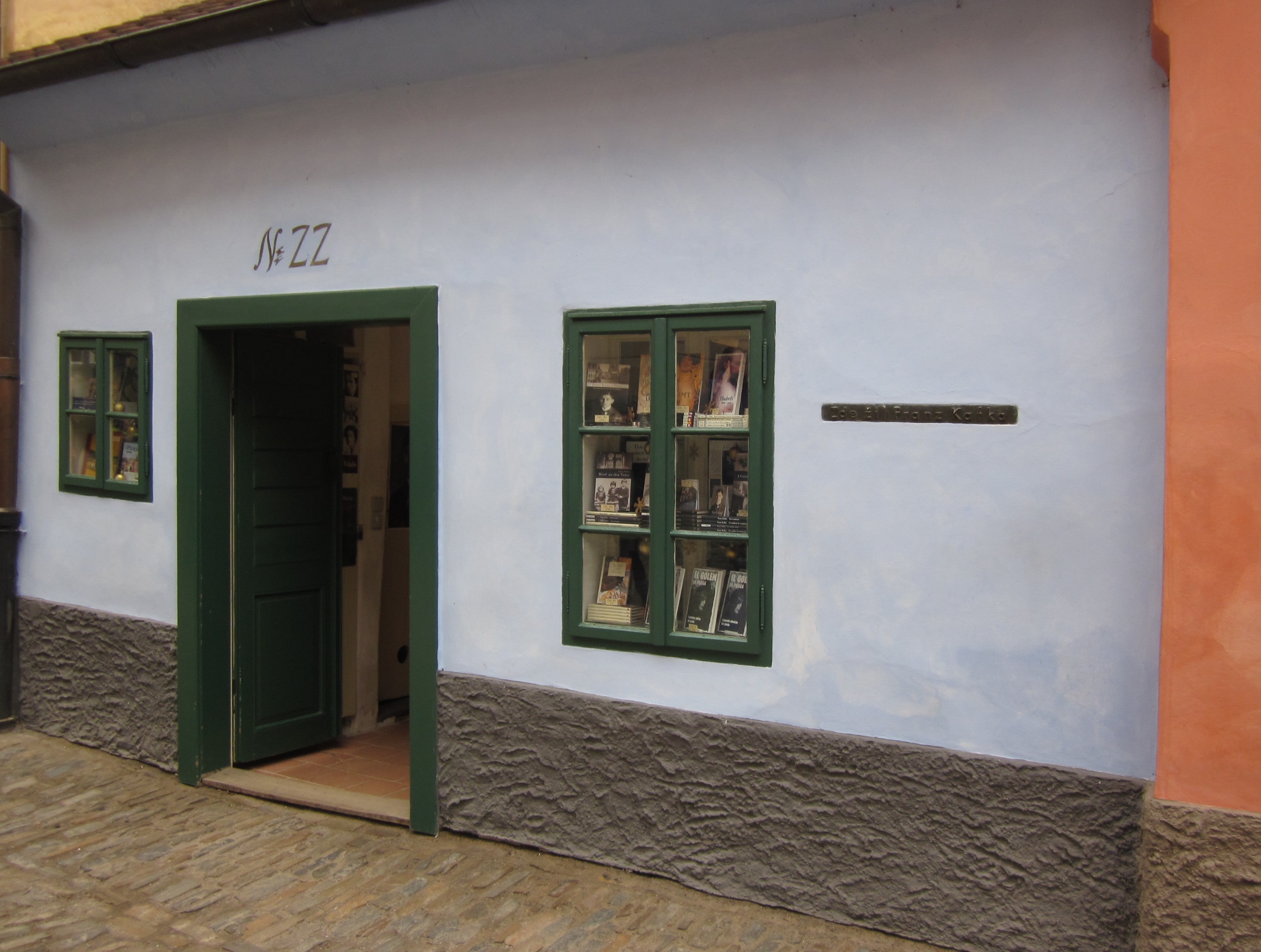
Golden Lane was full of small buildings originally housed by the castle servants. Many small houses were open to visitors and had detailed information. The most famous building was probably #22, where Franz Kafka once lived.
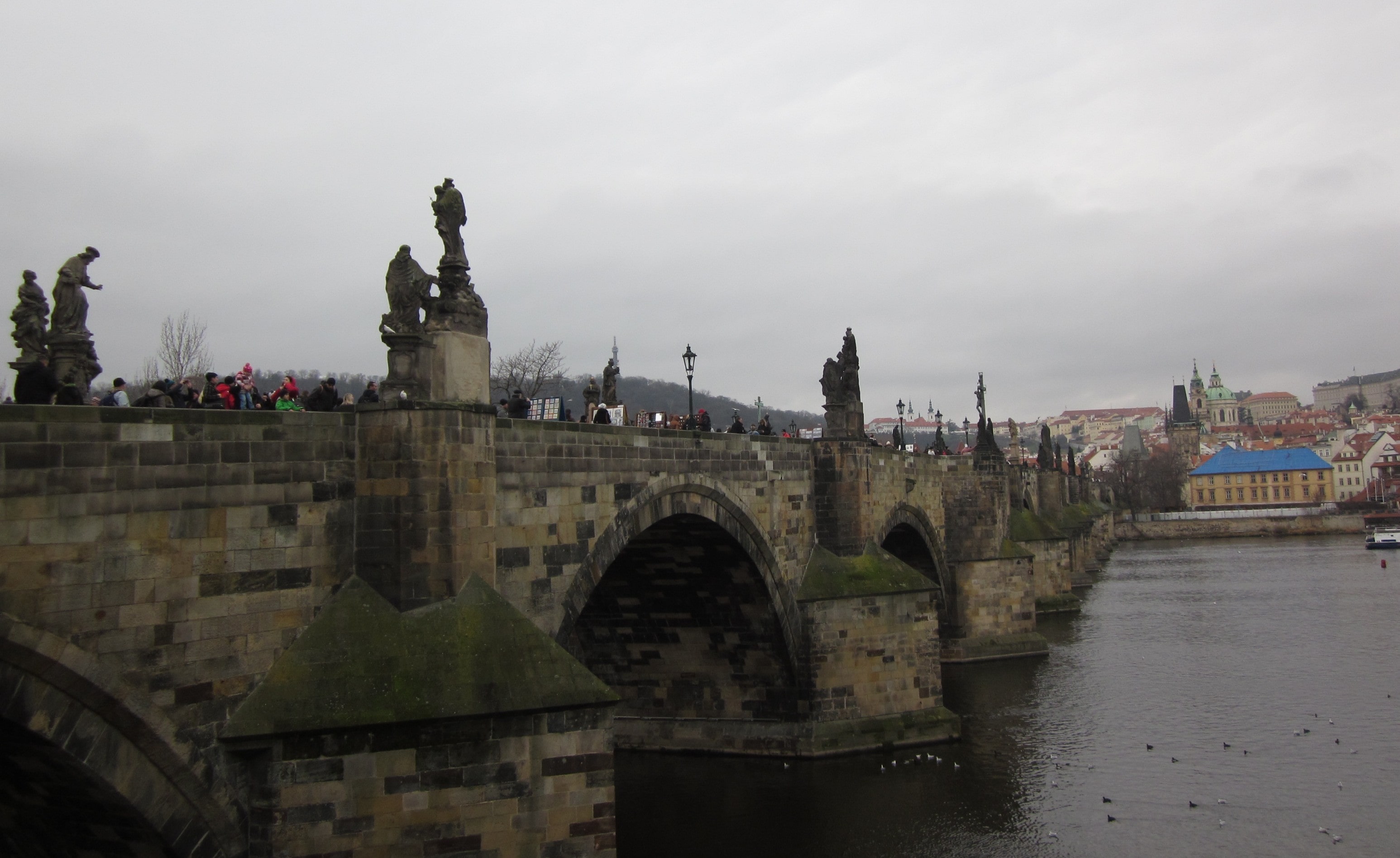
Afterwards, we walked across the famous statue-lined Charles Bridge to reach the Old Town. There was a big crowd walking on Charles Bridge. The Old Town Bridge Tower was a splendid Gothic building. However, the weather was gloomy today, which affected the beauty of the tower.
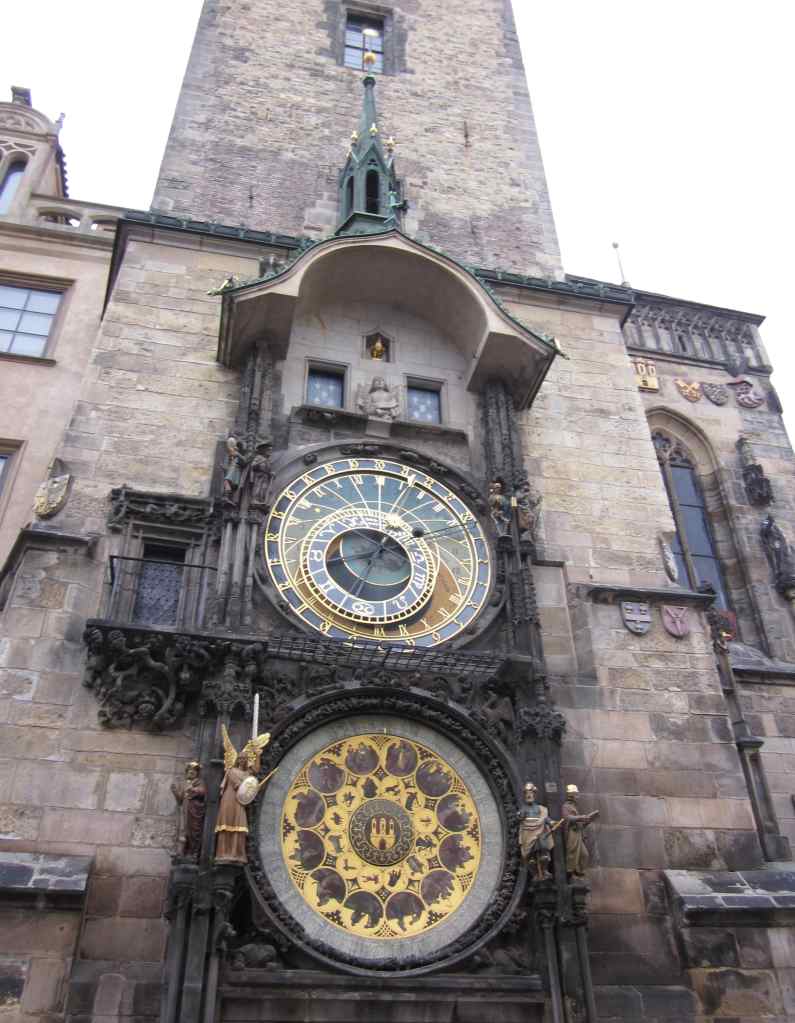
The Astronomical Clock was probably the most recognizable symbol of Prague. Everyone who came to Prague would want to take a photo of the magnificent clock in the Old Town, so the place was very crowded. The medieval astronomical clock was originally built in the 1400’s and has gone through many rounds of renovations. It’s now a working clock admired by myriads of tourists daily.
There was a Christmas Market going on at the town square in front of the Tyn Church. We had lunch in a restaurant on the square and then spent a lot of time browsing the market stalls. Besides the ubiquitous Christmas decorations, there were also many delicious snacks.
Day 2: Prague Jewish Quarter
This morning, we went to visit the Jewish Quarter after breakfast. Despite the cold weather, Brother (our older son) was wearing a short-sleeved T-shirt. Two guys passed by, wearing thick winter jackets and hats.
“Indeed!” they exclaimed.
(Later Sister (our daughter) commented that those people must have thought that we came from a freezing region, like Siberia.)
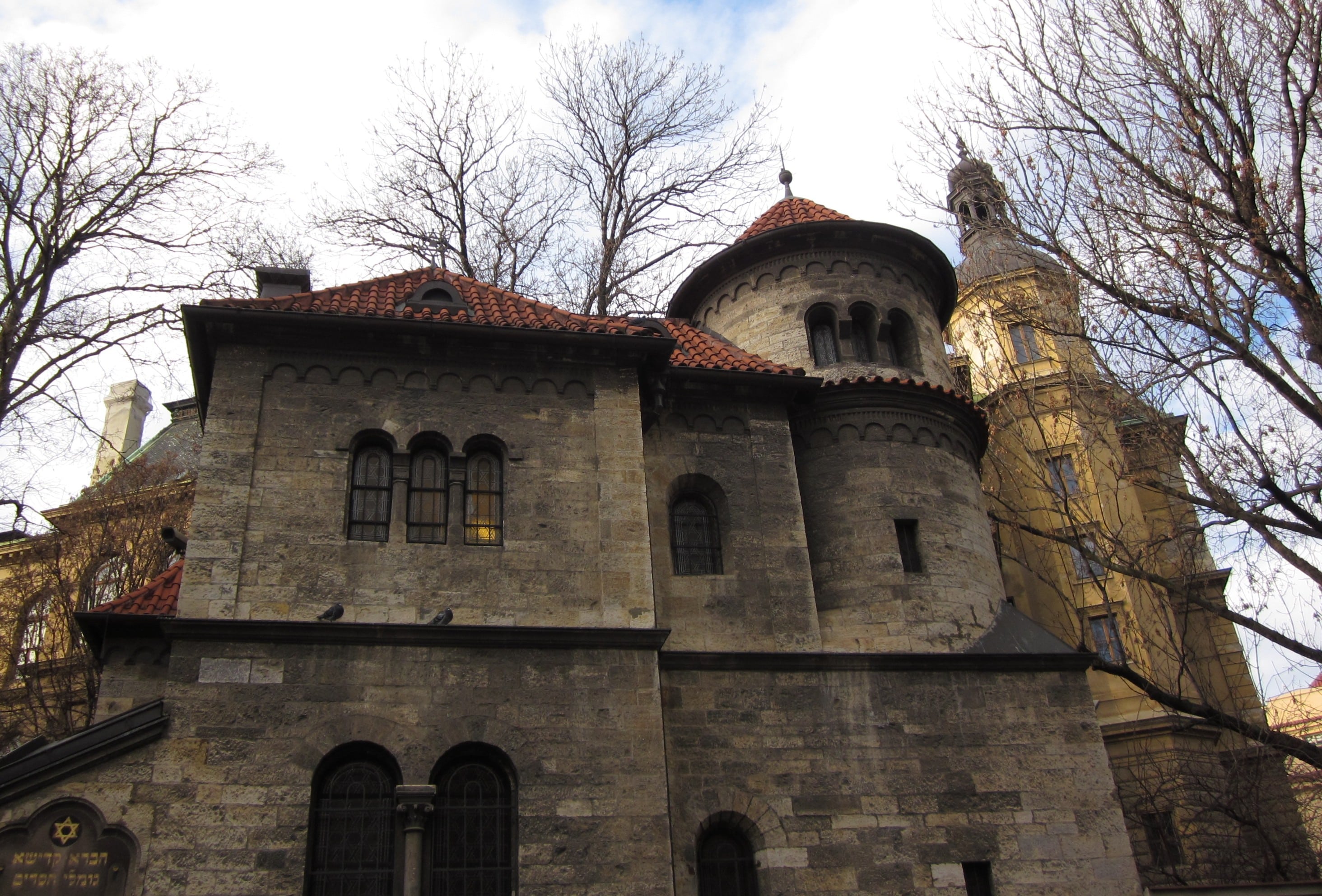
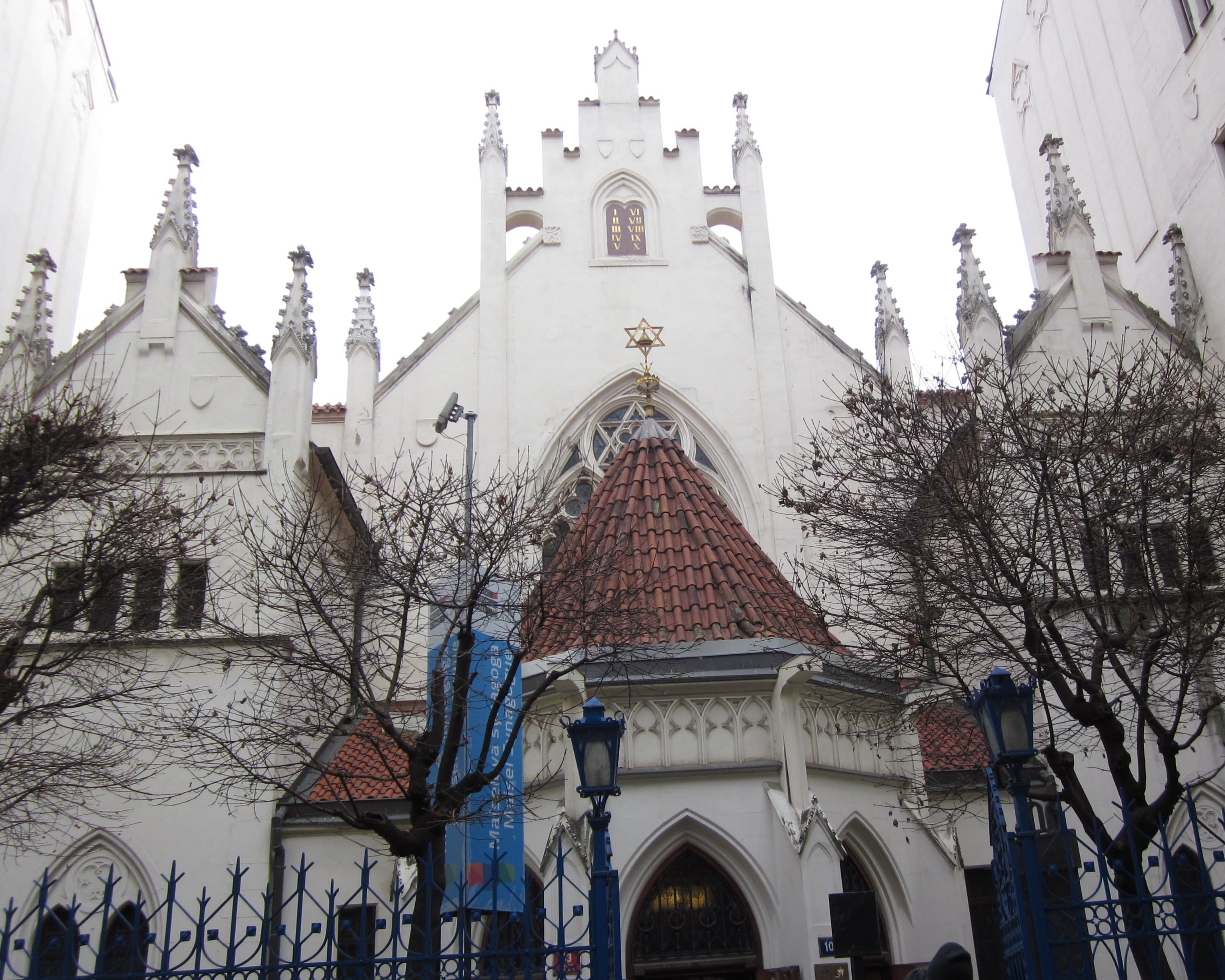
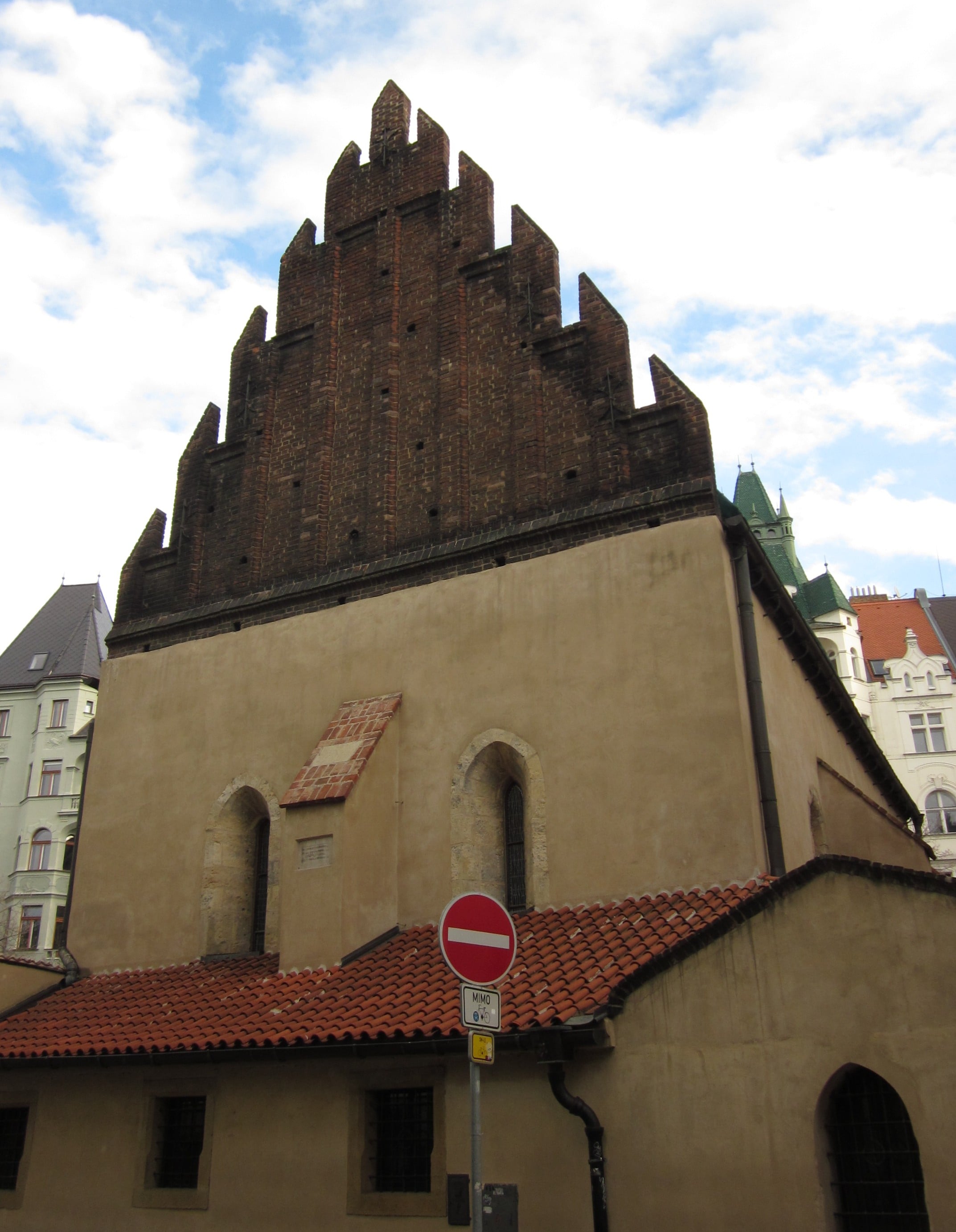
The Jewish Quarter was where the Prague Jewish community lived. There were many synagogues with museums and exhibitions inside explaining Jewish Heritage. The Klausen Synagogue was the largest synagogue in the Prague Jewish Town. It was completed in 1884. Nowadays it’s repurposed as a museum. Old-New Synagogue was a very important synagogue; it was one of the oldest and most valued synagogues. Maisel Synagogue, with Ten Commandments at the top of the building, was another important synagogue.
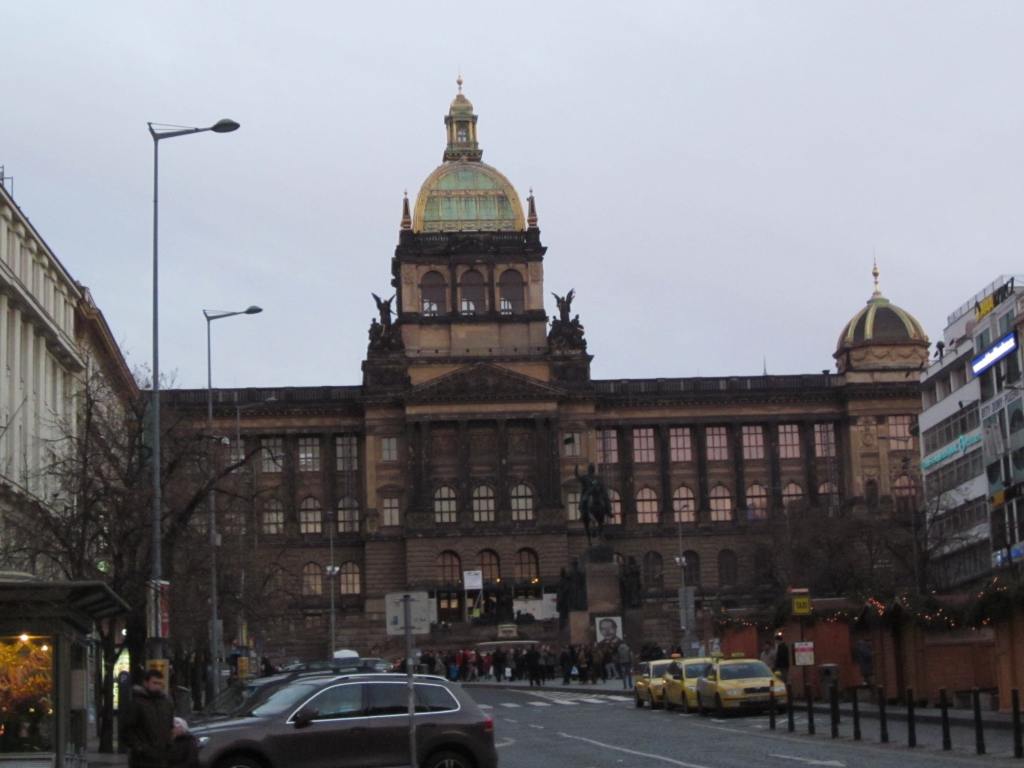
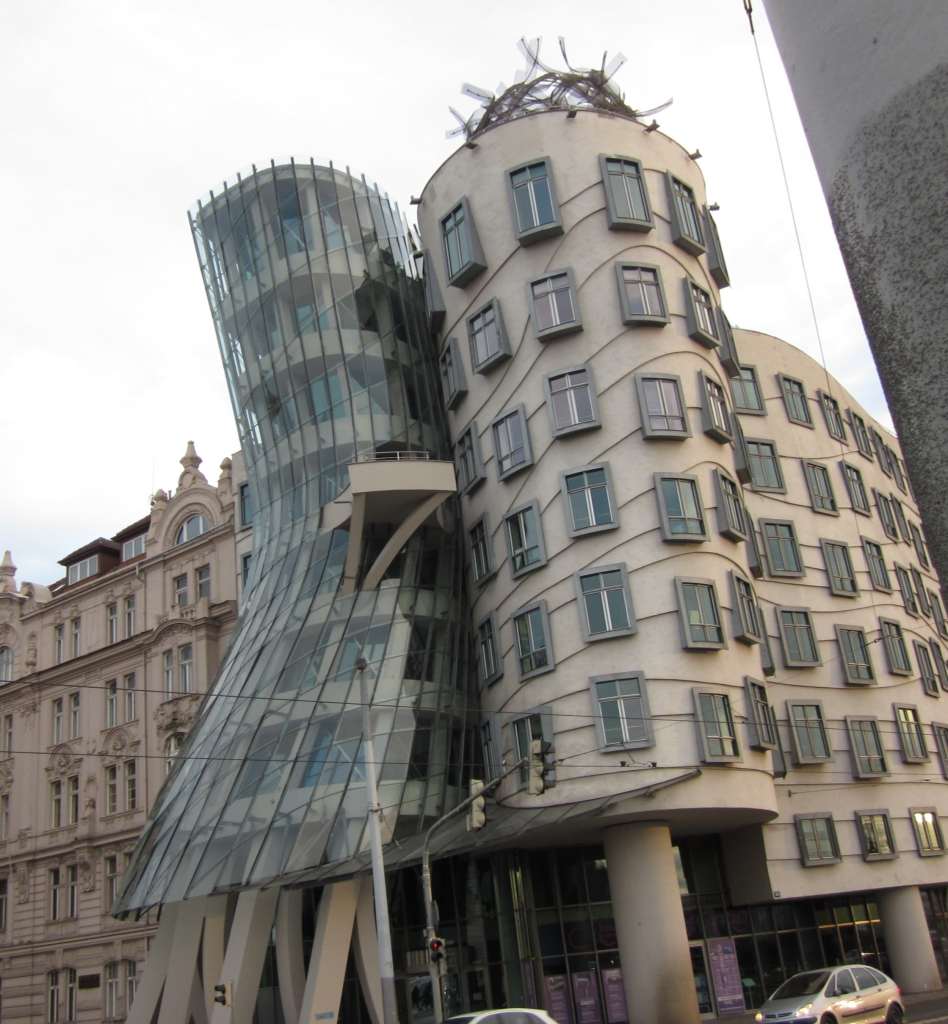
After lunch, the kids all just wanted to rest in the hotel, so Rei and I went sightseeing by ourselves. We went to the New Town. Wenceslas Square was also full of people during the holiday season. Rei and I walked along Vltava River and took many photos. Frank Gehry-designed Dancing House building, nicknamed Fred and Ginger, was an unconventional modern building at the riverfront that showcased Gehry’s amazing creativity.
Day 3: Train to Vienna
After breakfast we checked out and walked to the train station. It’s a long train ride to reach Vienna, so we didn’t have any other planned activities for the day.
Day 4: Vienna: St. Stephen’s Cathedral, Opera House
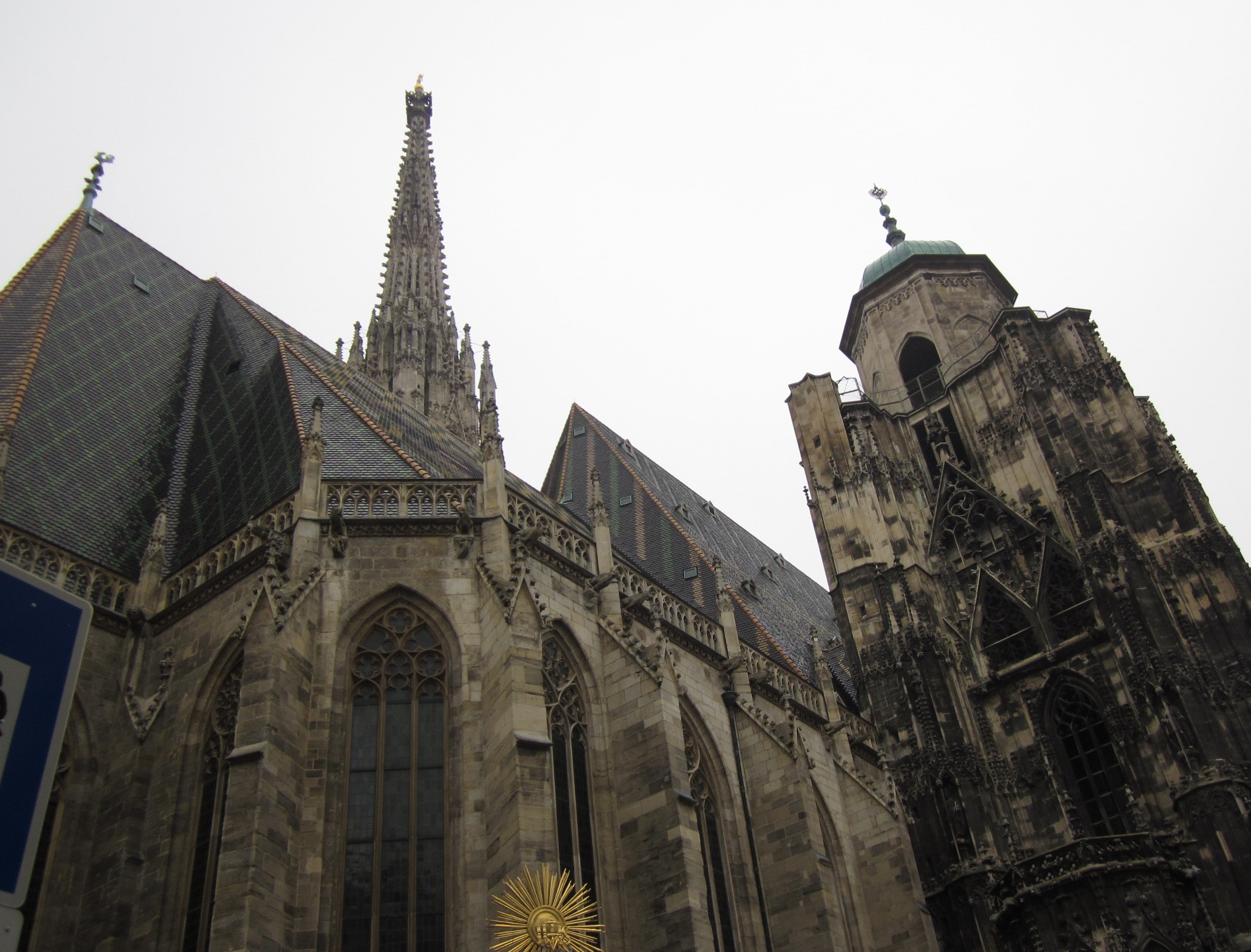
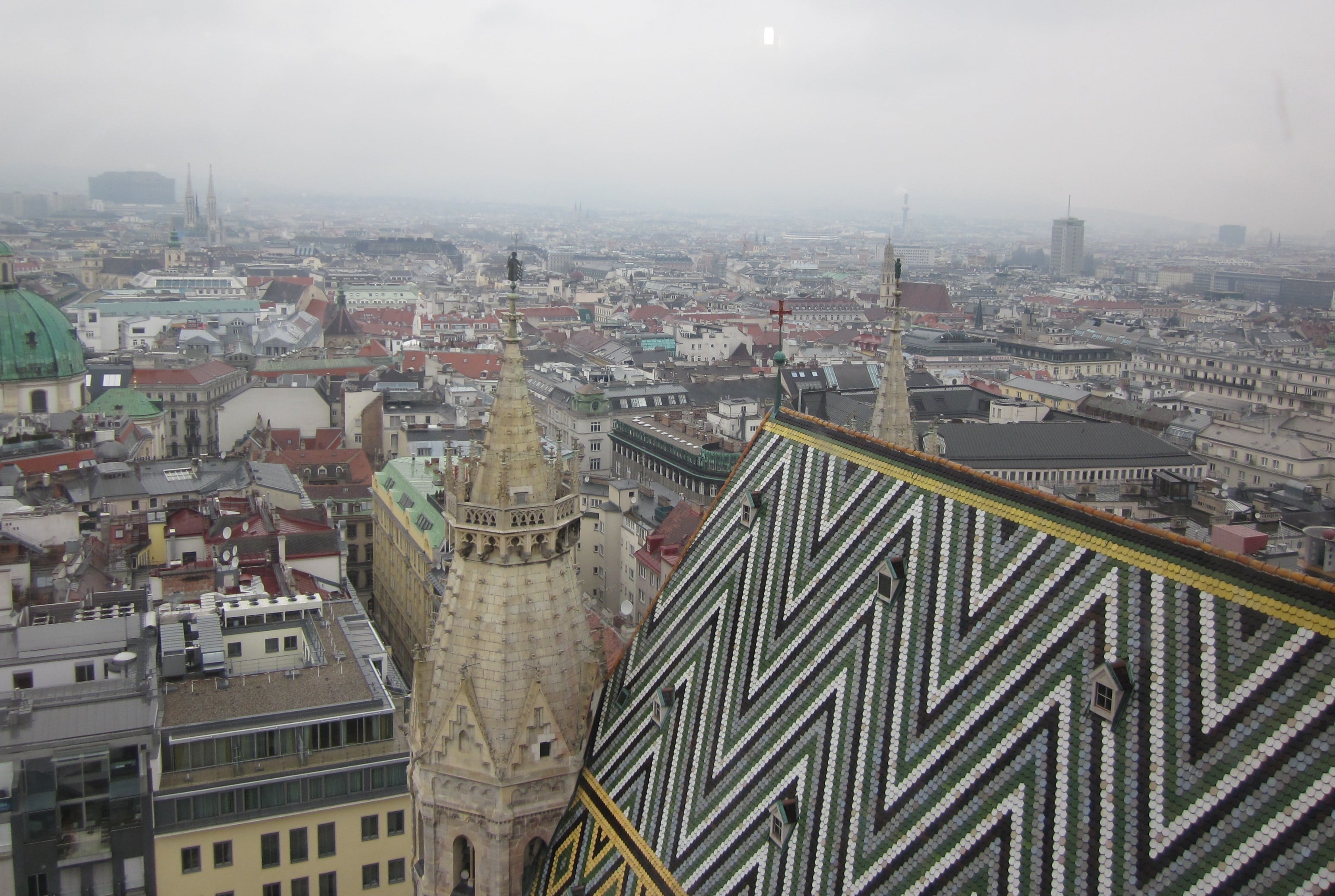
We went out sightseeing despite the gloomy weather. The first stop was St. Stephen’s Cathedral, which was situated in the city center. The cathedral was the tallest church in Austria. It’s famous for the intricate color-tiled roof and the beautiful interior. St. Stephen’s Cathedral was considered an important landmark of Vienna. We also climbed the 450-ft tower to gain a great view of Vienna.
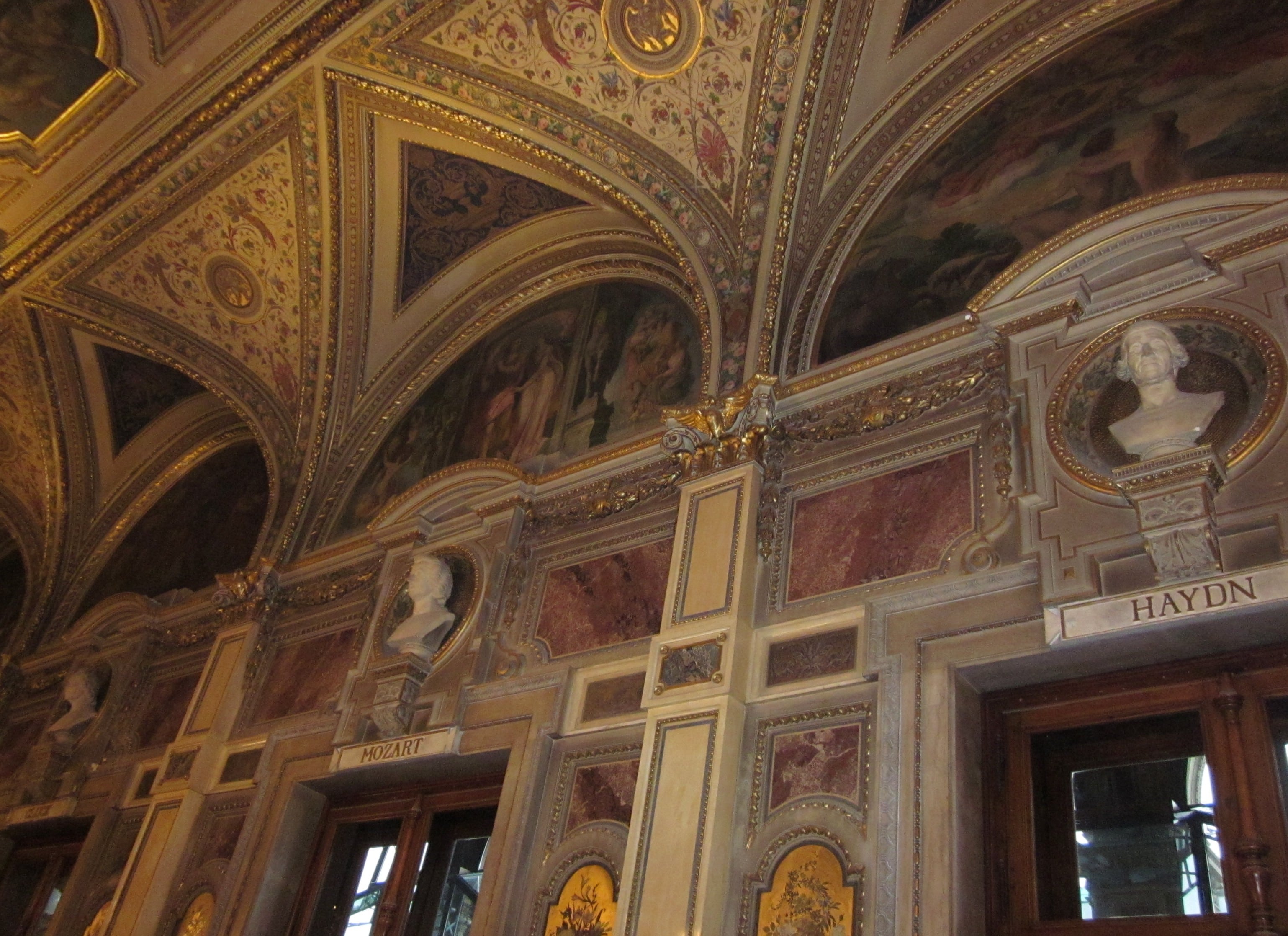
Vienna was considered the capital of music. Its State Opera was one of the greatest opera houses in the world. The entrance hall paid tribute to many famous musicians such as Mozart and Haydn. The interior of the opera house was opulent!
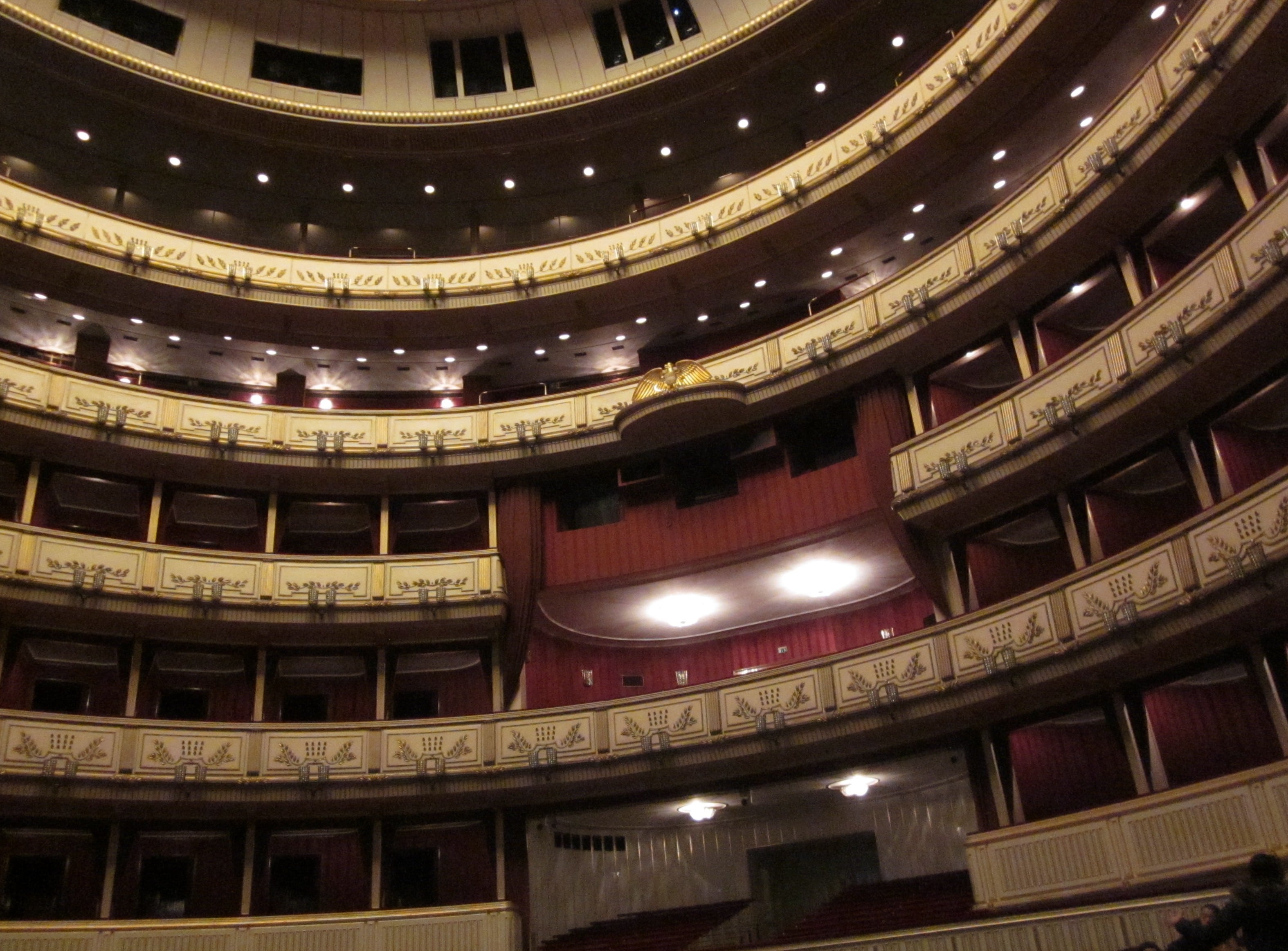
The State Opera offered many guided tours in different languages. We booked to join a guided tour in English. When we were listening to our guide describing a room, there was another Spanish guided tour right besides us.
“The English guide and the Spanish guide provided different information!” exclaimed Sister.
We also got to see how the mechanism worked in the opera house to change scenes. It was actually quite complicated!
Afterwards, we went to Café Sacher to taste its famous cakes. There were many customers inside the café, and it was chaotic! It took us some time to figure out how to order. We tried the famed Sacher Tart as well as many other different types of cakes. Yummy!
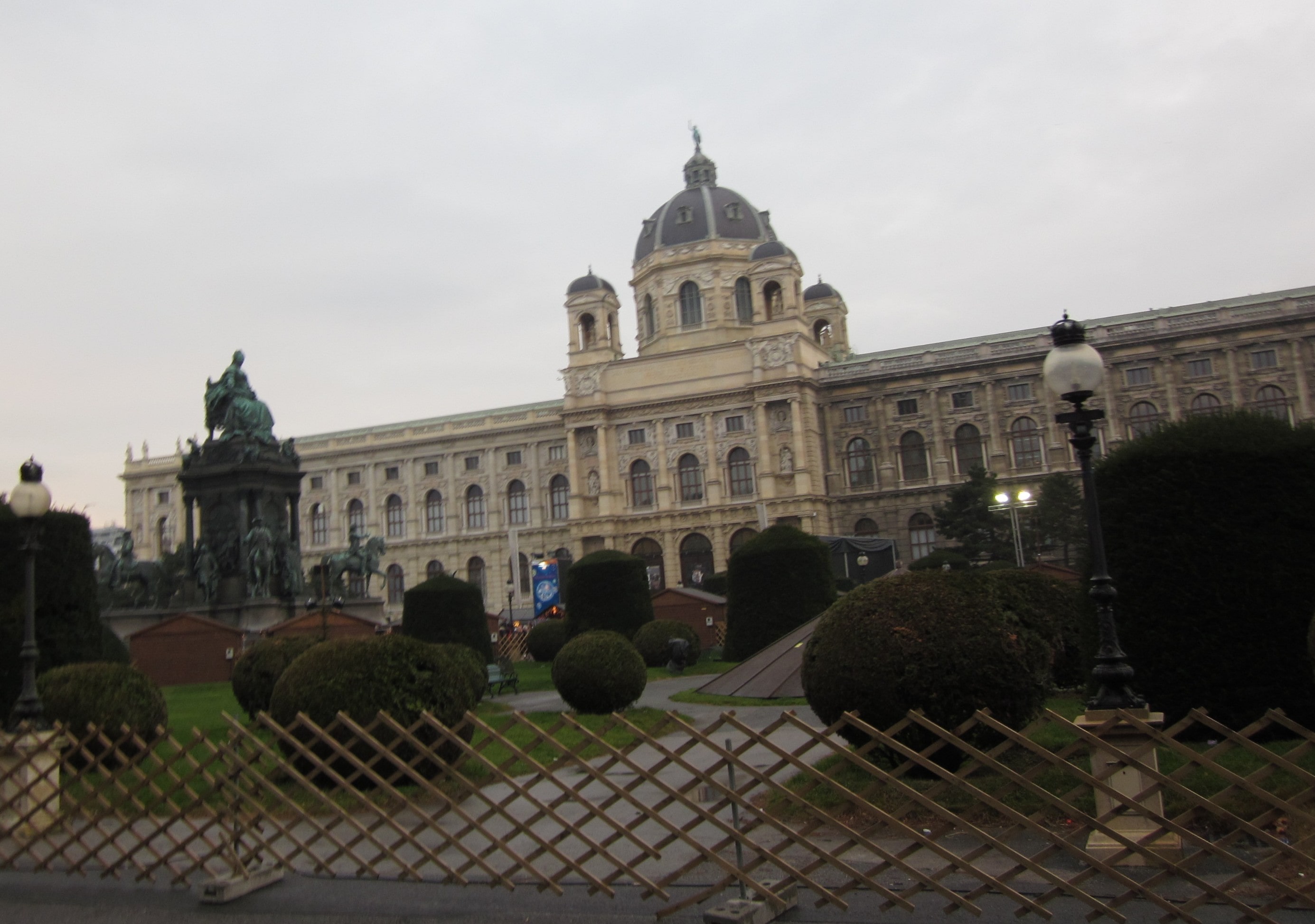
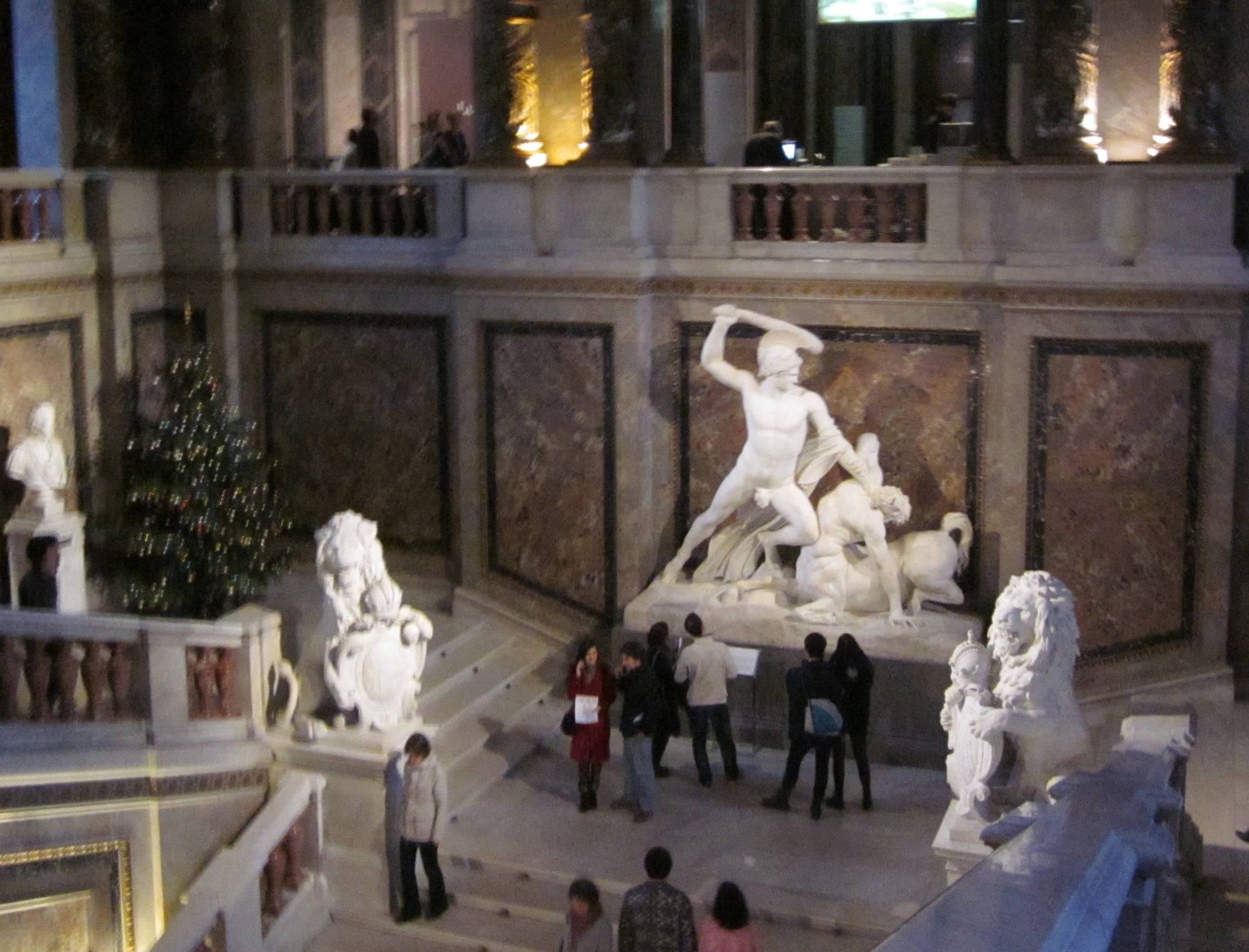
Kids felt that they had enough sightseeing for the day, especially that the weather was not good. Therefore, only Rei and I went to visit the Fine Arts Museum (Kunsthistorisches Museum Wien). This was the largest art museum in Austria with huge art collections. Even the building itself was amazing. The great entrance hall was very impressive with a giant statue of “Theseus Slaying the Centaur,” wide staircases, and ornated columns. Unfortunately, we didn’t have enough time to appreciate all its great collections.
Day 5: Hofburg
Rei was woken up by loud noises around midnight. He went to the front desk to complain.
“Why was it so noisy outside?”
“It’s the New Year Firework!”
“Oh!”
Happy New Year!
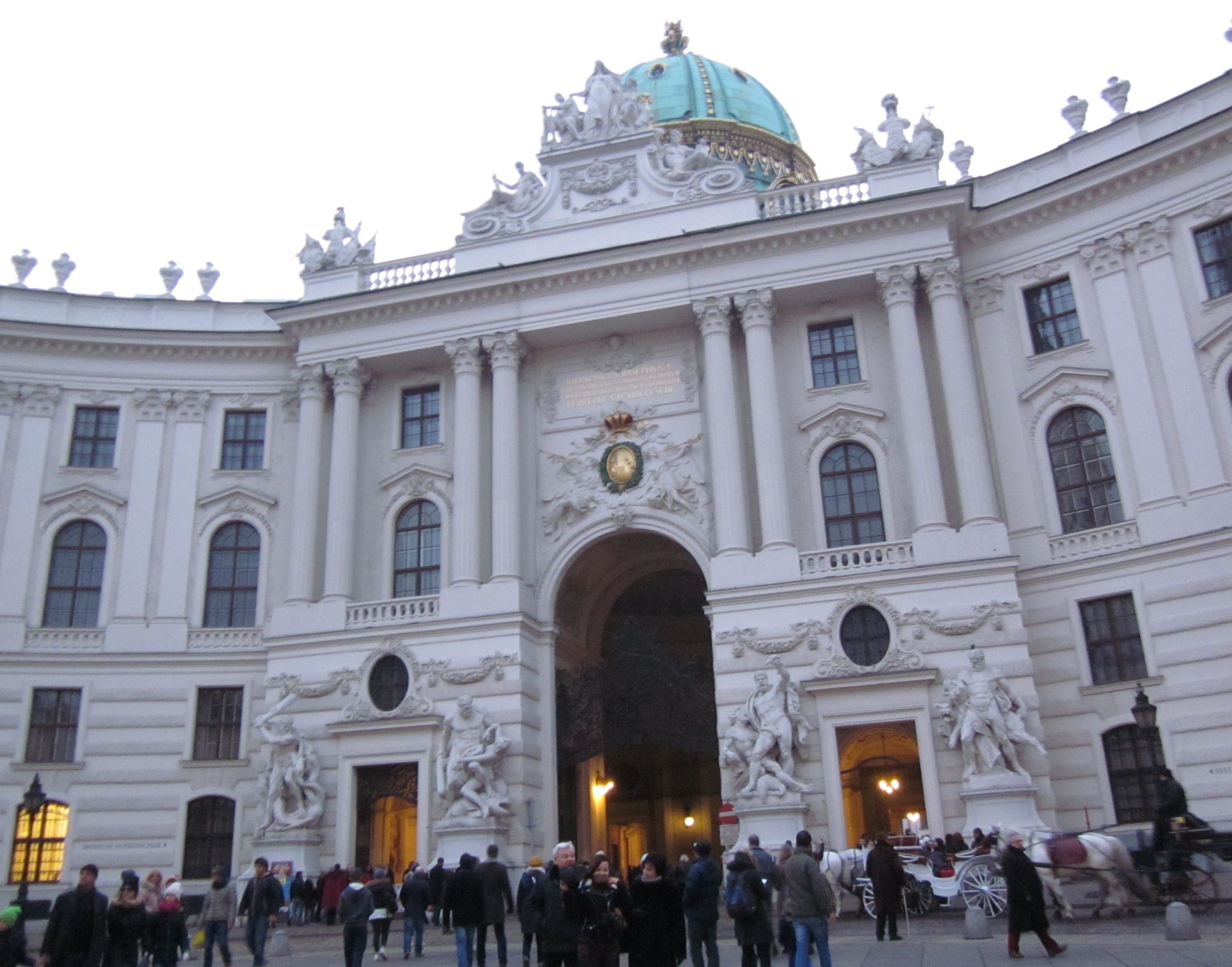
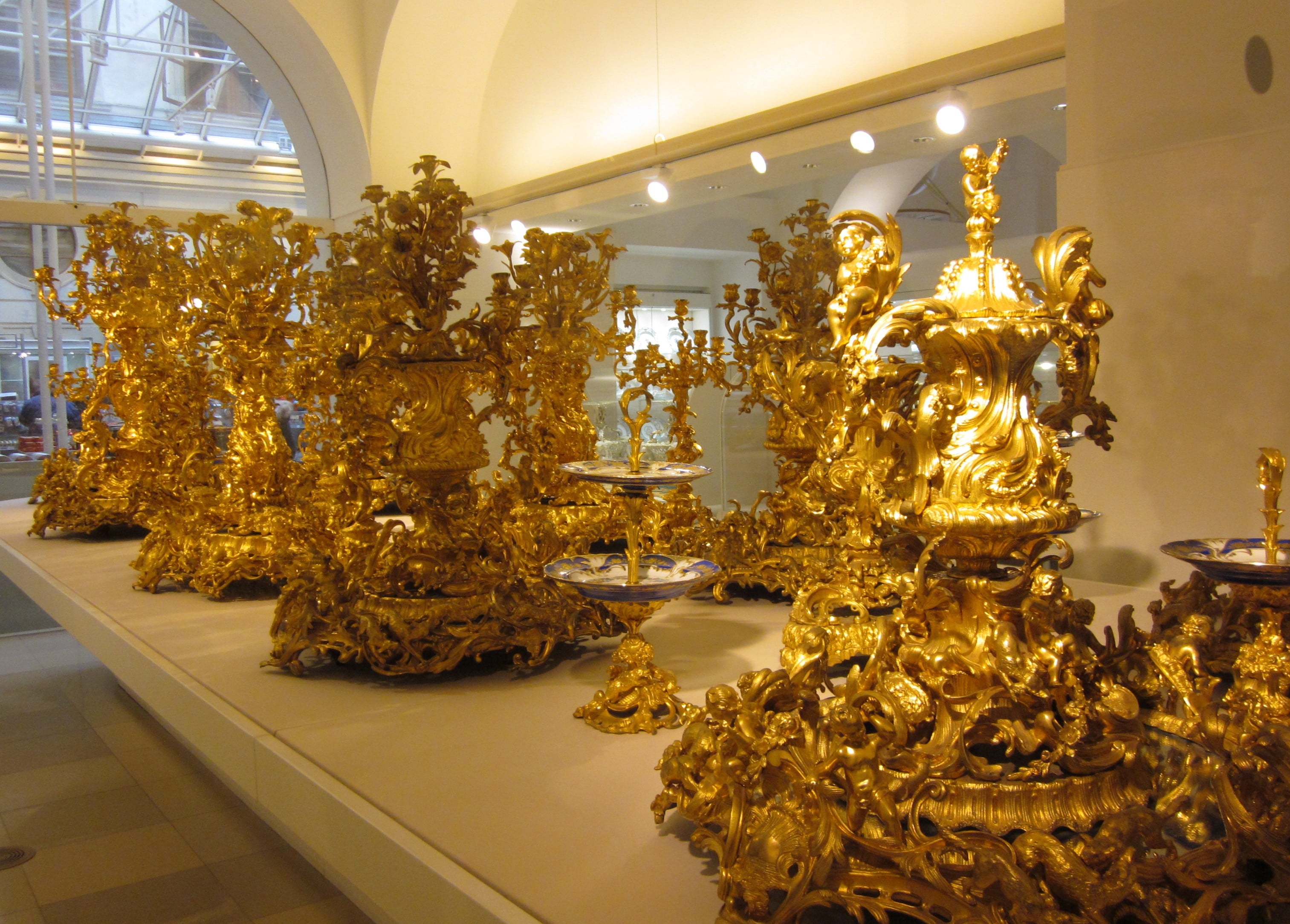
Today’s plan was to visit Hofburg Palace and Treasury. The Hofburg Palace compound has been the main residence of Habsburg emperors, empresses and the royal families. It was conveniently situated in the Vienna city center and easier for us to visit than other Habsburg palaces. Hofburg Palace was huge and opulent. There were a lot of gold utensils, candelabras, table centerpieces as well as beautifully decorated China plates to showcase the extreme wealth of the Habsburg dynasty.
We had an amazing lunch at the scenic Palmenhaus, which was formerly a greenhouse. The place was airy with many green plants. It was surely an interesting experience! We had soup, salad, pasta and dessert. The food was delicious.
The sky cleared up. We went to visit Hofburg Treasury after lunch. The Hofburg Treasury had magnificent collections of crowns, royal jewelry and various treasures, which demonstrated the stunning wealth of the Habsburg dynasty. There were many guided tours inside the treasury, and there was no way to avoid them, so Sister and Brother decided to “join” one of the tours. (If you cannot beat them, join them!)
Later Sister told me: “The guide kept talking to Brother and me!”
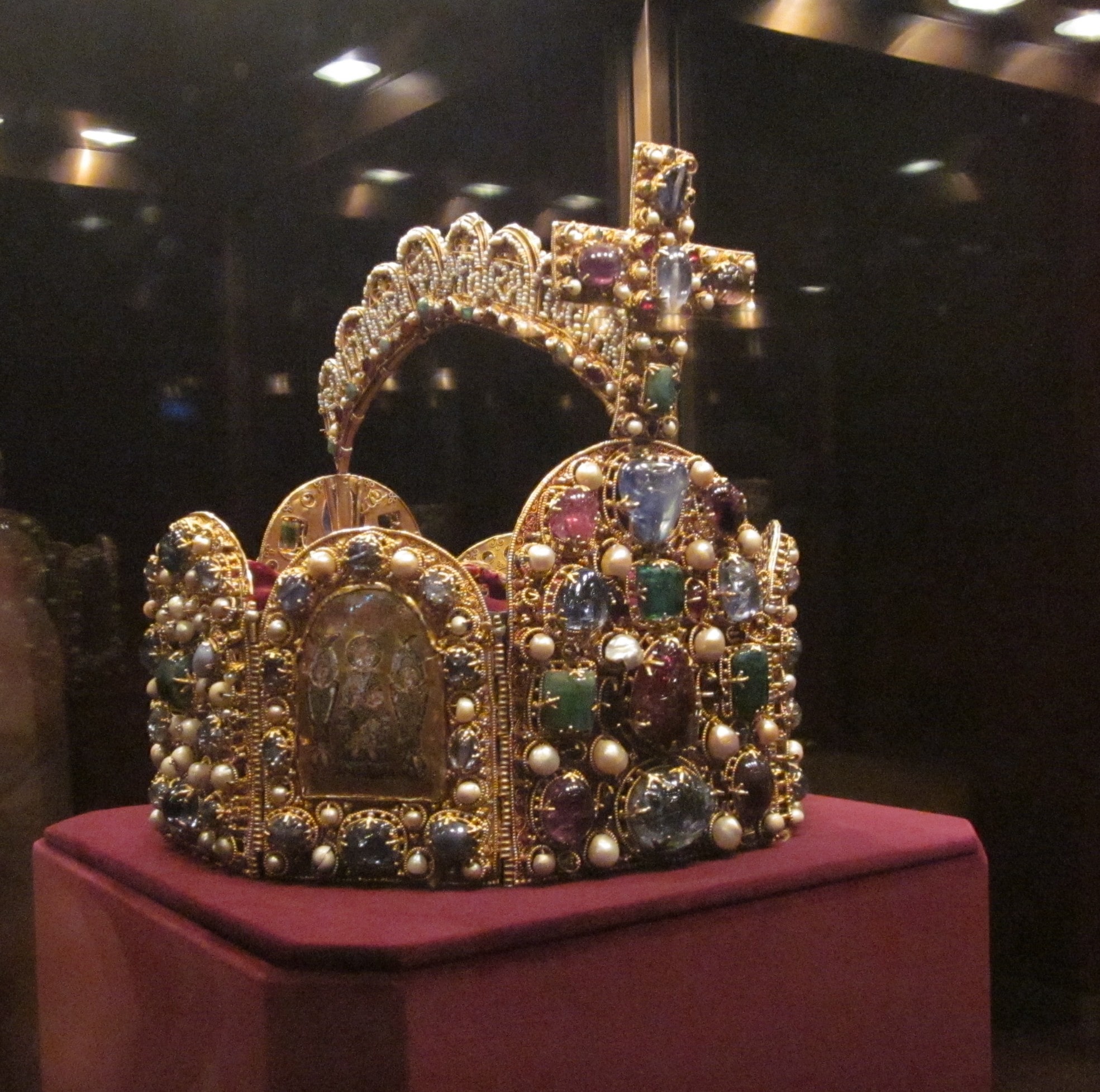
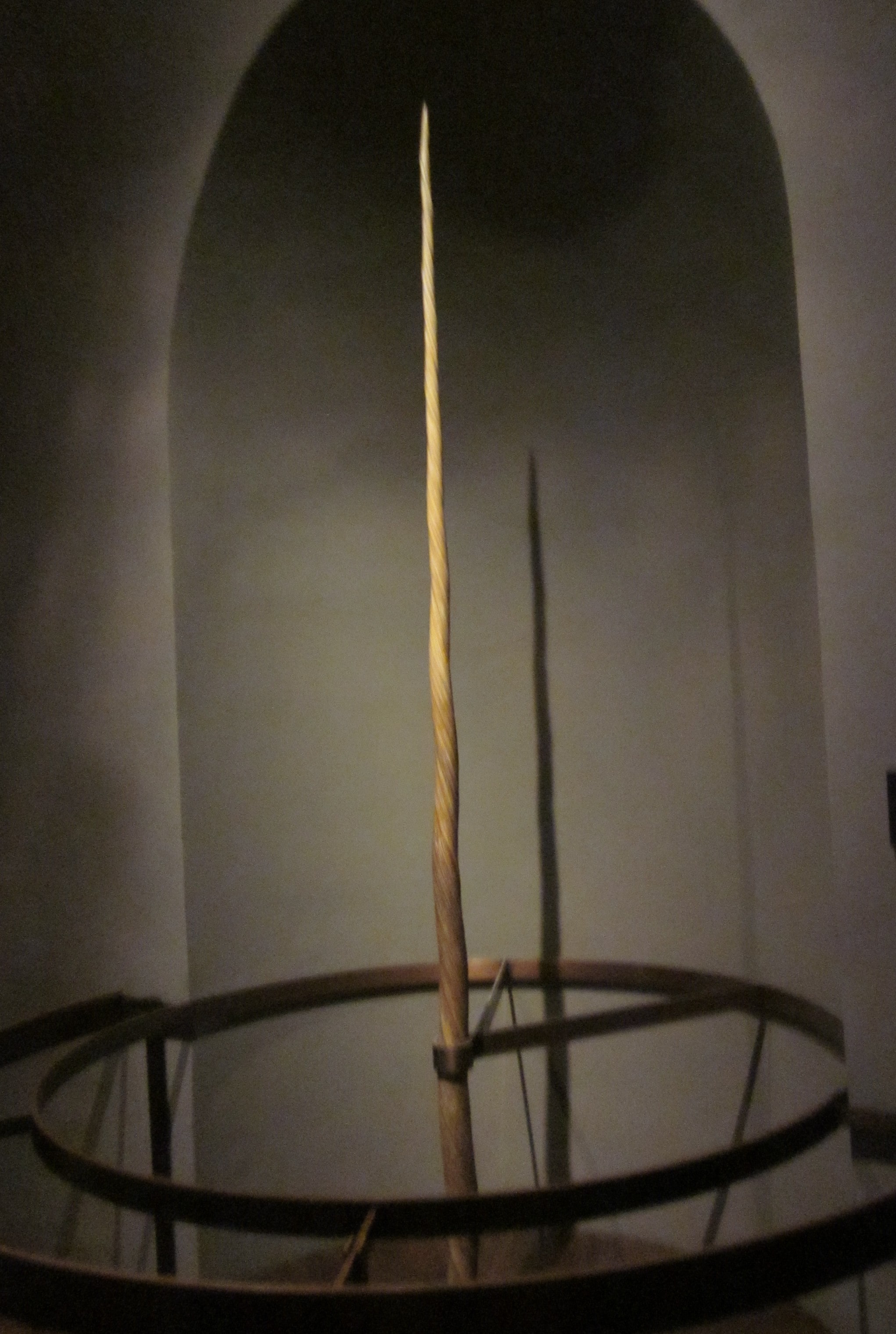
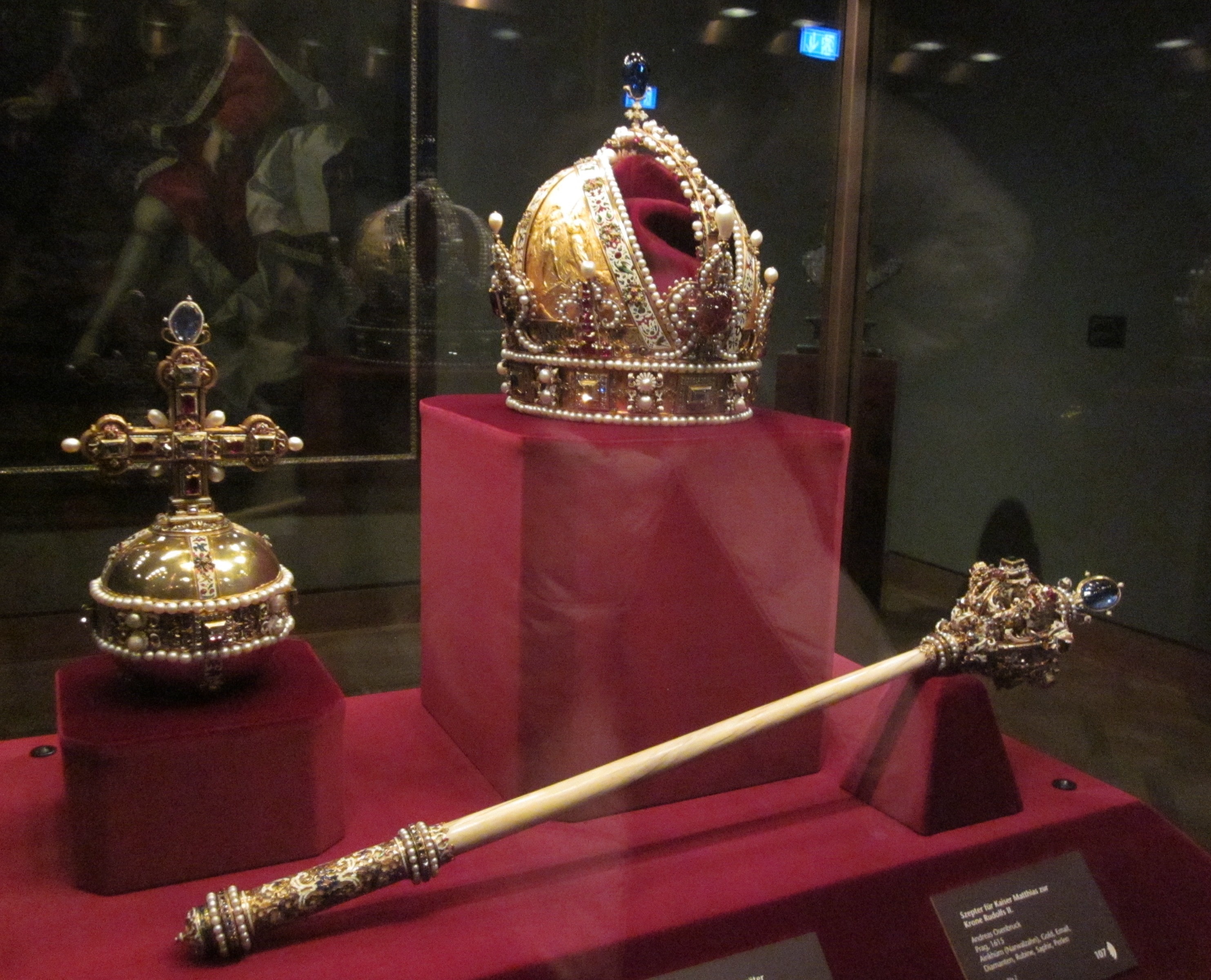
The most amazing collections of the treasury included a crown of the Holy Roman Emperor, an Imperial Cross with jewels, and a “Unicorn Corn” which was actually a narwhal tusk. We also saw some imperial regalia including a Sovereign’s Orb. Sister was very excited.
“That’s the Holy Hand Grenade in Monty Python!”
Then we went shopping and loaded up with a lot of Mozart chocolates.
Day 6: Train to Budapest
After breakfast, we took a morning train to Budapest. There was Wi-Fi connection on the train when we were in Austria, but the connection suddenly stopped when the train crossed the border into Hungary!
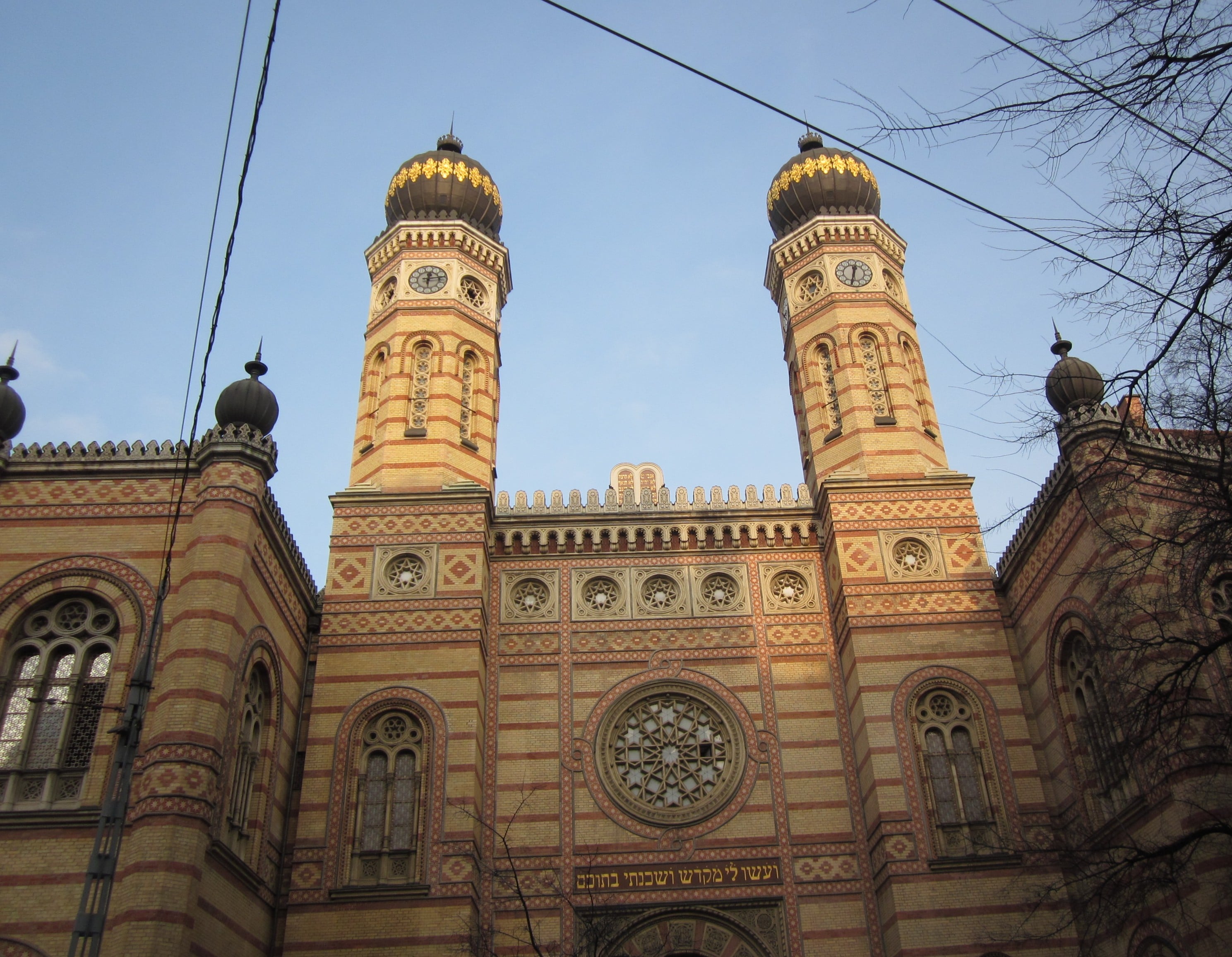
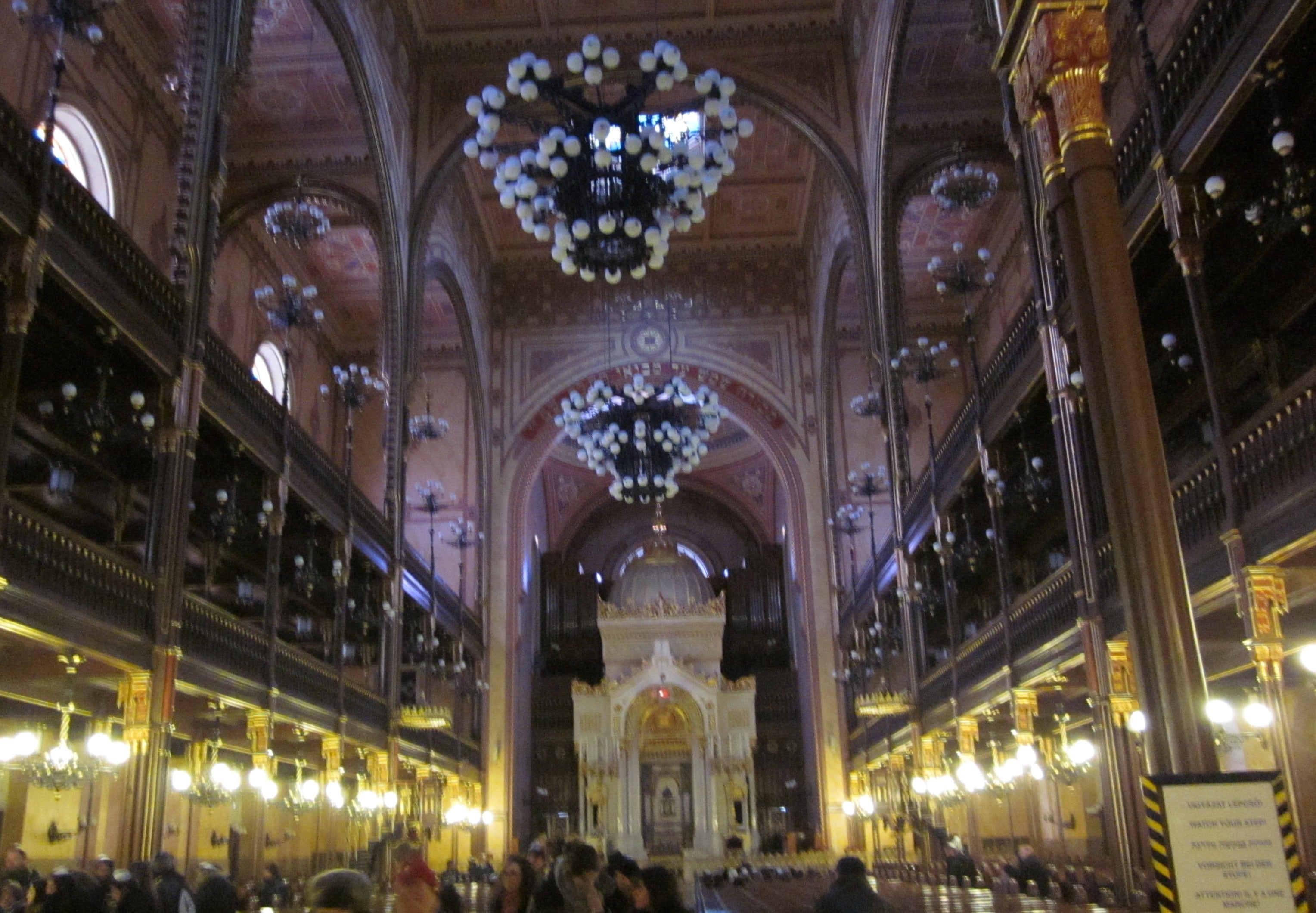
We arrived in Budapest before 1pm. That gave us enough time to visit the Great Synagogue, which was the largest synagogue in Europe. The synagogue had two very tall towers. The interior was huge with gorgeous decorations and two-tiered balconies: the upper level was used by female worshipers in the old days. There were many visitors inside to marvel at the amazing synagogue.
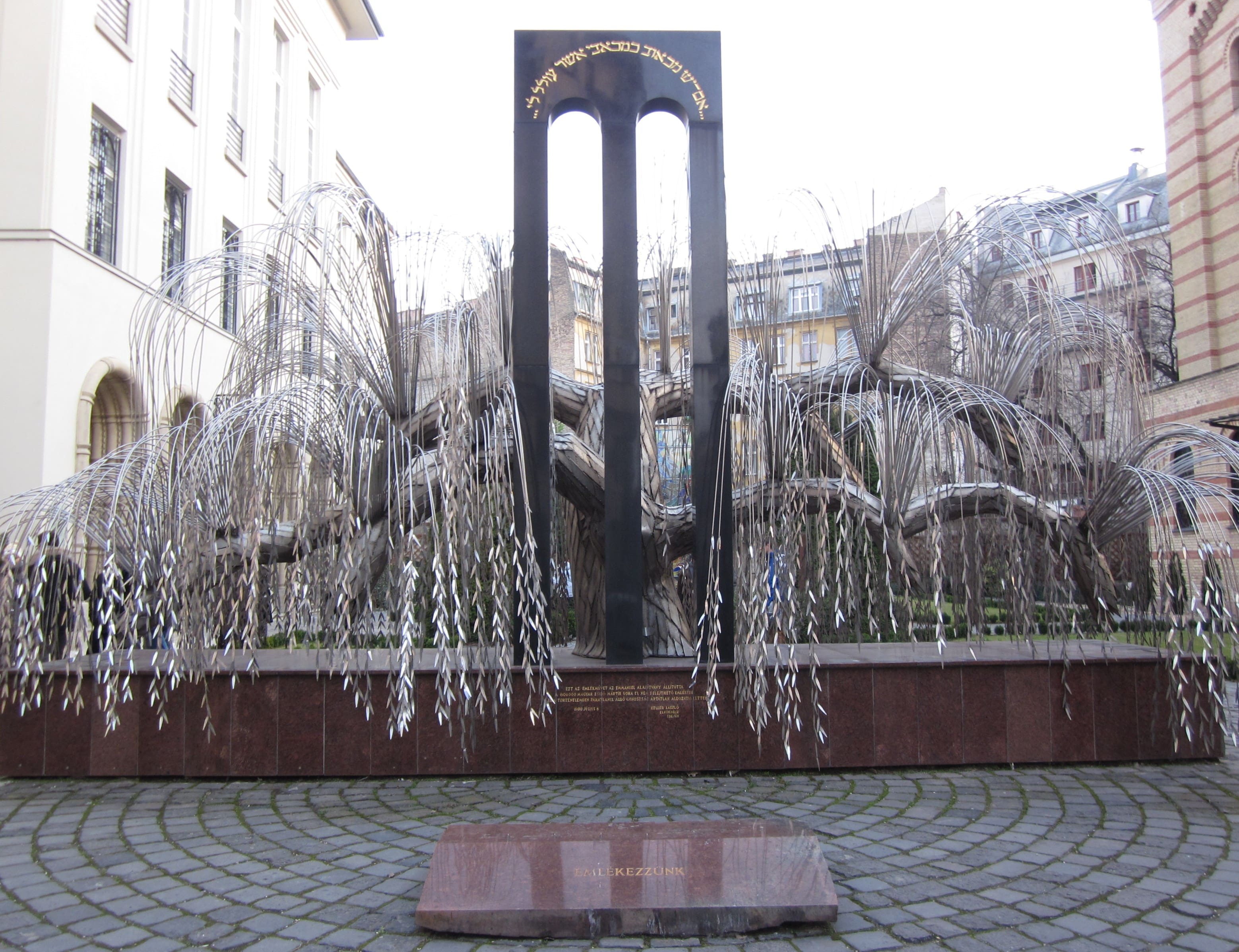
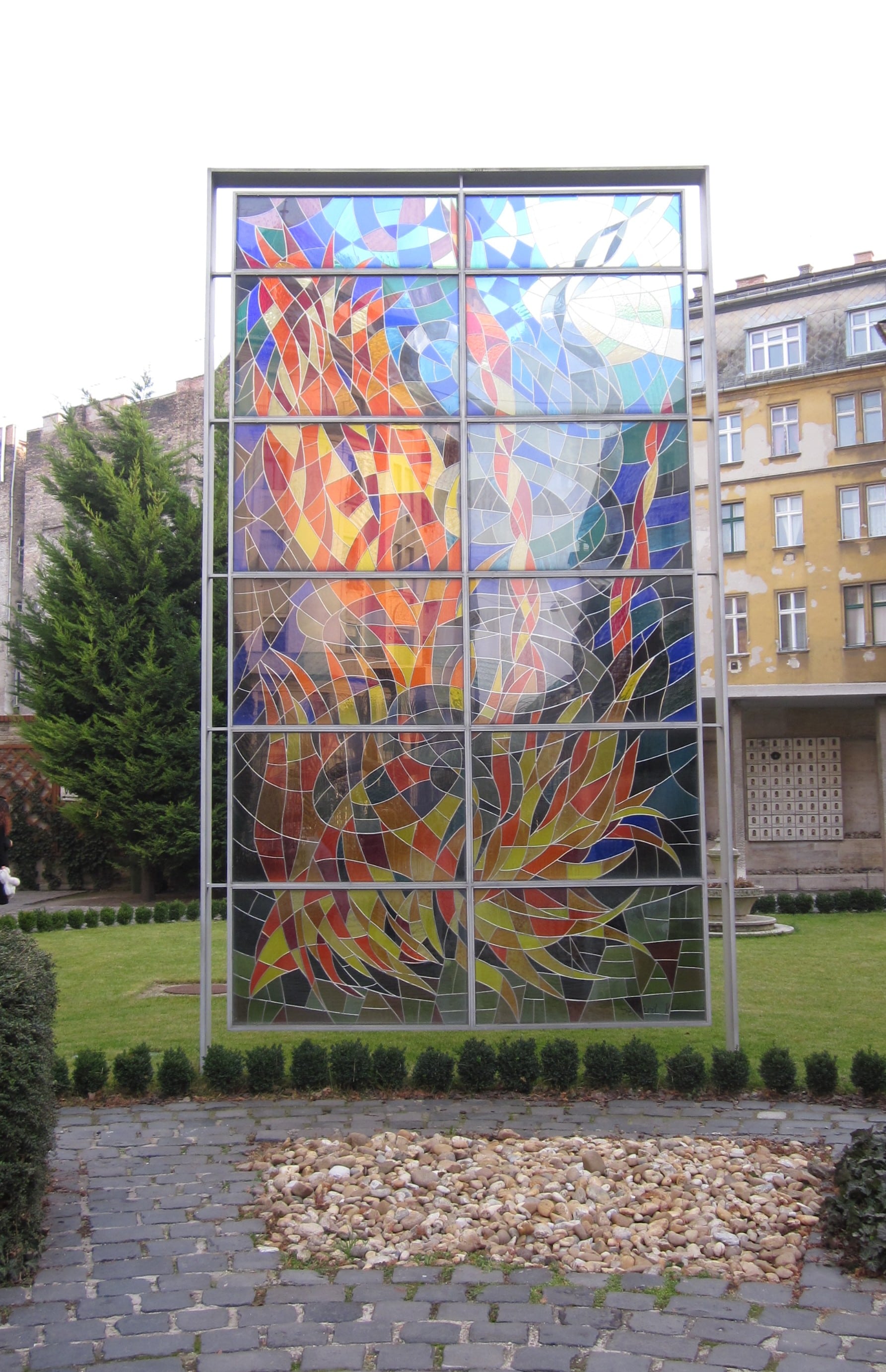
There’s a stunning silver Tree of Life in the garden behind the synagogue. The tree looked like an upside-down menorah. Its metal leaves were etched with names of Holocaust victims. There was also a beautiful stained-glass panel with a picture that looked like flames. The site was surely not to be missed!
Day 7: Budapest: Pest Side
Budapest, on the Danube River, is the capital and the largest city of Hungary. It is actually consisted of two cities: Buda on the west side of Danube, and Pest on the east side of Danube. The famous Chain Bridge over the Danube connects Buda and Pest.
Like most big European cities, Budapest is best visited by foot or by Metro. Budapest has a very old Metro Line that was built not very deep underground. Passengers must go above ground to get to the opposite direction of the line. It’s very unusual.
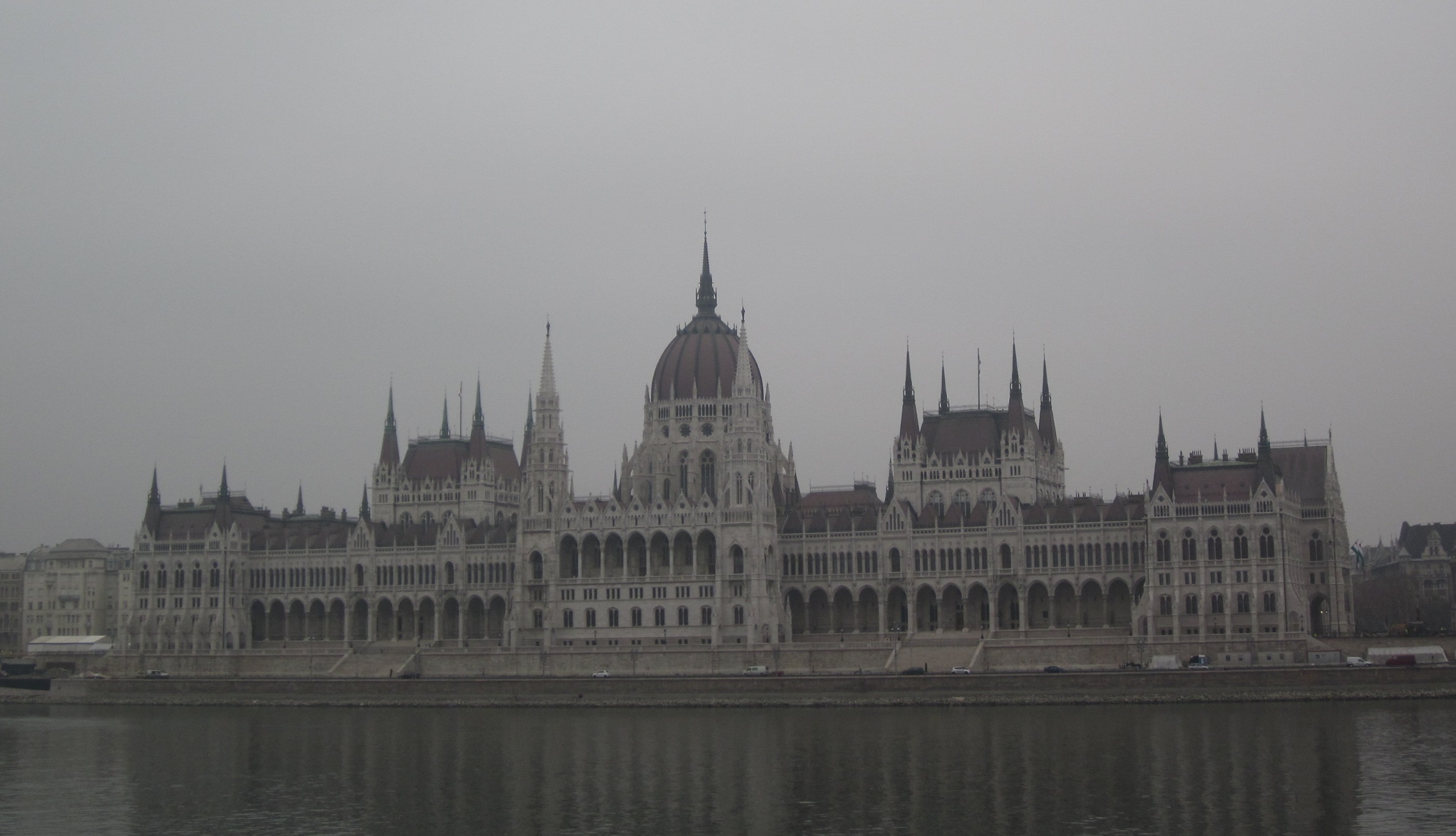
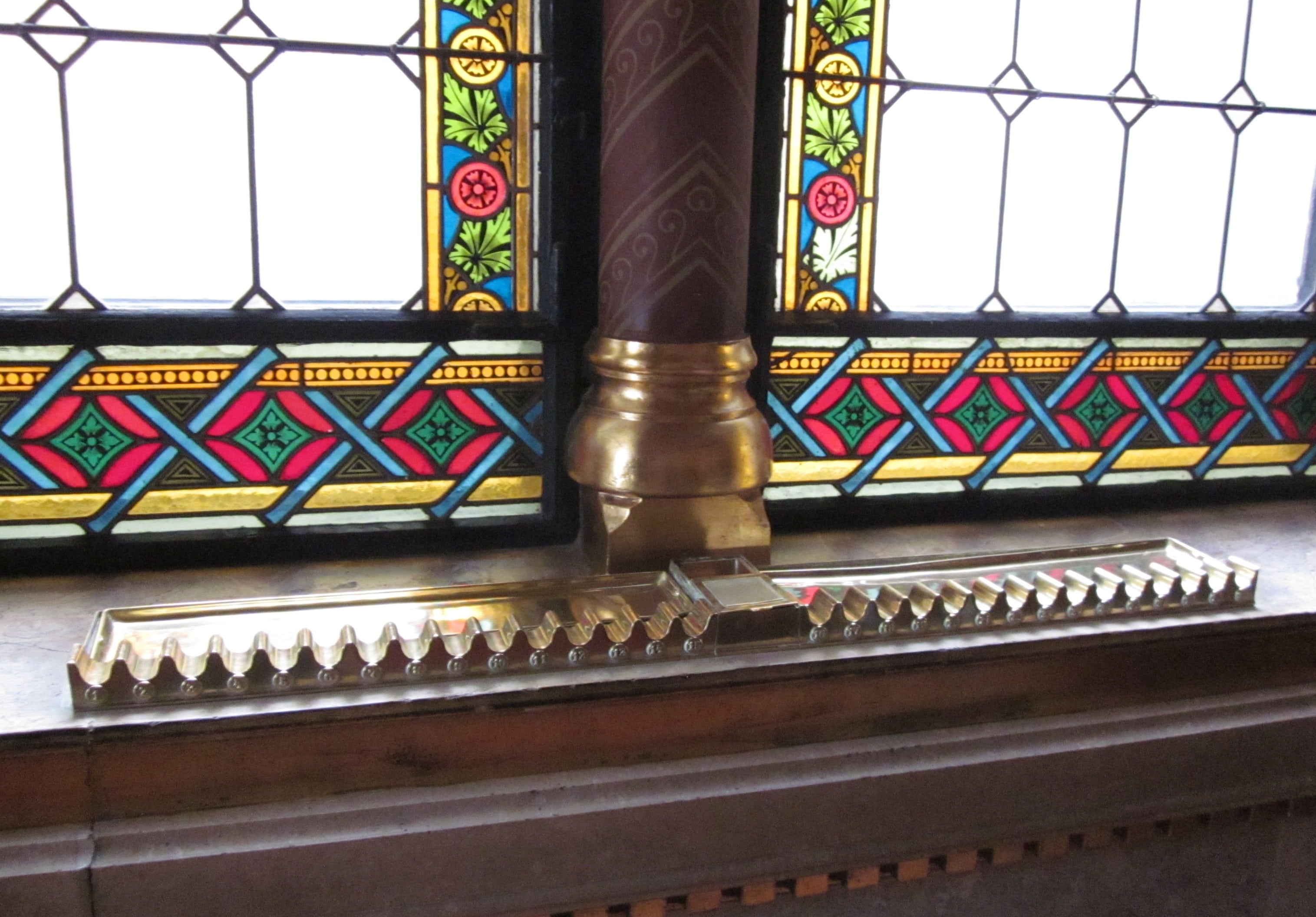
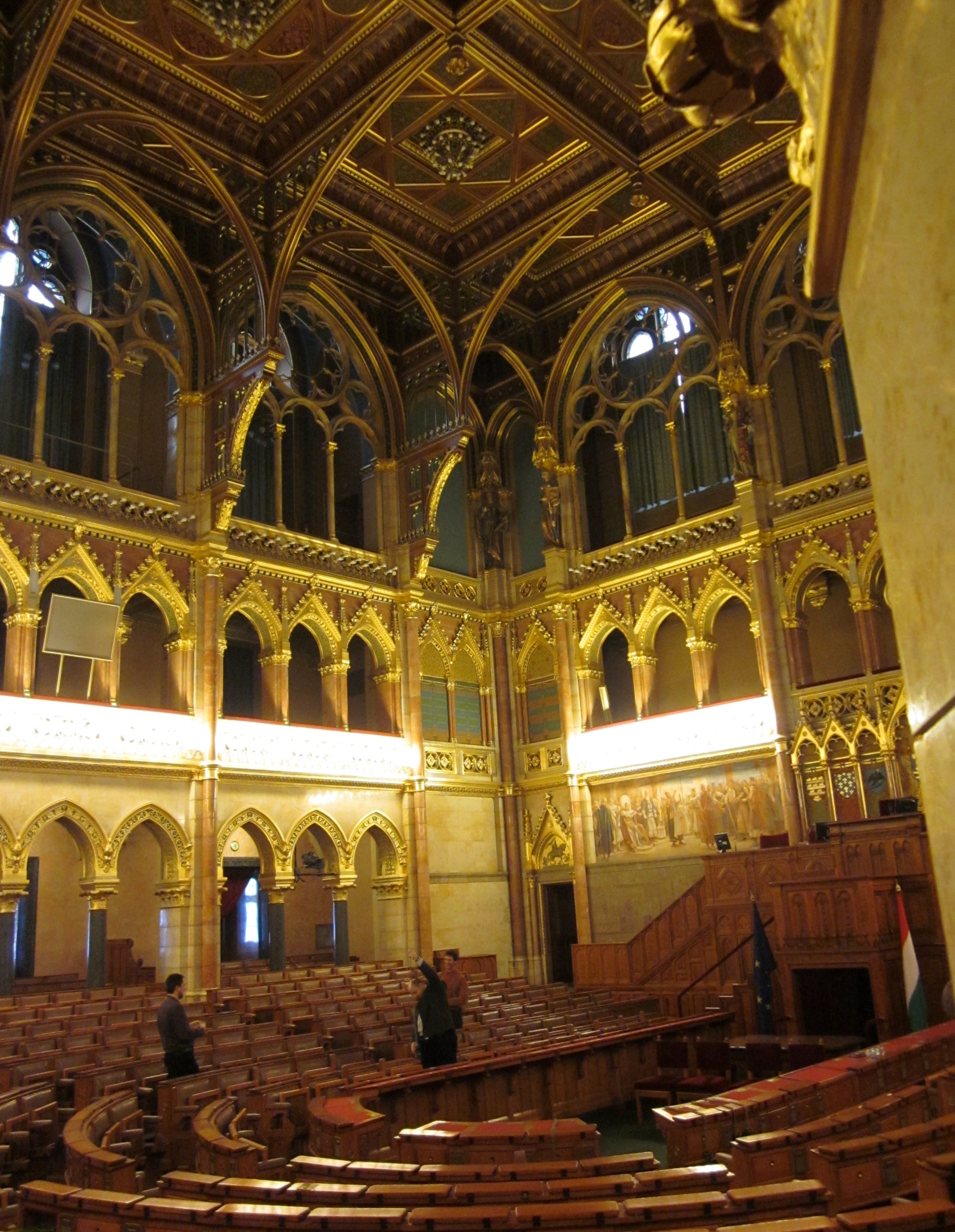
Today we would focus on the Pest side. Hungarian Parliament was probably the most recognizable building of Budapest. The inside of Parliament can only be visited by guided tours. We pre-booked the 10am English Tour. The interior of the Parliament was intricately decorated and awe inspiring. We first walked past a well-guarded dome, where the real Hungarian crown was displayed (no photo allowed). Then we got to see the gold-hued legislative chamber. The most interesting feature was, however, the cigar holder outside the room on a windowsill, where parliament members “parked” their cigars.
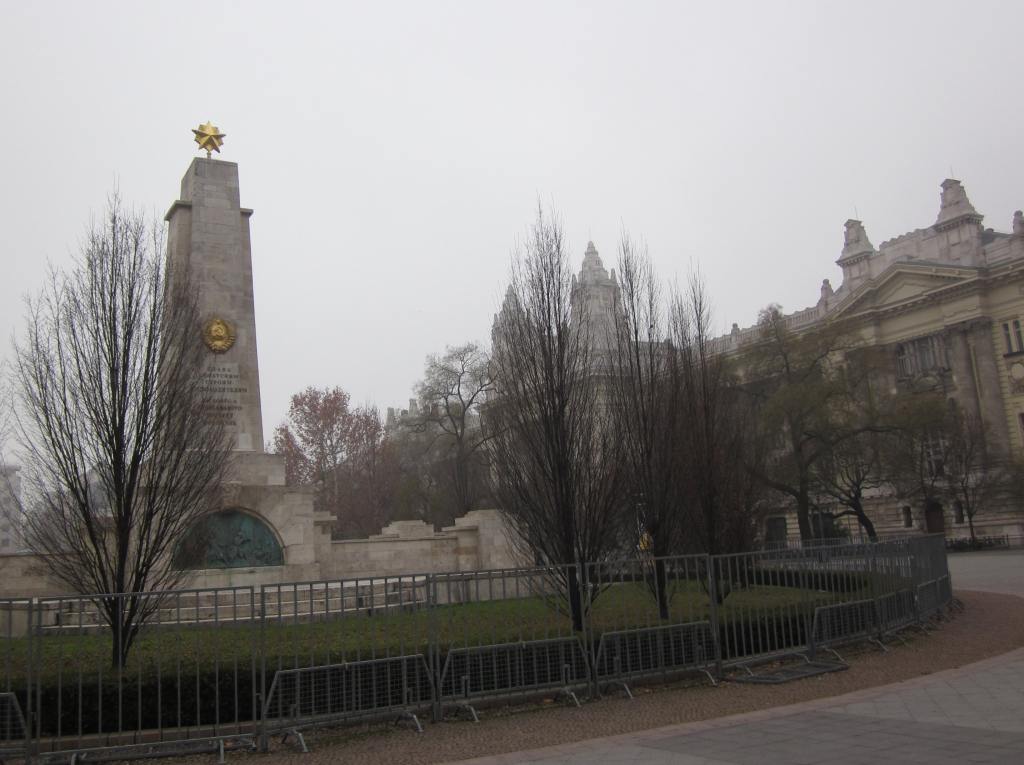
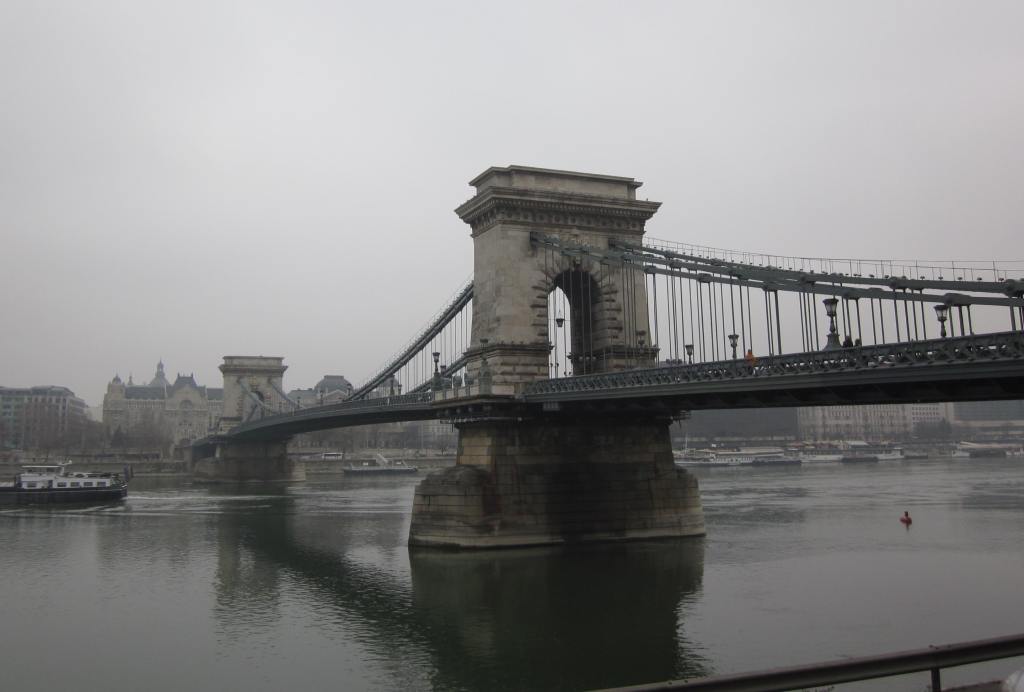
After the Parliament visit, we had a quick snack and cake break before more sightseeing. We walked past Szabadság tér (Liberty Square) to arrive at the famed Chain Bridge, another symbol of Budapest. The weather was foggy and cold, so we didn’t linger.
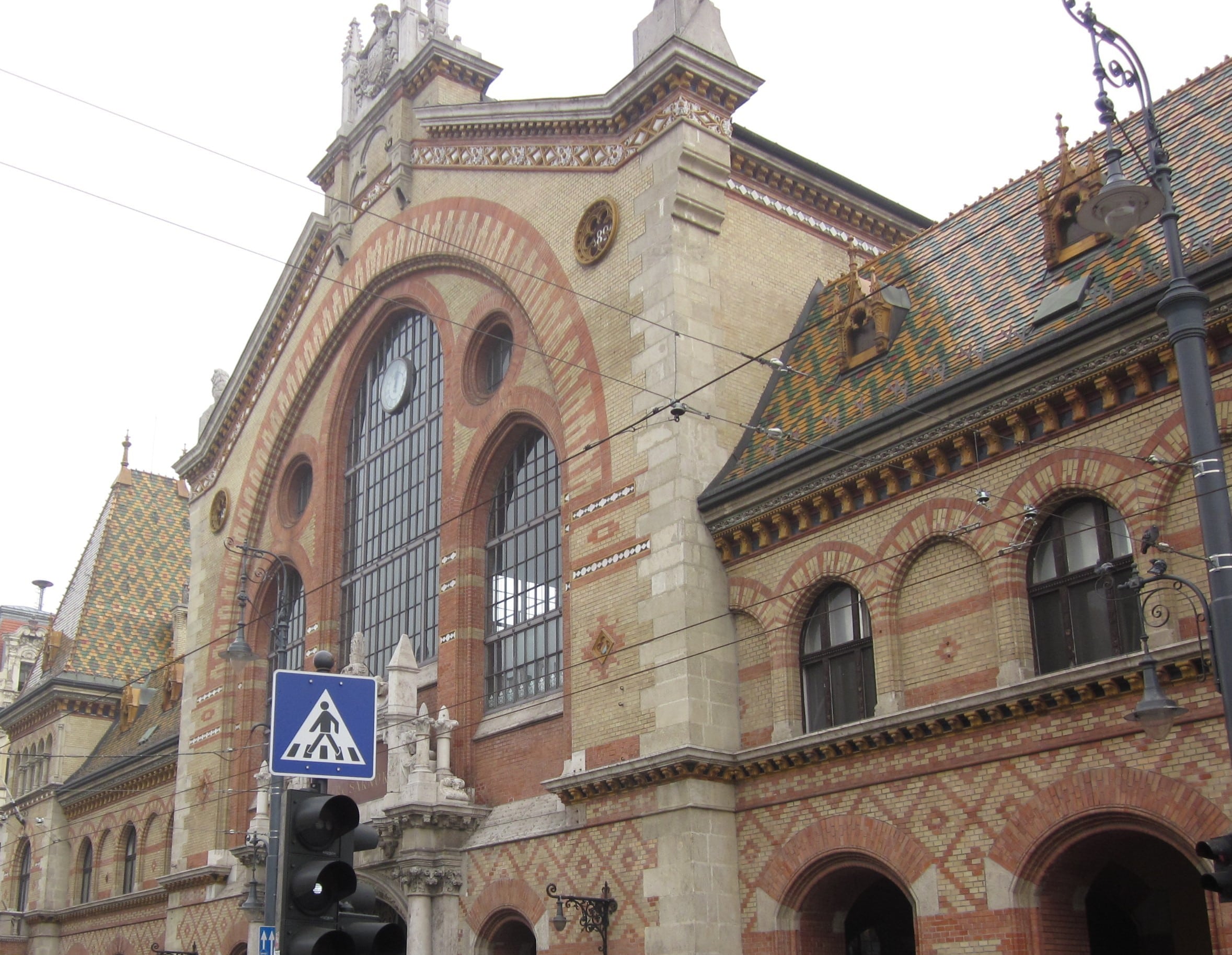
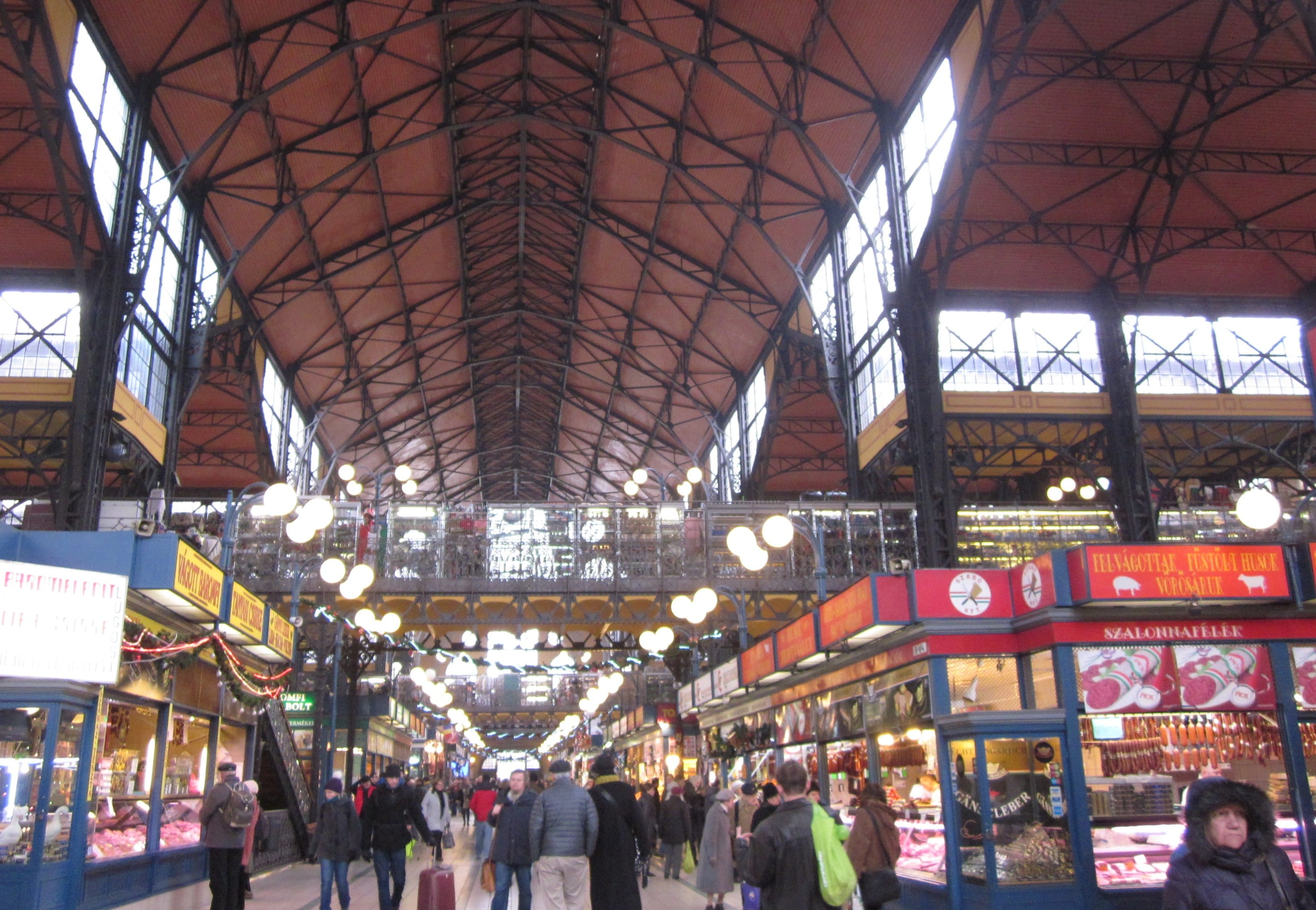
The Great Market Hall was where local people and tourists do their shopping. Food and souvenirs galore! We had lunch at the market hall before returning to the hotel to rest.
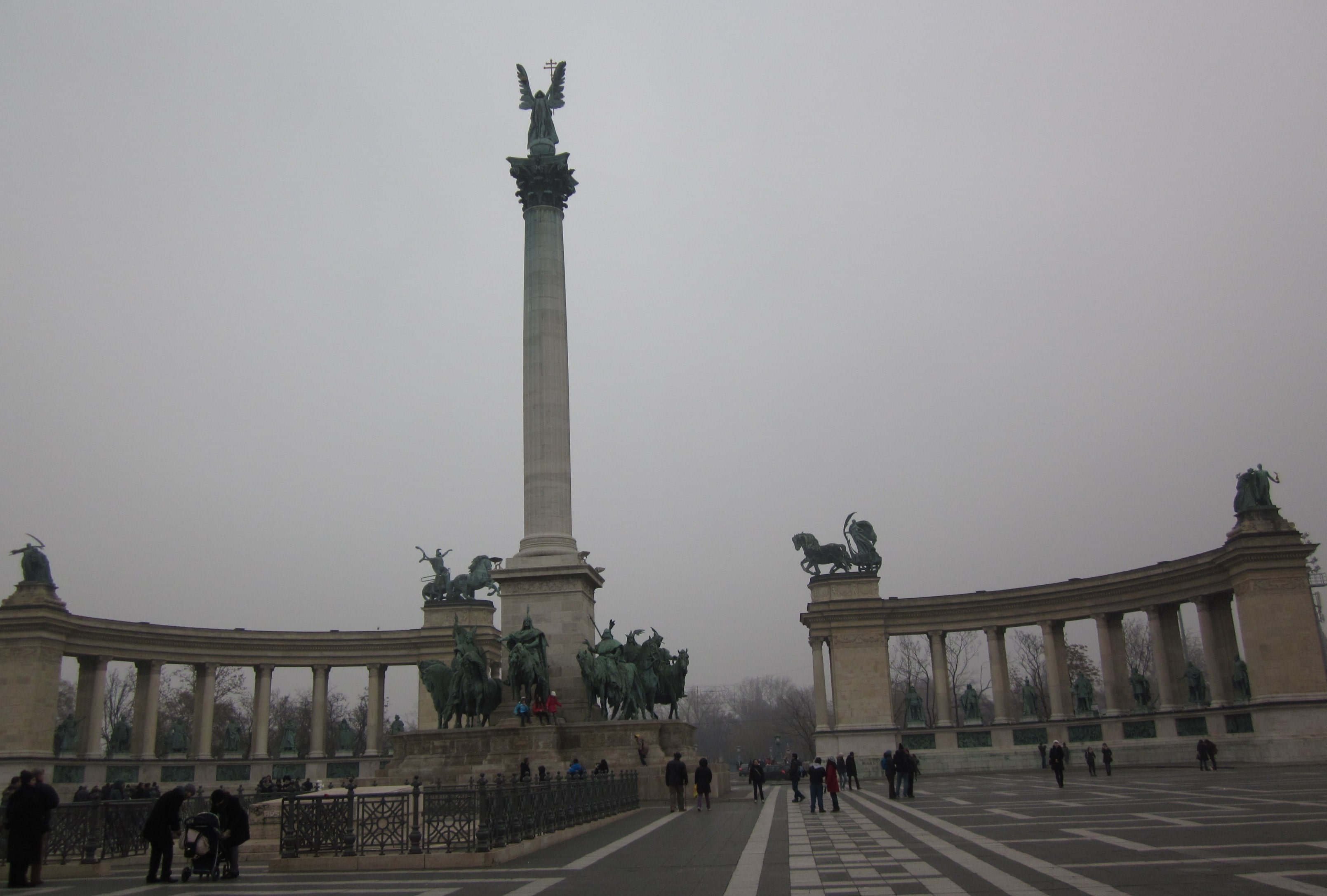
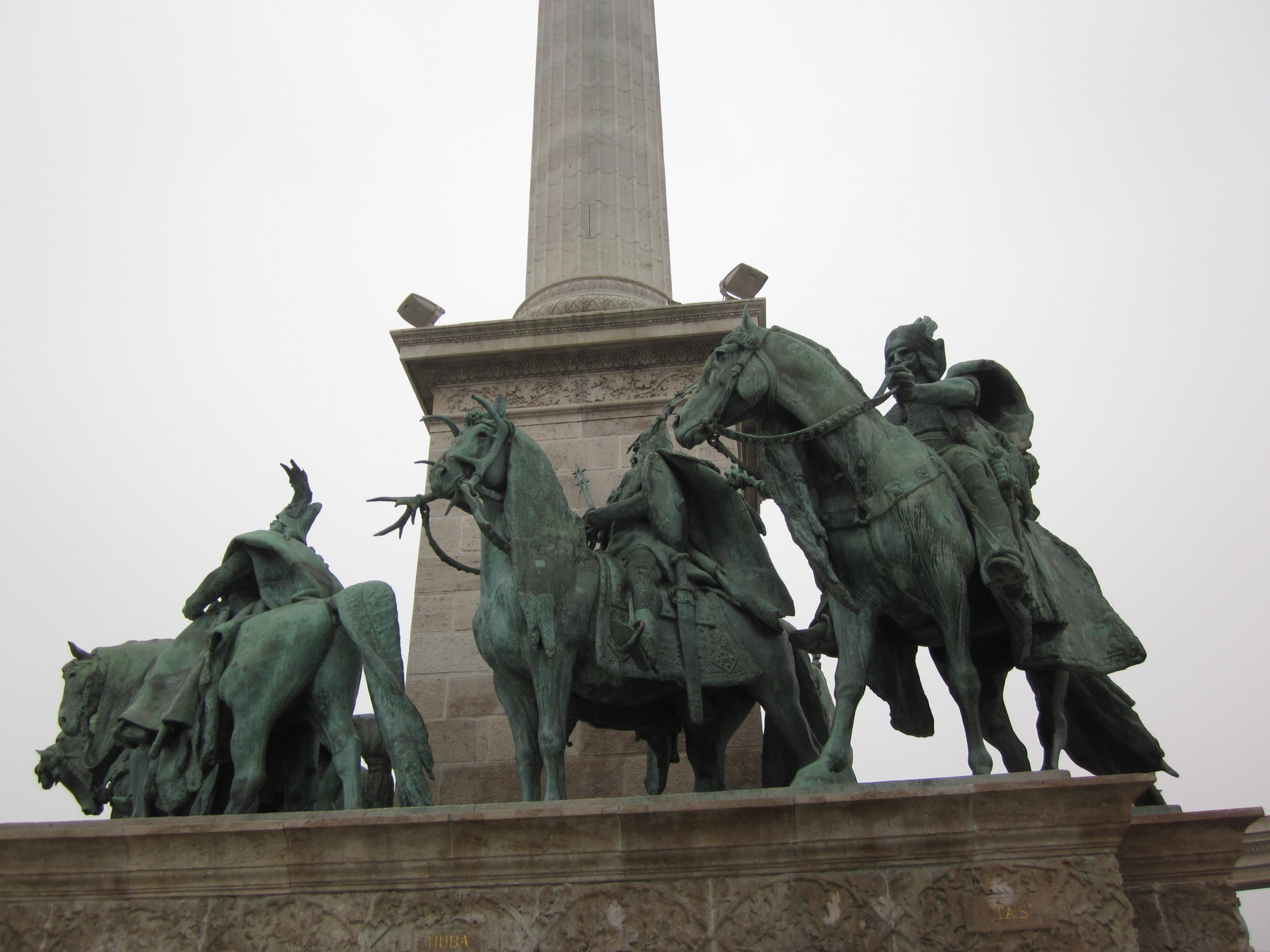
Rei and I planned to soak in the Széchenyi thermal bath this afternoon. Sister and Brother didn’t like hot springs, so only Cutie (our younger son) joined us. Another metro ride took us to the Heroes’ Square with a monument celebrating the 1,000th anniversary of the Magyars’ arrival. There were many statues of great Hungarian heroes. Unfortunately, we were unfamiliar with the Hungarian history and couldn’t recognize any of the heroes.
Széchenyi thermal bath was huge with several different areas. It’s very relaxing to soak in the hot springs, especially with today’s foggy weather.
Day 8: Budapest: Buda Side
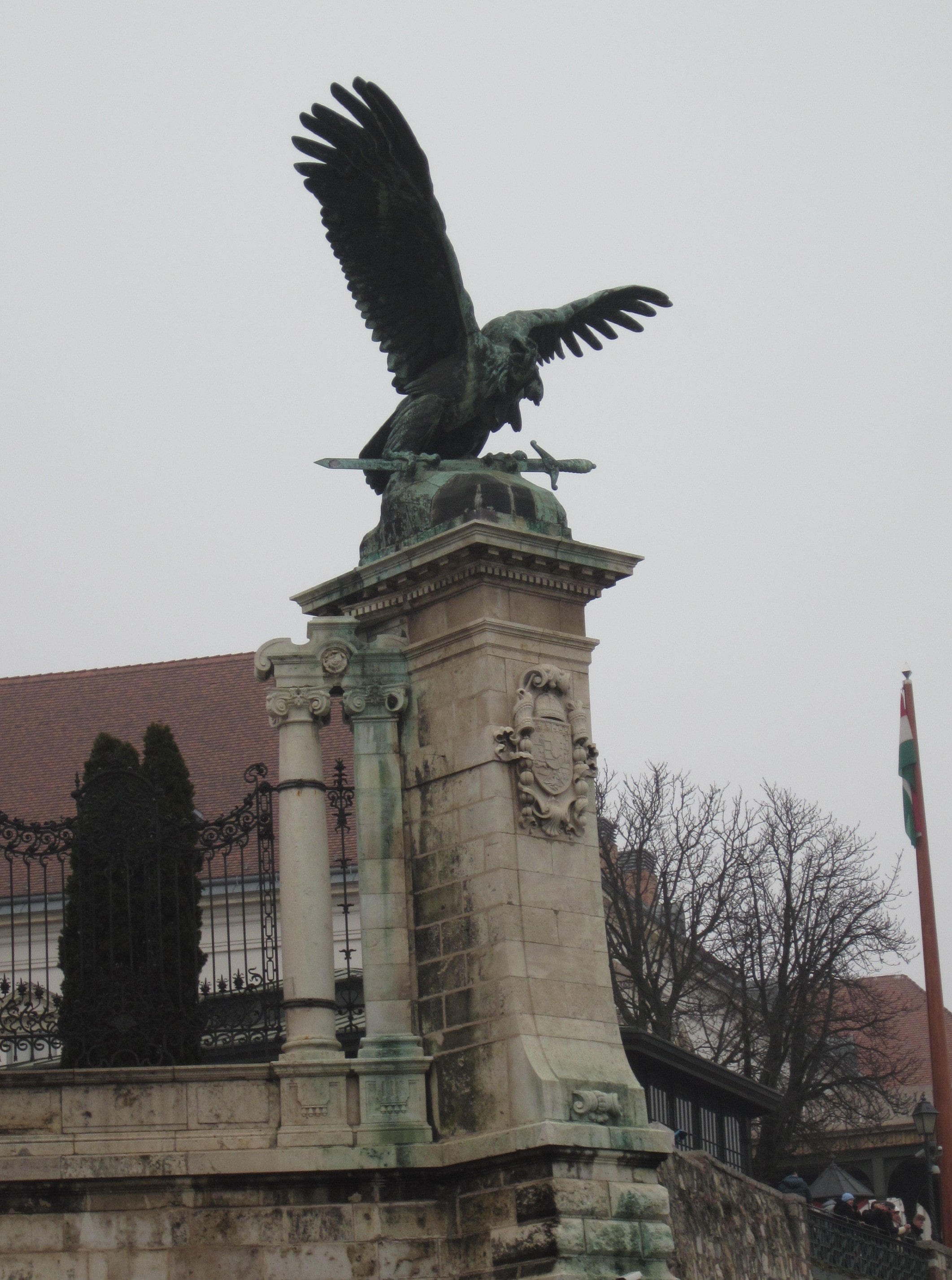
Today we were doing the Buda Side. We took another metro ride to reach Castle Hill. The Turul Bird statue was impossible to miss. According to the legend, the giant Turul Bird dropped his sword here to indicate the spot where the permanent home of the Magyar people would be.
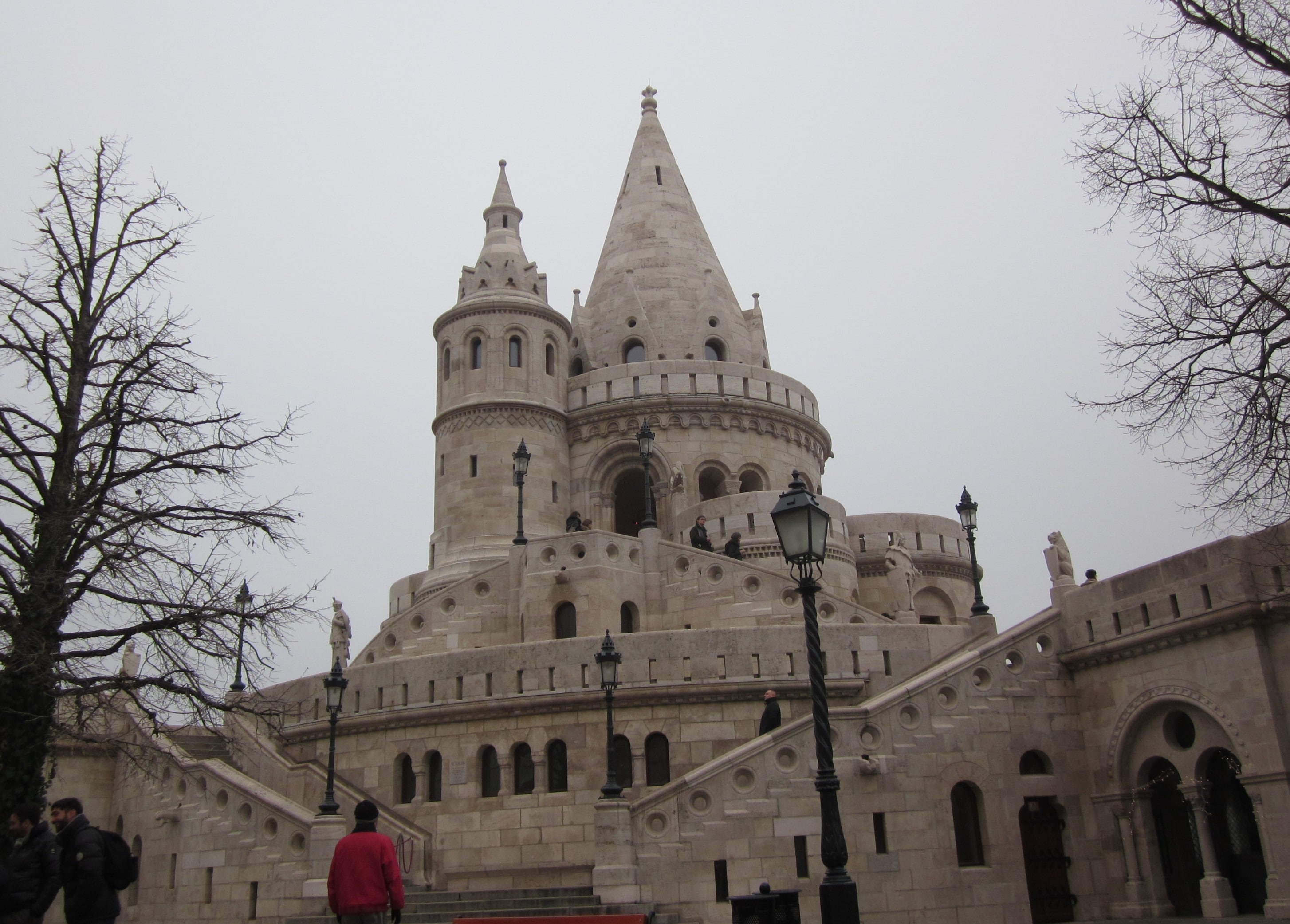
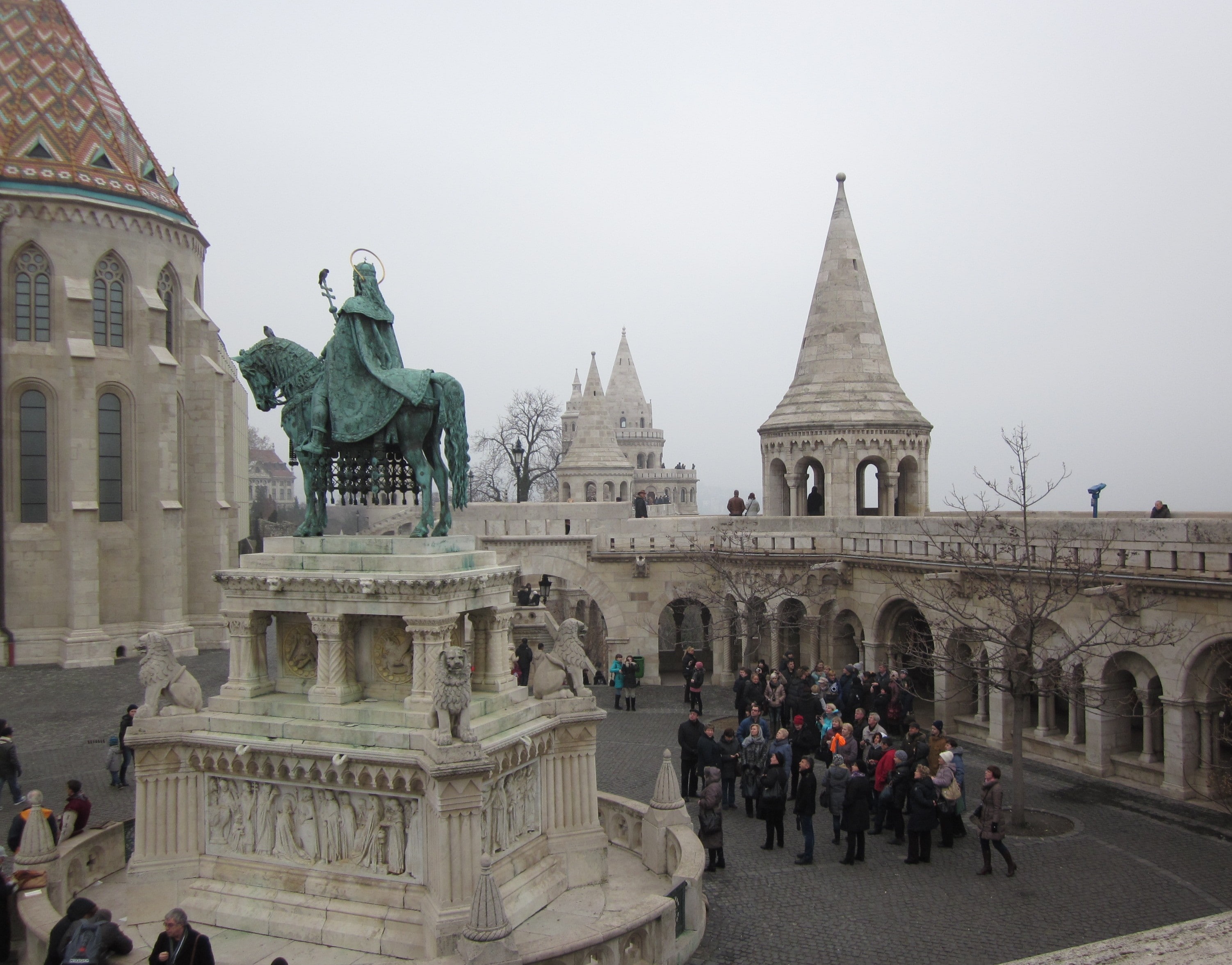
Fishermen’s Bastion was another beautiful structure with rampart that provided excellent view of the Danube with the Chain Bridge and the Parliament and cone-shaped domes that resembled the tents used by the Magyar tribes. A statue of St. Istvan, the first Christian King of Hungary, stood inside the rampart.
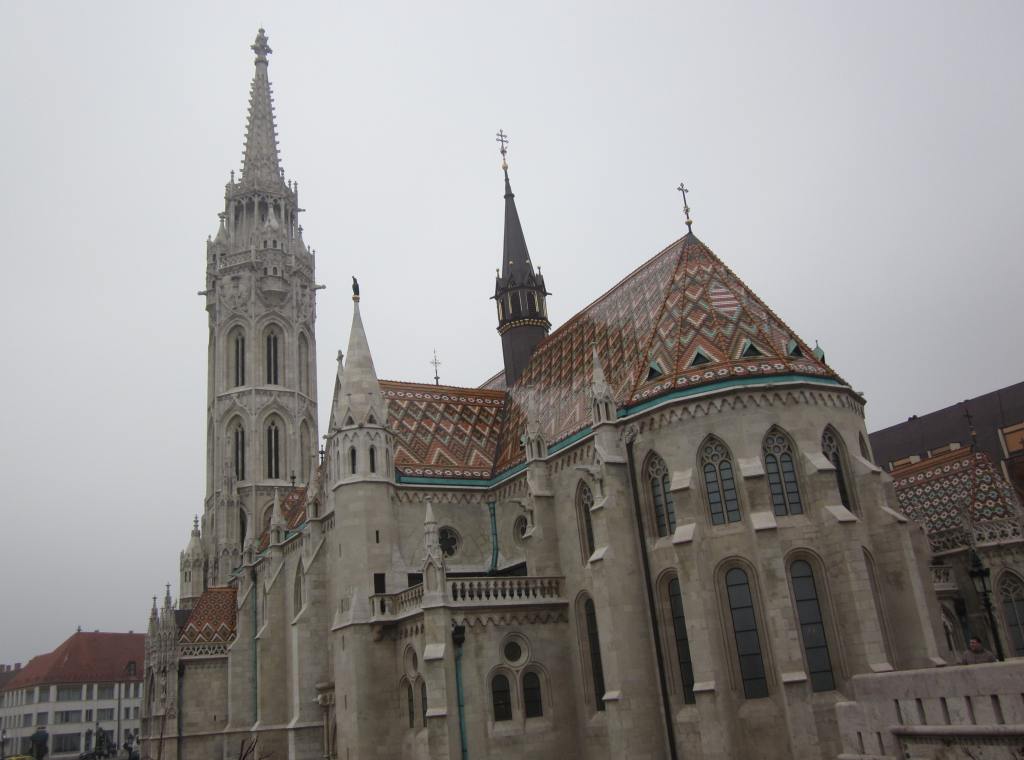
Nearby Matthias Church was considered the best church in Budapest. According to the legend, Matthias Corvinus was away when the king passed away. His mother sent a raven to fetch him. The raven brought the ring to Matthias, and he returned to become the Hungarian King. Be sure to look for the raven with a ring on its beak on a spire of the church.
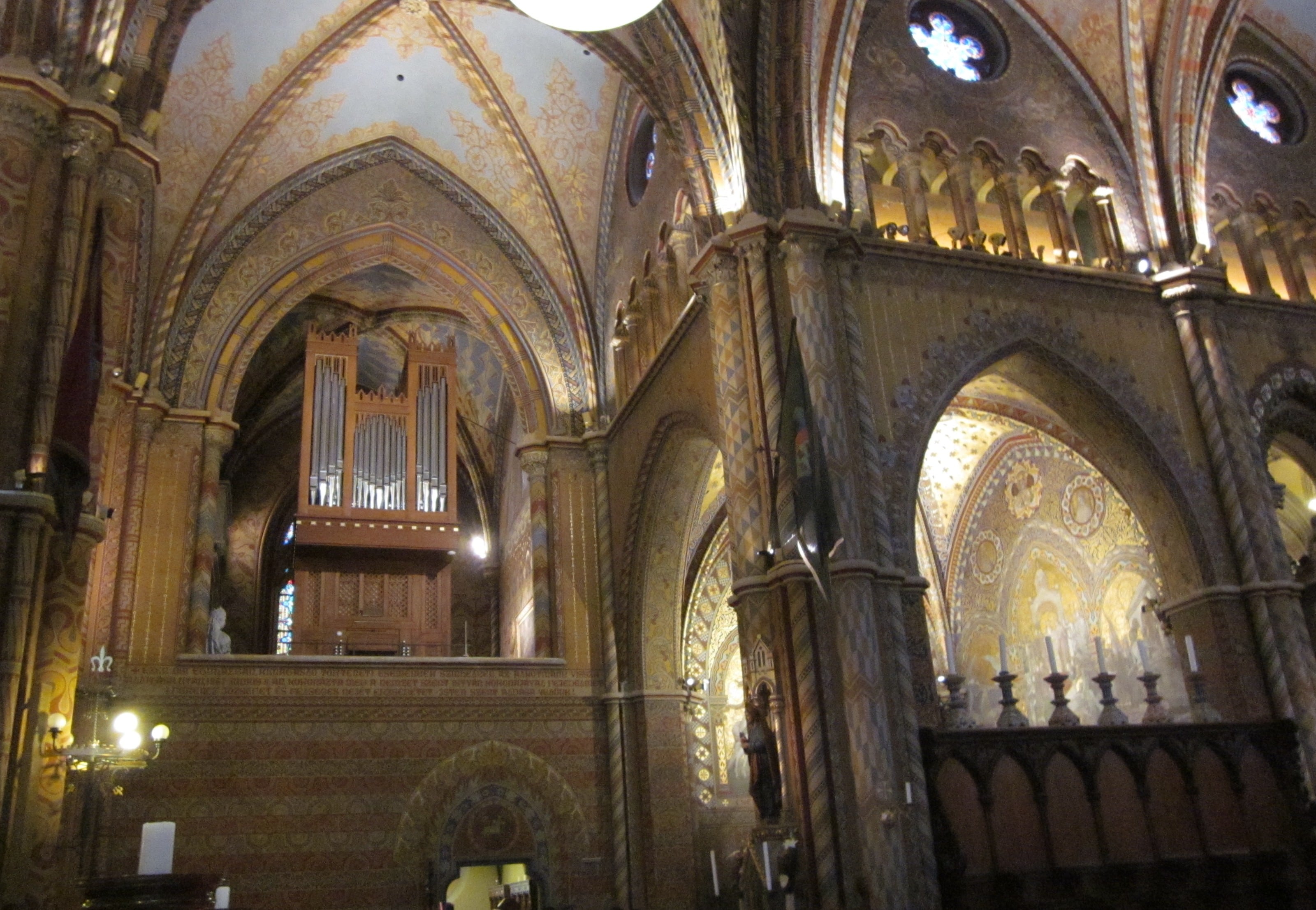
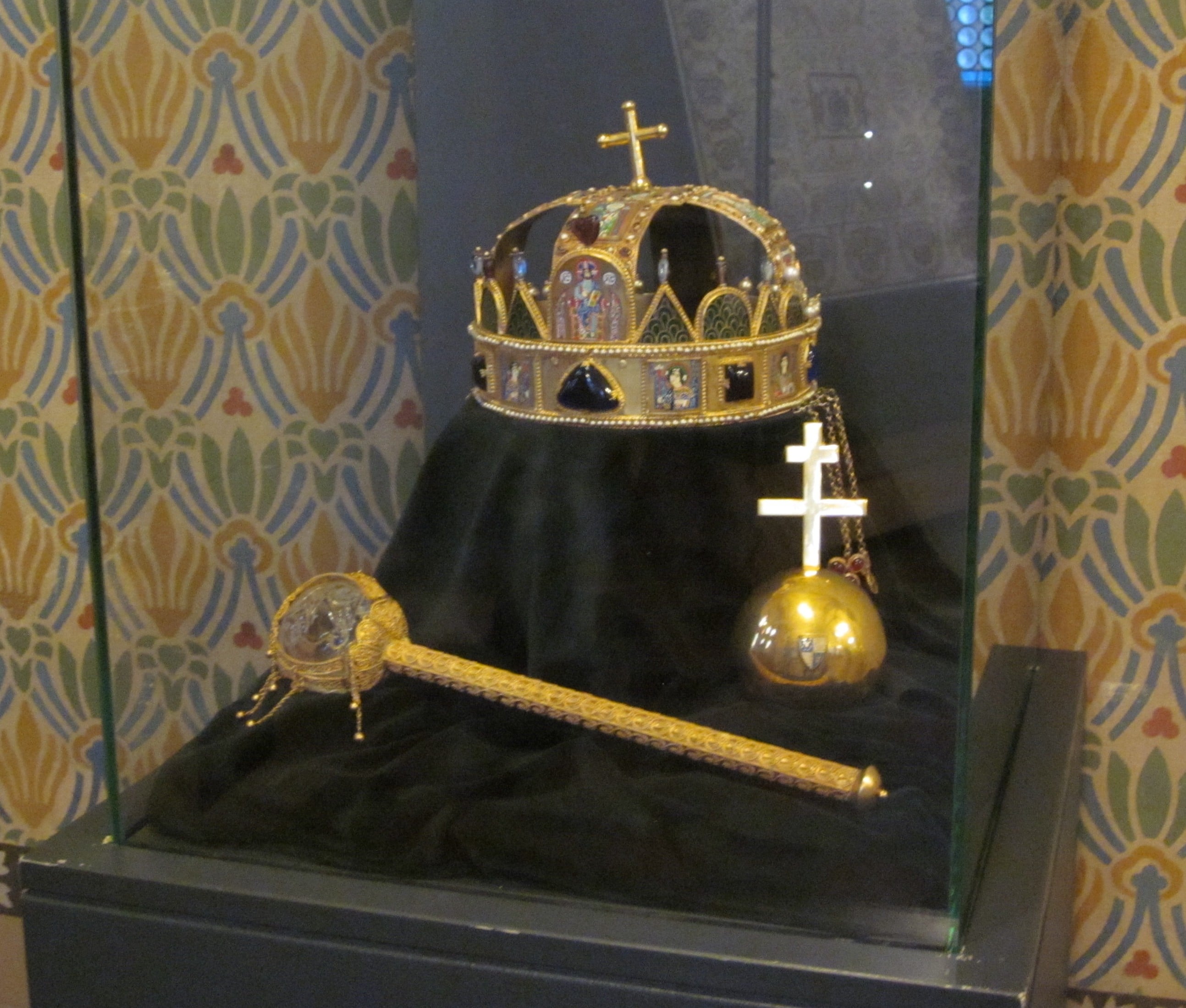
The interior of the church was decorated elaborately. There were many splendid stained-glass windows. The ribbed domes were decorated with beautiful patterns, and the walls were painted with amazing figures and patterns. Inside the church, one could also find the Hungarian Crown Replica (the original one was inside the Parliament).
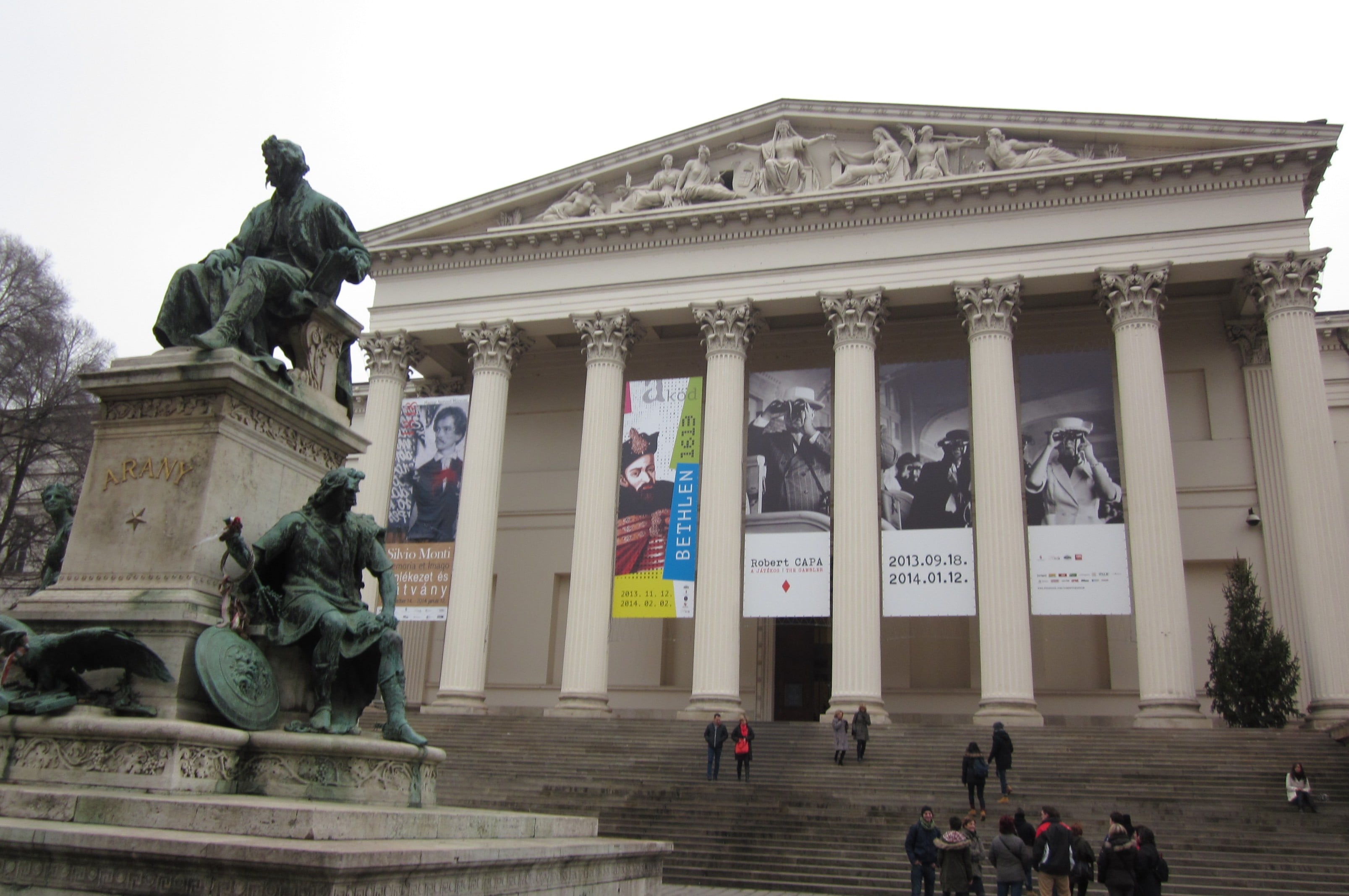
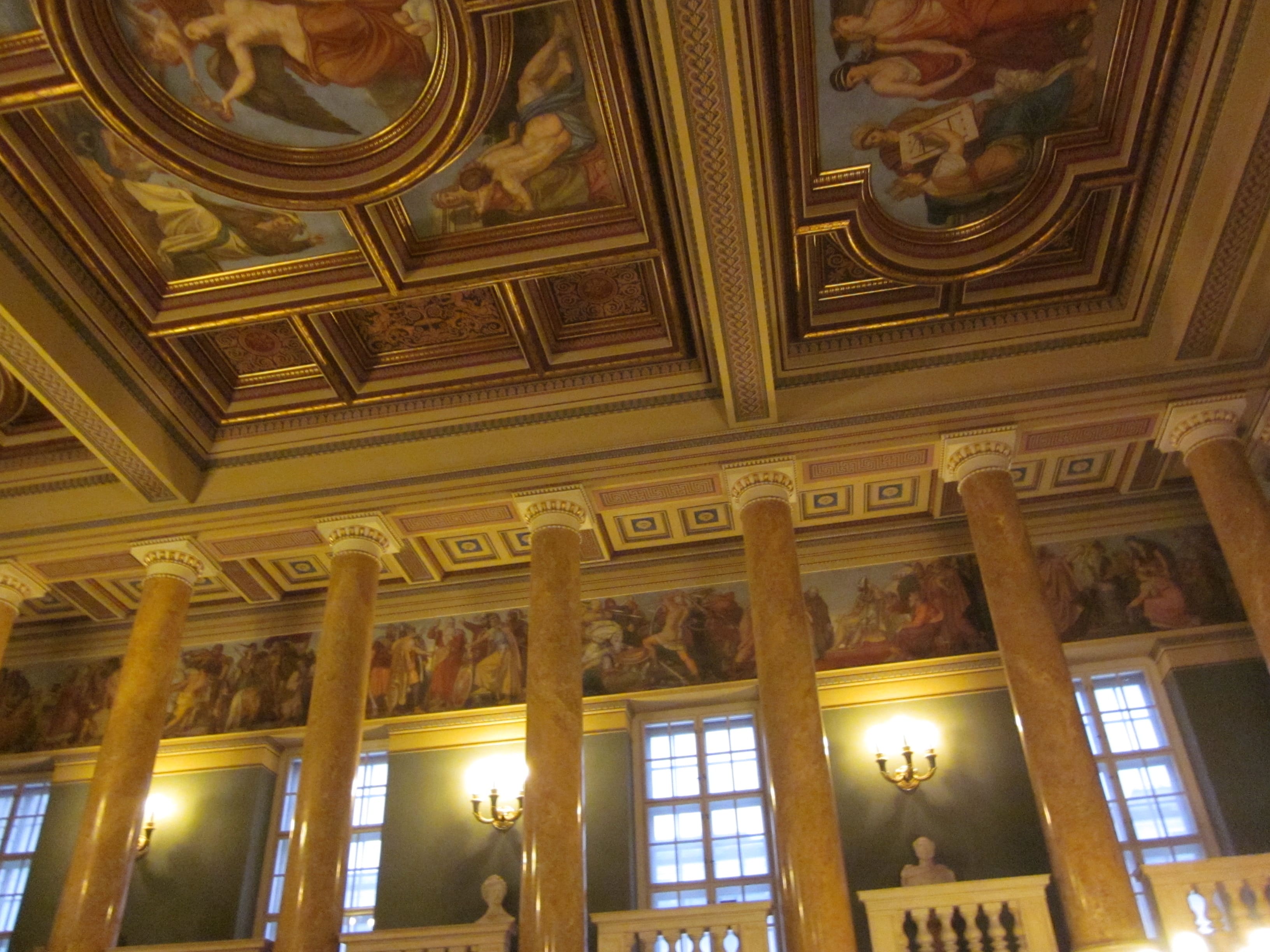
There were other attractions on Castle Hill that we had to skip due to lack of time. We simply returned to the Pest side to visit Hungarian National Museum. The museum had a large collection of artifacts. This was a place for visitors to learn Magyar history.
This ended our winter vacation of 2013. The 2 to 3 days each we spent in Prague, Vienna and Budapest certainly didn’t do the cities justice. However, we had to return home so that kids wouldn’t miss any school days. Hopefully we will have opportunities to visit these places again!
 Amy 'n Rei