(4/23 – 5/6/2016)
Machu Picchu was on many people’s bucket list. We wanted to hike the Inca Trail to reach Machu Picchu. Independent hikers were not allowed to hike the Inca Trail; one must join a licensed tour to do so. The tour guides were tasked with conservation and cleanliness of the trail to keep their licenses. There’s a 500-person per-day limitation as well.
The best time to hike Inca Trail was from May to September during the dry season. The trail was closed every February for a yearly maintenance. I heard that it’s best to go earlier because the bathrooms might become dirtier later in the season. Therefore, we decided to hike in early May.
After comparing many Inca Trail tours, we’ve decided to book a tour with G Adventure that also included Lake Titicaca, another place we wished to visit. The 4-day Inca Trail was our first multi-day trekking. We chose a shorter trekking trip to test the water. One of Rei’s cousins and her friend joined us on this trip.
If you are interested in Machu Picchu, I recommend that you read “Turn Right at Machu Picchu” by Mark Adams.
Day 1: Lima
We arrived late last night and stayed in Hotel Monte Real in Miraflores. We arrived in Peru earlier to be on the safe side. This would also give us an extra day to explore Lima, which was not included in the tour.
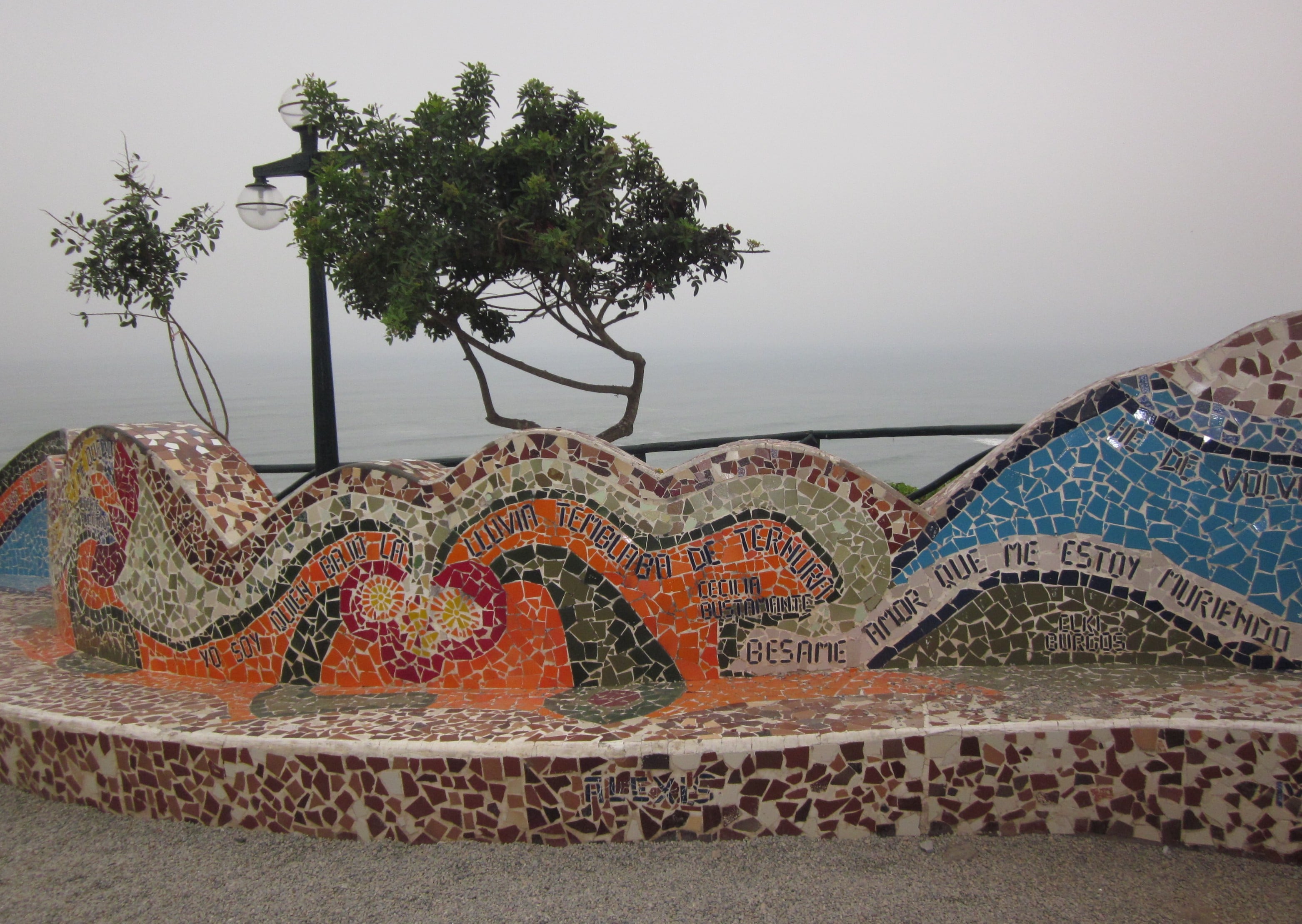
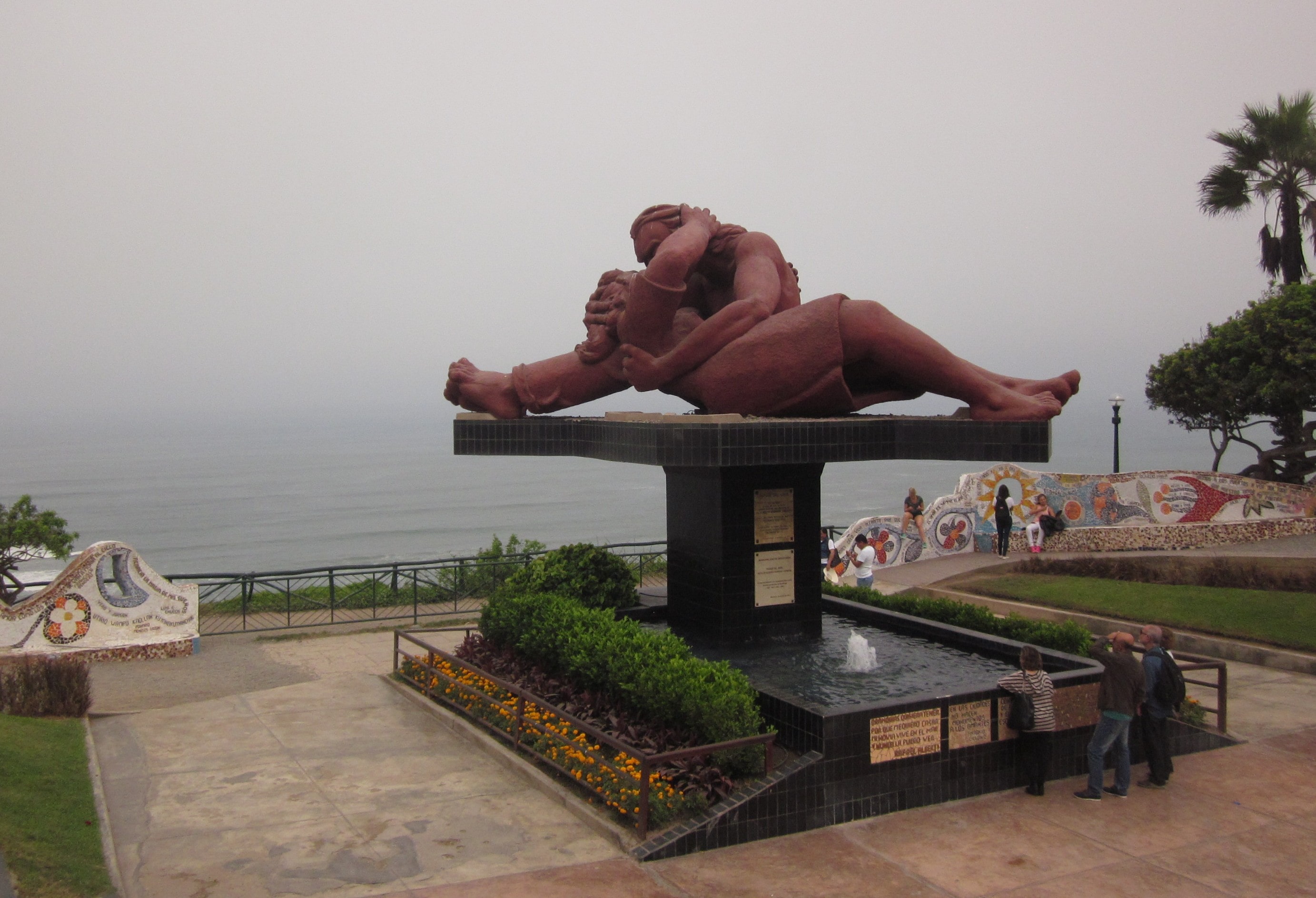
This morning, we would just explore the Miraflores area around the hotel. El Malecón was a walkway along the coastal cliff top. It provided a magnificent view of the ocean and the coast. In the Parque del Amor (Love Park), there was a long undulating wall with mosaic that reminded us of Antoni Gaudí’s Parc Güell in Barcelona (see our Barcelona trip). There was also a giant statue called El Beso (The Kiss) showing two lovers in a very passionate kiss. There were also some stores in the area, but we didn’t find anything interesting to buy.
We took a taxi ride to the famous cebicheria La Mar for lunch. We ordered causa (layered potato with seafood), tiradito (thin cut fish with a lime-based sauce) and ceviche (chunk of fish marinated in juice). Then we saw people at the next table eating very delicious looking grilled seafood. So, we used the tried-and-true restaurant ordering strategy:
“We want to order what they are eating!”
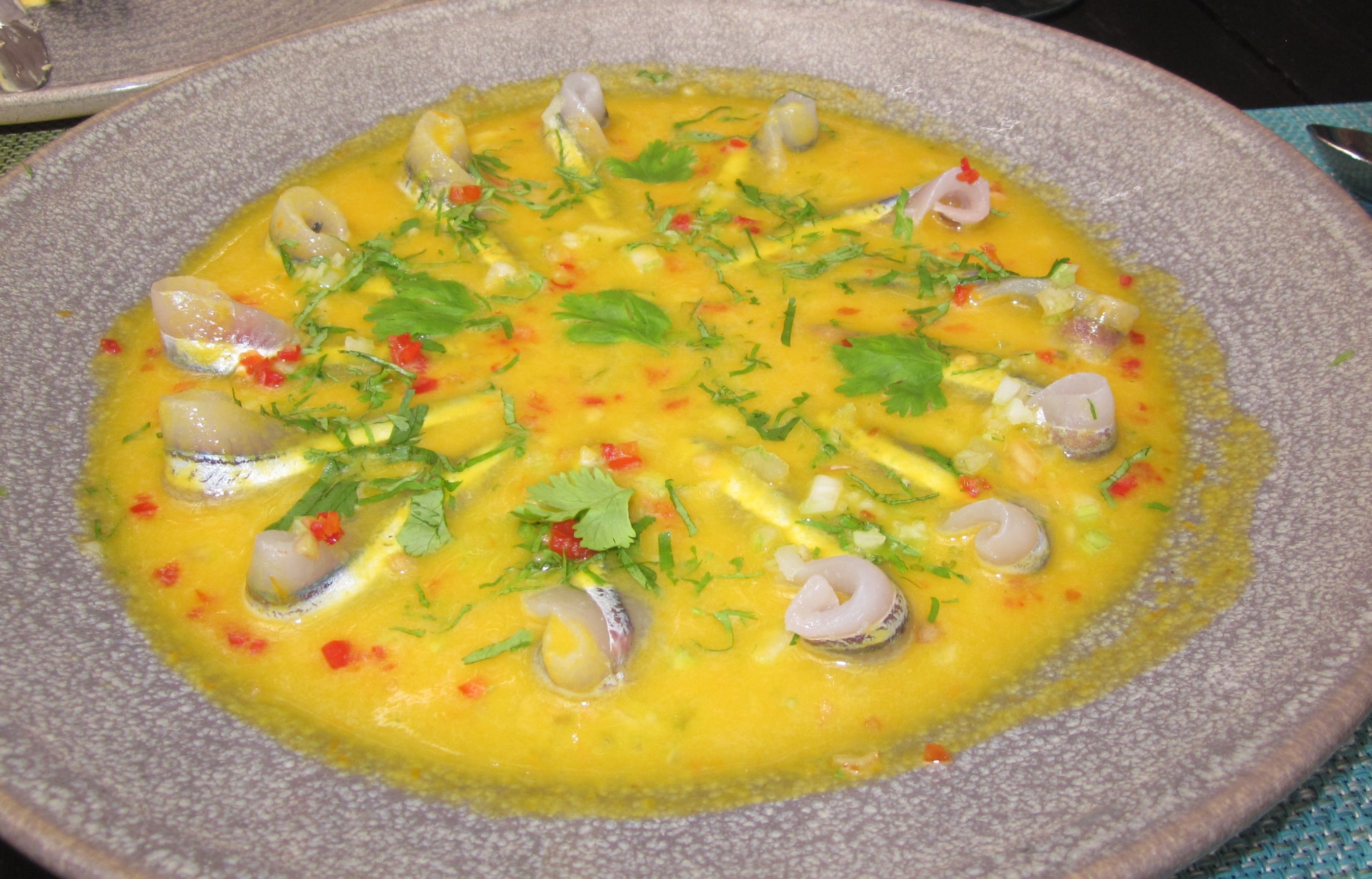
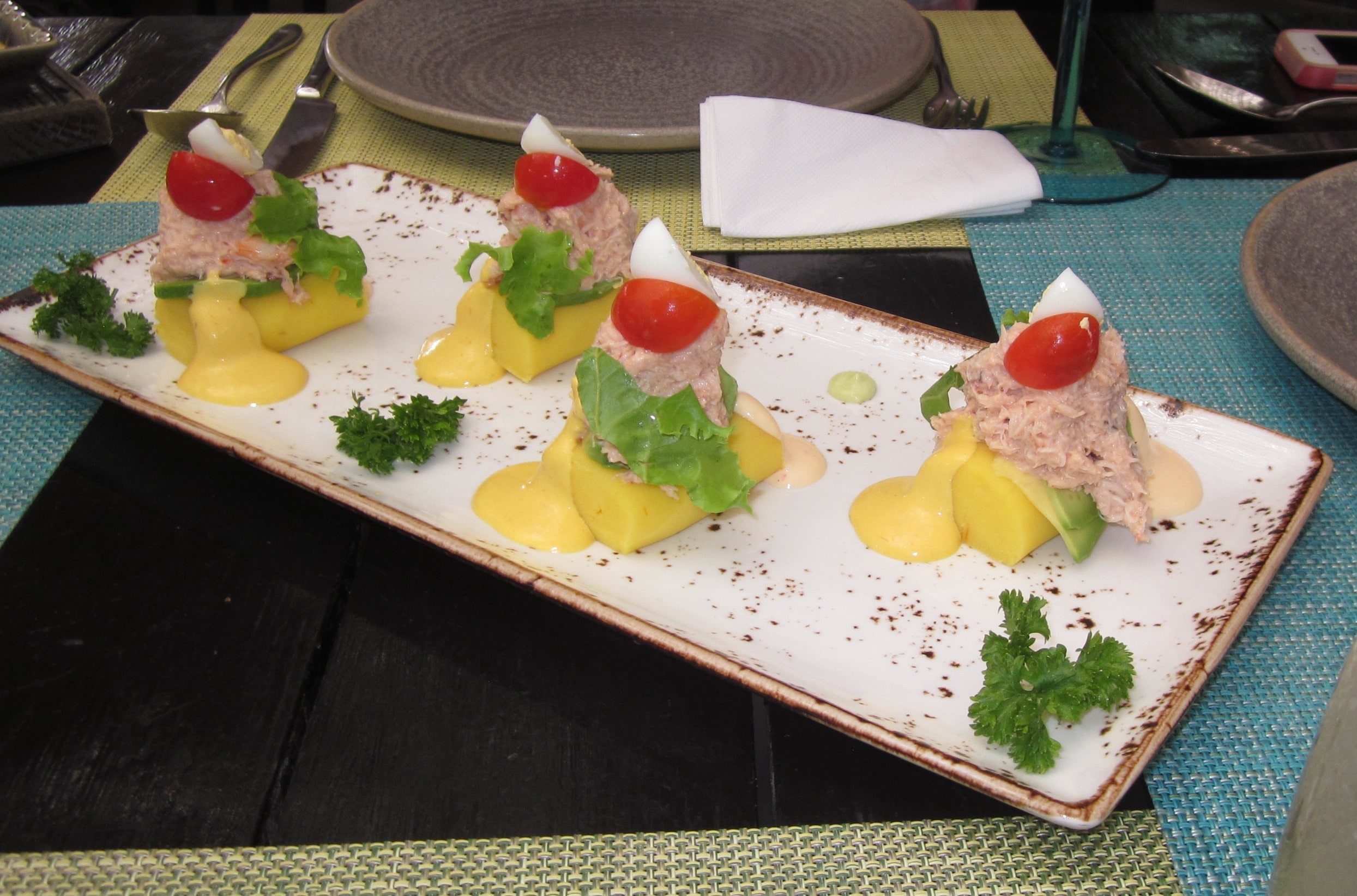
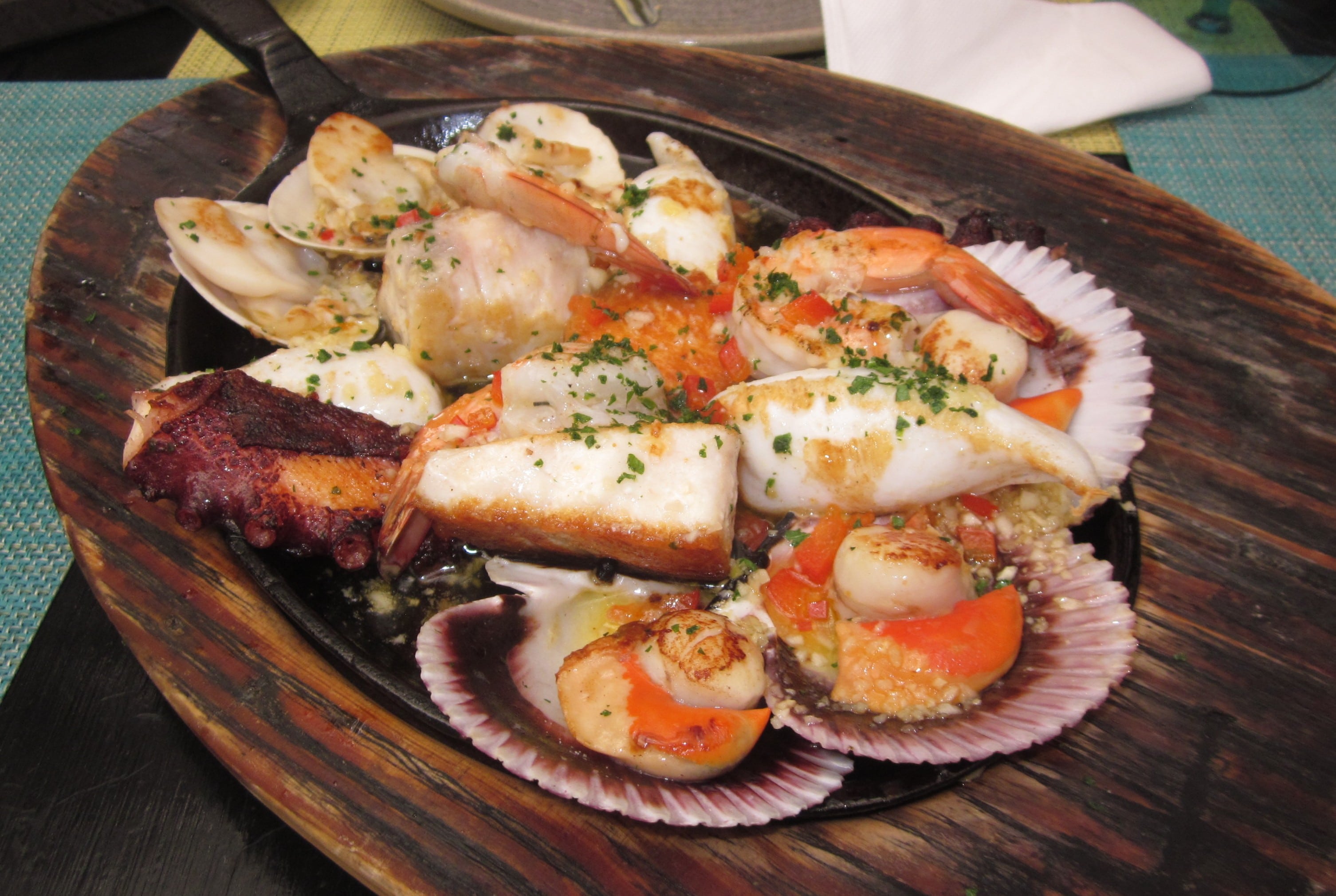
All the dishes were so good that Rei was super impressed. (Later, we also tried La Mar in San Francisco and in Santiago, Chile, but they weren’t as good.)
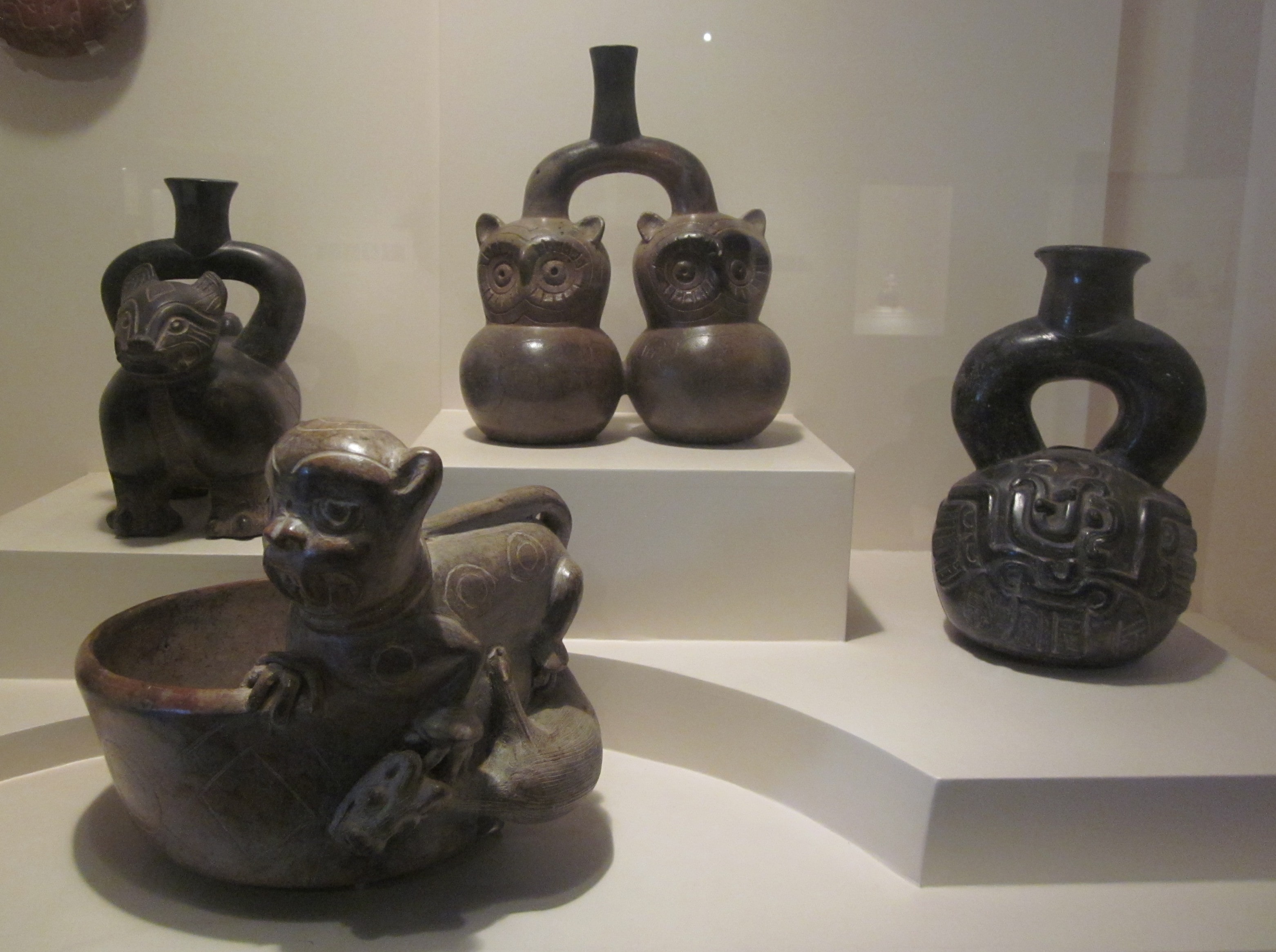
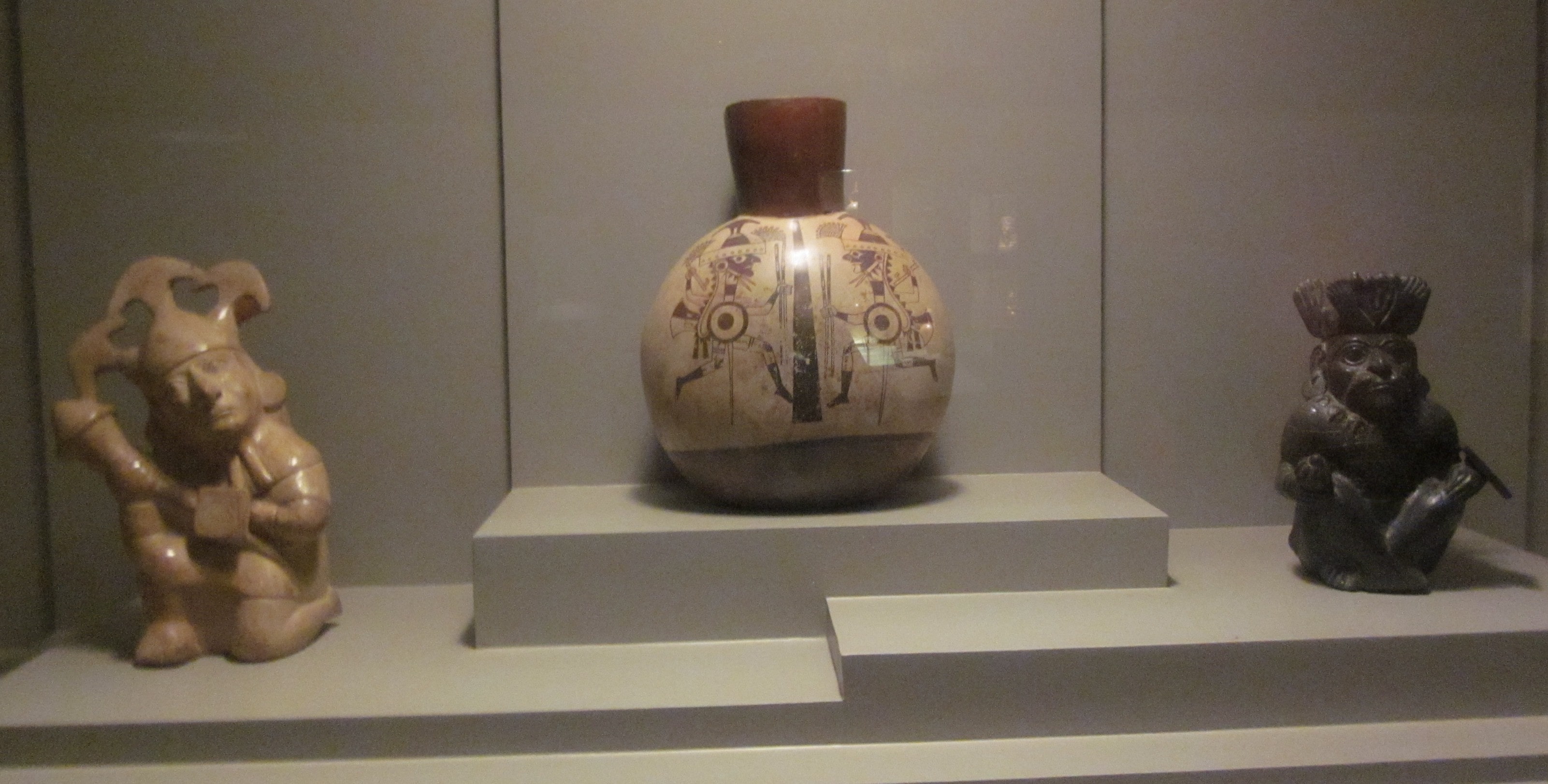
After lunch, another taxi ride took us to Museo Larco. The museum had a large collection of pre-Columbian art. However, it was most famous for the X-rated sala erotica (erotic room) displaying some artwork inappropriate for young viewers.
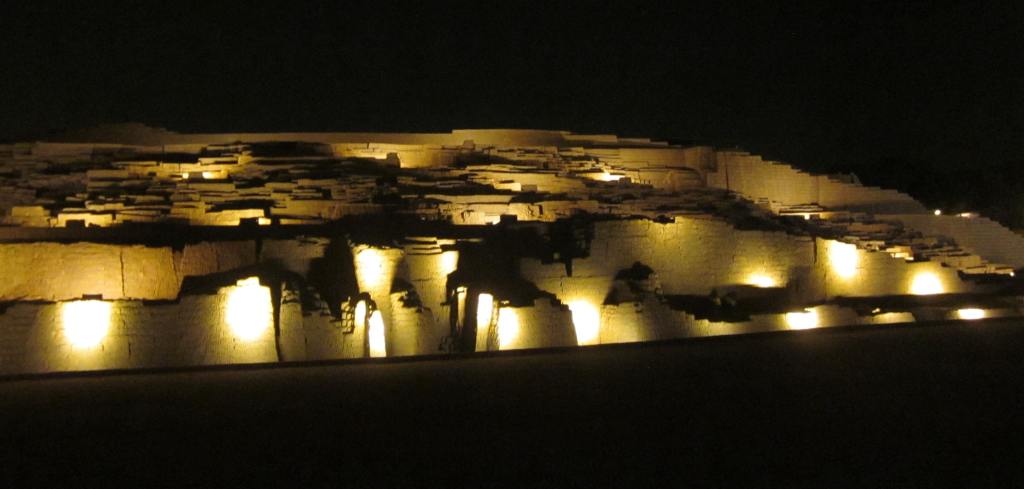
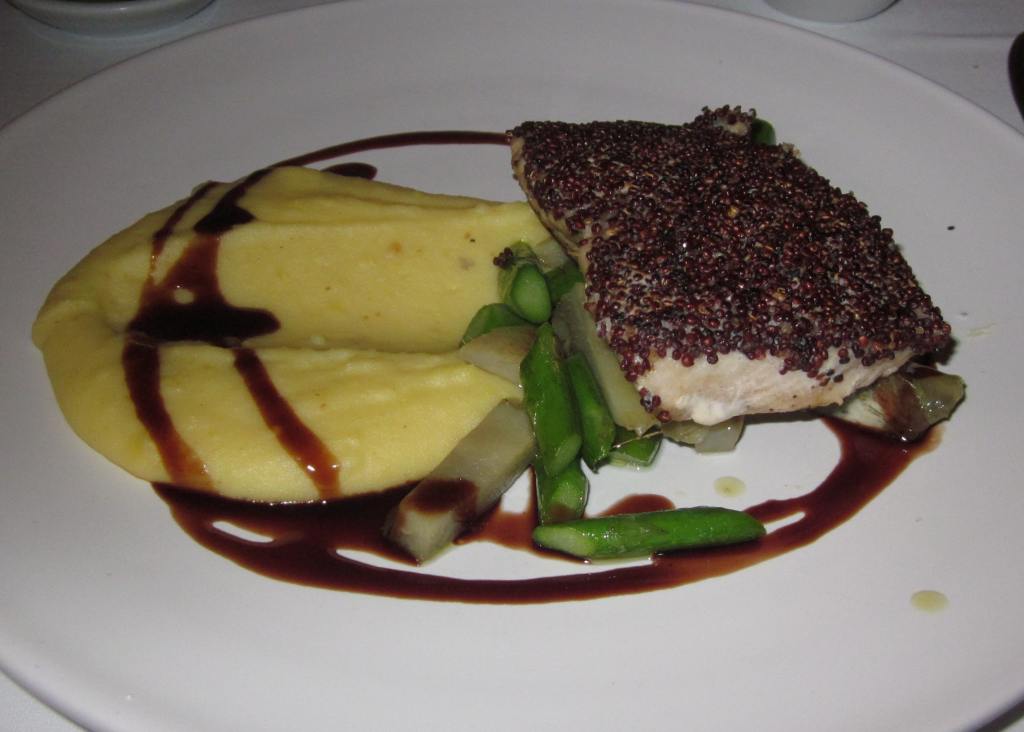
Afterwards, we went to Huaca Pucllana. This was an interesting place with a clay and adobe pyramid as well as other ruins and displays. The pyramid was lit up at night and looked very impressive. There was also a restaurant onsite where we had our dinner. It’s unusual to have dinner right by an ancient site.
Day 2: More Lima
There’s a welcome meeting at 6pm tonight. Otherwise, we had the entire day to explore Lima. We went to the city center, where many famous attractions were situated.
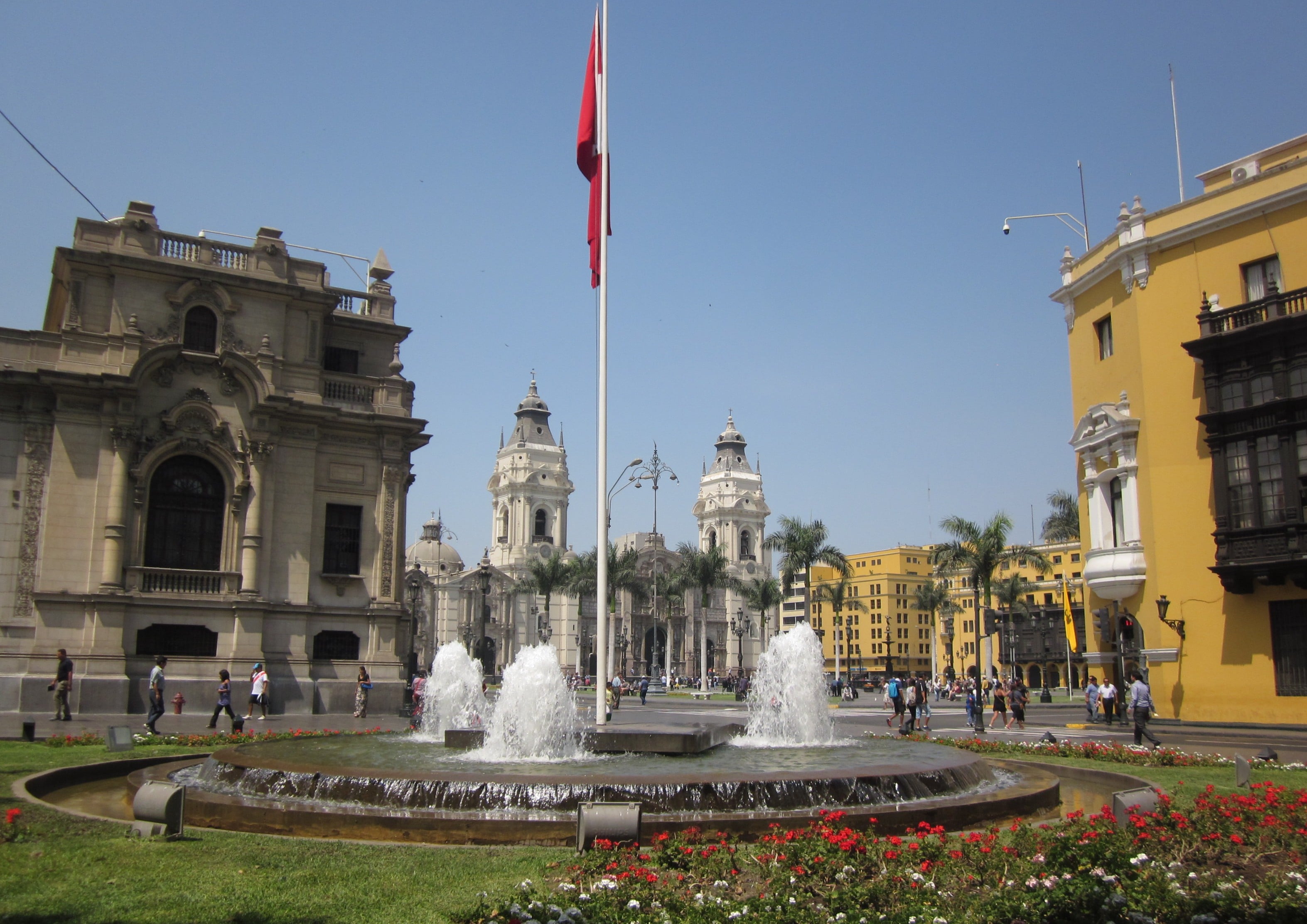
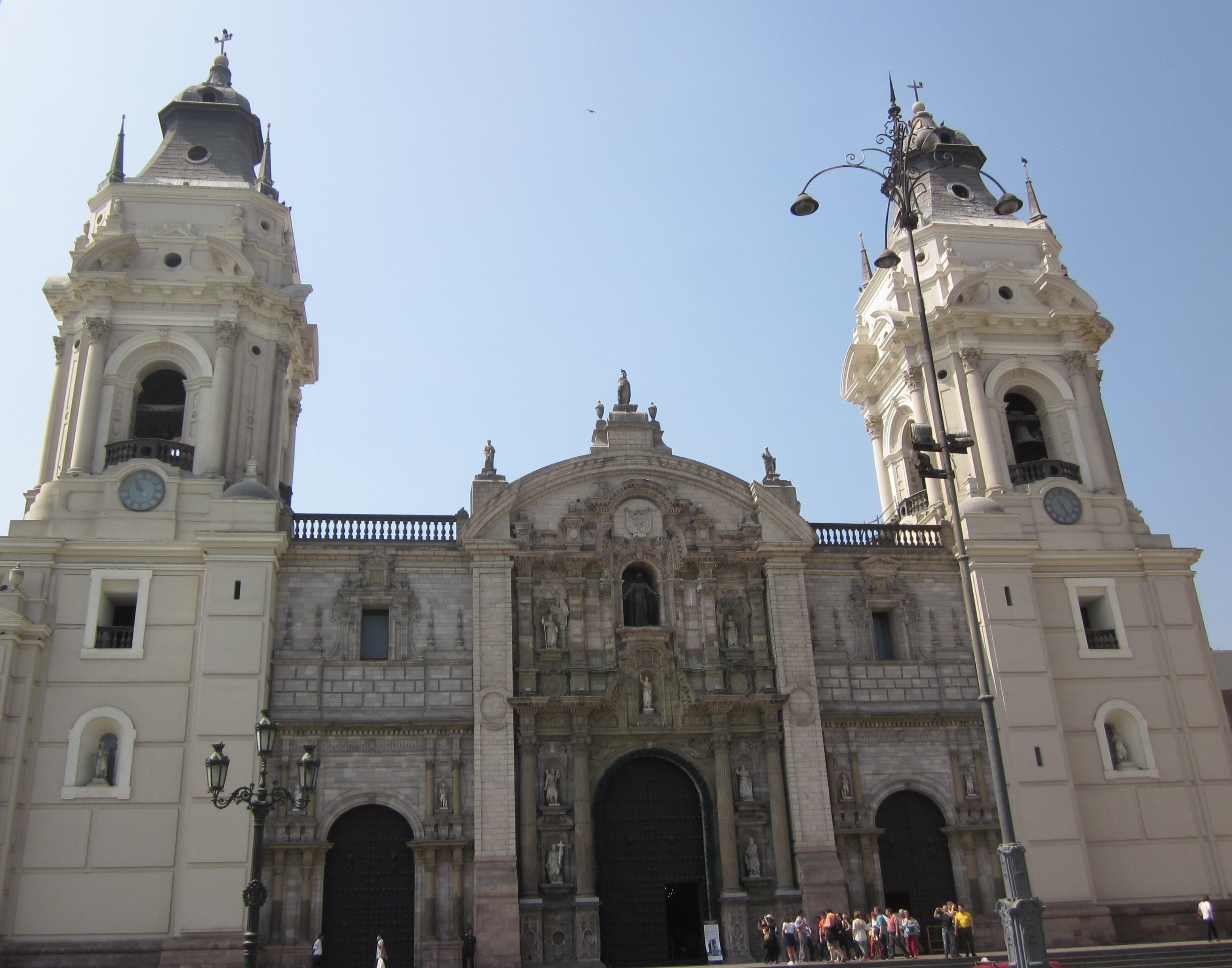
Like many Latin American cities, the major plaza in Lima was called Plaza de Armas. The plaza was surrounded by several important buildings, including The Cathedral where Francisco Pizarro was entombed. The interior of the cathedral was ornated with many religious artworks.
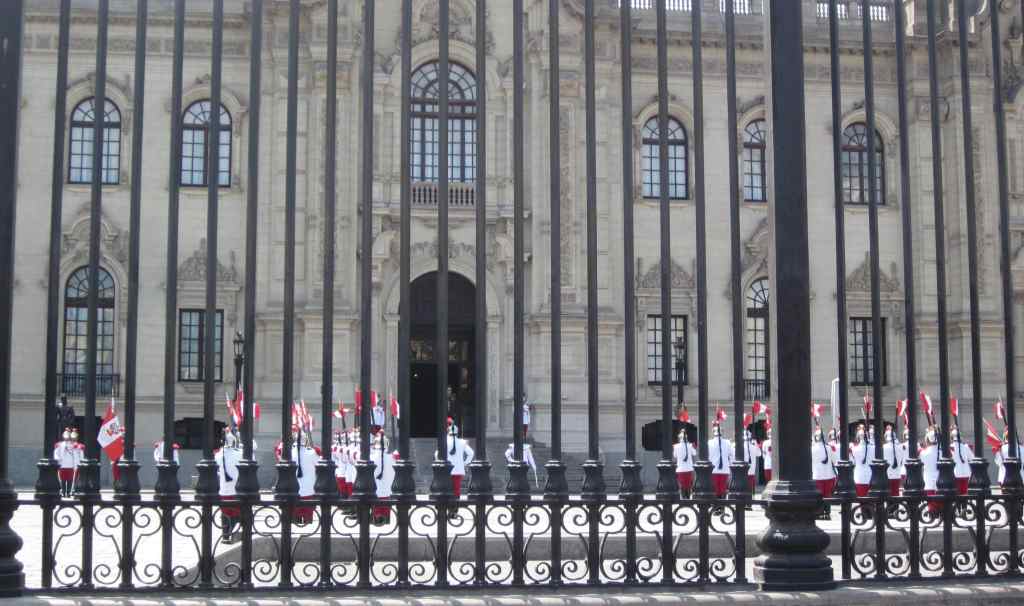
Another important building was the gated Government Palace where we saw the changing of the guard at noon. Even though we had to view from outside of the gate through very high iron fences, it was still very impressive! The ceremony was accompanied by the well-recognized music piece “El Condor Pasa” (a.k.a. “If I Could”).
We had lunch in a downtown restaurant eating Piri Piri chicken. It’s a famous chicken dish with spicy sauce and tasted very good.
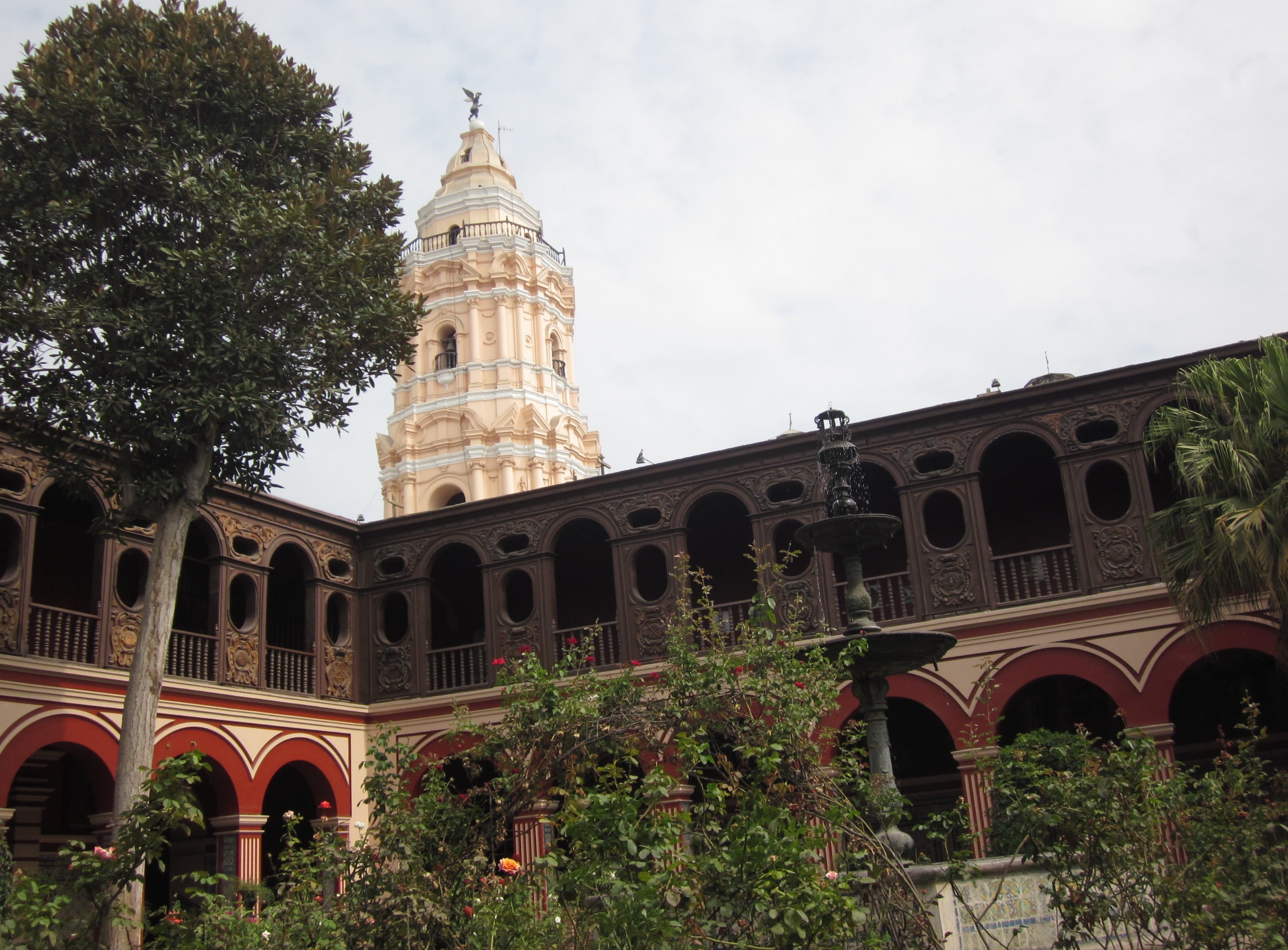
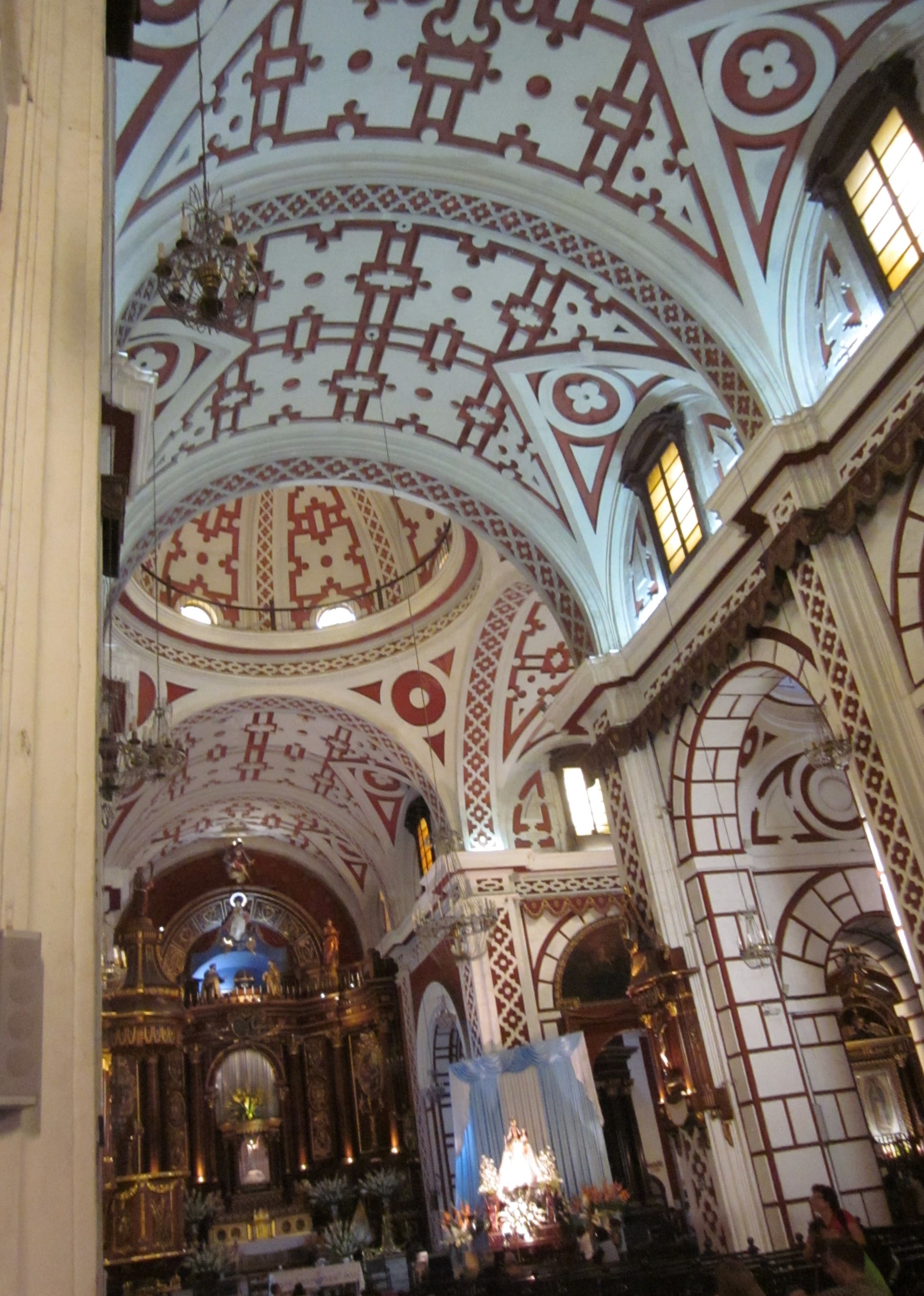
We also visited Convento de San Francisco and its beautiful courtyards. We spent a lot of time exploring the vast convent and museum. The place was famous for its catacombs underground, but we didn’t go there.
Afterwards, we strolled to Plaza San Martin, where there’s a giant statue of General Jose de San Martin, who led the independence of Argentina. Then we had to return to the hotel for the welcome meeting, where we met fellow travelers and hikers. We also met Freddy, a friendly and cheerful guide from Arequipa.
Day 3: Puno
This morning, we took a domestic flight from Lima to Juliaca and then were transferred to Puno on a bus. Puno was a small city situated at 12,556 ft above sea level. Due to the thin air, we all struggled carrying our luggage to our hotel rooms upstairs.
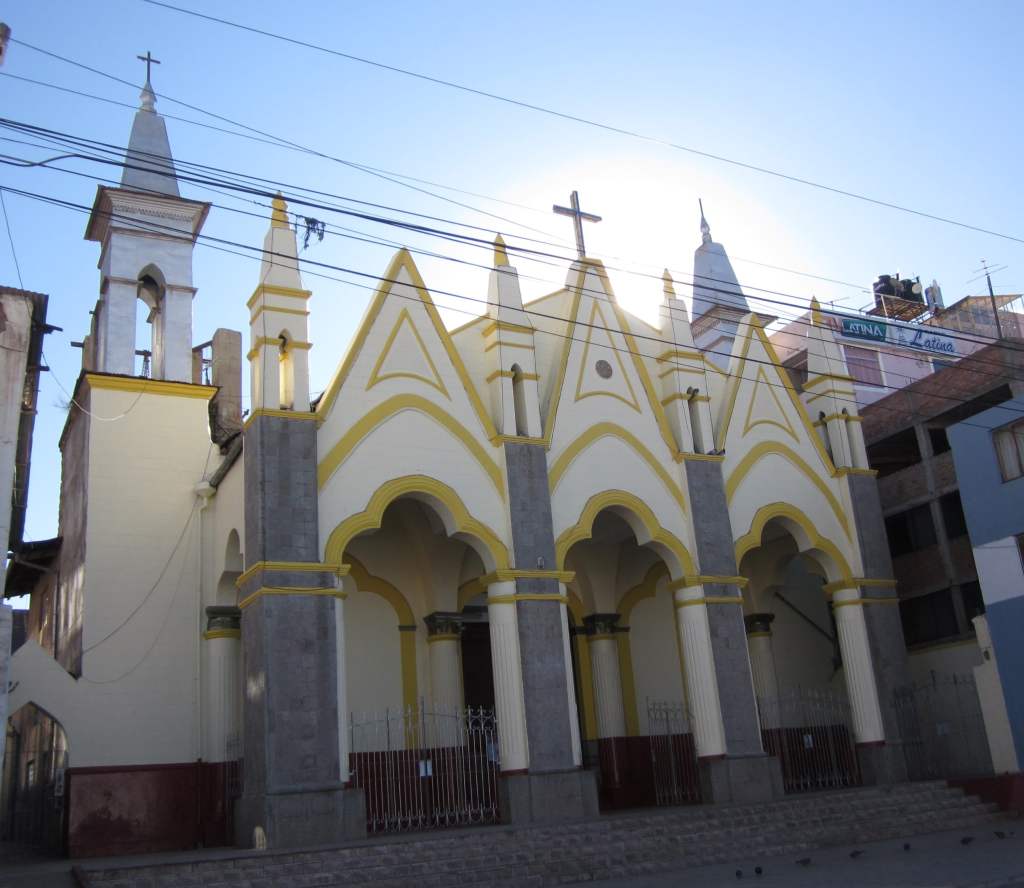
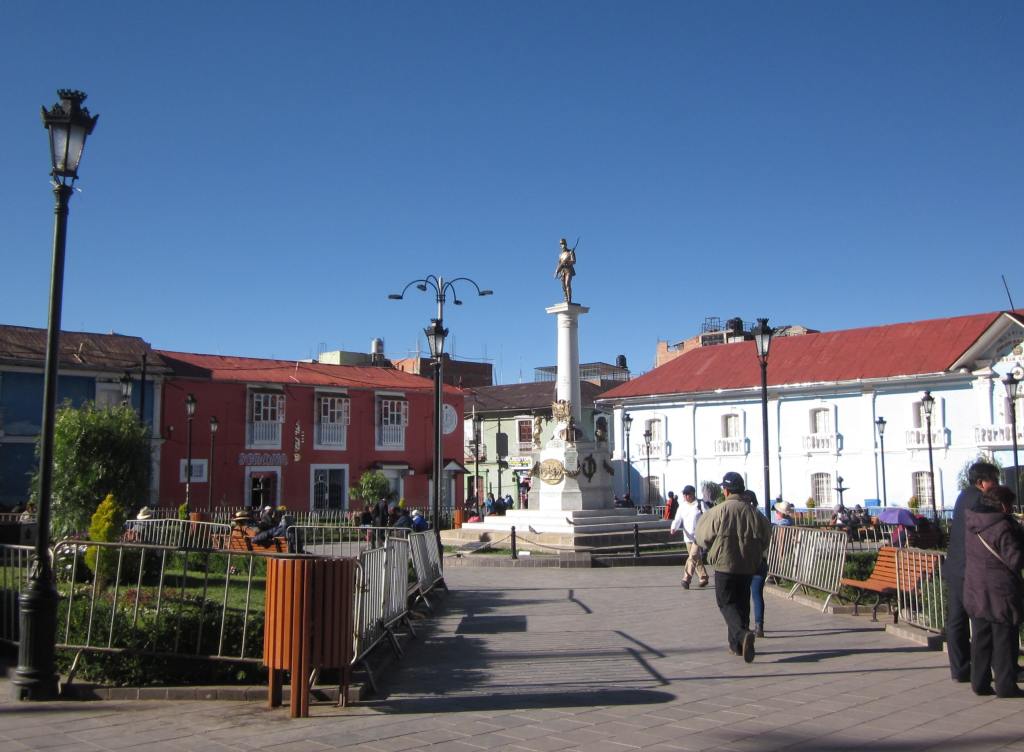
Freddy took us out for a city tour. We walked past San Juan Bautista Church and Puno Park and then went to a restaurant to have an early dinner. Without proper acclimatization, I felt very dizzy. (At the time, we weren’t so experienced and didn’t realize that we should have done some acclimatization before the trip.)
Day 4: Lake Titicaca
Freddy arranged tuk-tuk rides to take us from the hotel to the Titicaca Lake shore. It’s an interesting experience for all of us. Tuk-tuk was a man-powered vehicle with a driver paddling to move the small cart. The passenger seat could accommodate two people. It’s a very popular transportation used in the area. Rei was very excited about the ride; he asked me to take a photo of him sitting in the driver’s seat pretending to paddle.
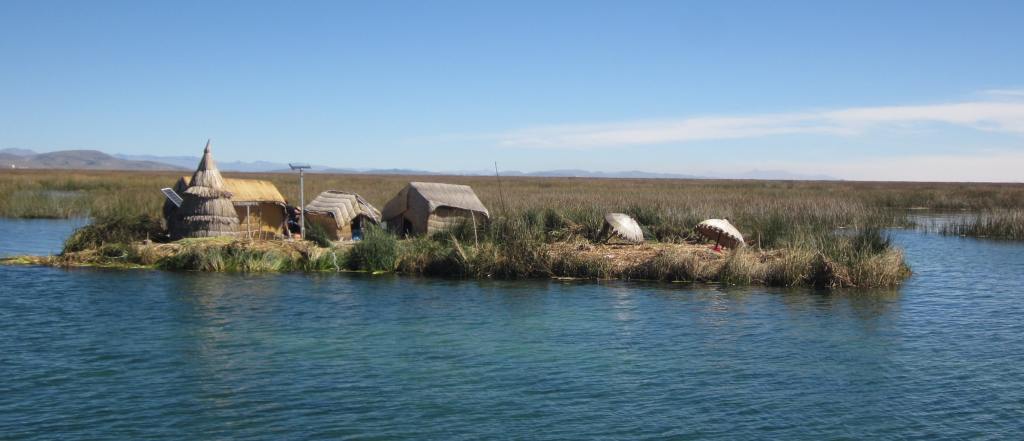
From the lakeshore we took a boat ride to reach a floating island. Floating islands were constructed by indigenous Uros people using totora reeds. Families lived in houses that were also constructed from the same reeds. However, there was now a modern addition: a solar panel to generate electricity!
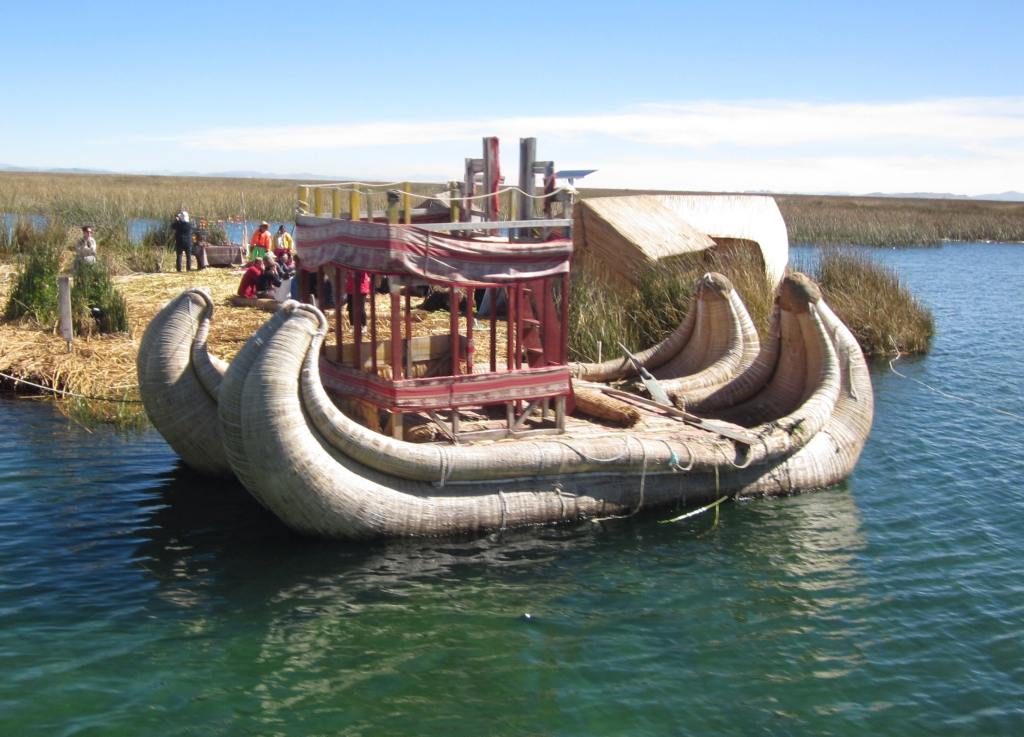
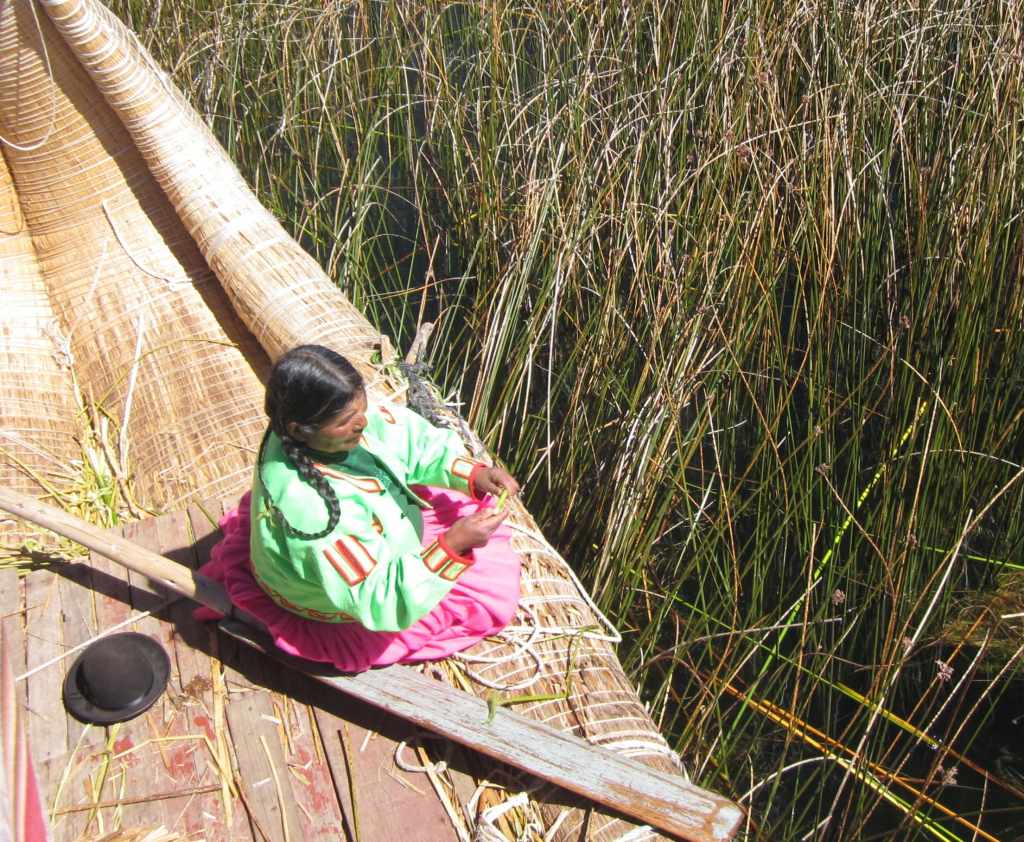
We took a group photo on a reed boat before enjoying a boat ride. A local Uro lady showed us how to harvest totora reeds for weaving. Later, we saw another demo for processing and weaving totora reeds and had a tour of the tiny island.
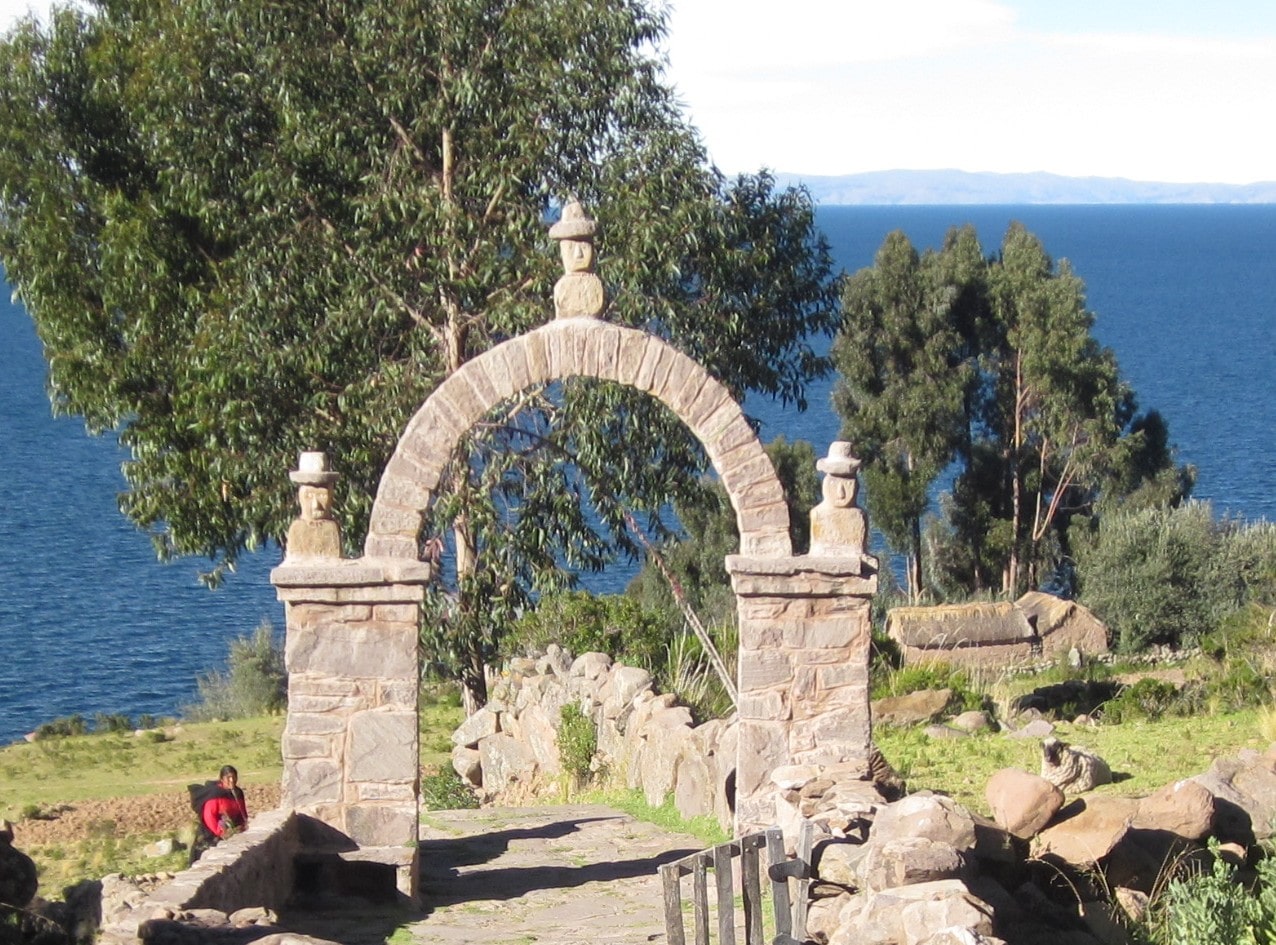
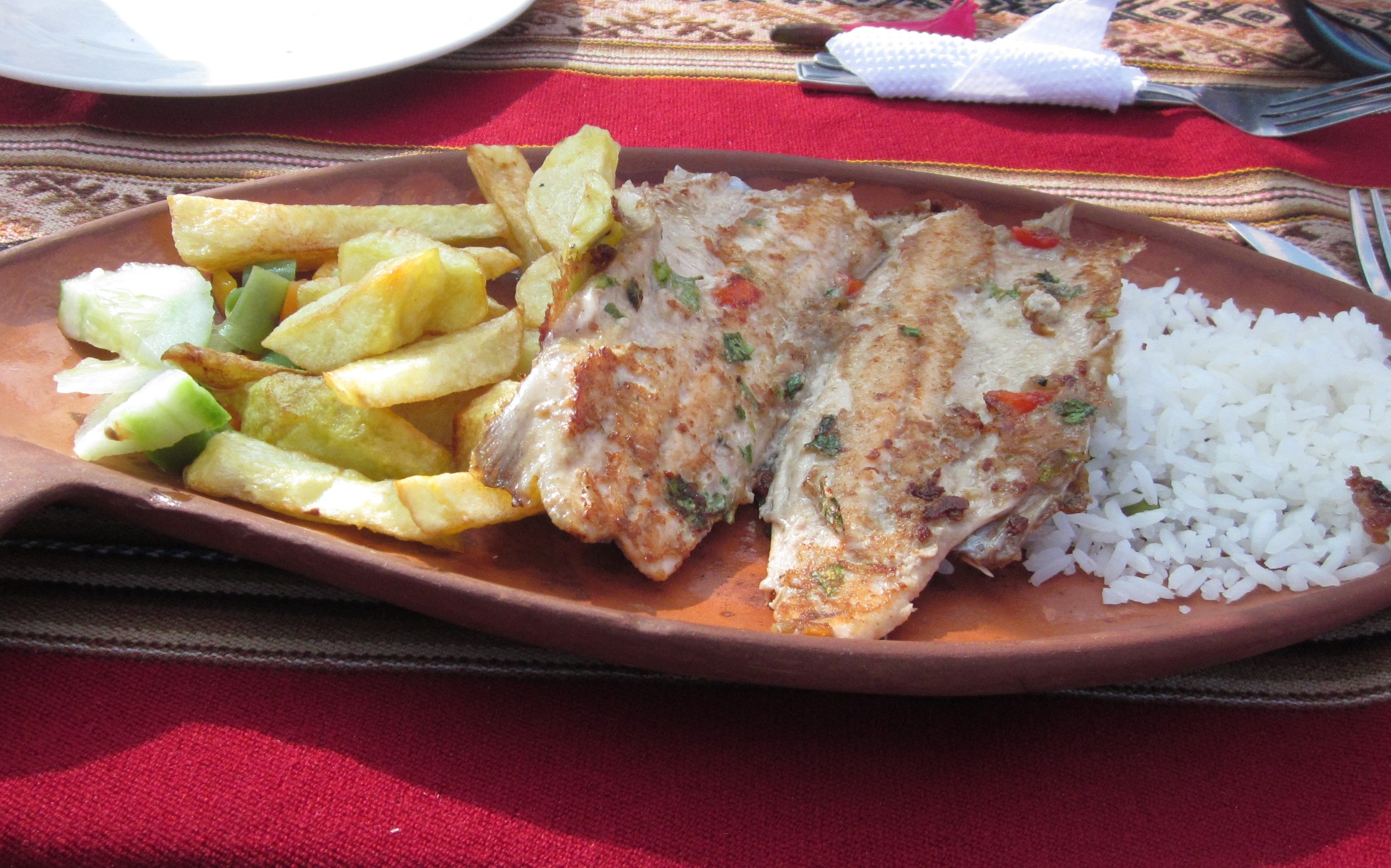
Then we were on another tour to Taquile Island. We had a short hike on the island and then had lunch at a local restaurant. The grilled trout lunch was very delicious!
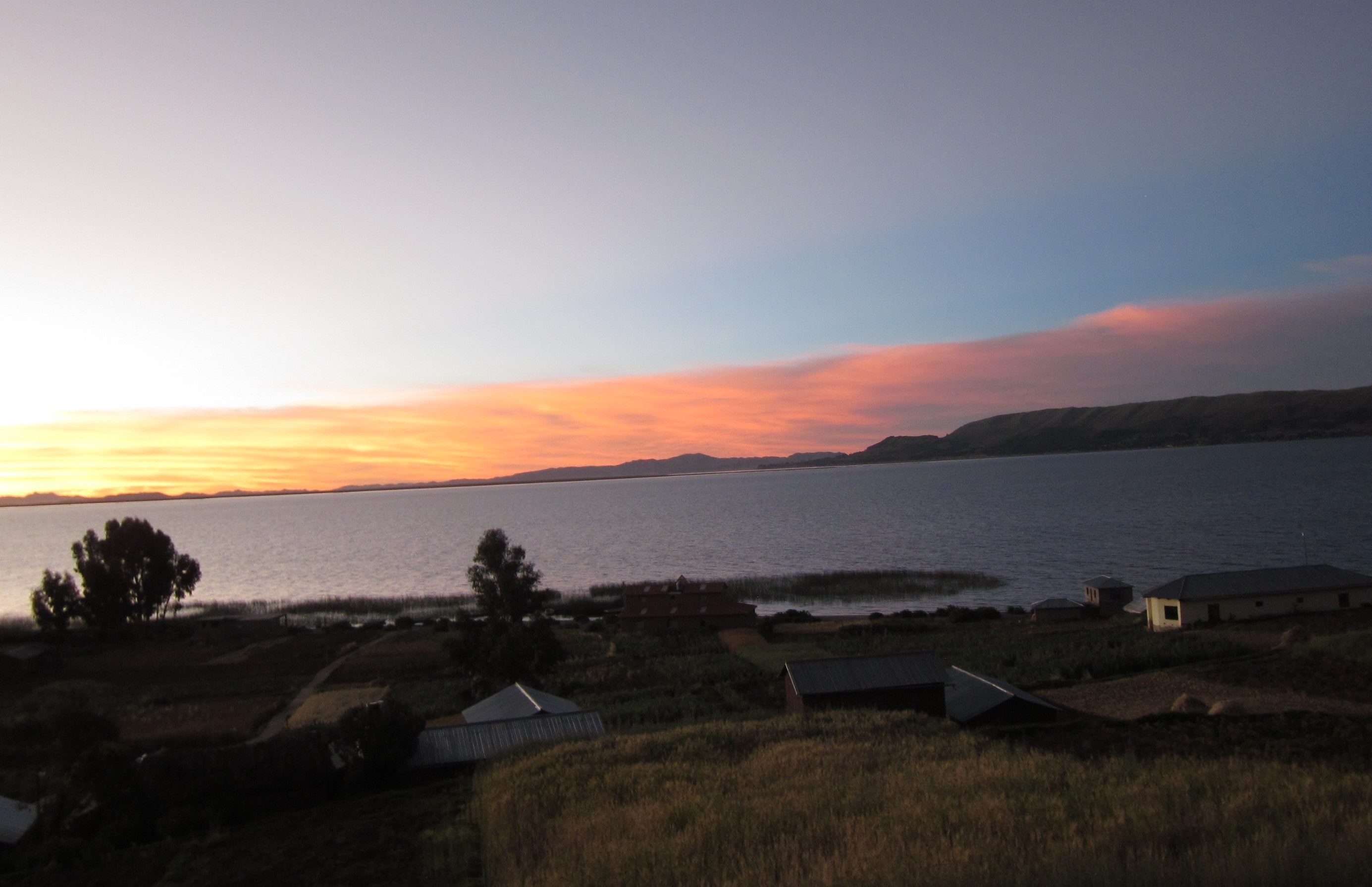
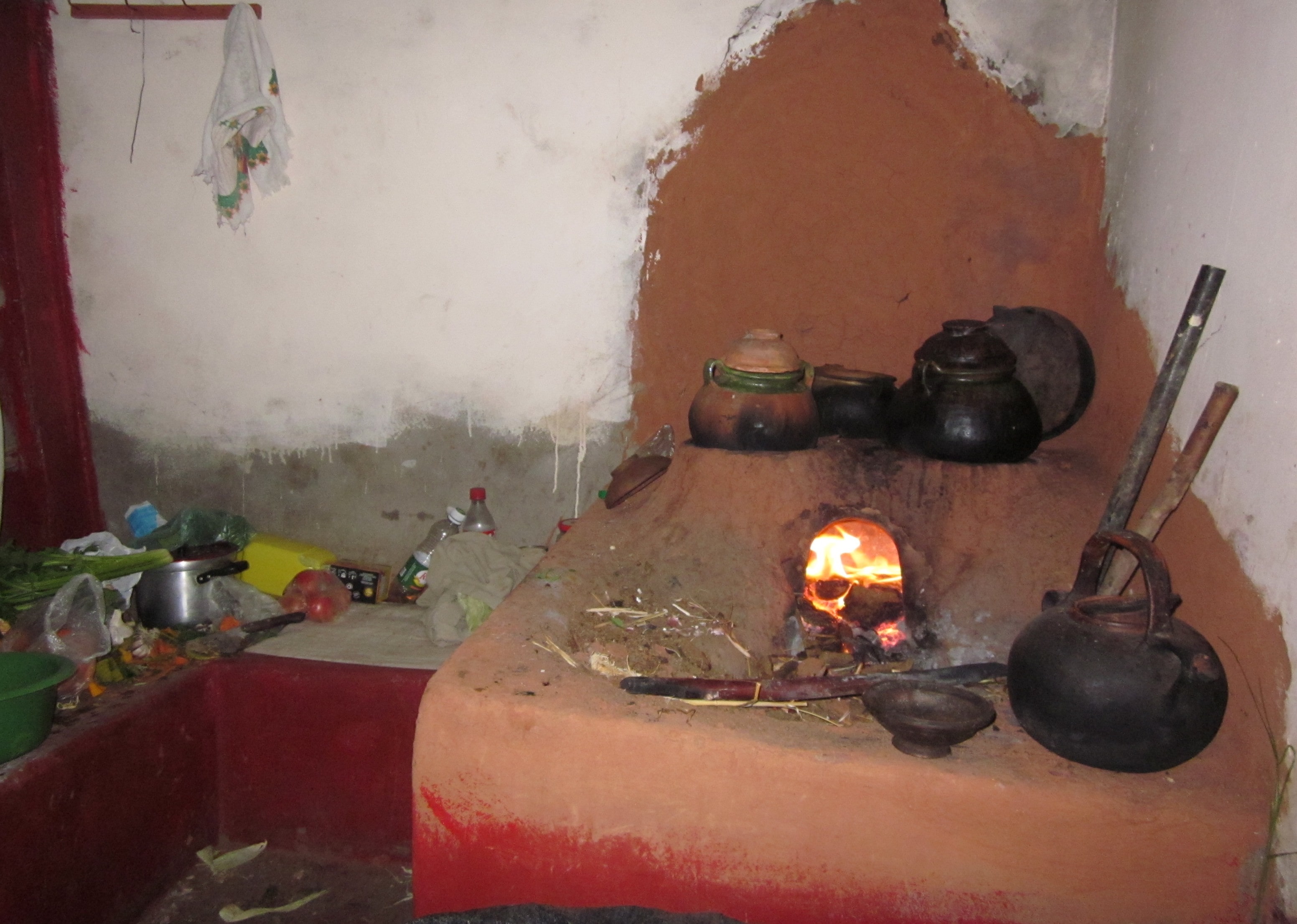
Tonight, we would split up to stay with local families in Luquina Chico. Rei and I stayed with a middle-aged woman, Mama Aurora. She had an older father living with her, but we never saw the father. Freddy already instructed us that we should bring some fruit (from Puno) as gifts to the local host. We were also supposed to help with chores and dinner preparation. The dinner was a big pot of vegetables with bread (I helped with the bread making). We all ate the same food, including the family’s dog and cat.
Day 5: More Lake Titicaca
We were supposed to help with more chores in the morning, which included tending the sheep and helping with the gardening. After the chores, we had some free time to explore the neighborhood. There wasn’t much to see besides the serene lake views. We saw Cousin and Friend in a nearby house and talked to them. It turned out that they didn’t need to do as many chores as we did!
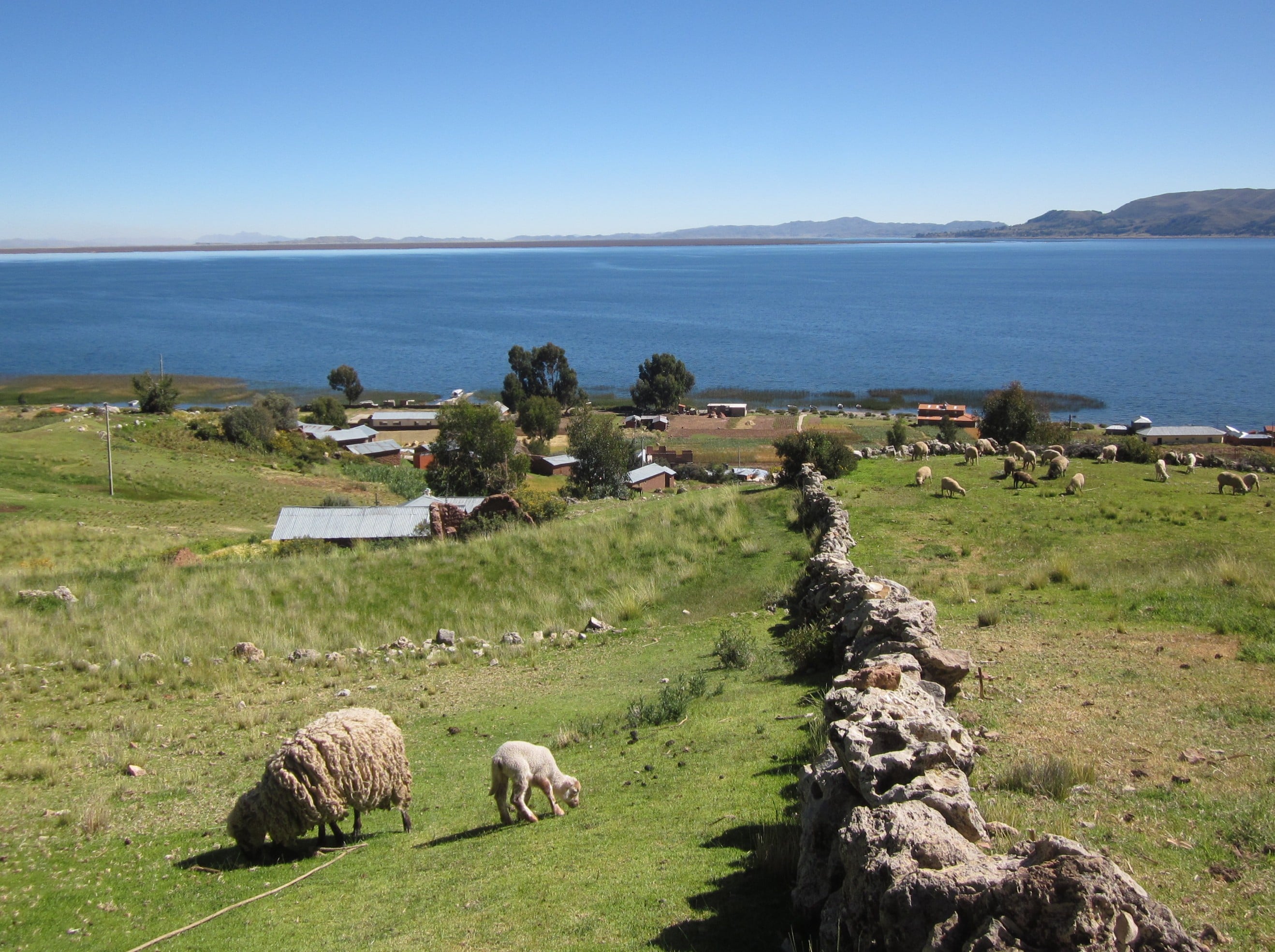
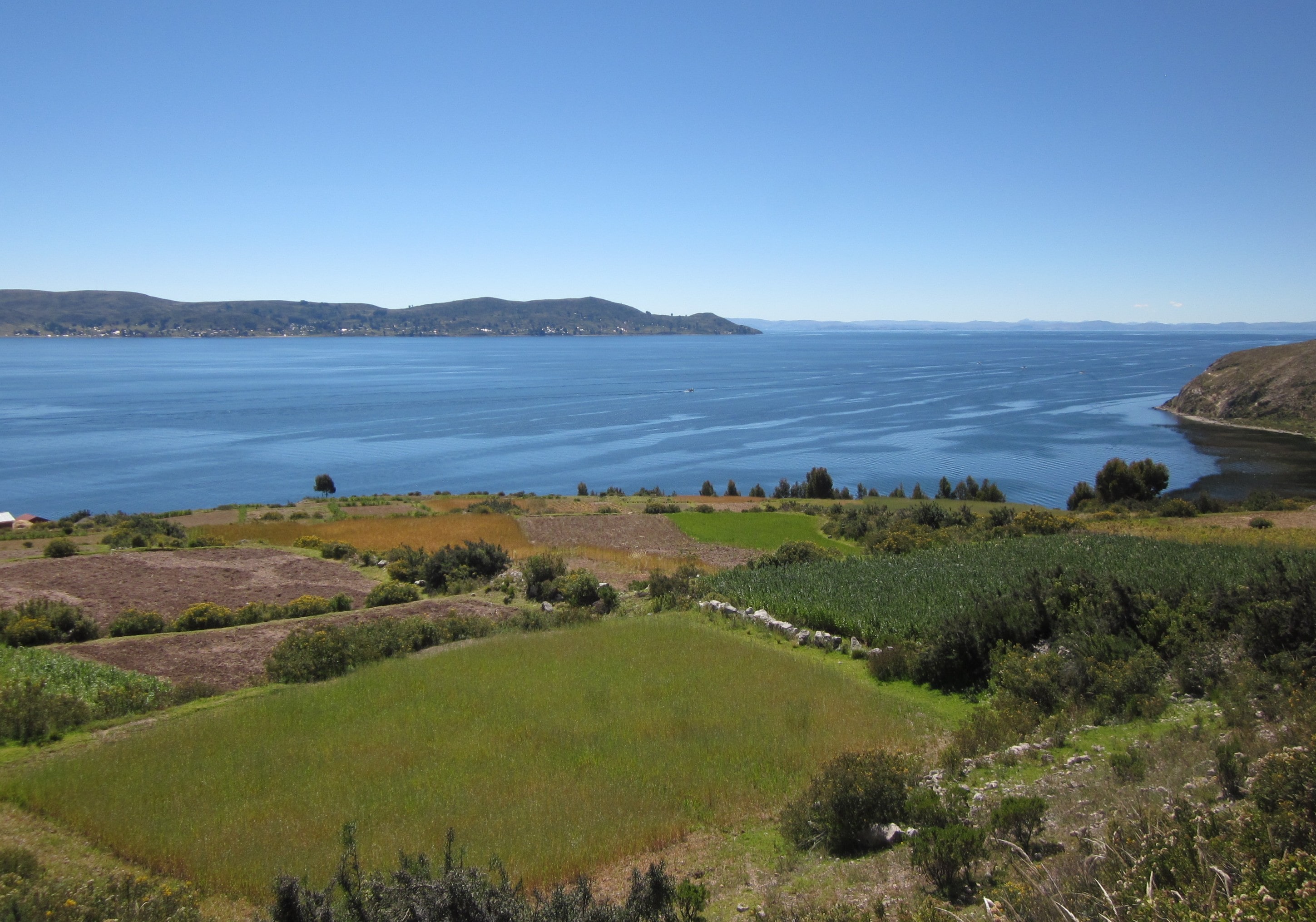
Later, we regrouped with fellow travelers, and we took group pictures with the local hosts before leaving Luquina Chico. Then we took another boat ride to return to Puno. Though it’s a very interesting experience, somehow, Rei and I both felt that Lake Titicaca didn’t live up to our high expectations!
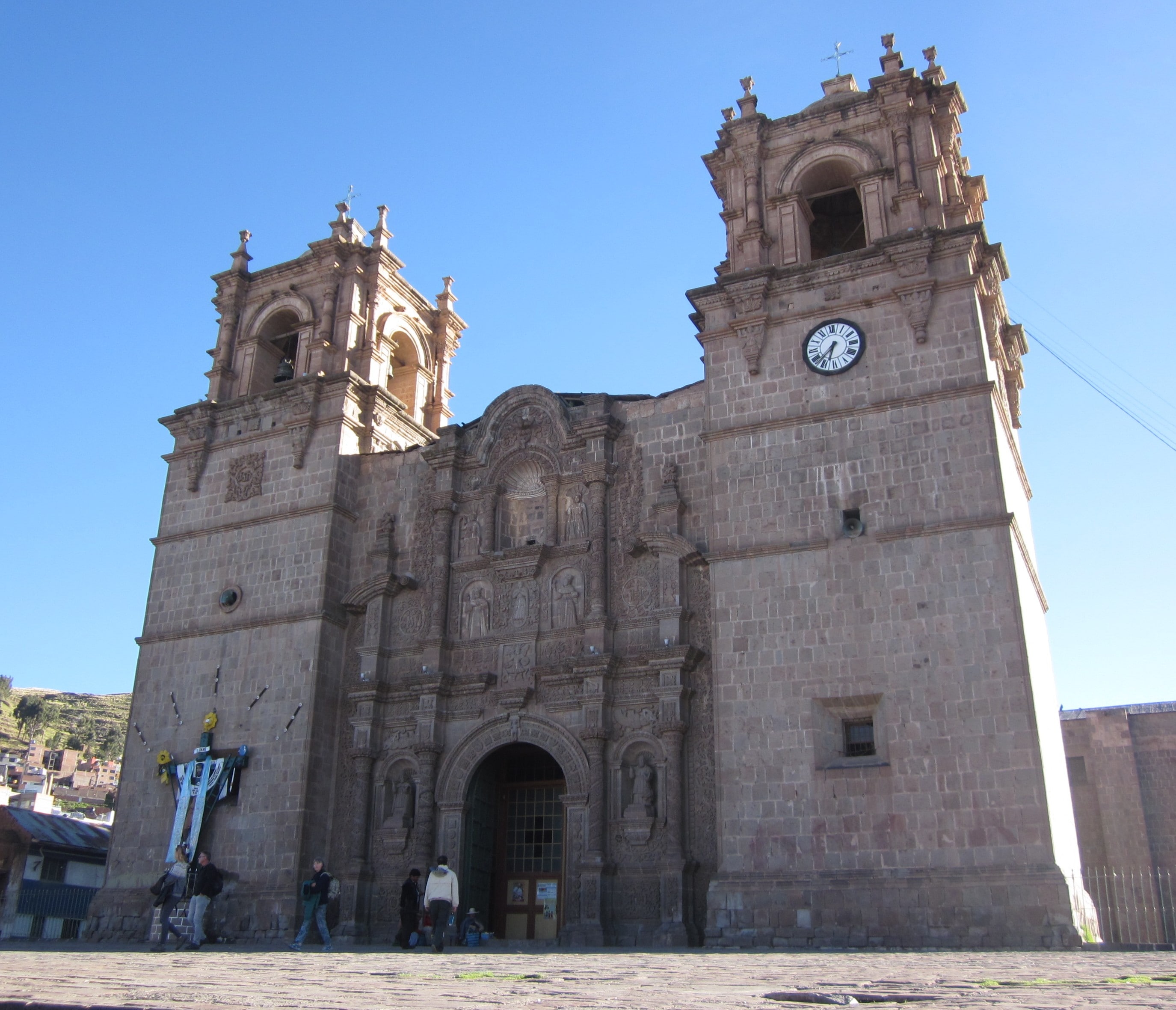
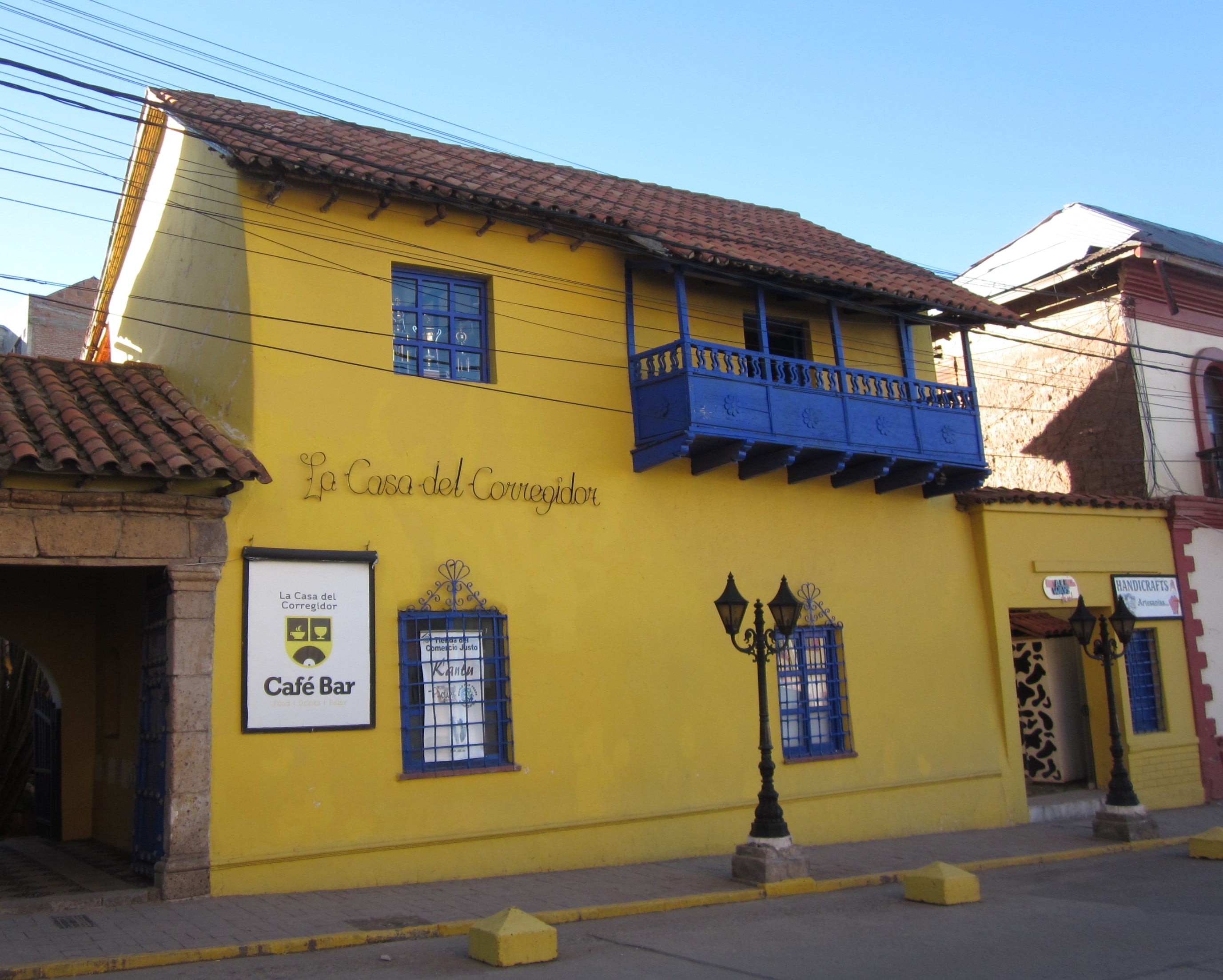
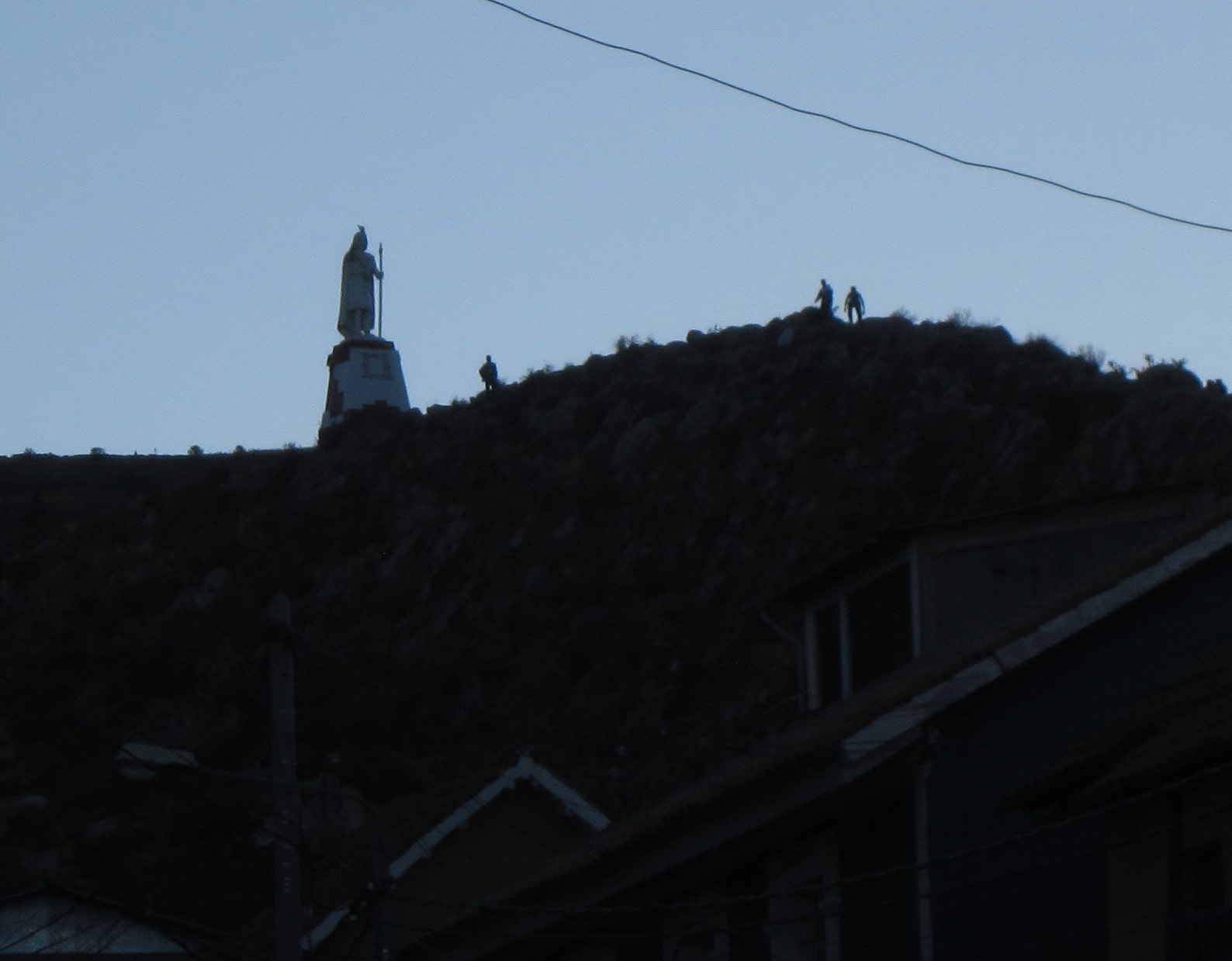
We had free time in the afternoon to explore Puno on our own. Cousin and Friend also went with us. We visited the Puno Cathedral first. It’s a small cathedral and wasn’t too impressive inside. The yellow House of the Governor was also small, but it had a very beautiful blue balcony. We could see Cerrito de Huajsapata from the plaza; there’s a statue of Manco Capac, the Inca founder, on the hill.
Day 6: All day bus to Cusco
Today, we would be on an all-day bus ride from Puno to Cusco. Long-distance bus rides were very common in Latin America. The buses all had very large recliner seats so that passengers would be comfortable during the long ride.
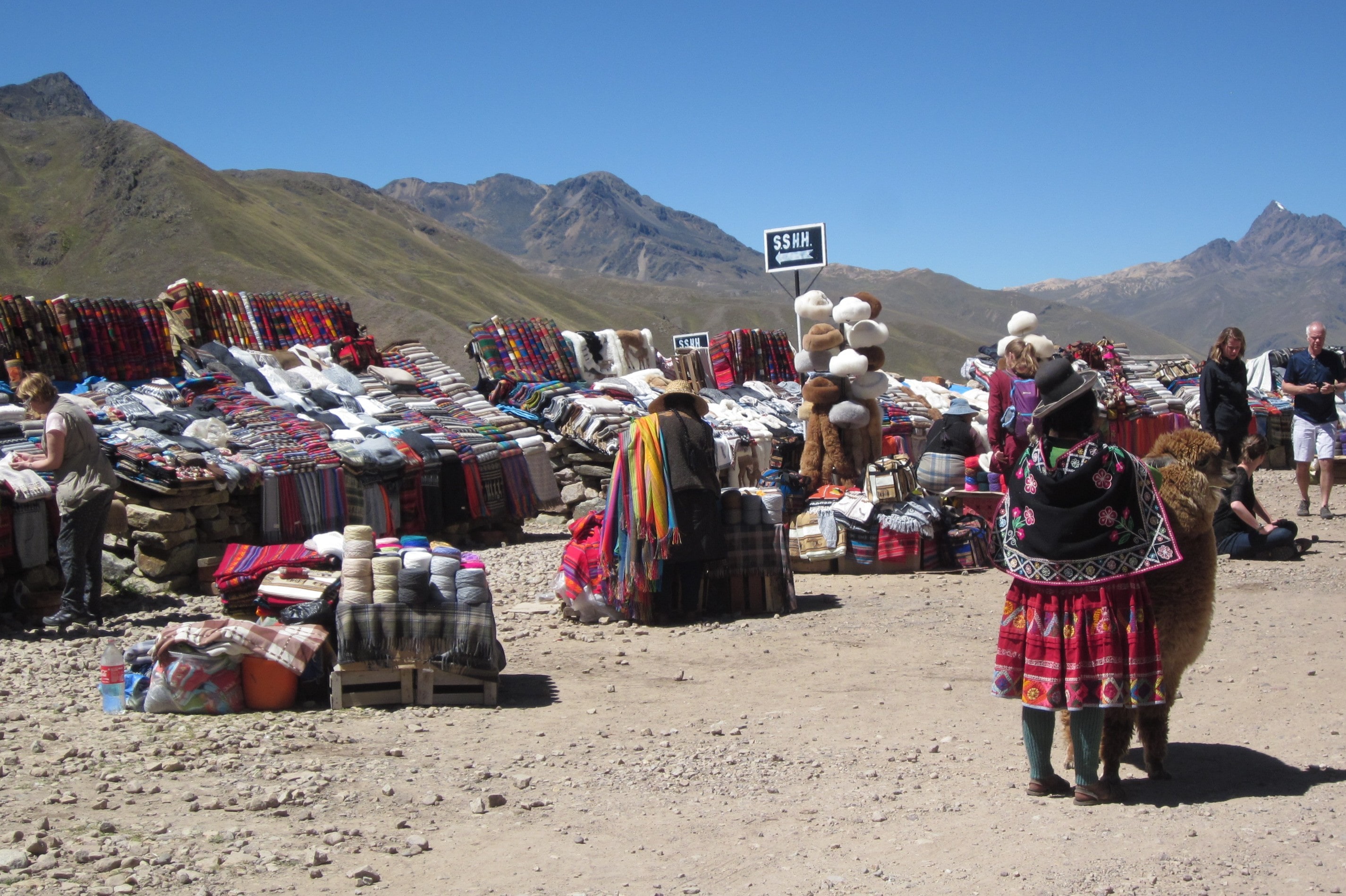
We drove through an arid region without much to see before we stopped at a souvenir shop for a bathroom break. The next section of the ride was on a higher ground, and now we could see some snow-capped mountains on the horizon. We had another short stop at the peak. There were several souvenirs stands. You could also pay to have a photo taken with a llama.
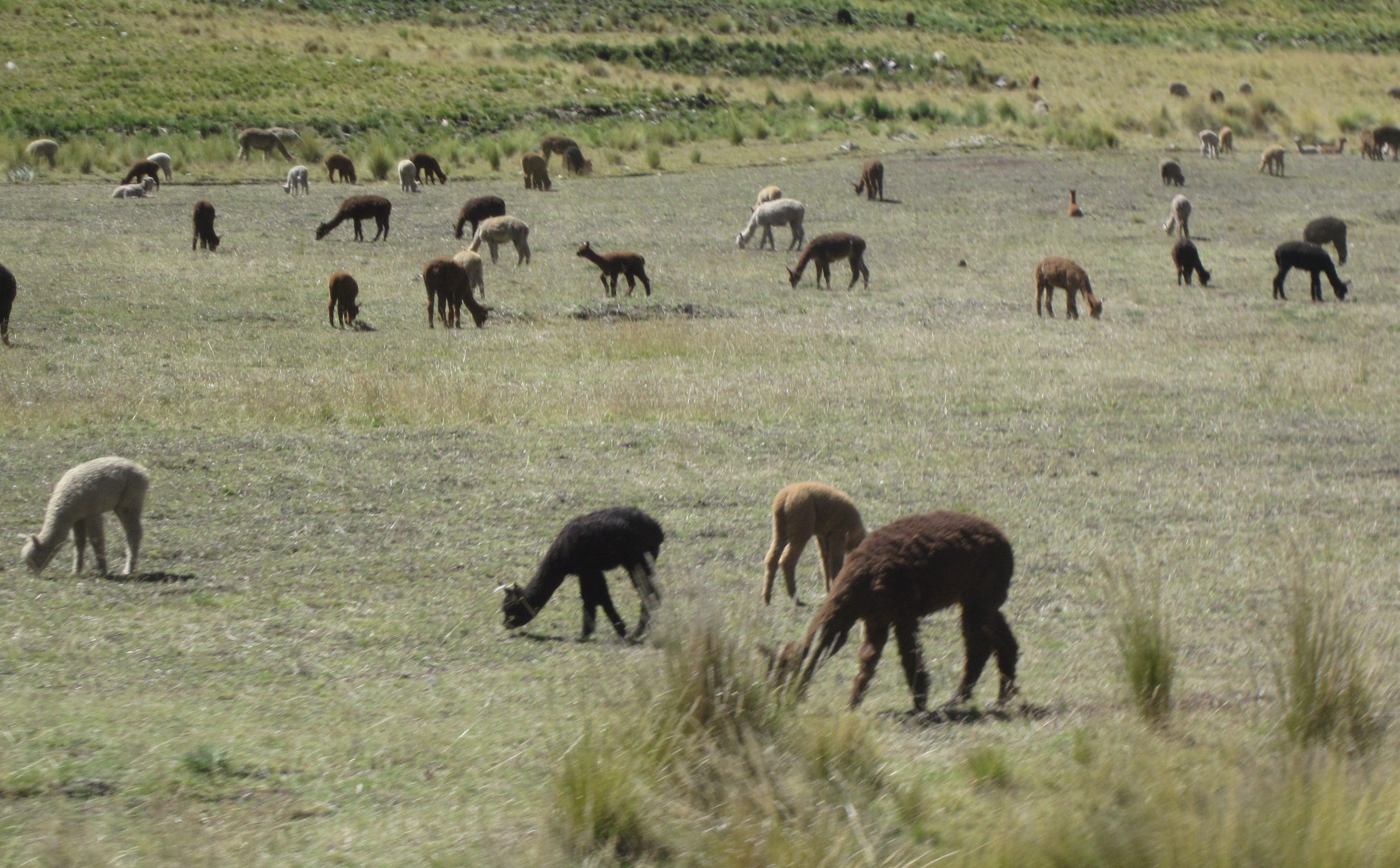
We saw more llamas on the fields from the bus windows. Then, the bus went through a bridge to cross the Urubamba River before reaching Cusco in the mid-afternoon.
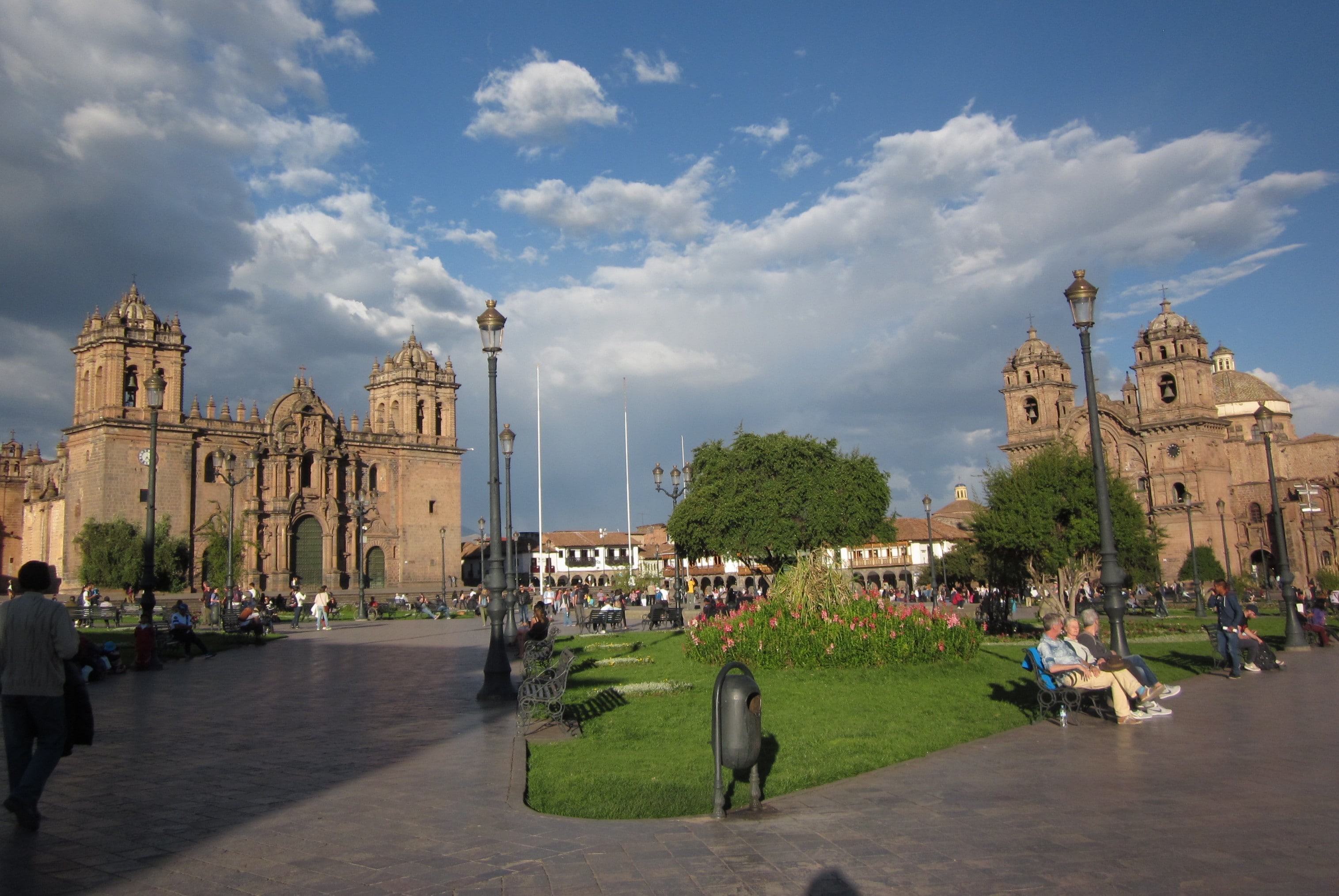
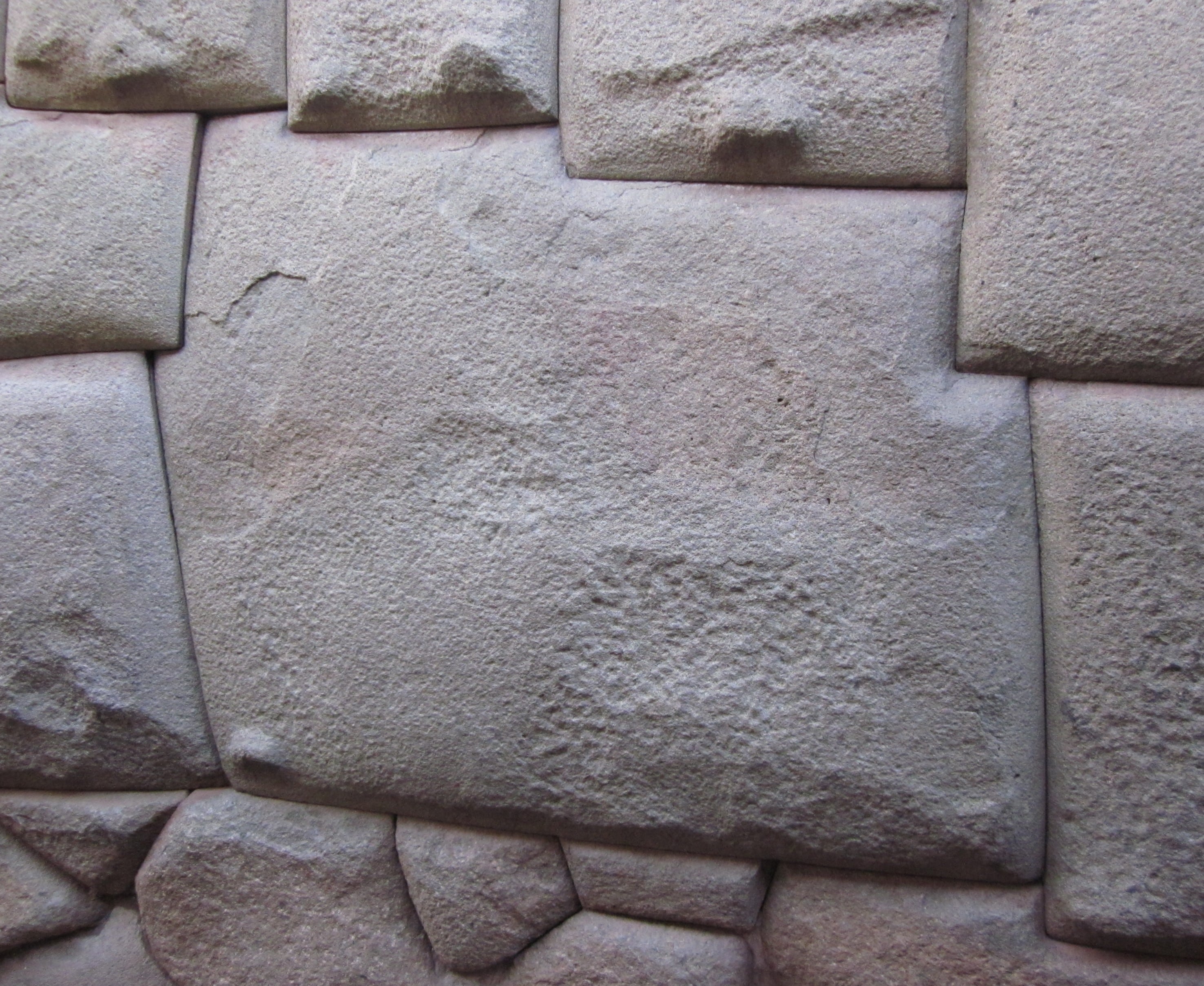
After checking into the hotel, Freddy took us on a Cusco city tour. We passed Plaza de Armas and the Cusco Cathedral. The focus of this tour was to see the amazing Inca stone walls. The stone walls were constructed with large stones cut and fit together without using mortar. The most famous stone was a giant 12-cornered stone that Freddy pointed out to us. Of course, we all took photos in front of the stone.
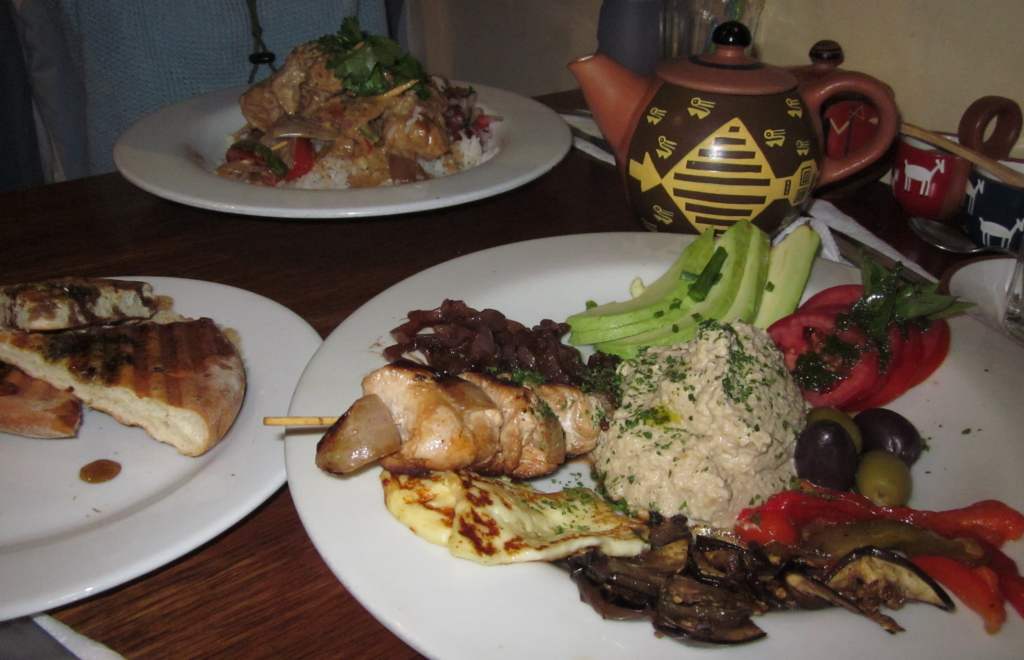
The dinner was at Jack’s. We had grilled meat and grilled vegetables with rice and bread. We really enjoyed the food in Peru.
Day 7: Sacred Valley
After yesterday’s all-day bus ride, we had a busy day today.
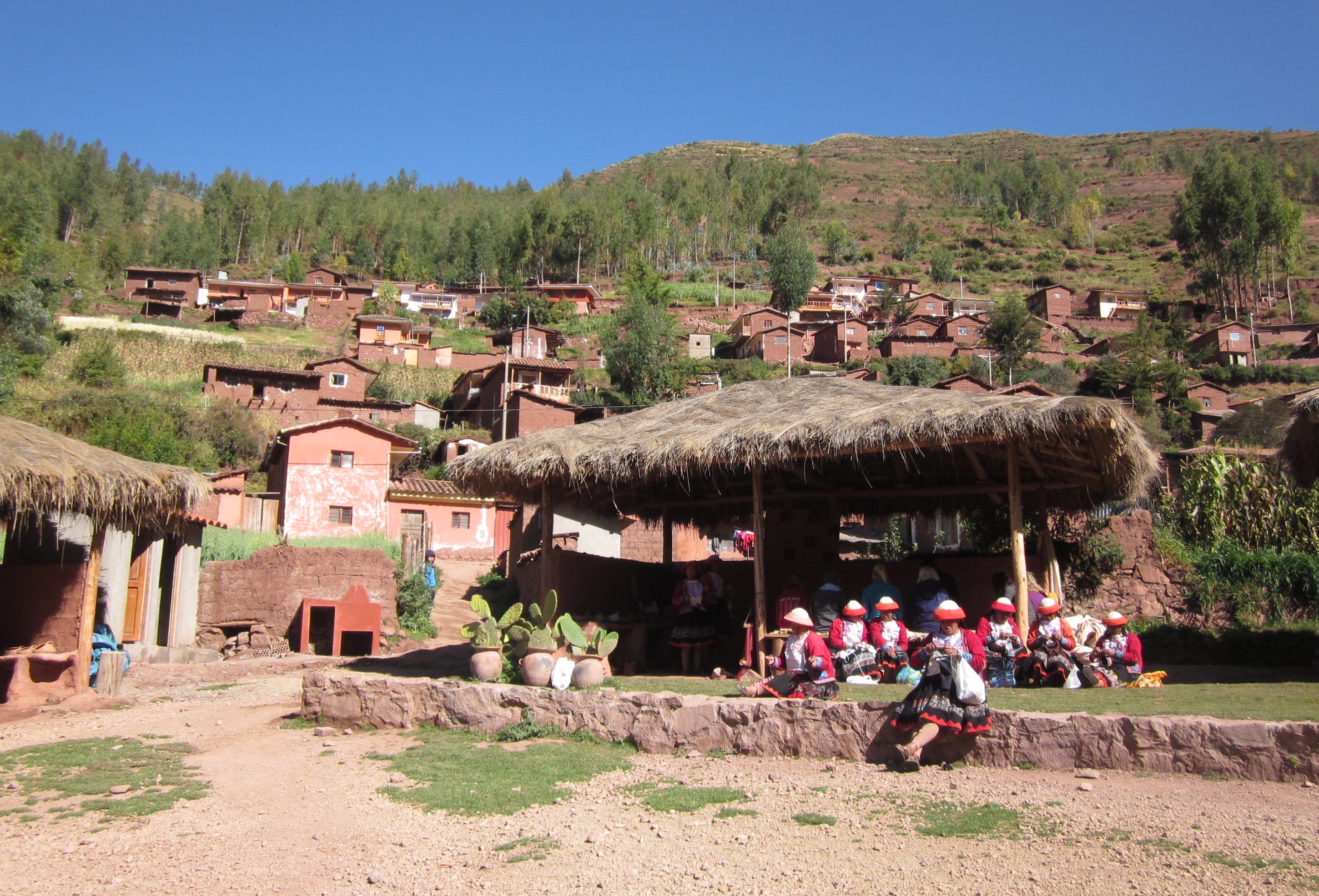
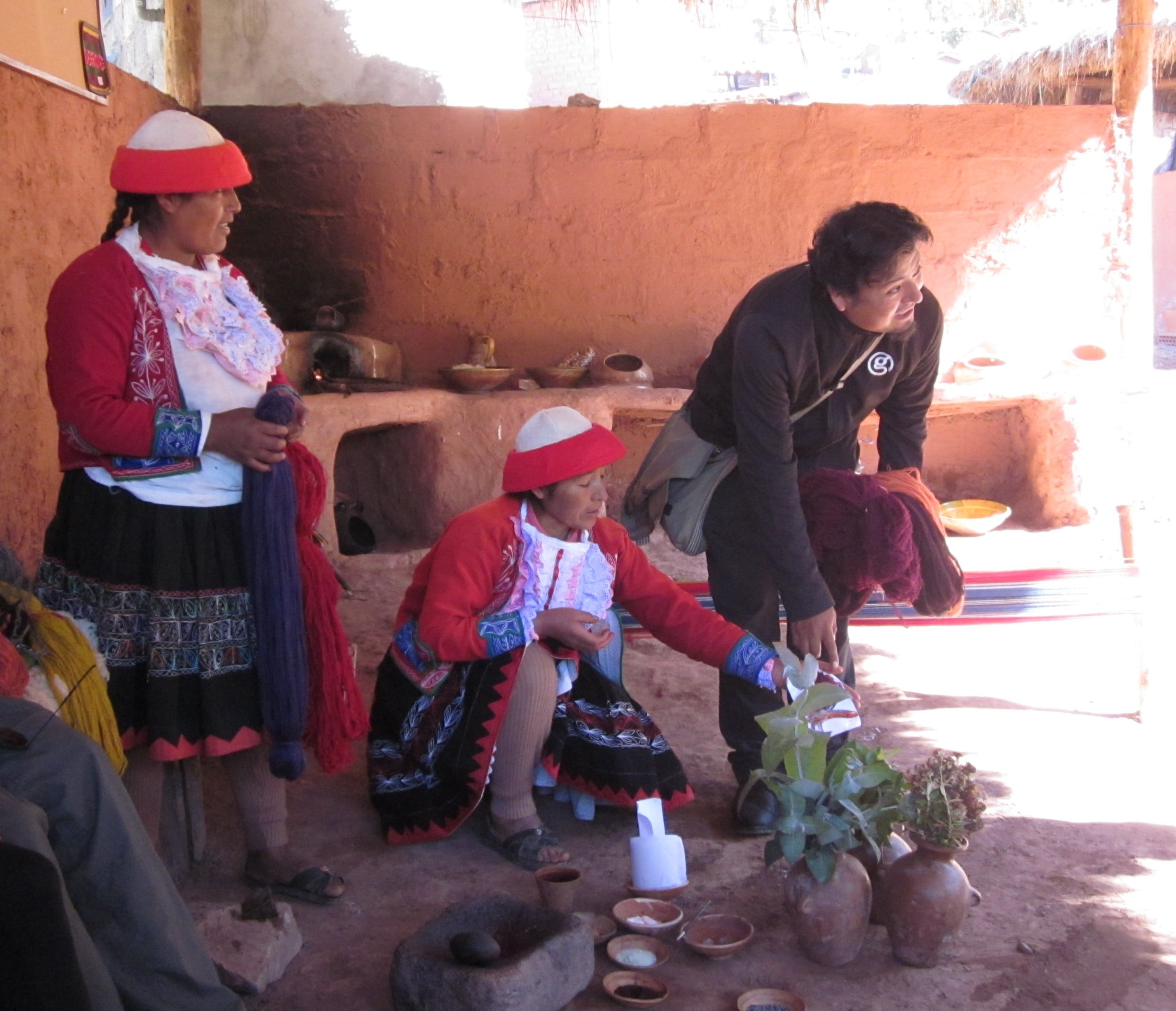
We first visited Ccaccaccollo Community and Planeterra-Sponsored Women’s Weaving Co-op. A group of ladies there demonstrated how different colors of dye were made. They also showed us how to dye alpaca wool and how to weave. There’s a gift shop too, where I bought a dark green alpaca hat for $10 USD. We were allowed to feed alpacas onsite; they were so cute!
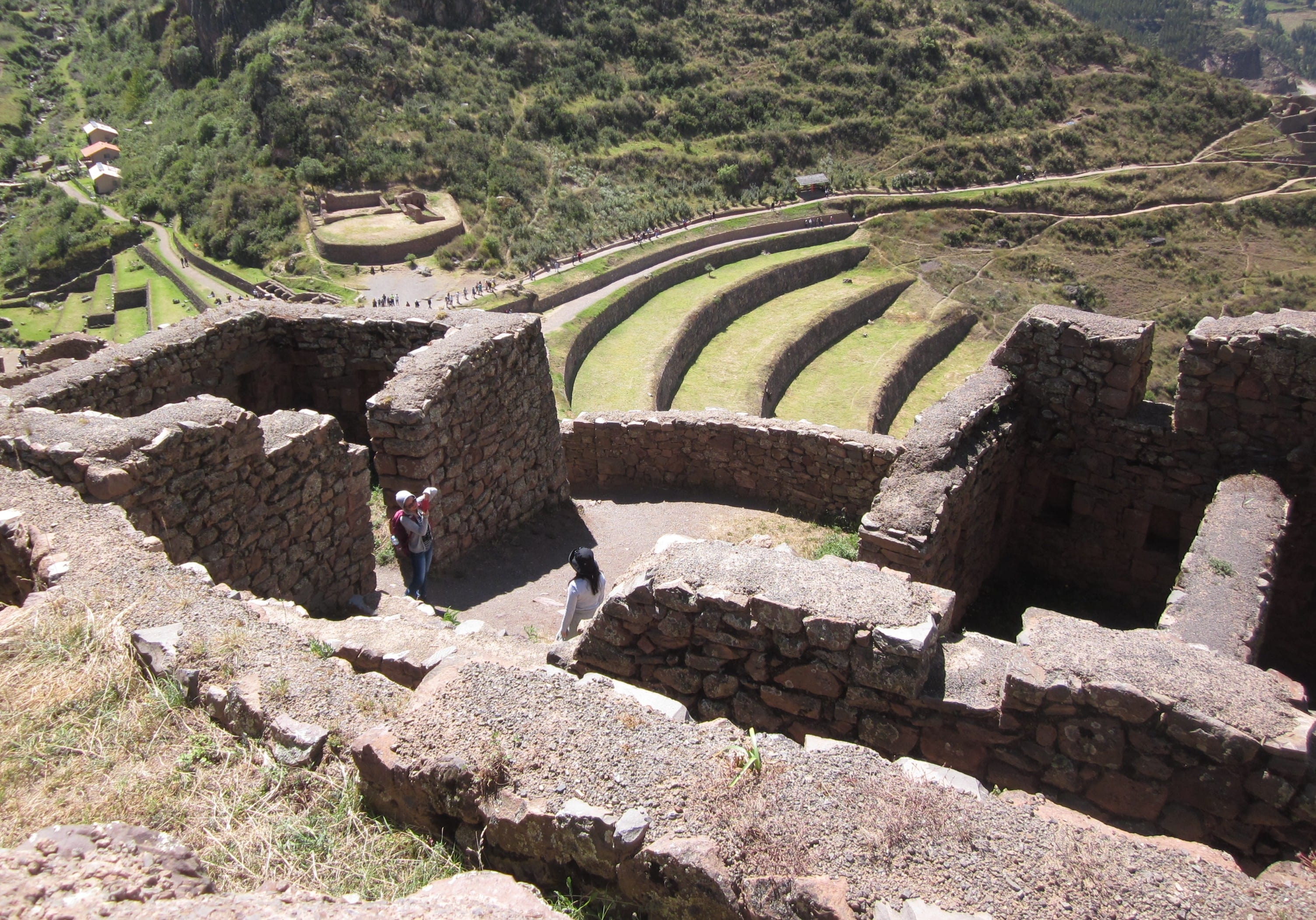
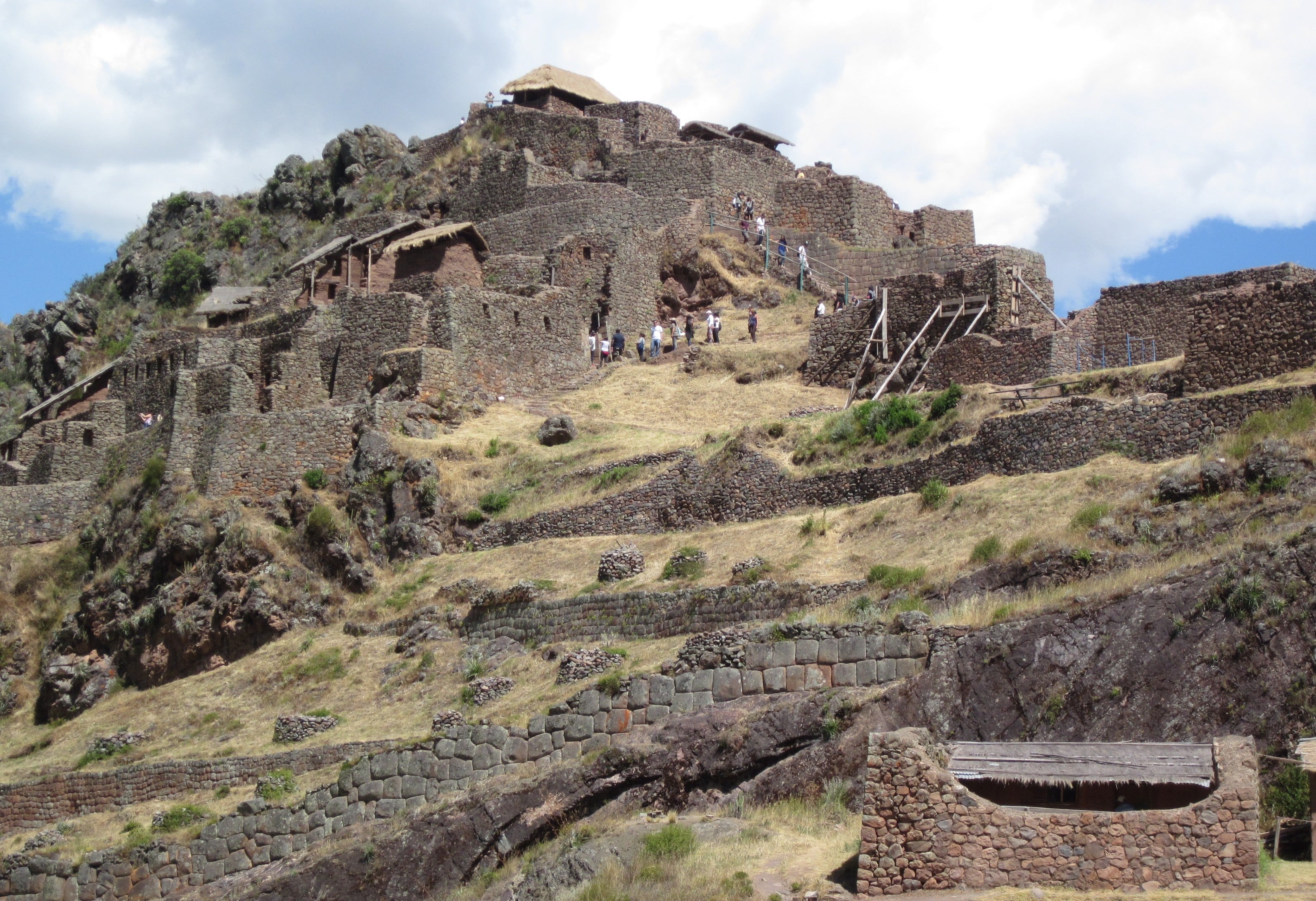
Then, we had a guided tour to Pisac Ruins in the Sacred Valley. Pisac Ruins was an important Inca complex. It’s also a significant agricultural and religious center. The fortress was on a small hill. There were huge tiered agricultural terraces that looked really amazing!
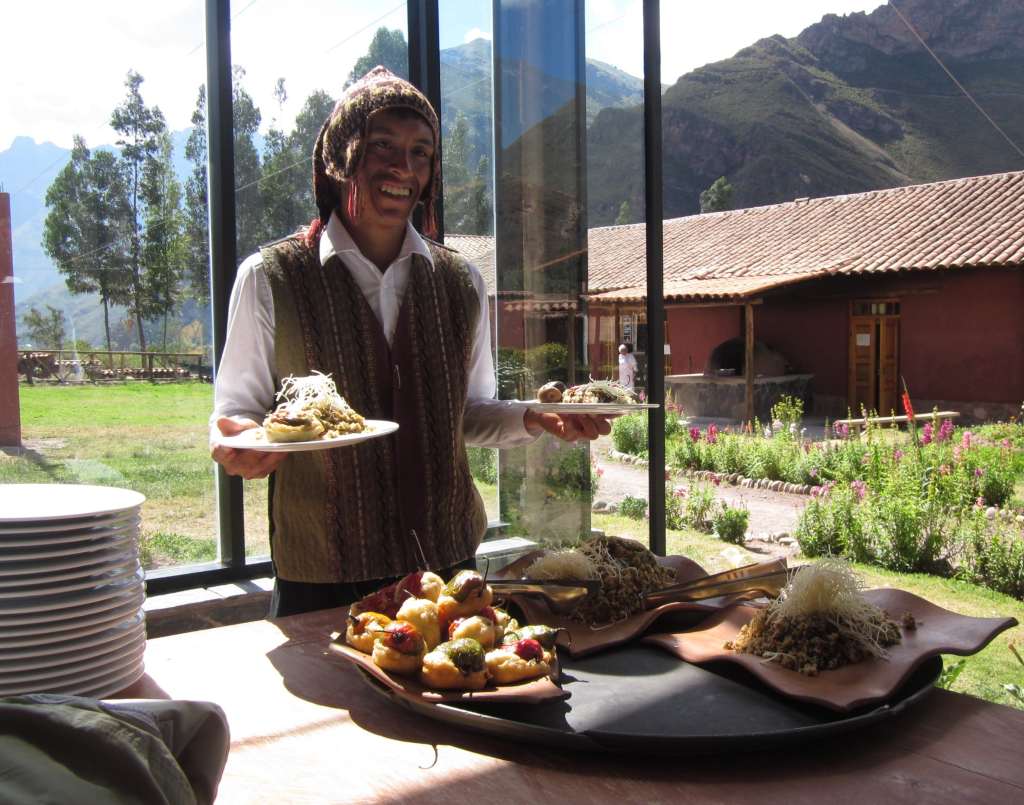
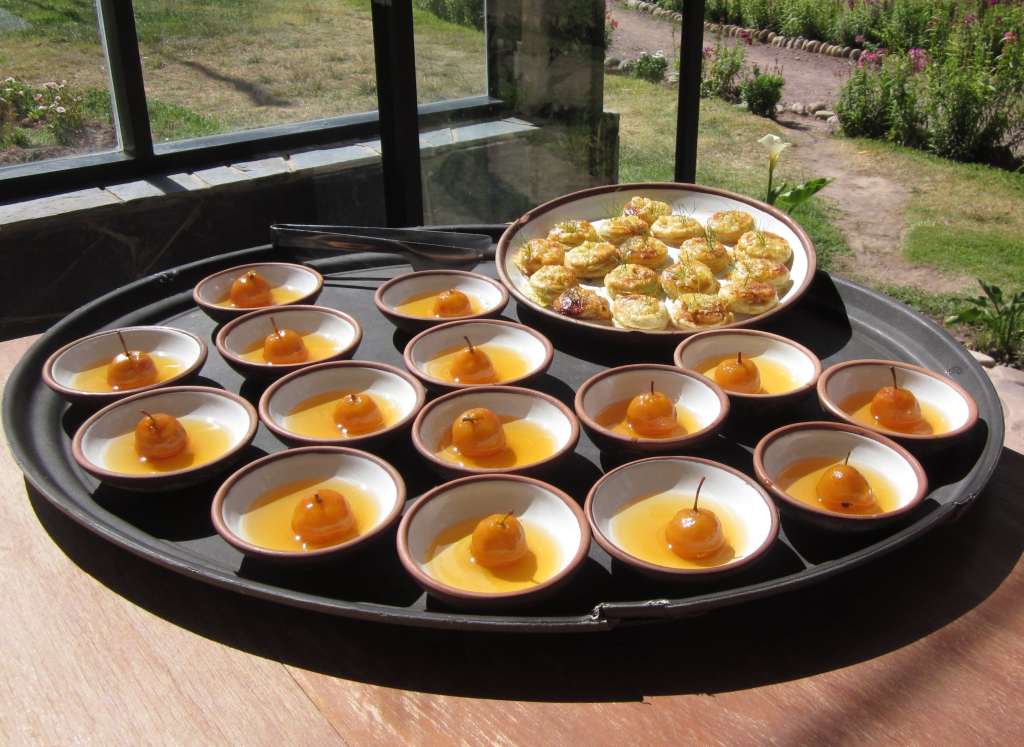
Today’s lunch was at Parwa Community Restaurant in the Sacred Valley. We had an elaborate lunch with appetizers, main dishes and desserts. Today was a group member’s birthday, and they also prepared a chocolate birthday cake for her.
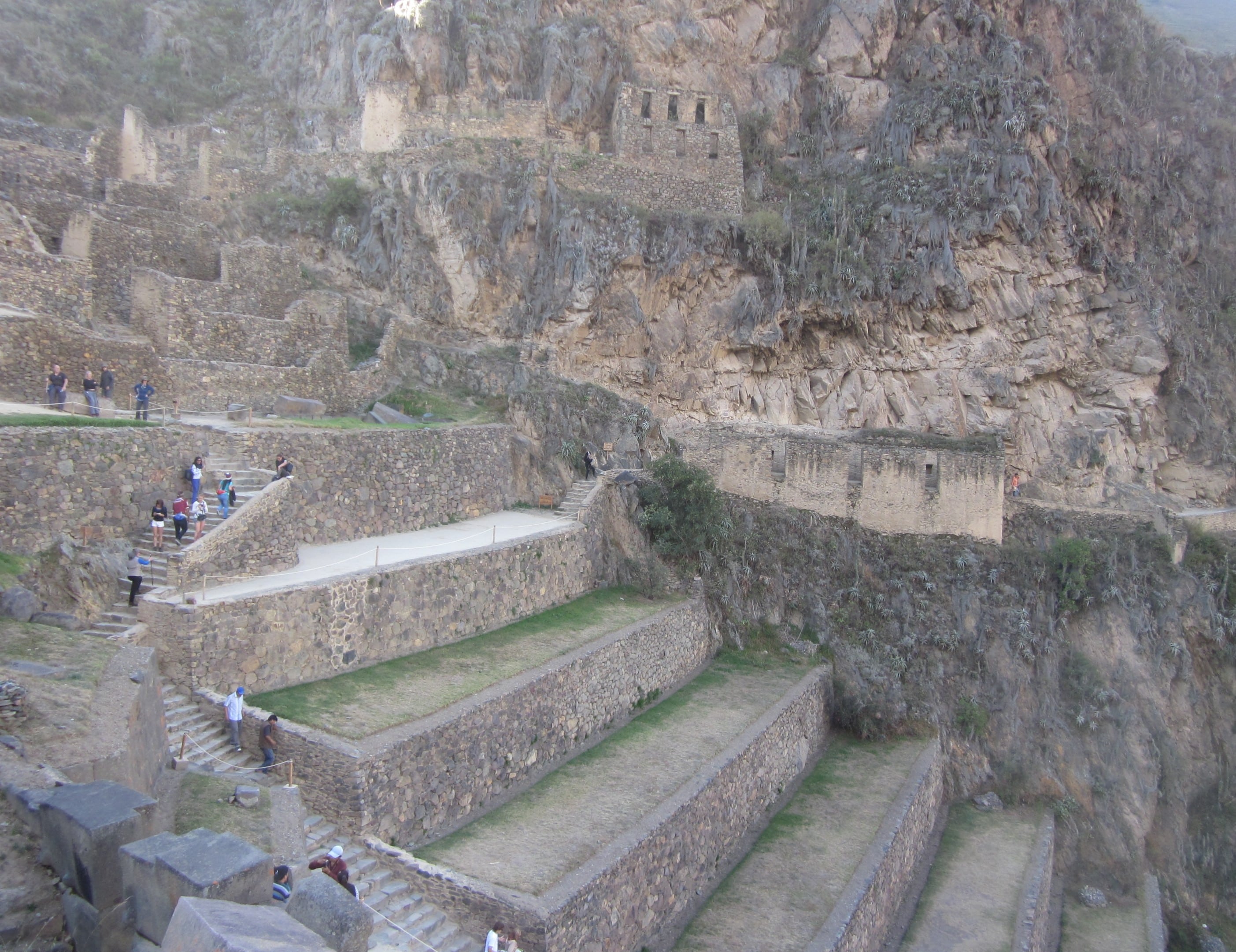
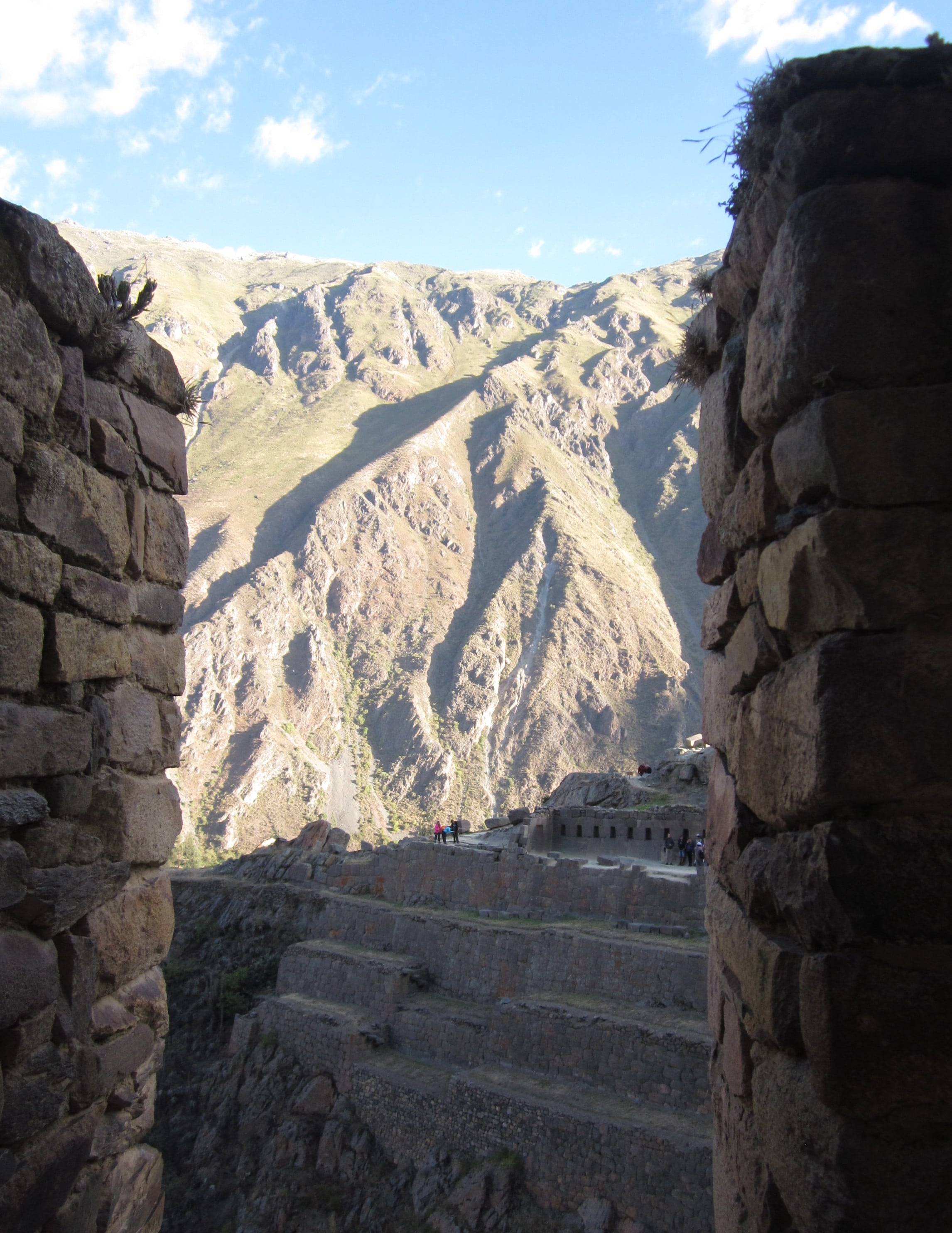
After lunch, we had another guided tour at Ollantaytambo. Ollantaytambo was a significant Inca site that was even more impressive than Pisac. There were structures made of giant stones fitted together without mortar. There was even a military zone (Zona Militar) with imposing stone fortress. The site occupied a pretty large hill, and there was a lot of climbing during the exploration.
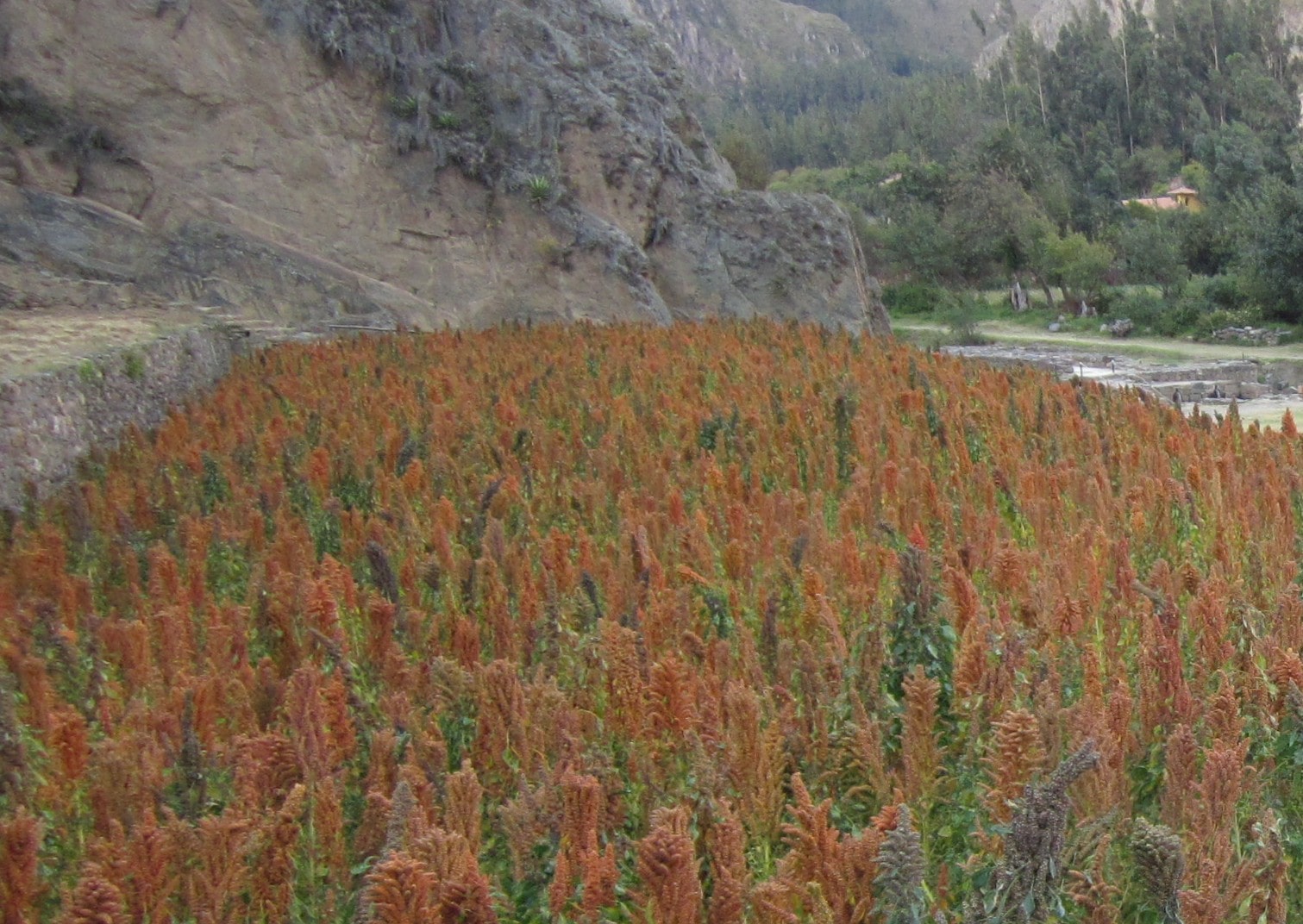
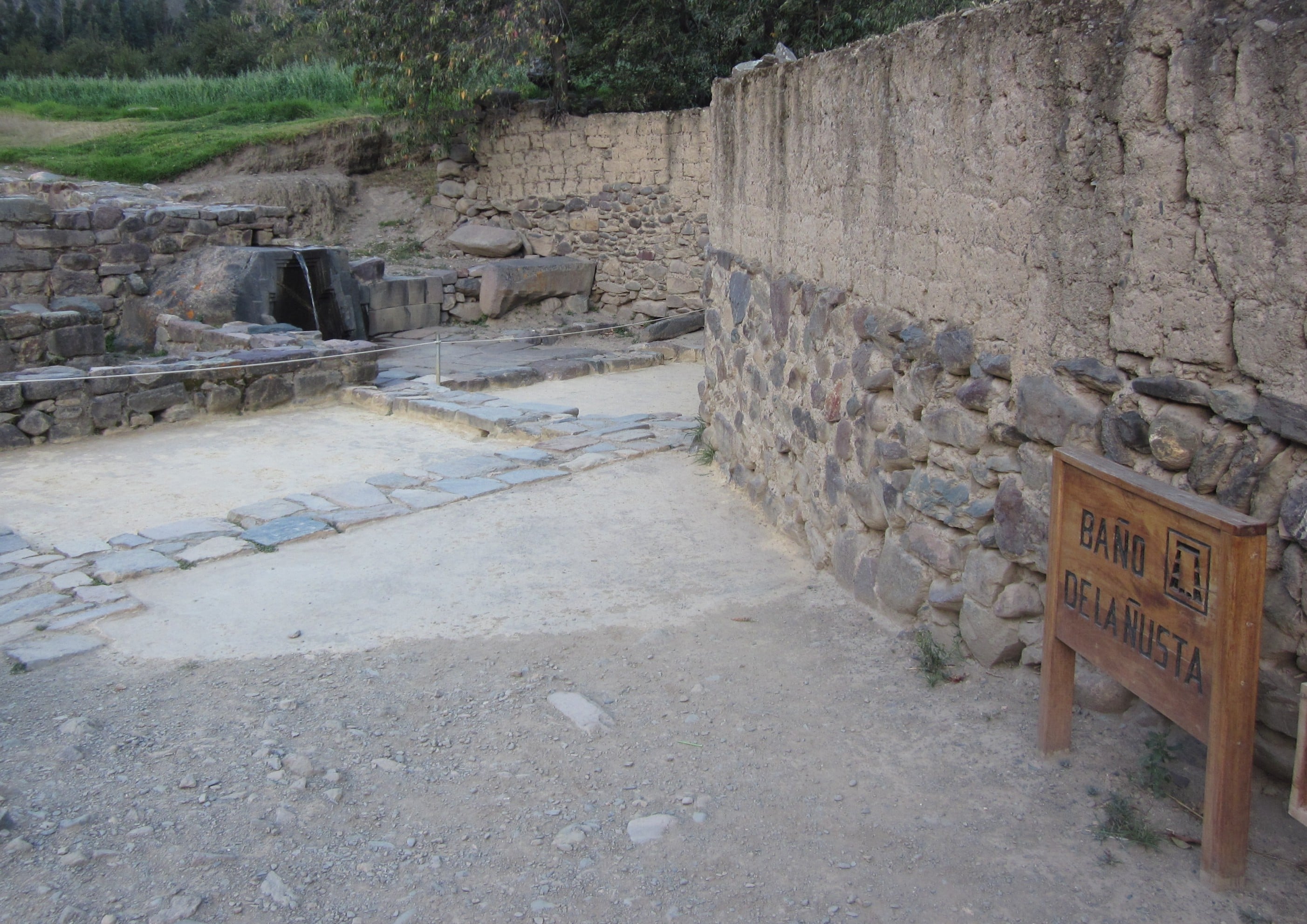
Ollantaytambo also had tiered terraces, and we saw a quinoa field too. There’s also Bano de la Nusta: Bath of the Inca Princess, where there were fountains. It took us several hours to explore this huge Inca complex.
Day 8: Inca Trail Day 1, to Wayllabamba Camp (11km)
We were finally ready to hike the Inca Trail. This morning, we were transported to Km 82, the starting point of the Inca Trail. There were two new guides, James and John, to lead the Inca Trail hike. There were porters there to help us carry our extra luggage including a sleeping bag each.
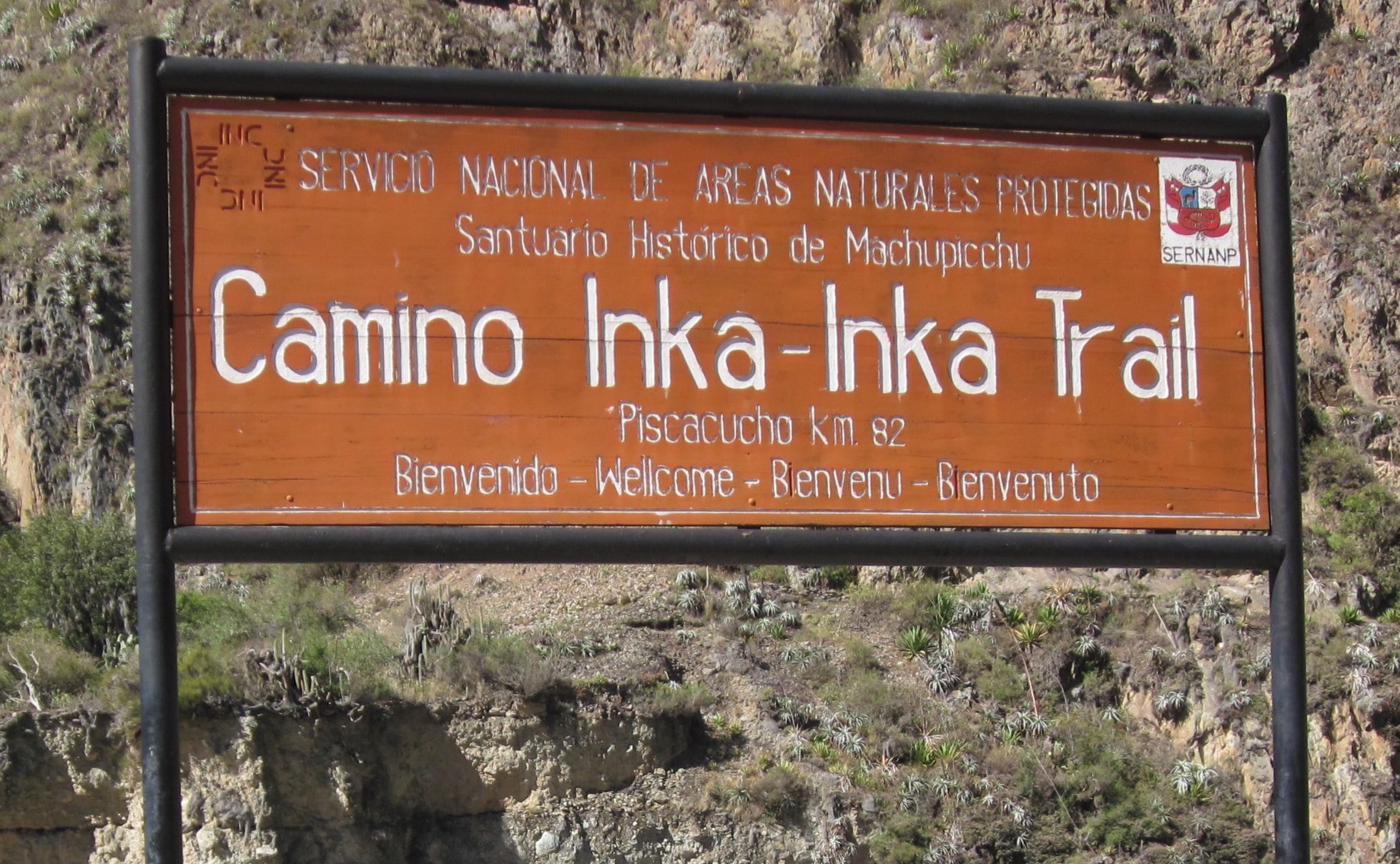
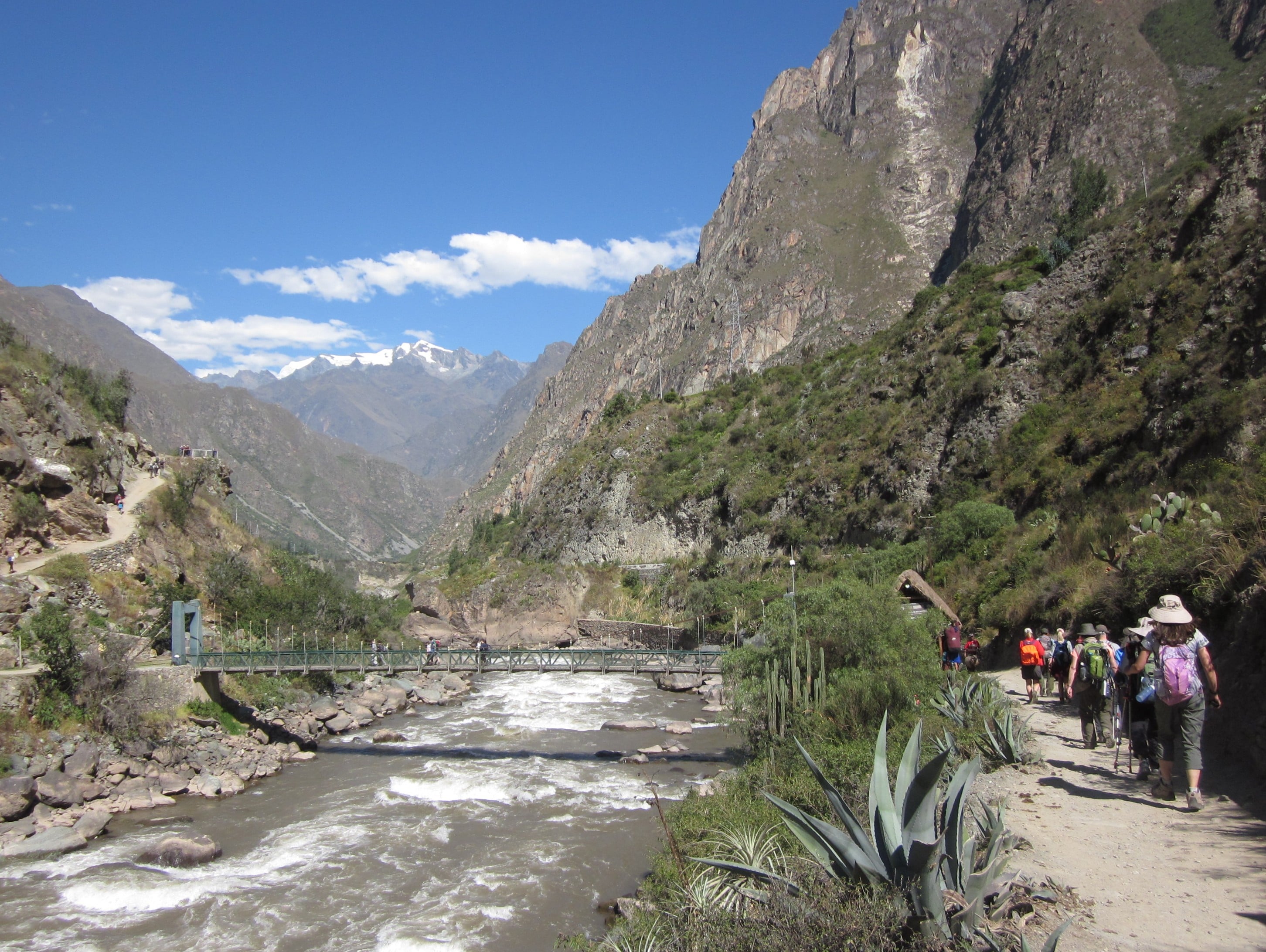
We had a group photo, and James gave us an introduction to the hike. We passed the check point and started the hike. This section of the trail was flat and easy. We walked along the Urubamba River. The region was verdant with shrubs and cacti.
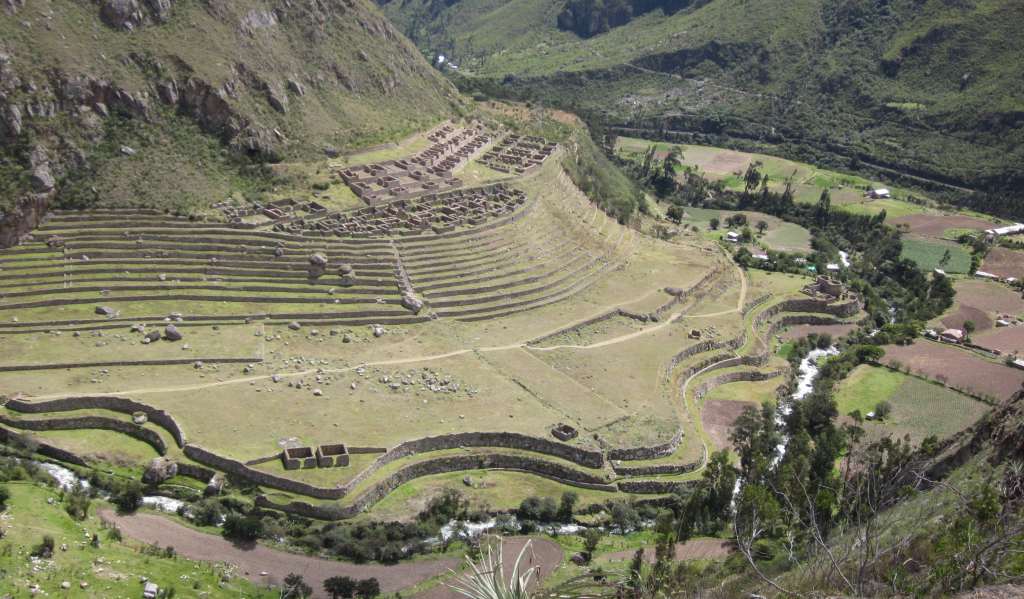
After about 5km, we reached the first ruin on the route, Llactapata, which meant “town on a hillside” in Quechua. The site had many ruined stone buildings sitting on tiered terraces by the Urubamba River. It was considered as a support site. The place was “discovered” by Hiram Bingham on the same trip that he “discovered” Machu Picchu.
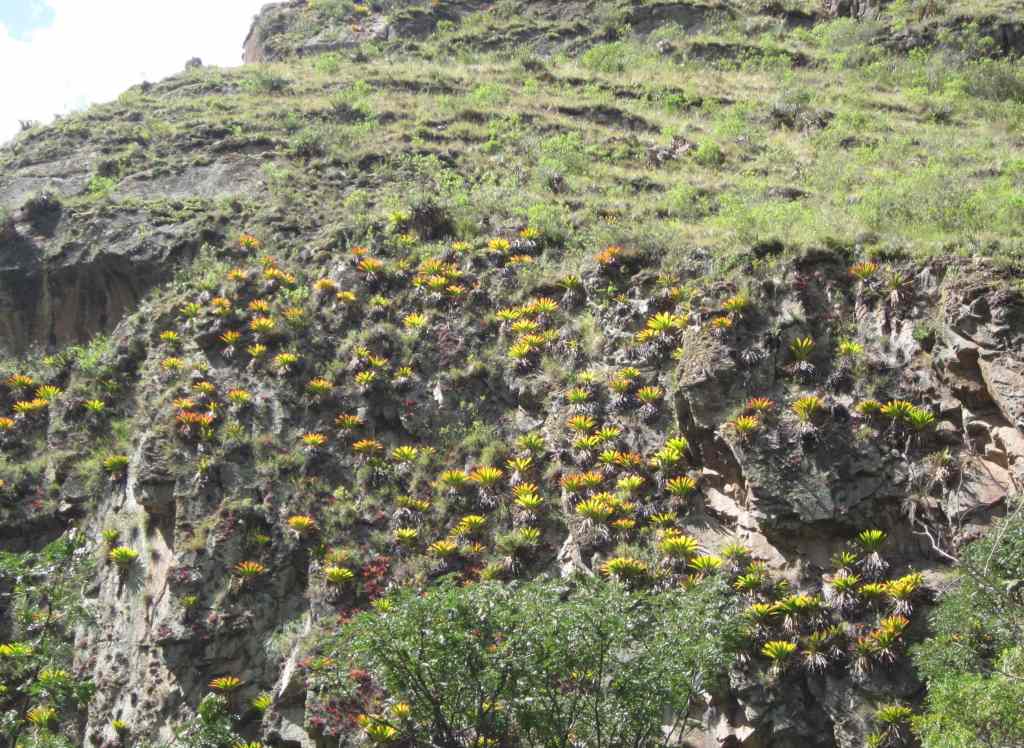
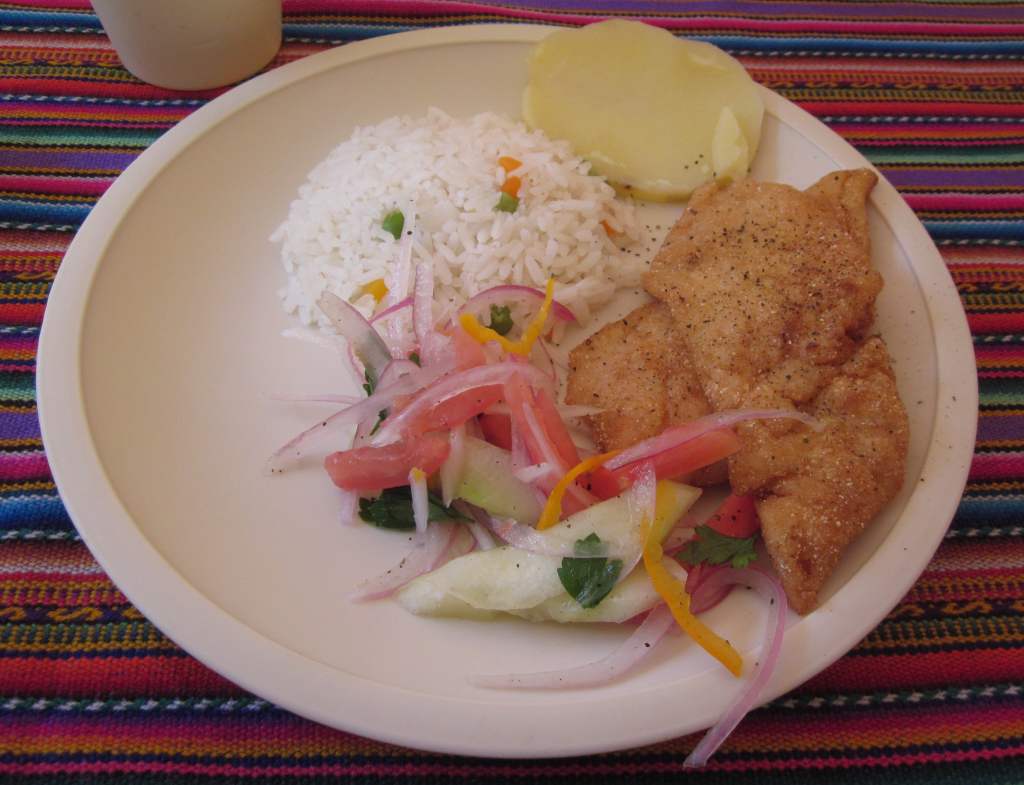
We had a stop, where we had delicious lunch and were given time to relax by a clear stream. After that, the trail turned north and away from the Urubamba River. After hiking about another 6km, we reached tonight’s campsite Wayllabamba at 9,678 ft.
When we arrived, our porters had already sent up the tents for us. There were flush toilets at the campsite though no showers. Rei and I shared a comfortable tent.
We had a group photo and a round of introduction at the camp. James asked us why we were taking this trip. We all answered that it was on our bucket list. Then James asked why we didn’t decide to just take the train to Machu Picchu. I answered that because Inca Trail was also on our bucket list, not just Machu Picchu. He gave me an A+!
We had a delicious dinner. There wasn’t much else to do, so we simply went to sleep in the tent.
Day 9: Inca Trail Day 2, to Paqaymayo Camp (12km)
Today’s hike would be the most challenging of the 4 days. We would pass the highest point called Dead Woman’s Pass (13,780 ft) on the Inca Trail. Fortunately, we were all acclimatized in the last few days, and no one suffered from High Altitude Sickness.
The view on the way was spectacular. We saw several llamas on the mountain, including one that walked right by us, and Rei had a photo with the cute llama.
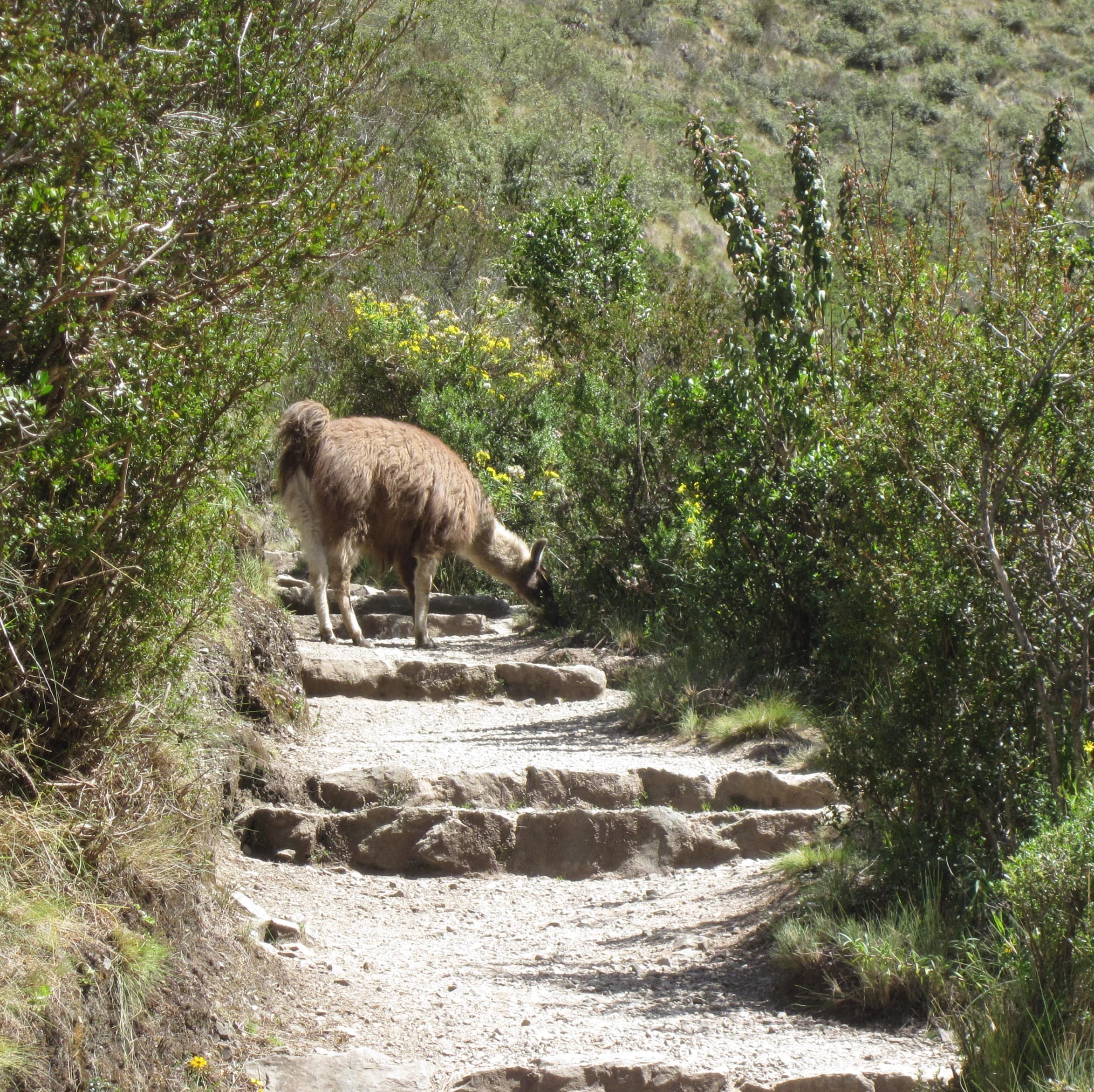
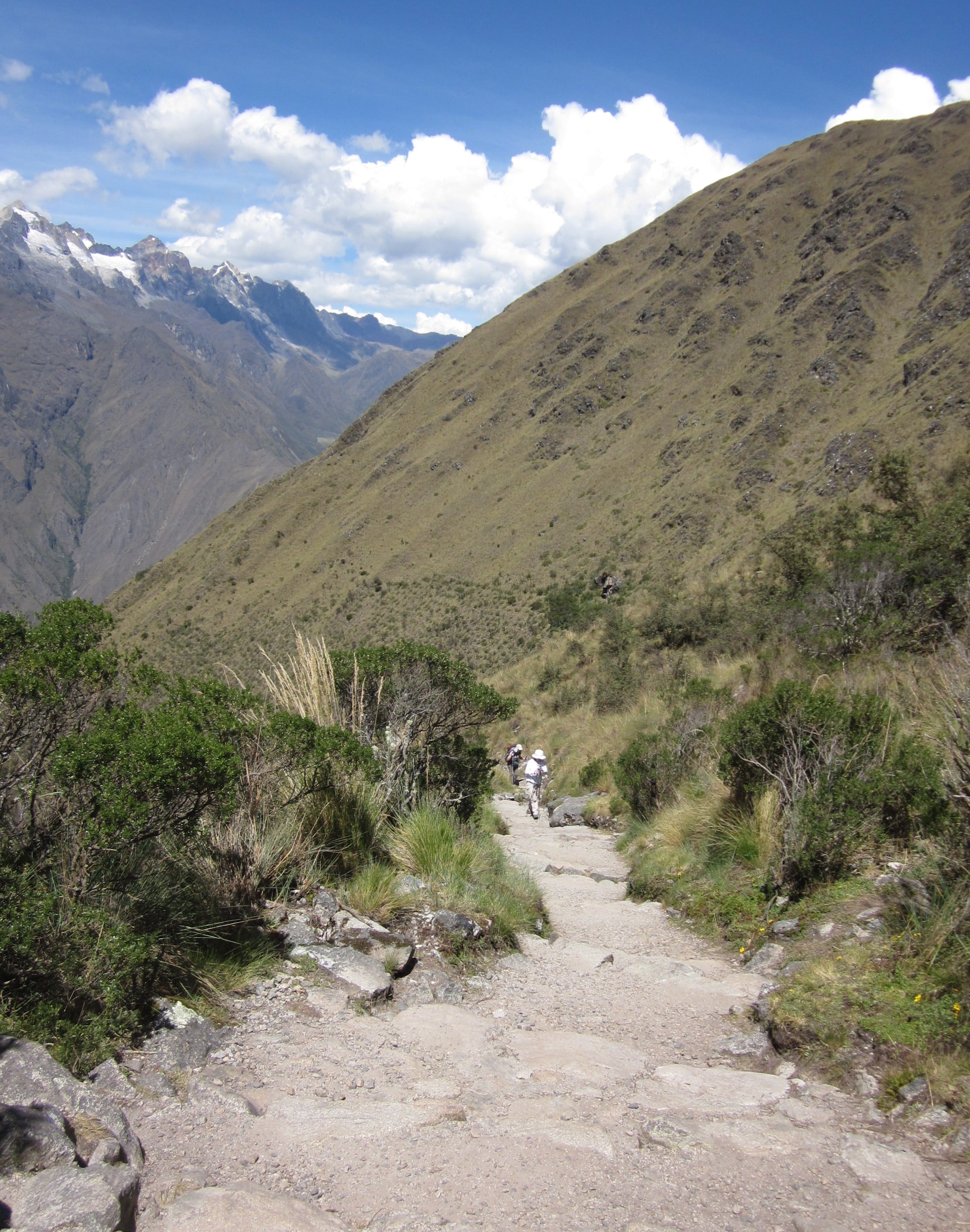
Inca Trail had many stony steps. To preserve the trail, hikers were not allowed to use hiking poles with sharp tips. We all had to put rubber stoppers on to protect the trail. After several hours of difficult climbing, we finally reached Dead Woman’s Pass shortly after noon. On our way down, we could see some small streams, and there were also wildflowers along the trail.
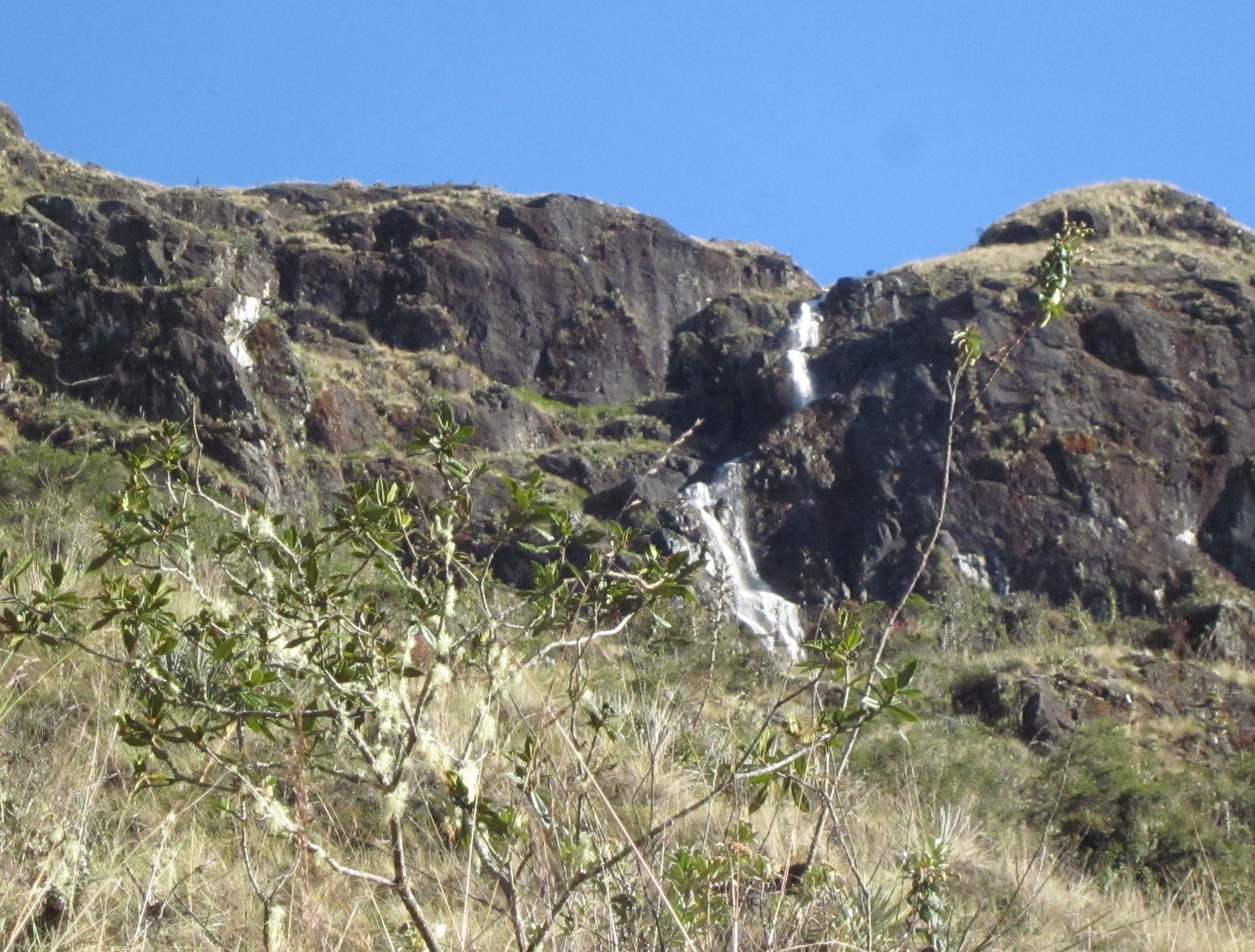
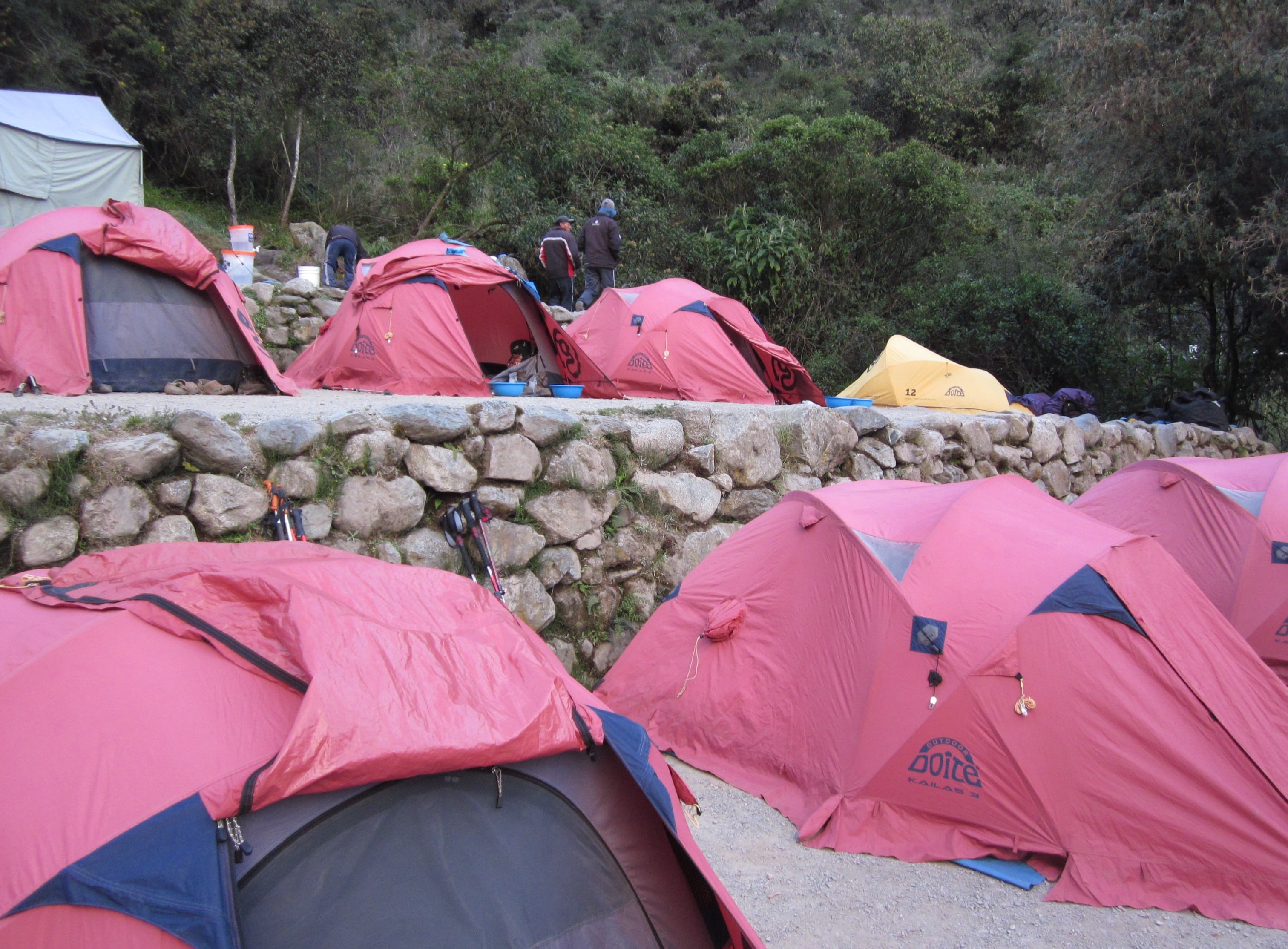
We reached tonight’s campsite Paqaymayo (10,991 ft) in the mid-afternoon. Again, the porters had already sent up our tents. We followed a similar routine as yesterday with dinner and sleep.
Day 10: Inca Trail Day 3, to Winaywayna (16km)
We had the longest hike today and had to start very early. We reached Runkuraqay Ruins after only a very short hike. There, we entered a circular structure, which was supposed to be an Inca storage depot.
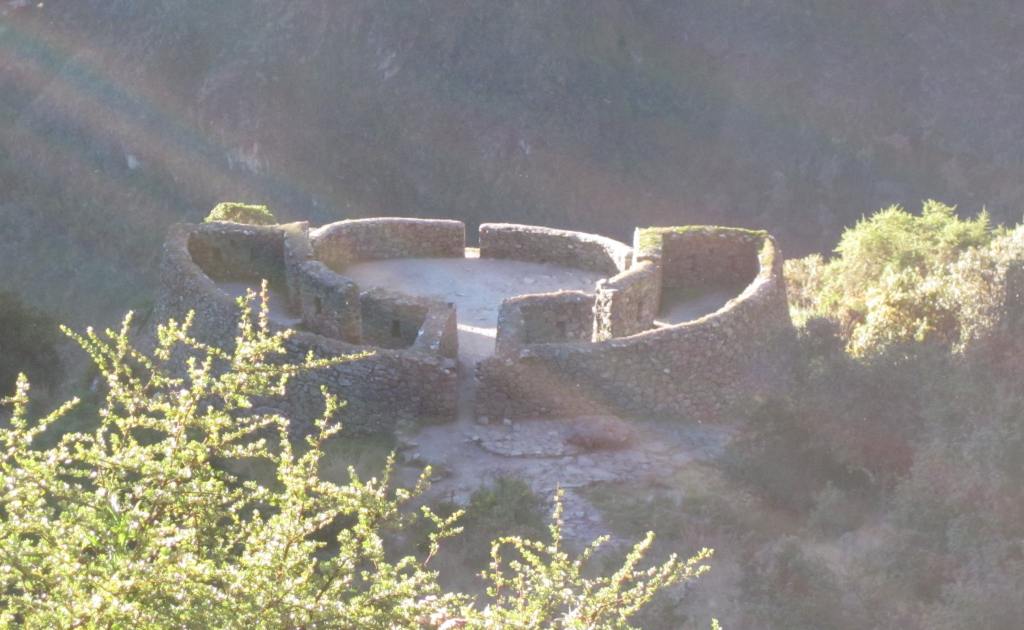
Then we continued the climb to go through Runkuraqay Pass at 12,631 ft and reached the next ruin Sayacmarca.
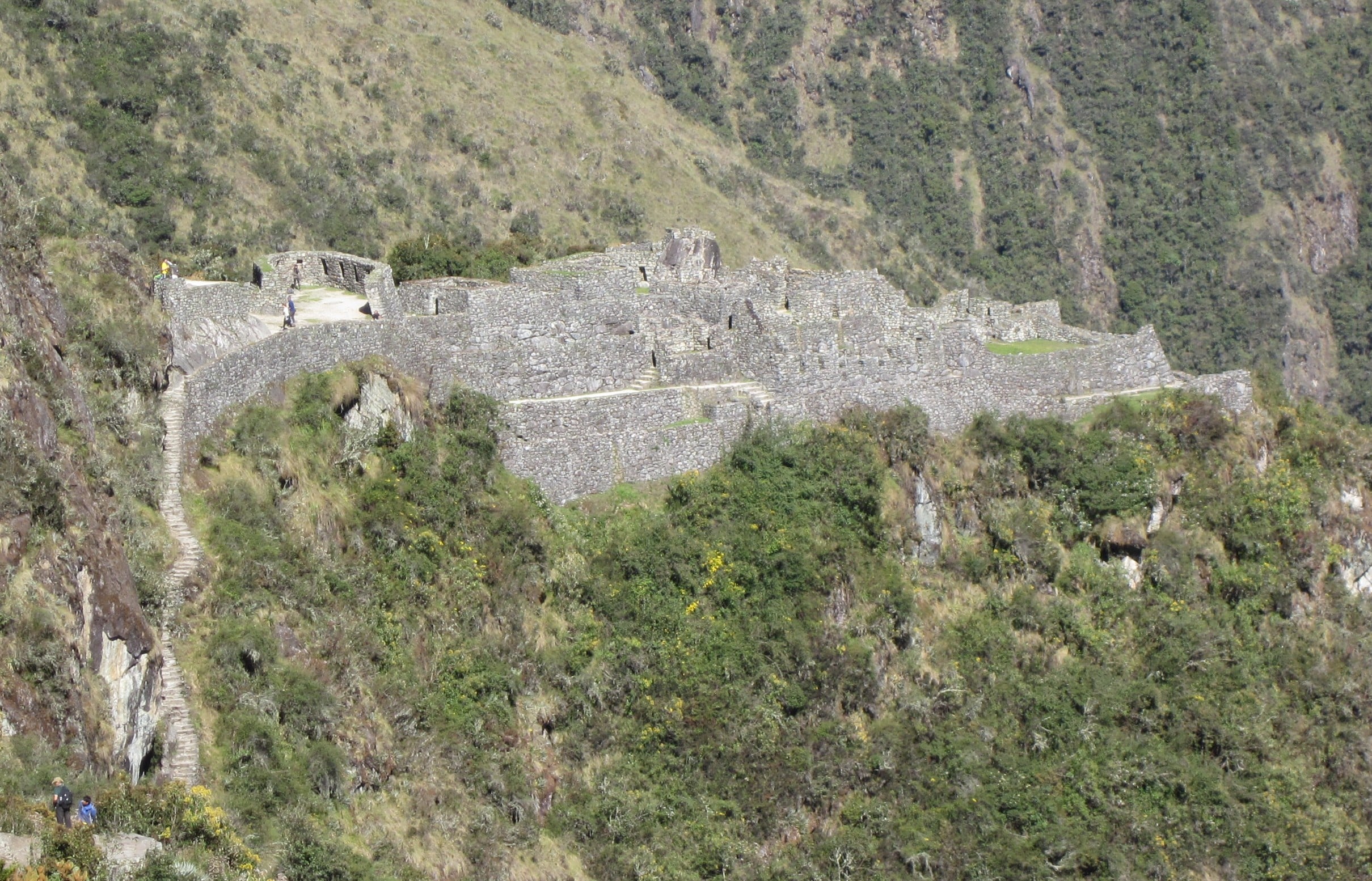
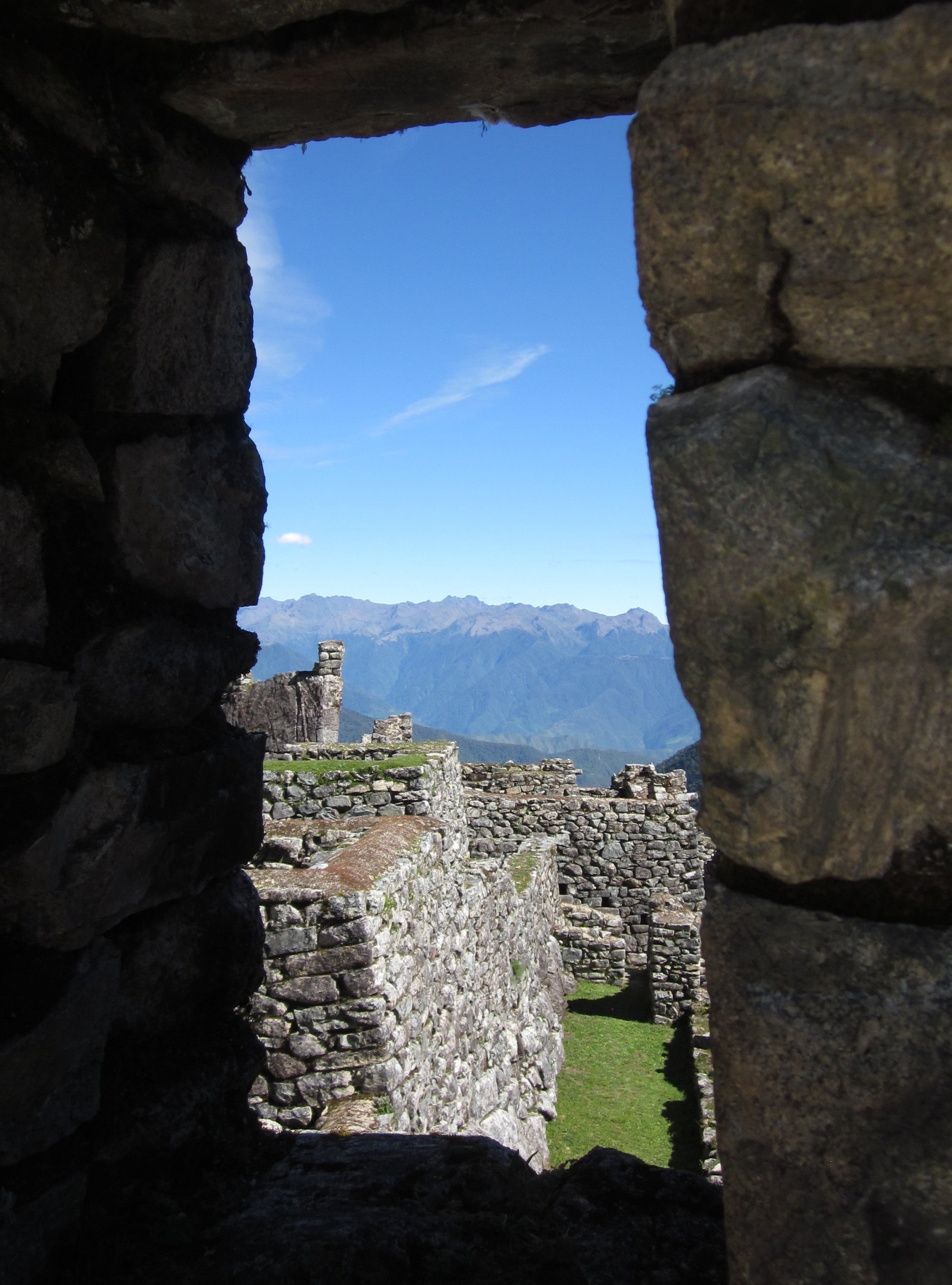
Sayacmarca was an impressive fortress on a hill, and we had to climb many stairs to explore the fortress. At this altitude, the views were magnificent everywhere we saw.
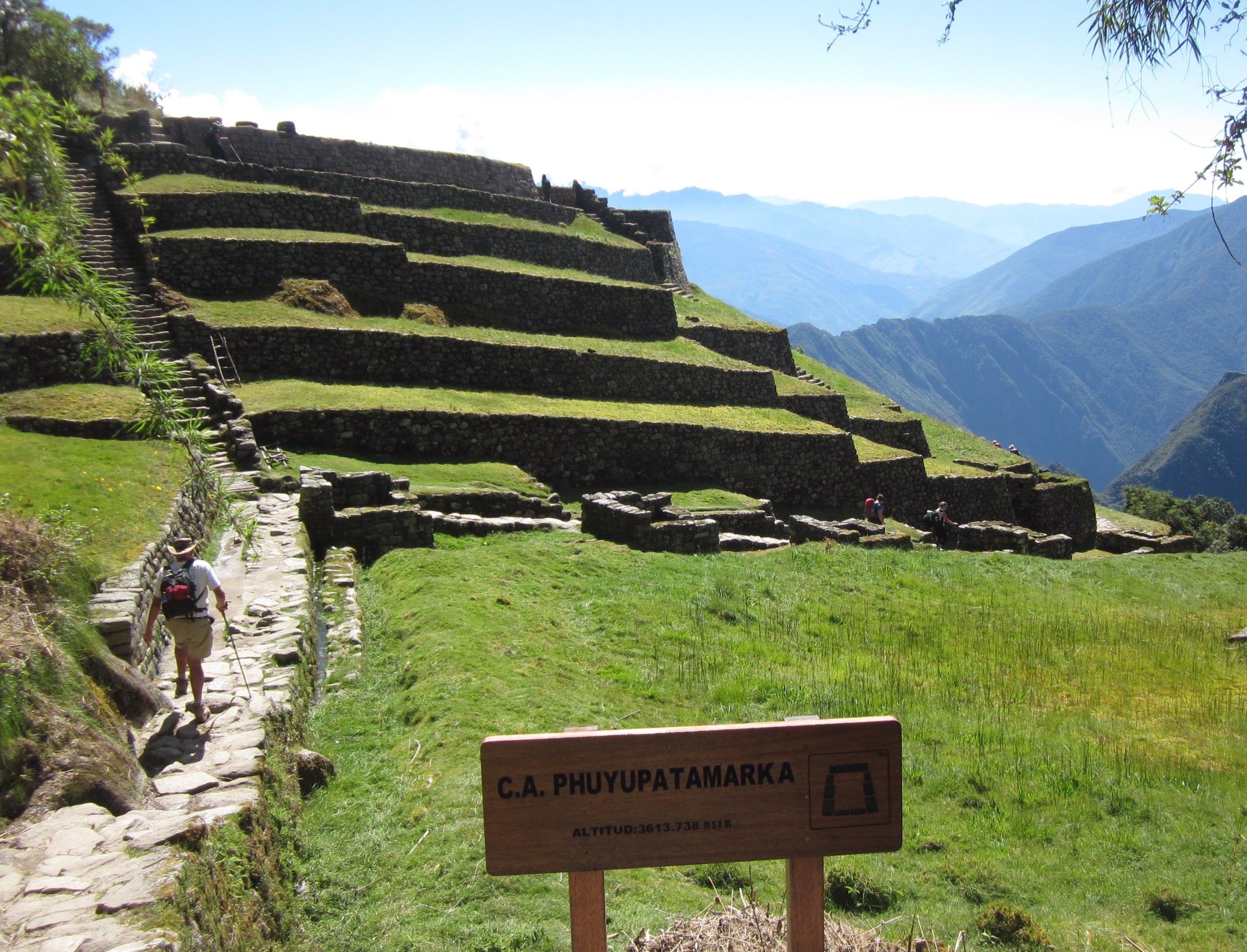
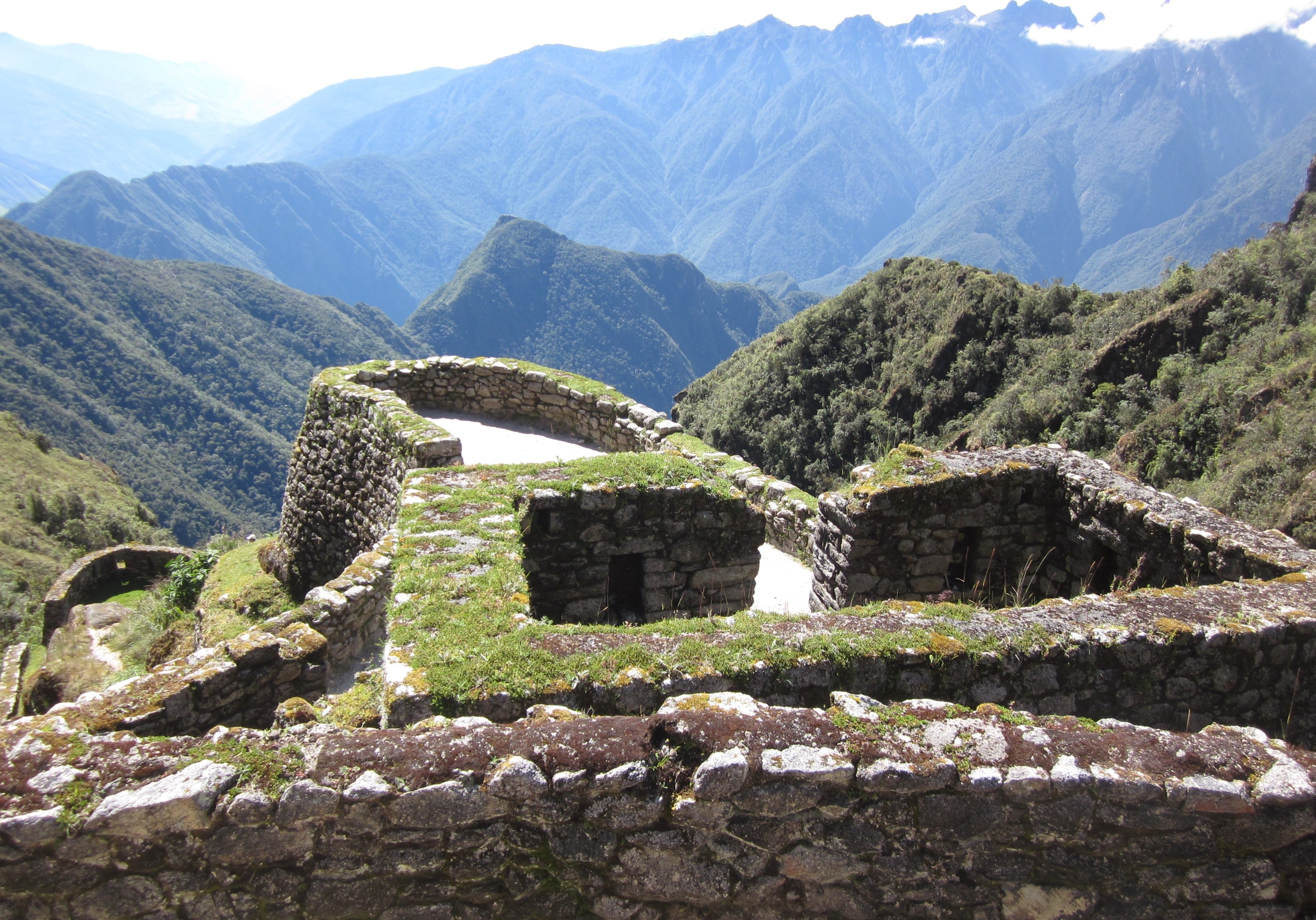
We had a lunch stop, where there were several llamas running around. In the afternoon, we visited the third Inca ruin of the day, Phuyupatamarca. Phuyupatamarca, also known as “the city above the clouds,” was a well-preserved ruin sitting high around 12,000 ft. It was also on tiered terraces that required climbing. Many amazing Inca ruins like this one on the trail could only be reached by foot. It’s another benefit of hiking the Inca Trail. If you just take a train ride to reach Machu Picchu, you will miss all the Inca ruins in the mountains.
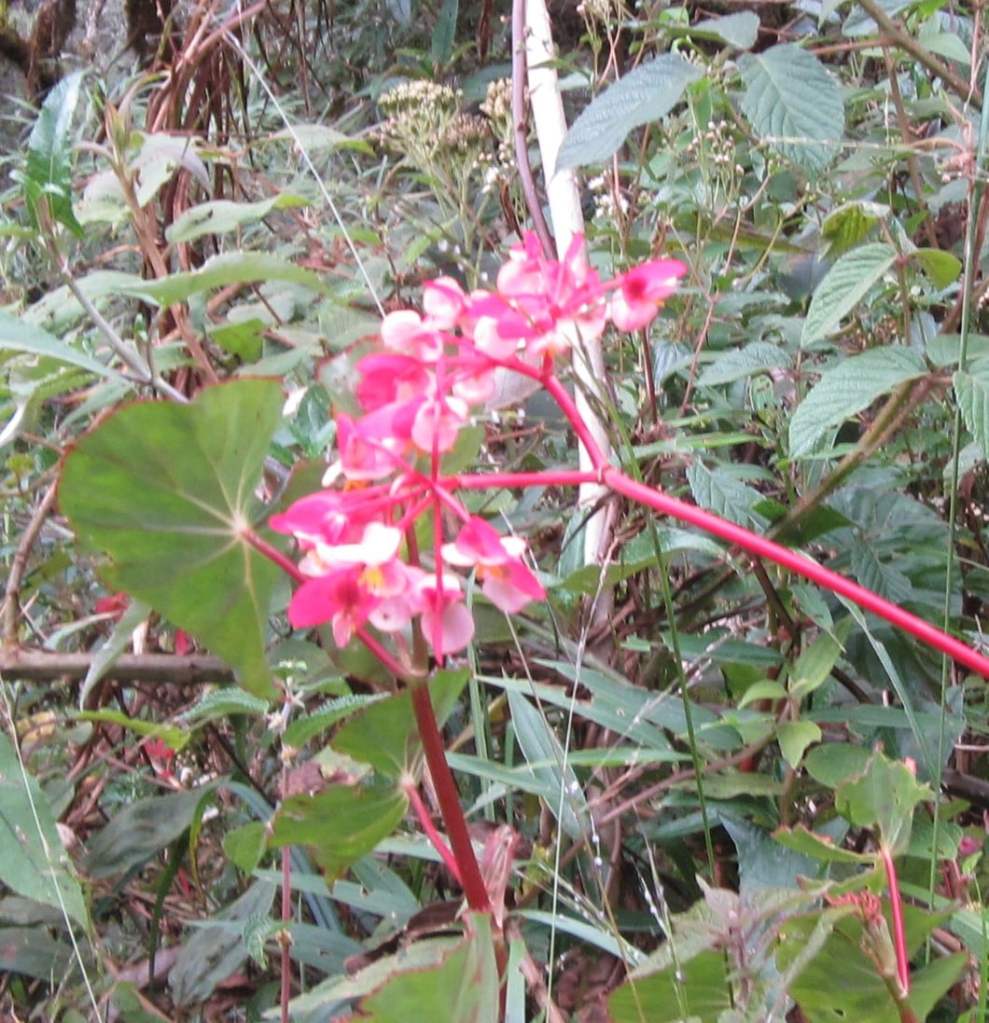
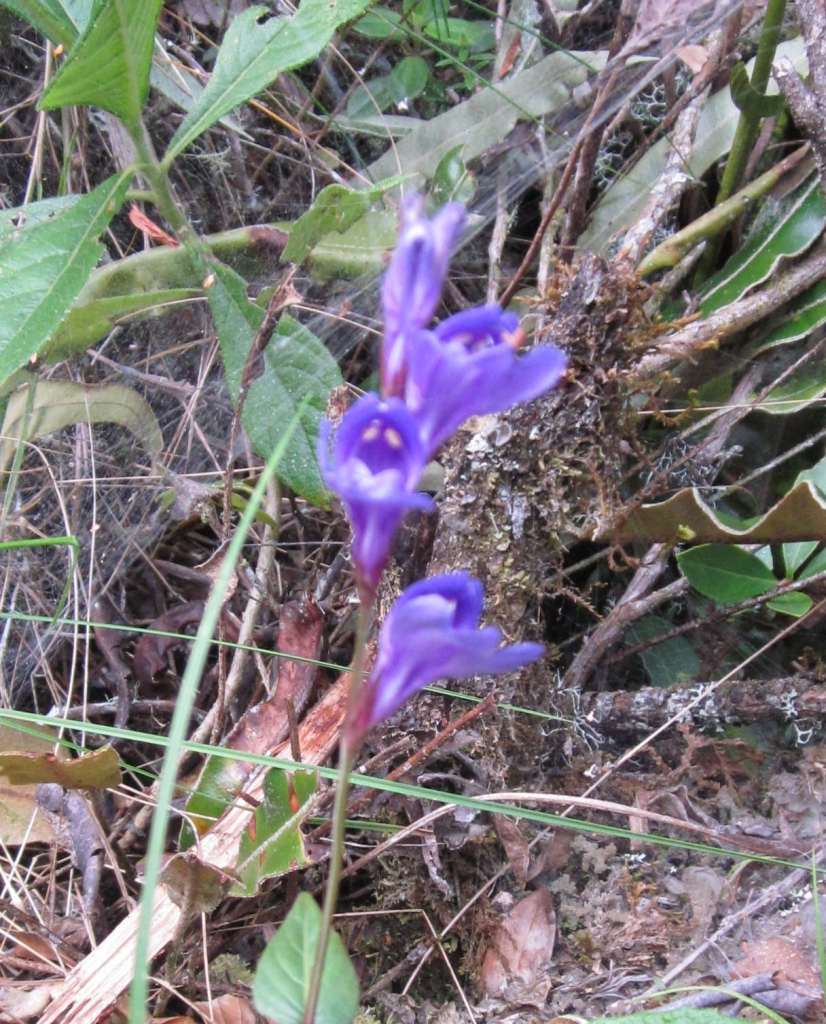
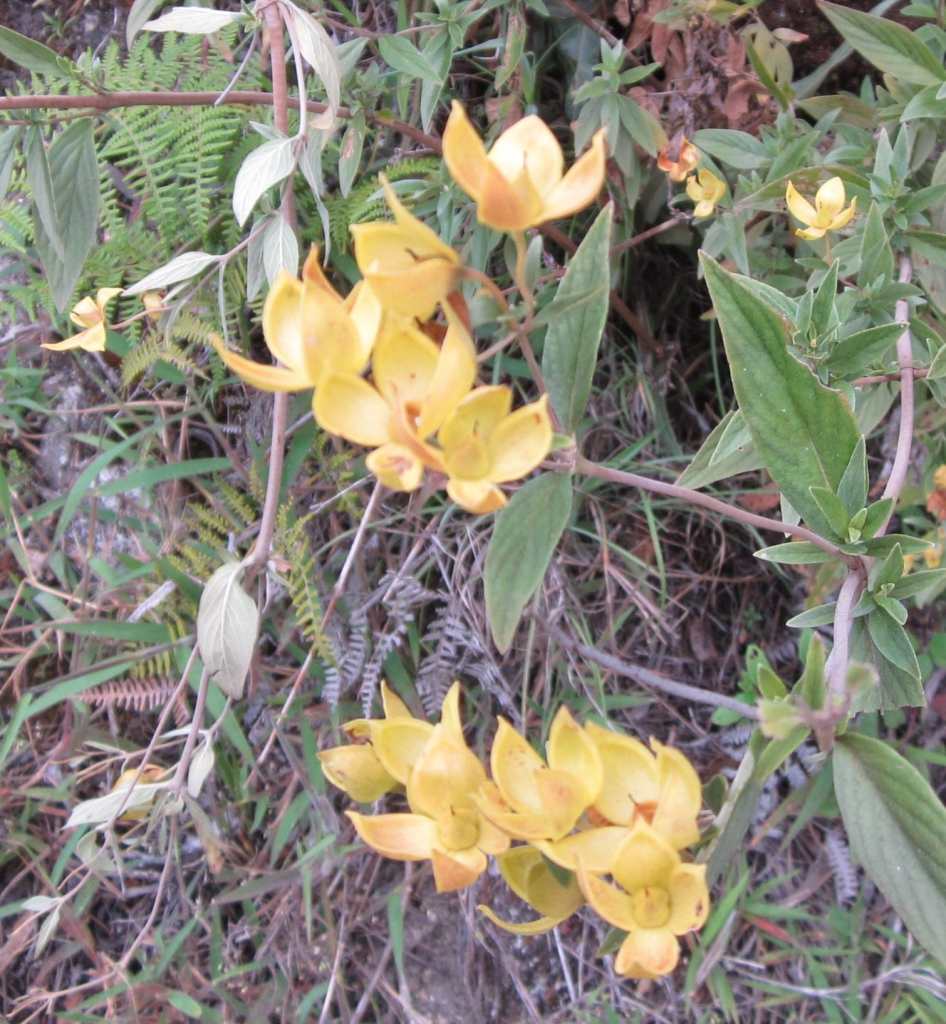
Then, it was just an easy downhill walk to tonight’s campsite Winaywayna at 8,490 ft. The trail was verdant with colorful wildflowers.
There was a shower at the campsite, but there was only cold water. After two days without shower, Rei and I decided to brave a cold-water shower. The mountain water was cold and refreshing, we felt a lot better and cleaner after the shower.
Tonight, we had a ceremony to thank and to tip our cook and porters, because they would not go to Machu Picchu with us tomorrow. They would go down the mountain on a different trail to bring our luggage to the train station instead.
Day 11: Inca Trail Day 4, Machu Picchu (6km)
This was our last Inca Trail hiking day. We would reach Machu Picchu today, which happened to be the Star War Day (May 4th — “May the Force be with You”) We were now very close with only about 4km away from the Intipunku Sun Gate. Because we wanted to watch sunrise at Machu Picchu, we had to start very early this morning. When we started, it was still dark, and we could see the Milky Way! To this day, Rei still remembered the amazing view and constantly mentioned it.
To reach Intipunku, we had to scramble up a very steep stony trail using our hands. Even though it’s hard, most people thought that’s lots of fun. We finally reached the Sun Gate; it was still dark. Very soon the sun rose, and we could see the amazing Machu Picchu spread in front of us bathing in the glorious morning sunlight! It’s a sight that one would remember for the entire lifetime.

We were given enough time to take photos before finally walking down to reach the Machu Picchu ruins. James was a certified tour guide, and he gave us a guided tour of Machu Picchu.
Machu Picchu, an ancient Inca citadel, was a UNESCO World Heritage site. It was rediscovered by the famous archaeologist Hiram Bingham (a real-life Indiana Jones) in 1911. Machu Picchu was thought to be a royal estate, a sanctuary and/or an important religious site.
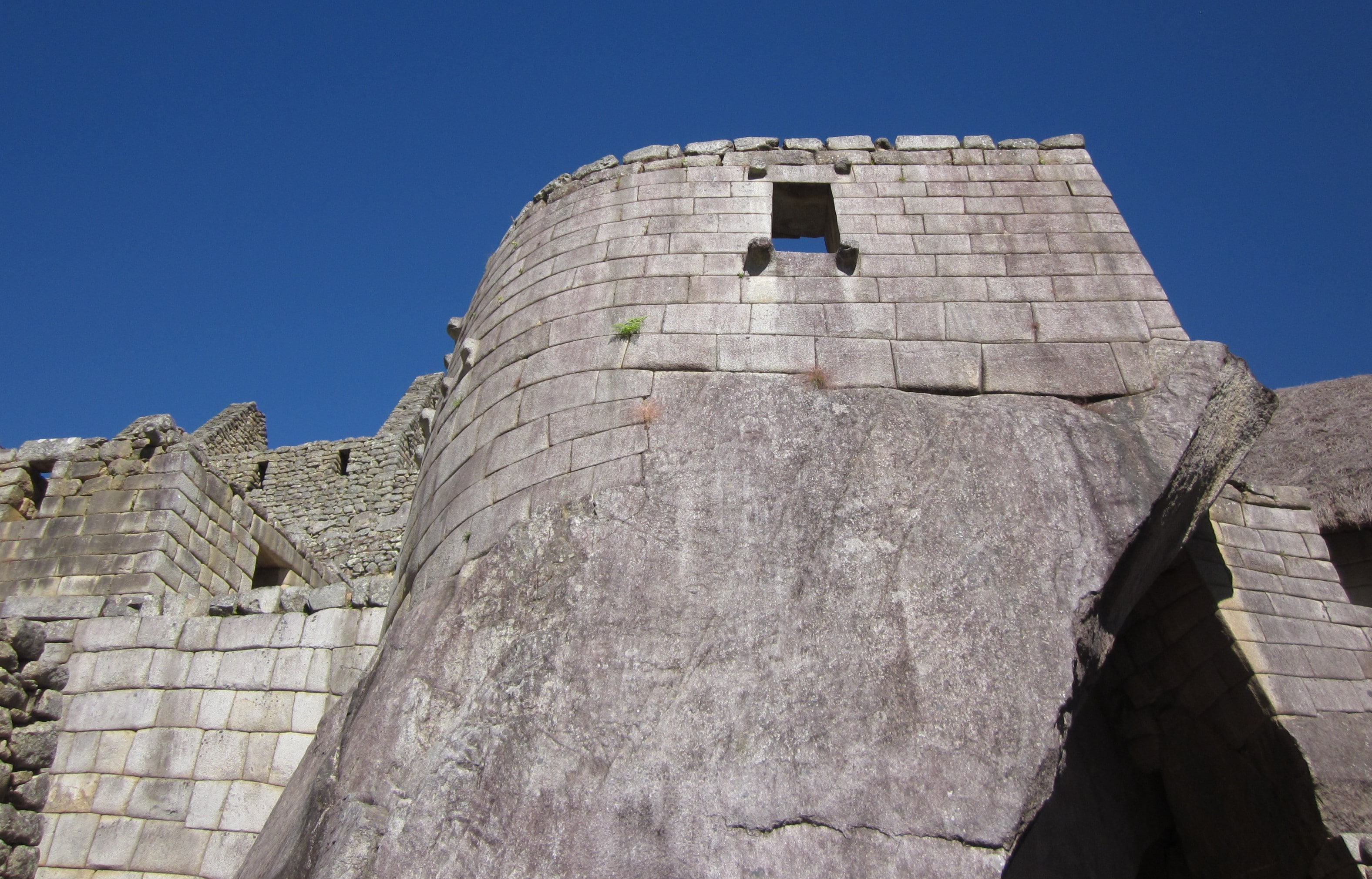
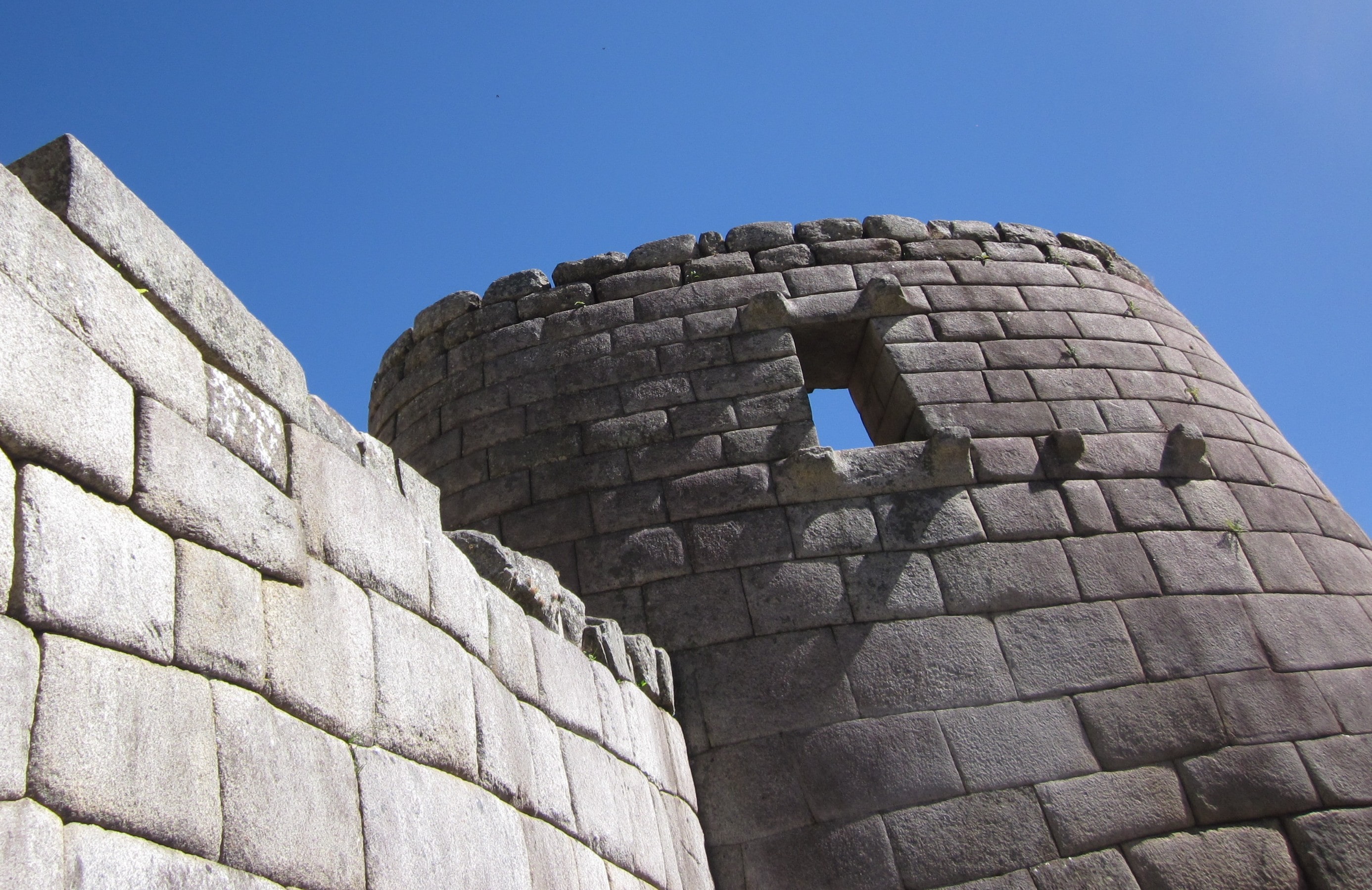
The site was vast with many famous structures. Temple of the Sun was an impressive semi-circular tower with windows for astronomical observations. The tower was built with tightly fit masonry work. There’s a Winter Solstice Window, which was positioned to catch the first sunlight of winter solstice.
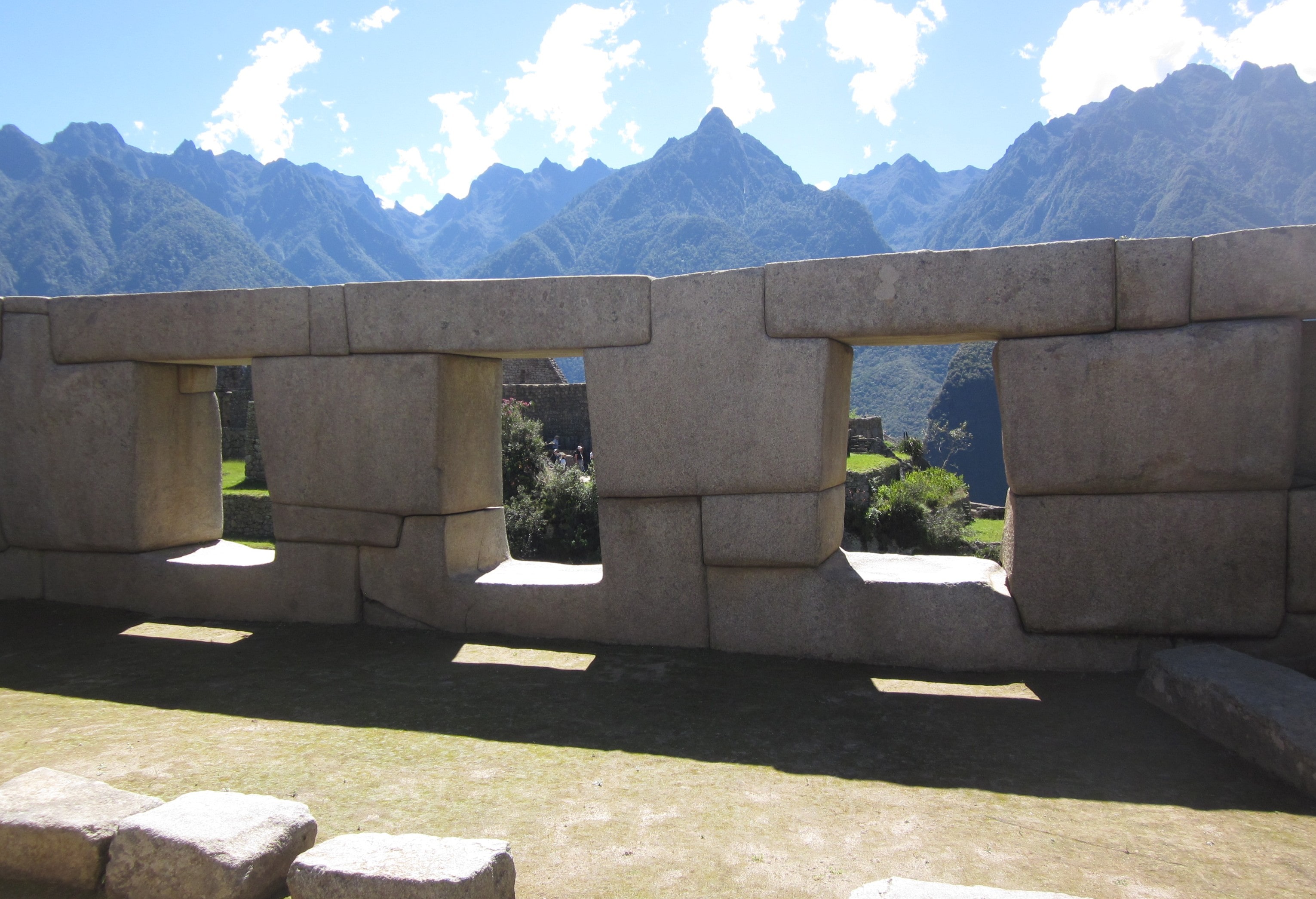
Tres Ventanas, or The Three Windows, had a stone wall with 3 big windows and amazing masonry work.
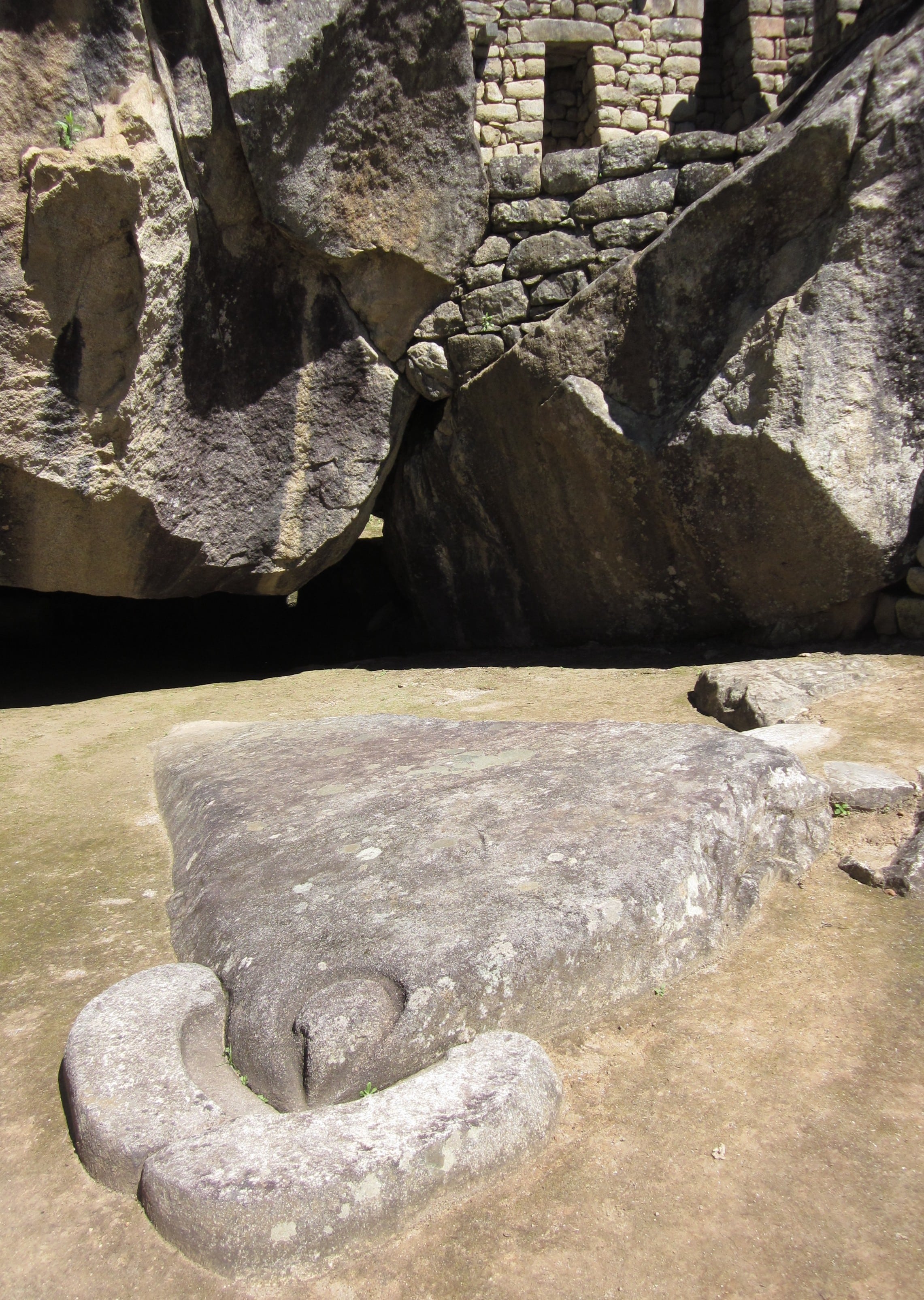
Temple of the Condor was another spectacular structure, with the stone on the floor representing the head of the condor, and the two stones at the back representing wings.
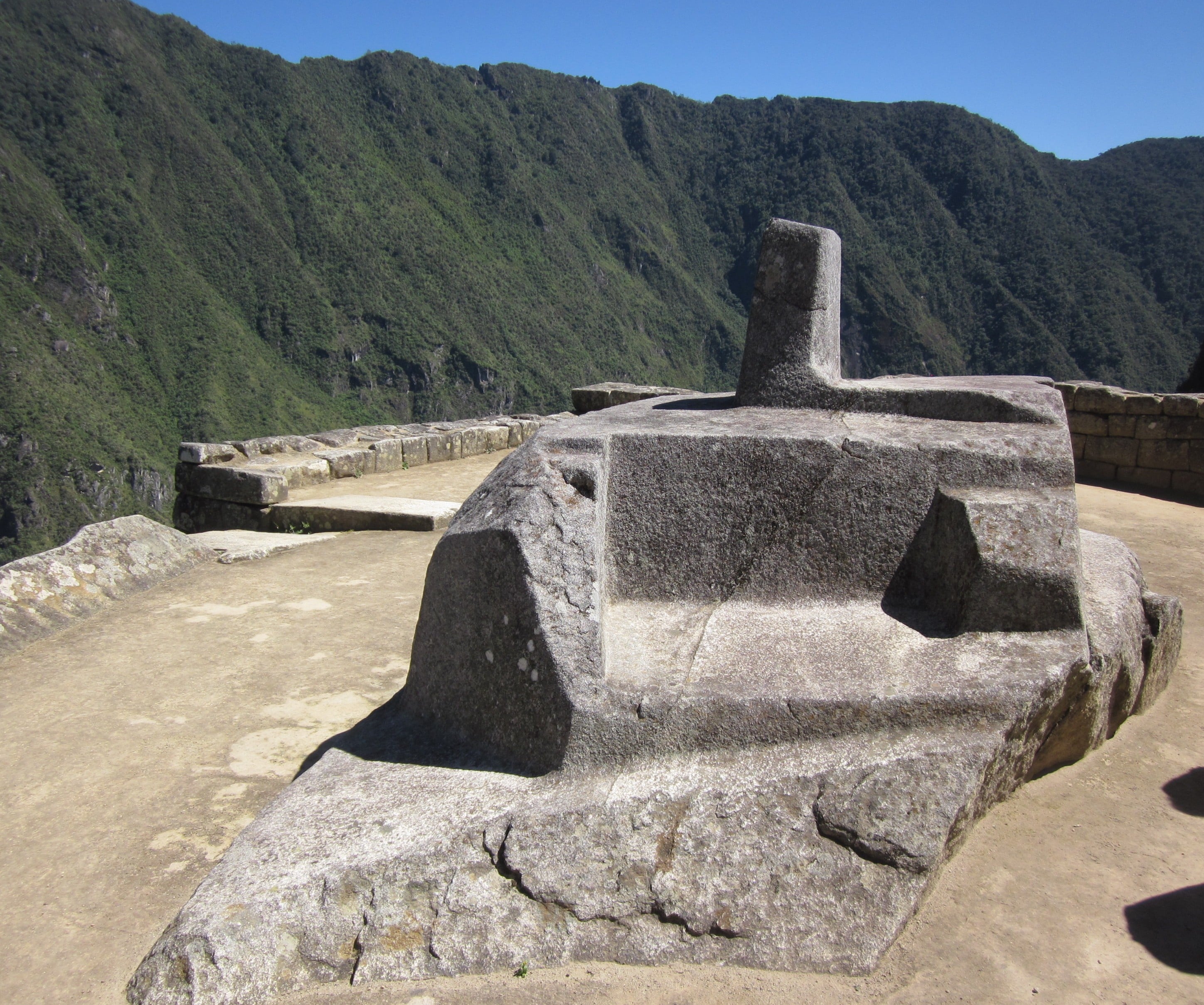
Intihuatana was the Inca Sun Dial. Unfortunately, it was destroyed by the Spanish so we couldn’t see how it worked. However, it was said that the structure was still properly positioned to see the solstice sunrise.
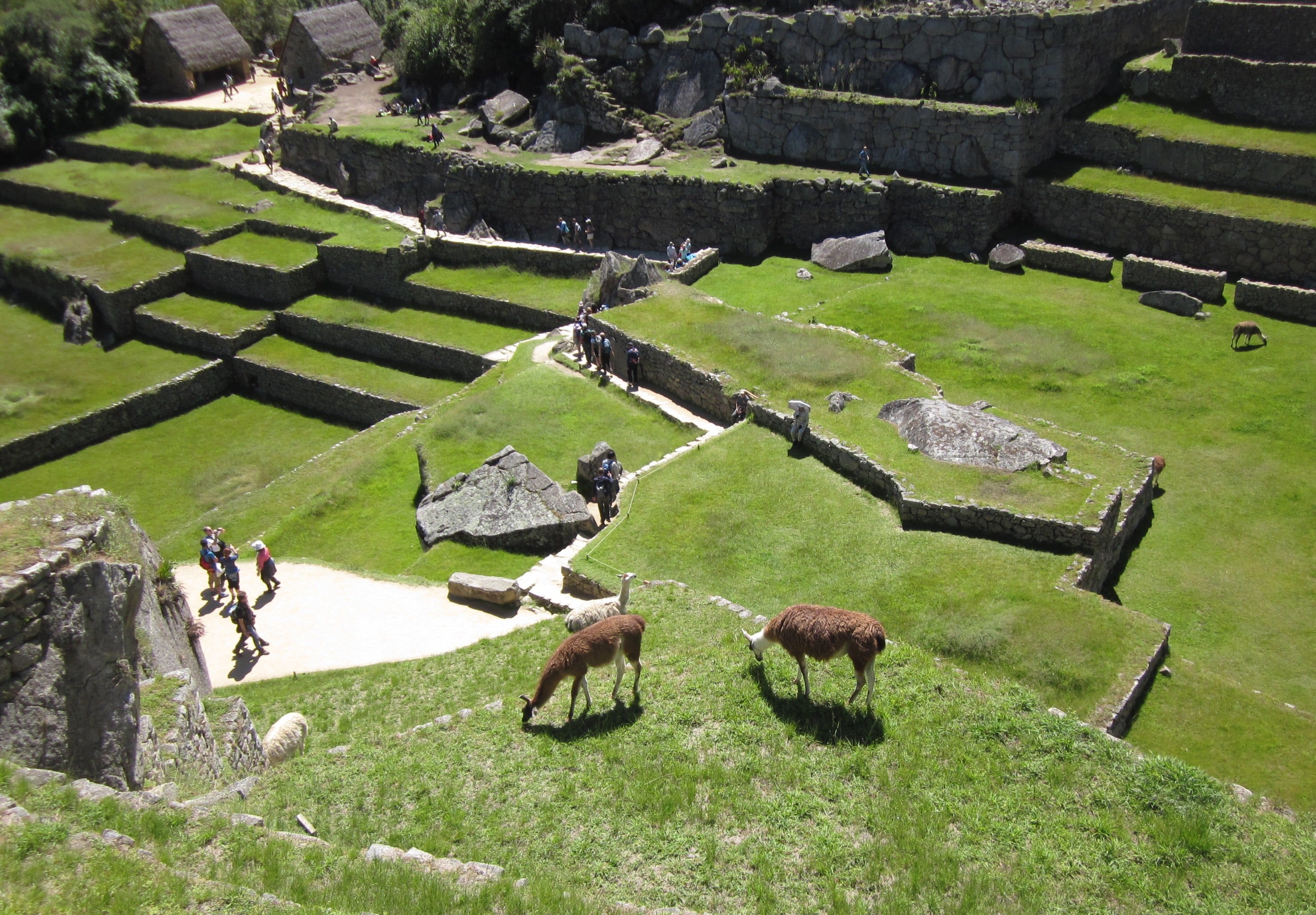
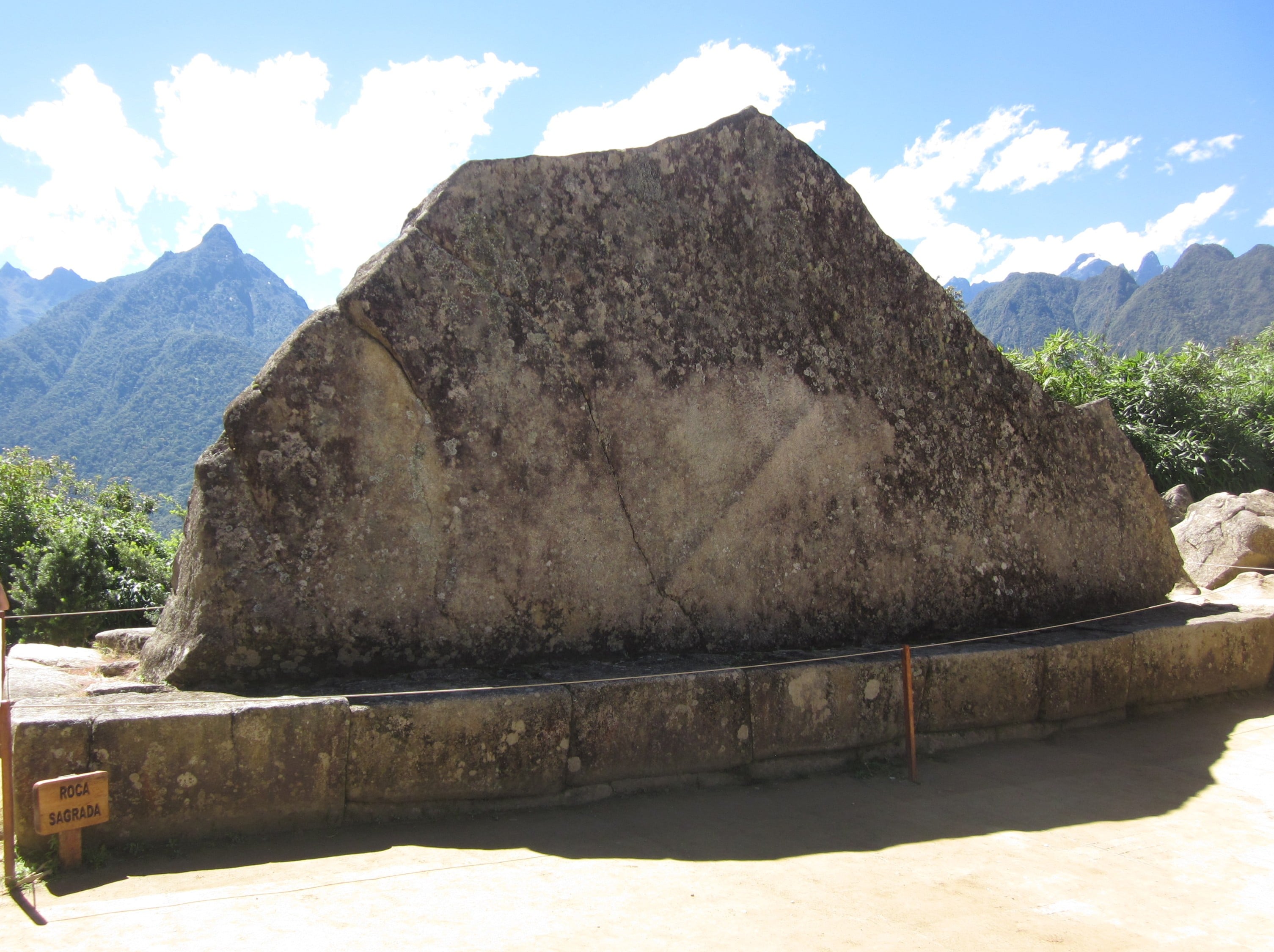
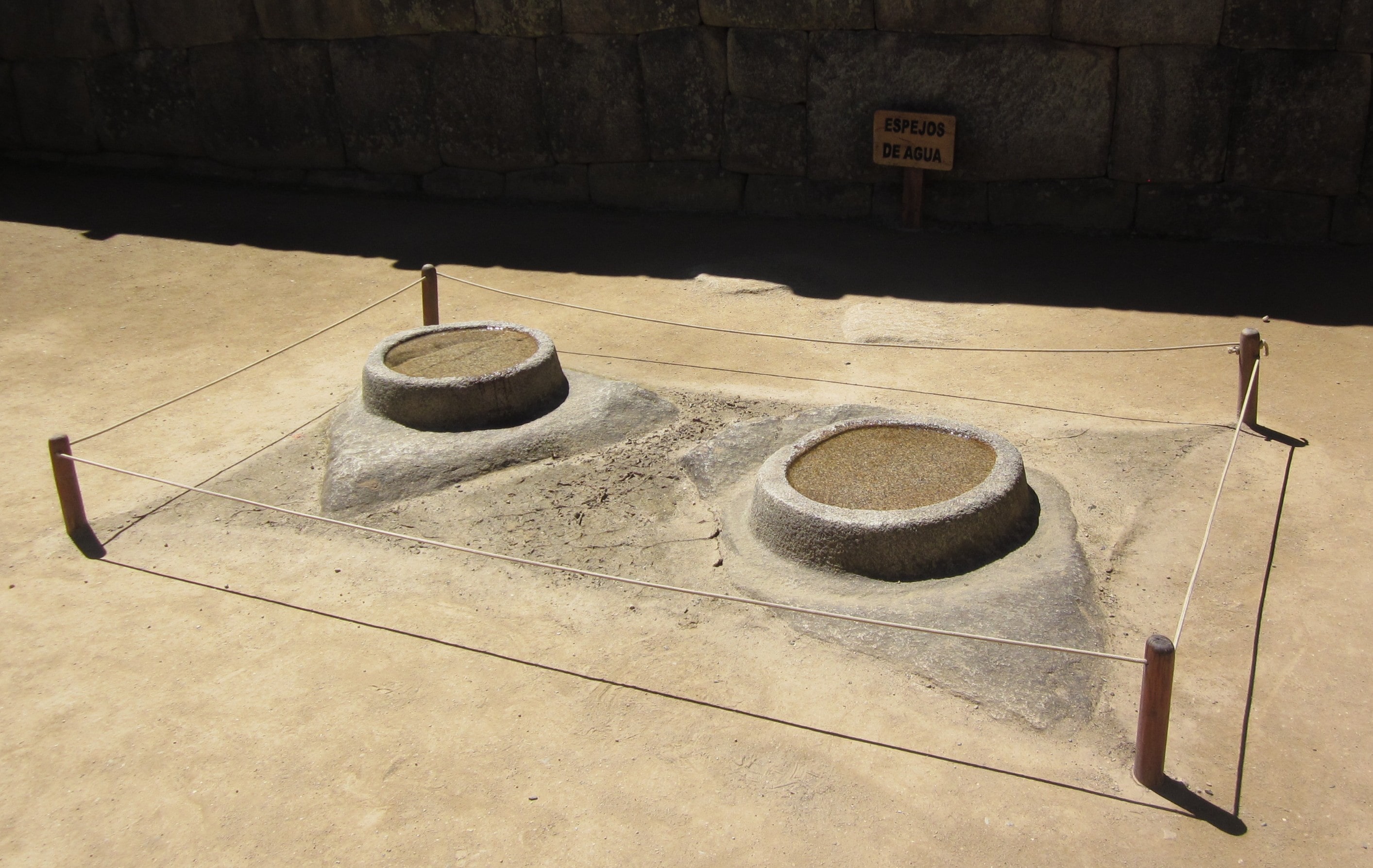
After the guided tour, we had some time to explore on our own. There were many llamas glazing peacefully on the terraces. We walked around to take more photos and visited the monolith Sacred Rock and the Water Mirrors (two circular stone basins that were also used for astronomical observations).
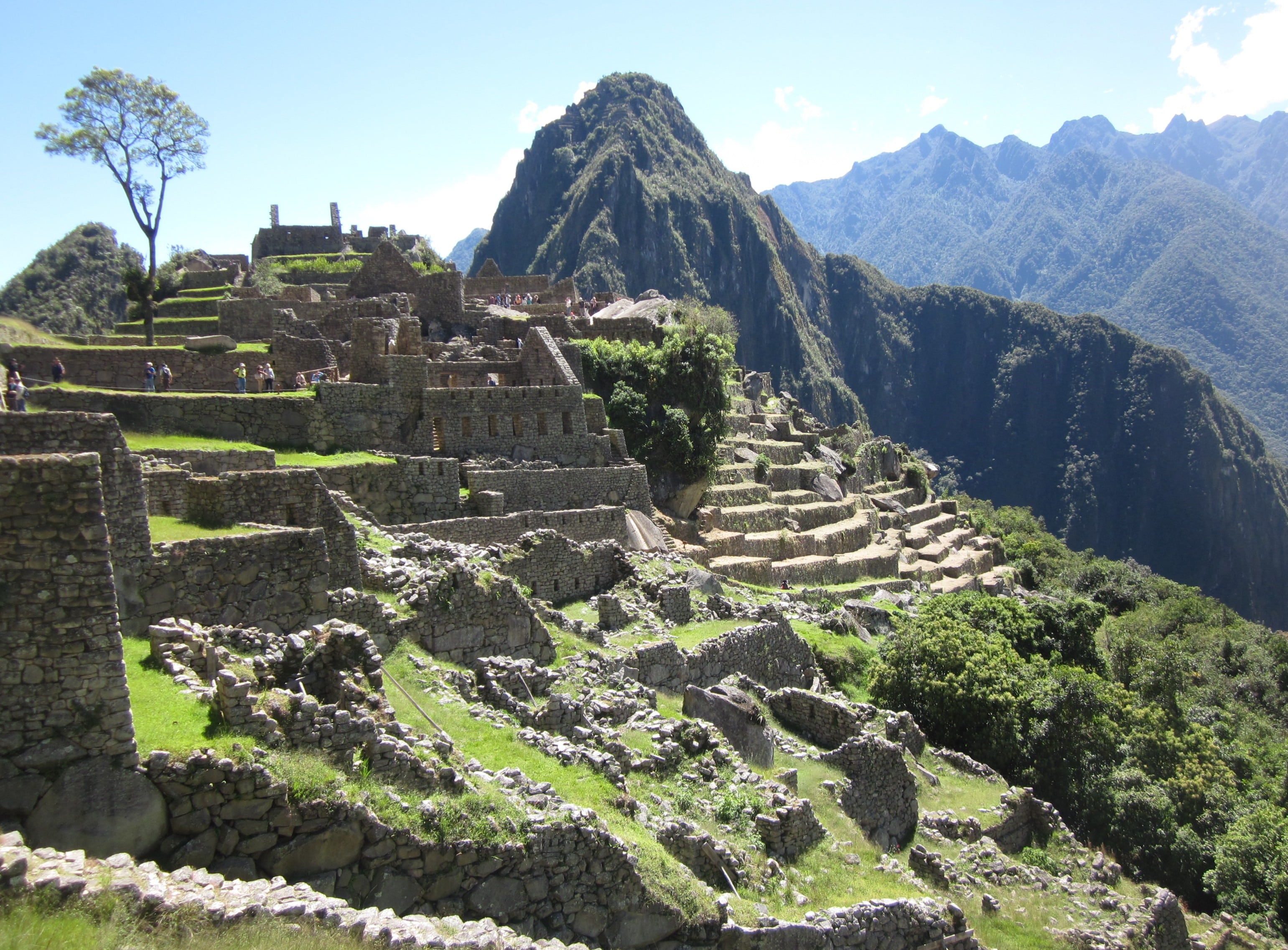
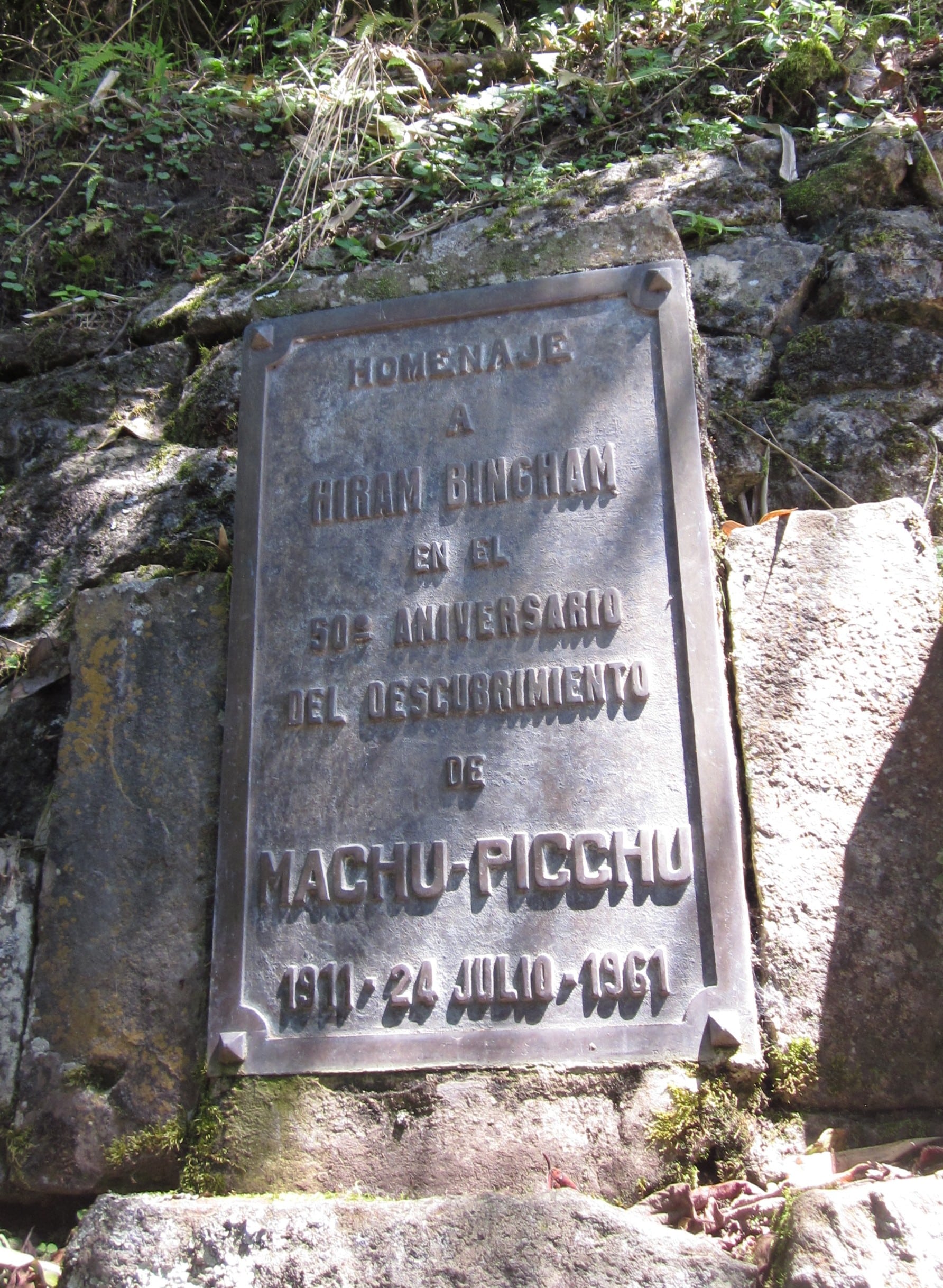
Afterwards, we went down to Aqua Caliente to have lunch. We saw some fellow hikers sporting a new “I Survived Inca Trail” T-shirt they just purchased. After lunch, we all got on a train ride to return to Cusco. After checking into the hotel, we all took a long hot-water shower.
Day 12: Cusco
We had an extra day in Cusco to explore on our own. In the early morning, Rei and I went to attend the morning mass in the Cathedral. We were not religious, but that’s the only way that we could check out the interior of the Cathedral.
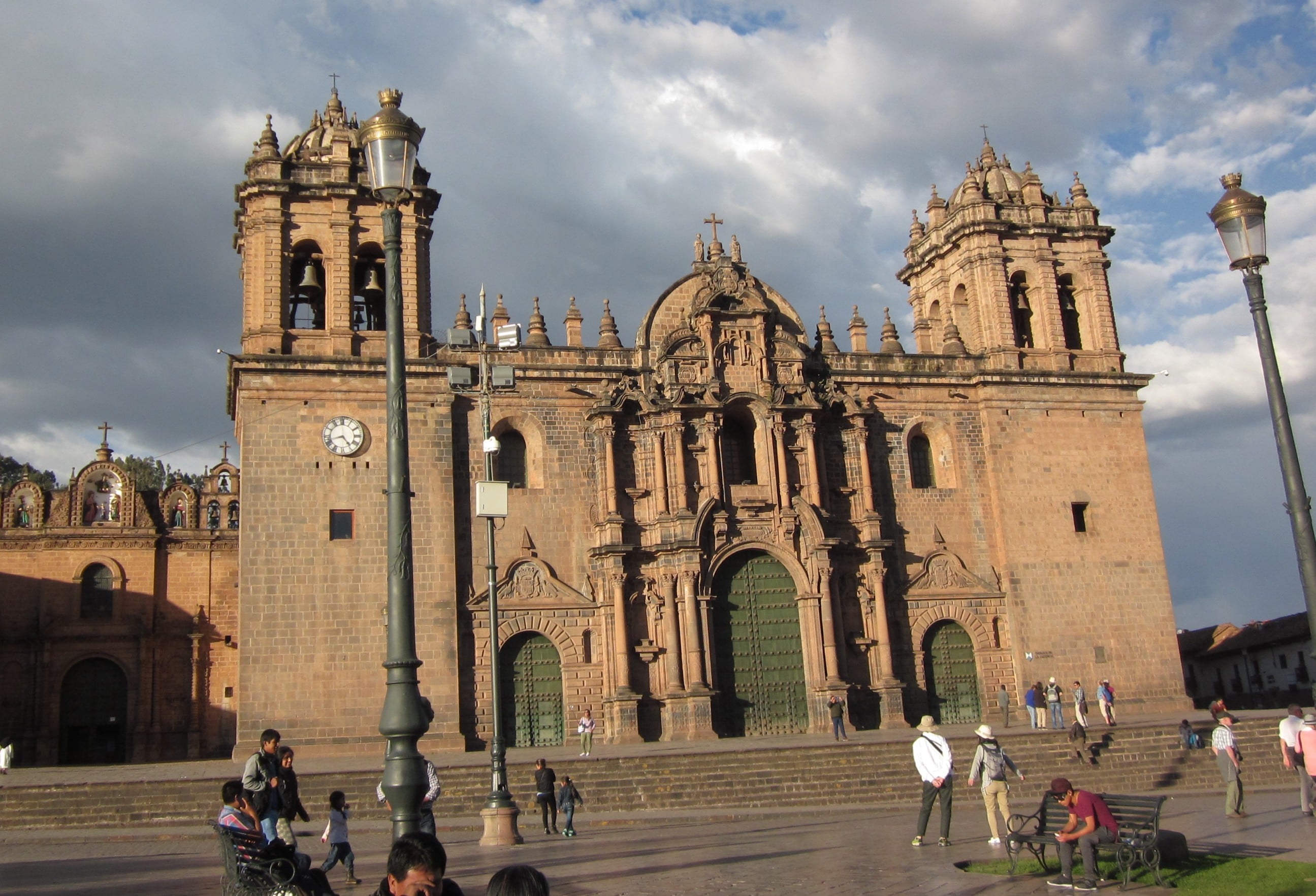
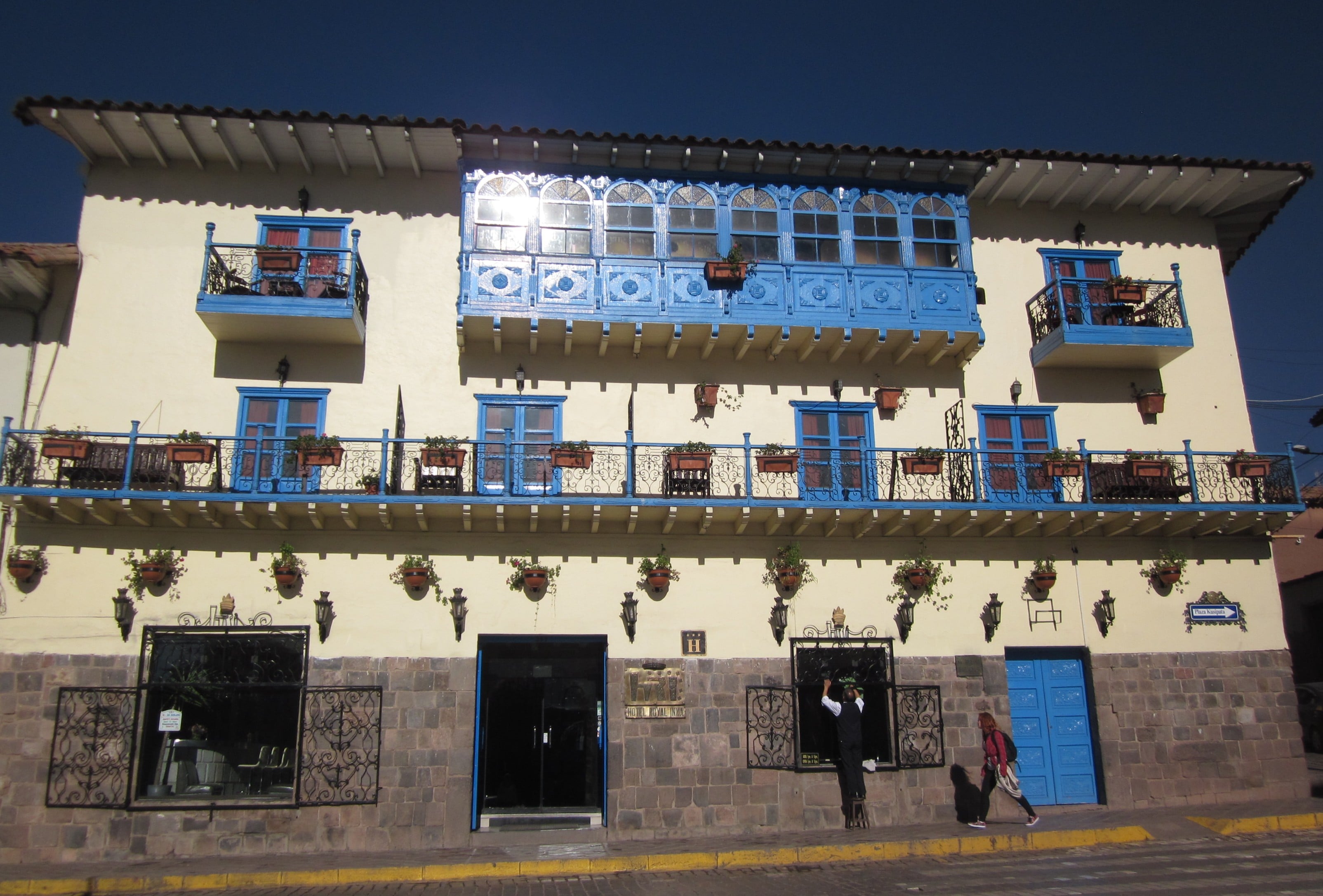
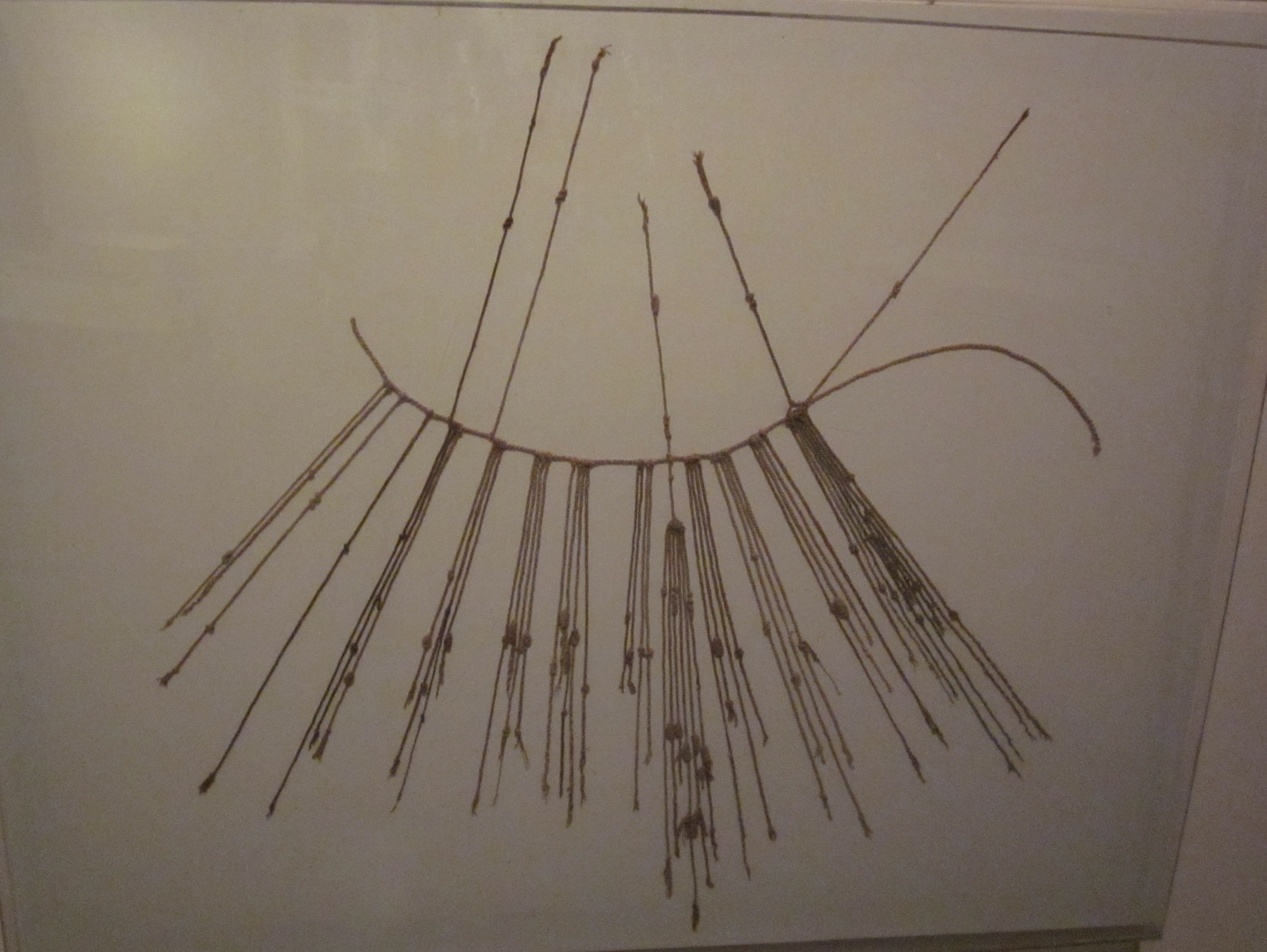
We strolled around the plaza and saw many beautiful buildings. Then we visited the Museum of Contemporary Arts, where there were many beautiful displays, including a magnificent modern art quipu.
After breakfast, we took a taxi ride with Cousin and Friend to visit Sacsayhuaman, a citadel on the outskirts of Cusco. The place only accepted Peru currency for the entrance tickets. We pooled our local currency together, and we just had barely enough to pay for 4 entrance tickets!
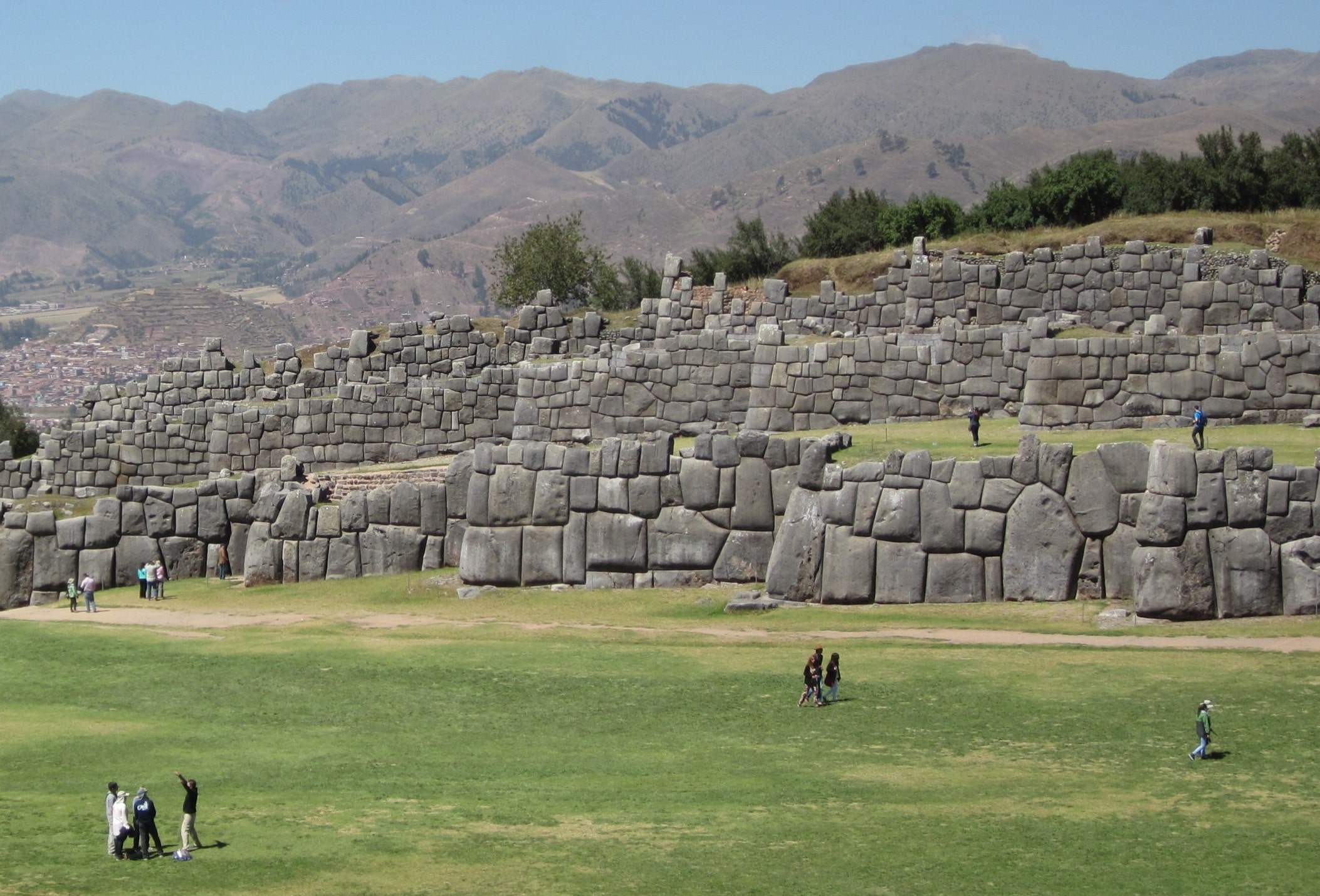
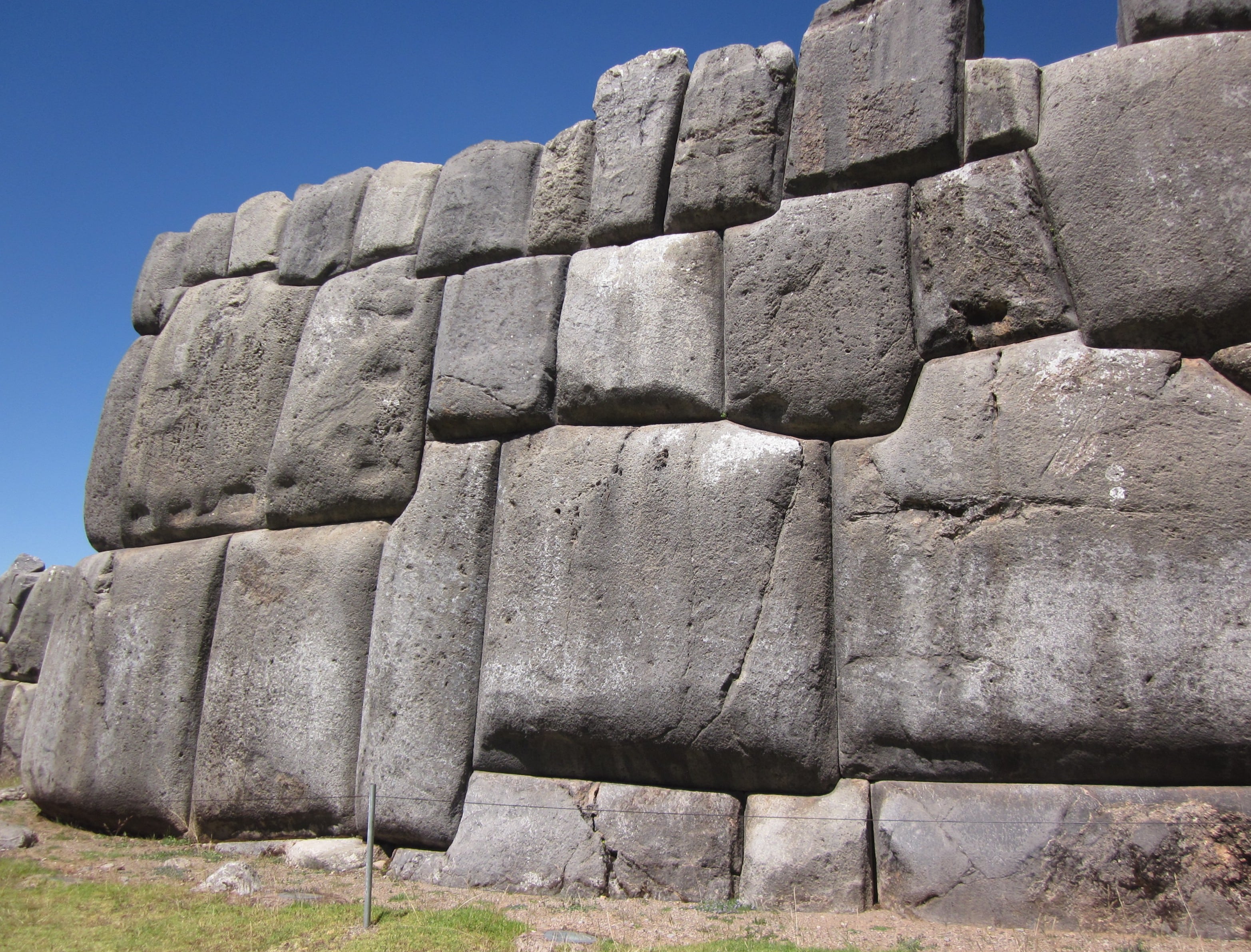
Sacsayhuaman was a vast and strong fortress built with giant rocks, with many rocks taller than an adult. The polygonal masonry of the fortress was truly magnificent! We walked around the fortress to take many photos.
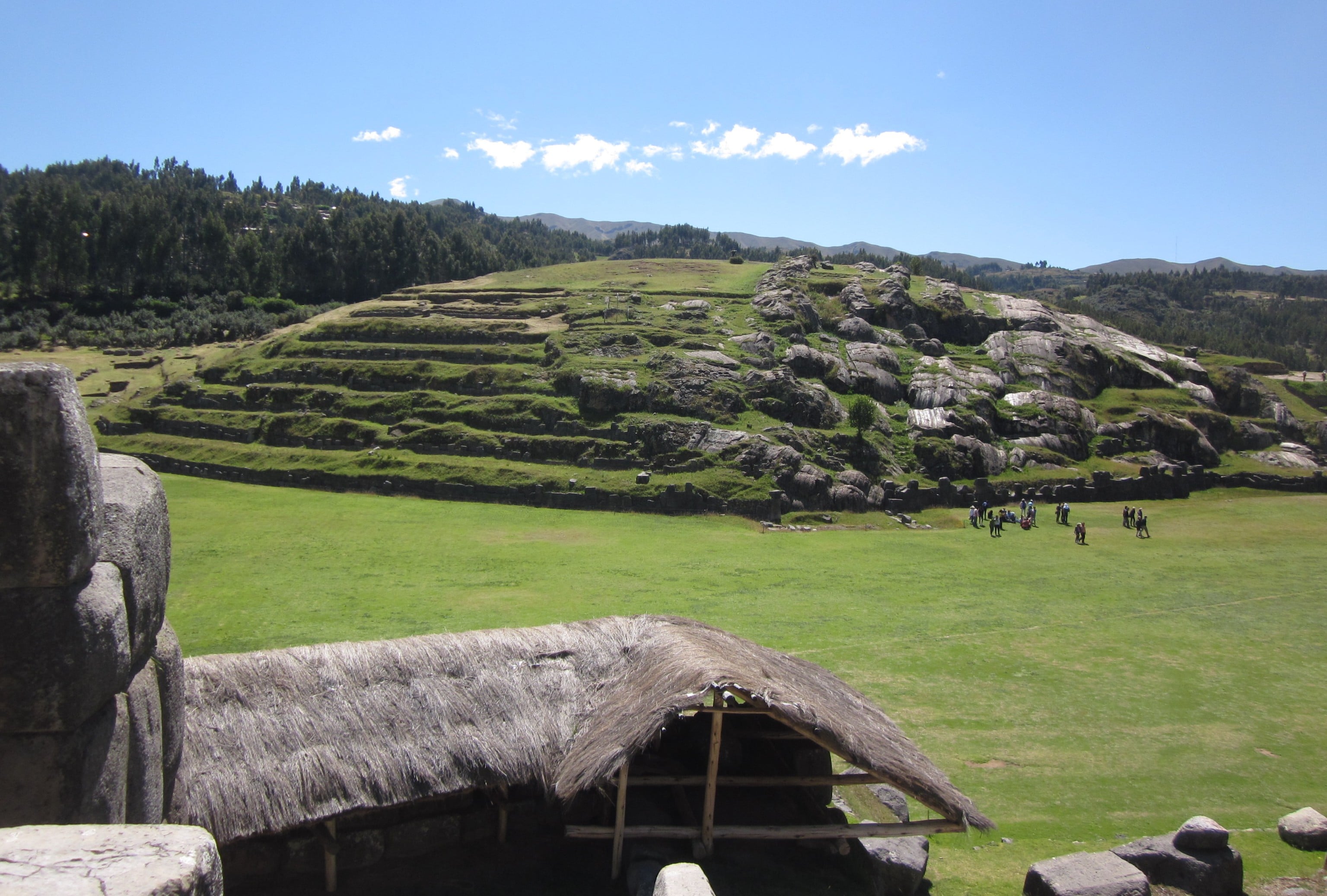
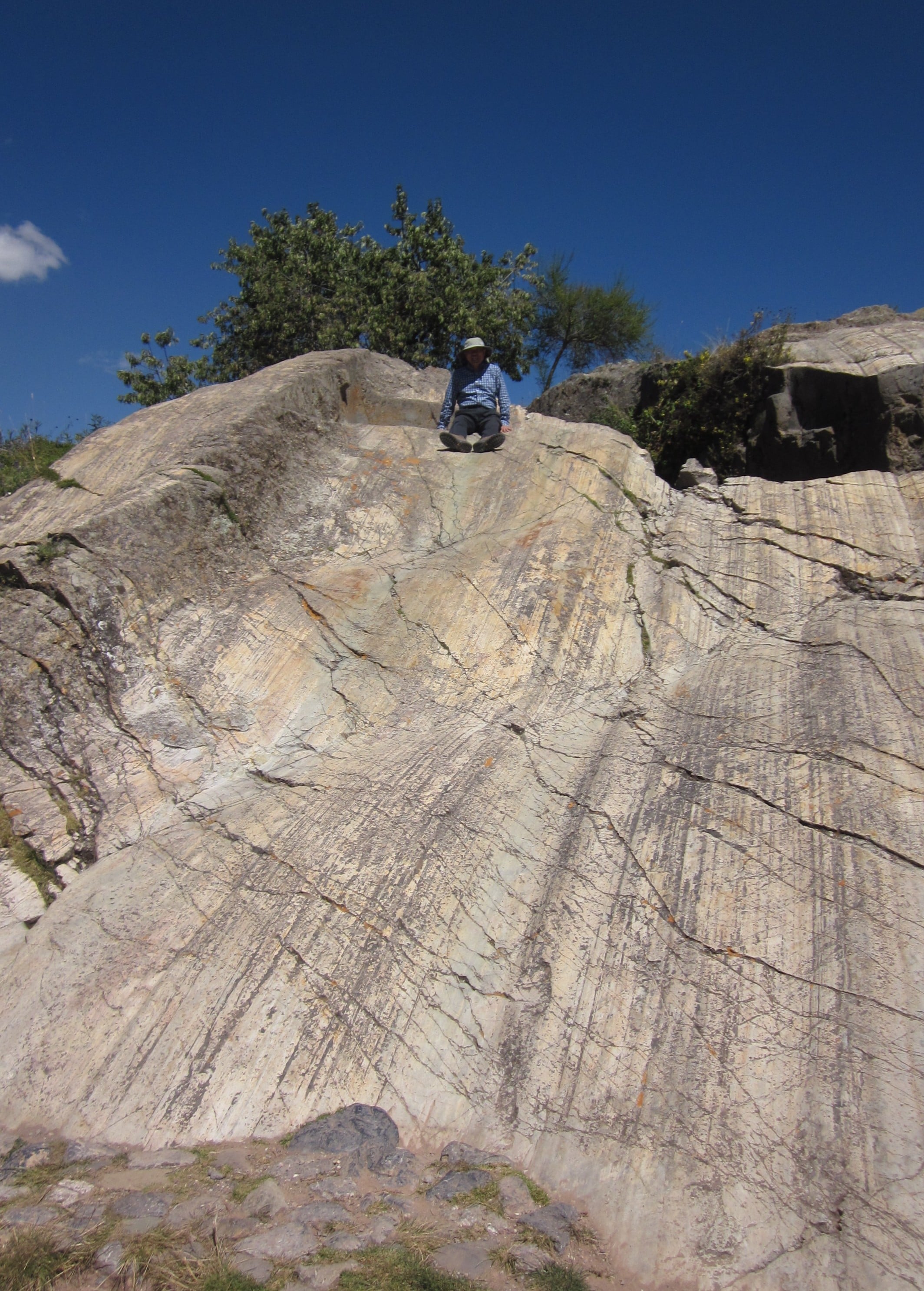
A friend who visited Sacsayhuaman previously informed me that there was a giant stone slide, so I was particularly looking for the slide. We eventually found the slide and went for several rides. The slide was tall and smooth. I had to admit that it was a bit scary, but it was also lots of fun.
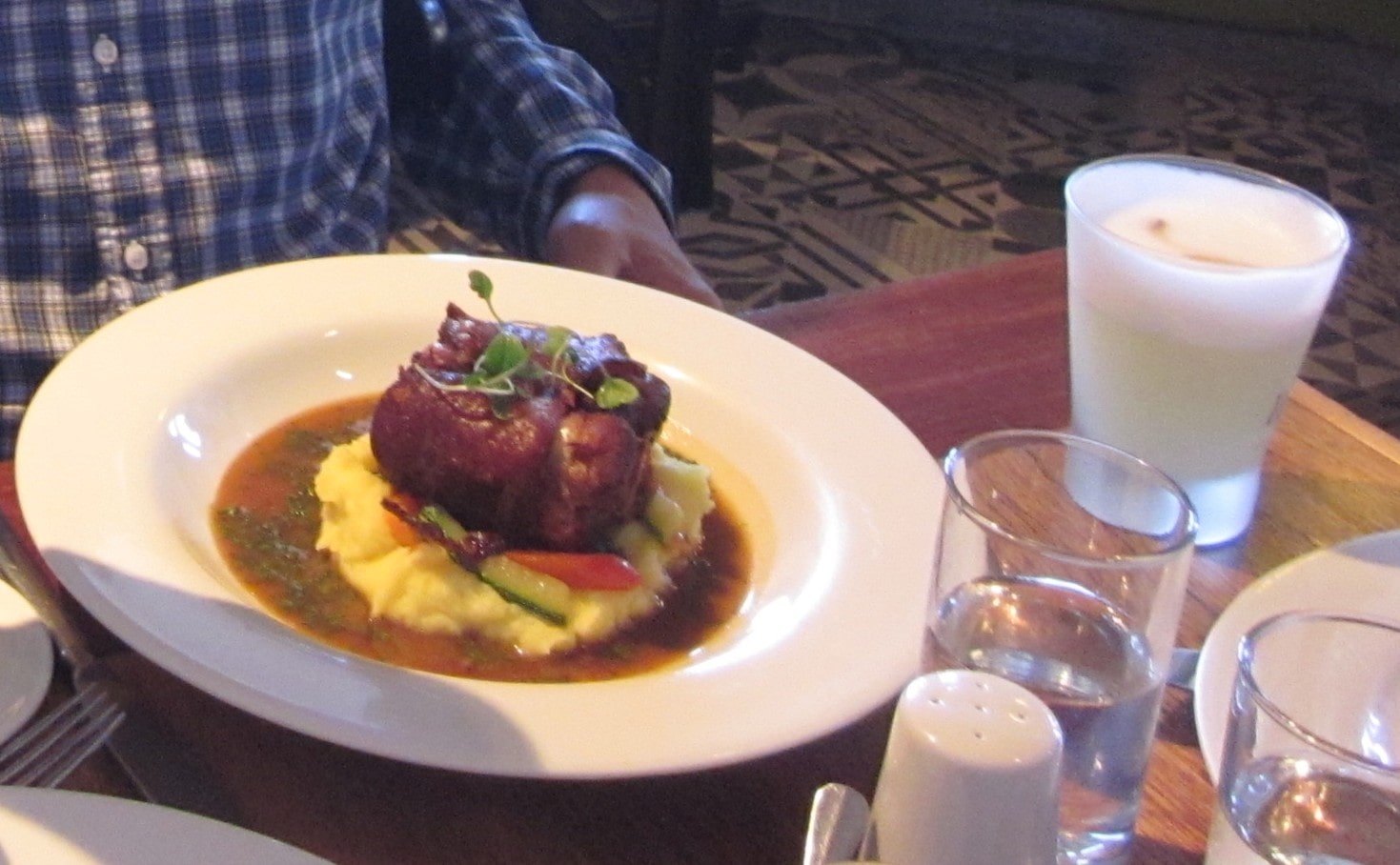
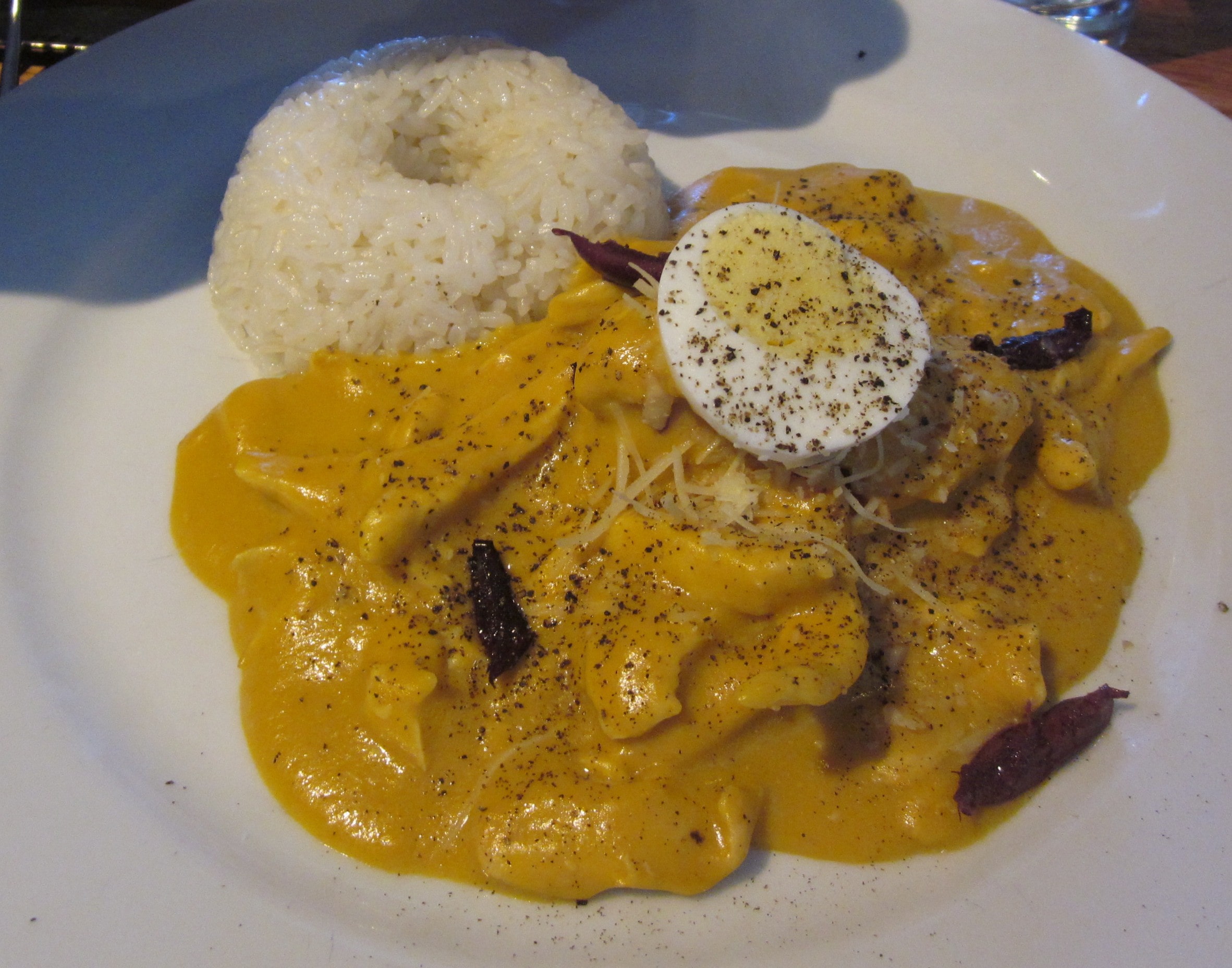
There were other Inca ruins in the area, but we didn’t have enough time to visit them. We returned to downtown Cusco to have lunch. Rei vetoed my suggestion to have a quick lunch with sandwiches; he wanted to dine at a sit-down restaurant. So, we went to Inka Grill at the plaza. Rei ordered pork shoulder and really enjoyed the dish. My chicken dish was also very delicious. Because we couldn’t have alcohol while hiking the Inca Trail, Rei decided to have a Pisco Sour to go with his lunch.
After lunch, we went to Qorikancha, a temple turned museum in Cusco. The place used to be the Temple of the Sun, the most important temple of the Inca Empire. In addition to the display of artifacts, there was an ancient Inca temple model inside the museum with detailed information.
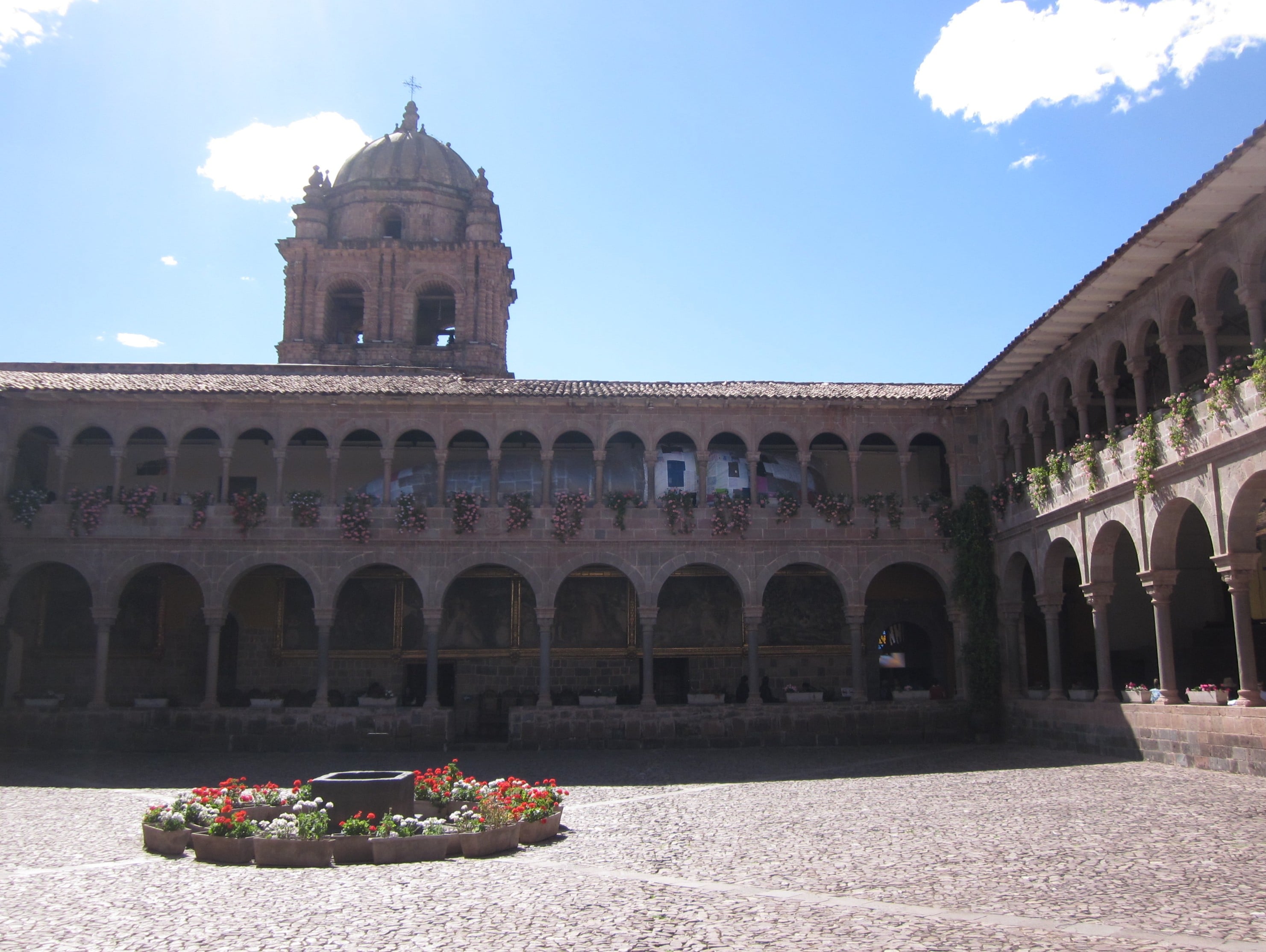
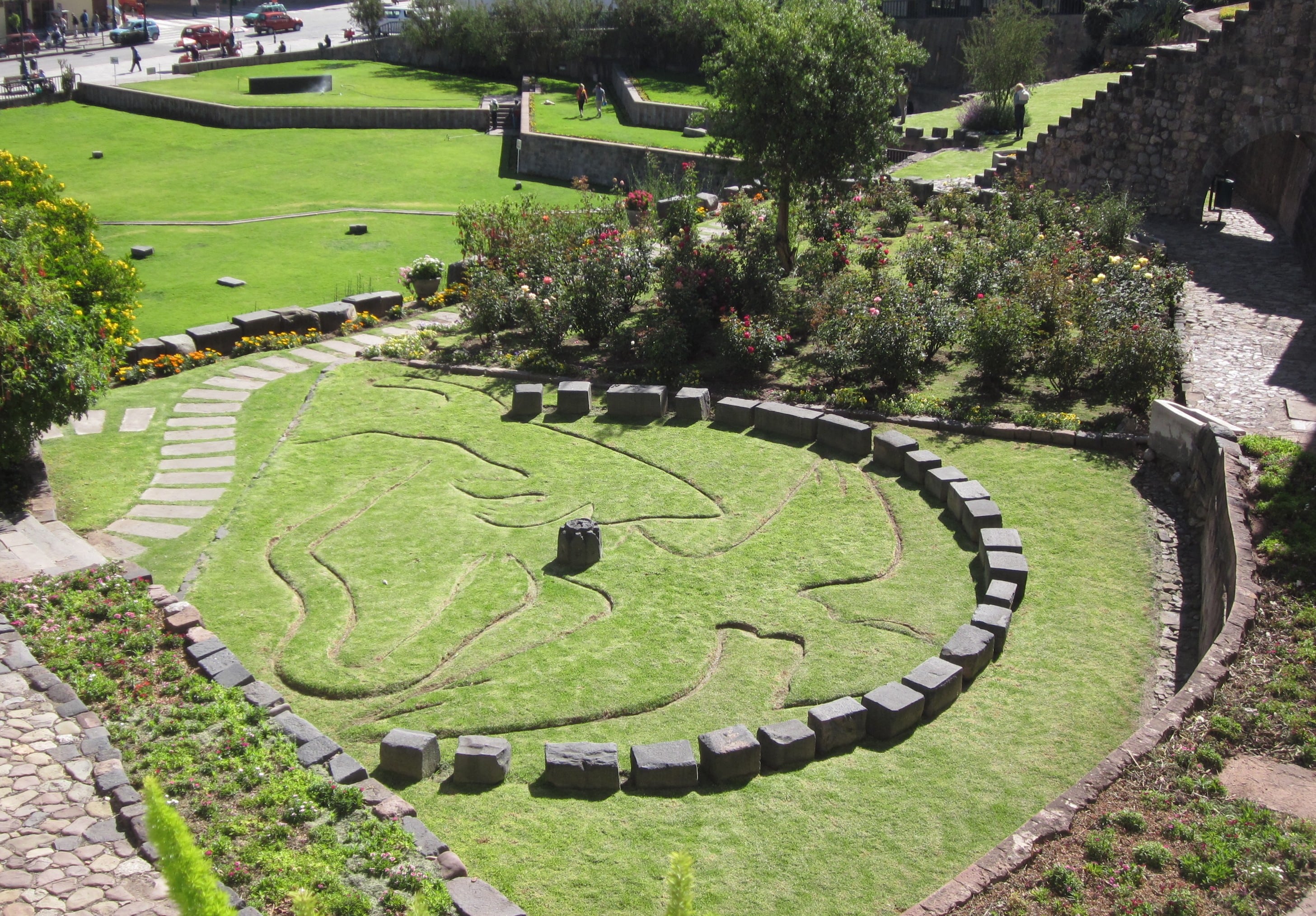
Shortly after we entered Qorikancha, Rei said he wanted to sit down on a chair to rest a while after his full lunch and drink. He immediately fell asleep and completely missed the museum visit. However, he didn’t feel sorry for missing the museum visit; to this day he still remembered how delicious the pork shoulder and Pisco Sour tasted. (You got to get your priority right!)
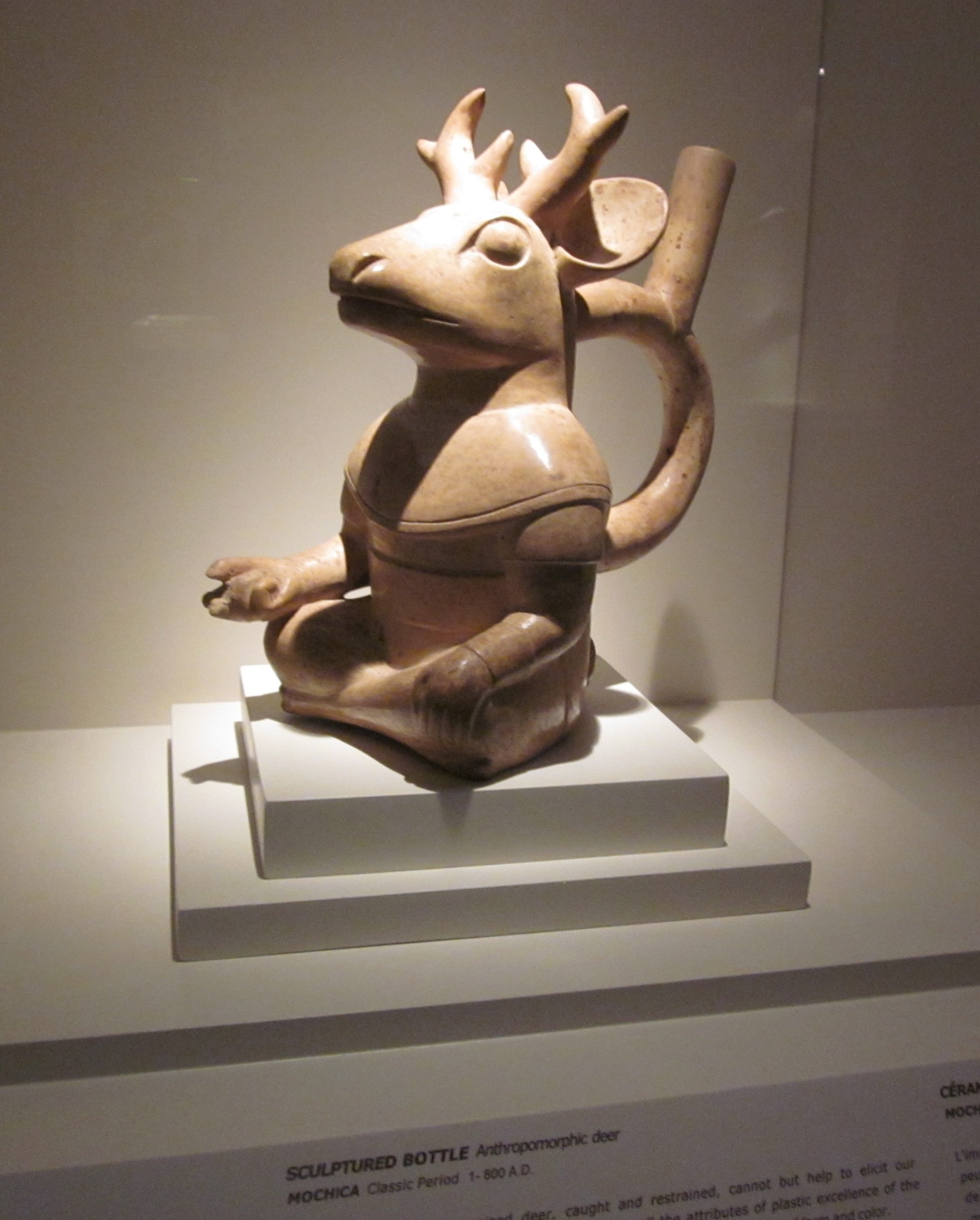
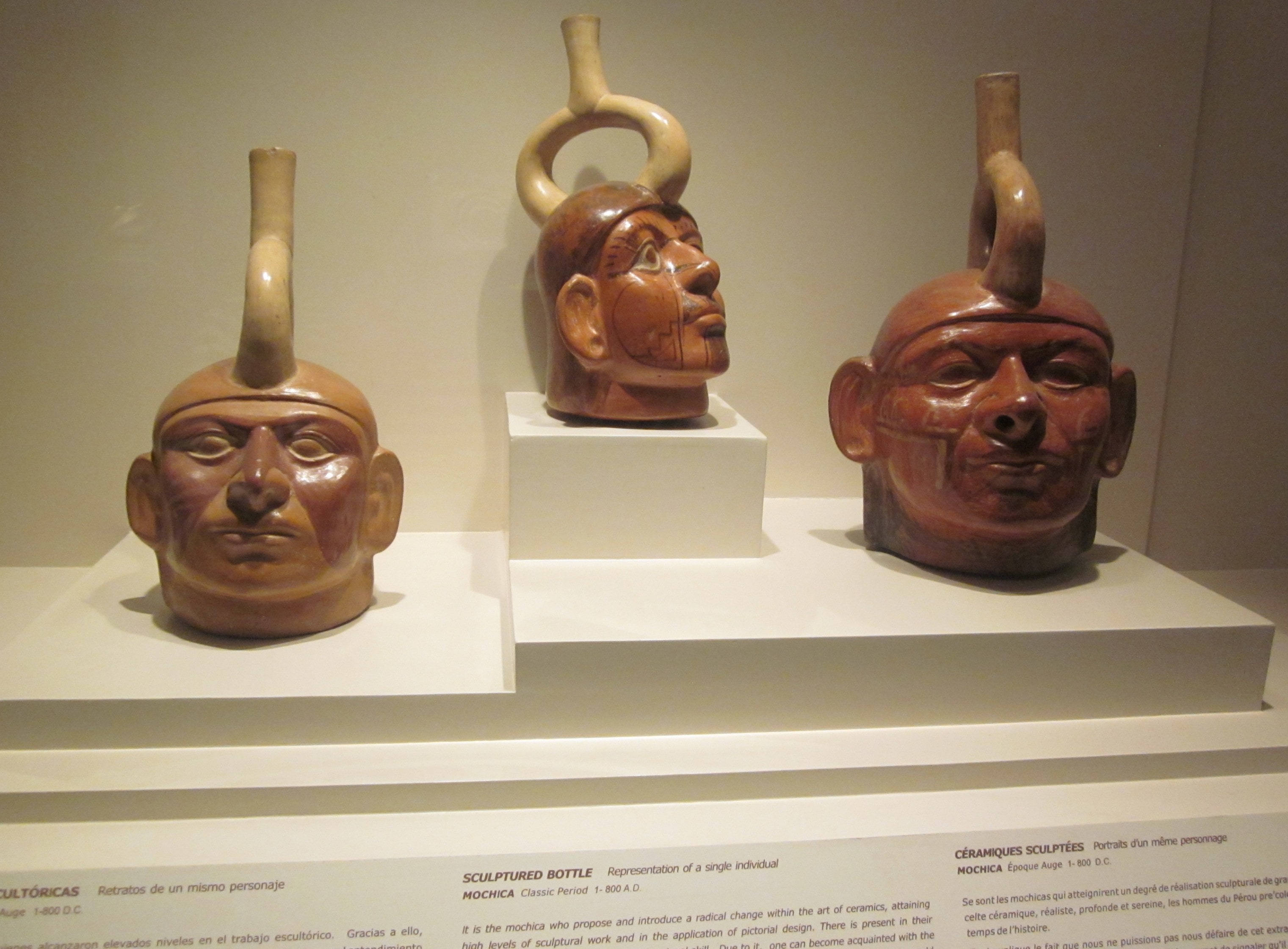
After we returned to the hotel, Rei wanted to continue his nap, so I went to MAP museum (Museo de Arte Precolombino de Cusco, or the Pre-Columbian Art Museum) by myself. In addition to the precious gold artifacts, the museum also had a rich aesthetic ceramic collection from different eras in Peru. I stayed about an hour there to marvel at the splendid artworks before returning to the hotel.
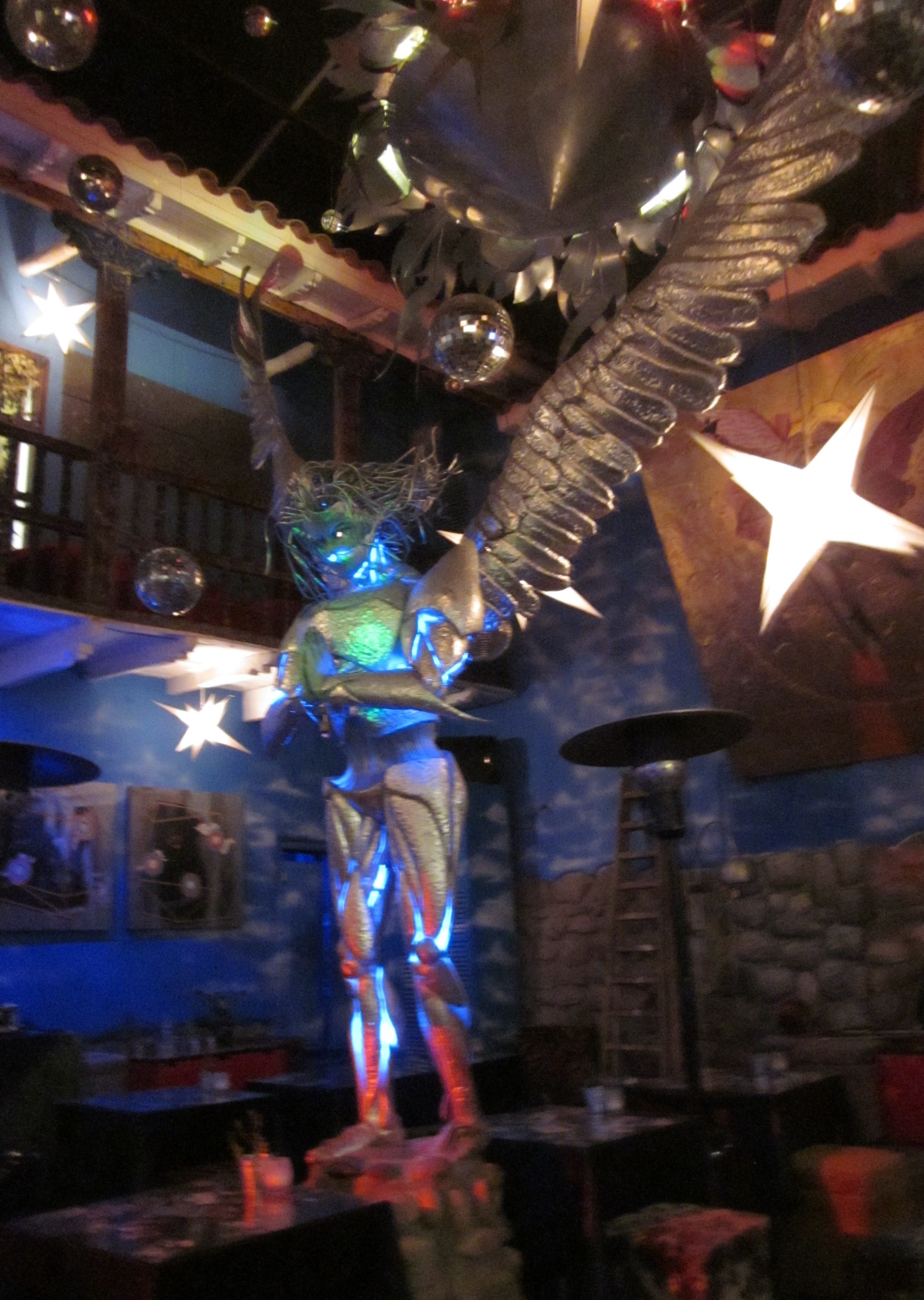
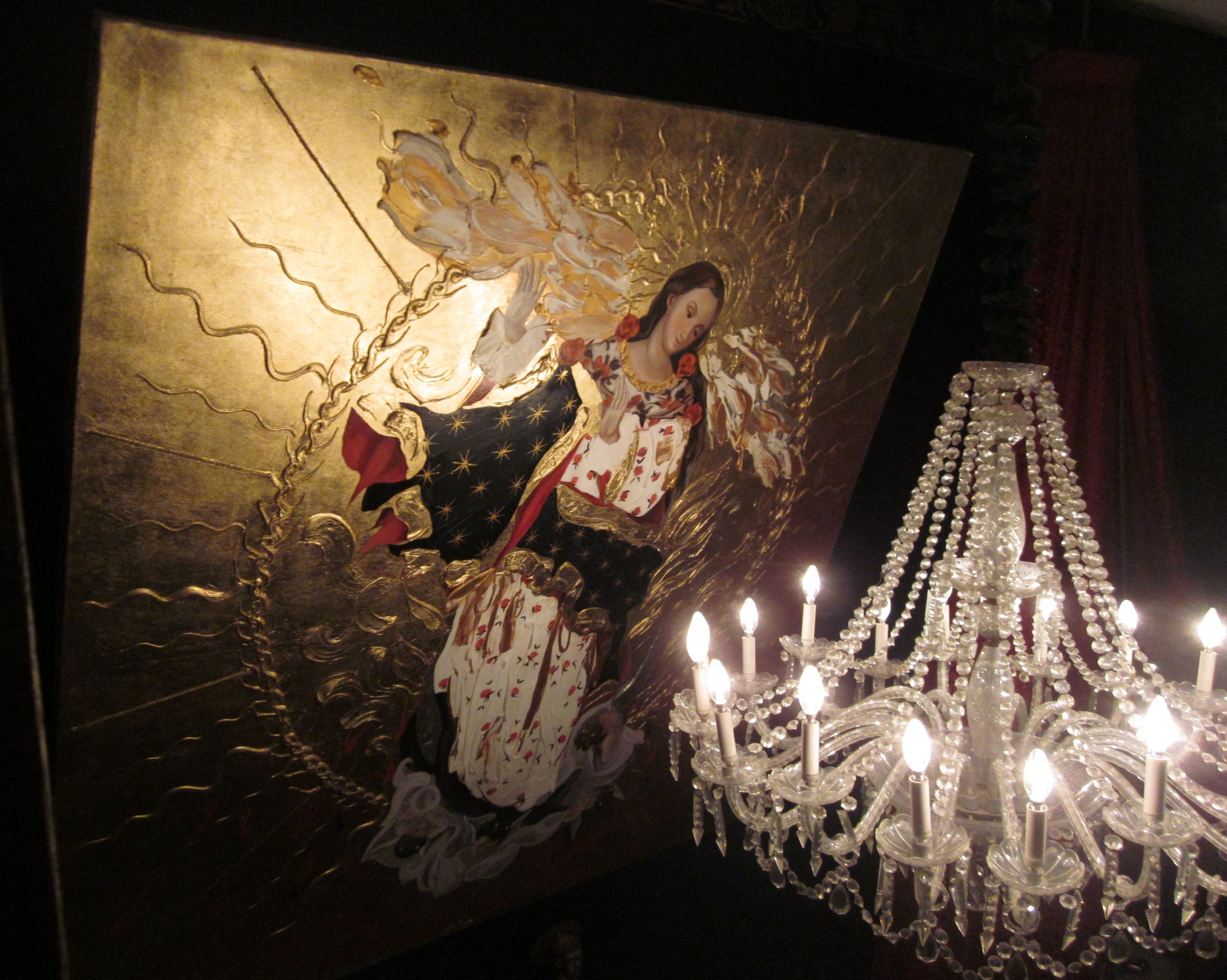
Freddy took us to have a group dinner at Fallen Angel, the weirdest restaurant I’ve ever been to. The decoration was so eccentric, with tables made from bathtubs! It was said to be a restaurant where you came to experience the atmosphere rather than the food.
This ended our Peru trip and our first multi-day trekking. We were extremely lucky that we didn’t encounter any rain during the 2 weeks in Peru. We all enjoyed this trip and especially loved the Peruvian food. Ever since the trip, we’ve tried several Peruvian restaurants outside the country, but none could hold a candle to the restaurants we dined in Peru. Hopefully we can have another trip to visit Peru.
 Amy 'n Rei