(2/21 – 3/5/2023)
Egypy is on almost everybody’s bucket list. Nile river cruise is super popular. Since the river cruises are all small, they were sold out quickly. We booked this Viking Nile River cruise in early 2021, and had to pay in full one year ahead!
We had several relatives and friends traveling with us. We all “splurged” on balcony cabins, because the cheapest cabins only had small windows, and half of the cabins were under the water, which wouldn’t be comfortable.
Day 1: Arriving in Cairo, Egypt
We flew from the Bay Area in the early afternoon, and had a short transfer stop in Frankfurt before the second flight to Egypt. This was post-pandemic, and many people were traveling, so both flights were pretty full.
We arrived in Cairo at night. Since we all obtained Egypt e-visa beforehand, we didn’t need to wait in the visa line. I had to mention that there was a lady in the bathrooms asking for tip. This was very unusual in an international airport. We gave her USD $1 each because we didn’t have any local currencies. Later we realized that we seriously overpaid. USD $1 would cover 6 people! (The conversion rate was about USD $1 to 30 LE at the time.)
Since we also booked the flights from Viking, Viking representatives picked us up from the Cairo International Airport and drove us to the Fairmount Nile City Hotel. There was a security check and X-ray scan at the hotel entrance.
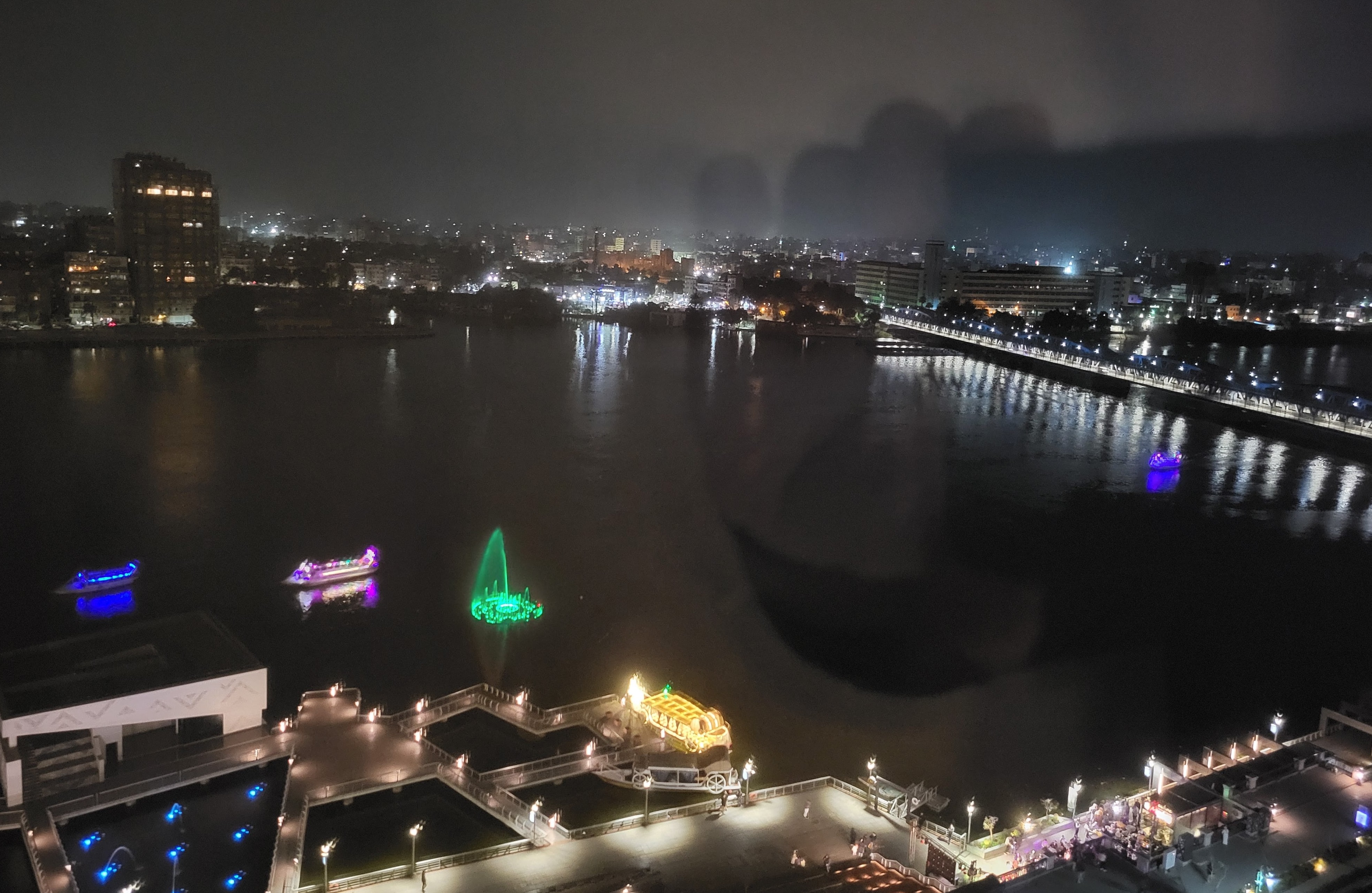
Our hotel room was on the 10th floor, and we got really great view of the Nile river from our room. There was even a lighted water fountain that changed colors. It’s mesmerizing. I could hardly believe that I was looking at the Nile!
We weren’t too tired, so Rei decided that we could go out to take a stroll along the Nile in front of the hotel. However, it was impossible to cross the street. There was too much traffic, and there weren’t pedestrian crossings nor traffic lights! So we gave up and went through the security check again to return to our hotel room. There was nothing else to do, so we simply took a shower and went to sleep.
Day 2: Cairo
The hotel’s breakfast buffet was excellent! There were so many selections, and the food tasted really good. However, we skipped salad and fruit (except for oranges) to avoid any possible stomach issues.
There was an orientation in the hotel’s large meeting room at 8am. We could see that almost all the passengers were seniors. Rei and I were on the younger side. All our three guides studied under the renowned Egyptologist, Dr. Zahi Hawass, and had in-depth knowledge of ancient Egypt. The guides gave us an overview of this trip and took questions. They also gave us some practical tips like carrying your own toilet paper 🙂
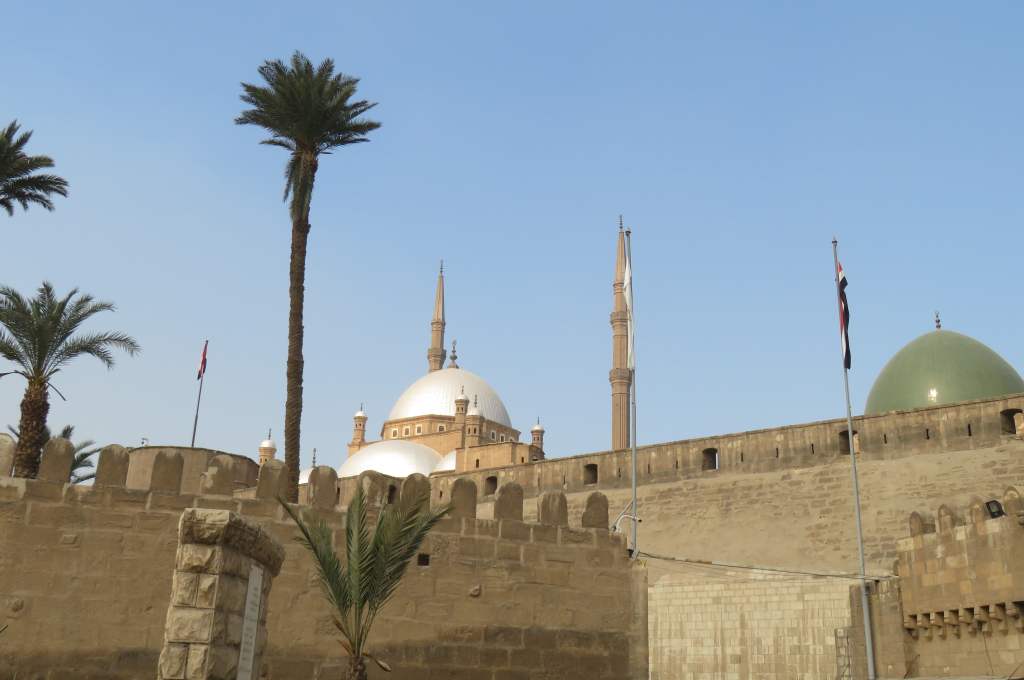
This morning we joined the included excursion to the Citadel and the Egyptian Museum. There were 3 buses, and our group was in the last bus, Bus C, and our guide was a nice gentleman named Yasser. On the way to the Citadel, we could see the confusing Cairo traffic. There were hardly any traffic lights. Cars passed each other with minimal margins in between, but somehow everything went well, and we didn’t see any accidents.
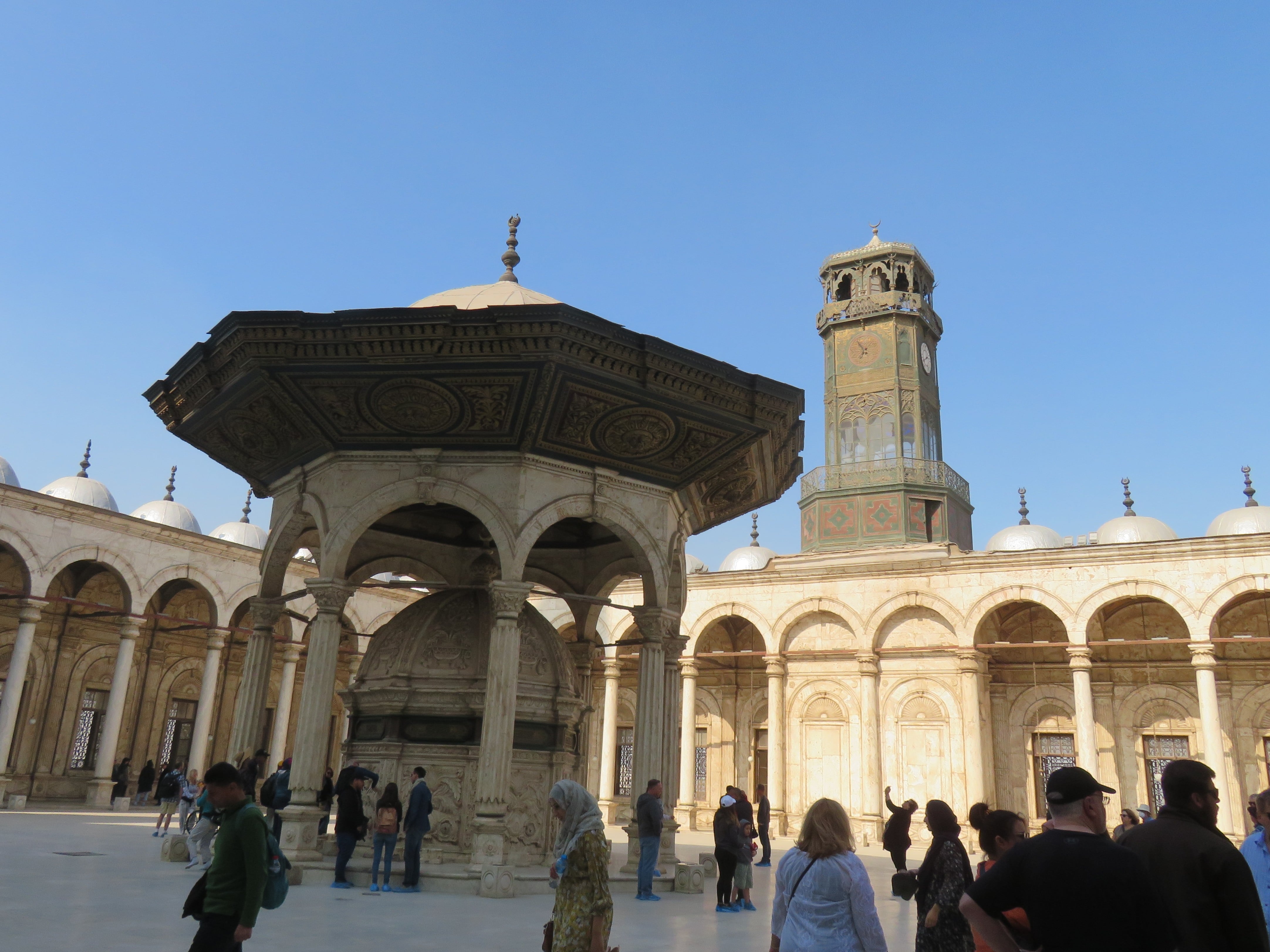
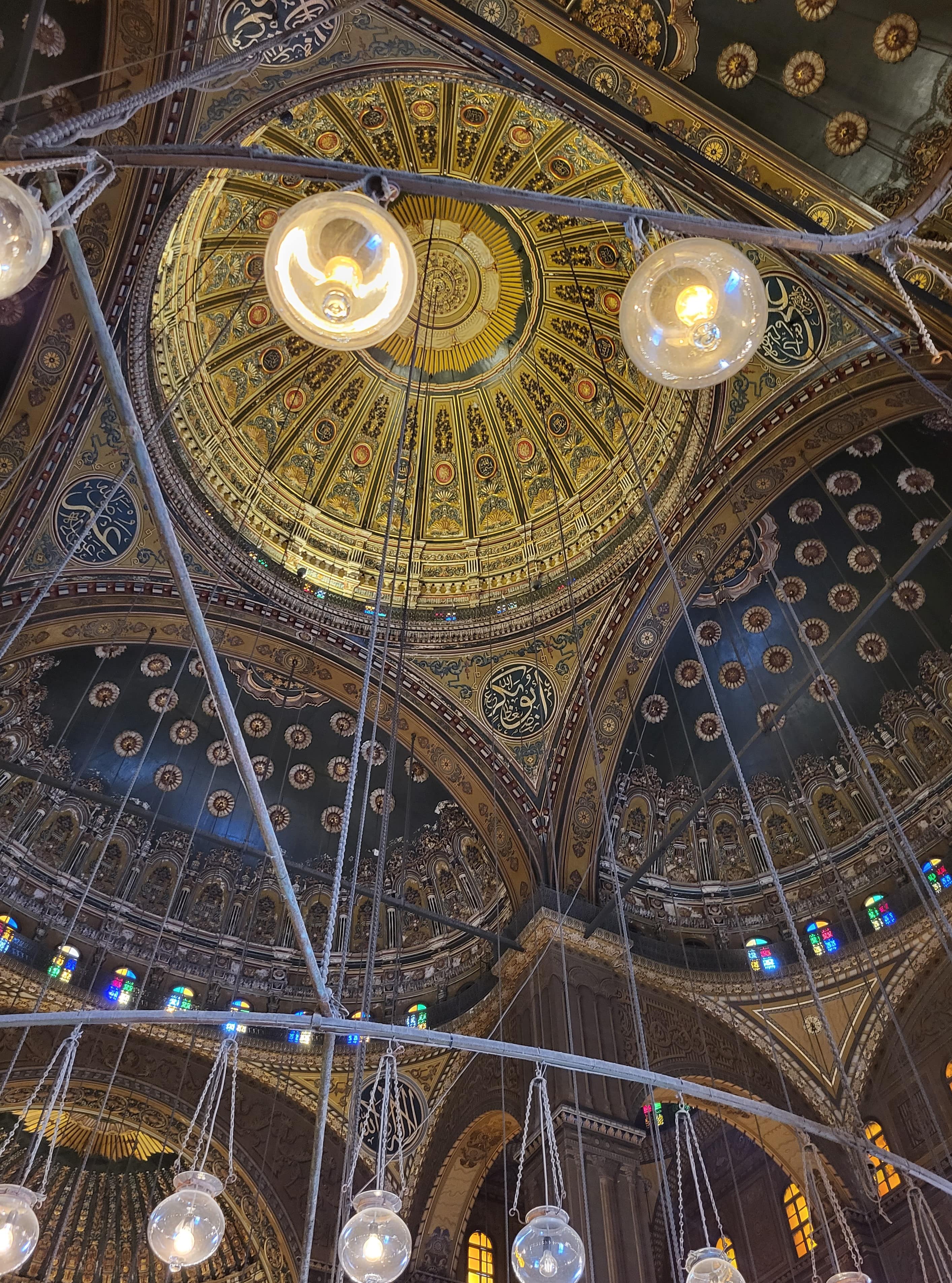
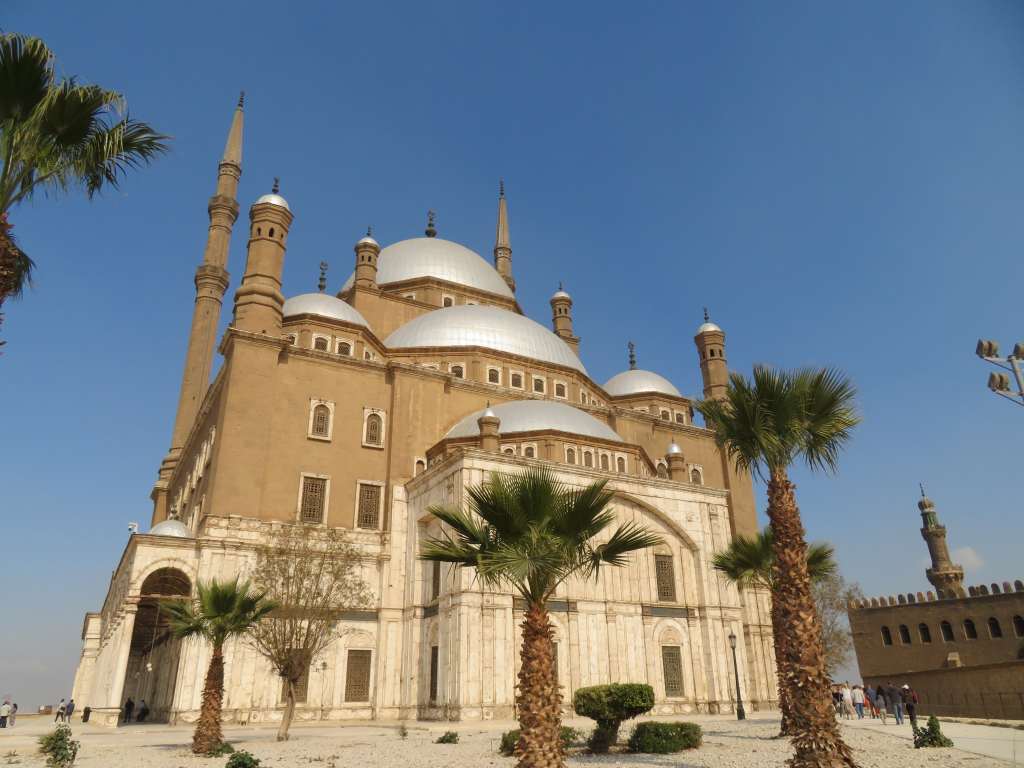
At the Citadel, we mainly saw the Mosque of Muhammad Ali (also called the Alabaster Mosque) and little else. However, there was a marvelous Cairo city view from the Citadel site. Later we heard some people saying that they could see the pyramids, though we didn’t see them.
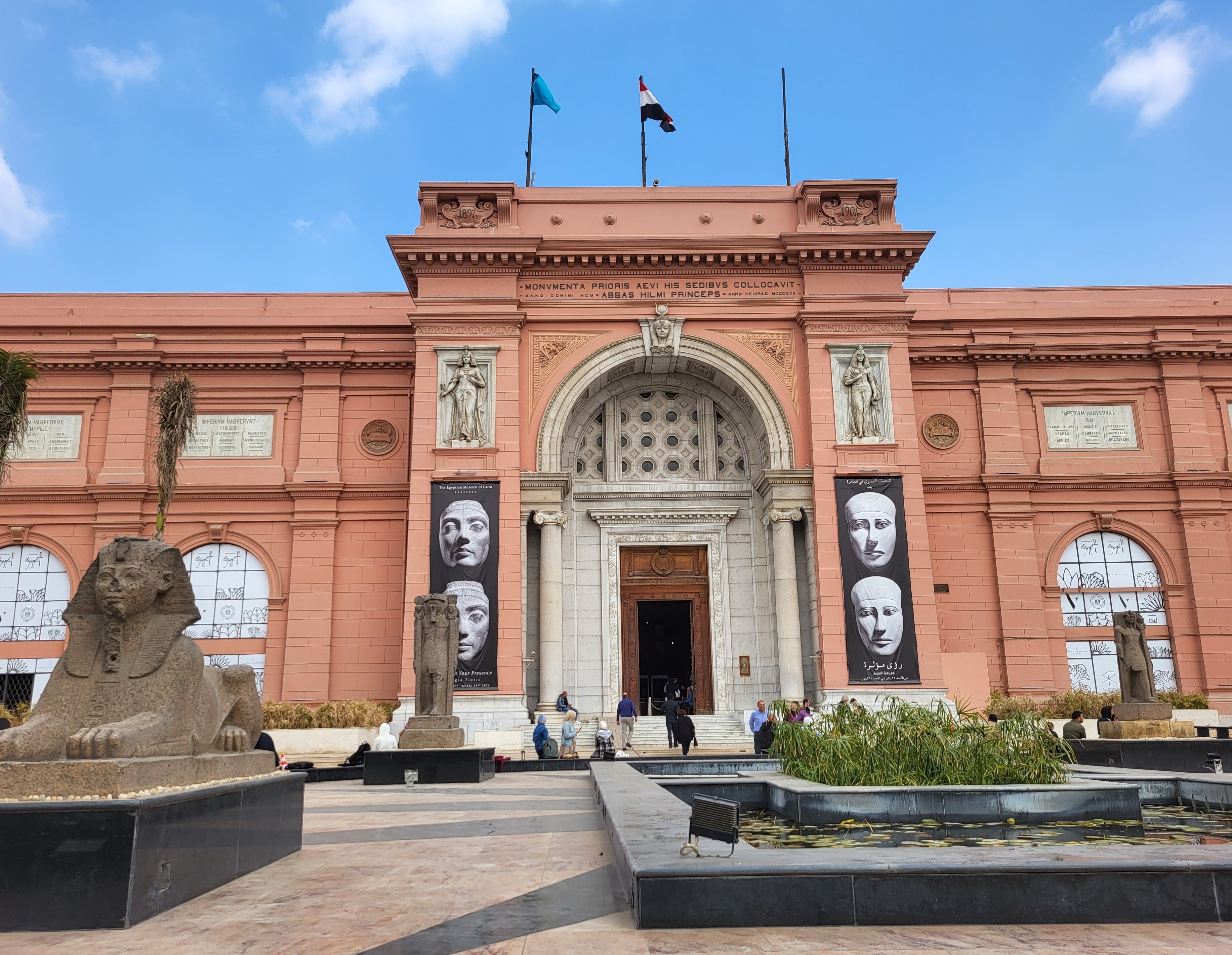
The Egyptian Museum was a salmon colored building around the Tahrir Square (where the Arab Spring movement started). Since the new Grand Egyptian Museum (GEM) has not opened to the public yet, this one remained the most important museum in Cairo.
The museum has a spectacular collection of more than 100,000 pieces of masterworks. There’s a special exhibition of mummies of Yuya and Thuya (husband and wife) and the accompany funeral offerings. I also saw many famous artifacts that I saw in books or online.
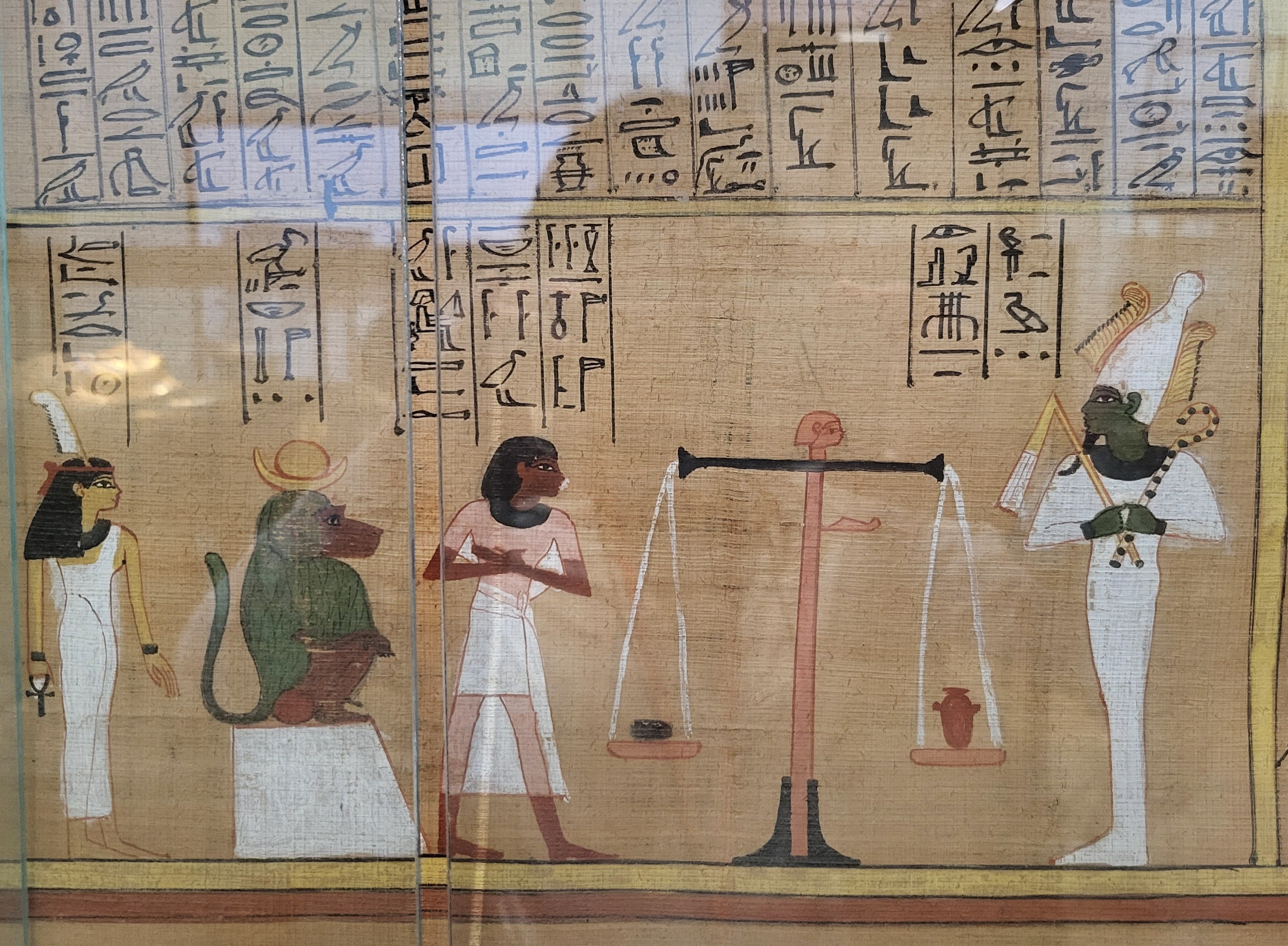
There was a long line to enter a special exhibition of King Tut’s golden funeral mask and coffins. No photos were allowed inside because that would have lengthened the waiting time and added confusions. However, there were still other artifacts outside the special area that allow photographing such as King Tut’s chair and his golden chest. They all looked very impressive!
Our guide Yasser claimed that the most important artifact in the museum was a statue of the Old Kingdom Pharaoh Khafre called “Khafre Enthroned.” The medium of the statue was anorthosite gneiss, an extremely hard stone. We still didn’t have any idea how people in the Old Kingdom (around 2500BC) managed to carve a statue out of such hard stone.
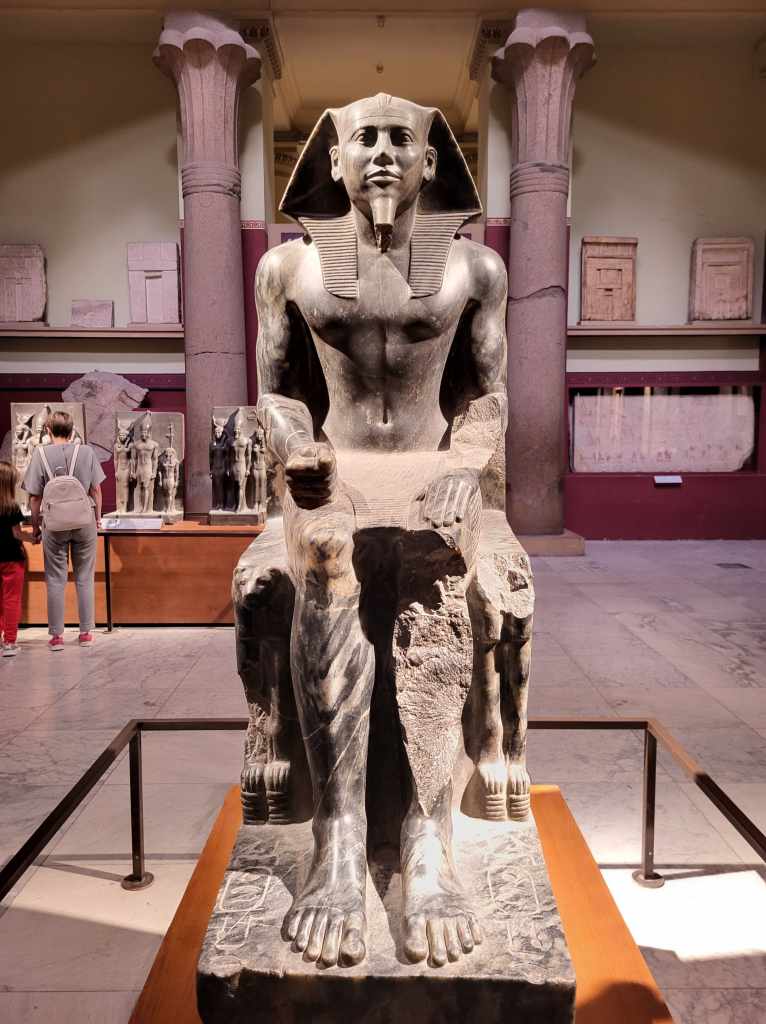
The time we spent in the museum was definitely not enough, because we still missed many important artifacts during our visit. One could have spent an entire day in the museum! I wanted to leave the tour after the museum visit to explore on our own. However, other members of our small group all wanted to return to the hotel with the tour bus first, so that’s what we did.
Four people in the group booked another Viking excursion to visit Khan el-Khalili and to have dinner in a good restaurant. The rest of us decided to do it on our own. After a short rest in the hotel, we went out around 2:30pm to explore the city. The famous Khan el-Khalili bazaar was only about 5km from the hotel, so we decided to walk there.
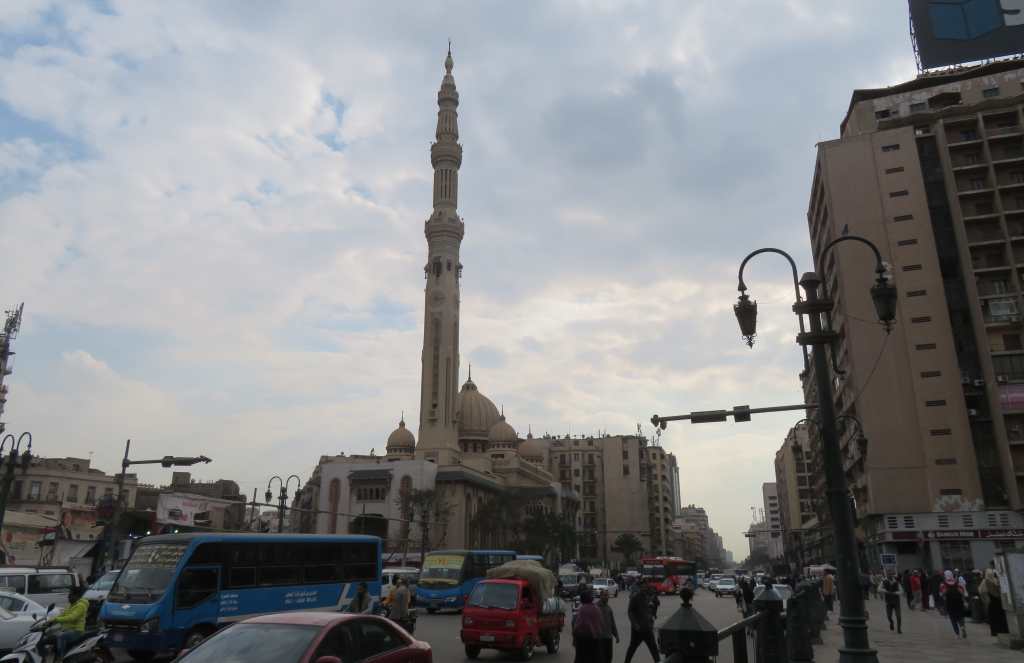
Cairo really wasn’t walking friendly. There were hardly any sidewalks, and we had to walk on the streets with cars passing by closely! Moreover, the air quality was really horrible, and we had to put on our face masks. However, the walk allowed us a glimpse of the real Cairo.
We finally arrived at the market after more than an hour of walk. We didn’t think the market was very interesting, and I didn’t find anything worth buying. However, fellow travellers did pick up some T-shirts and scarves after bargaining. What I found interesting were a few beautiful buildings in the area. Some of them reminded me of Nepal.
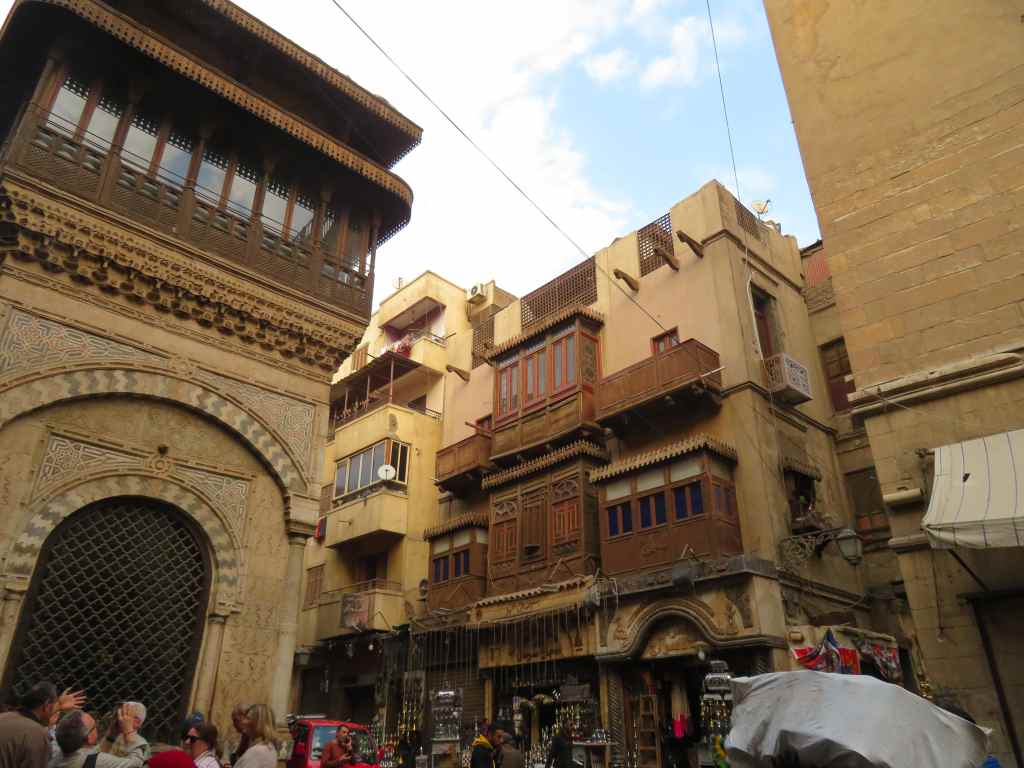
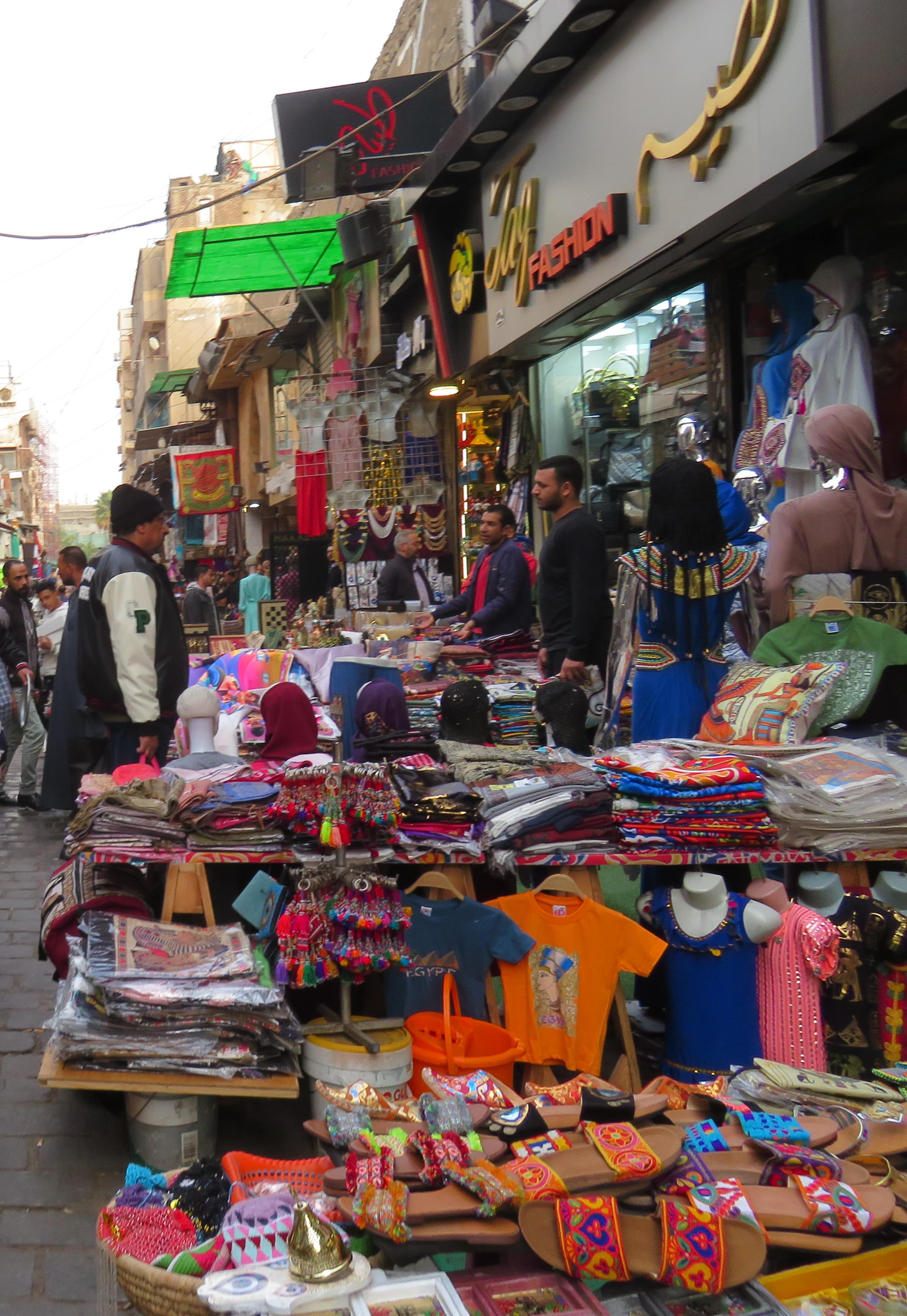
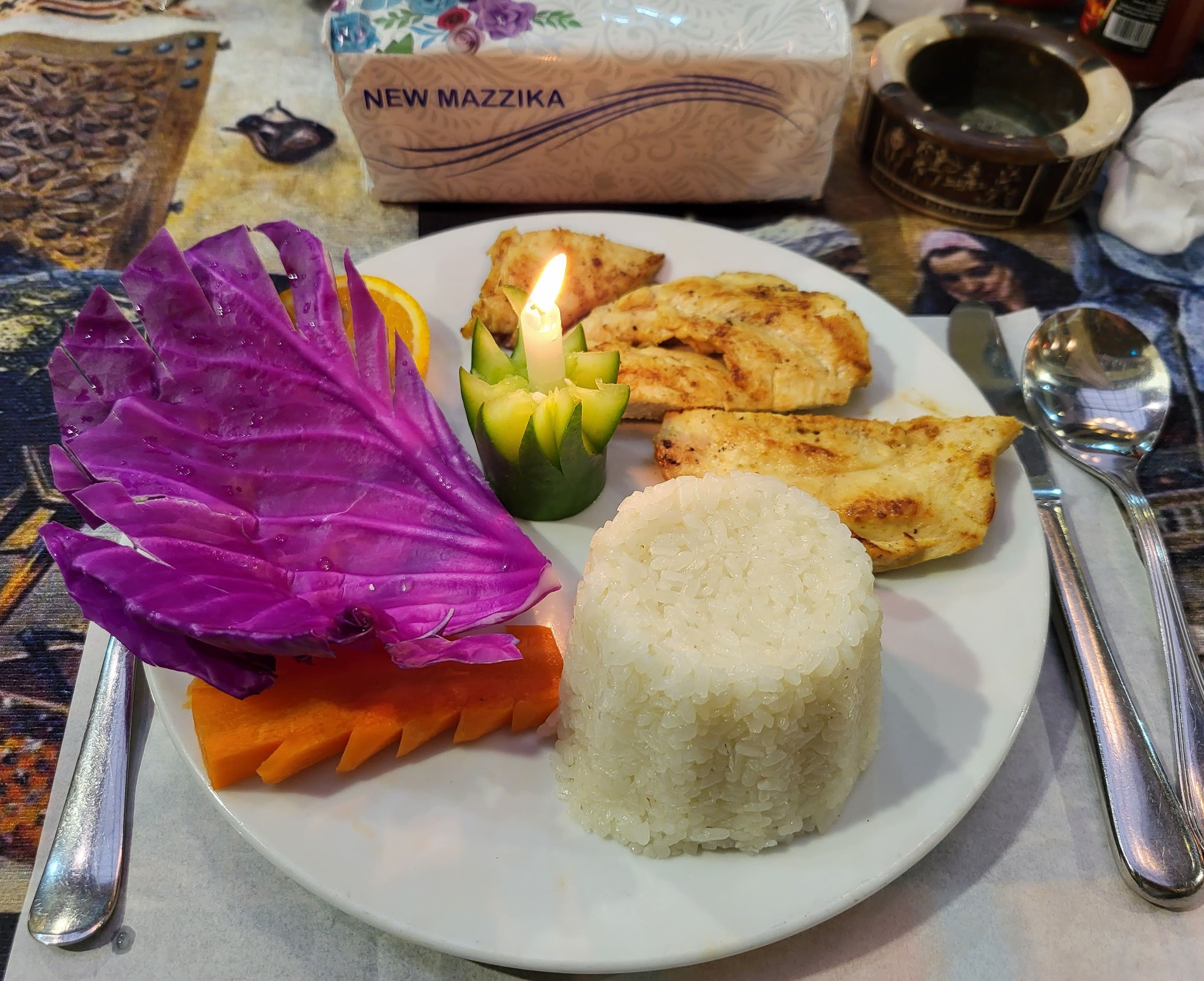
We had dinner in a restaurant inside the market. The dishes were pretty inexpensive. The six of us only spent around $40 USD for the dinner, including drinks.
After the dinner, we decided to find a ride home. There were taxi rides asking for 70 to 100 LE. However, Rei thought we should all go together in a minivan. He negotiated with a minivan driver to take all six of us back to the hotel for 200 LE total. However, the driver didn’t know how to reach our hotel. So he first asked a taxi driver on our right side, and then asked another taxi driver on our left side of the street. Google Map on our phones didn’t help because the driver didn’t understand English. We had to point out the route to the driver, but he still managed to make many wrong turns and had to make one U-turn. We finally reached our hotel after a long detour, and the driver asked for additional 100 LE for his trouble. This was our mis-adventure of the day.
Day 3: Saqqara and Giza
Today was a very busy day; we were going to have an all day excursion to see many pyramids. This morning’s excursion was to Saqqara to see the Step Pyramid. The drive to Saqqara was about an hour with some traffic. We saw many date trees when reaching Saqqara.
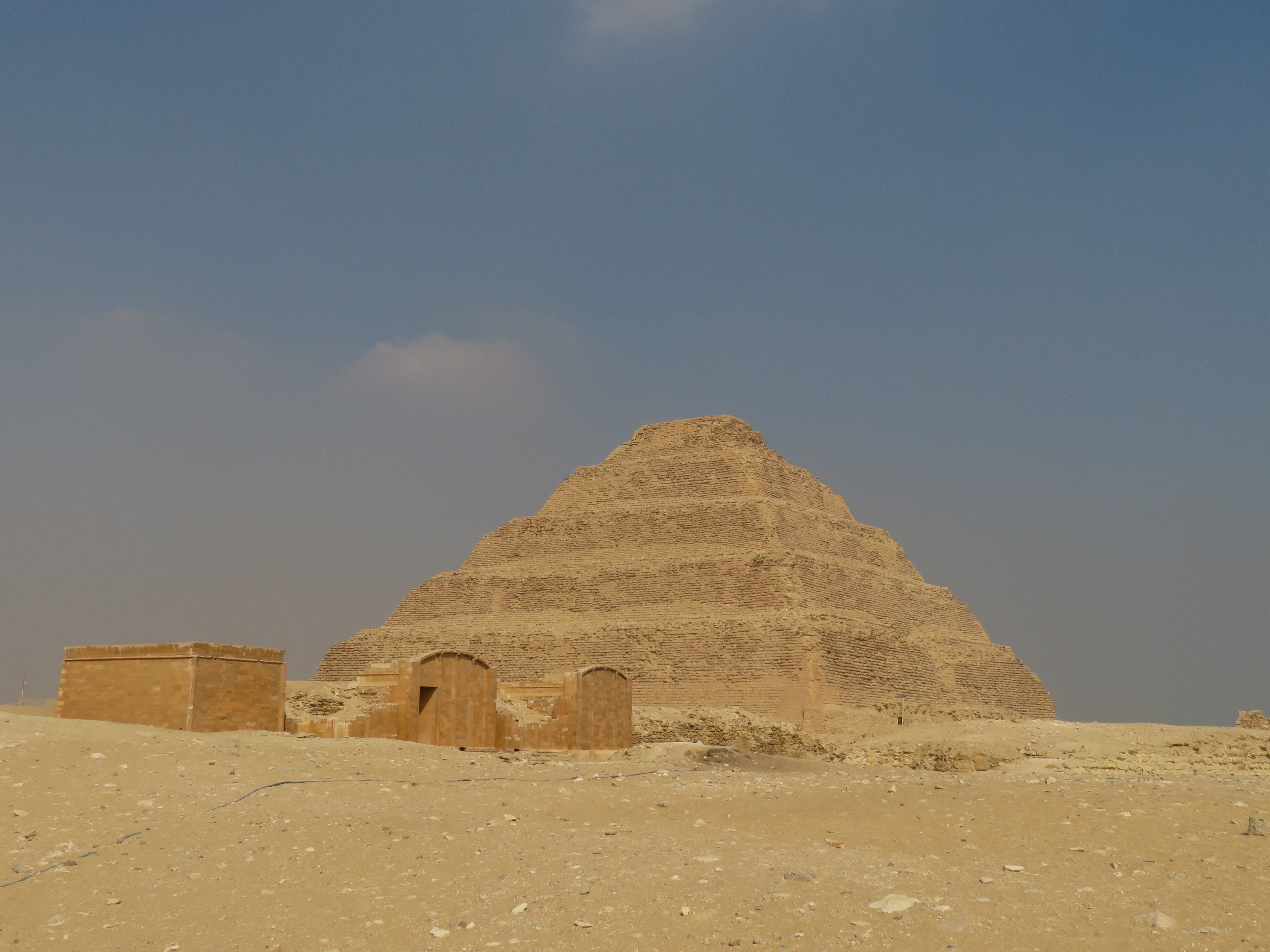
The Step Pyramid of Djoser was built in the Third Dynasty. It was designed by the famous architect Imhotep. The pyramid consisted of five steps, and was a precursor of the true pyramids. Yasser showed us around the area, and pointed out the Red Pyramid far way, which was the first true pyramid. Because of the poor air quality, we couldn’t see it very clearly. There was supposed to be a Bent Pyramid (a failed attempt to build a real pyramid), but we couldn’t see it from our location.
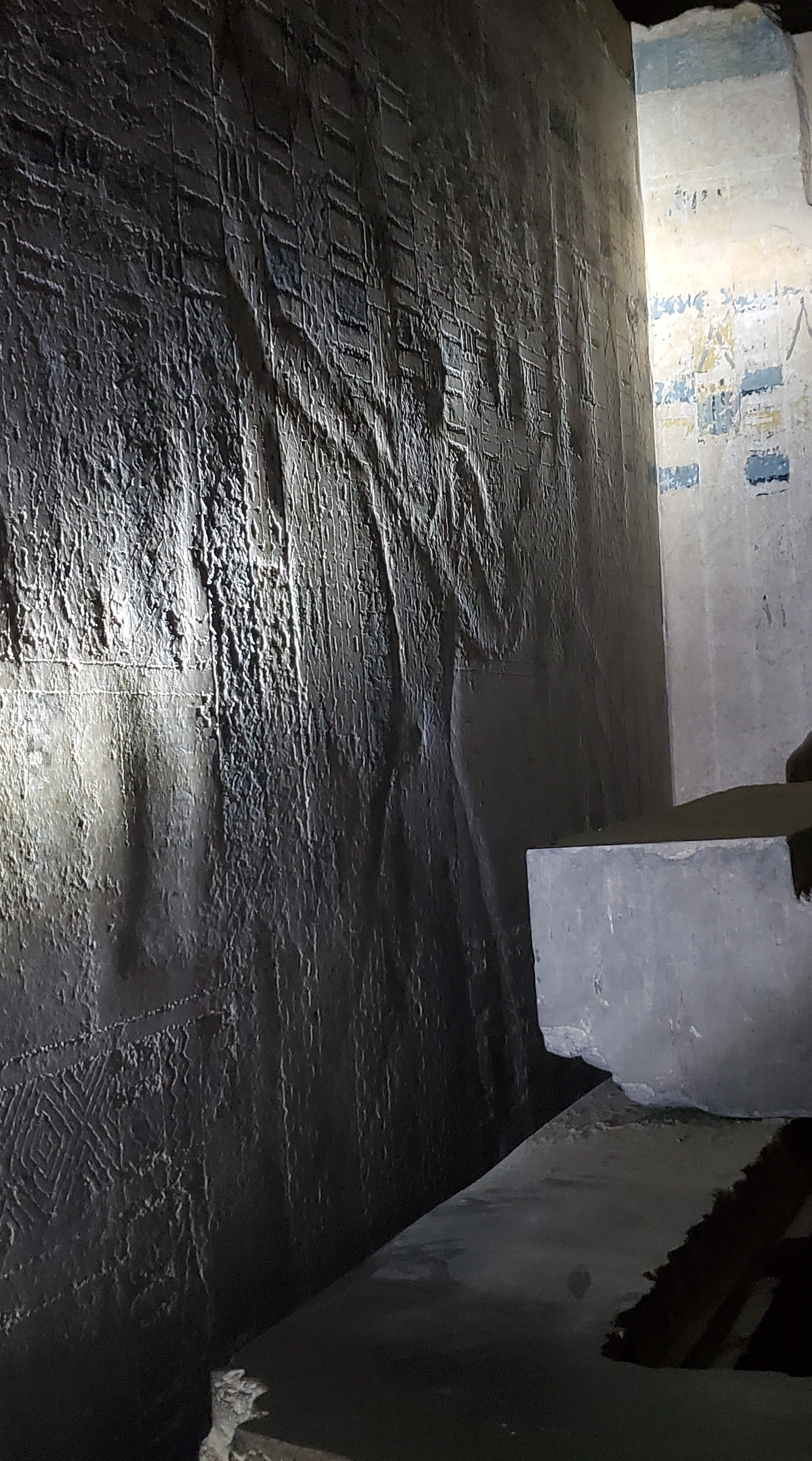
We were allowed to enter a tomb through a low and narrow passage. The walls inside of the tomb were covered with hieroglyph symbols. The walls themselves were made of alabaster. One guide inside turned off the lighting, and used a flash light to show us a “hidden priest” on an alabaster wall. It was so cool! Rei managed to take a photo.
Then we were taken to a carpet store to see a demonstration and to give people a chance to purchase carpets. We weren’t interested in carpets, but several fellow tourists actually bought a carpet to take home. To be honest, I’d rather visit the Bent Pyramid and the Red Pyramid than visiting the carpet store.
After that, we headed to Giza. We had a good buffet lunch in a hotel near the Great Egyptian Museum (GEM). GEM wasn’t open to the public yet. The opening was delayed due to COVID and other reasons. They announced the new opening date to be in April 2023. However, we weren’t sure whether there would be further delay or not. (It was delayed!) I took a photo of the GEM building itself.
The pyramids of Giza! It’s the only one of the ancient Seven Wonders that still stands. I have wanted to see them since my childhood. It’s hard to believe that I was actually here! We were taken to the Great Pyramid of Khufu first. Since this was a very popular tourist place, we saw many people walking around and taking pictures.
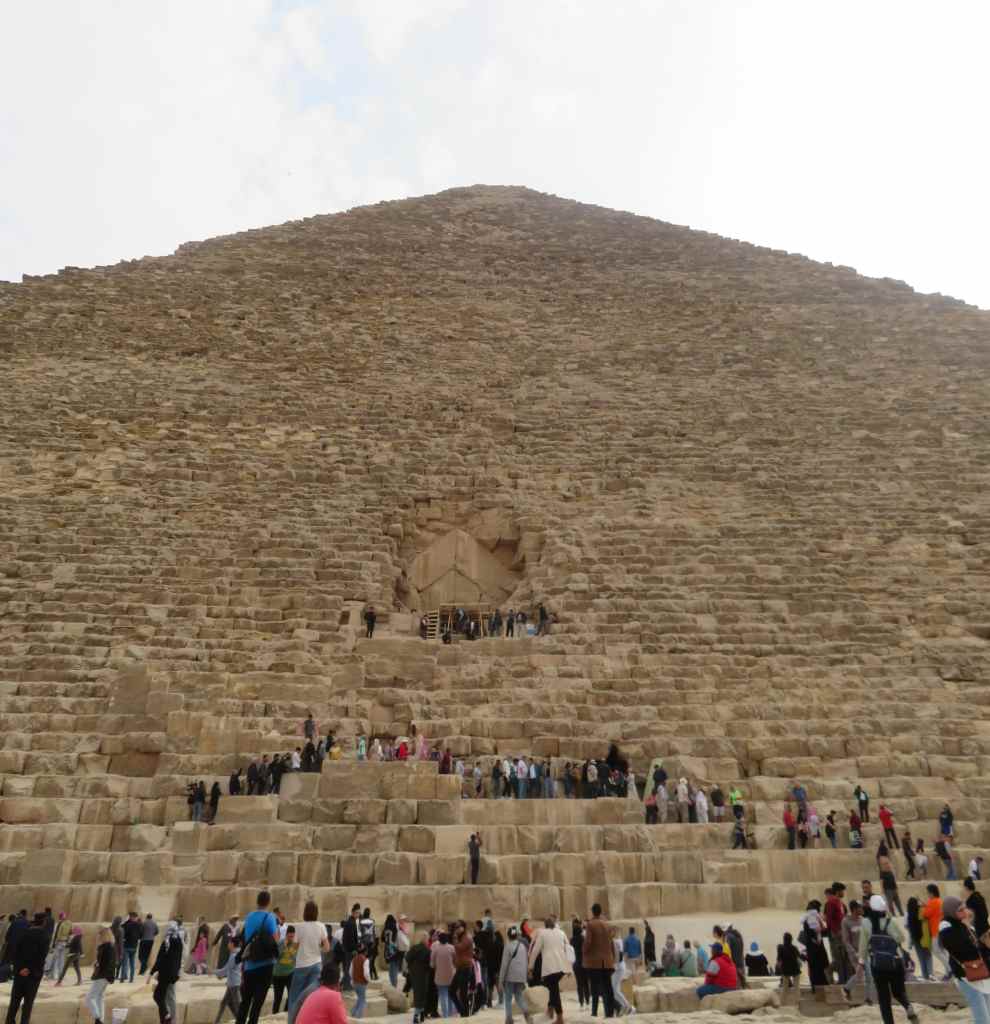
Yasser informed us that we would have 25 minutes here, and then we would be bused to the other pyramids because the area was huge. There was an entrance to the Great Pyramid, and there were many people climbing the very lower level of the pyramid. Since we had enough free time, we couldn’t resist the temptation to walk on the pyramid. Some people in the group reached the entrance, but they couldn’t enter without a ticket.
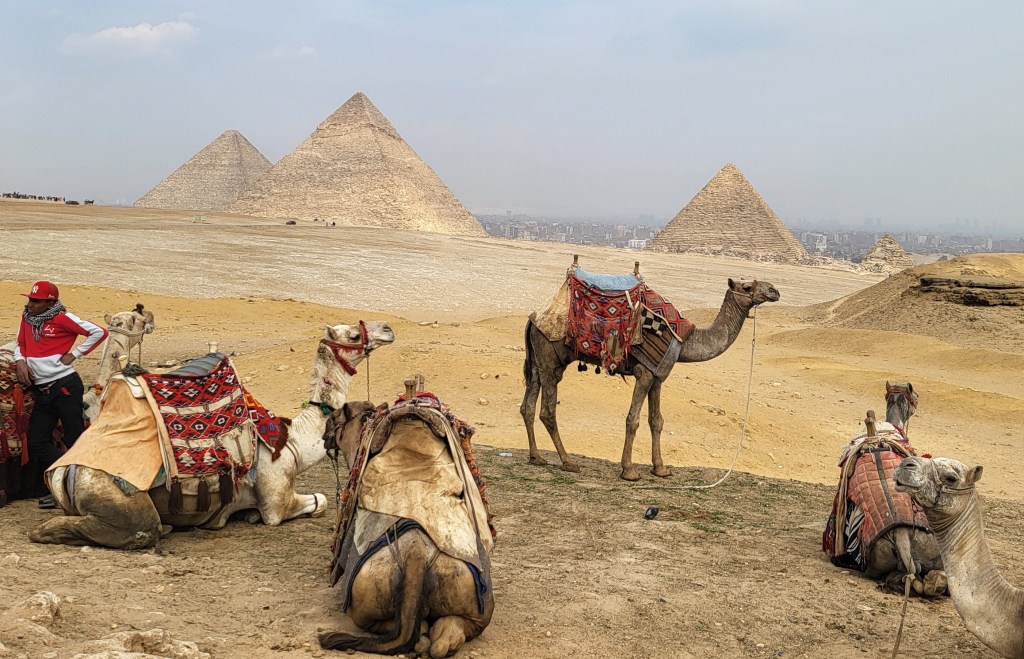
Then we stopped for a short camel ride at a view point where we could see all three pyramids together. Even though the Pyramid of Khufu (the grandfather) was the largest, the Pyramid of Khafre (the father) looked bigger because it was situated on a higher ground. The Pyramid of Menkaure (the son) was the smallest.
I wasn’t interested in the camel ride. However, the guide informed us that the camel ride was included in the trip, so I decided to give it a try. It was not easy to ride on a camel while trying to use a camera to take photos, and it was a bit scary too. Fortunately, the ride was very short, and I was actually enjoying the ride! We took many photos on the spot: both group photos and individual photos.
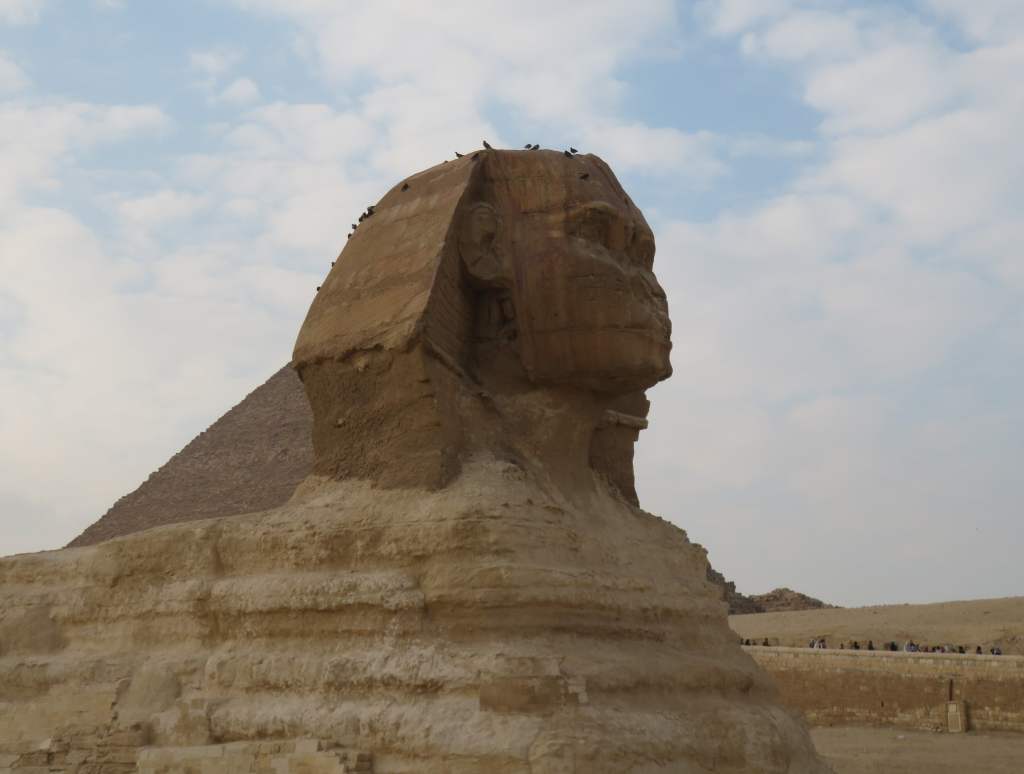
The last stop was to see the Sphinx. Again, we all took too many photos. The place was very crowded with many tourists. It was impossible to take a photo without including other tourists! We also took a short walk in order to be closer to the Sphinx.
After returning to the hotel, we all decided to take a shower after such a warm and dusty day out. Tonight, we had an included buffet dinner at the hotel. The guides informed us that we should have breakfast at 5am tomorrow morning, and the buses would be leaving at 6am to the airport for our flight to Luxor.
Day 4: Luxor
I woke up around 4:30am. Rei was already done using the bathroom. I quickly washed and dressed, and we went down to have breakfast shortly after 5am. Other Viking guests were all very punctual too, so the buses left for the airport shortly after 6am. Our chartered flight to Luxor was at 8am.
At Cairo airport, we had to go through a security line and be patted down multiple times. The line for women was shorter because there weren’t as many female travelers. This was the second country that I was patted down. (Nepal was the first one.) The small airplane had only 4 seats per row. The flight to Luxor took about an hour only.
When we arrived in Luxor, we all felt that the city was better than Cairo. It was cleaner, greener, newer and quieter.
Upon the arrival, we were taken on an excursion to the famous Karnak Temple in Luxor. The temple was really impressive! We started near the old Karnak port. Long time ago, people could arrive the Karnak Temple by boats. However, the port was silted up over time, and it was no longer possible to approach the temple by boat. Karnak was the largest religious site in Egypt.
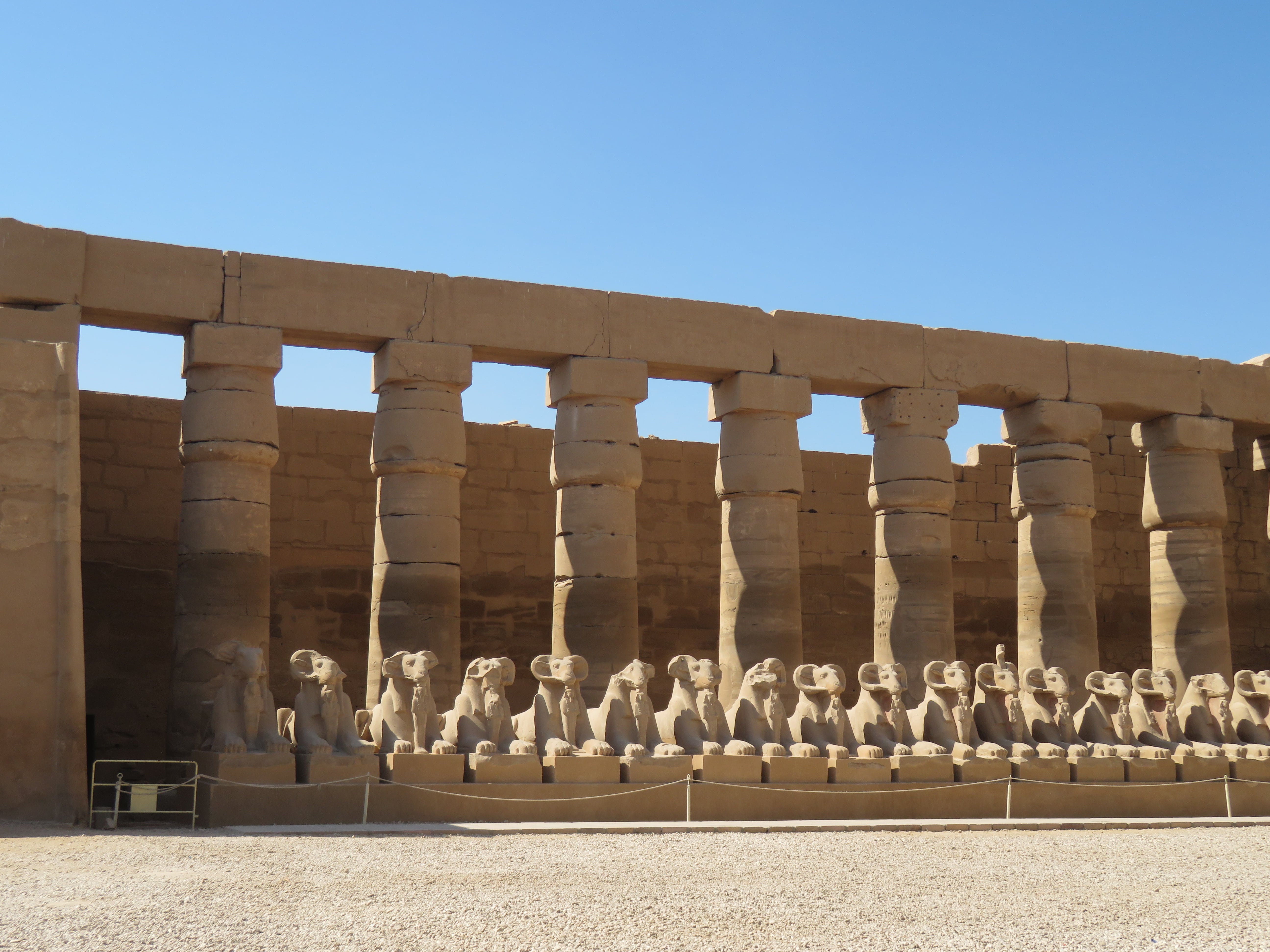
Yasser gave us a very detailed tour from the entrance all the way to the Sacred Lake. After passing through the avenue of sphinx (statues with a ram head and Ramese II statue), we reached the high pylon. Through it, there were giant statues of Rameses II everywhere. (The guy had a very big ego and was narcissistic.)
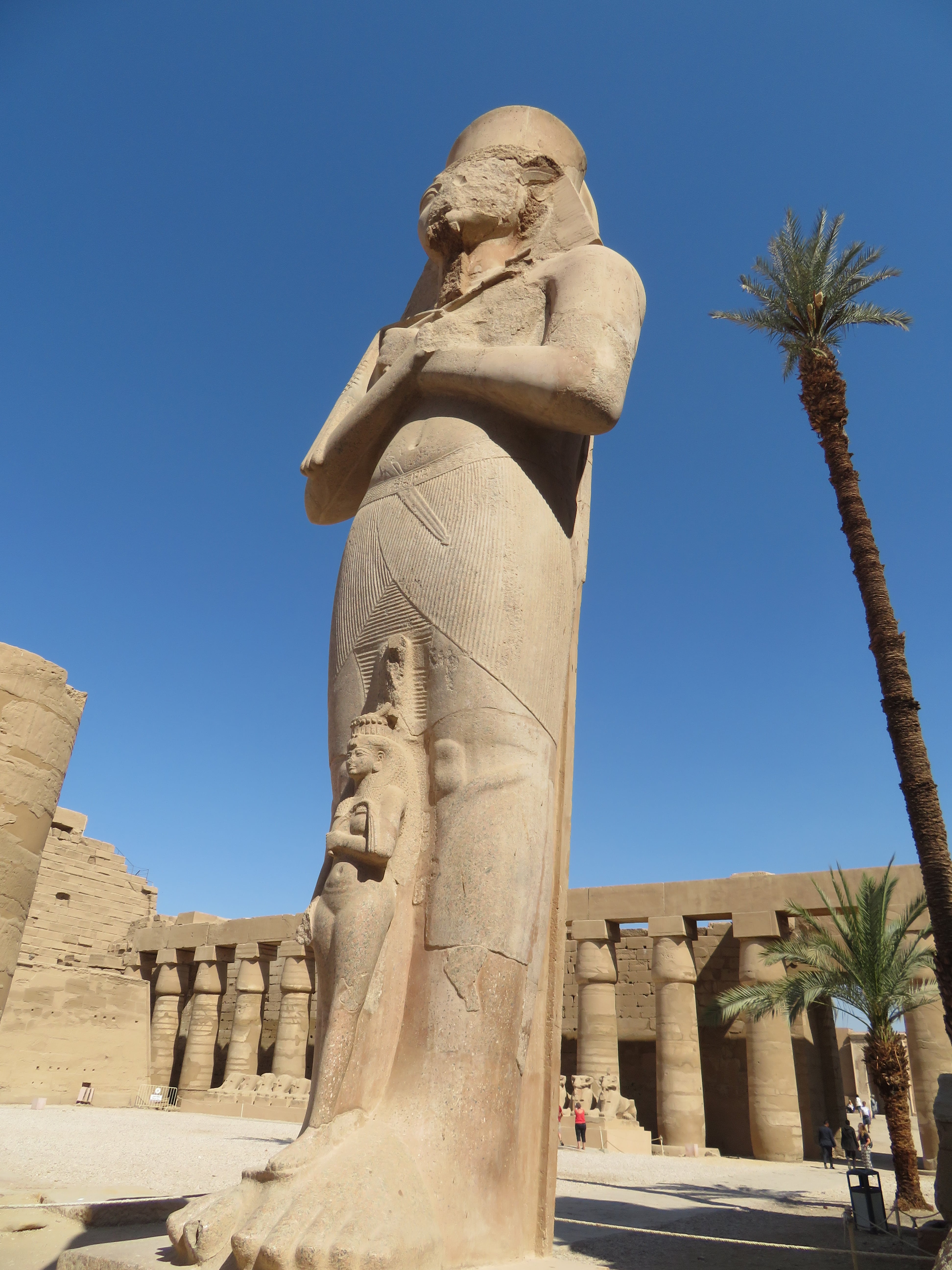
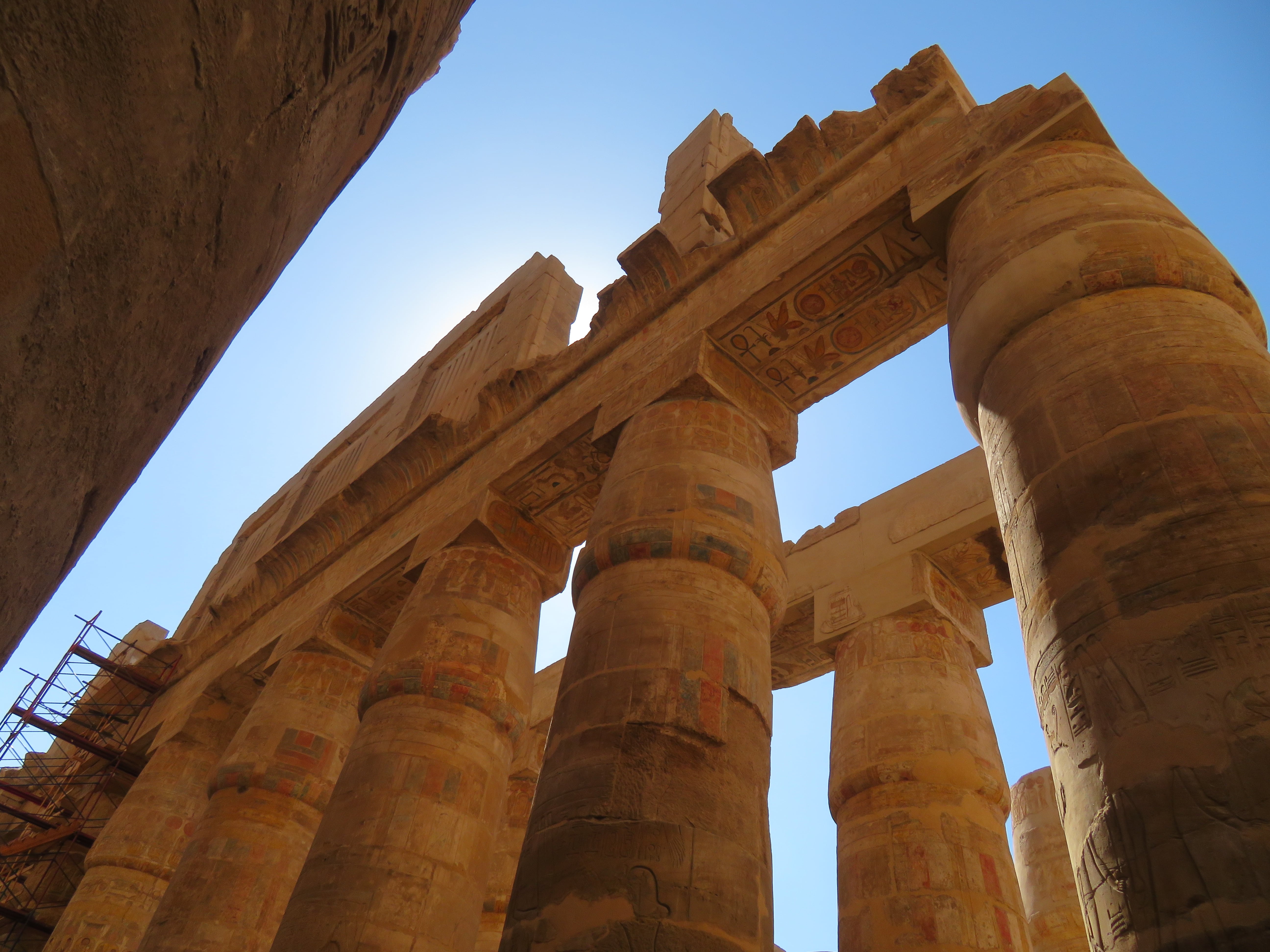
There were also numerous giant columns carved with hieroglyph symbols. We could see colors here and there on the columns. Yasser informed us that those were original colors through restoration. A very expensive liquid was required to clean the columns to restore their original colors. A big area was enclosed for restoration, and we could see many workers working on the repairing and restoring.
There was a scene of Ramese II dancing in front of the god Amun, another bas relief showing Anubis leading a night boat with Horus, Ramese II et al. on it. There was also a relief showing the king kneeling in front of the Nile God.
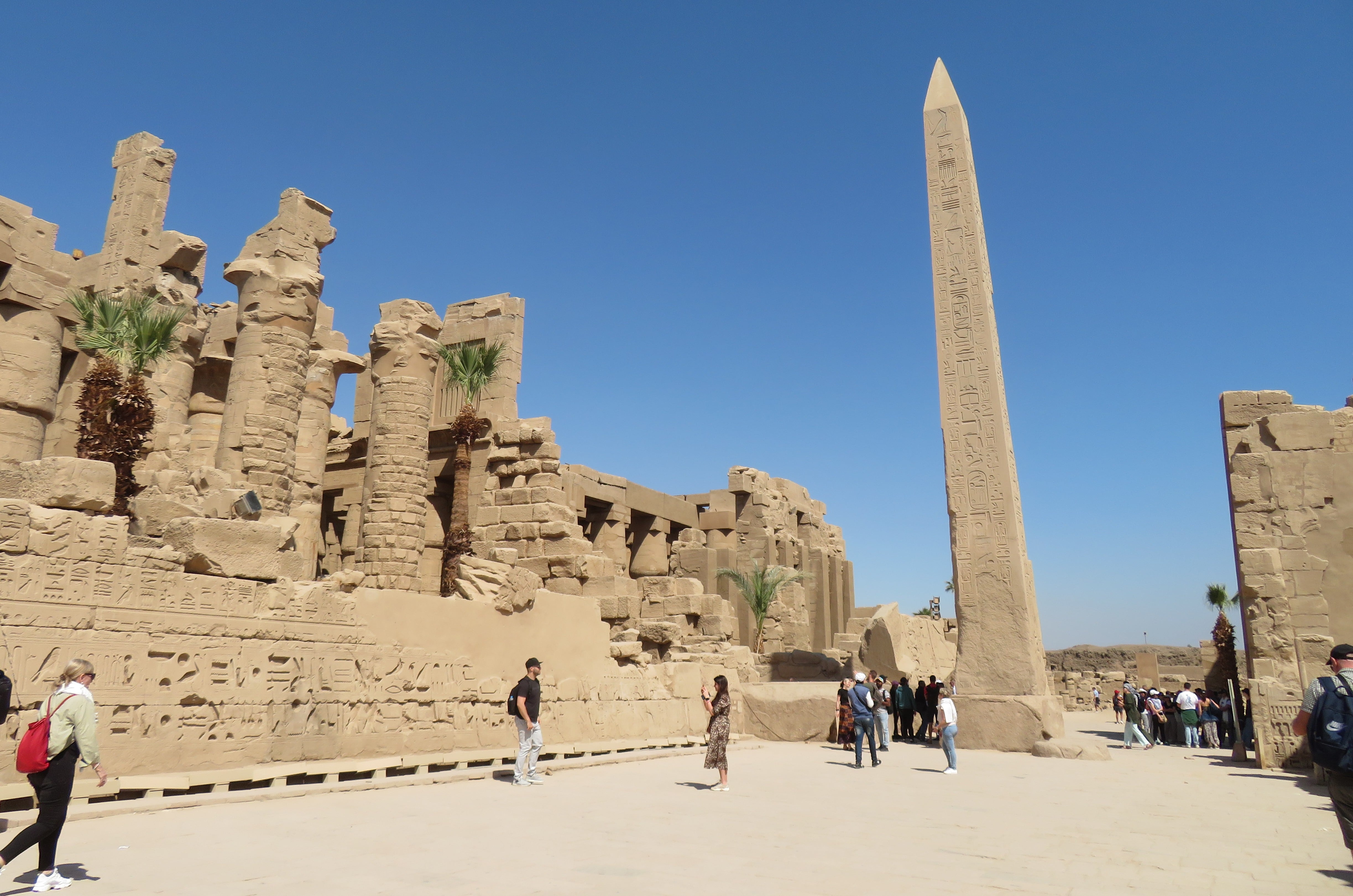
Three obelisks were still standing on site with impressive hieroglyphic carvings.
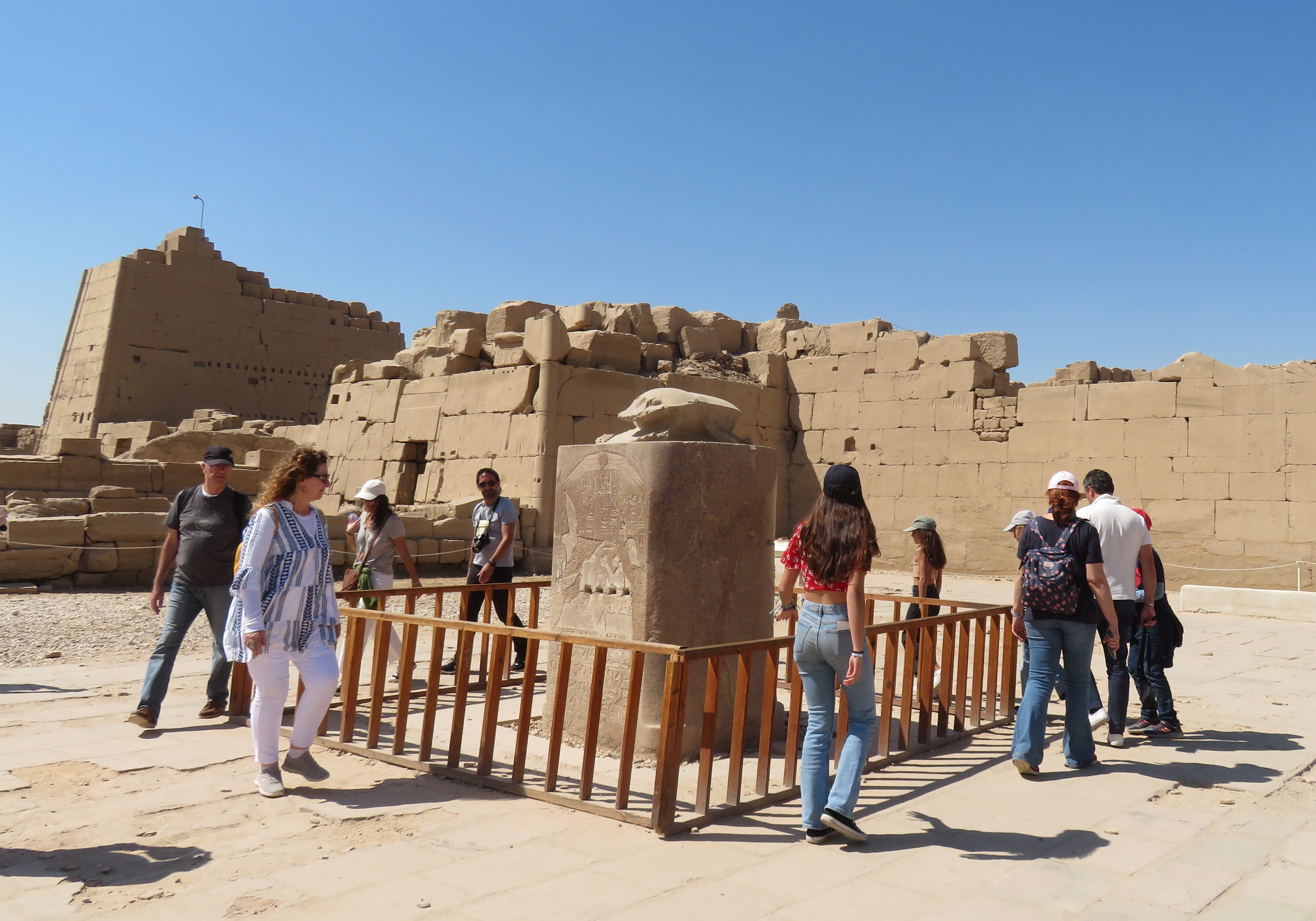
There was a large beetle statue near the Sacred Lake. It was said that if one circles the statue for seven times, there would be a marriage in seven days. I heard a guy telling his friend: “Let’s just circle it three times to get a ‘medium’ blessing.”
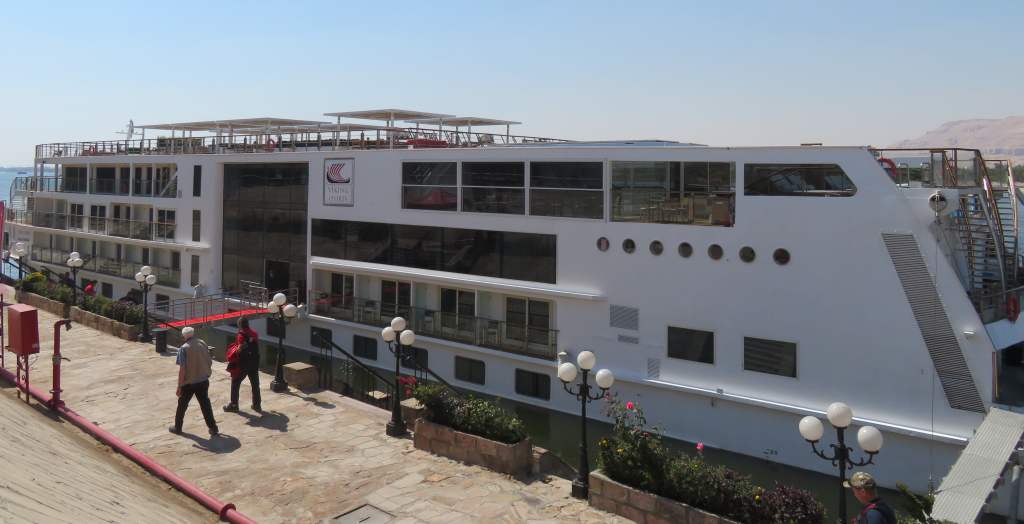
After the temple visit, we stopped by the Luxor Library to watch an introduction film before embarking the Viking Osiris to check into our cabin and to have our lunch. It’s worth splurging on a balcony cabin, because the cheapest cabin category only has a small window high up and half of the cabin is under water! Our cabin had a great view of the Nile River and the western desert. The lunch onboard was good, and the mango ice cream dessert was divine!
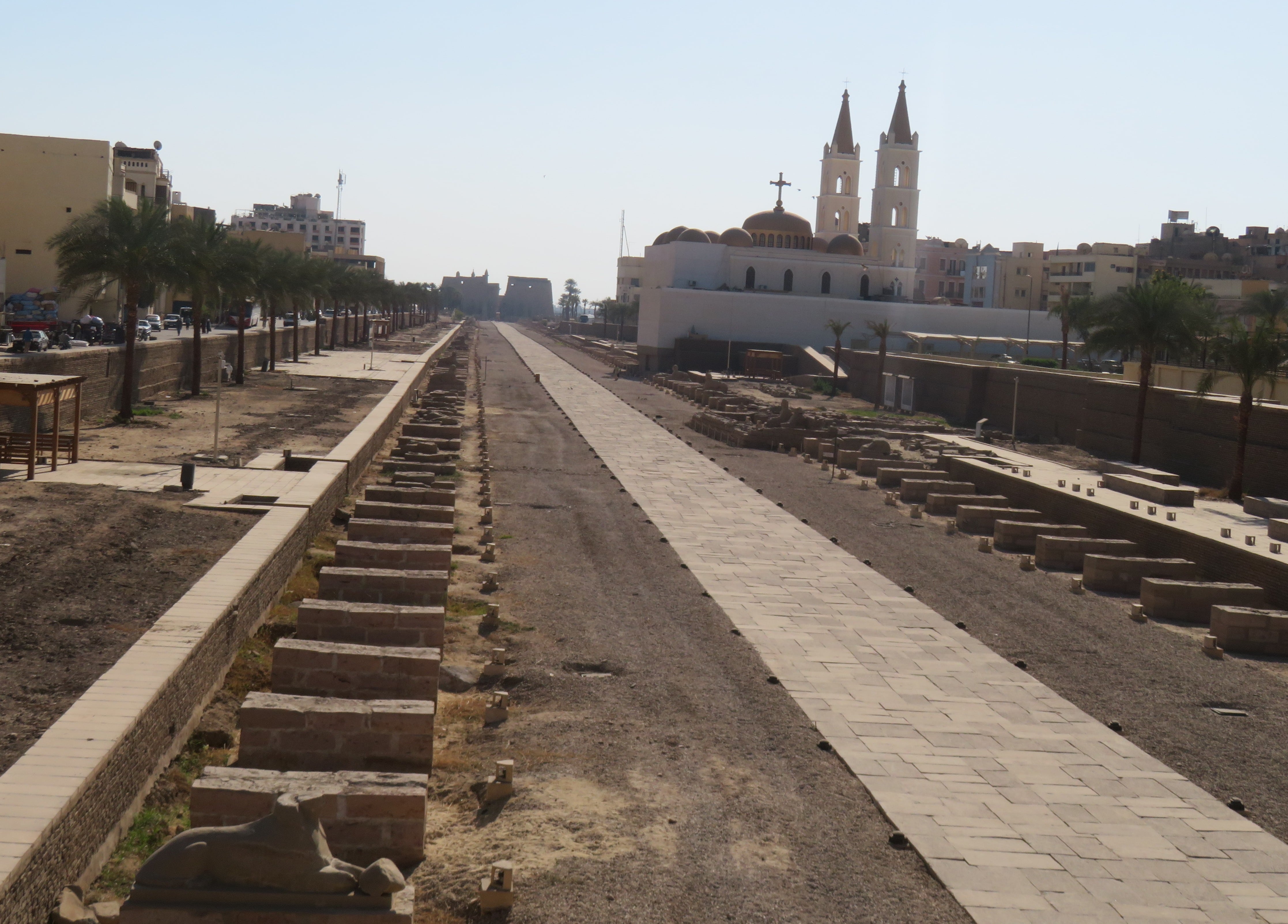
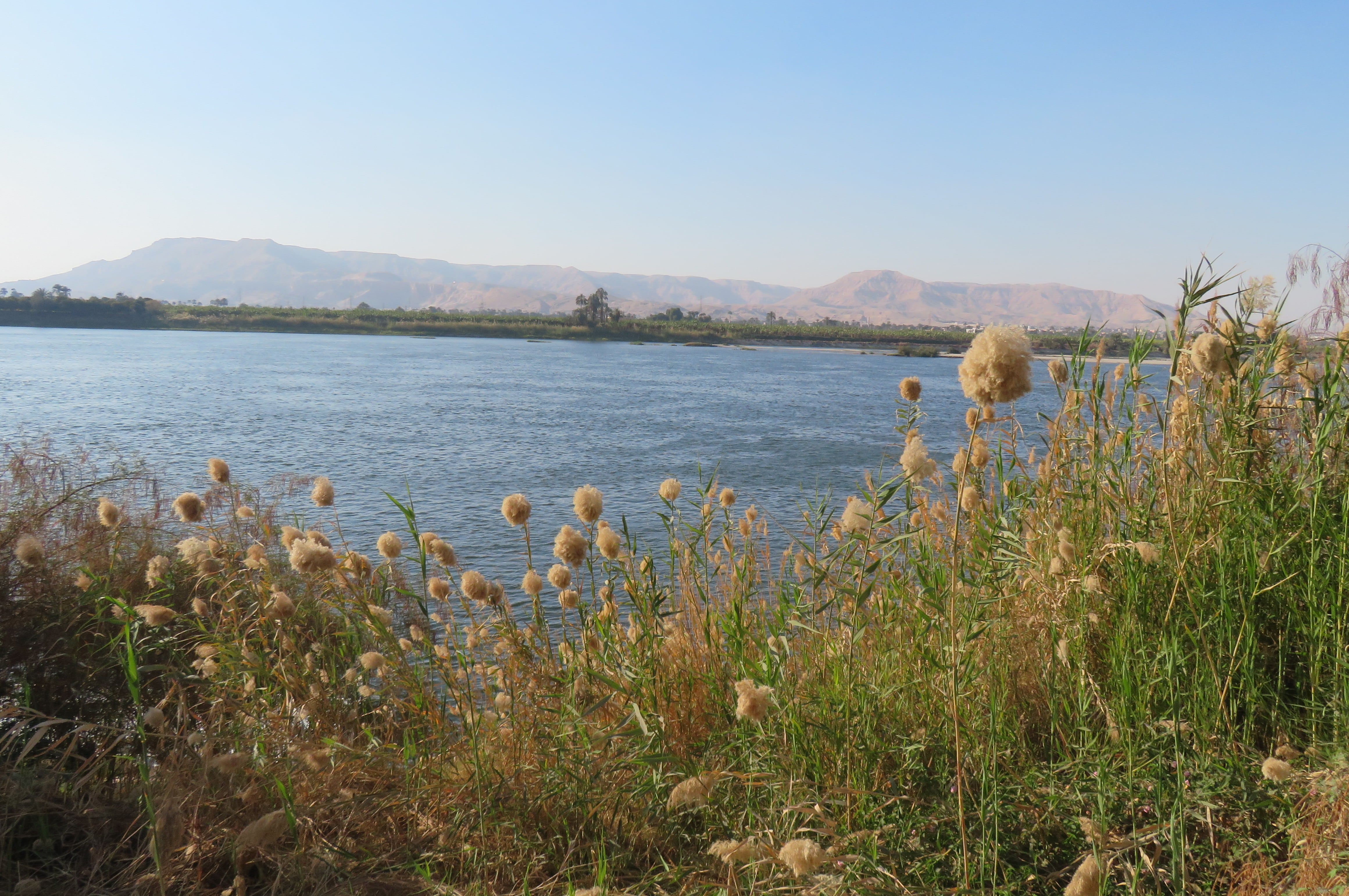
After lunch, we went out for a walk to explore Luxor. The ship was ported right by the Karnak Temple, and we walked south along the Nile towards the Luxor Temple. We saw several other boats ported along the way, but none of them was as elegant as the Viking Osiris. I took a photo of the Avenue of Sphinx leading all the way to the Luxor Temple though we didn’t have time to walk all the way there. I also took some bird pictures.
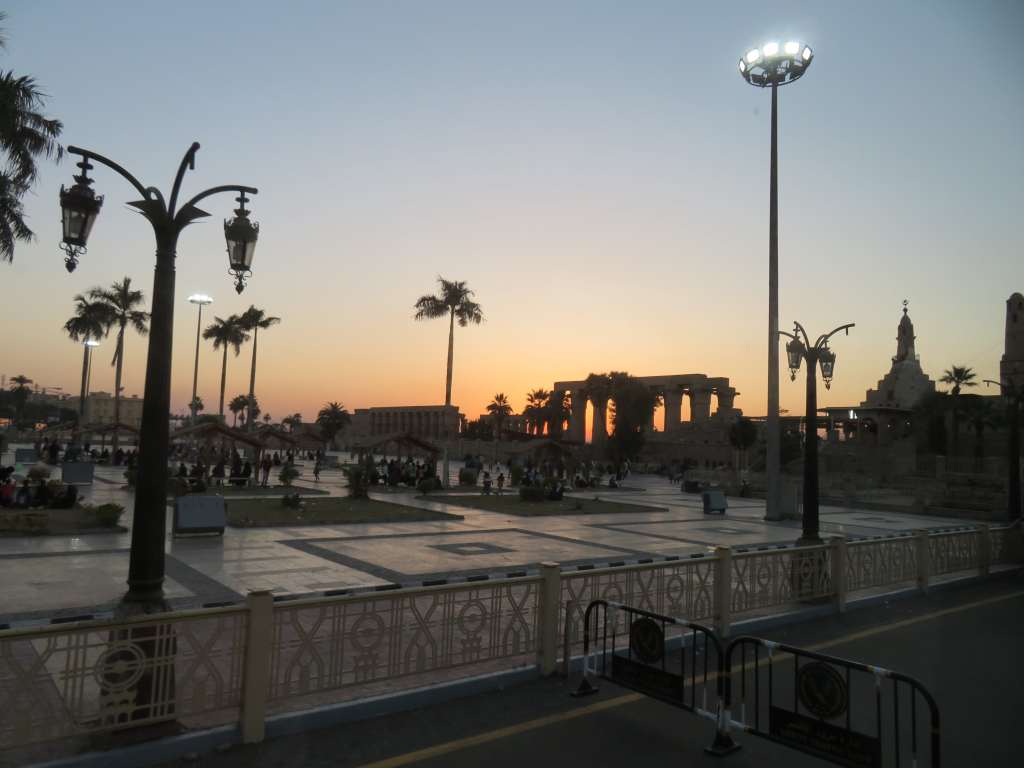
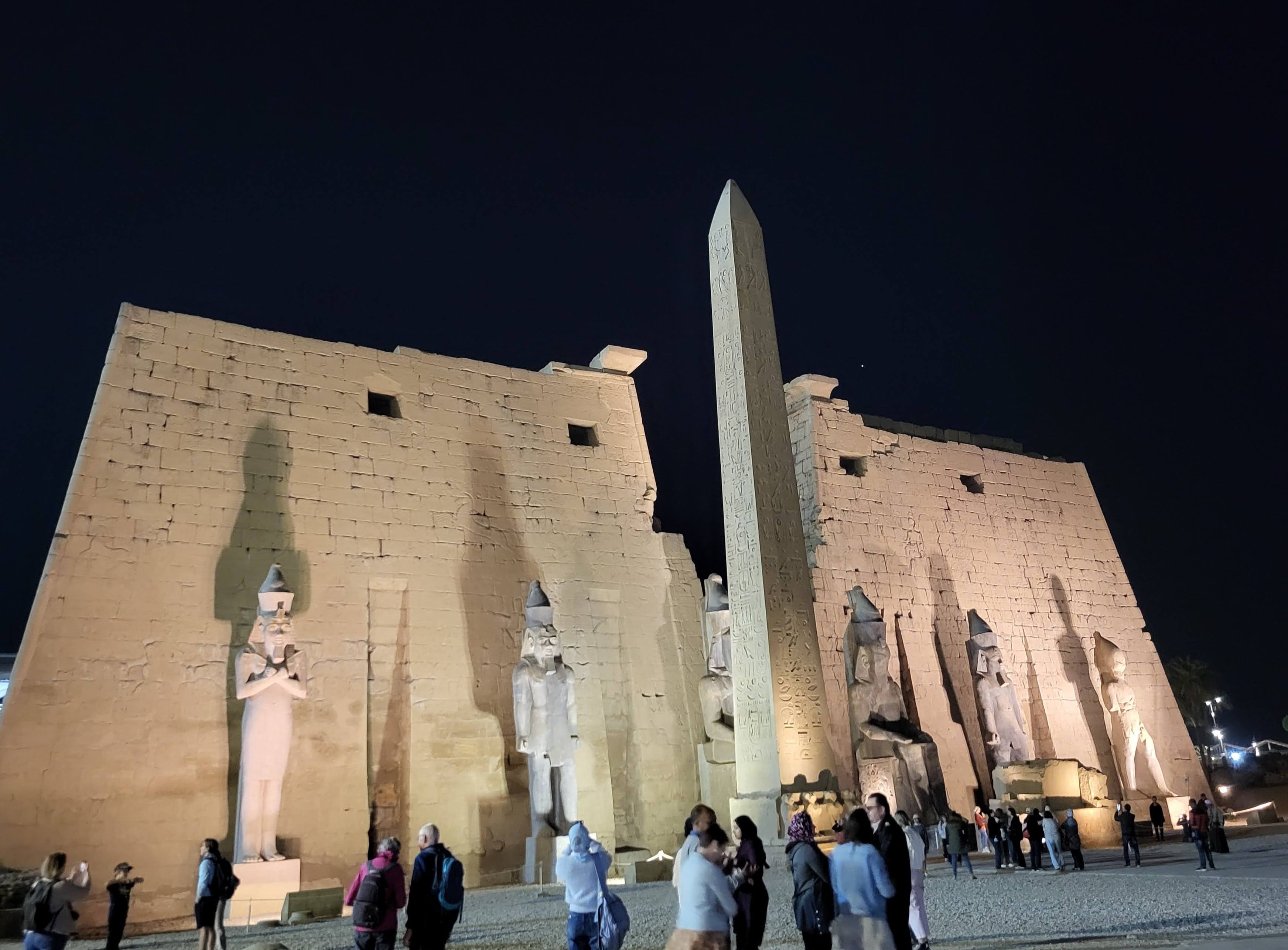
We had a briefing at 4:15pm followed by a drill. Then the evening excursion to the Luxor Temple started around 5:30pm. We arrived at the Luxor Temple around sunset. The temple glowed in a pinkish orange light and looked glorious! The Luxor Temple was smaller than the Karnak Temple. Nevertheless, it was still magnificent. We couldn’t see clearly the detail of hieroglyphs on the pillars and on the walls due to the diminishing light. However, the entire site under the twilight was spectacular!
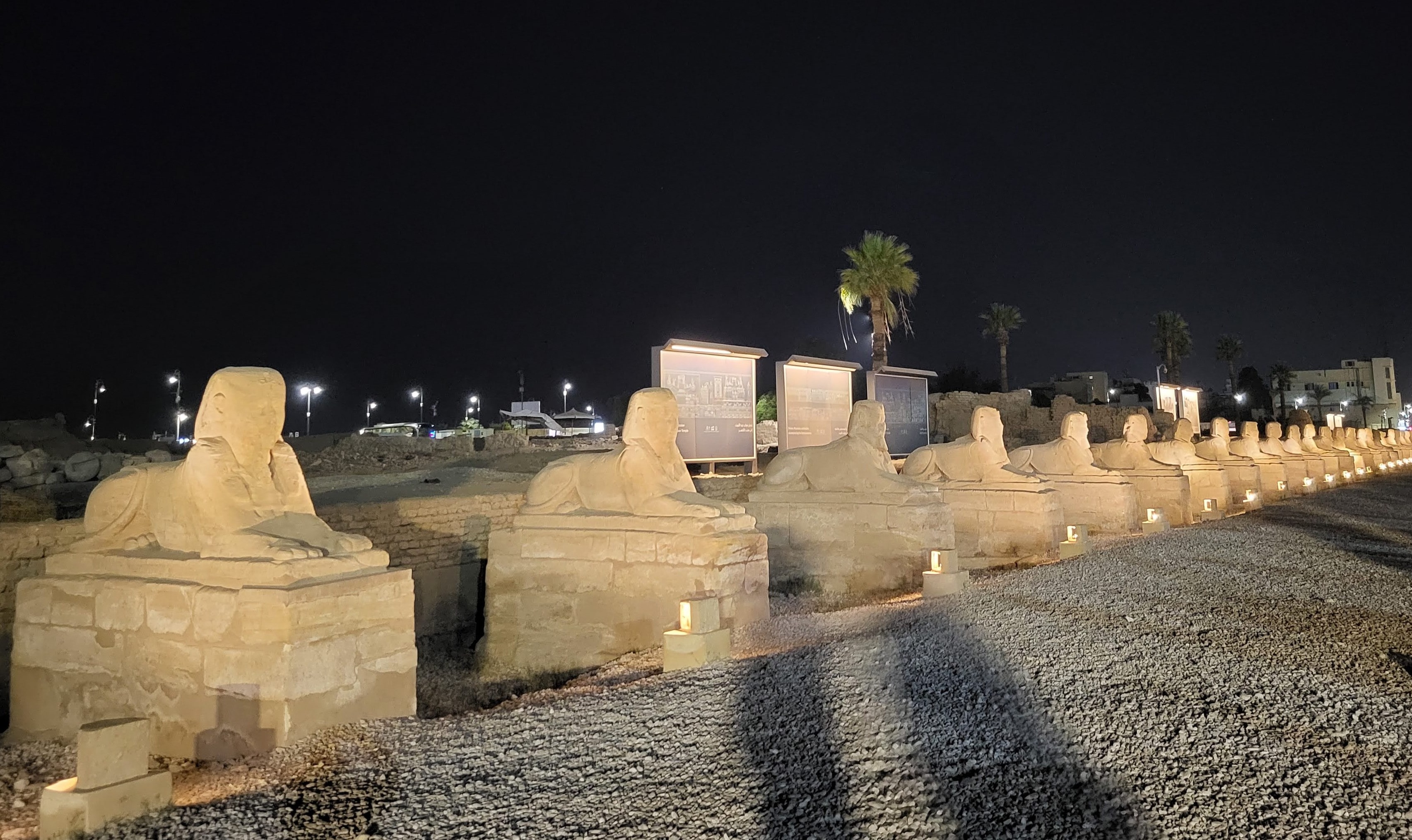
We also had a chance to walk a small section of the Avenue of Sphinx. The avenue was flooded with light and was truly amazing.
Day 5: Qena: Dendera Temple
After yesterday’s very full schedule, we had a more relaxed day. I woke up at 5am and couldn’t go back to sleep, so I took the opportunity to do some laundry and catch up on the diary.
From our cabin balcony we could see several hot air balloons on the horizon. I called Rei, and both of us took many photos. We knew some fellow passengers left early this morning to participating in a paid balloon ride excursion. We didn’t join, because it was expensive and we were not too interested in it anyway.
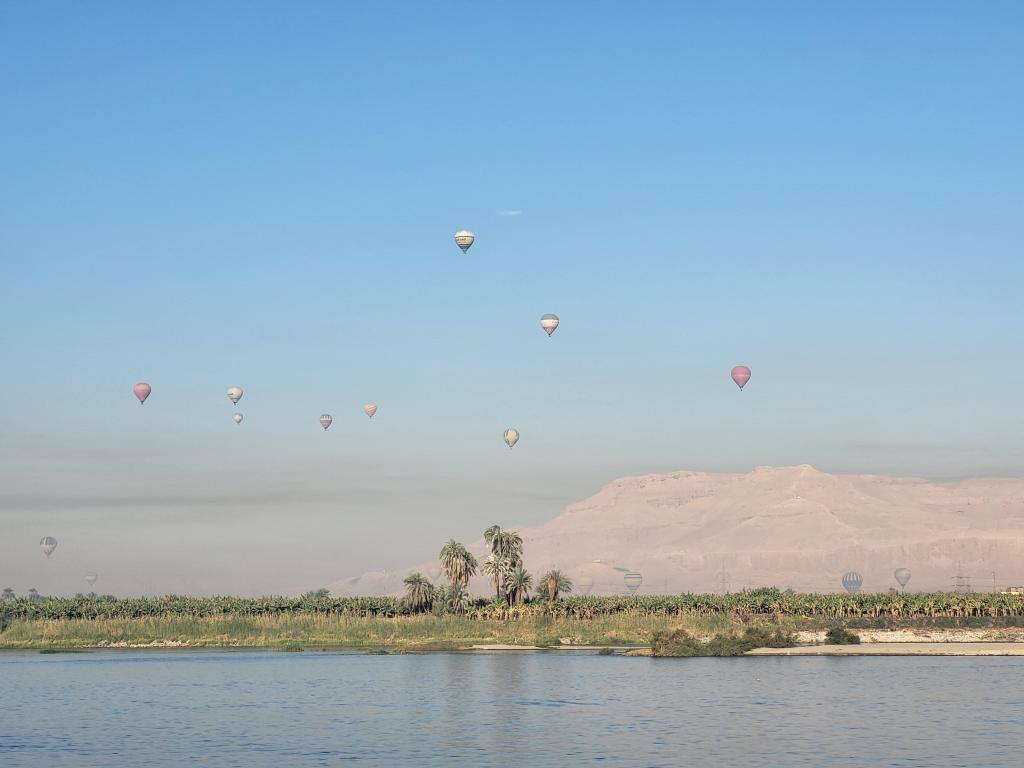
We had a very relaxing breakfast in the restaurant. In addition to the breakfast buffet, omelet station, there are also dishes to order. The salmon egg benedict was a real treat! We enjoyed the breakfast while watching hot air balloons through the large floor to ceiling windows. I couldn’t resist to take more pictures.
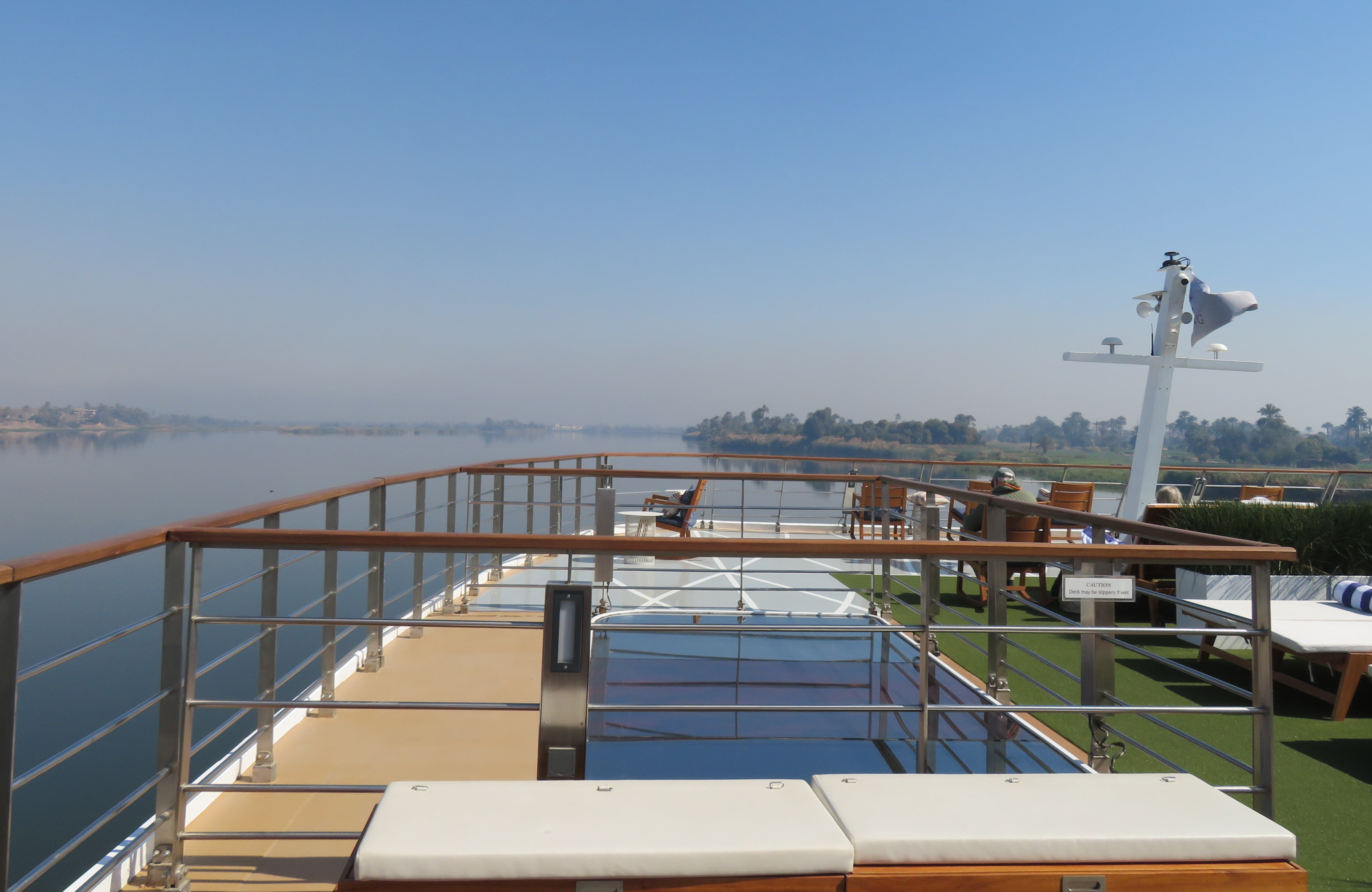
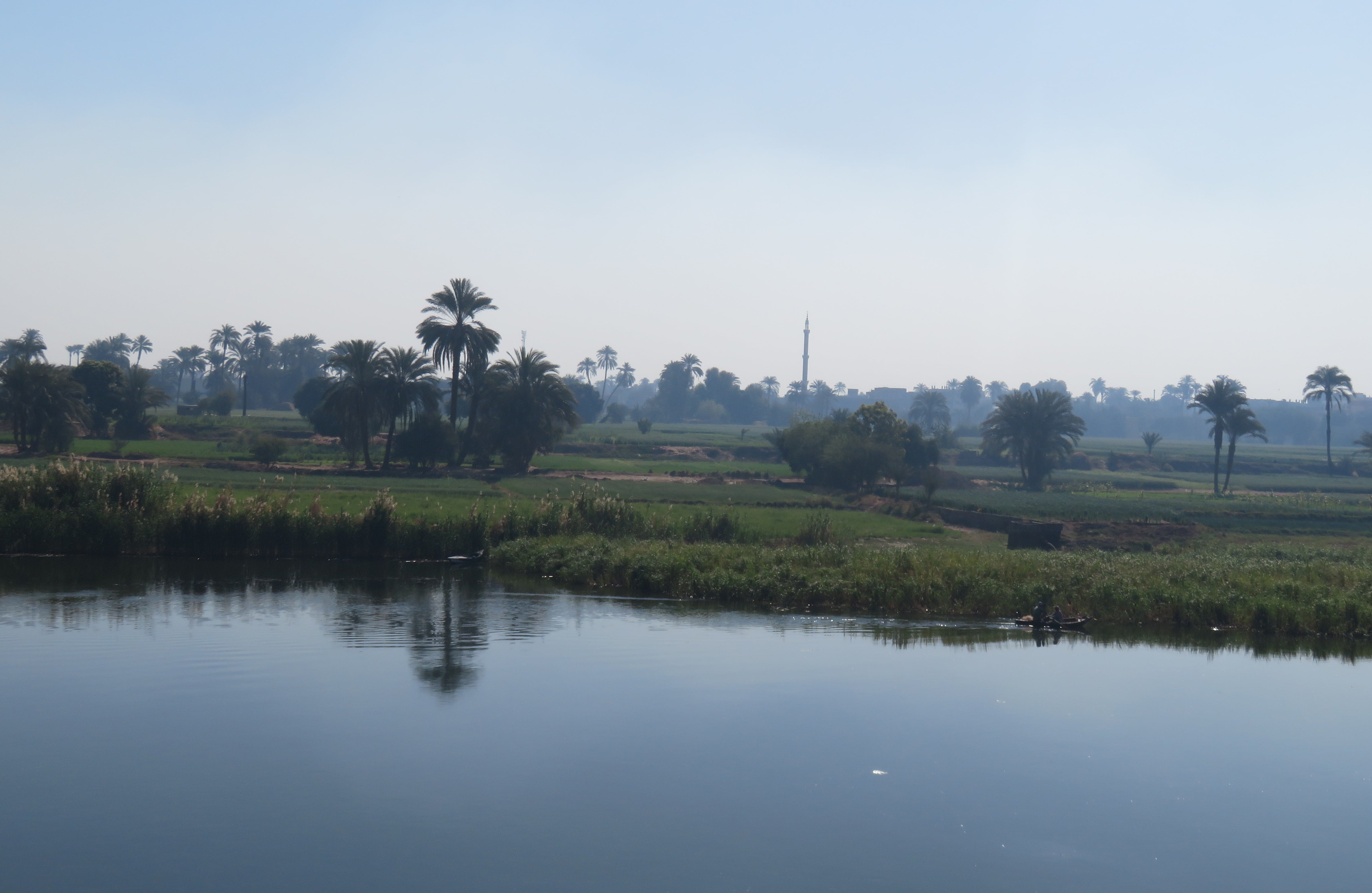
Then we went to the top deck to watch the view as the ship sailing north to Qena. It was very peaceful. We could see people working in the fields. There were some women doing laundry near the river bank. The weather was a bit cold with a light breeze. Later we were told that ours was the first sailing to Qena of the season. The previous tour passengers were bused to Qena because the Nile wasn’t deep enough for sailing. We felt blessed!
I had enough time to do more laundry and to enjoy more of the Nile view before we listened to a talk about Egypt and Nile.
The ship arrived at Qena around noon. After lunch, we went on an included excursion to the Dendera Temple. The temple was a “newer” construction from the Greco-Roman time, and was dedicated to Hathor, the Cow Goddess of motherhood, love, beauty and fertility. The temple complex was smaller compared with other temples we saw in Luxor, and it was also quieter. Since this was not a major attraction, we saw few tourists besides our group. The hightlight of the temple was giant columns with the head of Hathor at the top. The first chamber was restored with vivid coloring, but the other chambers looked old and dirty. Yasser informed us that it would take a very long time and a huge budget to restore the entire temple!
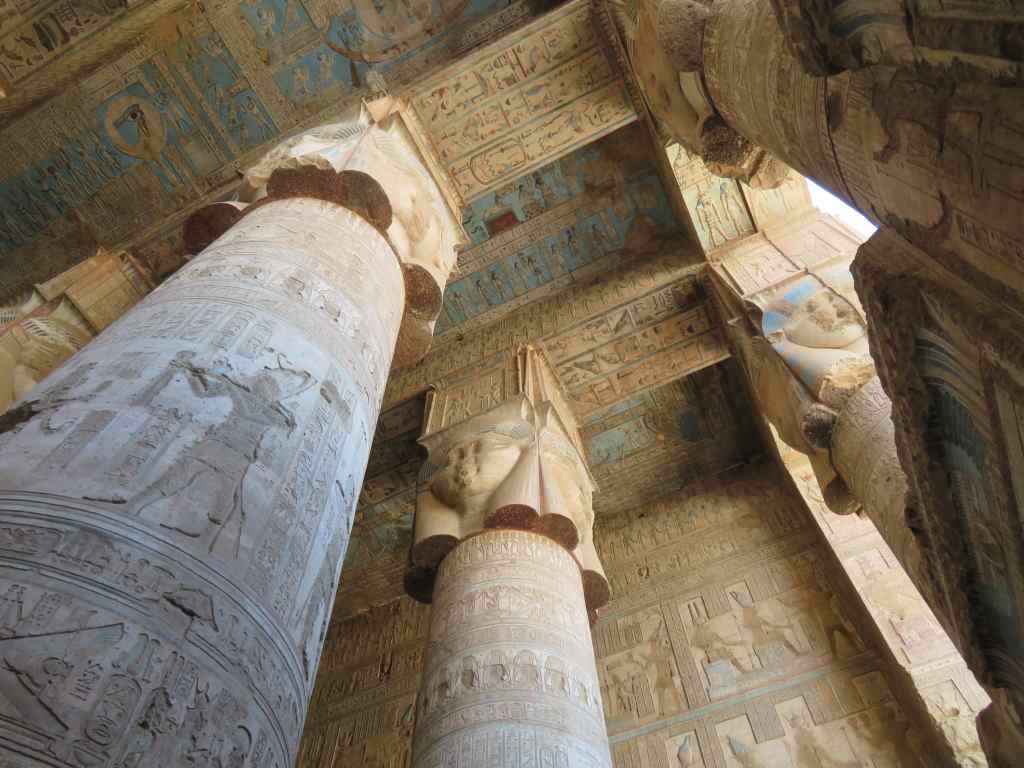
The Dendera Zodiac we saw on site was a replica with the authentic one in Louvre.
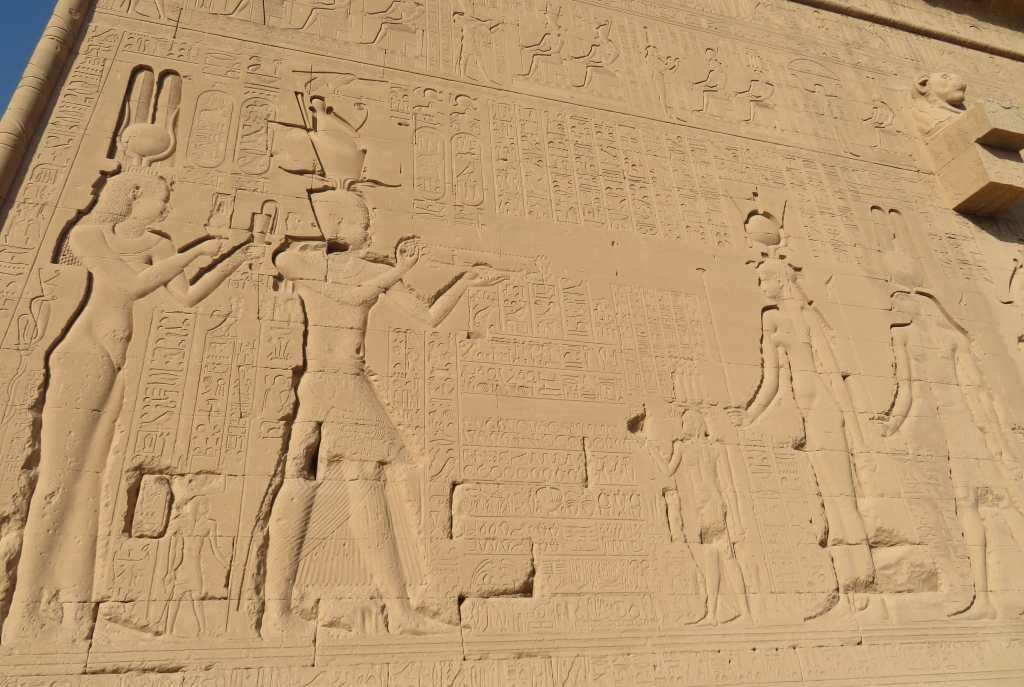
There was a giant wall of bas relief at the back of the temple. We were told that one of the figures was the famous Cleopetra VII with her son with Caesar.
After the excursion, we sailed back to Luxor again. There was a welcoming cocktail in the evening with champagnes and mimosas. It was followed by a port talk and dinner.
Day 6: Valley of the King, Mortuary Temple of Hatshepsut, and Tomb of Nefertari
Today would be another busy day with an all-day excursion. After breakfast, we left for the Valley of the Kings. There were many tombs in the Valley of the Kings, and they were open on a rotation basis.
We first visited the Tomb of Remeses IV (KV2). After we passed through the gate, we saw a long and narrow passage down. The walls were decorated with colorful paintings and hieroglyphs. At the end of the long passage, there’s a giant sarcophagus in a smaller room with the walls covered again with colorful hieroglyphs. It was one of the most impressive tombs in the Valley of the Kings.
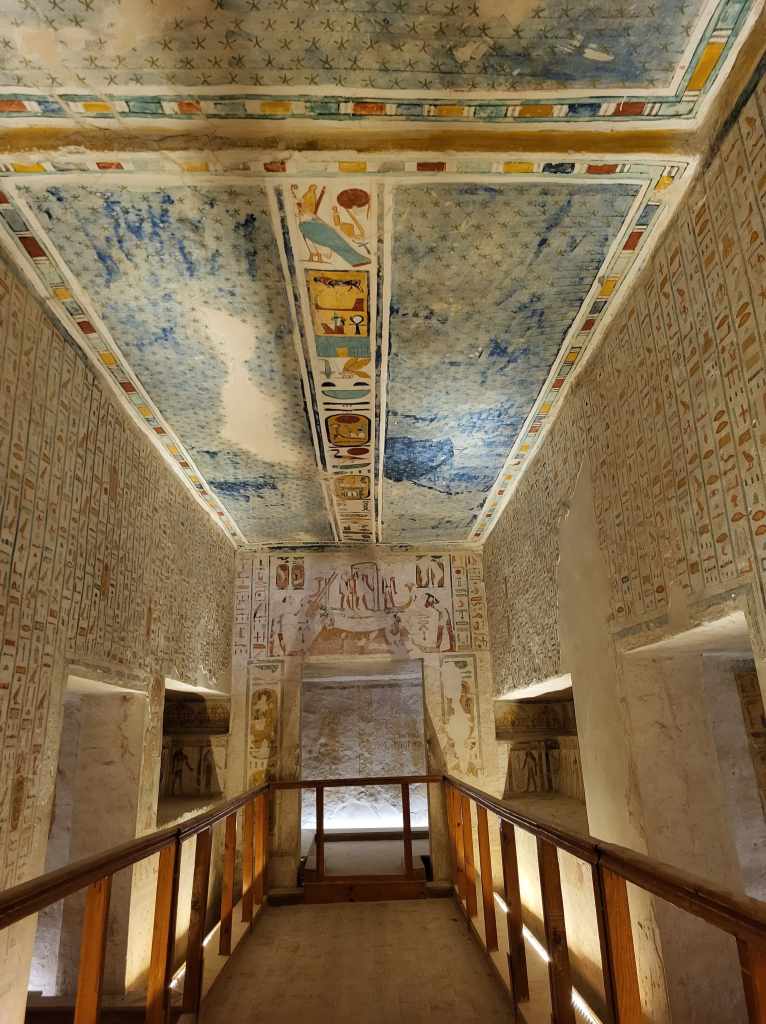
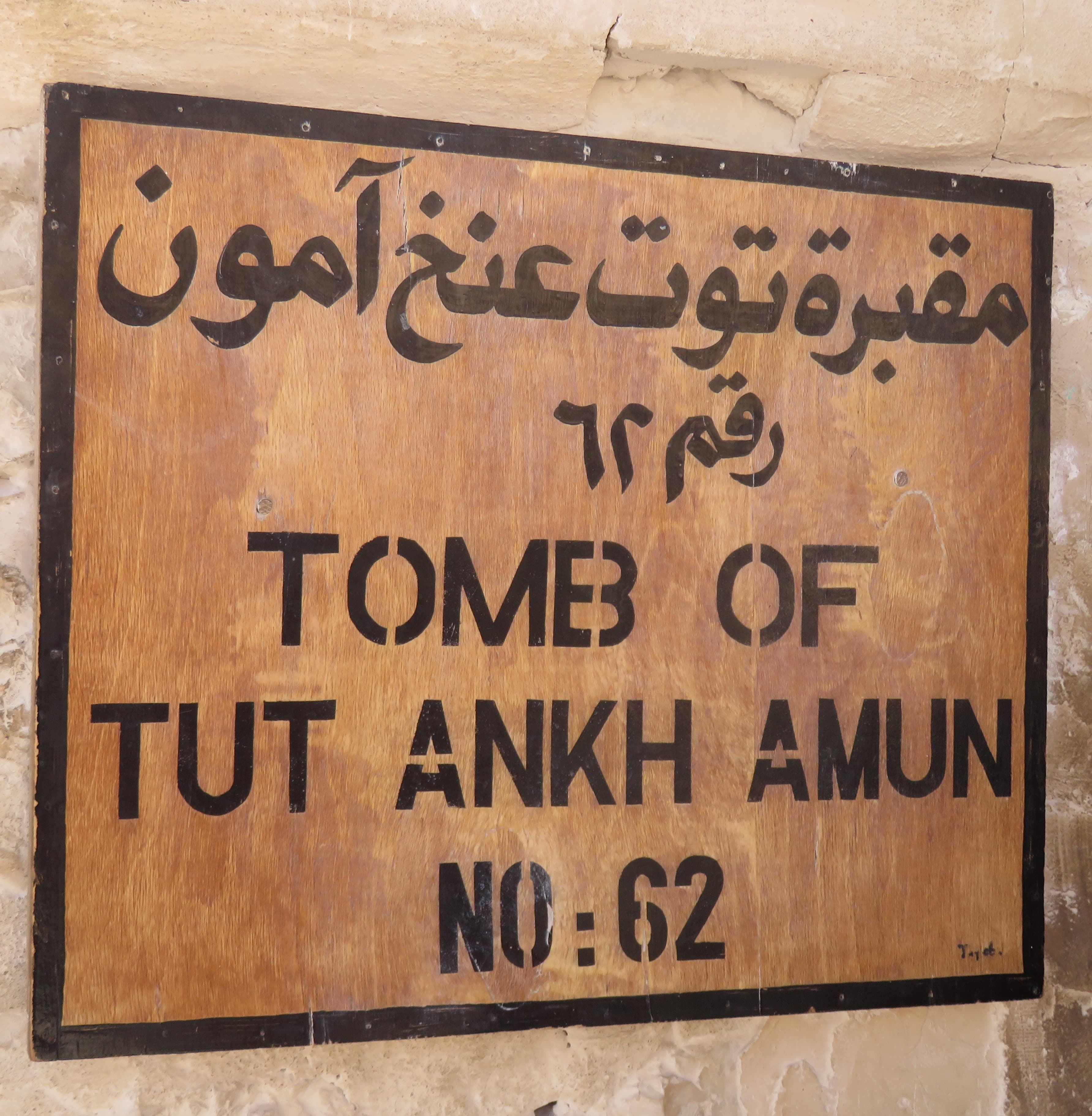
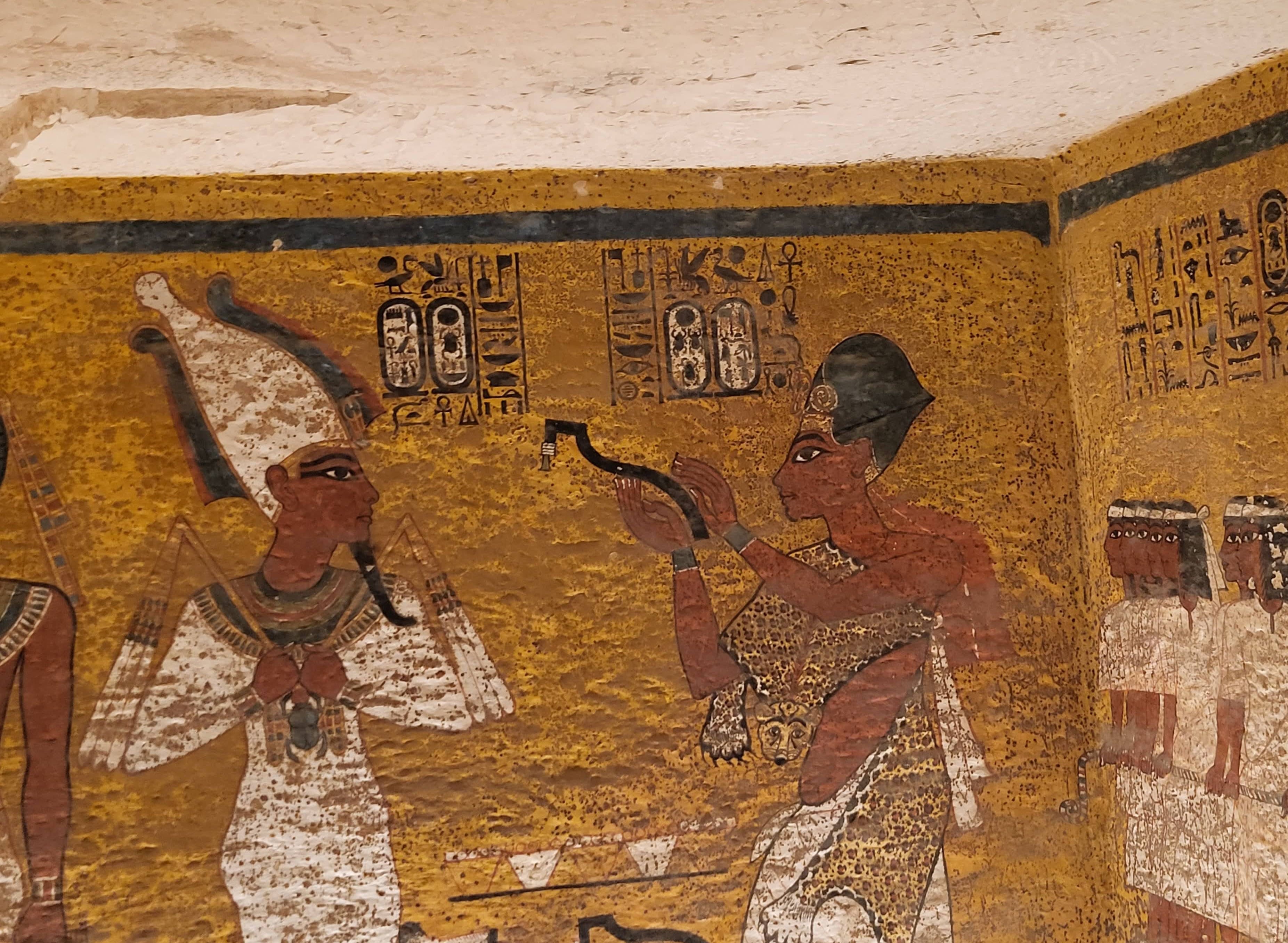
The second tomb we visited was KV62, the famous tomb of the King Tutankhamun. This tomb was very small, because King Tut died at a very young age of 19 and his official tomb wasn’t ready. Therefore, he had to be buried in a tomb originally prepared for a high official. That was one of the reasons that his tomb was hard to locate, and wasn’t discovered until 1922 by Howard Carter. We only saw a small room with King Tut’s mummy placed in a climate-controlled glass container, and another room with a sarcophagus. I asked Yasser about other rooms inside the tomb, and he said they were closed because they were unsafe to enter.
The Tomb of Rameses IX was unfinished. It started with a long passage with colorful paintings and hieroglyphs, but the burial chamber was plain and unfinished. This was unusual because the tombs were supposed to be built starting from the burial chamber out. The Tomb of Remeses II was nearby, but it wasn’t opened to tourists at the time.
We also visited Howard Carter’s house where he was working on the excavation. The house had a kitchen, a bathroom, a master bedroom, a guest room and dark rooms for developing films. Though the house was small, it looked very comfortable. There was also a house of Lord Carnarvon, who sponsored Howard Carter’s work in the Valley of the Kings, a bit farther on a hill.
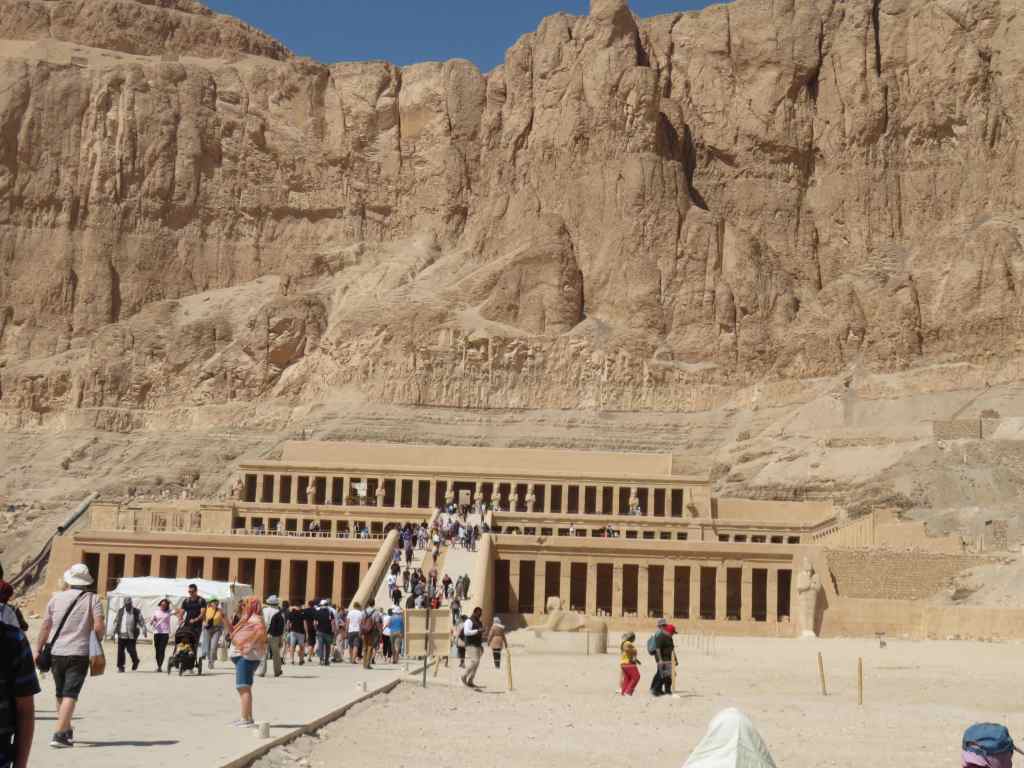
The bus then took us to the Mortuary Temple of Hatshepsut. The temple, with its three-level structure, looked very impressive! A long ramp led us to the middle level with several restored statues of Hatshepsut in front. Hatshepsut was a very powerful queen of the Eighteenth Dynasty, who served as a pharoah for about 20 years. Her statues wore false beards to be like other male pharoahs. The right end was the Anubis Room, where terrorists masscared more than 40 Swiss tourists back in 1997. The left end was the Hathor Room with two hypostyle halls with Hathor’s head carved at the top of the columns. We also made a quick visit to the top level with the short time we had. There were a few small rooms with colorful paintings.
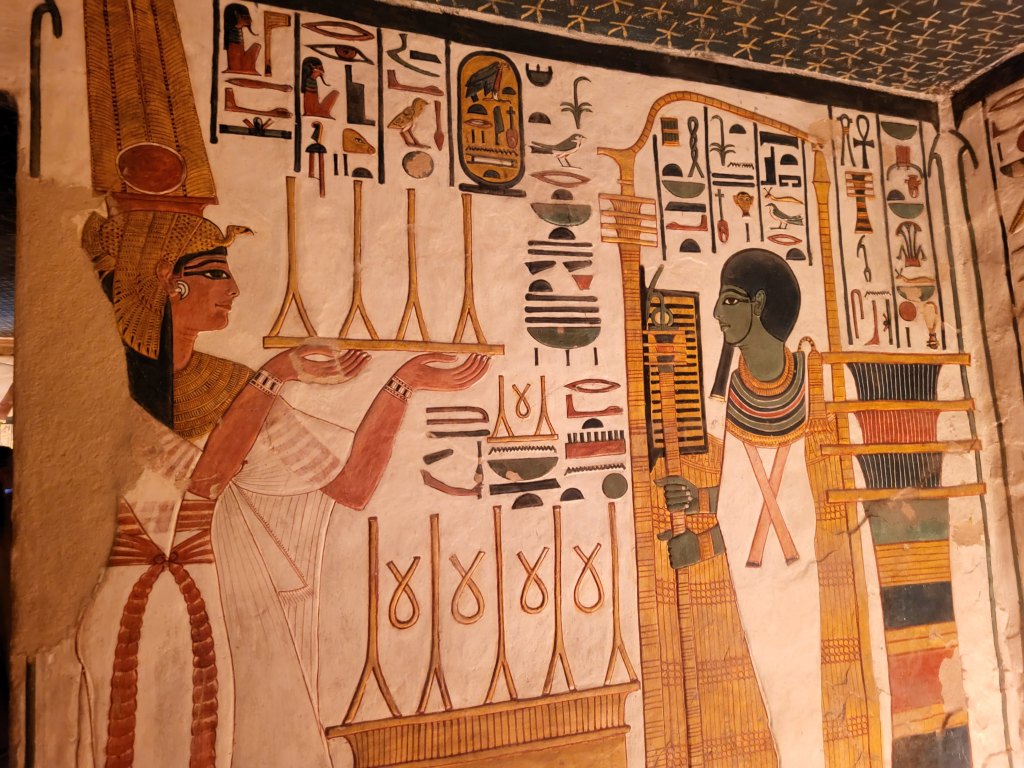
Another highlight of the day was a visit to the Tomb of Queen Nefertari in the Valley of the Queens. Queen Nefertari was the favorite wife of Remeses II. The tomb wasn’t discovered until 1904. Only limited number of visitors were allowed inside the tomb each day, and the entrance fee was very expensive (1400 LE) compared with other sites in Luxor. It wasn’t big, but it was full of vivid colored paintings. The paintings looked so fresh as if they were recently completed! They didn’t look like ancient works done thousands of years ago. Fortunately we were allowed to take photos inside (no flashlight!), so we all took a lot of pictures of the beautiful paintings.
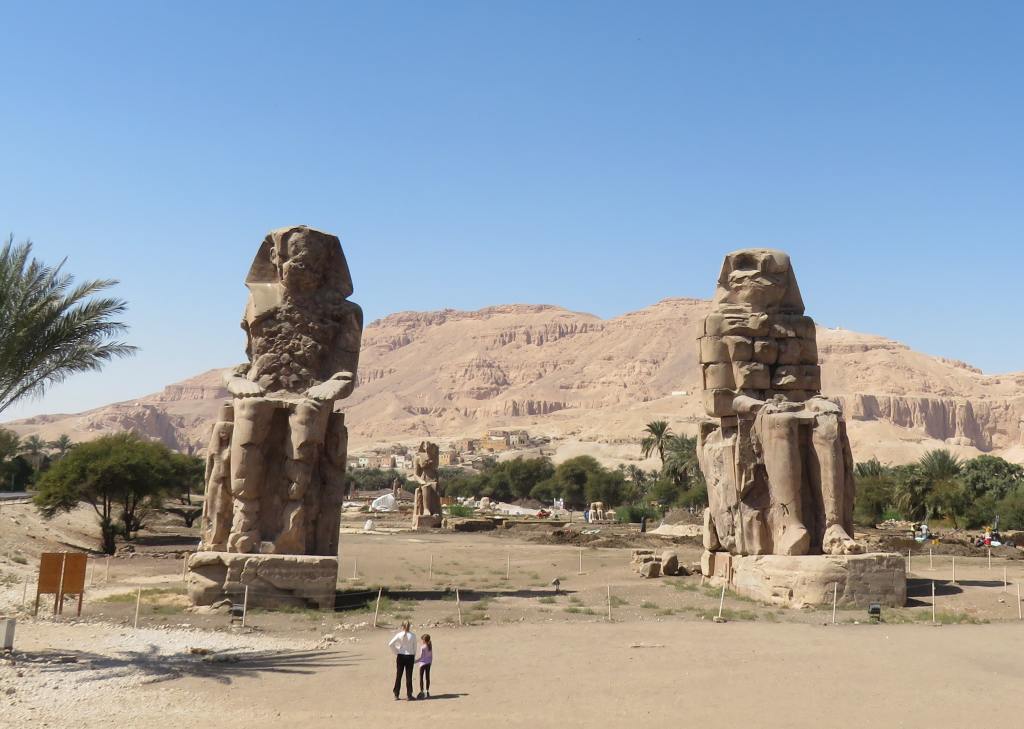
We had a final photo stop at the Colossi of Memnon. They were two giant 60-feet statues of Pharaoh Amenhotep. Reverberating wind was said to blow through the cracks of the statues to make some eerie sounds.
After that, we returned to the ship, and it sailed to Esna soon after we were on board. We had a very late lunch. Everybody was tired after the long day, so it’s just food and rest.
The ship went through the Esna Lock when we we were at the lounge listening to the port talk. It was already dark outside, so we couldn’t see much except for the high walls inside the lock. We were told that on our returning voyage, we would go through the lock again during the day time, and that would be our chance to see the lock under daylight.
Day 7: Esna
Our cabin was facing the port side, in front of a mosque. I started to hear the chanting at 4am. Since I couldn’t go back to sleep, I decided to get up. Around 4:45am, they started to make loud praise or announcement from the minaret. This time even Rei woke up.
“How can someone sleep through this?!!“
It turned out that no one could. Later we learned that the entire ship was waken by the loud sound.
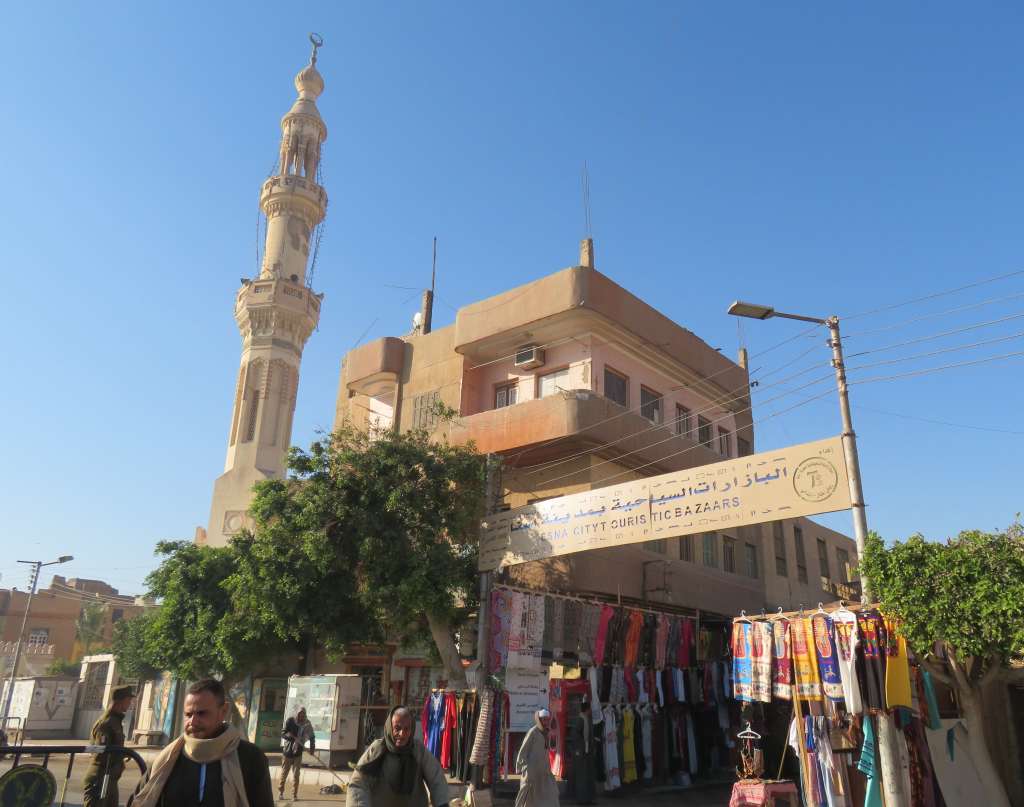
Our included excursion to the Ancient Temple of Esna started at 8am. The temple was only a very short walk from the pier. We had to walk through a street full of vendors (much like the other attractions we have been to) to reach the temple.
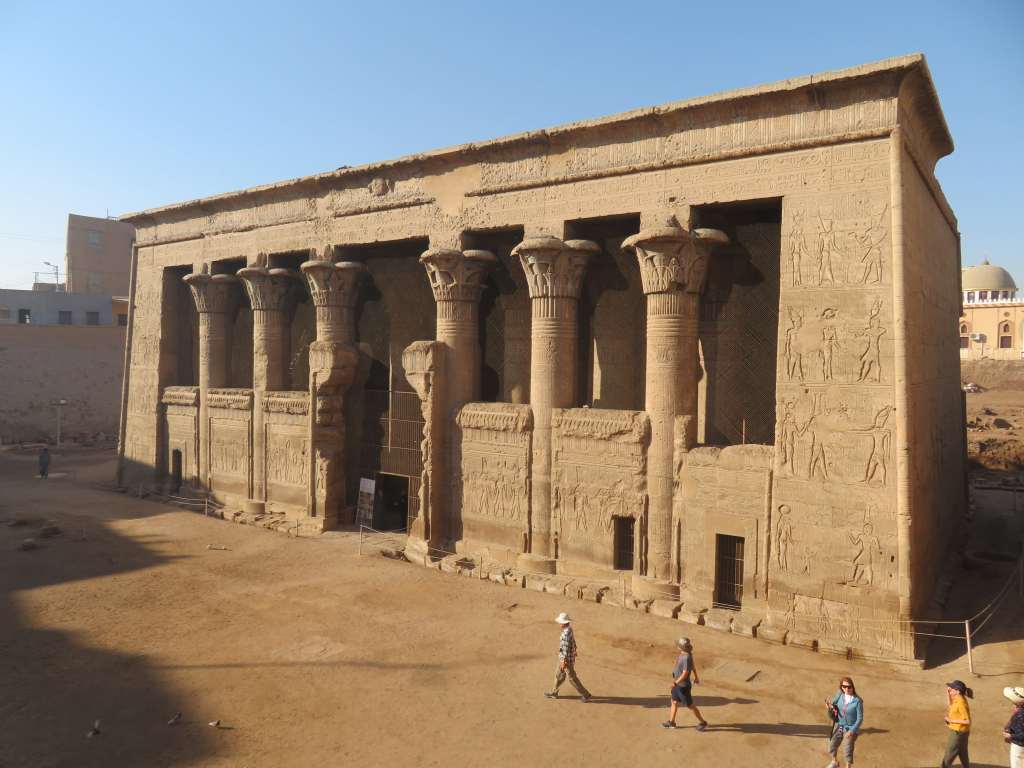
The Esna Temple was dedicated to Khnum, the ram-headed creation god. It was built in the Greco-Roman time. Only a small hypostyle hall remained. The hall was full of colorful columns with relief and hieroglyphs. The surrounding walls were also full of relief and hieroglyphs.
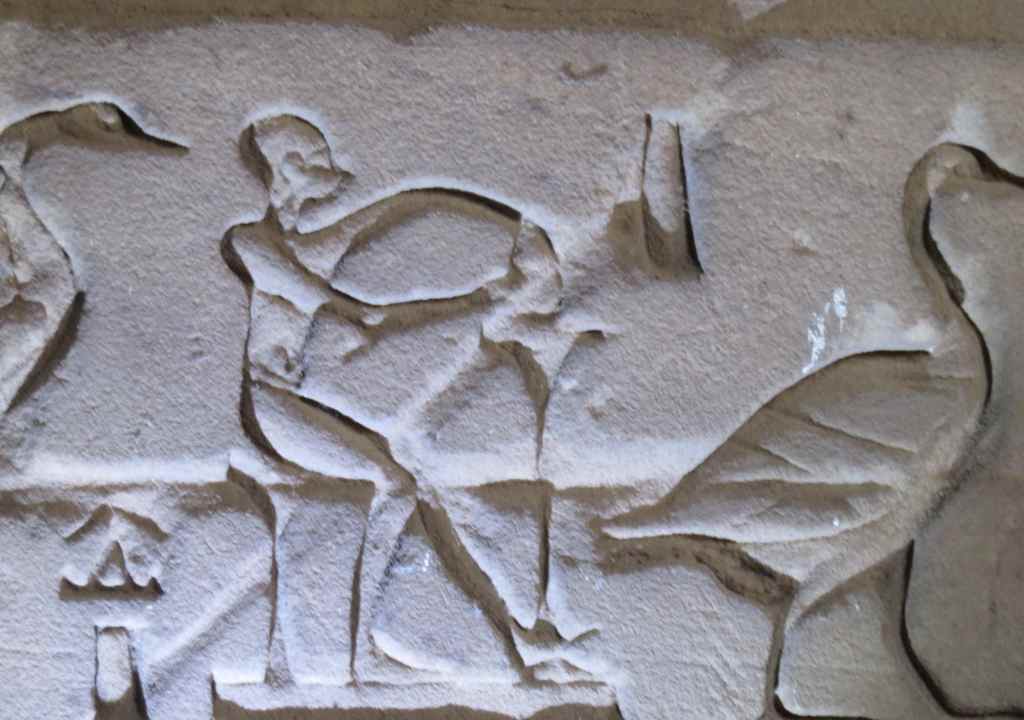
Yasser showed us a “horse ride” hieroglyph symbol on the outside wall of the temple and a “Khnum-created-human-on-potter’s-wheel” hieroglyph symbol inside. Those two were the most special symbols of the temple. There was also a relief carving showing Horus and Anubis serving a Greek loyalty on a chariot — a way to show that the Egyptian gods approving of the Greeks.
Since the temple remain was small, the tour ended at 9am. It left us an hour to do the shopping. I bought several scarves ranging from $10 to $15 USD. I bought the most expensive one from a special weaving store, and the quality was very good.
The Viking Osiris immediately sailed to Aswen after 10am. There was a Sail Away Cocktail at the Sun Deck, where we had mocktail drinks. There was an Egyptian hieroglyphic class at 11:15am. Many people attended to learn how to write their own names in hieroglyph.
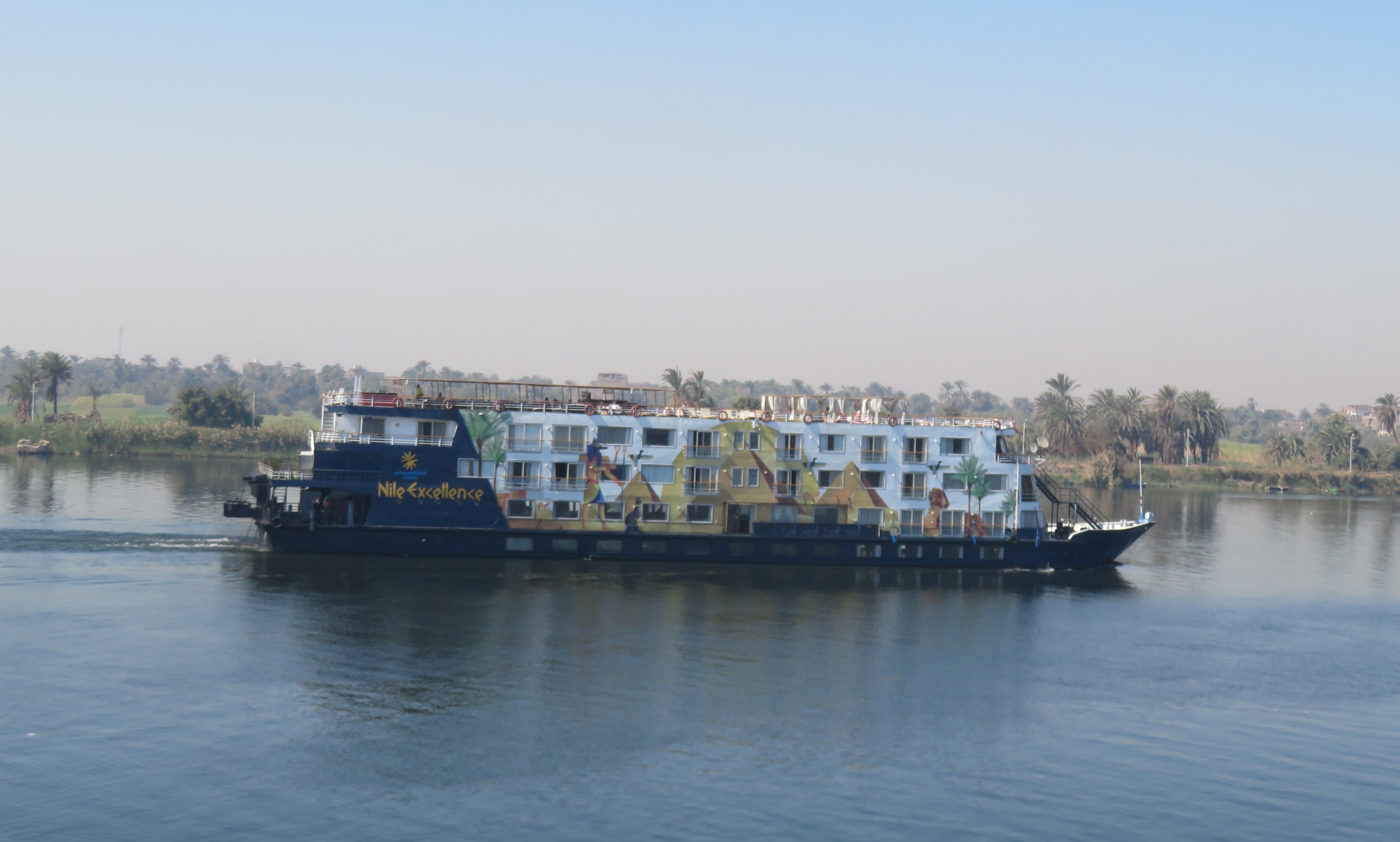
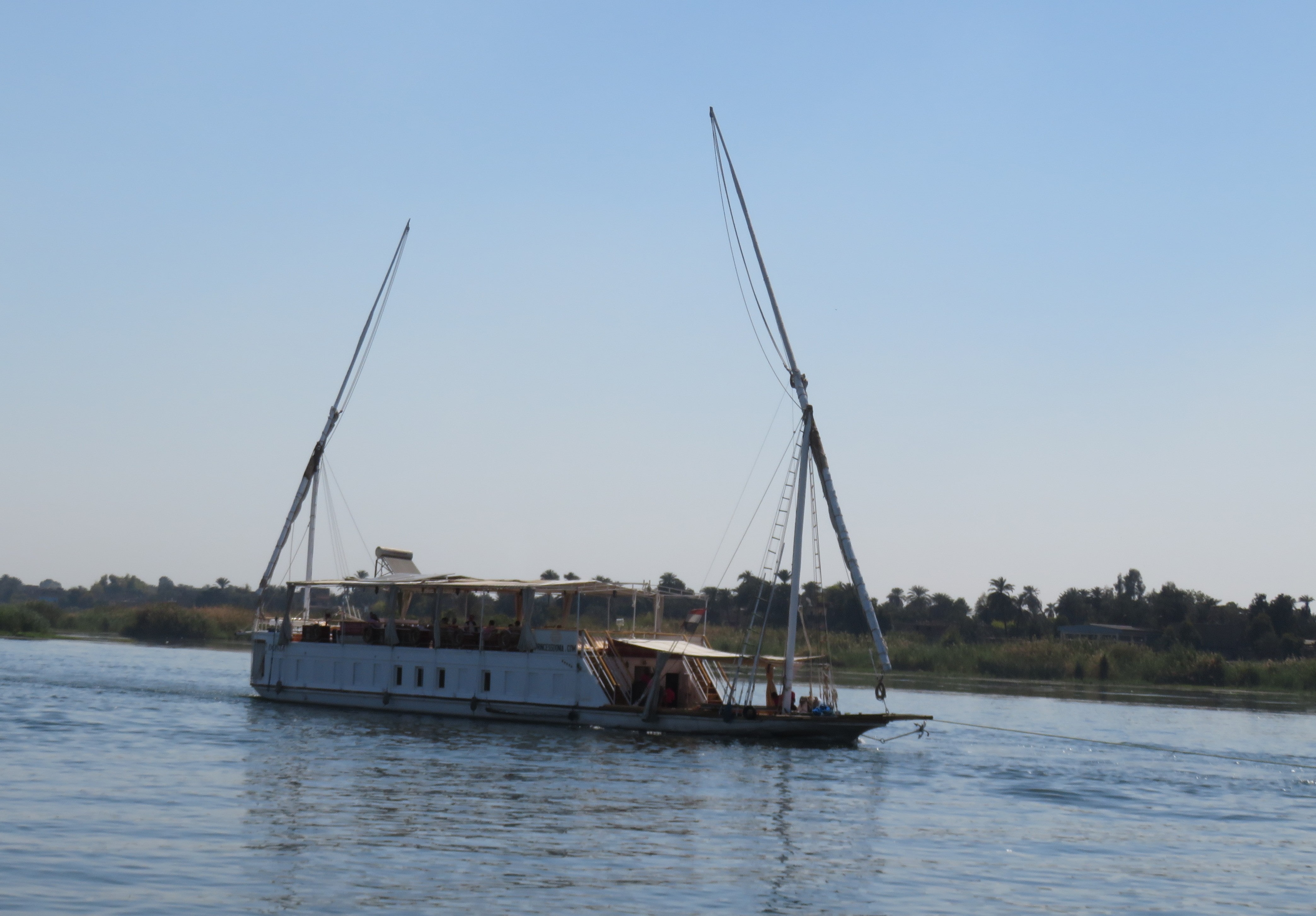
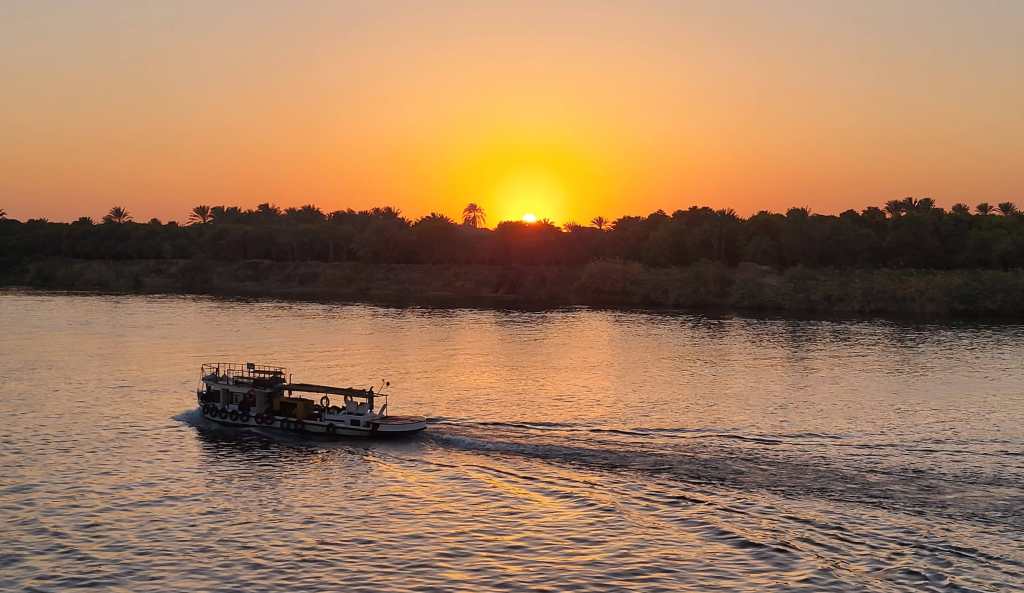
I took a shower after lunch and did some laundry afterwards. We also went to the afternoon tea (it was just okay), lecture and then simply relaxed at the Sun Deck to enjoy the fabulous view. The Nile sunset was gorgeous!
Tonight was the Egyptian Night. Staff members and many guests wore traditional Egyptian clothing for the occasion. Rei and I weren’t into cosplay, so we just wore our regular clothes.
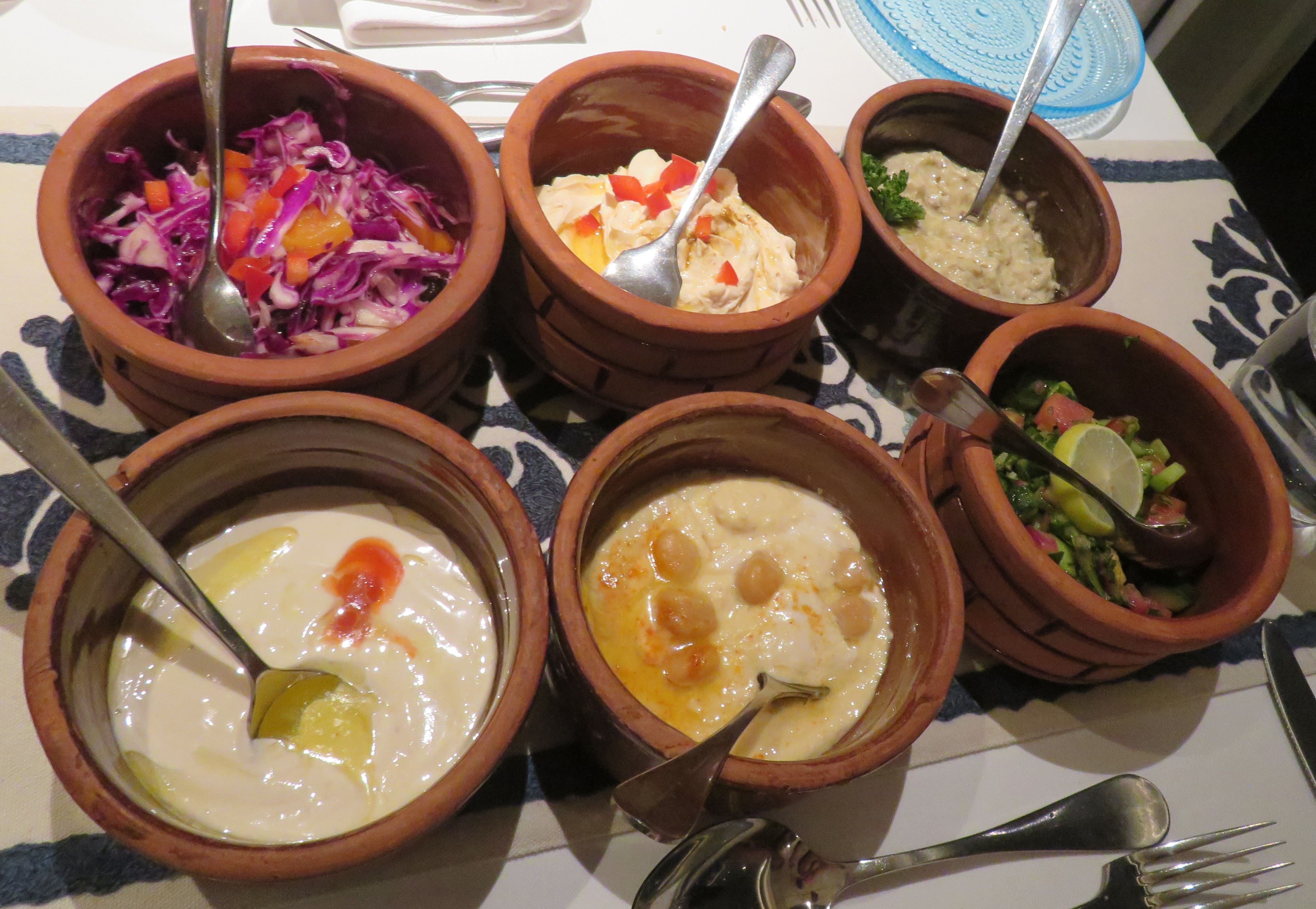
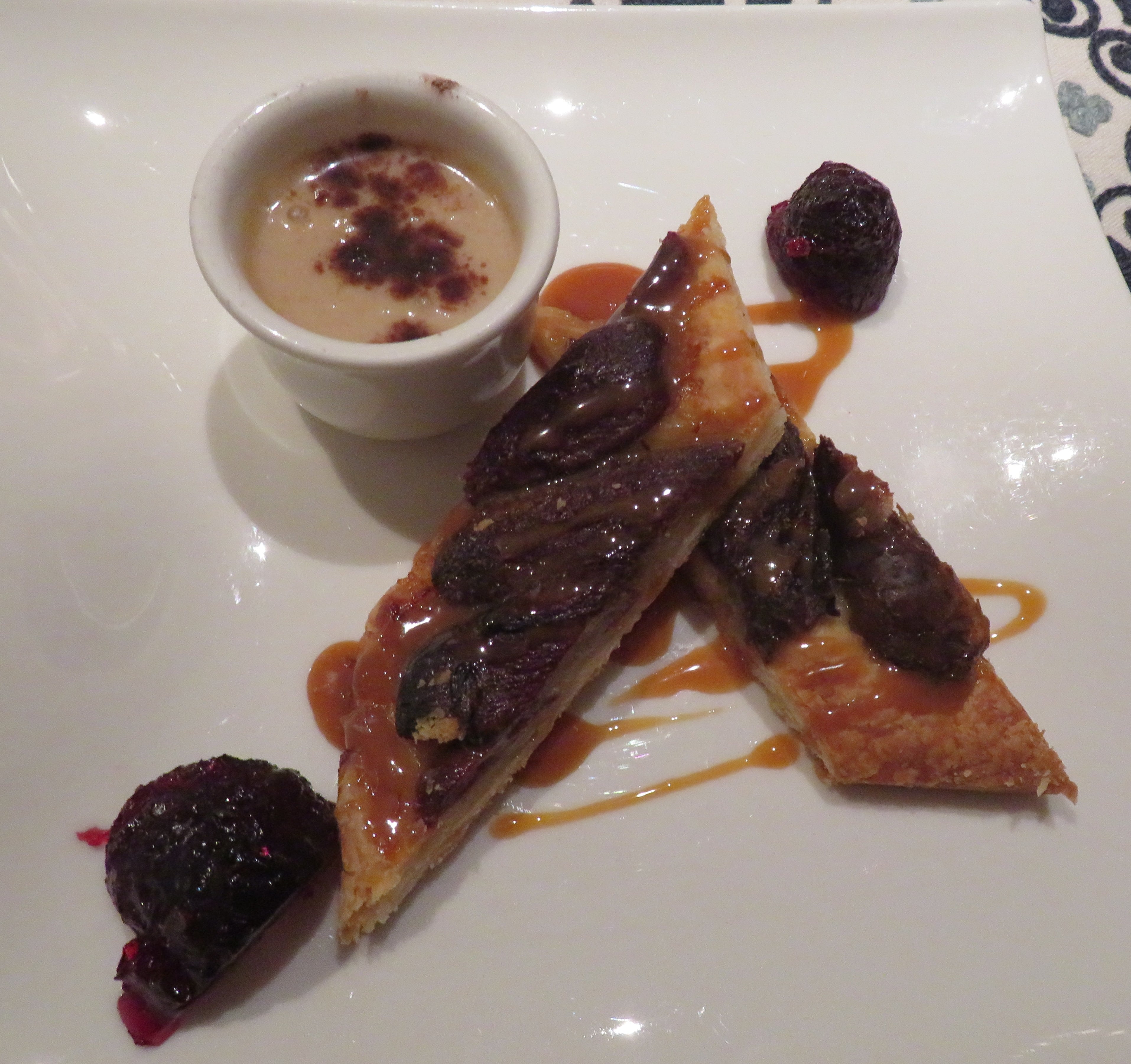
They were serving Egyptian food for dinner too. I didn’t particularly enjoy the Egyptian food, but the food surely looked pretty. We were told that Egypians shared dinner together, so tables in the dining rooms were combined into large long tables, and the food was placed in the middle for sharing.
Day 8: Abu Simbel
Today was another big day. We were going to Abu Simbel on a paid excursion. This was an expensive trip that cost more than $400 USD per person, but we just needed to see Abu Simbel!
The Abu Simbel Temples consisted of two temples: the Great Temple dedicated to Rameses II (yes, the narcissistic guy with a big ego) and the Small Temple dedicated to his first wife Queen Nefertari. The temples were originally situated at a lower elevation. They would have been submerged by the Lake Nasser after the construction of the Aswan High Dam. A multinational effort helped move the temples to a higher ground. The work involved cutting the temples into large blocks and then move the blocks piece by piece to reconstruct the temples. The tremendous effort started in 1964 and wasn’t completed until 1968!
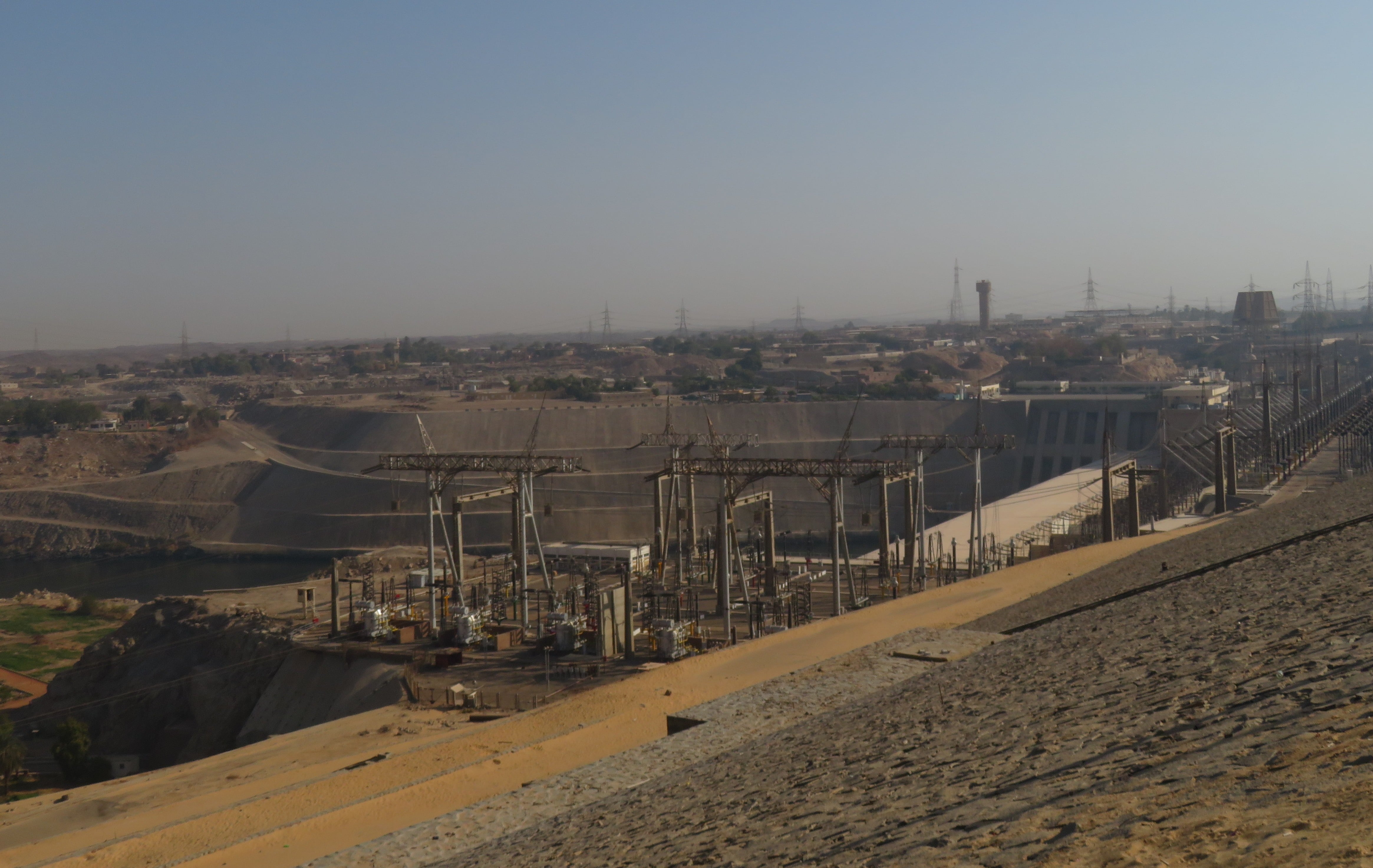
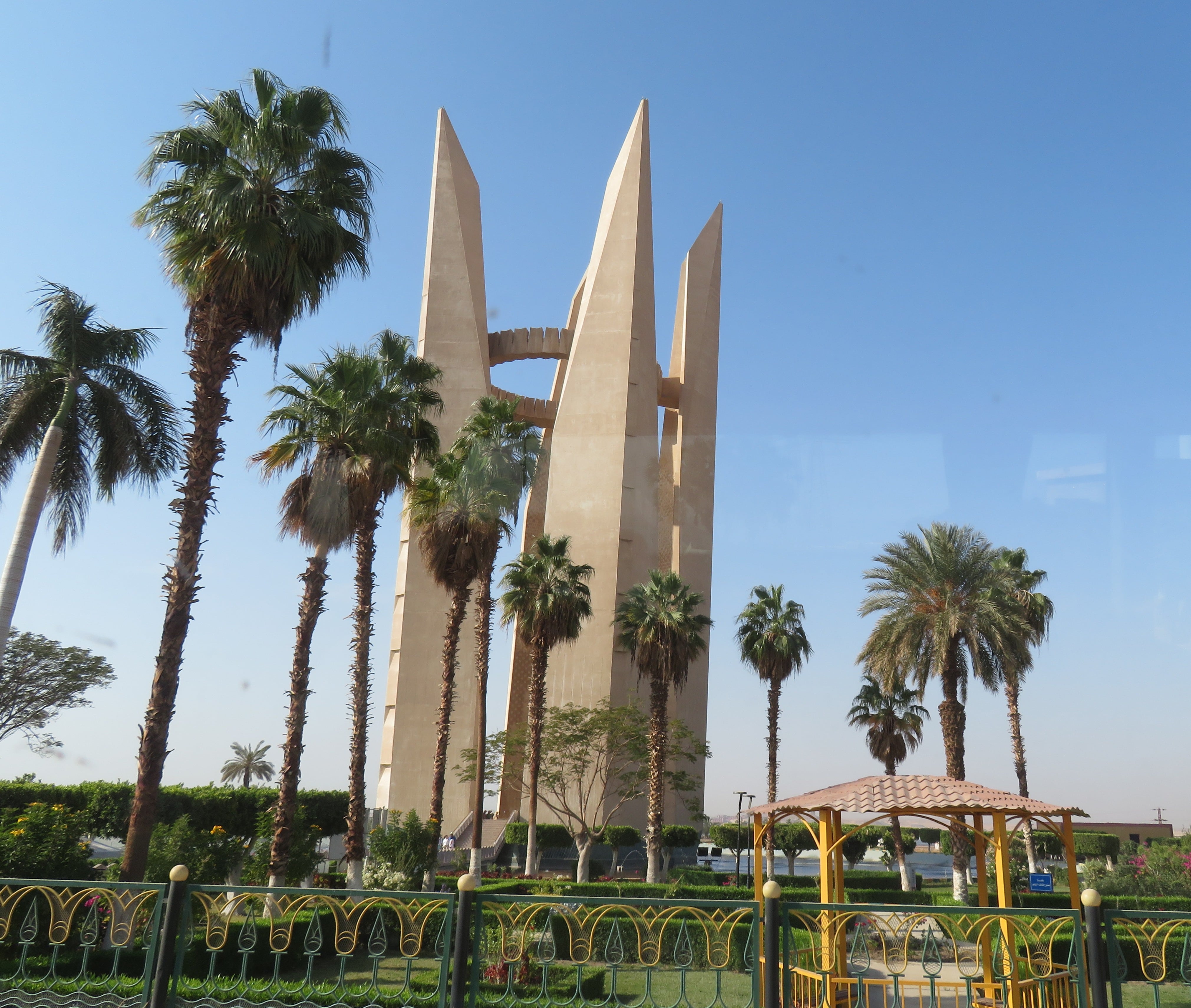
Our trip started with a bus ride. We first crossed the Aswan Old Dam. There was a lot of traffic. We also passed by the Aswan University. Then we had a short stop at the Aswan High Dam on our way to the Aswan Airport. The High Dam was a very important site and was heavily guarded. Any sabotage to the High Dam would have very serious consequences.
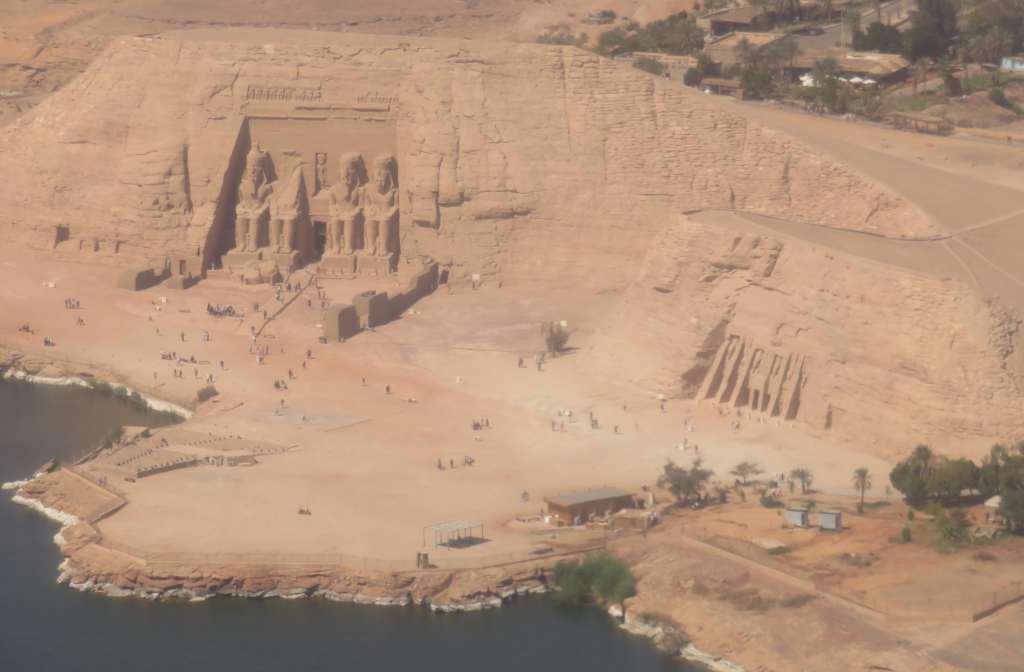
Viking chartered a plane to fly us to Abu Simbel. This was an even smaller plane compared with the plane from Cairo to Luxor. The flight was about 40 minutes. I sat in a window seat on the left, and I was lucky enough to be able to see the Abu Simbel Temple from the airplane! I also managed to take a photo of the temple from above. After we landed, we had to take another bus ride to reach the temple. This was a very long journey!
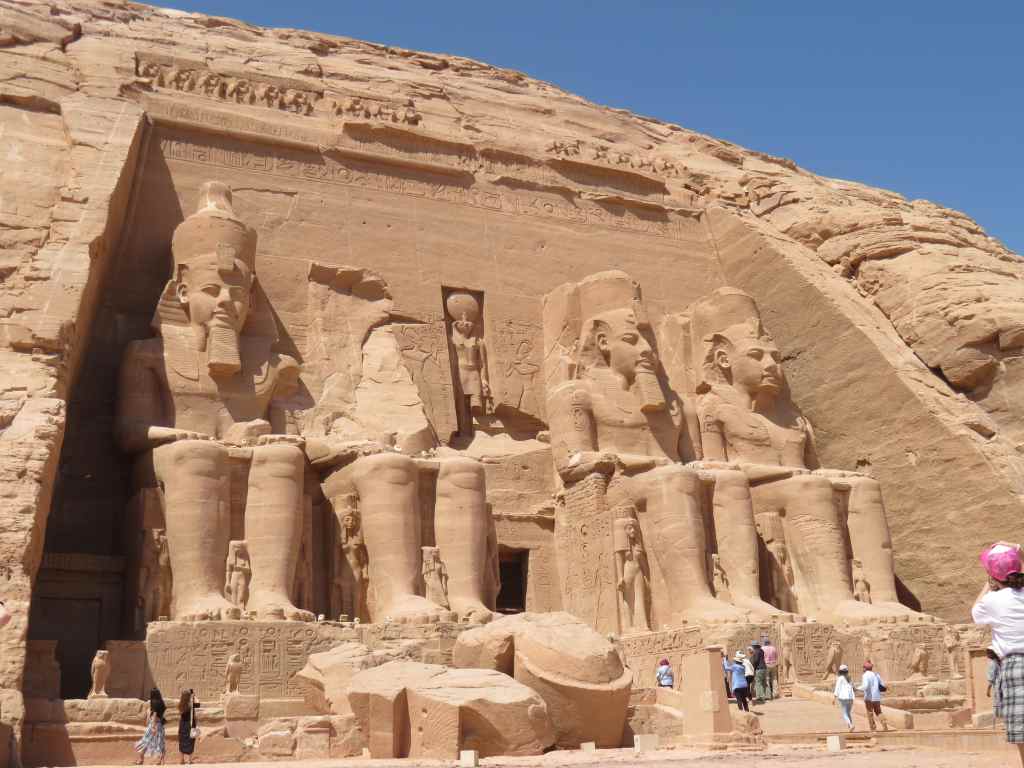
We reached the Great Temple first, and were all awed by its magnificence! We all couldn’t resist to take many photos of the Great Temple with the four gigantic statues of Rameses II in the front. Upon entering into the temple, we got to hold the temple key (in the shape of an Ankh) and have a photo. It was fun! There were many chambers in the Great Temple, all decorated with bas relief. Majorities of the scenes were the great Rameses II defeating enemies or the pharoah making offerings to various gods. The Small Temple had six large statues in front. It also had many chambers inside decorated with bas relief.
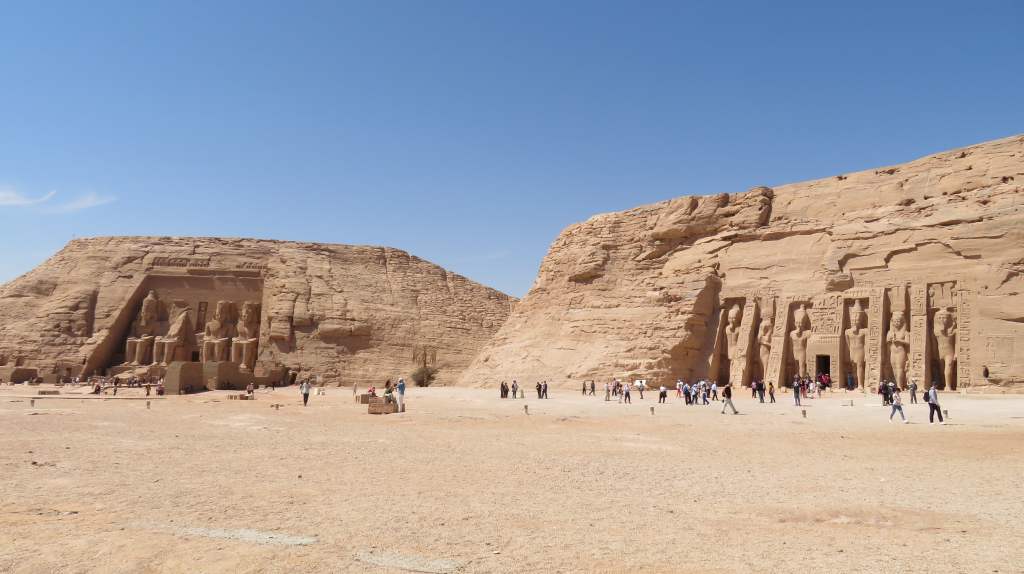
We have heard that the best viewpoint of the temples was from the bank of Lake Nasser. So after visiting the Small Temple, we strolled to the lake bank, and took several photos from there. Lake Nasser was cool and peaceful under the cerulean sky. We walked along the lake and back to the entrance. Though it was only the beginning of March, we already felt very warm. It would have been horrible in the summer!
The return trip was another long journey of bus ride, plane ride, and another bus ride. It was already 3:30pm when we returned to the ship.
Rei and I originally planned to check out the unfinished obelisk by ourselves, but the site would be closed at 4pm. So we ended up walking up to Aswan Souq, which was only a short walk away.
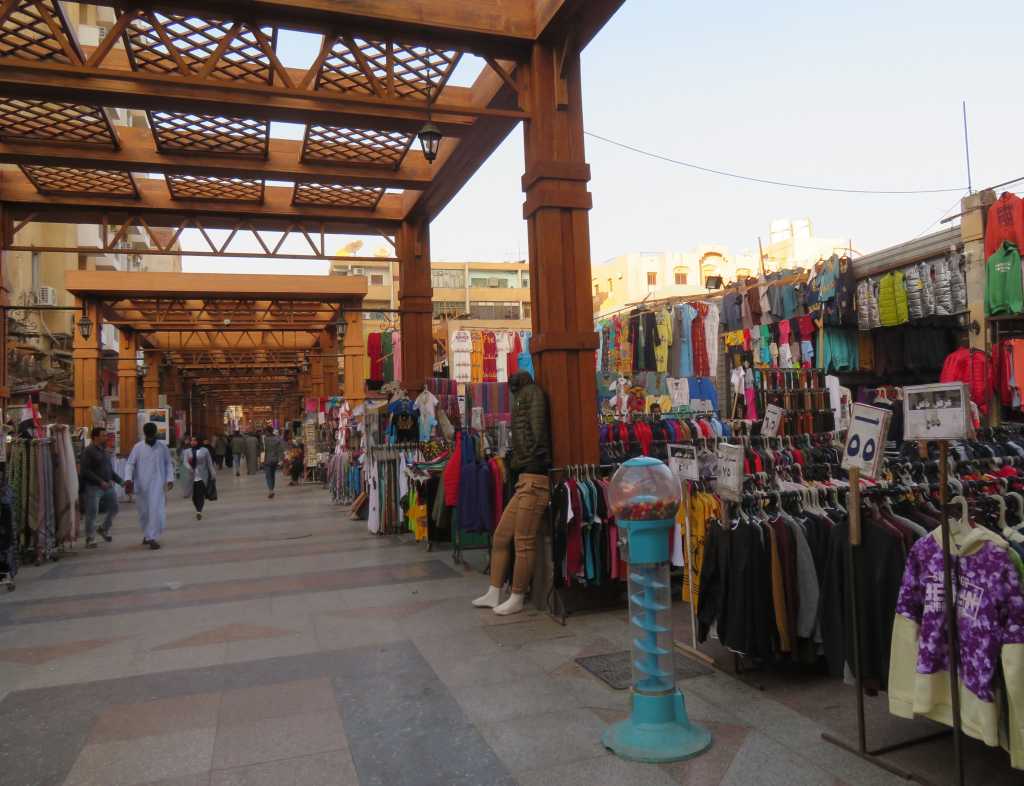
We saw many locals shopping at the souq. There weren’t too many tourists, so we didn’t hear a lot of vendors shouting “one dollar, one dollar!” Rei bought from a spice store a bag of the famous Aswan peanuts to share with our travel companions.
A vendor showed us a scarf made of camel hair. I told him that I was more interested in scarves made of true Egyptian cotton. He showed us another scarf which looked exactly identical, and claimed that one was made of cotton. Another clueless store staff member came out and said the scarf was made of genuine camel hair. Haha! We walked away.
I found another vendor selling scarves, and those did look like cotton scarves. The vendor swore that his scarves were indeed all made in Egypt. Even though we weren’t really sure whether he was telling the truth or not, I picked 2 scarves. He asked for 600 LE, and Rei counteroffered 500 LE. We then walked back to the ship.
Later we went to the port talk, took a shower, and went to dinner. There were very few diners in the restaurant. Some people went to the (paid) Sound and Light Show at the Philae Temple; others were simply too exhausted to go to the dinner.
We had a short walk on the Sun Deck after dinner. The temperature was very nice and comfortable. There were neon lights everywhere. Aswan seemed to be a lively city at night.
Day 9: Aswan
It was sunny and clear today. This morning we had a felucca ride on the Nile. This was a great sightseeing as well as bird watching cruise.
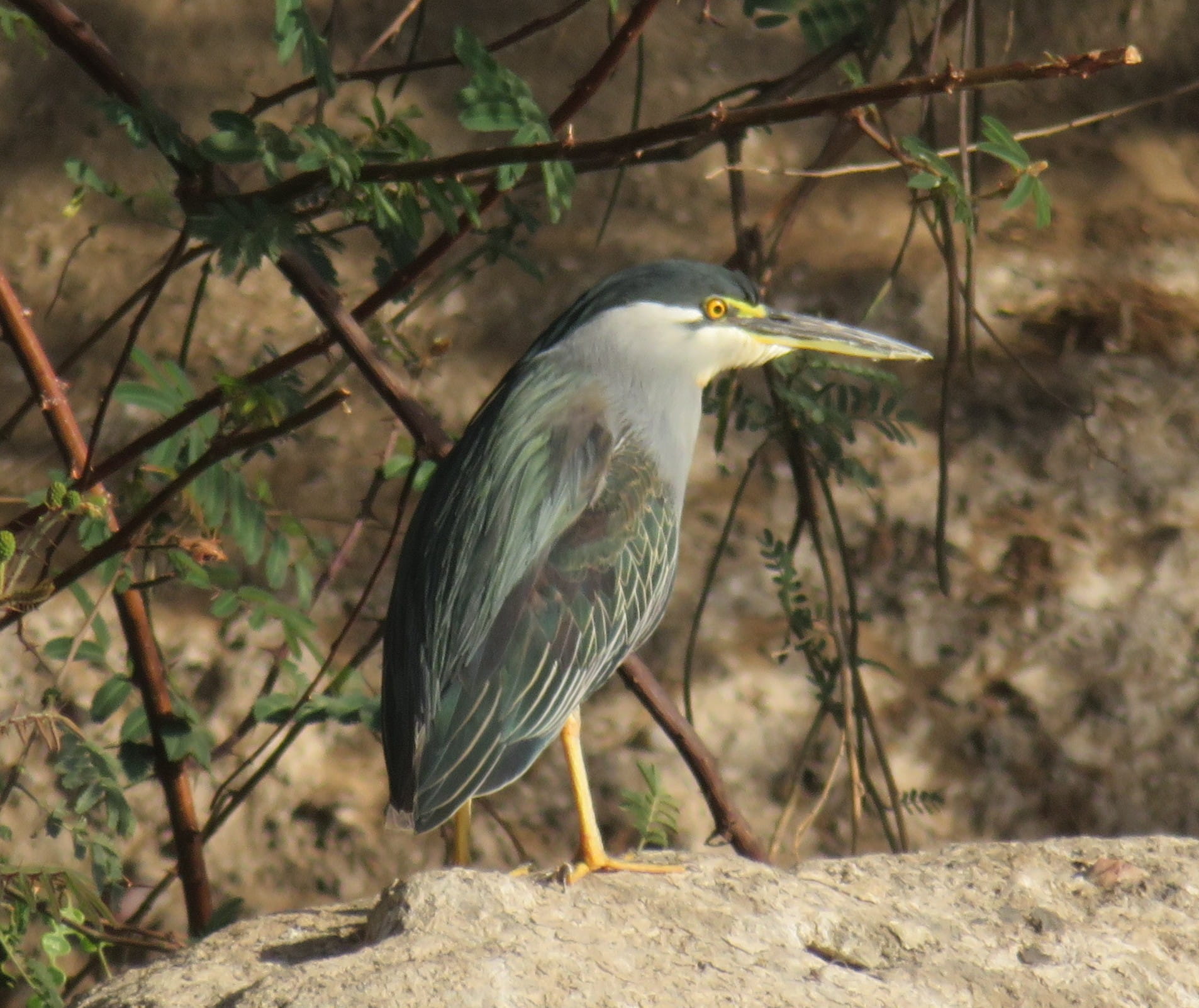
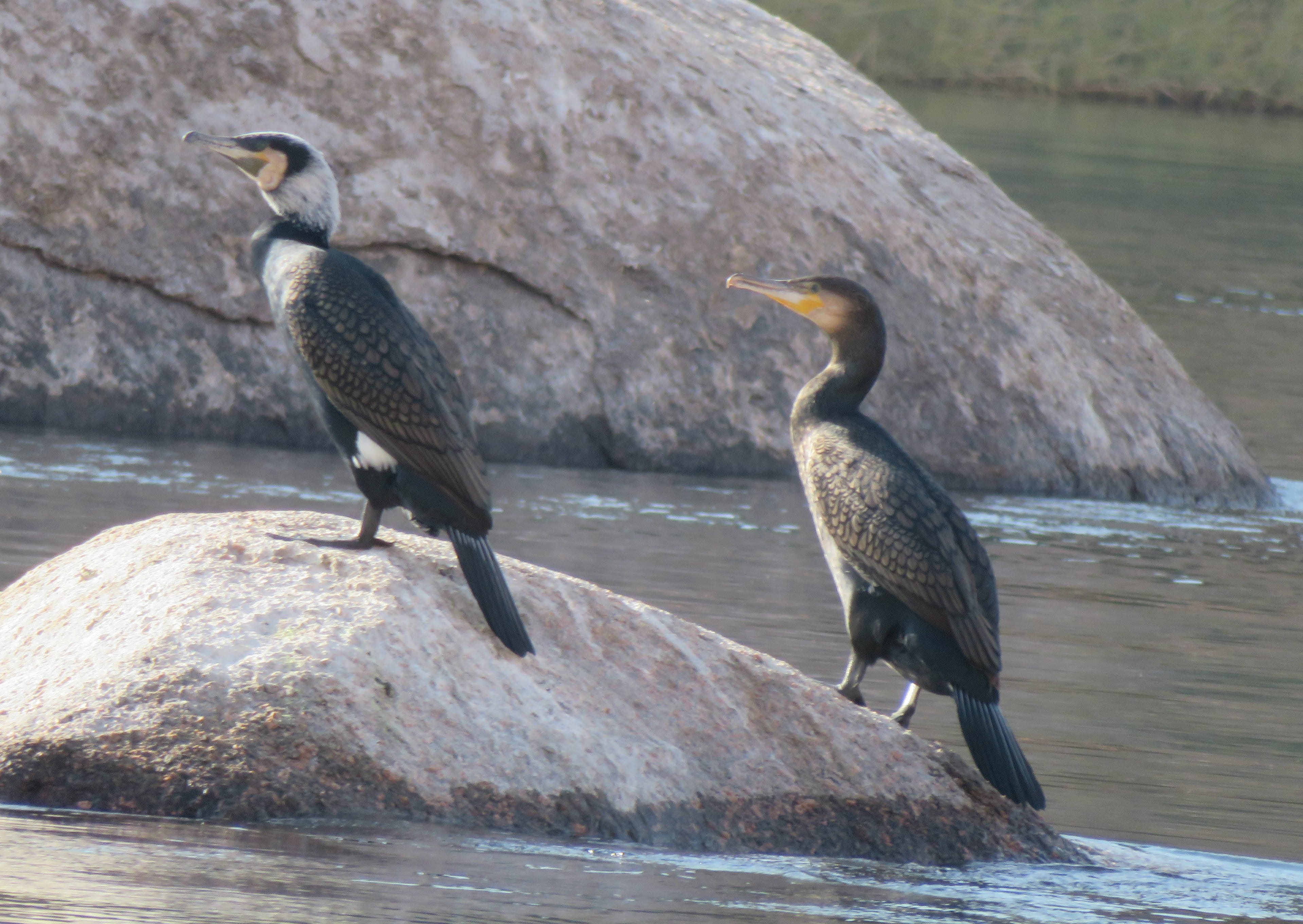
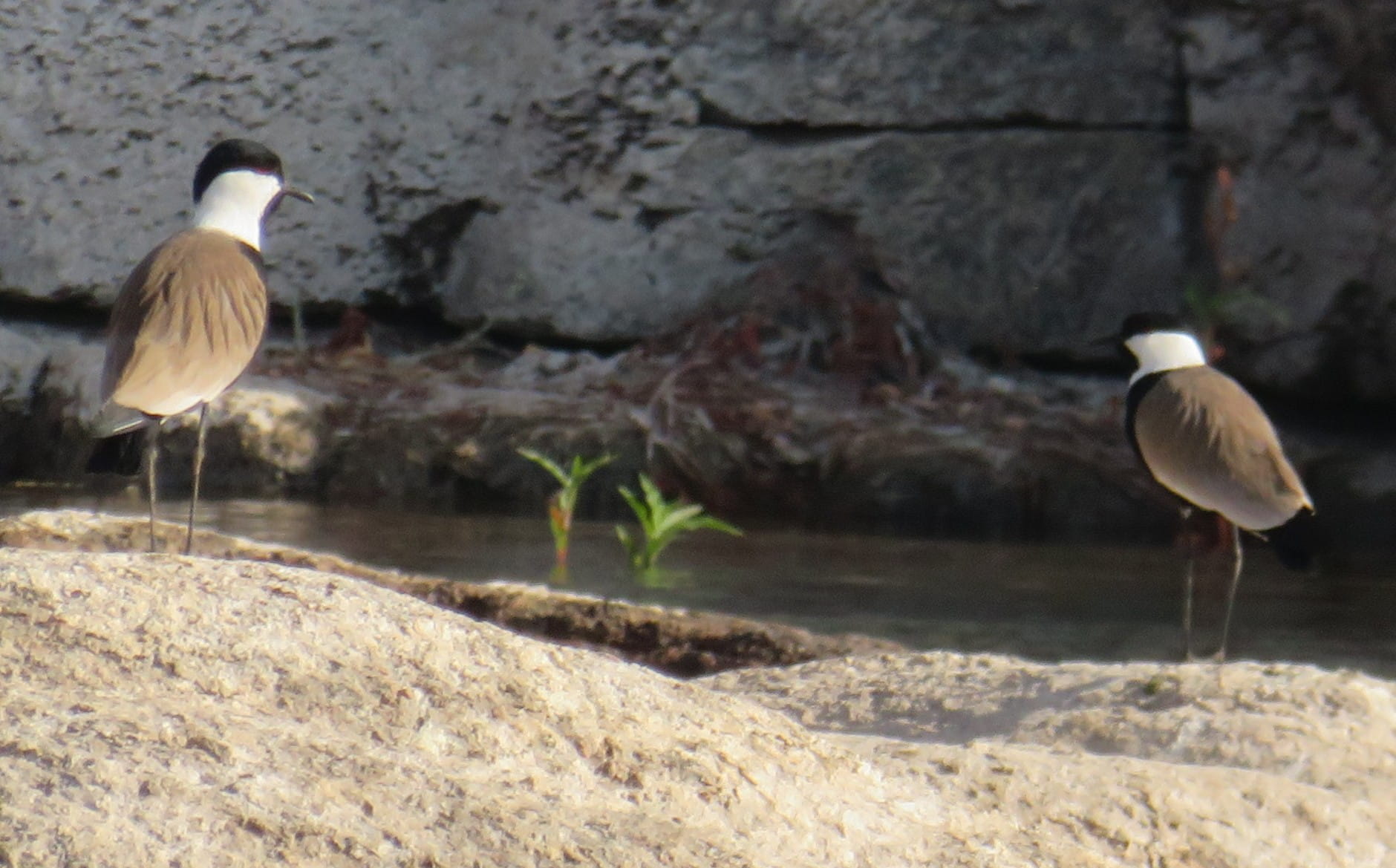
There were many water birds such as herons, egrets, cormorants, jacanas and moorhens. It was serene and scenic. We were all just relaxing on the boat and taking photos.
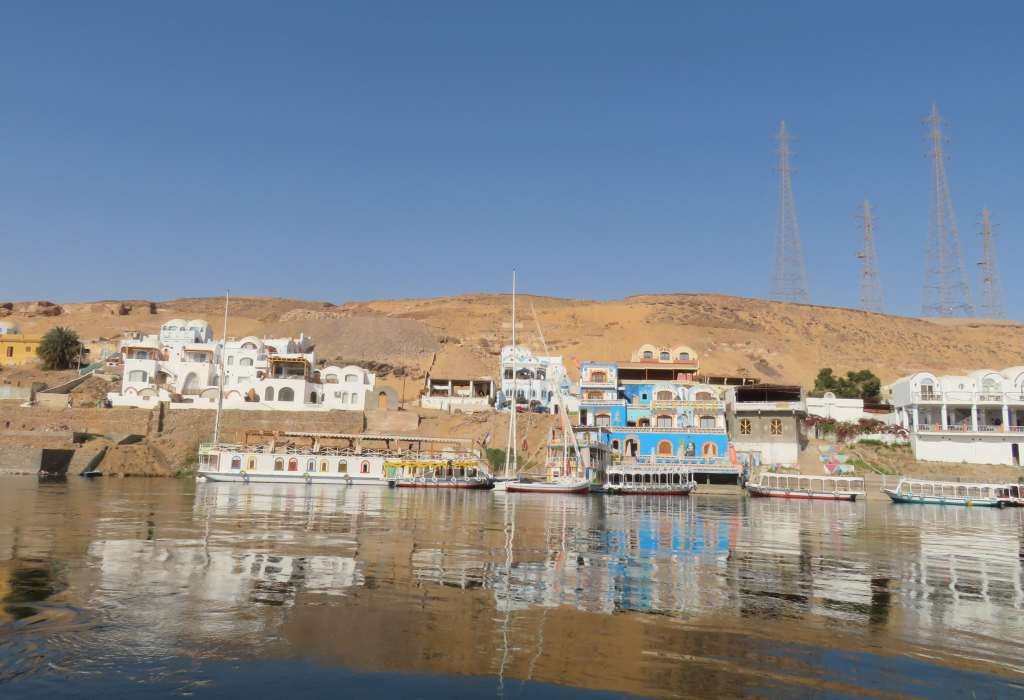
We had a short visit to a Nubian village. Over there we were invited into a house to have some tea and bread. Rei had a picture taken holding a baby crocodile!
Then we walked through the village (lots of vendors again), and visited a small school. We all noticed that girls far outnumbered boys in the school — perhaps boys went into the trade in an early age. Rei donated 100 LE to the school.
A bus ride took us to the Philae Temple Marina to board a small boat. The river bank was full of boats. After much shouting our boat finally left the bank and sailed a short distance to the Philae Temple.
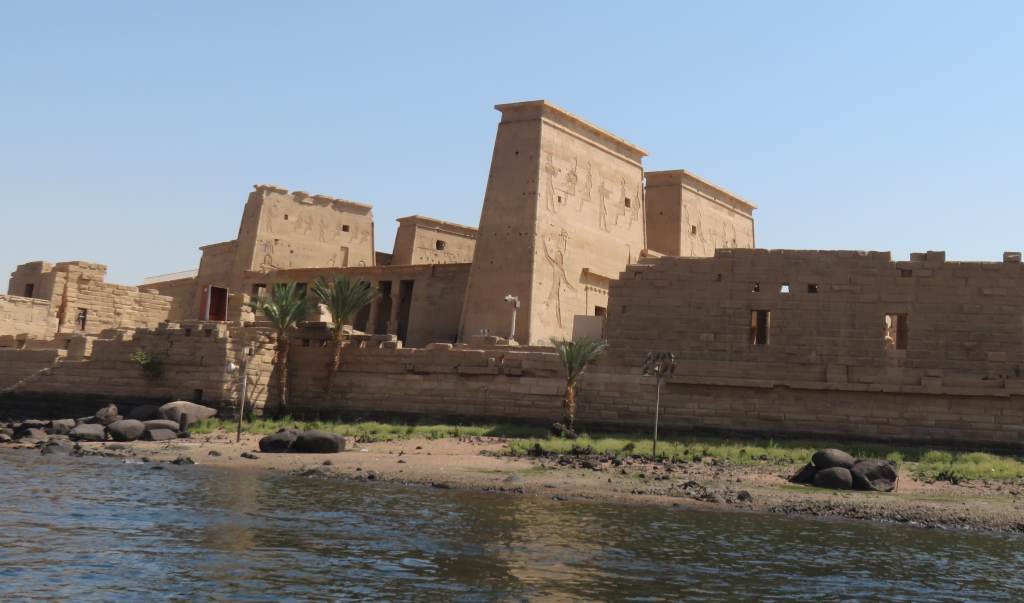
The temple was also relocated due to the construction of the Aswan High Dam. This temple was dedicated to the goddess Isis. We again saw many bas-relief inside the temple. There’s a Birth House inside the temple. The entire temple complex was pretty large, with several smaller buildings such as Temple of Hathor and Temple of Augustus.
After that, we visited a papyrus institute to learn how papyrus was made. It involved extracting the core of papyrus, soaking the core for several days, laying out the strips and pressing them into papyrus paper. The place was selling some awesome but very expensive ancient and modern Egyptian drawings on papyrus. Some paintings cost almost $2,000 USD!
We then returned to the ship to have lunch and to rest. The ship continued sailing down the Nile, and docked at Kom Ombo at 4:30pm for us to visit the temple there.
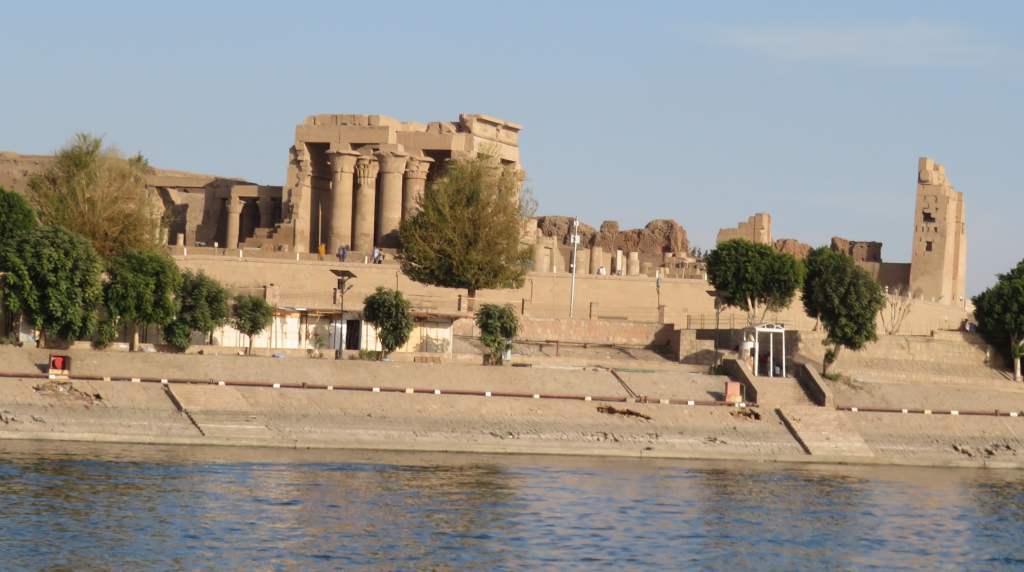
The Kom Ombo Temple was special because it was dedicated to two gods: The falcon god Horus, and the crocodile god Sobek. Yasser informed us that it was a hospital in the ancient time. There was again many carvings. However, by the time we were all pretty much “templed out”!
There was a Crocodile Museum near the entrance/exit, where we visited at the end to see some mummified crocodiles.
Everybody was exhausted and all returned to the ship before the scheduled 6pm departure. The ship then continued sailing down the Nile.
Day 10: Edfu
A horse buggy ride took us to the Temple of Horus in Edfu. The temple had a very impressive pylon and Horus statues. This was also a Greco-Roman age temple.
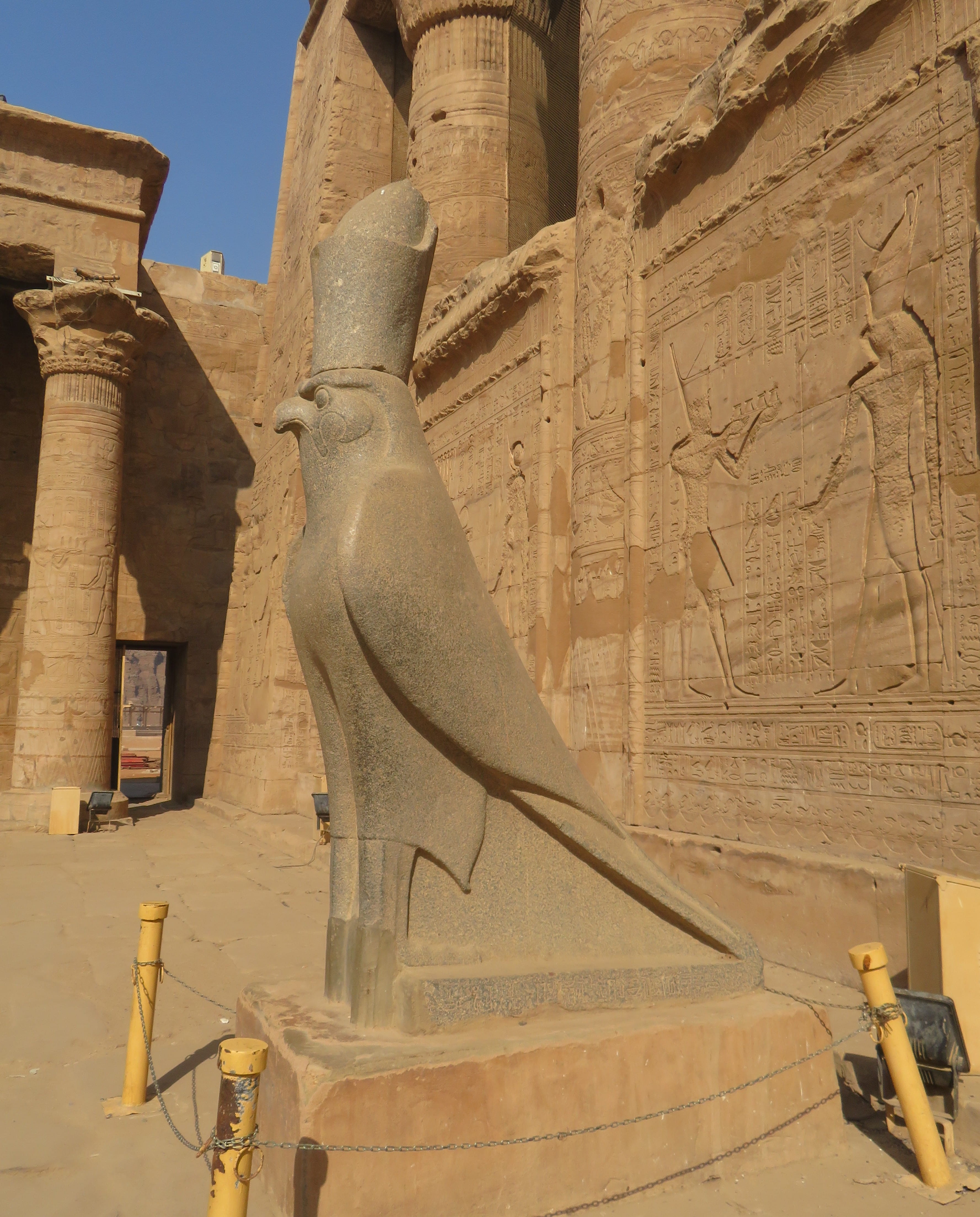
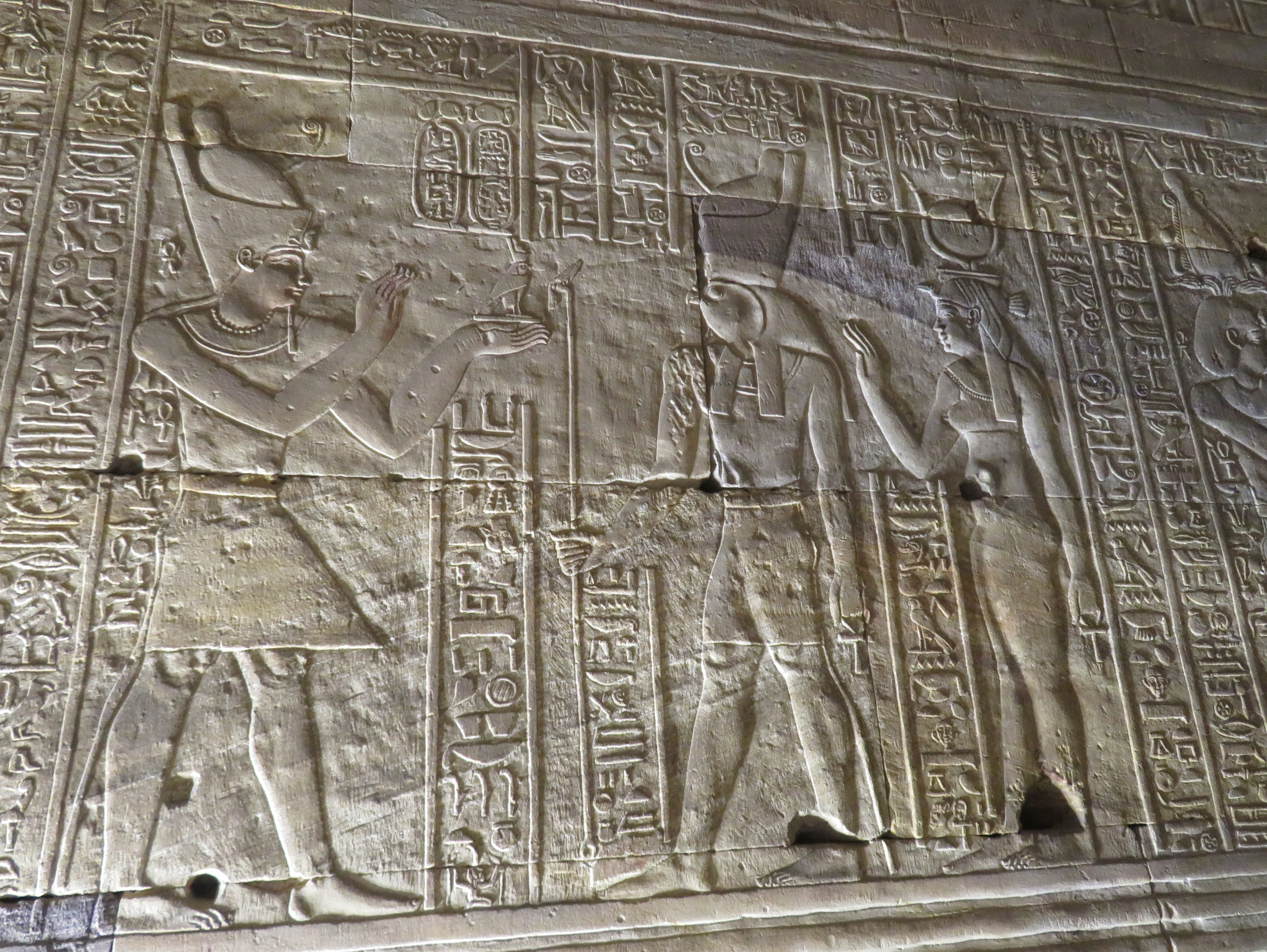
Horus was a very respected god in Egypt. He was the son of Osiris and and his sister-wife Isis. Legend had it that Osiris’s brother Seth tricked and killed Osiris. Seth then cut up Osiris’s body and scattered the pieces all over Egypt. Isis and her sister Nephthys gathered up the pieces, put them together, and wrapped the body in linen. That’s why Osiris looked like a mummy in many paintings. Osiris then became the God of the Underworld. After Horus grew up, he challenged his uncle Seth — it’s a battle of good versus evil. Some said that Horus killed Seth to revenge for Osiris, while others said the battles were still going on because evil still existed. Even though there was no consensus, all believed that Horus represented “good” and he was worshipped in many temples.
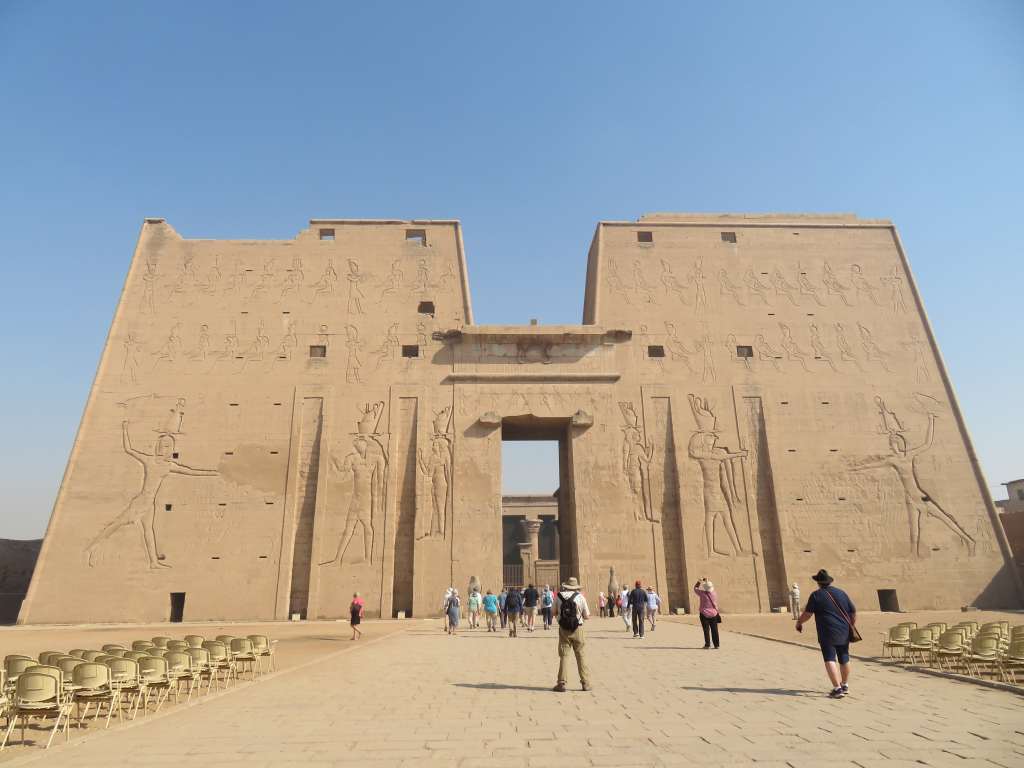
After we arrived at the temple, we first passed through the Birth House before walking through the entrance pylon. There were many bas-reliefs showing the king dedicating the temple to Horus. Because this would be the last temple of this trip, we took many photos.
The returning trip was pretty chaotic. Because we were supposed to get on the same horse carriage that took us here, people were all waiting for the “right” carriage. It was a long and confusing process. The ship departed soon after everybody returned.
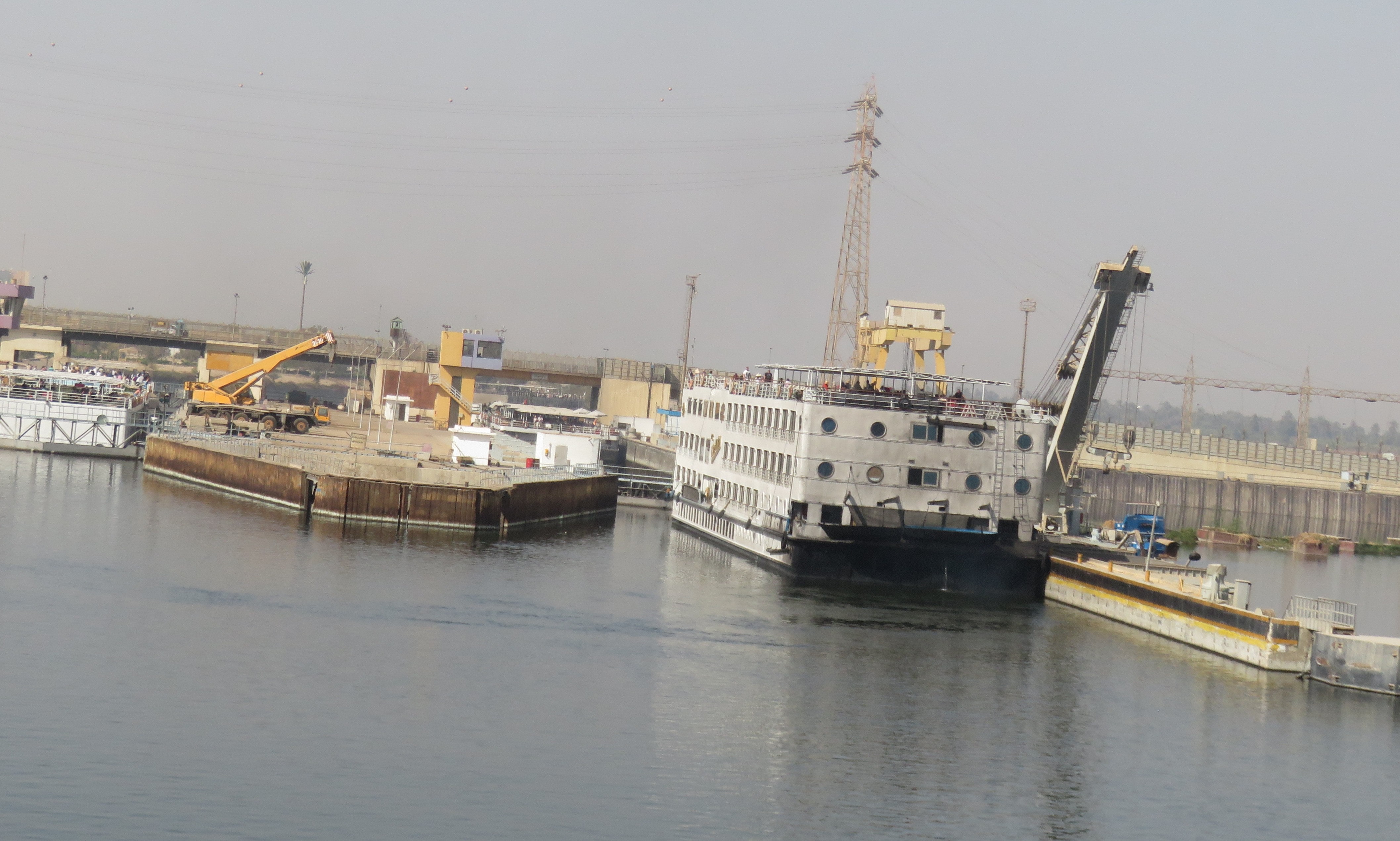
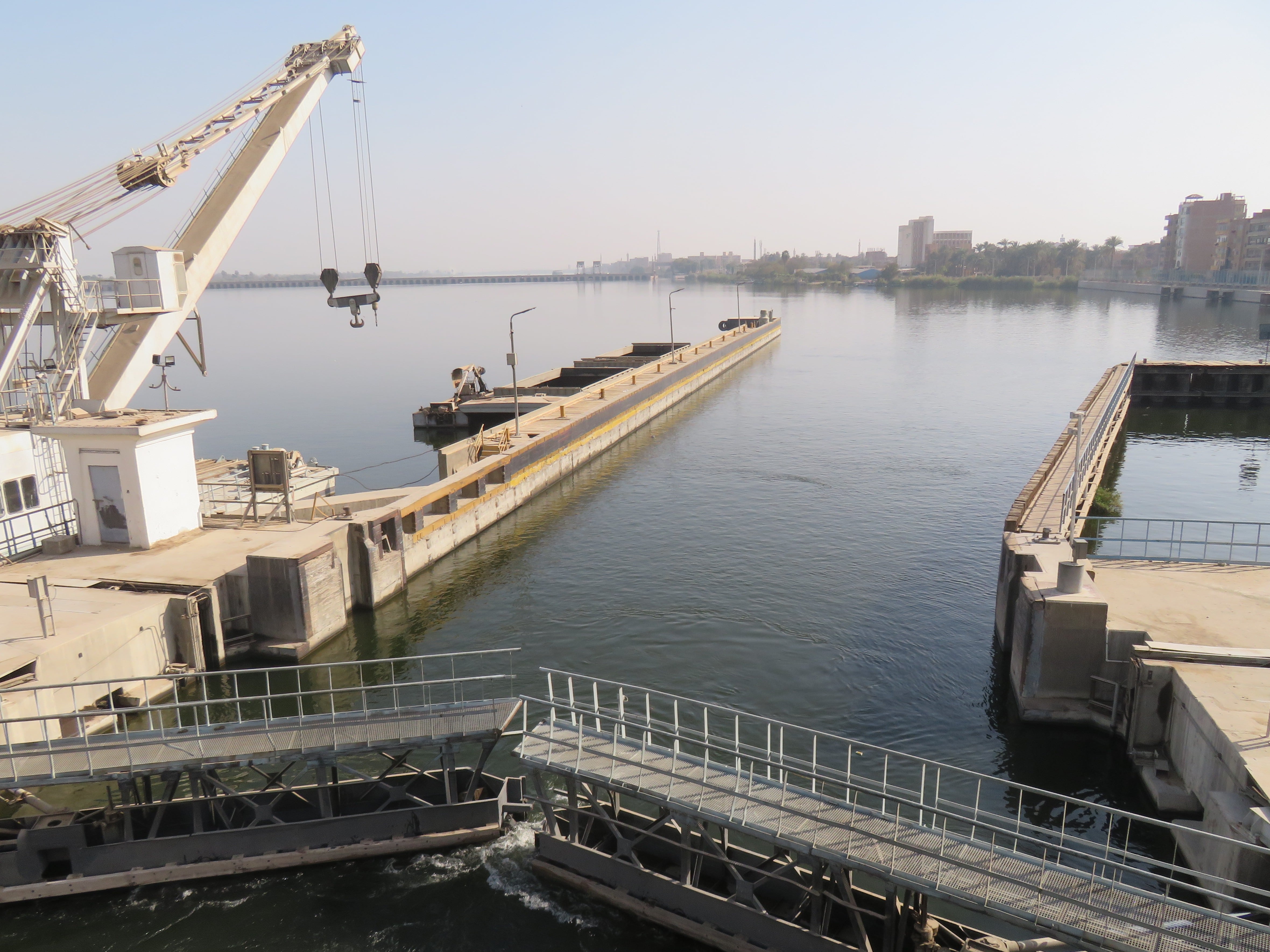
We had a very relaxing sailing down the Nile. We passed through the Asna Lock in the afternoon, and experienced all the excitement. Many vendors gathered near and at the Asna Lock. Some were on small boats, while others stood on the concrete part of the lock. They kept throwing their merchandises on to the top deck of our ship, even though we explicitly told them that we were not interested. Fellow passengers threw the merchandises back to their boats with some unfortunate results of bags falling into the water.
This would be our last night on the Viking Osiris. We would disembark and fly back to Cairo tomorrow morning.
Day 11: Return to Cairo
We disembarked after breakfast. This would be the end of our river cruise. We were bused to the Luxor airport and then boarded another chartered flight back to Cairo. This time we stayed in a hotel closer to the airport for convenience. We arrived around noon and had a buffet lunch.
Originally we planned to DIY today. However, because we still had extra onboard credit we didn’t know what to do, so we ended up booking an excursion to the National Museum of Egyptian Civilization (NMEC). The excursion started shortly after the lunch.
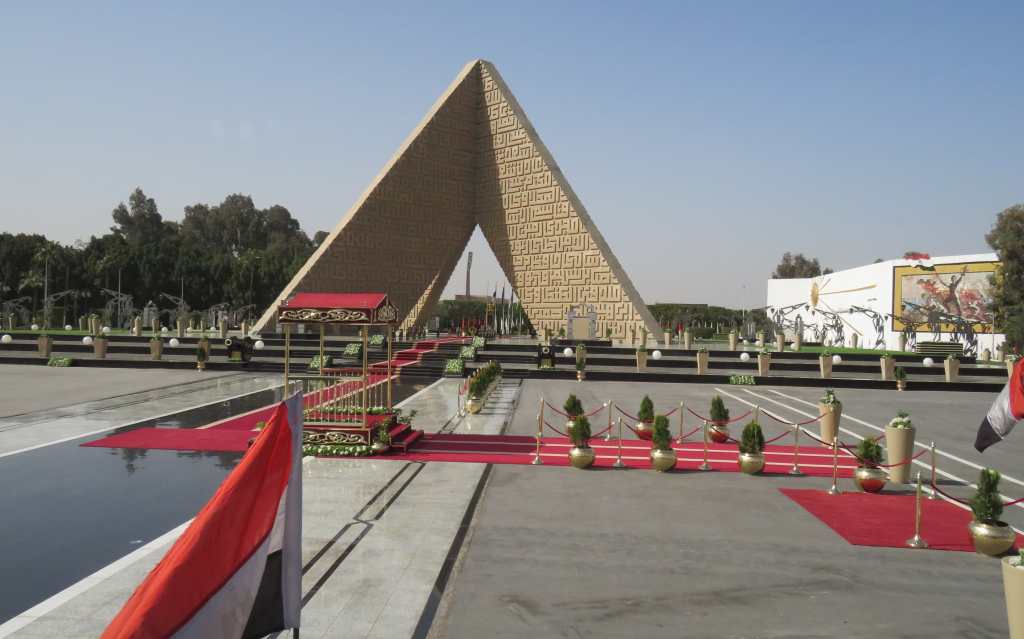
The bus passed the Unknown Soldier Memorial, where Anwar Sadat was buried after his assassination in 1981. The bus driver slowed down for us to take pictures.
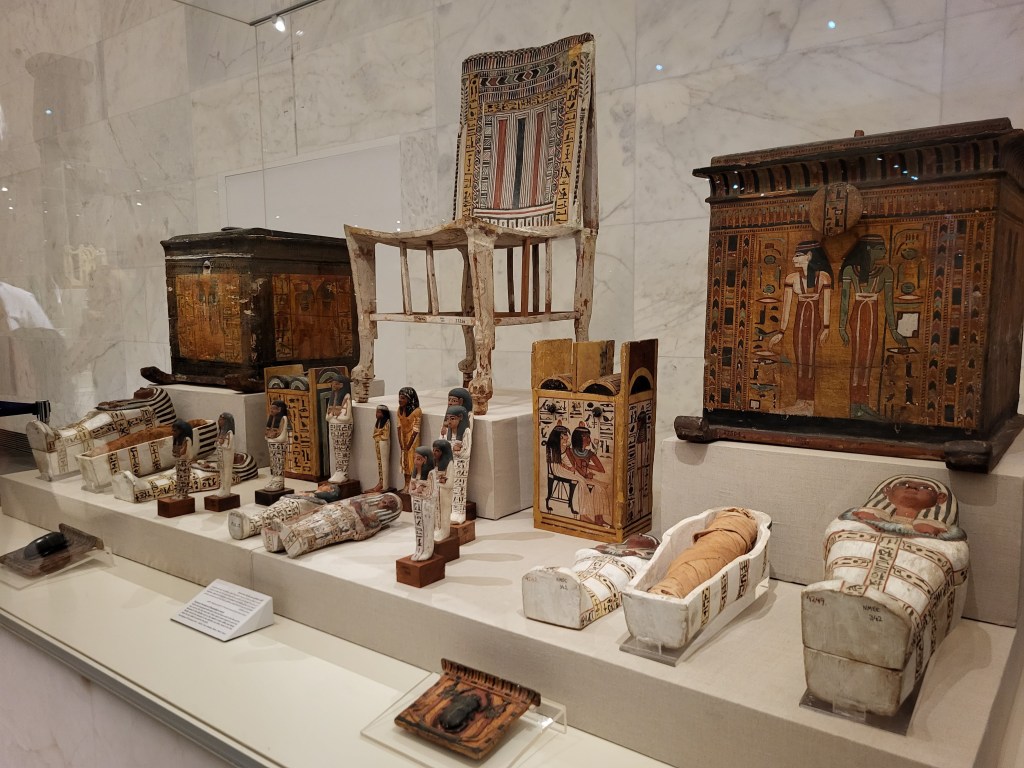
The NMEC was a very new museum. It had a large exhibition hall with various artifacts from different eras. The museum was only opened in April 2021, and was mostly famous for its Royal Mummie’s Hall, which displayed 20 royal mummies: 18 kings and 2 queens, including Thutmose III, Rameses II and Hatshepsut! No photos were allowed in the Royal Mummie’s Hall. The mummies looked really creepy!
We also watched the film of the Pharoahs’ Golden Parade, when they transported 22 royal mummies from the Egyptian Museum in Cairo to NMEC. (Don’t ask me about the two “missing” mummies.) The procession was quite impressive!
We had farewell dinner buffet in the same hotel. It’s the last chance for us to thank the guides and to give them extra tips.
After dinner, Rei and I went to the adjacent shopping mall. It’s a western style shopping mall mainly selling clothes. However, we did find a store selling Egyptian food and we bought several boxes of date cookies to take home. They only cost 40 LE each and were quite delicious!
This was the end of our vacation in Egypt. We were taking a morning flight home tomorrow.
Afterthoughts
Egypt is on almost every traveller’s bucket list. You just got to visit Egypt once in your life! However, I didn’t realize that the Egyptian trip would fall into the “adventure” category. (My definition of “adventure”: carry your own toilet paper!)
Unfortunately Egypt was quite dirty. The air quality was pretty poor. Many people were coughing towards the end of the trip, including myself. Every attractions we went there were many aggressive vendors trying to sell us similar souvenirs. We were expected to tip everywhere (including to use the toilets). There were even strangers asking for money. Overall, it wasn’t a very enjoyable trip.
It would be useful to bring USD $1 bills for tipping and USD $5 bills for shopping. I didn’t find larger bills useful. Also bring a face mask to protect yourself from smog in the cities and sand in the desert.
Sailing up or down on the Nile on a cruise ship watching the serene scenery flowing by was a great experience. It’s surreal imaging people thousands of years ago were sailing on the same river.

